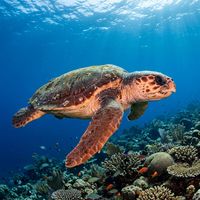
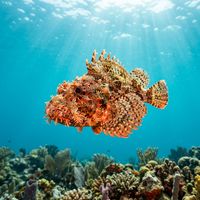
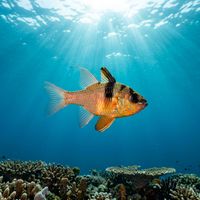
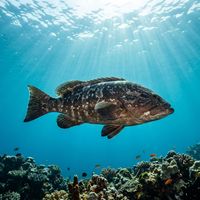
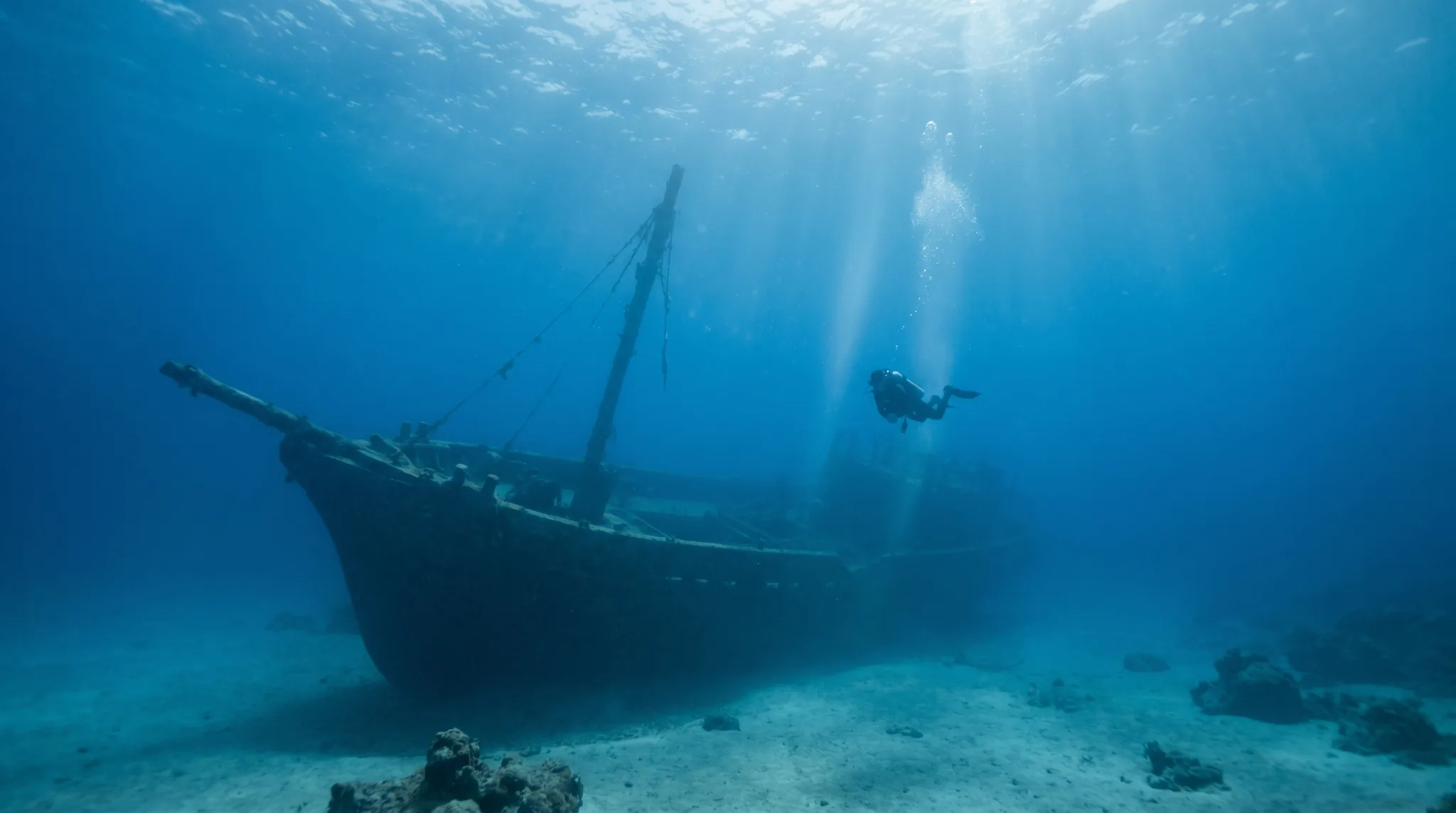
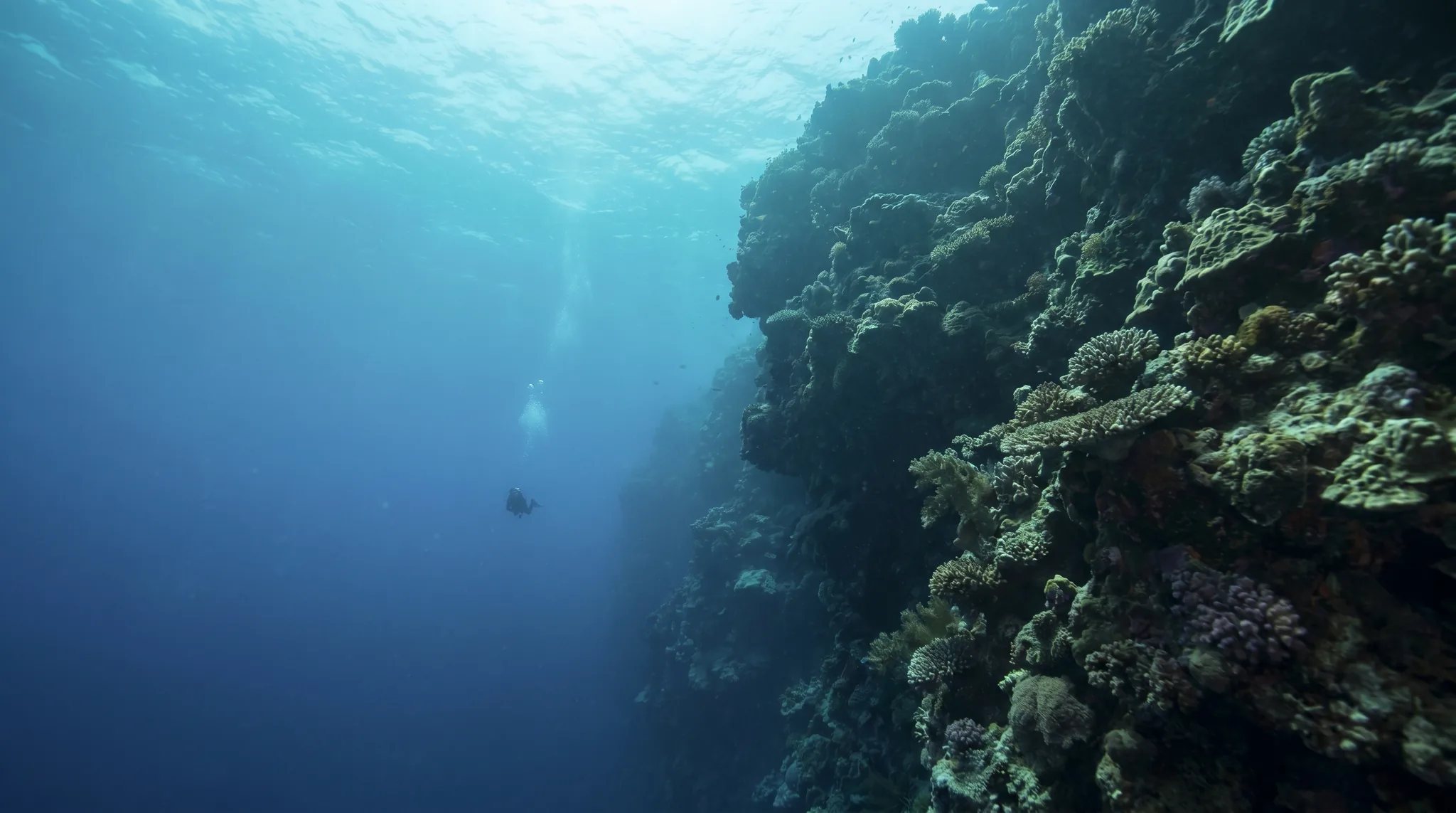
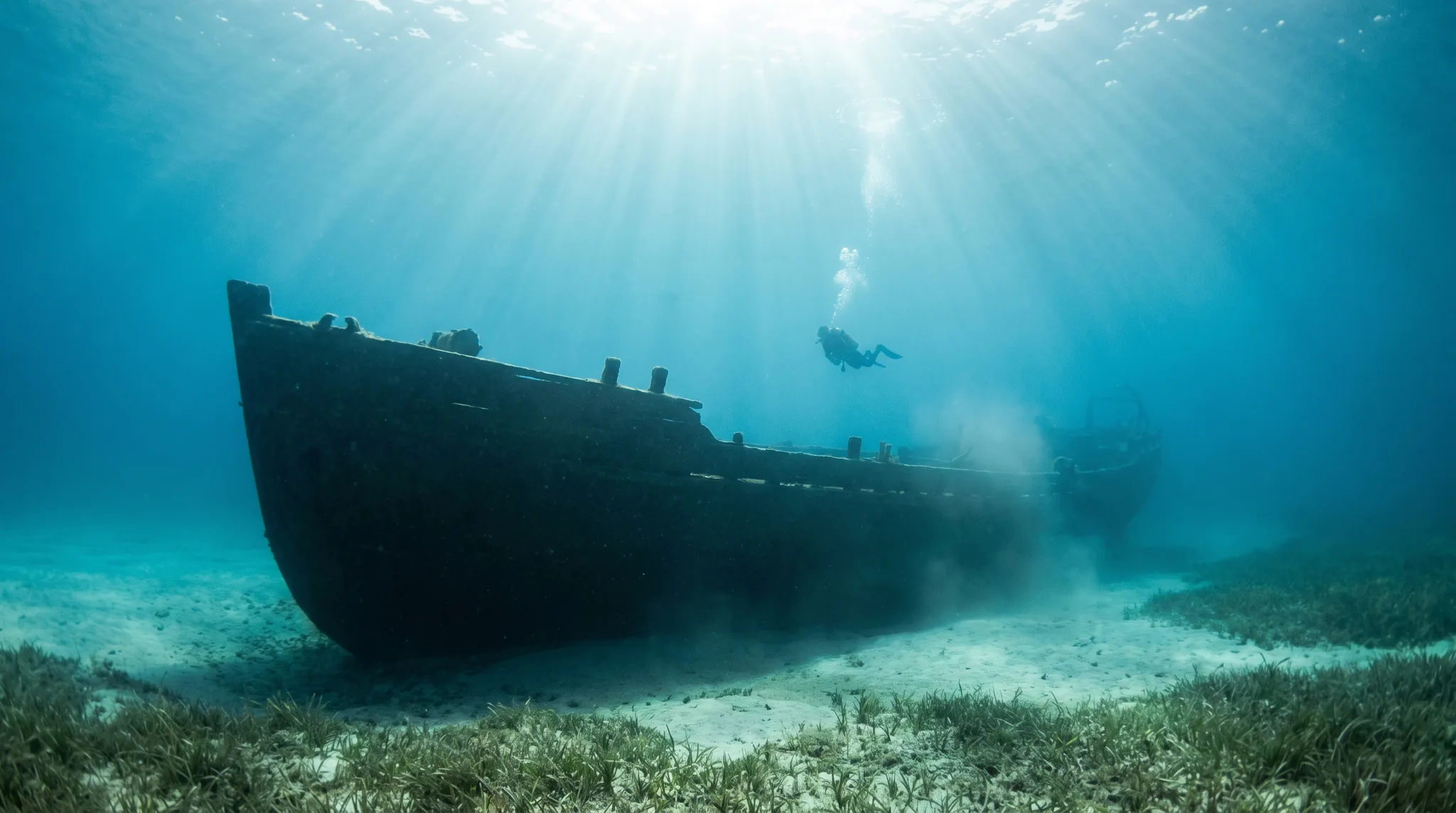
Kyrenia's dive sites are defined by a varied mix of reef, wall, cave and wreck topography, all accessed from the northern coast of Cyprus. Walls and drop-offs at sites like Paradise and The Wall suit advanced divers, while reef-cave combinations at Bambi and Extra Virgin welcome those earlier in their diving journey. The Loggerhead Sea Turtle is the region's signature sighting, alongside omnipresent Scorpionfish, Silverside and Cardinalfish. Artificial structures, including a submerged aircraft at Plane Wreck and the Fred Wreck, add further variety.
Monthly water temperature across Kyrenia's sites, from satellite sea-surface data corrected for depth. The band shows the site-to-site spread.
Water temperature rises steadily from spring into autumn, peaking in October and remaining comfortable well into November, making the late-summer and early-autumn window particularly rewarding. Cooler winter months bring thinner wetsuits out of favour, though diving remains possible year-round. The best conditions, combining warm water with settled visibility, fall between late spring and mid-autumn.
14 operators
Cyprus
1 more site to explore
Water temperature around Kyrenia ranges from about 17°C in February to 25°C in October, based on satellite sea-temperature data for its dive sites.
In the warm season (about 25°C) a 3mm full suit is comfortable in Kyrenia; in the coldest months (about 17°C) step up to a 7mm or semi-dry suit.
Fin maps 10 sites in Kyrenia (10 scuba diving sites and 1 snorkelling spots, with some suited to both).
Across Kyrenia's dive sites, May, June, July, August, September and October are most often reported as the best months to visit.
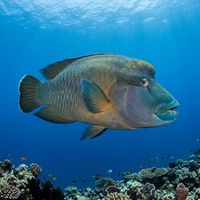
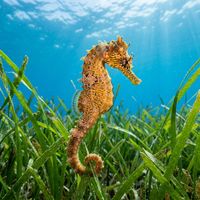
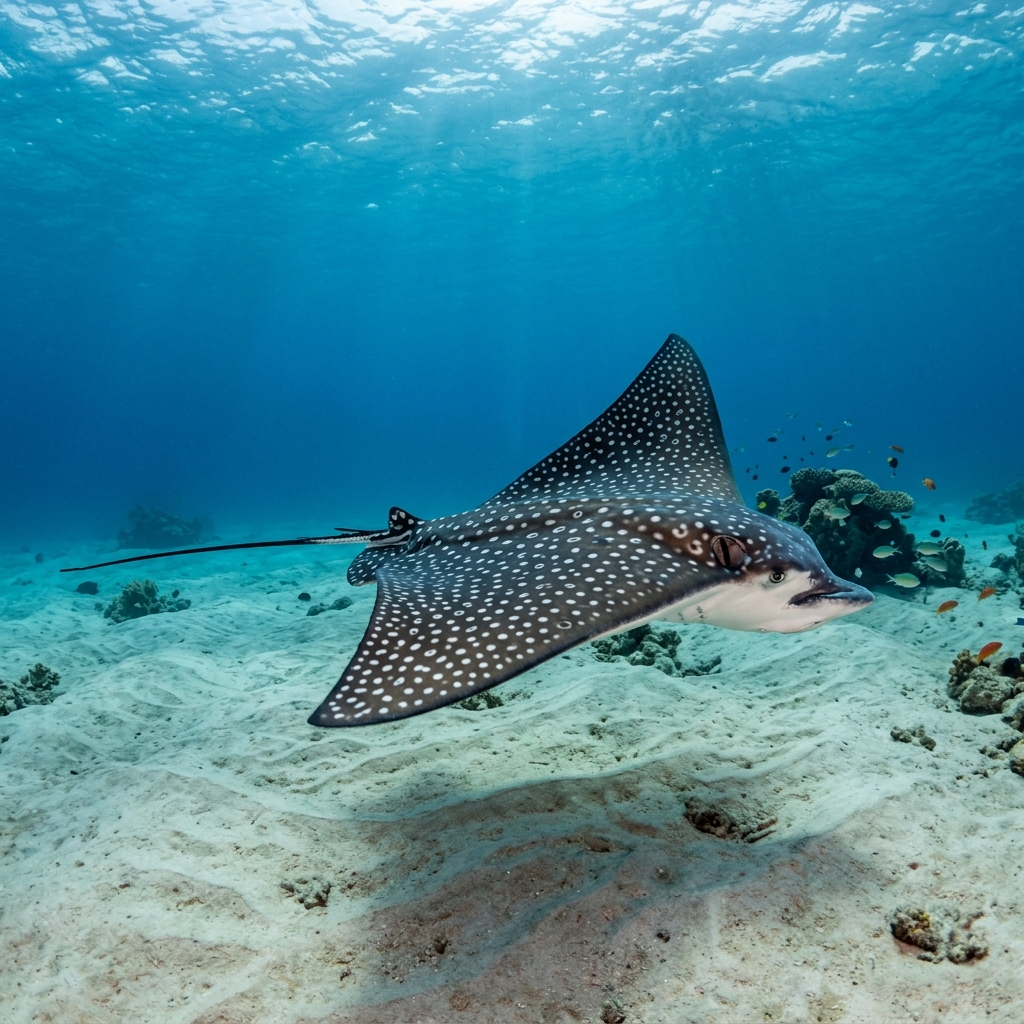
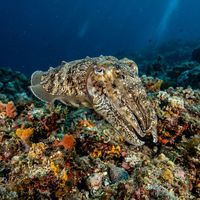
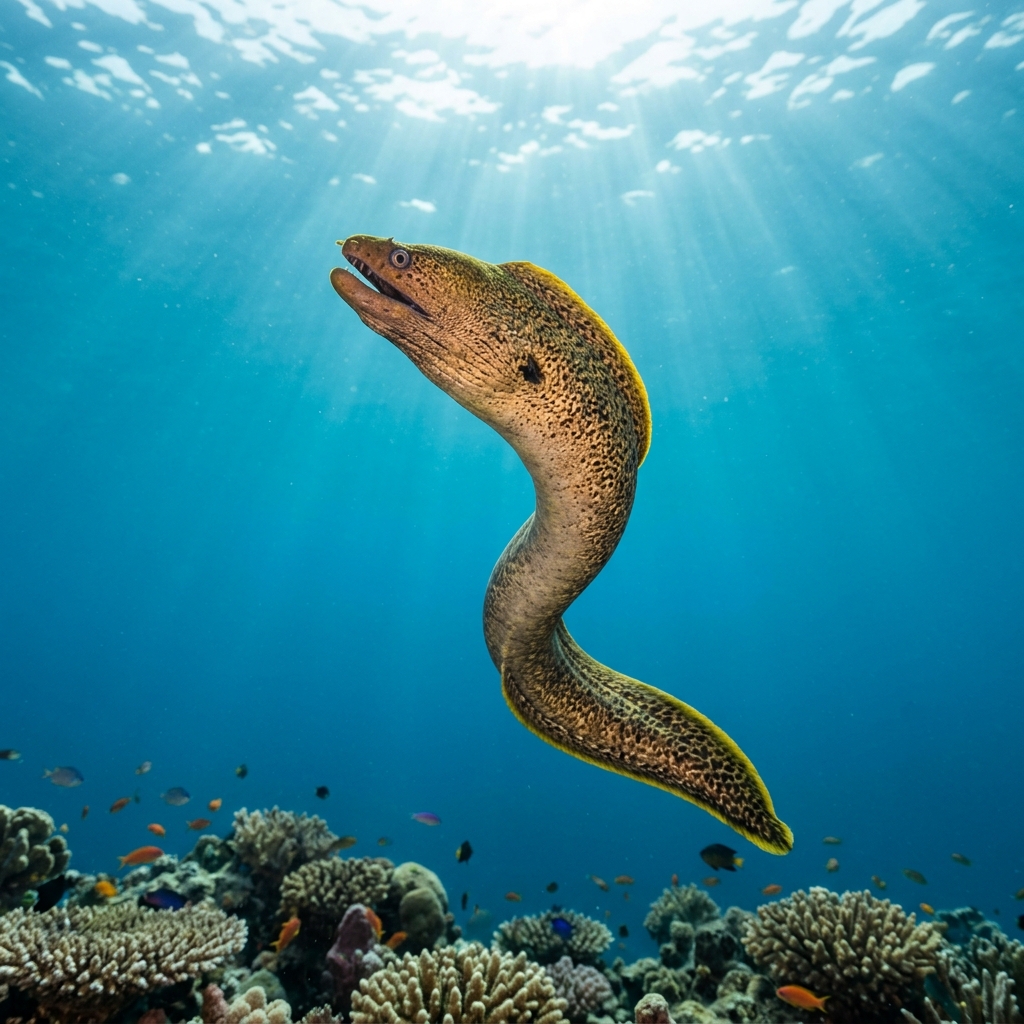
The Loggerhead Sea Turtle is the most celebrated resident and is observed across the majority of sites. Scorpionfish, Cardinalfish, Castagnole and Silverside are encountered on virtually every dive. Less frequent but observation-backed sightings include Eagle Ray, Napoleon Wrasse, Yellow-edged Moray, European Common Cuttlefish and Seahorse.
Yes. Bambi is a shallow reef and cave site with a shore entry, listed specifically for beginners. Extra Virgin also offers a shore entry at an intermediate level, and Fred Wreck and Plane Wreck provide approachable wreck diving for those with some experience. Advanced divers are catered for at deeper wall and drop-off sites such as Paradise and The Wall.
Both options exist. Bambi and Extra Virgin are shore-entry sites, making them convenient for independent or guided shore dives. Fred Wreck and Paradise offer both shore and boat entry. The remaining sites, including Powerstation, Zephiros, The Wall, Anchor and Plane Wreck, are boat-access only.
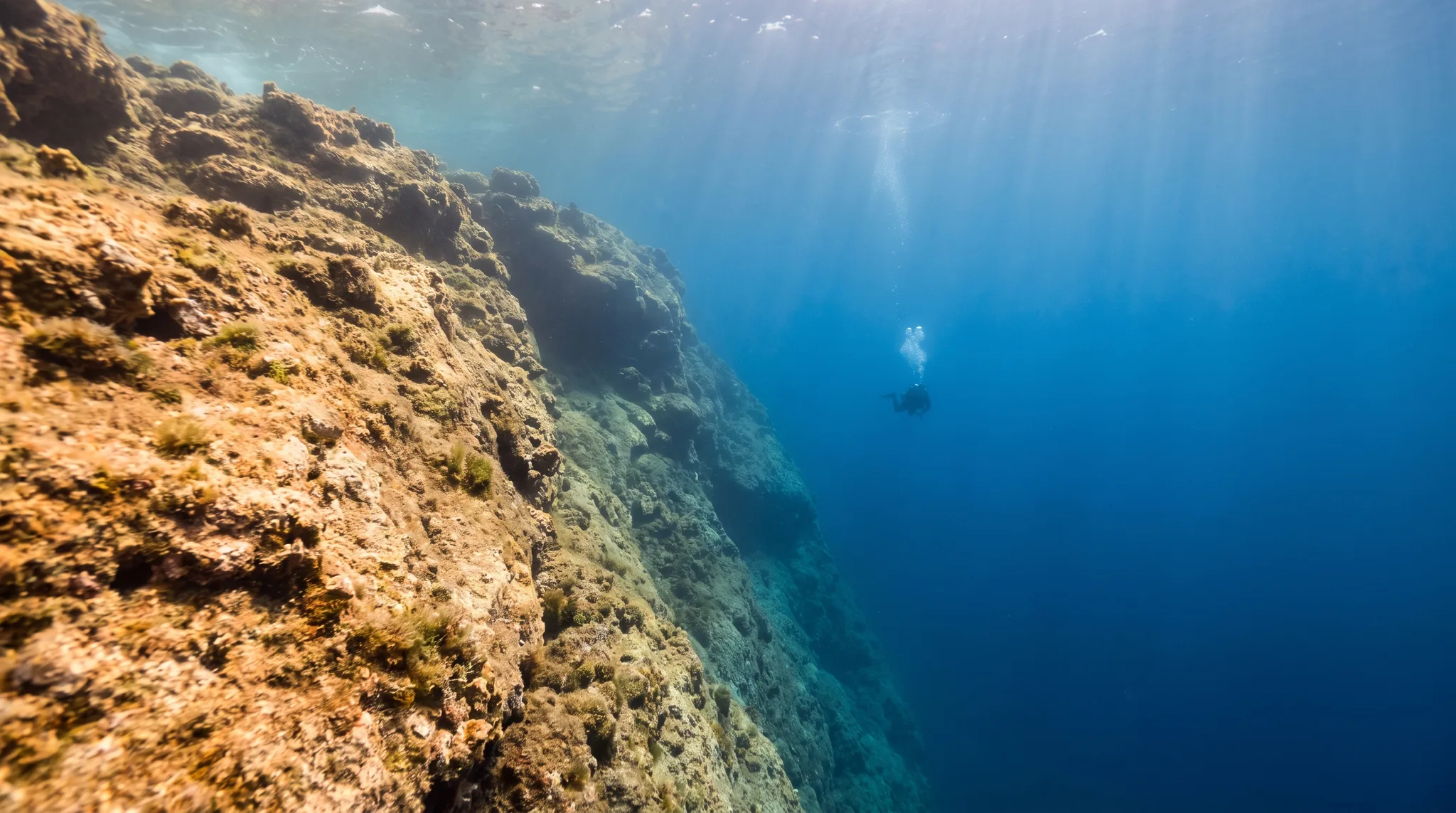
The region covers a broad range of underwater terrain. Reef and cave combinations appear at several sites, while vertical walls and drop-offs feature at Paradise and The Wall. Wreck diving is available at Fred Wreck, a combined wreck and artificial reef, and at Plane Wreck, a submerged aircraft resting on a sandy seabed. Anchor adds a natural and artificial reef pairing to the mix.