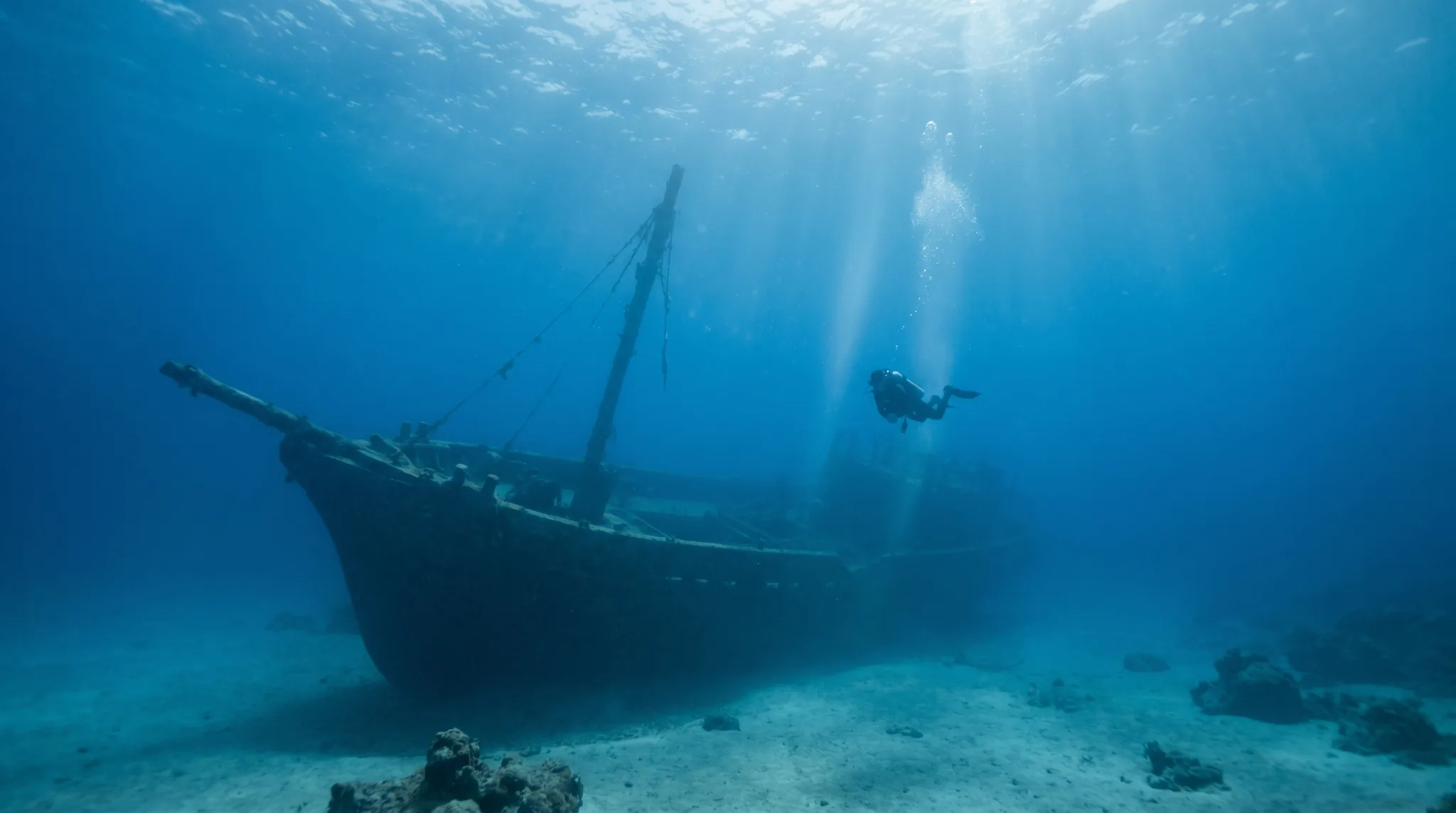
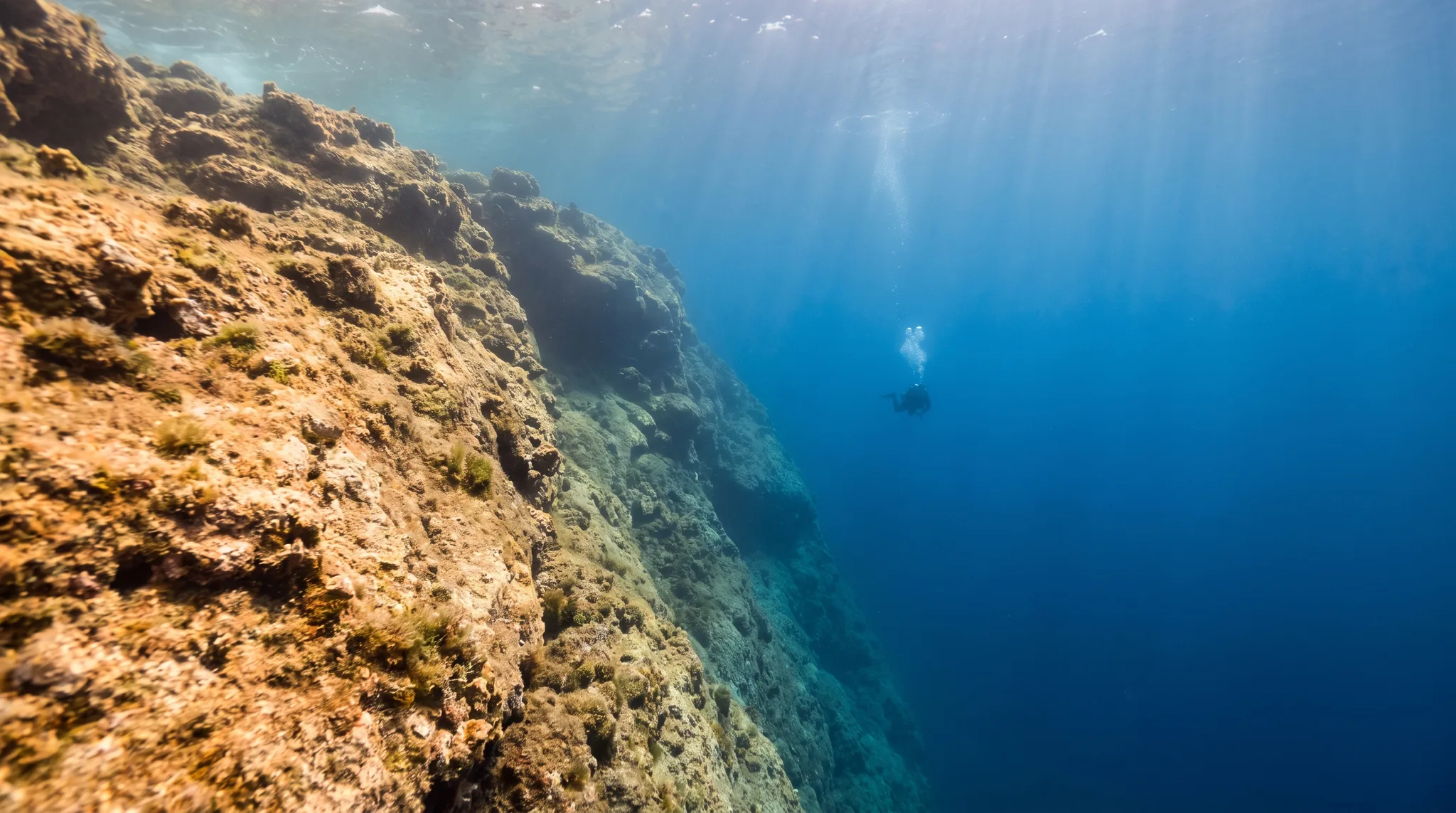
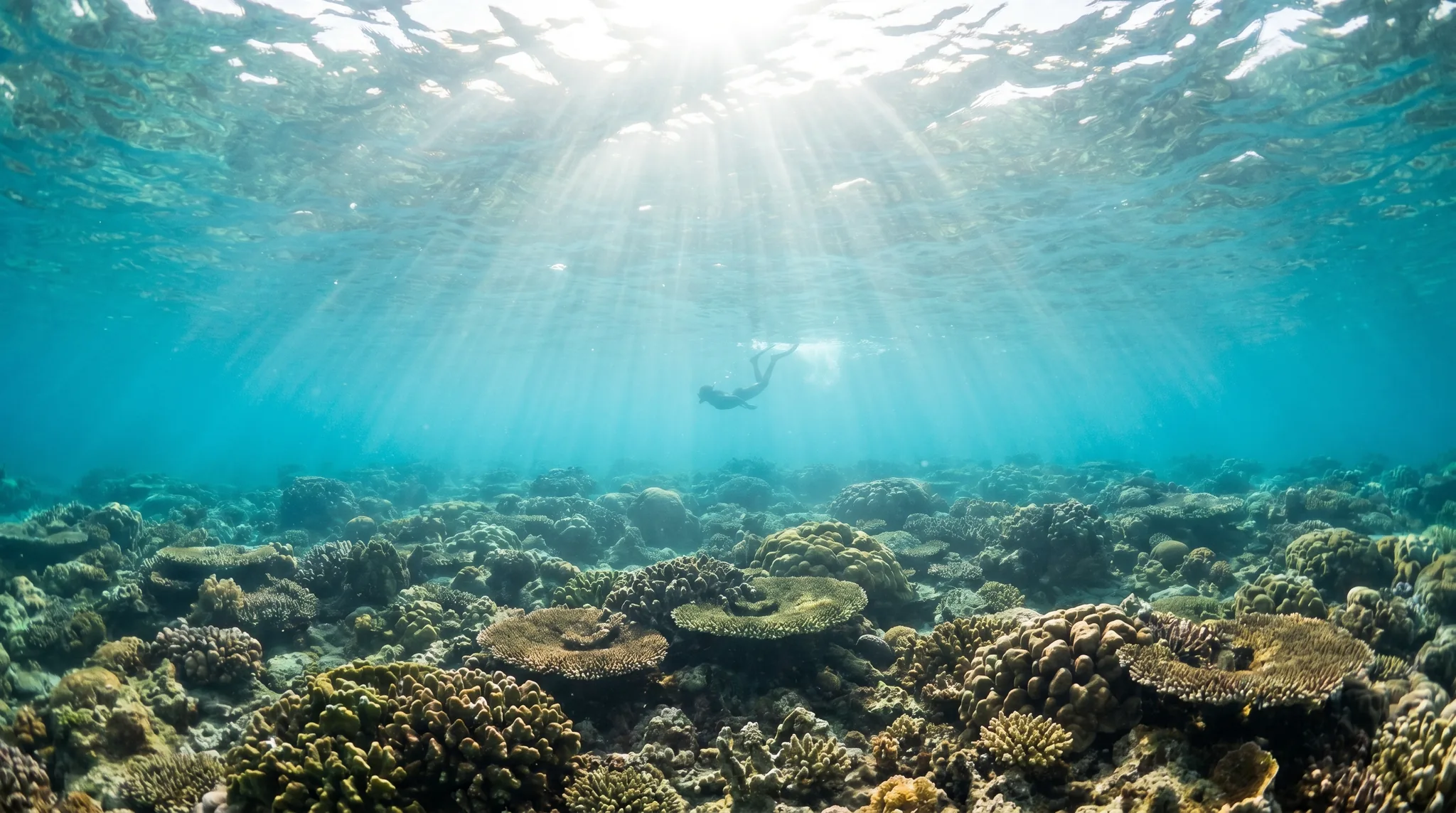
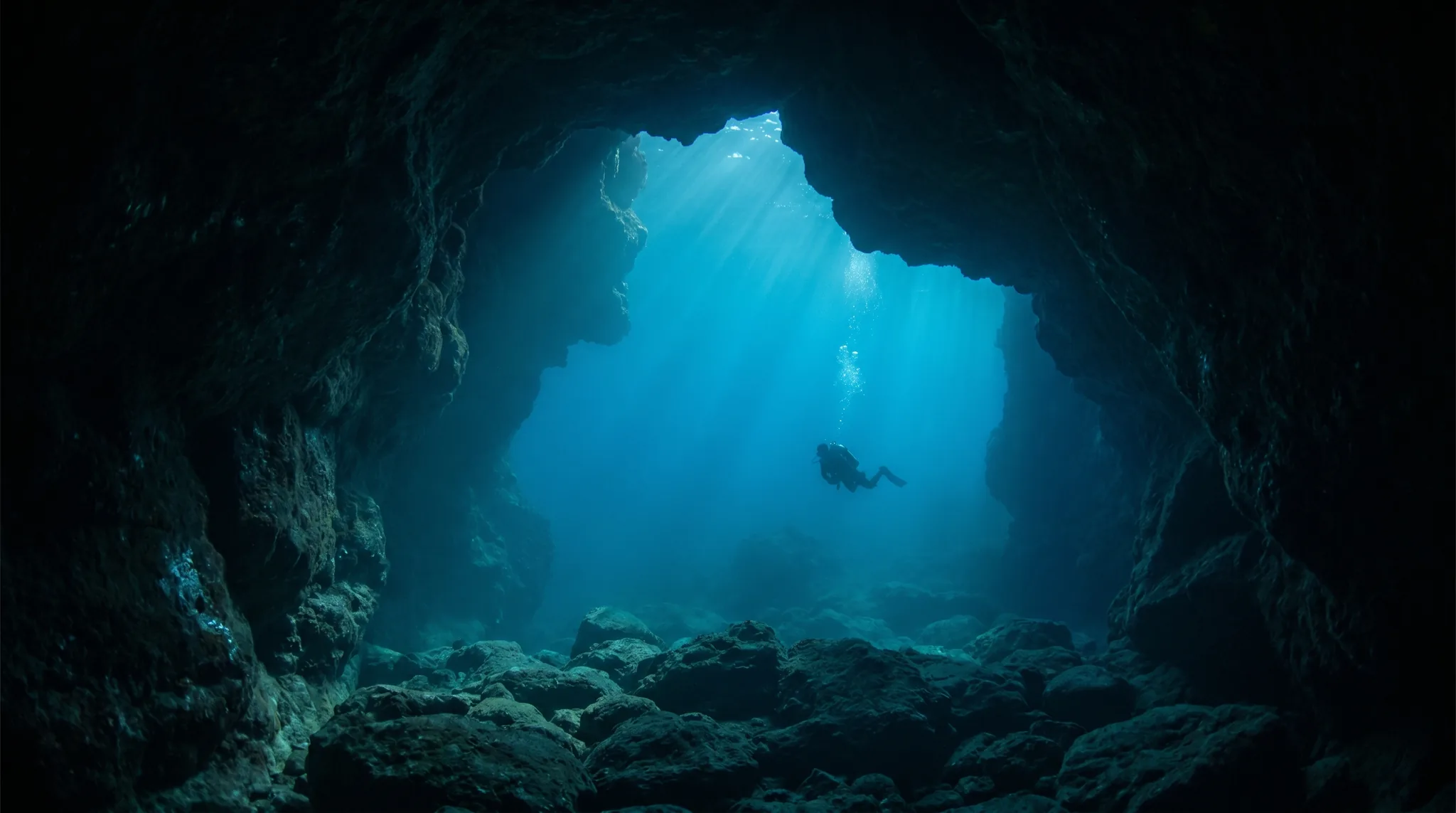
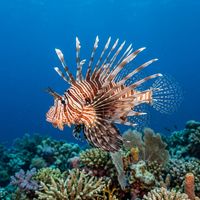
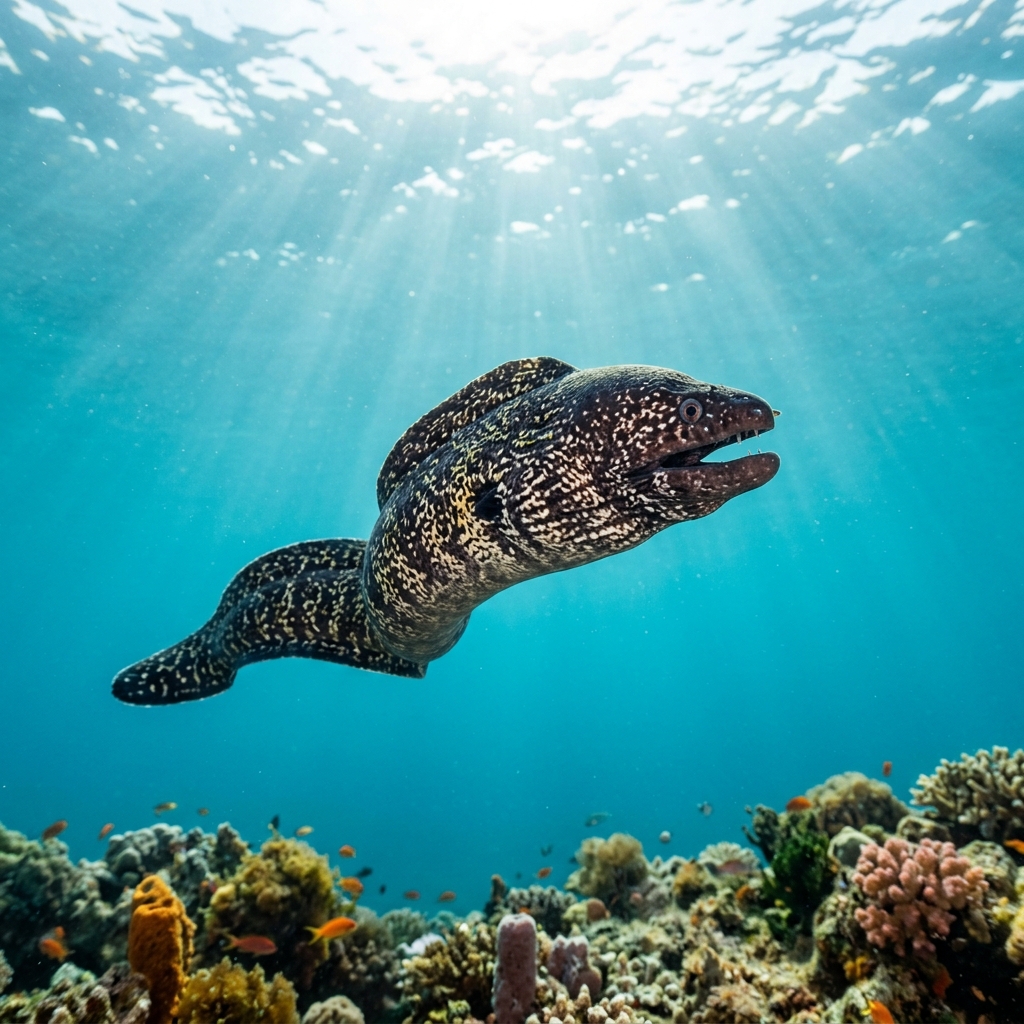
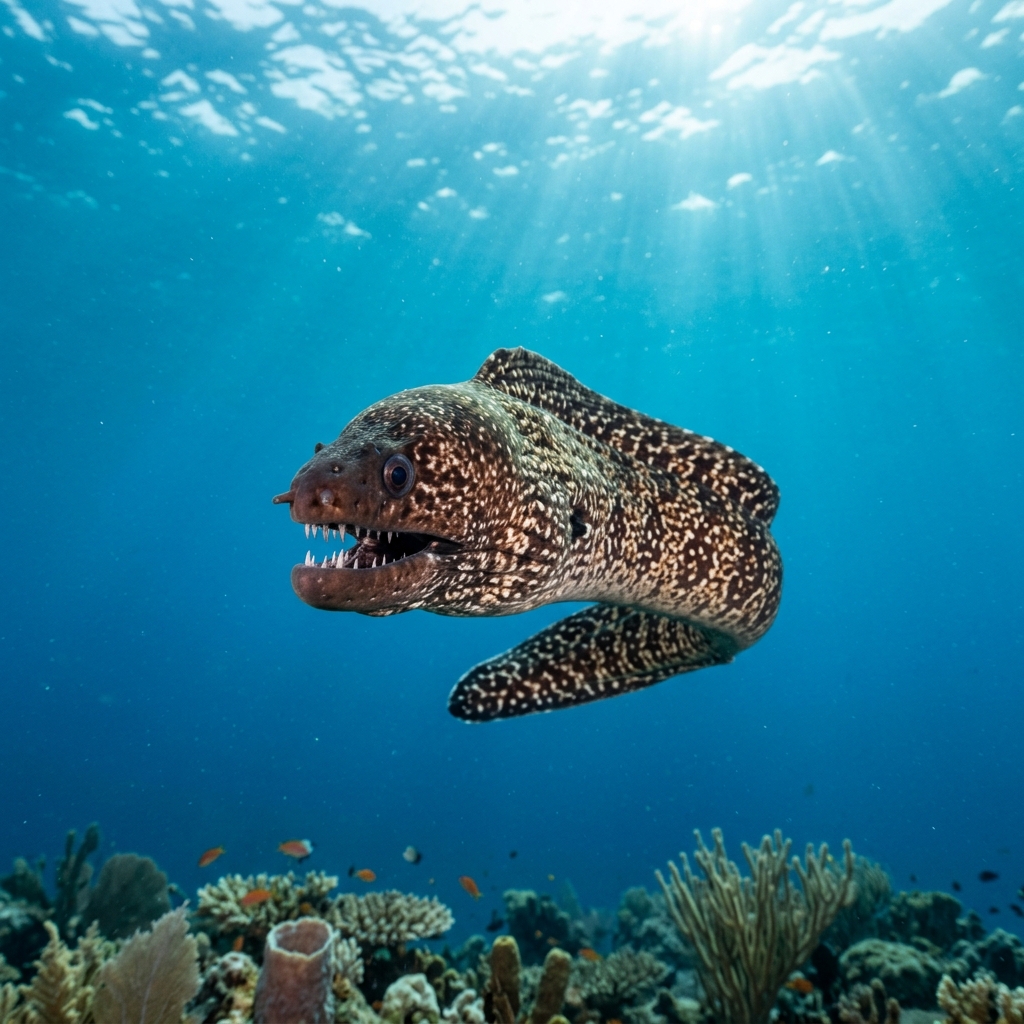
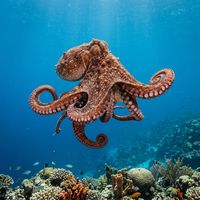
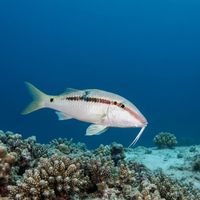
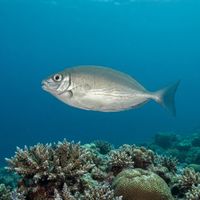
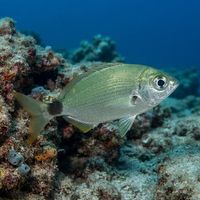
Cape Greco is a rocky headland site in Ayia Napa and Protaras where caves, canyons, walls and wrecks sit within short reach of the shore. The site mix spans shallow beginner reefs through to deeper intermediate drop-offs and purpose-built artificial reefs. Signature species include the Indian Lionfish, Mediterranean Moray, Fangtooth Moray and Common Octopus, alongside an abundance of Goatfish, Bream, Rabbitfish and Bluespotted Cornetfish across almost every site.
Monthly water temperature across Cape Greco's sites, from satellite sea-surface data corrected for depth. The band shows the site-to-site spread.
Water stays comfortably warm from late spring through autumn, peaking in September and October when diver activity is also at its highest. Spring and early autumn offer the best balance of warm water and calm conditions, while winter months are cooler though still diveable. The exposed cliff and cape topography means some sites can be affected by swell, so conditions are worth checking before shore entries.
40 operators
18 more sites to explore
Water temperature around Cape Greco ranges from about 17°C in February to 27°C in September, based on satellite sea-temperature data for its dive sites.
In the warm season (about 27°C) a rash guard or 3mm shorty is comfortable in Cape Greco; in the coldest months (about 17°C) step up to a 7mm or semi-dry suit.
Fin maps 30 sites in Cape Greco (30 scuba diving sites and 3 snorkelling spots, with some suited to both).
Across Cape Greco's dive sites, May, June, September and October are most often reported as the best months to visit.
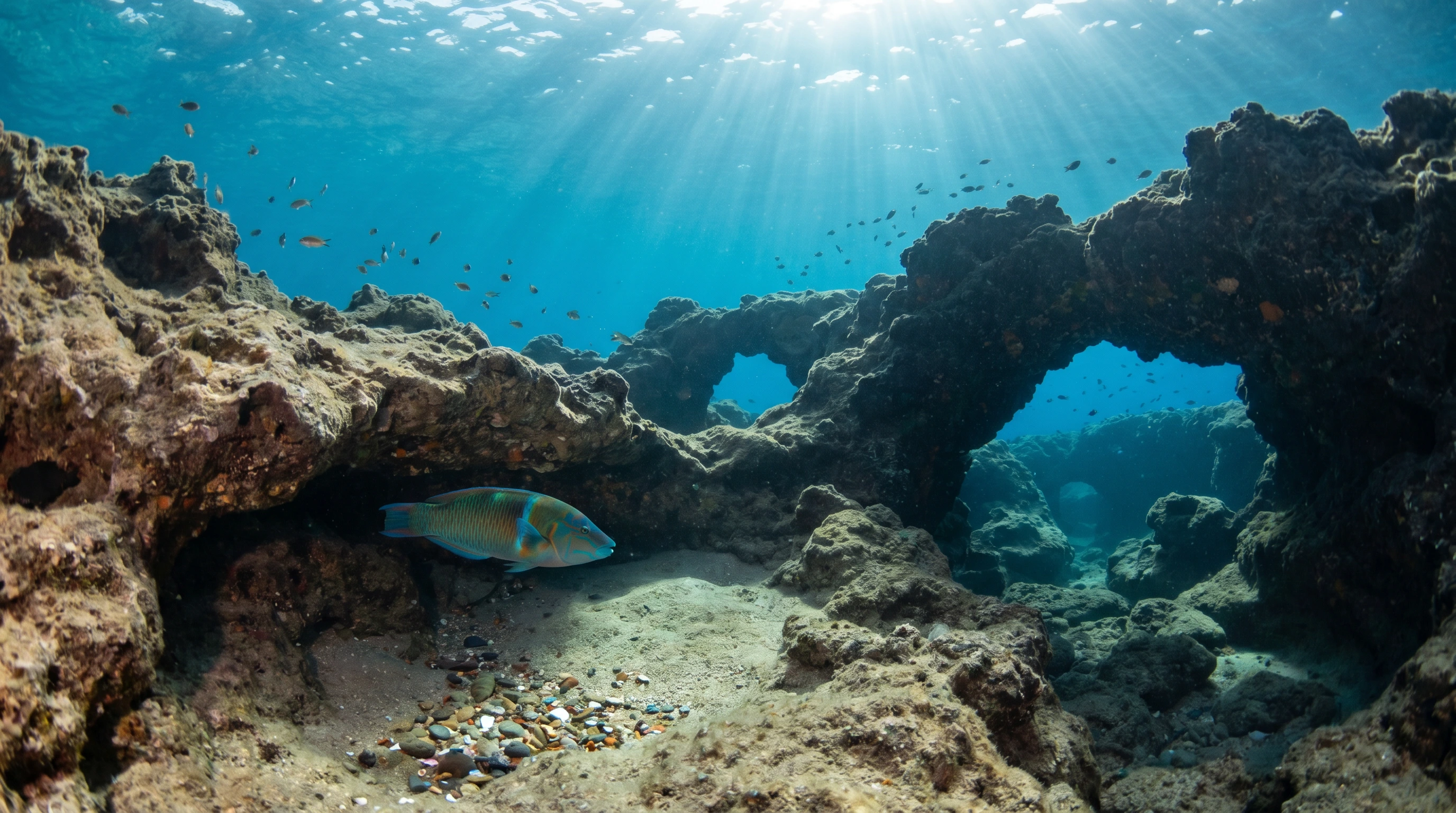
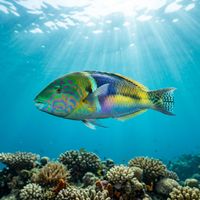
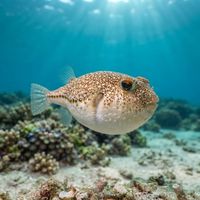
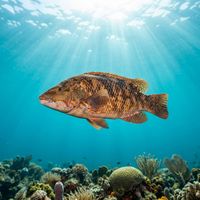
Cape Greco is particularly known for the Indian Lionfish and Mediterranean Moray, both observed very commonly across the majority of sites. The Fangtooth Moray and Common Octopus are also frequently encountered. Other regularly observed species include the Bluespotted Cornetfish, Reef Squid, European Parrotfish, Rabbitfish, Pufferfish, and the colourful Turkish Wrasse.
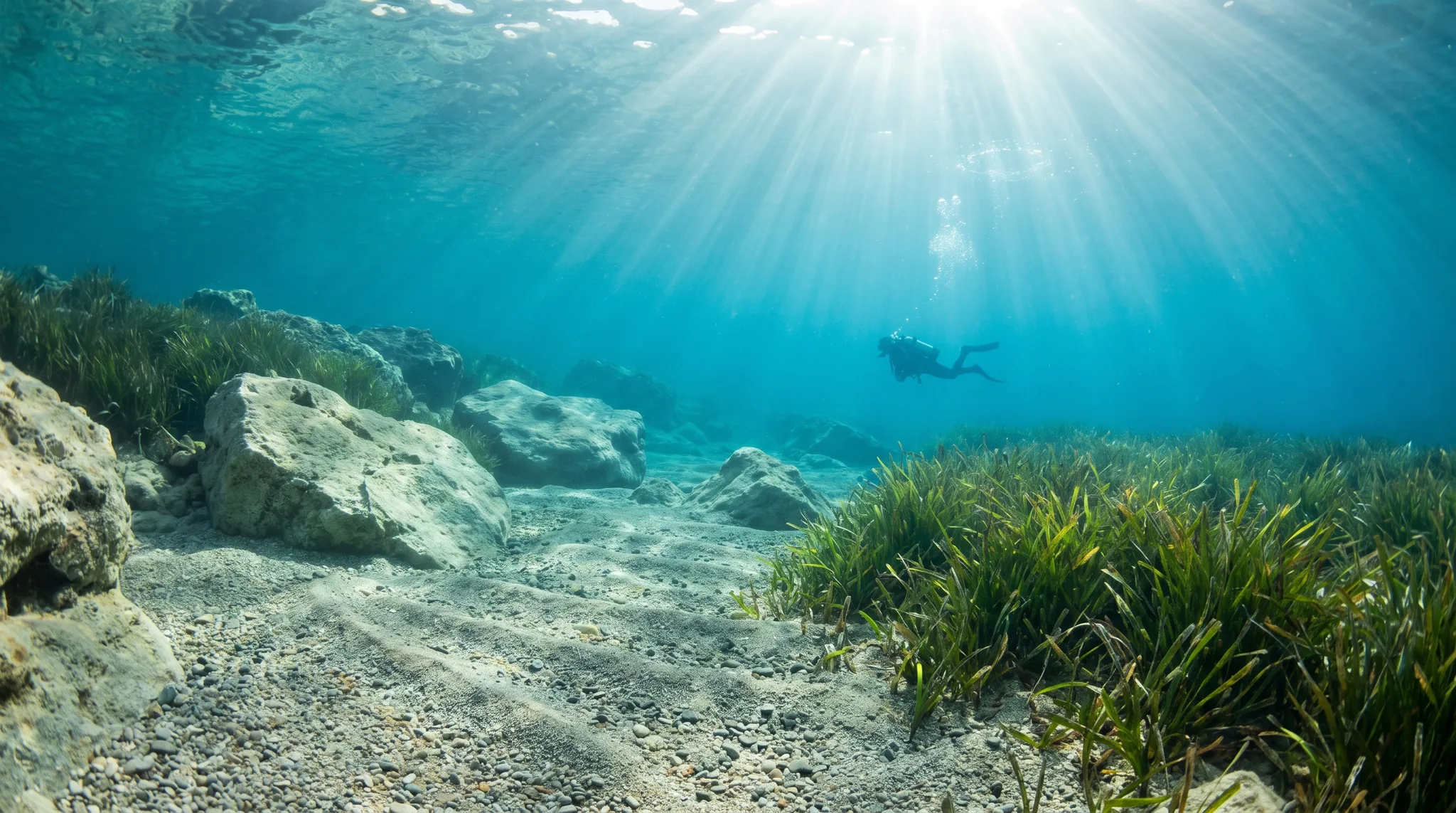
A good proportion of Cape Greco's sites are rated for beginners, including The Blue Lagoon, De Costa Bay, Tunnels and Caves, Roman Harbour, Paramount Reefs and Pirates Bay. These sites feature shallow depths and accessible shore entries. Intermediate divers are catered for by sites such as Canyon, Cyclops Cave and the Nemesis wreck, which offer caves, walls and greater depth.
The majority of Cape Greco's dive sites are shore-accessible, with several offering convenient entry points such as man-made steps or sandy beaches. A smaller number of sites, including the Nemesis wreck and the Artificial Reef, require a boat. The Liberty Wreck can be reached by either method.
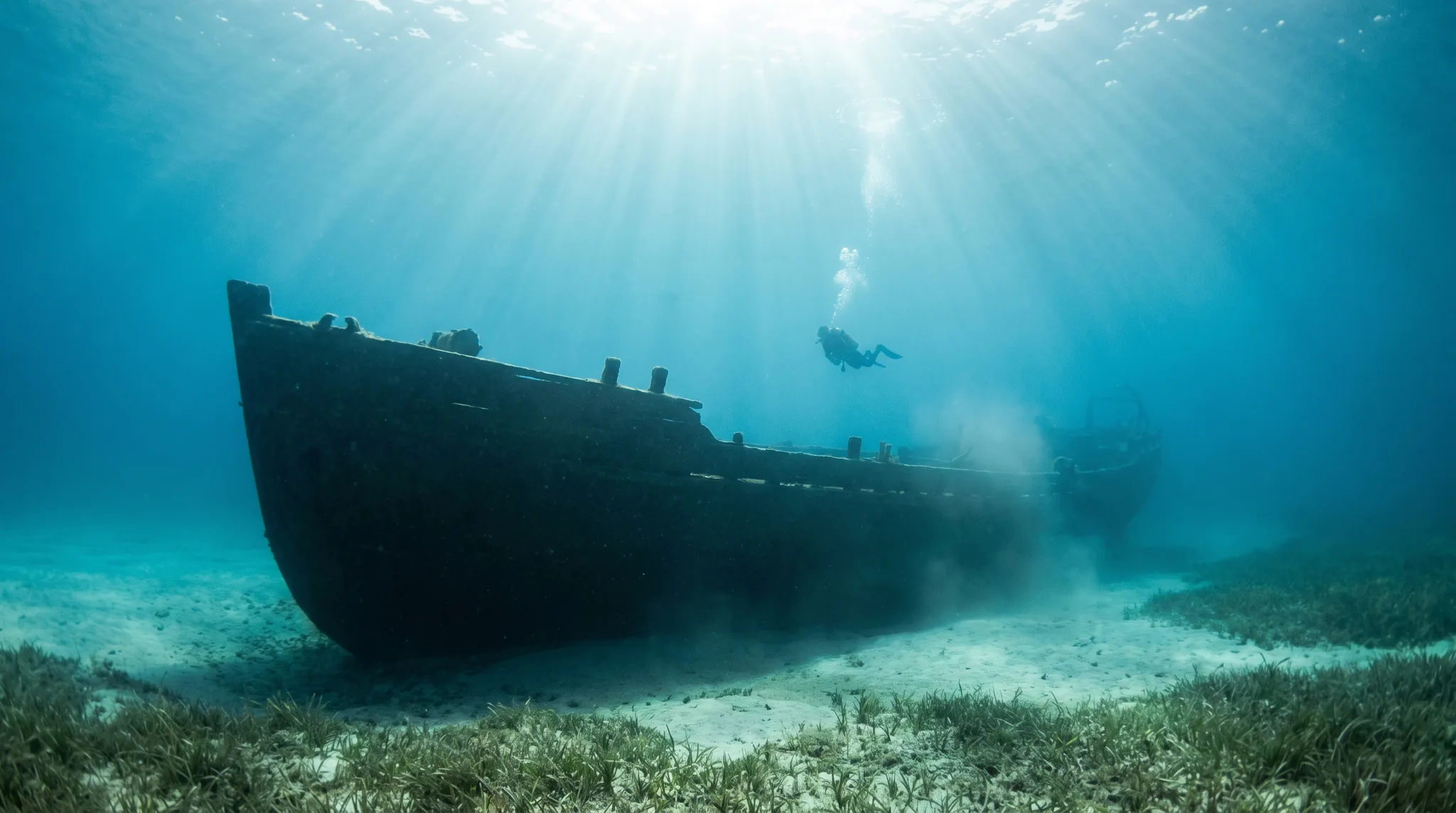
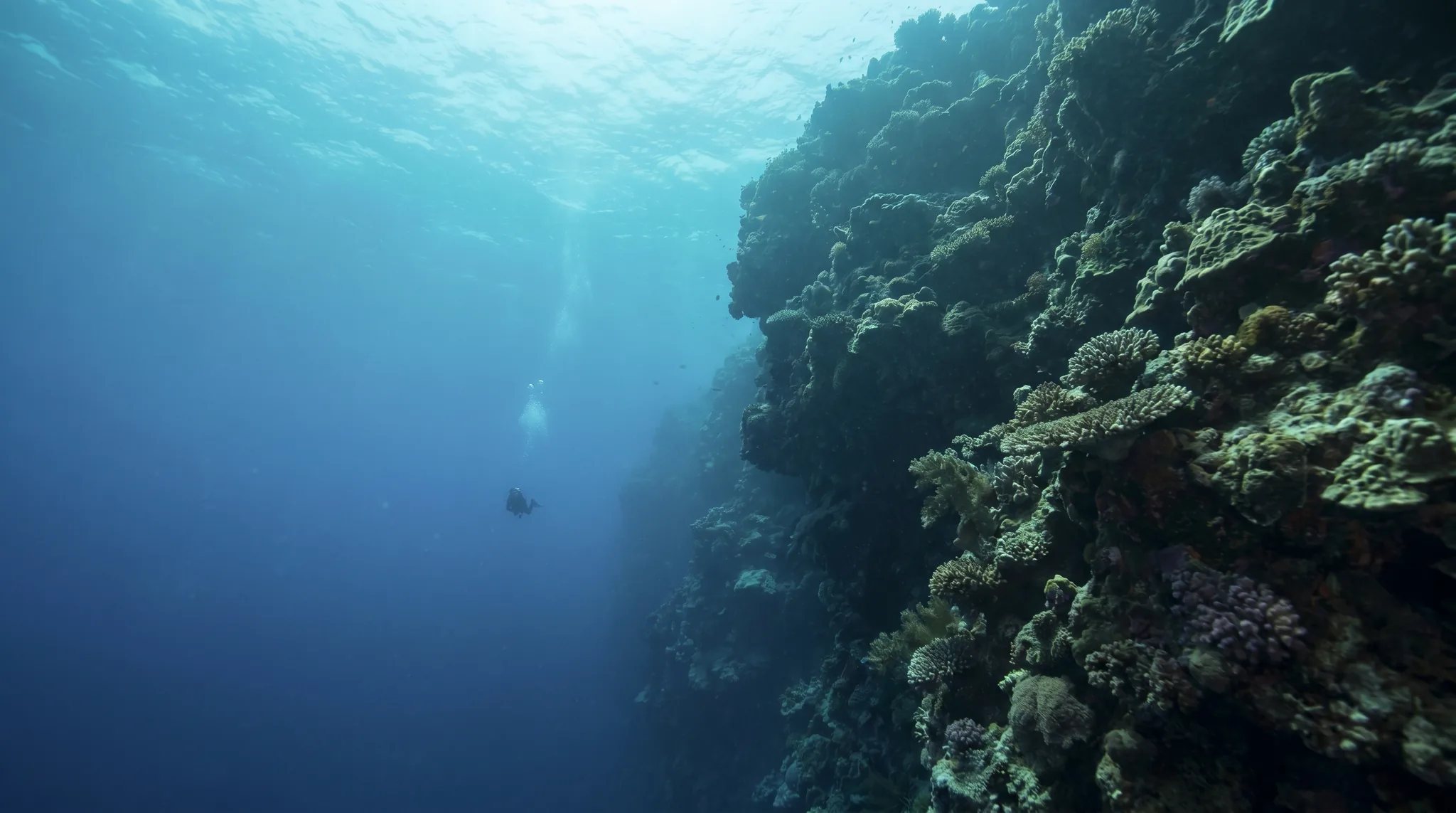
The area offers a wide variety of underwater landscapes. Sea caves, caverns and canyons are a recurring feature, visible at sites such as Canyon, Cyclops Cave, Tunnels and Caves, and Caves at Cape Greco. Walls and drop-offs appear at Chapel and the Agioi Anargyroi site. Artificial reef structures, including purpose-built wrecks, add further variety across several sites.