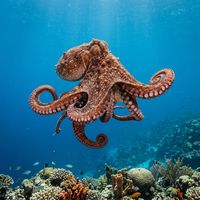
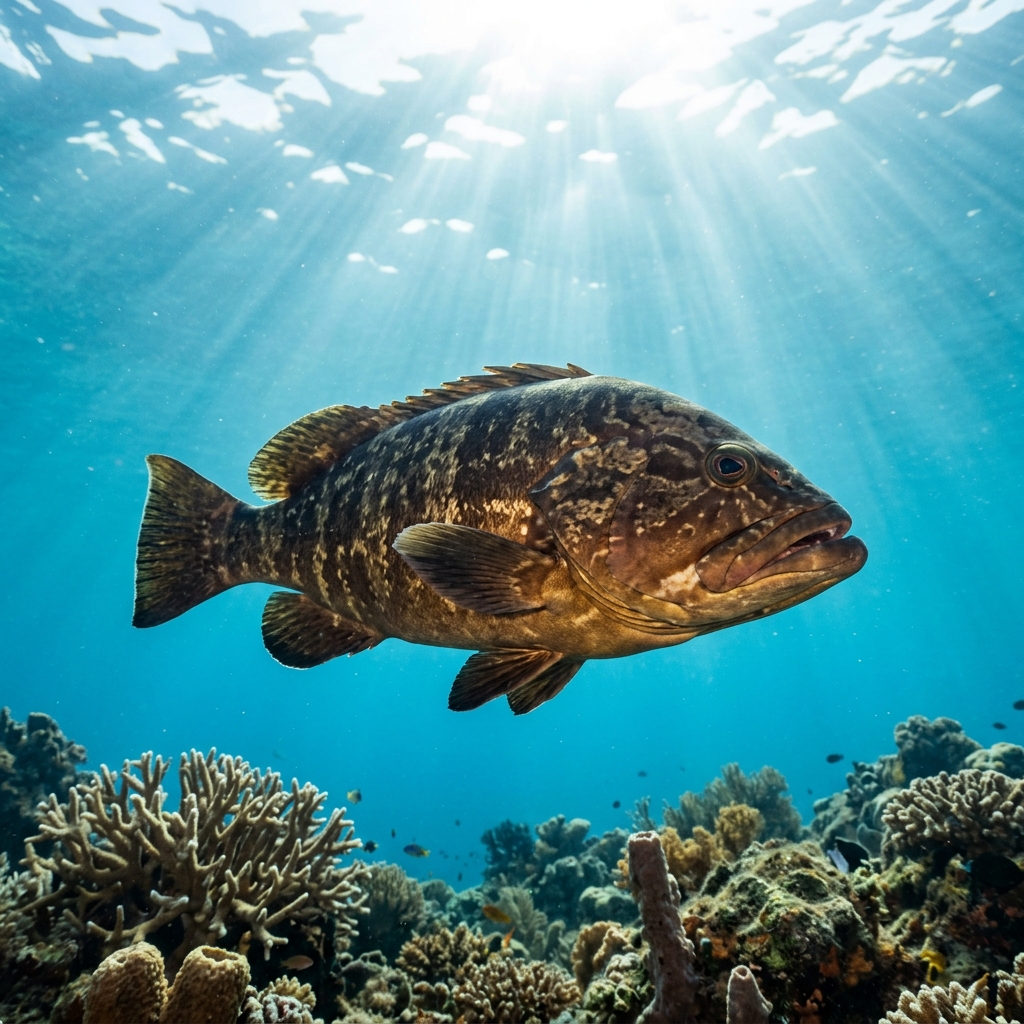
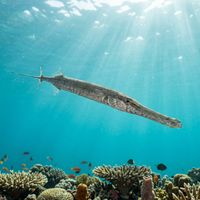
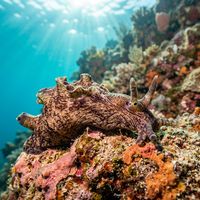
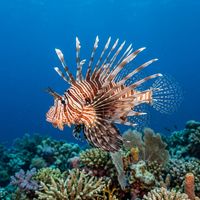
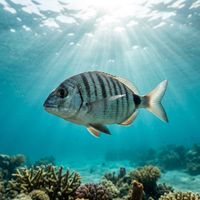
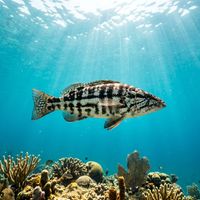
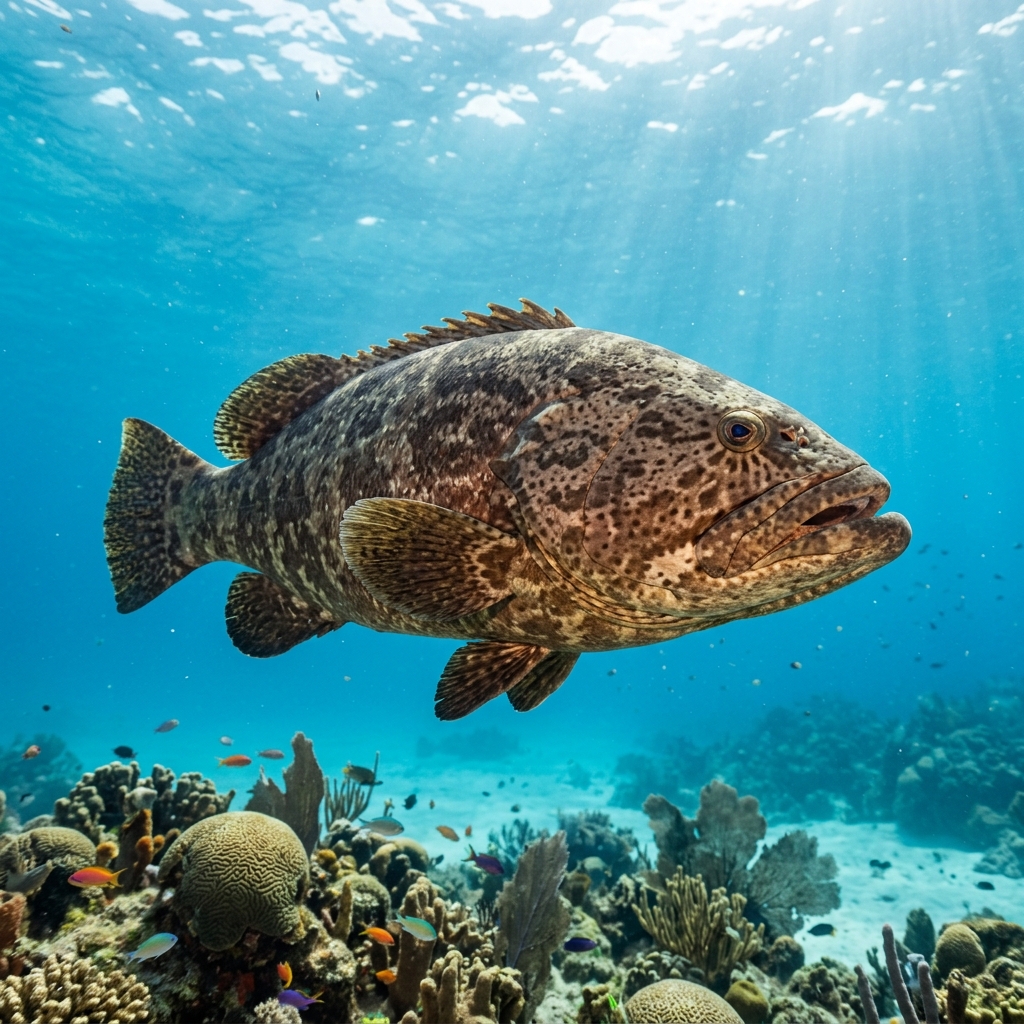
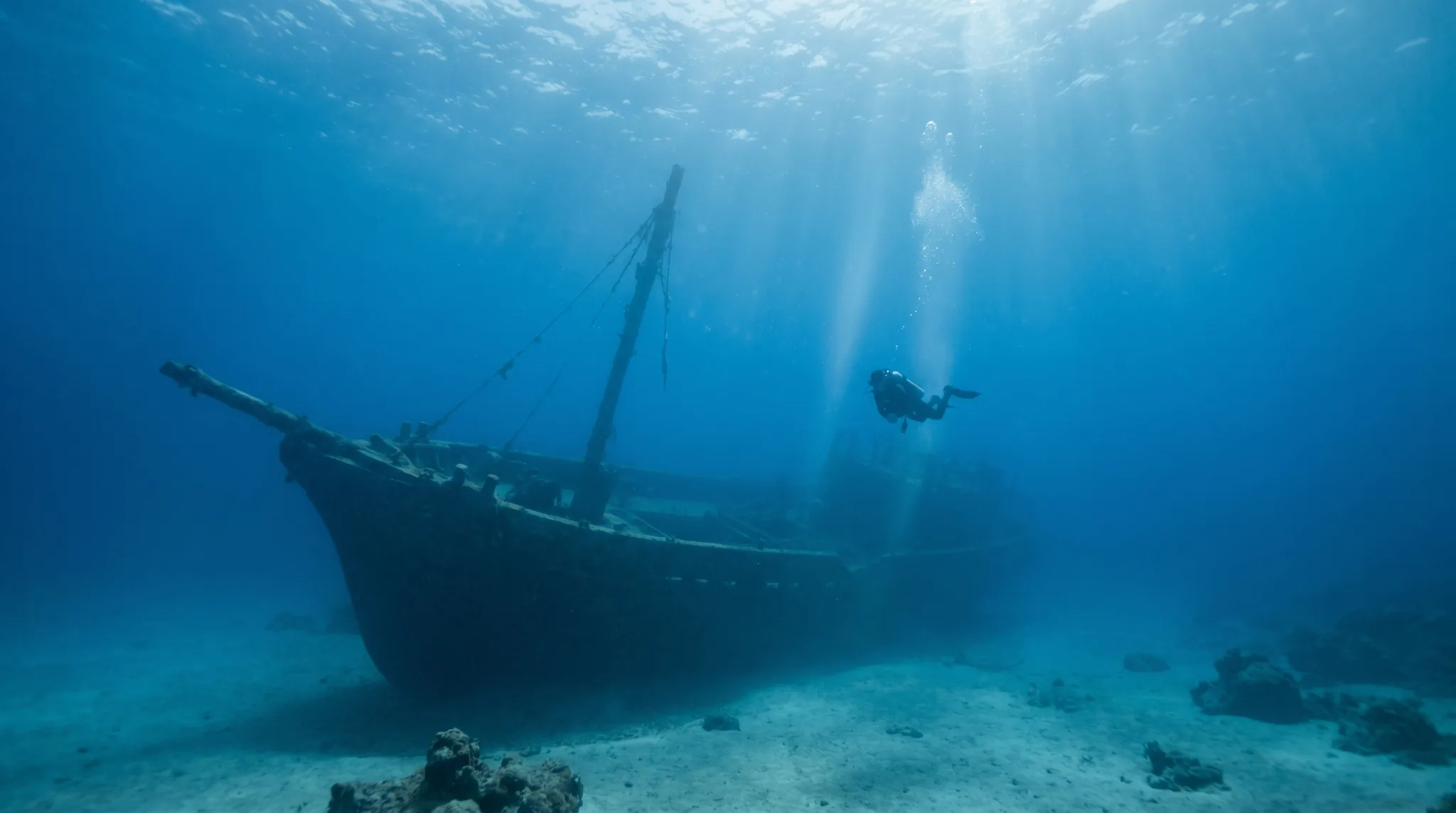
Larnaca sits on the southern coast of Cyprus and dives into the Mediterranean Sea, where calm conditions and good visibility make wreck diving the primary draw. The area holds several protected wrecks across a range of depths, from shallow reef dives suitable for beginners to the Zenobia Wreck, a large Swedish ferry resting on its port side at depths between sixteen and forty-two metres that is widely regarded as one of the Mediterranean's foremost wreck dives. Alongside the wrecks, the bay holds natural and artificial reefs with Posidonia oceanica meadows, and species recorded here include barracuda, lionfish, common octopus, conger eel, green sea turtle, and European spiny lobster. Over a dozen dive operators are based in and around Larnaca, making access straightforward for visiting divers of all skill levels.
1 areas
Monthly water temperature across Larnaca's sites, from satellite sea-surface data corrected for depth. The band shows the site-to-site spread.
Water temperatures follow a broad seasonal curve, cool in late winter and rising to their warmest in late summer and early autumn, when surface layers can reach the mid-to-upper twenties Celsius. A light wetsuit suffices in summer, while a thicker suit is advisable from late autumn through to spring. Visibility is generally good across the bay year-round, though conditions are at their most settled from spring through to early autumn.
15 operators
Agios Tychon, Cyprus
Voroklini, Cyprus
Water temperature around Larnaca ranges from about 17°C in February to 24°C in October, based on satellite sea-temperature data for its dive sites.
In the warm season (about 24°C) a 3mm full suit is comfortable in Larnaca; in the coldest months (about 17°C) step up to a 7mm or semi-dry suit.
Fin maps 9 sites in Larnaca (9 scuba diving sites and 1 snorkelling spots, with some suited to both).
Across Larnaca's dive sites, May and October are most often reported as the best months to visit.
5 more sites to explore