
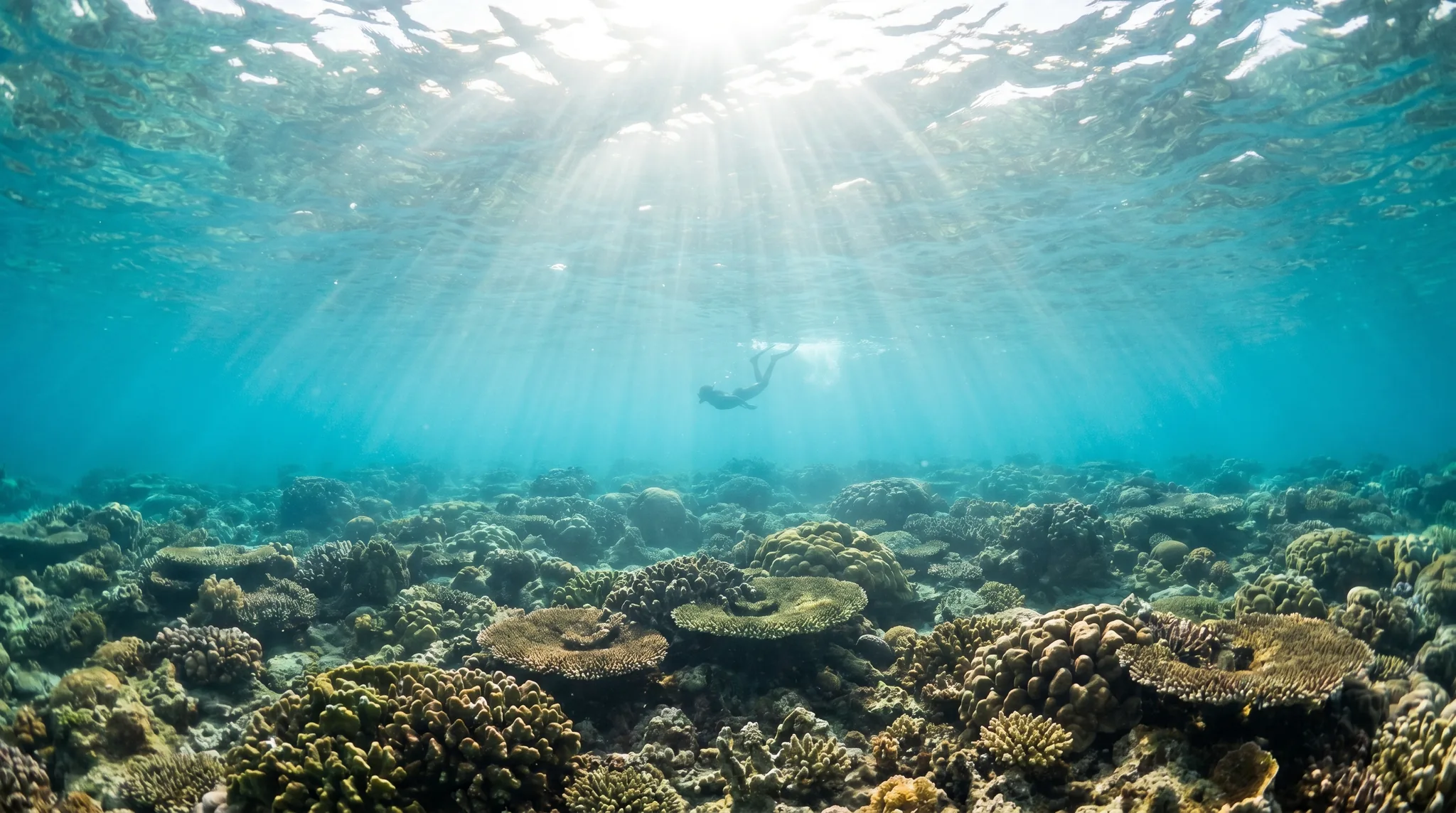
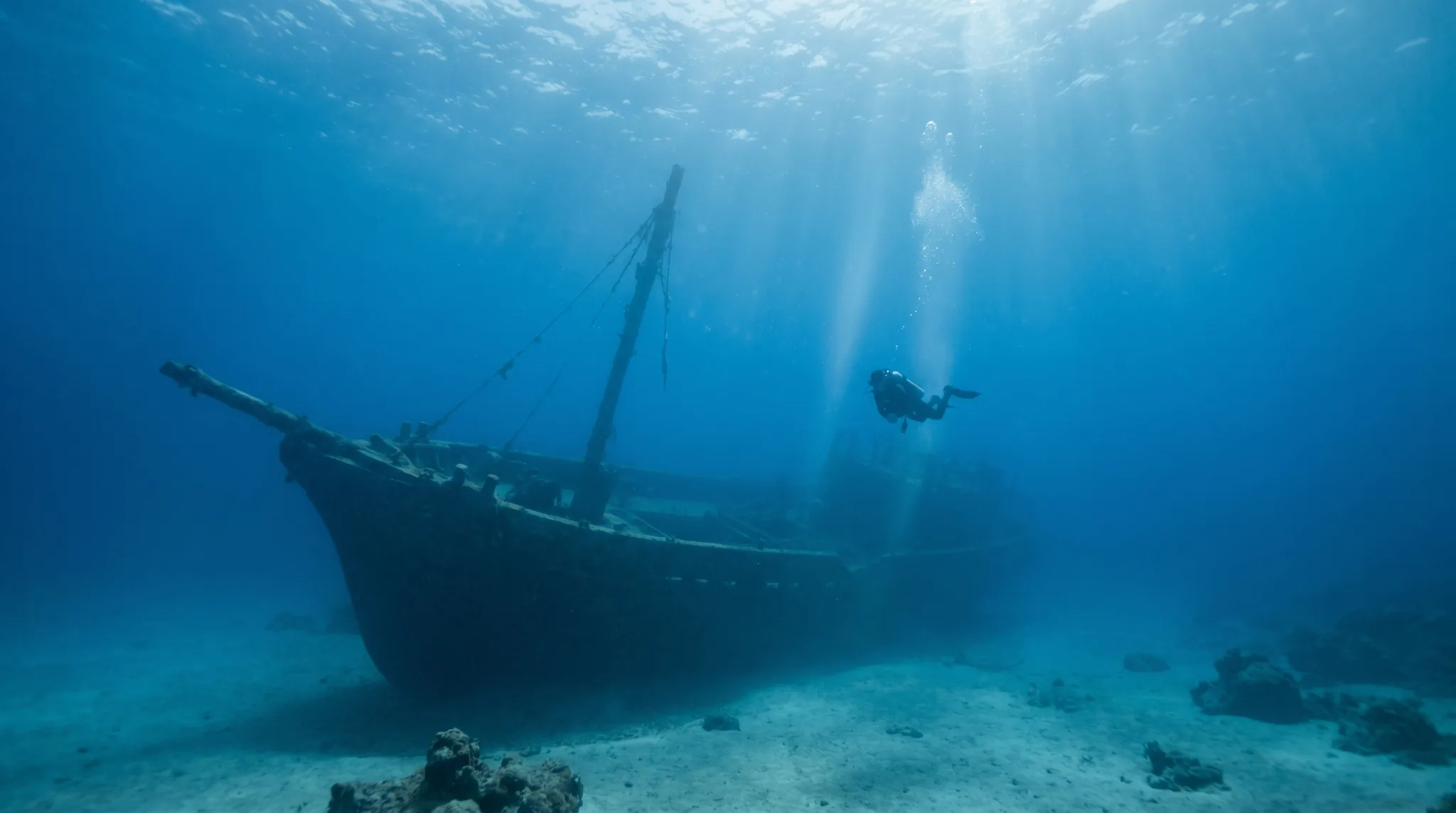
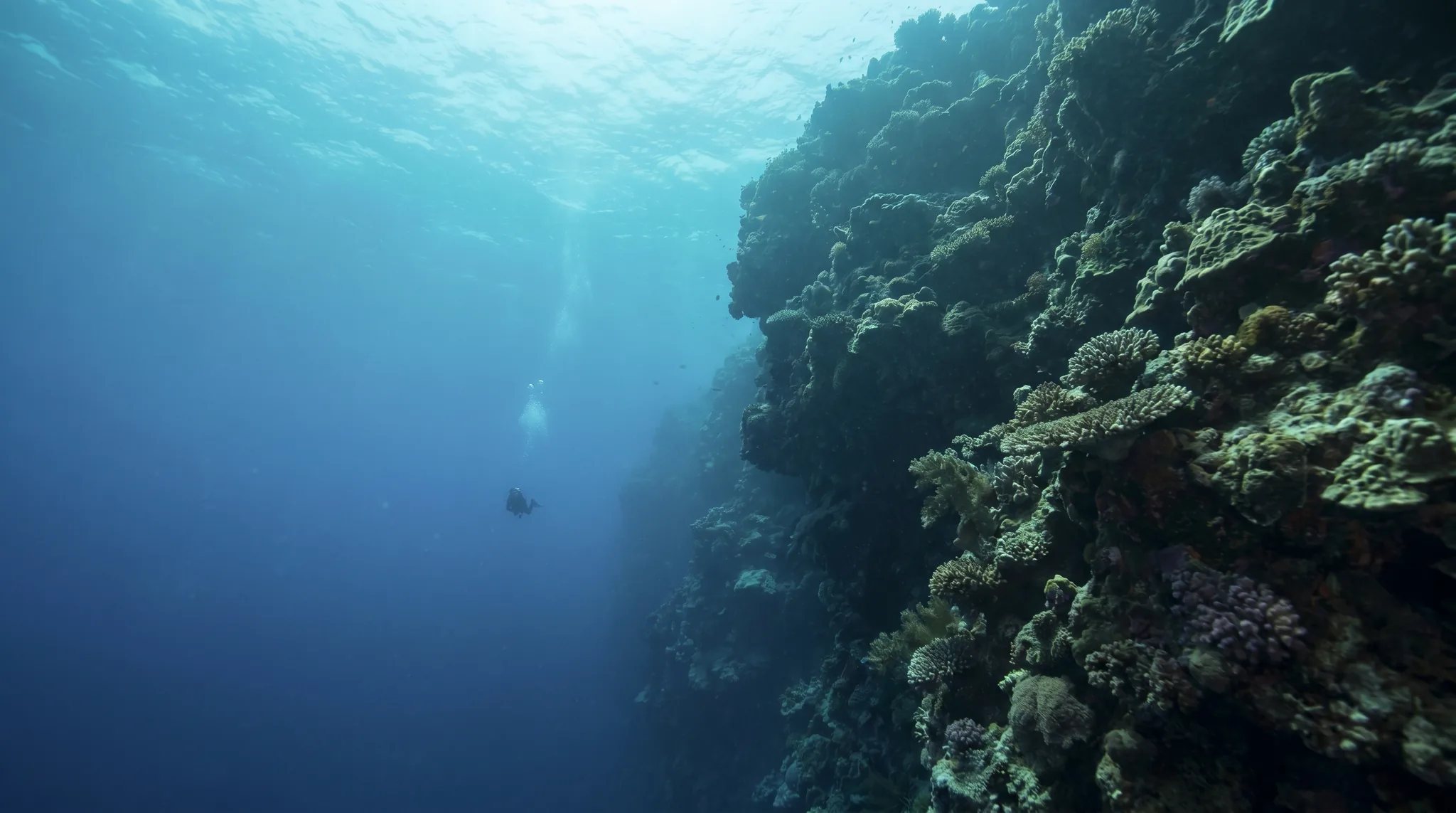
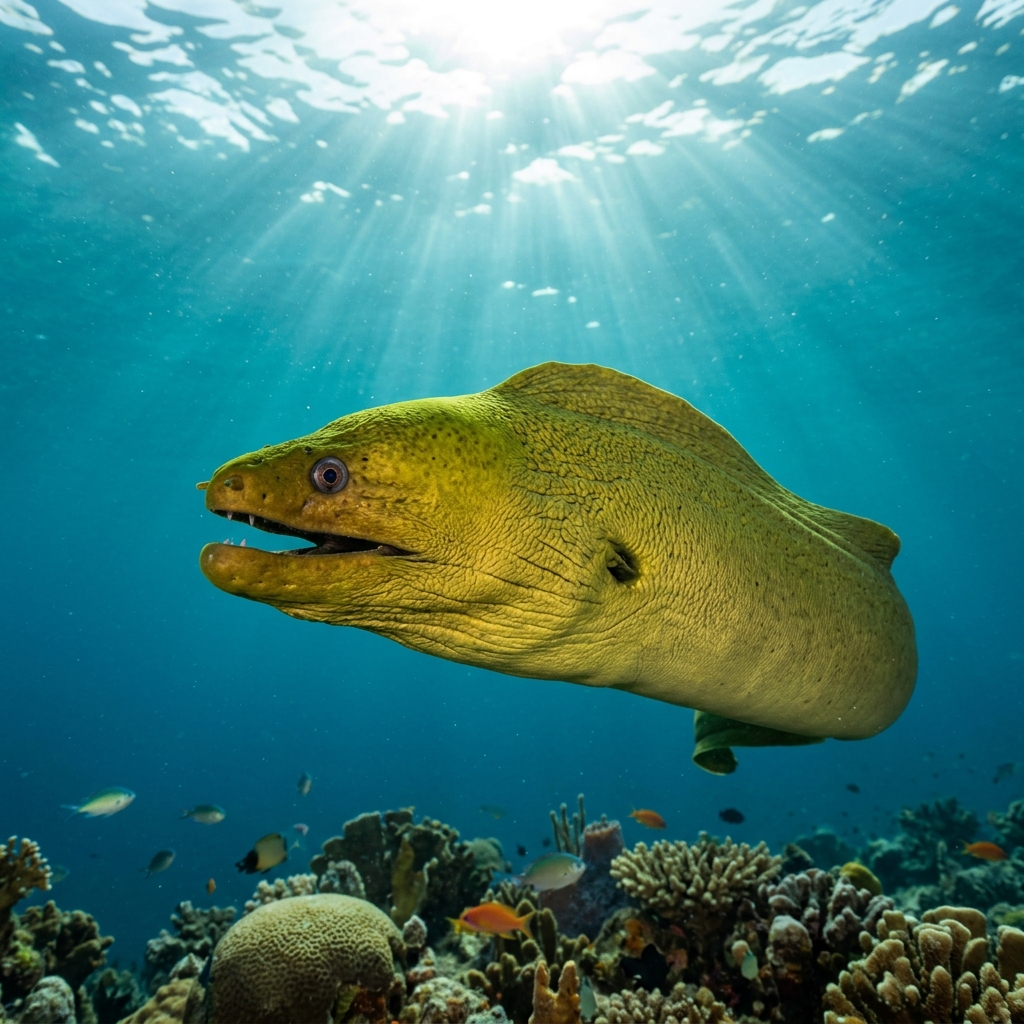
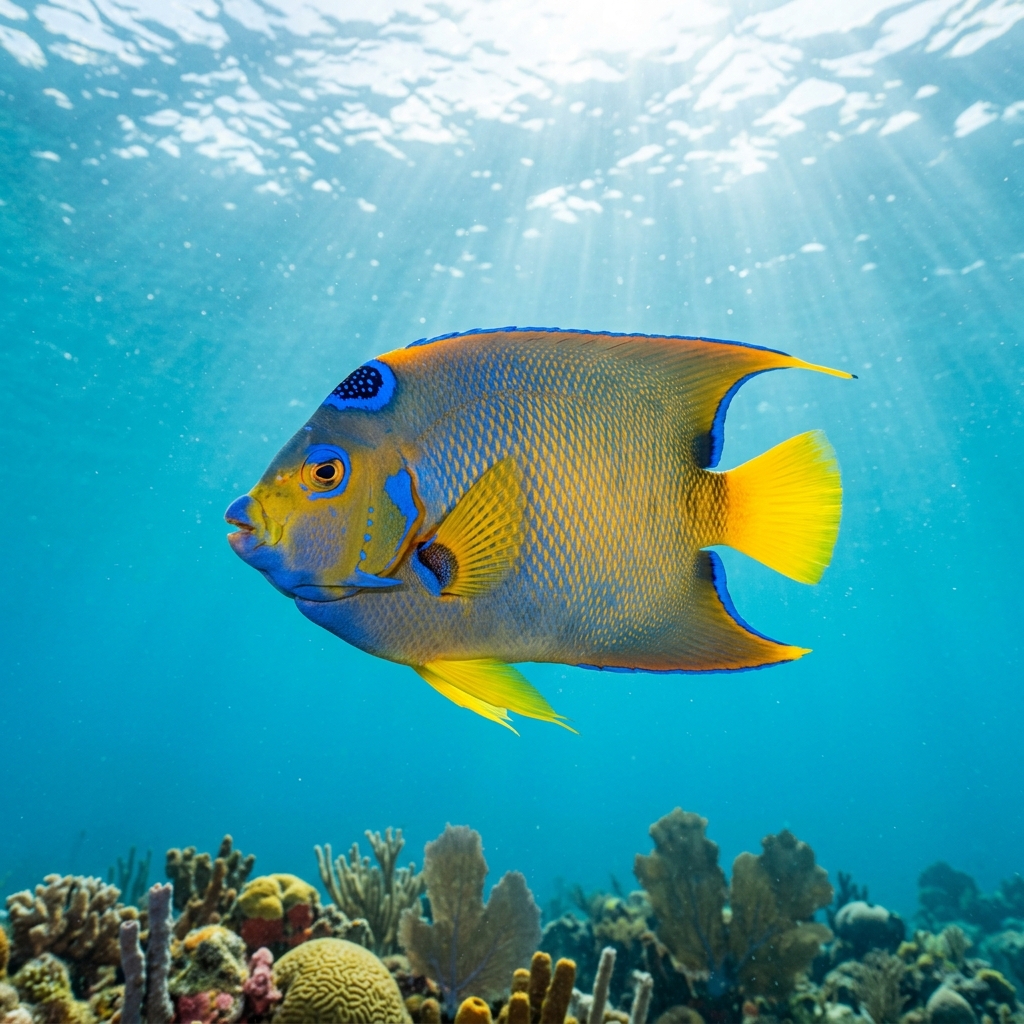
Santa Marta's dive sites are dominated by reef and wall topography, with drift diving adding current-driven energy at several locations. Sites range from shallow, beginner-friendly reefs like Cinto and Remanso to deep wall dives such as El Torin and the barrier reef at Chengue Tec. Punta Betin brings wreck diving into the mix, with coal barge remains colonised by reef life. The Indian Lionfish, Spotted Moray, French Angelfish and Brazilian Reef Octopus are consistently observed across sites, alongside signature encounters with Green Sea Turtle and Whale Shark. All diving is boat access.
Monthly water temperature across Santa Marta's sites, from satellite sea-surface data corrected for depth. The band shows the site-to-site spread.
Water stays warm year-round, rising to its warmest from late summer into autumn. The best-rated months cluster around December through April, suggesting calmer conditions and better visibility during the drier period, while mid-year sees a relative dip in diver preference. Exposed sites can carry current, particularly at drift-style locations such as Salidero and El Cantil, so conditions vary meaningfully by site and season.
23 operators

32 more sites to explore
Water temperature around Santa Marta ranges from about 26°C in January to 30°C in October, based on satellite sea-temperature data for its dive sites.
In the warm season (about 30°C) a rash guard or 3mm shorty is comfortable in Santa Marta; in the coldest months (about 26°C) step up to a 3mm full suit.
Fin maps 44 sites in Santa Marta (39 scuba diving sites and 6 snorkelling spots, with some suited to both).
Across Santa Marta's dive sites, January, February, March, April and December are most often reported as the best months to visit.
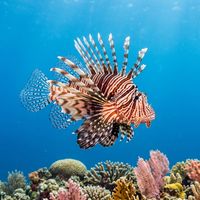
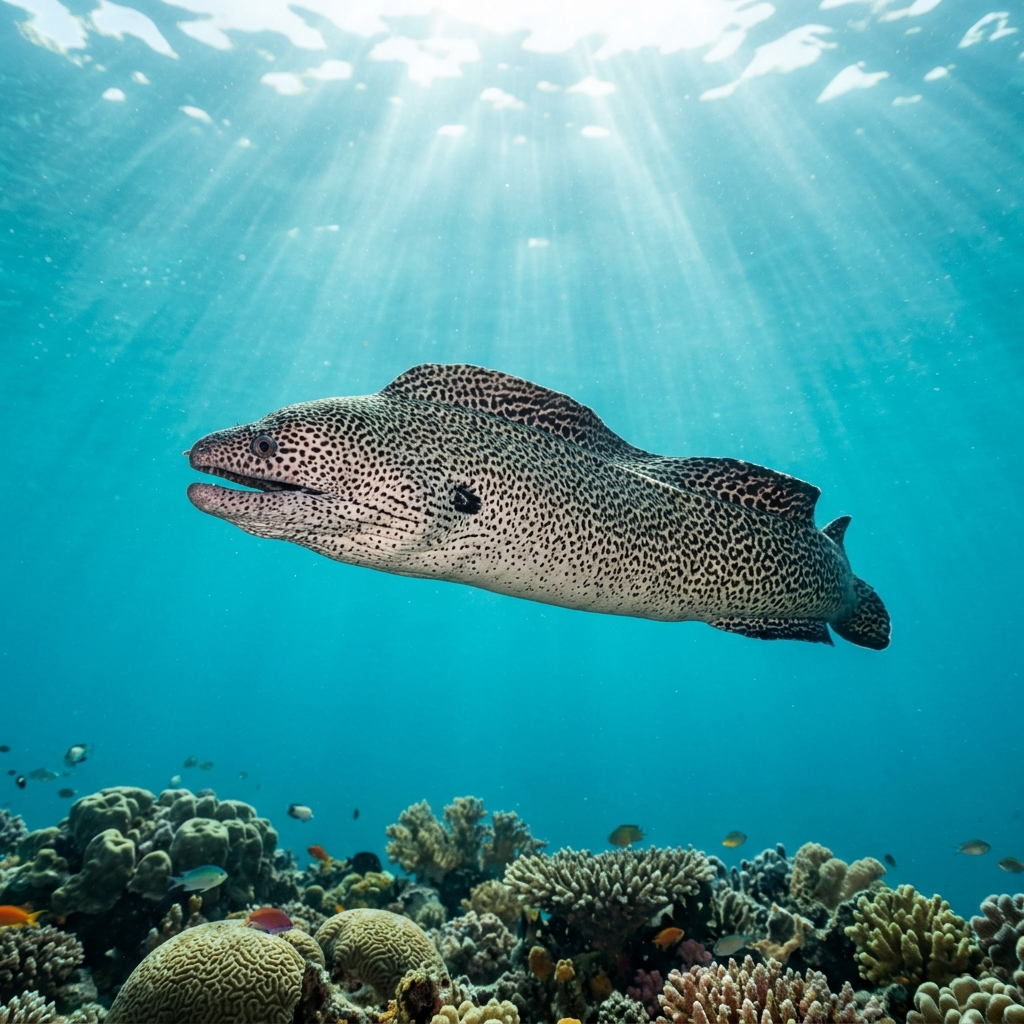
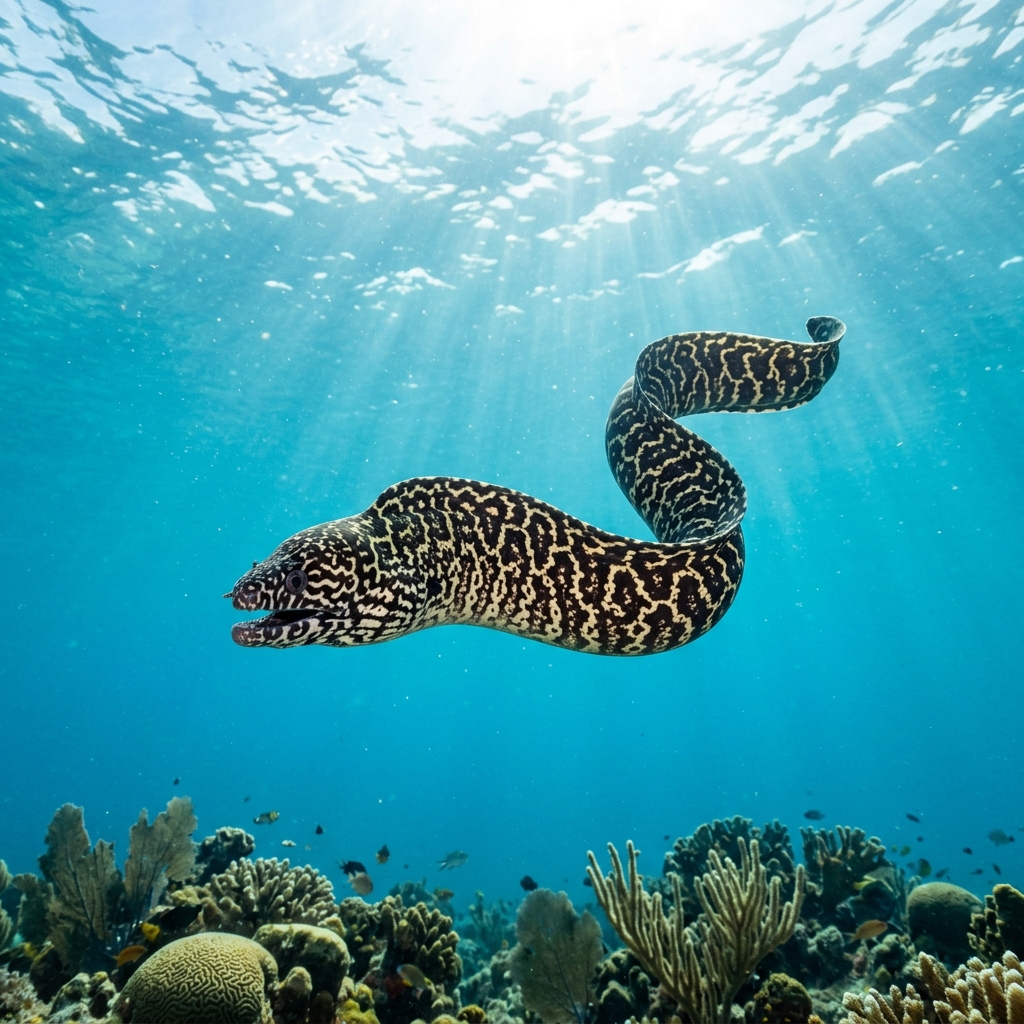
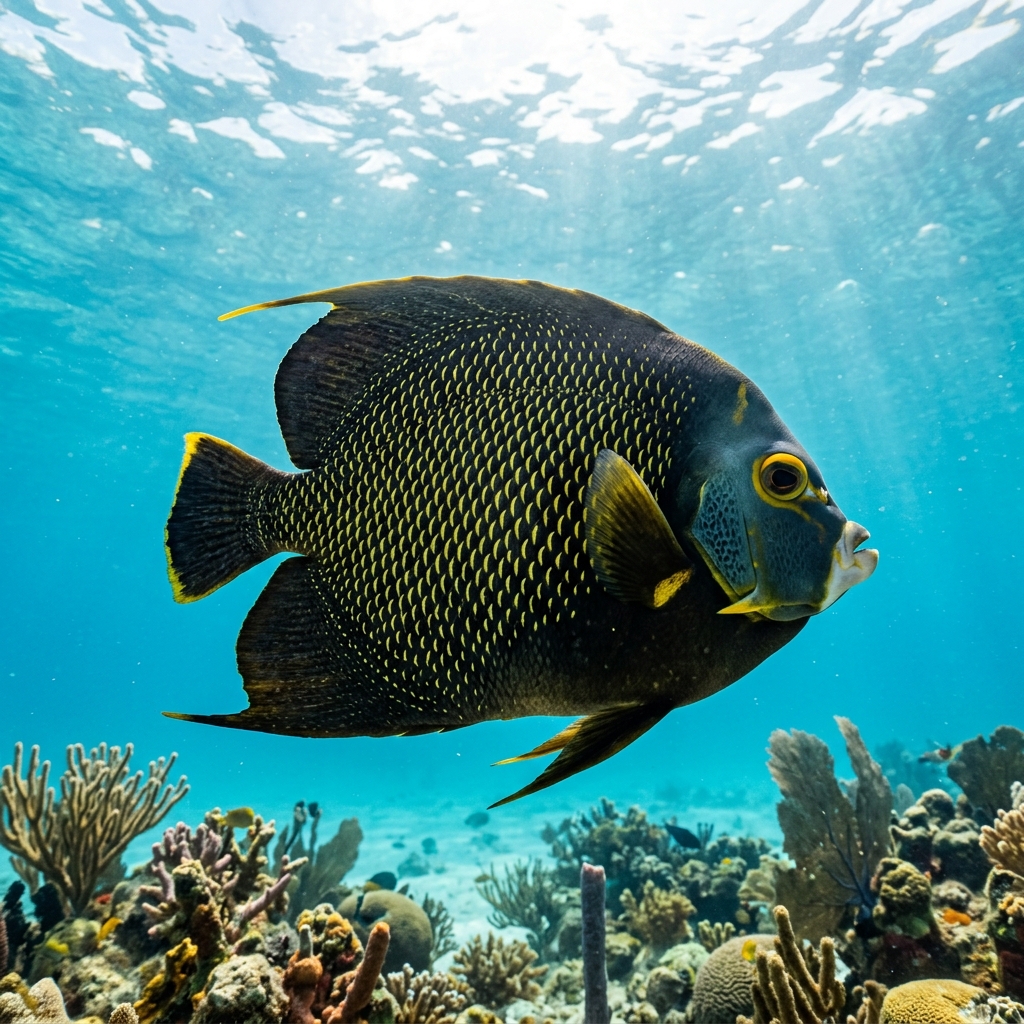
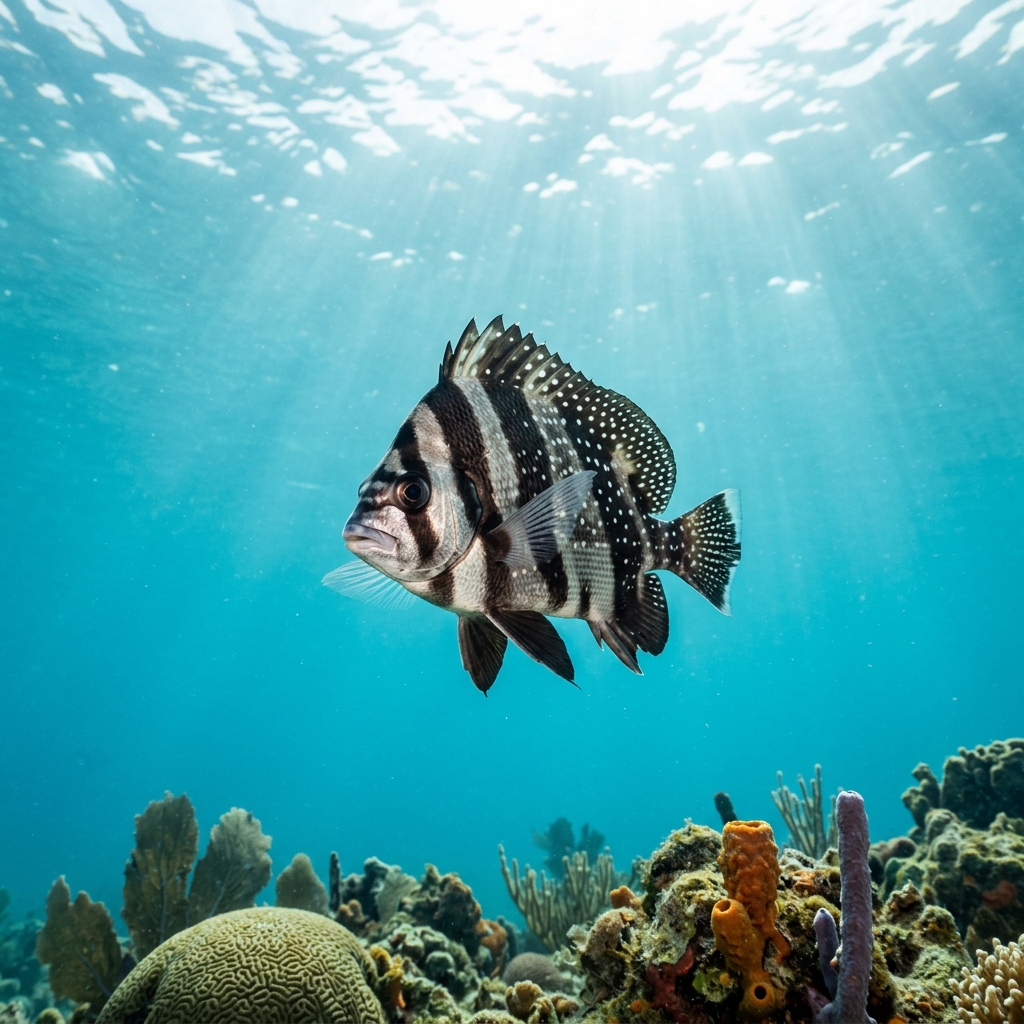
Observation-backed species recorded across Santa Marta's sites include the Indian Lionfish, Spotted Moray, Chain Moray, Green Moray, French Angelfish, Queen Angelfish, Rock Beauty, Brazilian Reef Octopus and Caribbean Sharpnose Puffer. Signature species on the list also include the Green Sea Turtle, Seahorse and Whale Shark. Arrow Crab, Caribbean Spiny Lobster and Flamingo Tongue are further regulars on the reefs.
A good portion of Santa Marta's sites are rated for beginners, including Cinto, Remanso, Playa Brava, Punta Betin and Neguange. These tend to be shallower reef dives with boat access. Intermediate and advanced sites such as El Cantil, El Torin and Cueva del Toro involve deeper walls, strong currents or cave topography, so the region truly caters to a broad range of experience levels.
Almost all dive sites in Santa Marta are reached by boat. Calderón is the one exception, listed with both shore and boat entry options. A wide selection of operators serves the area, including Nautilus Dive Center Taganga, Poseidon Dive Center, Oceano Scuba Dive Center and Diving Taganga, among others, so arranging boat trips is straightforward.
Reefs form the backbone of Santa Marta diving, but many sites combine multiple features. Walls feature at El Torin, El Cantil and Punta Aguja. Drift conditions are present at Salidero, El Cantil and Cueva del Toro. Punta Betin adds wreck diving through coal barge remains, and Cueva del Toro introduces cave topography for advanced divers seeking something beyond a straightforward reef dive.