Octopus briareus
Spot Caribbean Reef Octopus in warm 26-29 °C waters around Roatán, Grand Cayman and the Yucatán. Tips on ID, behaviour, and best dive sites.
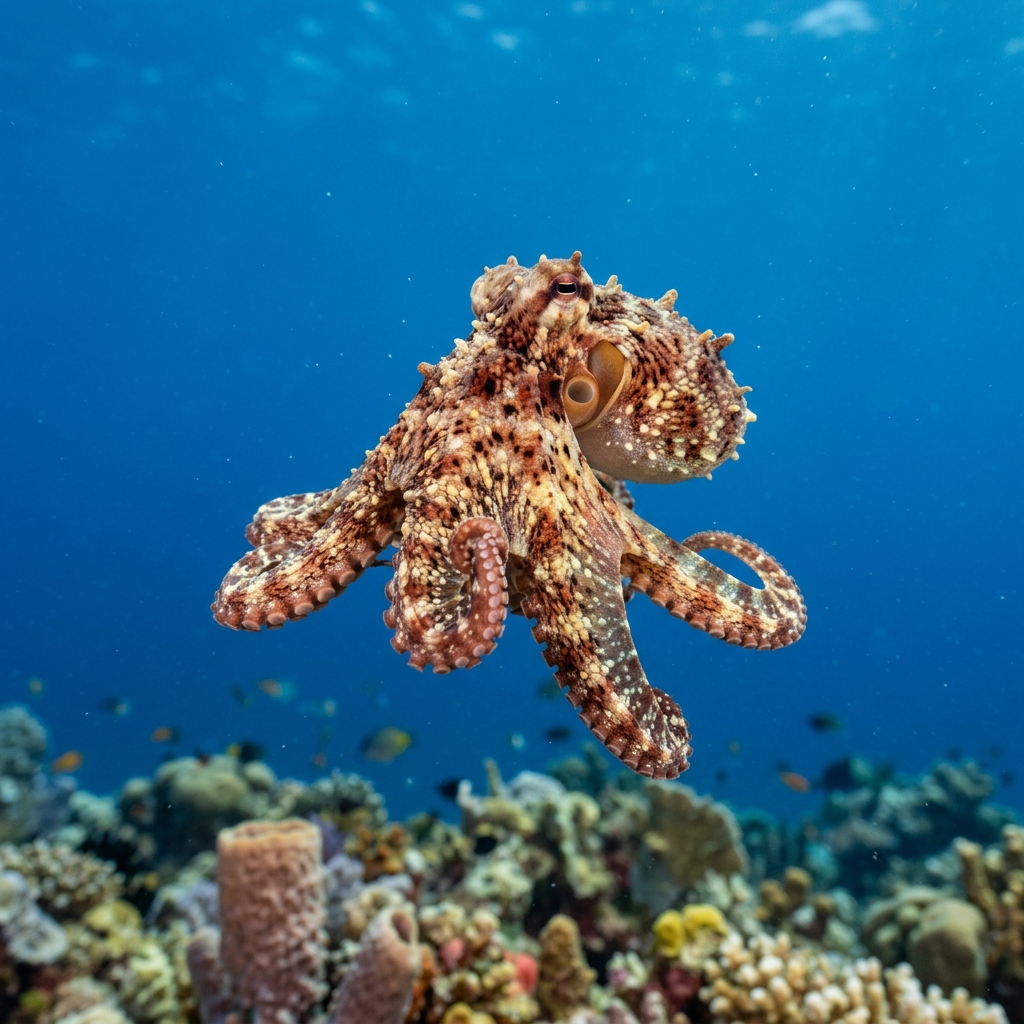
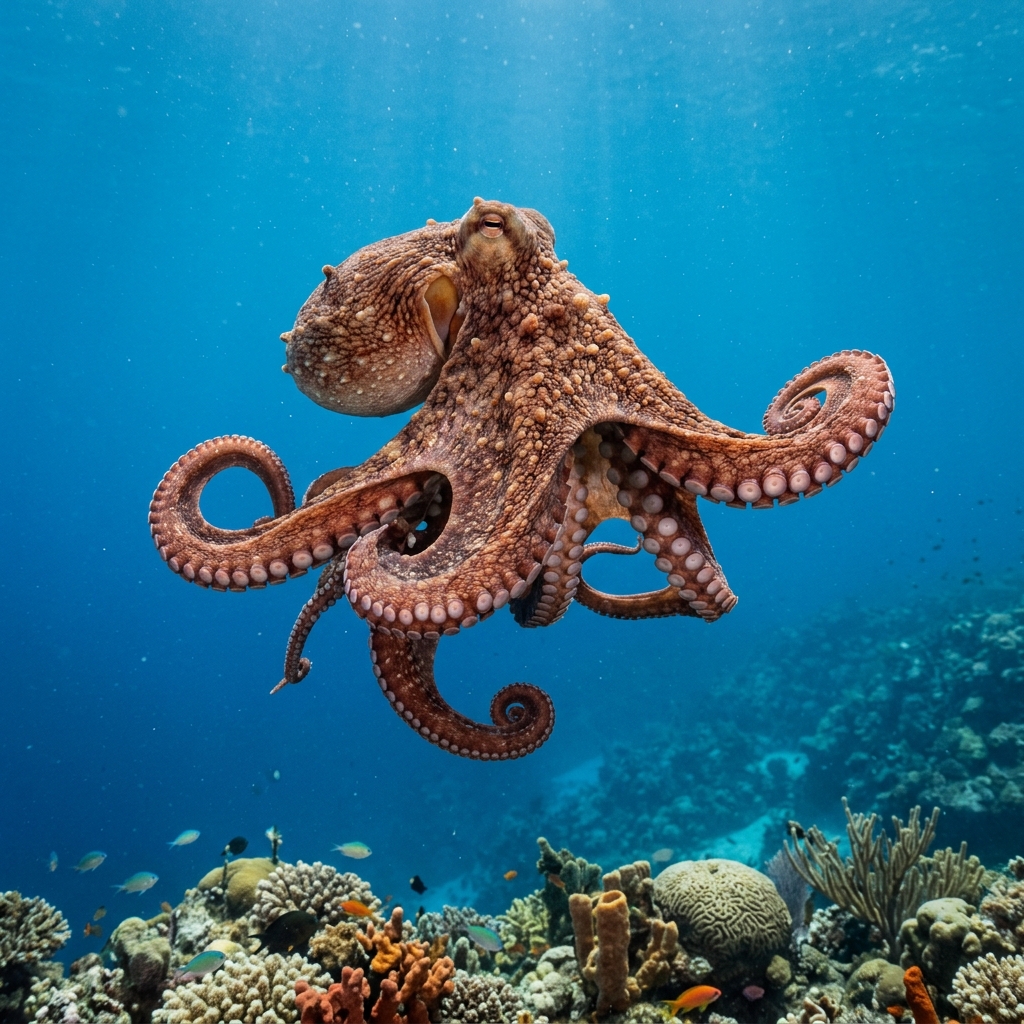
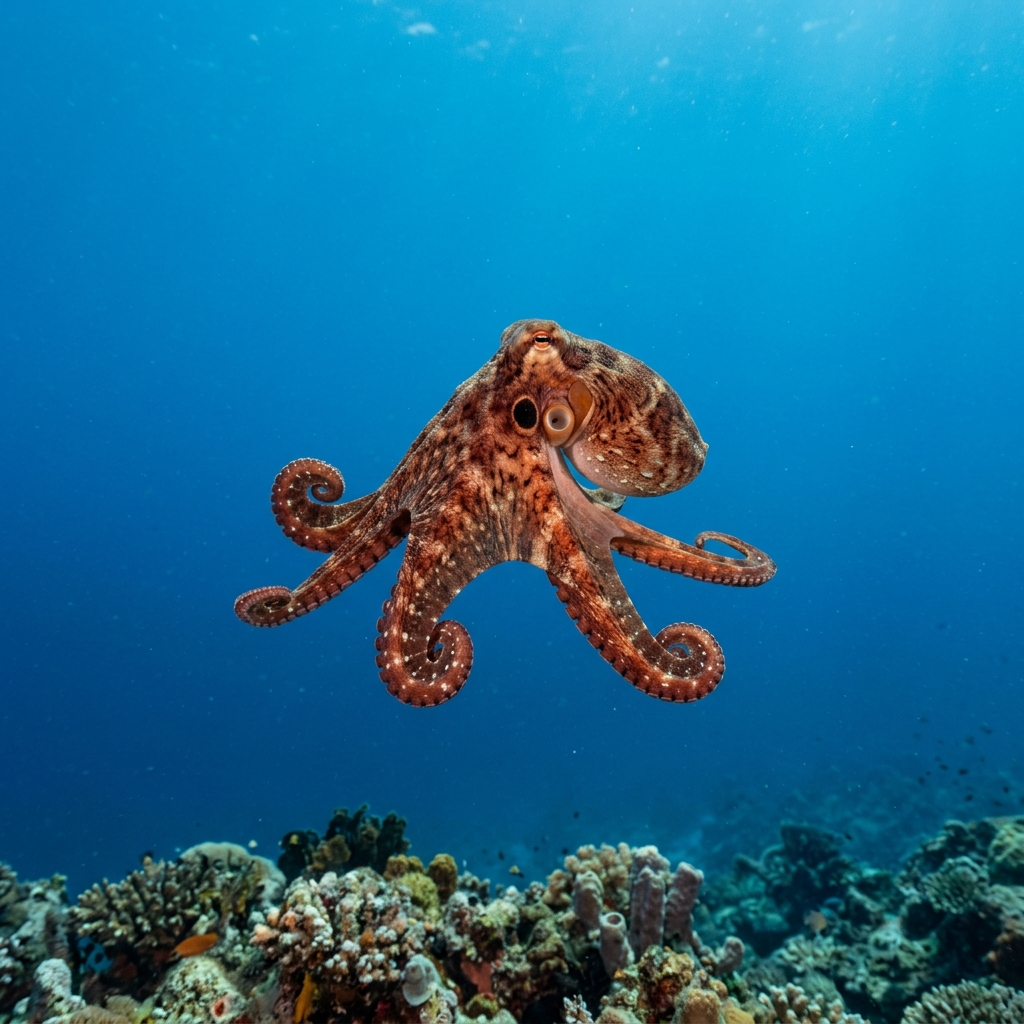
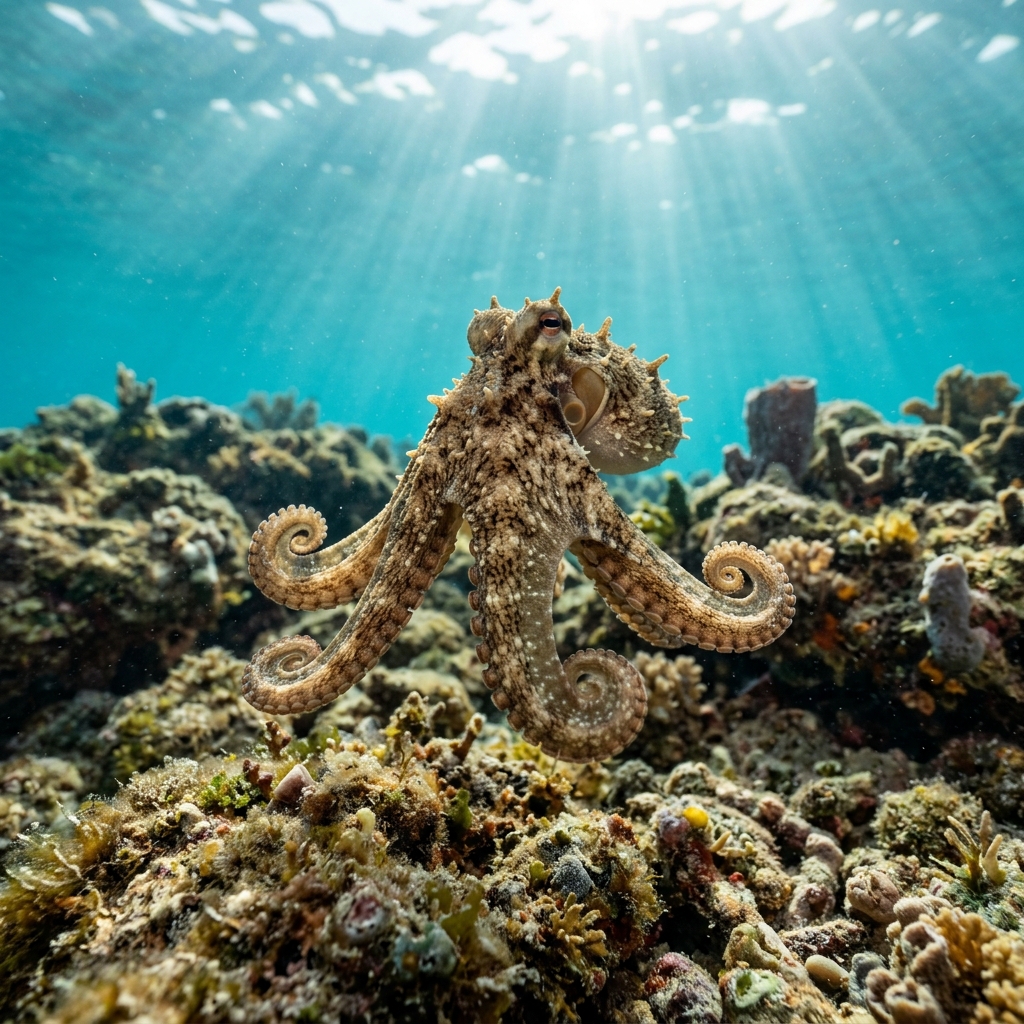
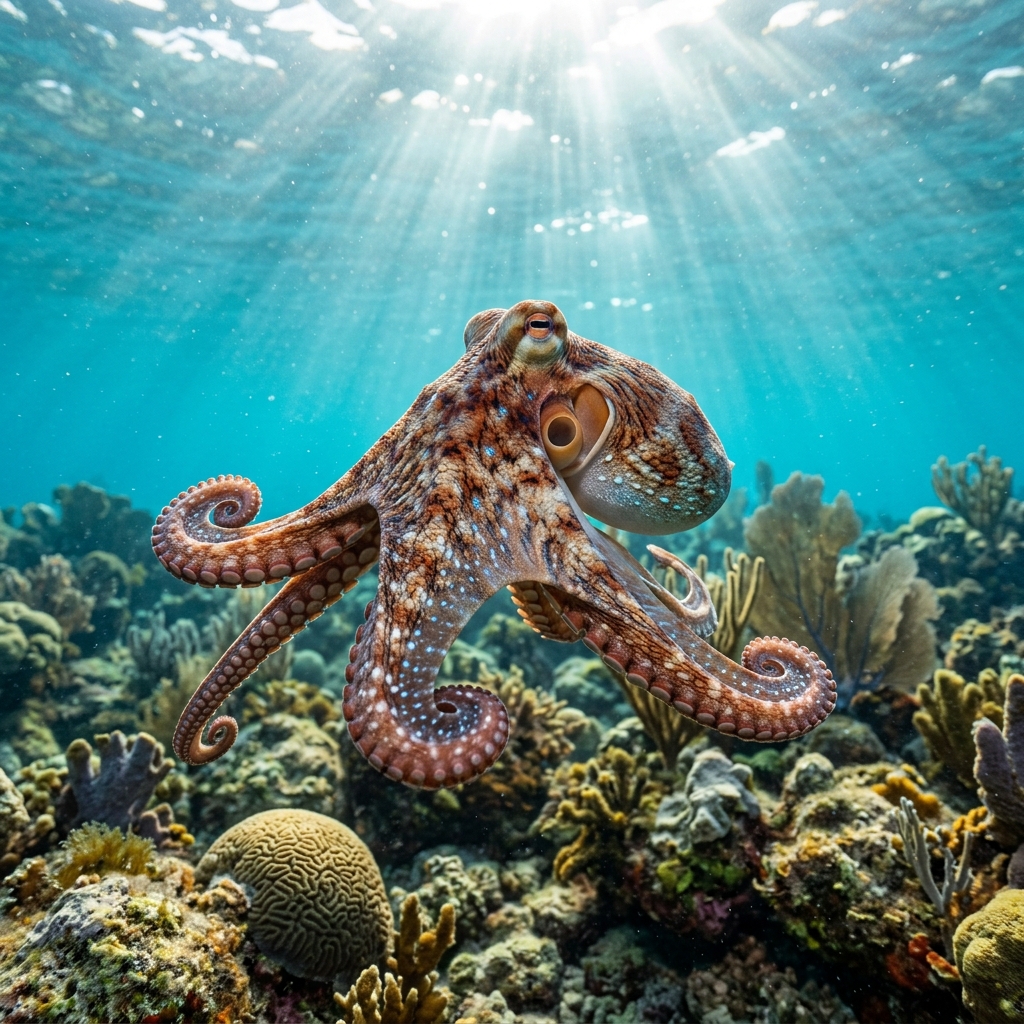
Look for the vivid blue-green iridescence that flashes across the skin, overlaid with irregular brown or rust-coloured mottling, this colour-shift is the quickest field mark in the water. Body size is modest, roughly the span of a dinner plate when fully extended, with relatively long, slender arms compared to other reef octopuses. Like all octopuses it can flatten itself into a crevice in seconds, so a shapeless lump wedged under coral may still show that telltale blue-green sheen at the arm edges.
Caribbean reef octopuses are primarily nocturnal hunters, so night dives are your best bet for seeing one active and on the move, stalking small crustaceans and fish across the reef. During daylight hours they typically sit tight in a lair, a rubble pile, coral head, or crevice, and rely on skin texture and colour change to stay invisible. When a diver approaches, the usual response is a cautious retreat deeper into the den rather than flight into open water, which gives patient observers a good look.
They are one of the few octopus species known to sometimes hunt cooperatively with other individuals, an unusual behaviour for animals that are otherwise largely solitary.
Sightings are recorded from December through October across the Caribbean, covering most of the year with only a modest dip around November. The species favours warm water in the 26-29 °C range that persists across these tropical reefs for most of the year, so there is no single must-visit window.
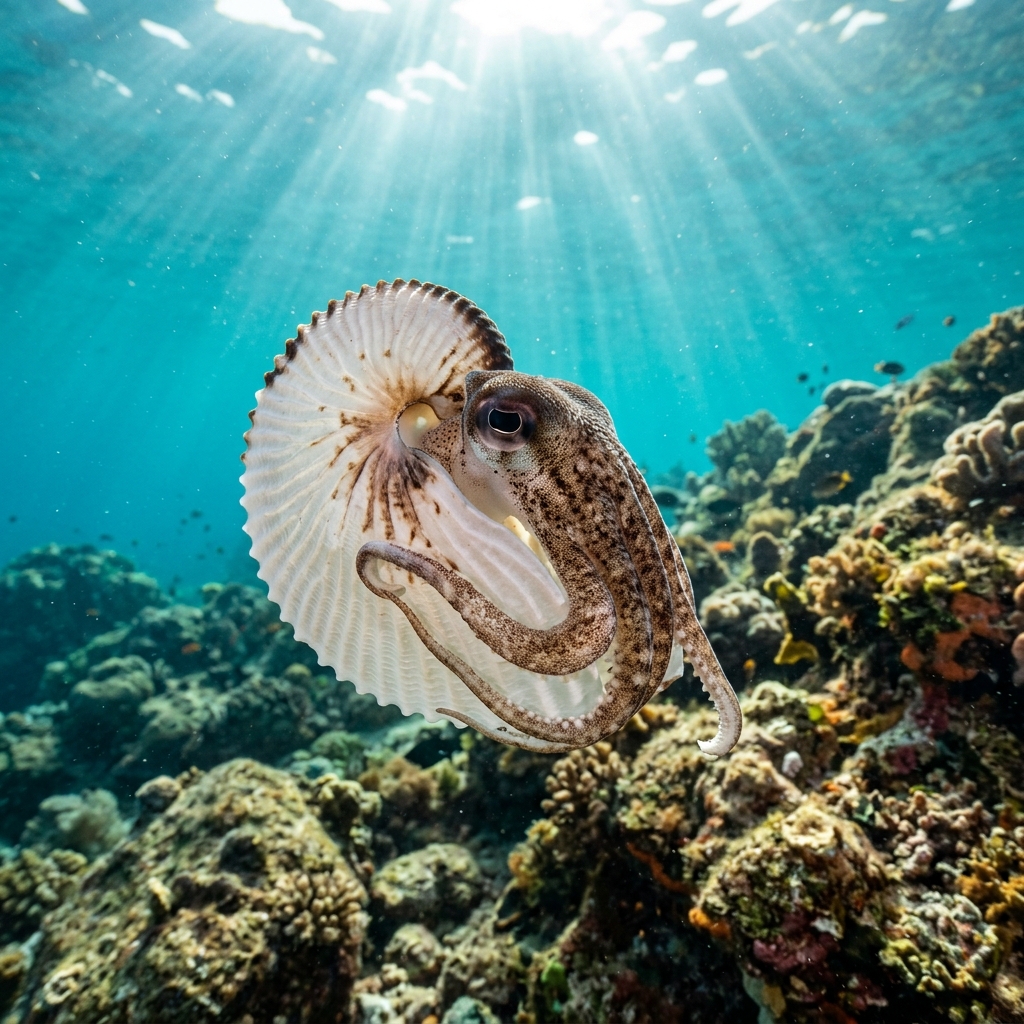
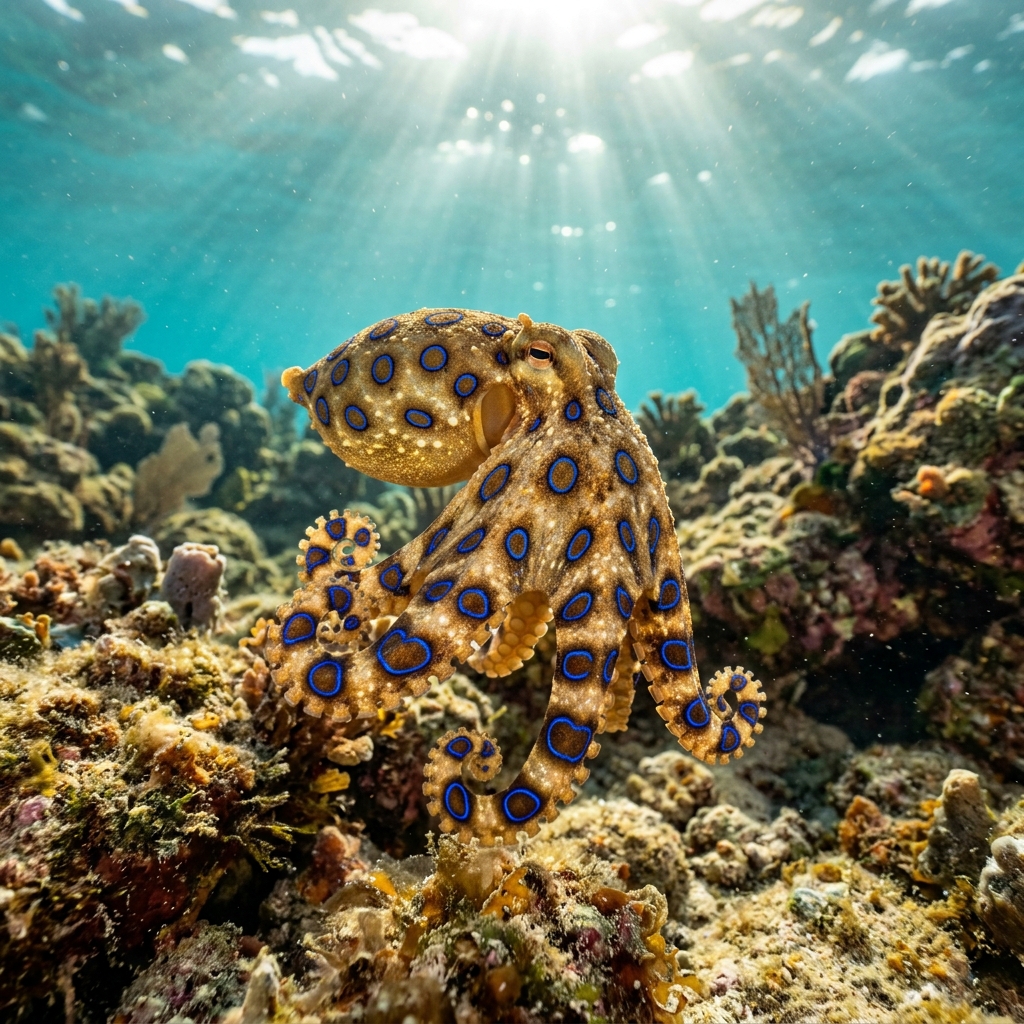
Reef neighbours a diver could mistake it for. Use the identification notes above to tell them apart.
Most sightings come from Roatán in Honduras, which dominates the records by a wide margin, followed by strong populations across the Yucatán Peninsula in Mexico and Grand Cayman, Little Cayman and Cayman Brac in the Cayman Islands. The British Virgin Islands, Belize's Lighthouse Reef, and St Croix in the US Virgin Islands are also reliable spots, and there are records from Guadeloupe and the Turks and Caicos rounding out the Caribbean spread.
Mapping where Caribbean Reef Octopus is logged…
Roatán in Honduras has more logged sightings than anywhere else, making it the top destination. Grand Cayman, Little Cayman, the Yucatán Peninsula in Mexico, and Belize's Lighthouse Reef are all strong options. There are also regular sightings in the British Virgin Islands, St Croix, and Guadeloupe.
Sightings are spread across most of the year, from December through to October, with no single peak month. Night dives throughout this window give the best chance of seeing one active, as they are primarily nocturnal hunters. Water temperature stays in the 26-29 °C range across these tropical sites for much of the year, keeping the species resident.
The key mark is a blue-green iridescent shimmer on the skin, particularly visible along the arms, combined with mottled brown or rust body colouring. It has relatively long, slender arms for its body size. If you spot an octopus in the Caribbean and it is flashing metallic blue-green highlights, this is almost certainly the species.
They are a mid-sized octopus. Total arm span can reach around 60 cm in adults, though most animals encountered on a dive appear roughly the size of a dinner plate when arms are spread. They are considerably smaller than the Giant Pacific Octopus, which is occasionally mistaken for them in range discussions.
No. Caribbean reef octopuses pose no meaningful risk to divers. They are shy animals that retreat when approached and have no known record of injuring people. As with any octopus, handling is not recommended, it stresses the animal and they can bite defensively, but simply observing one from close range is completely safe.
Site and sighting data is aggregated from diver logs, iNaturalist and GBIF. For taxonomy and conservation status:
Brazilian Reef Octopus
1,142 sites