Malacoctenus triangulatus
A 4cm reef dweller common around Grand Cayman and Tortola, perched on coral year-round in 26 to 28C water. Here's how to spot one.
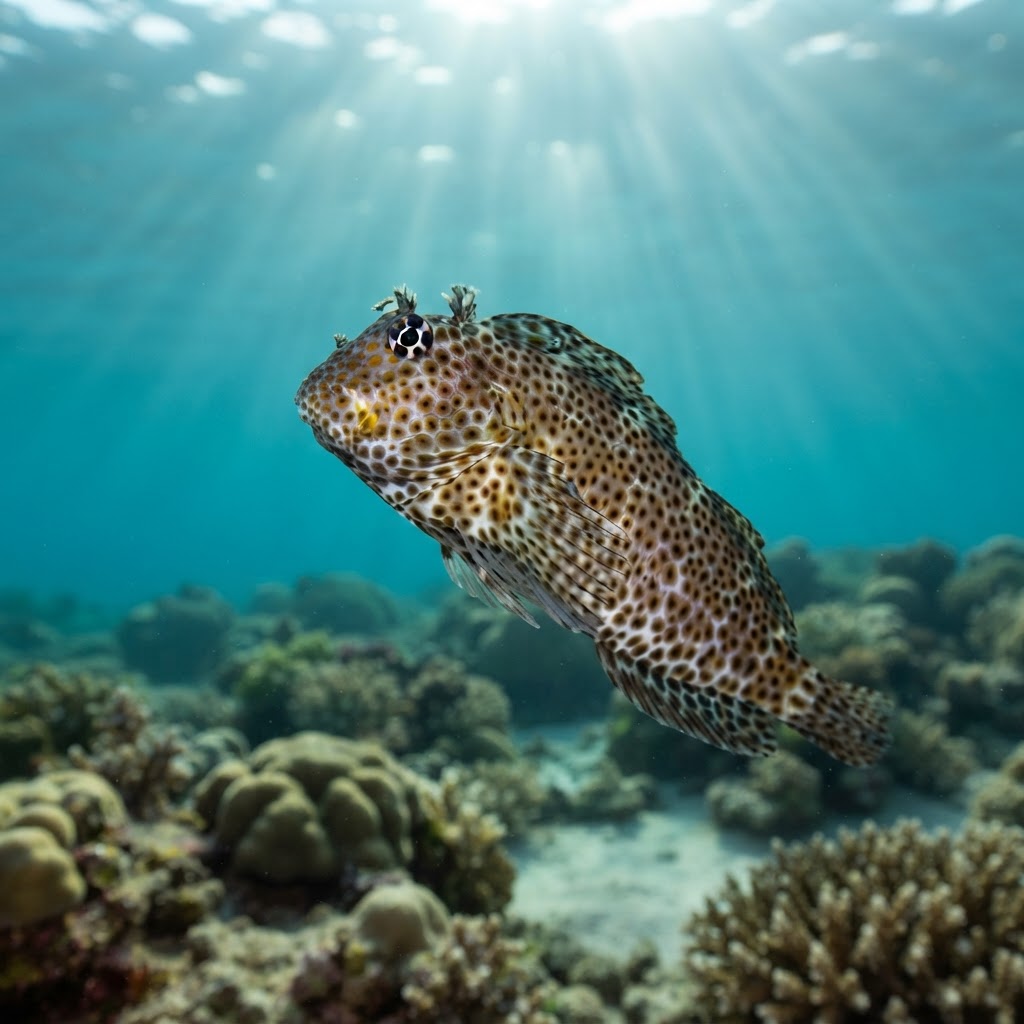
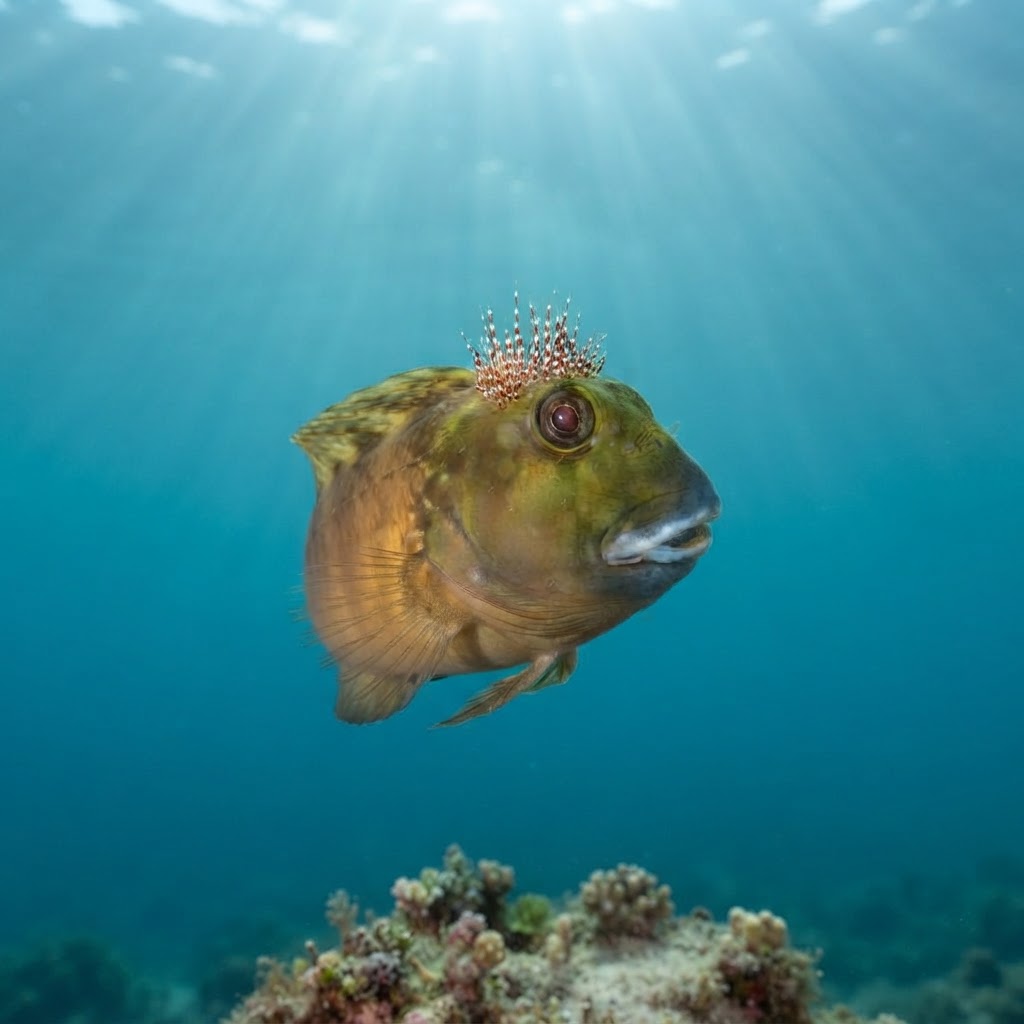
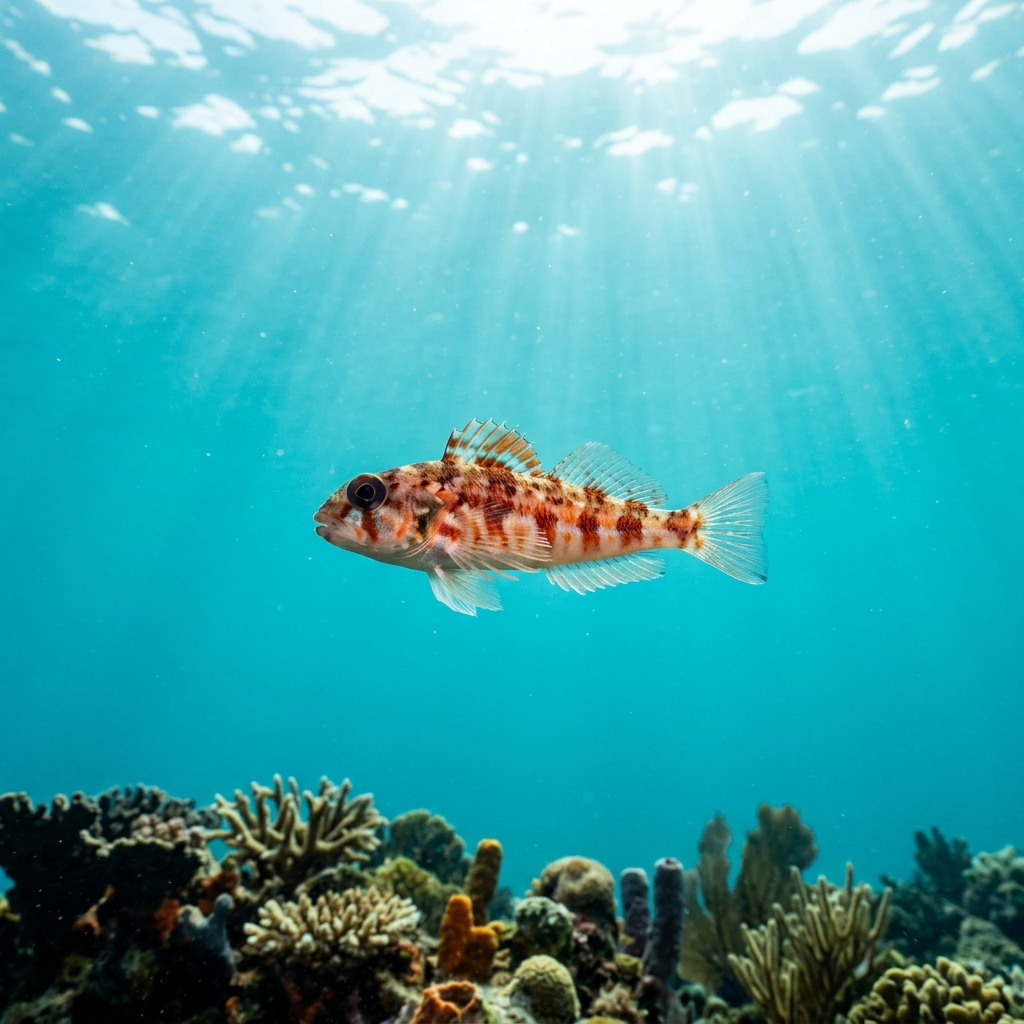
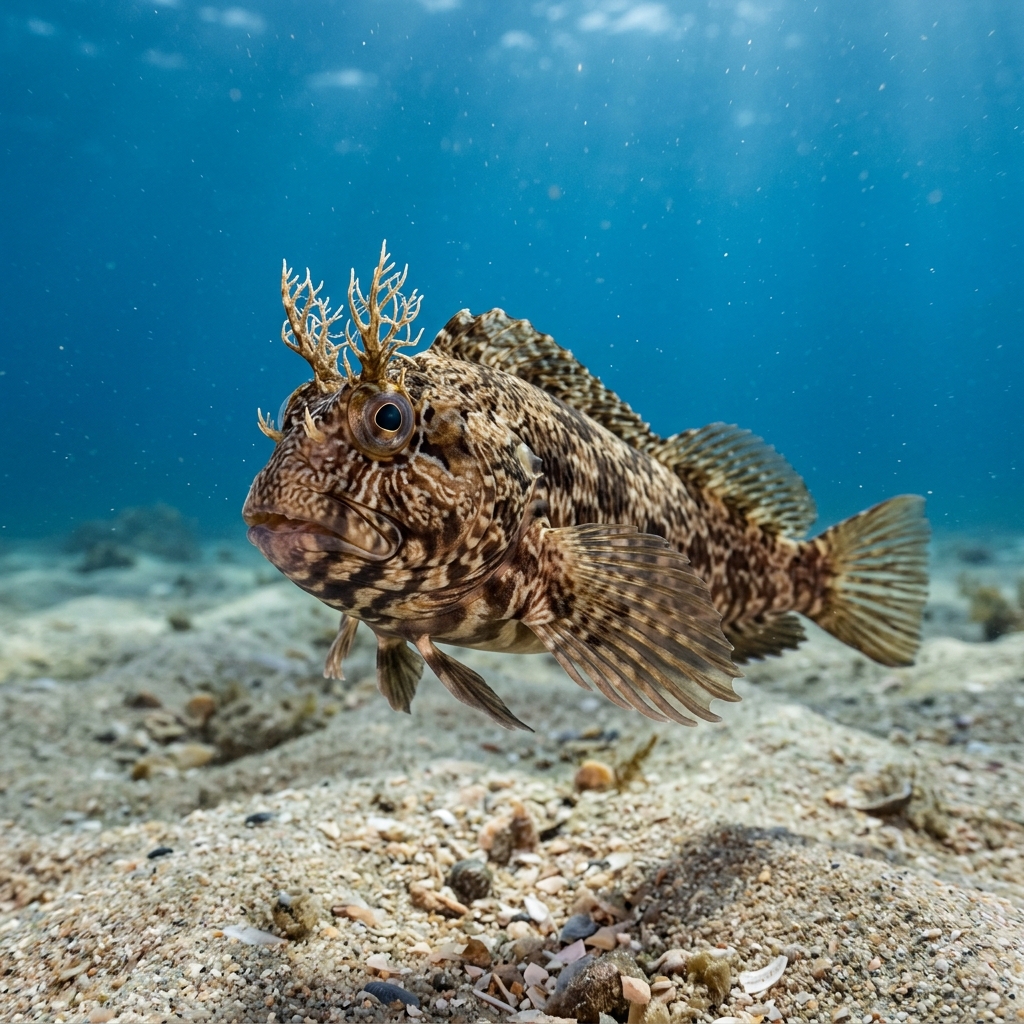
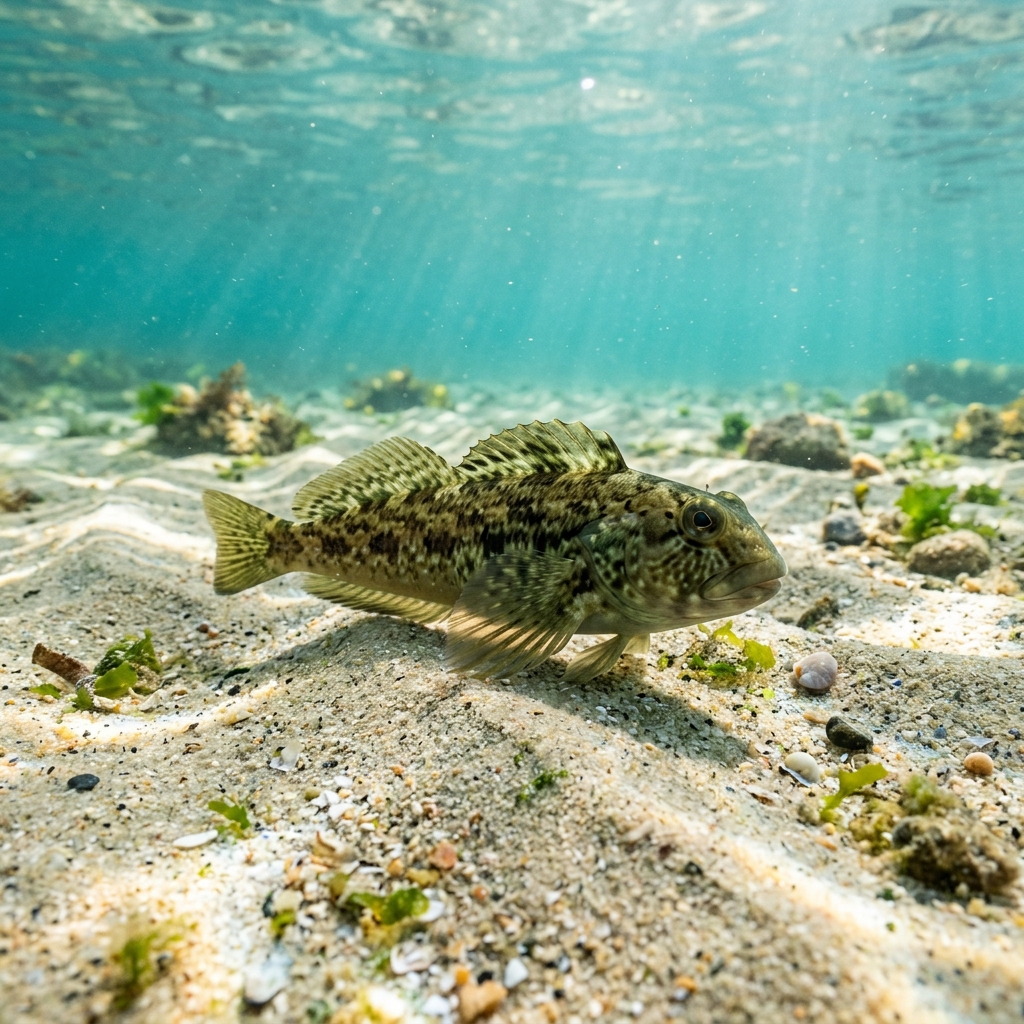
A tiny fish, barely 4cm, that perches motionless on coral or rubble rather than swimming in open water. Look for a mottled tan to olive body broken by a series of dark, saddle-shaped blotches along the back, plus large eyes set high on a blunt head. It rests propped on its pelvic fins like a little tripod, which is often the giveaway before the colour pattern is.
Expect to find it wedged on a coral head, sponge or rubble patch, staying put rather than darting off when you approach. It is most often logged on shallow to mid-depth reef, watching the water column for passing prey and making short darts to snap up small invertebrates before settling back onto its perch. Divers who slow down and scan close to the substrate spot far more of these than divers cruising past at speed.
It is a sit-and-wait hunter: rather than foraging over the reef, it holds a favoured perch and relies on short, quick strikes to grab passing crustaceans and other small prey.
No clear season shows up in the sighting data, and with a comfortable range of 26.3 to 28.2C across its Caribbean haunts, it sits out on the reef year-round.
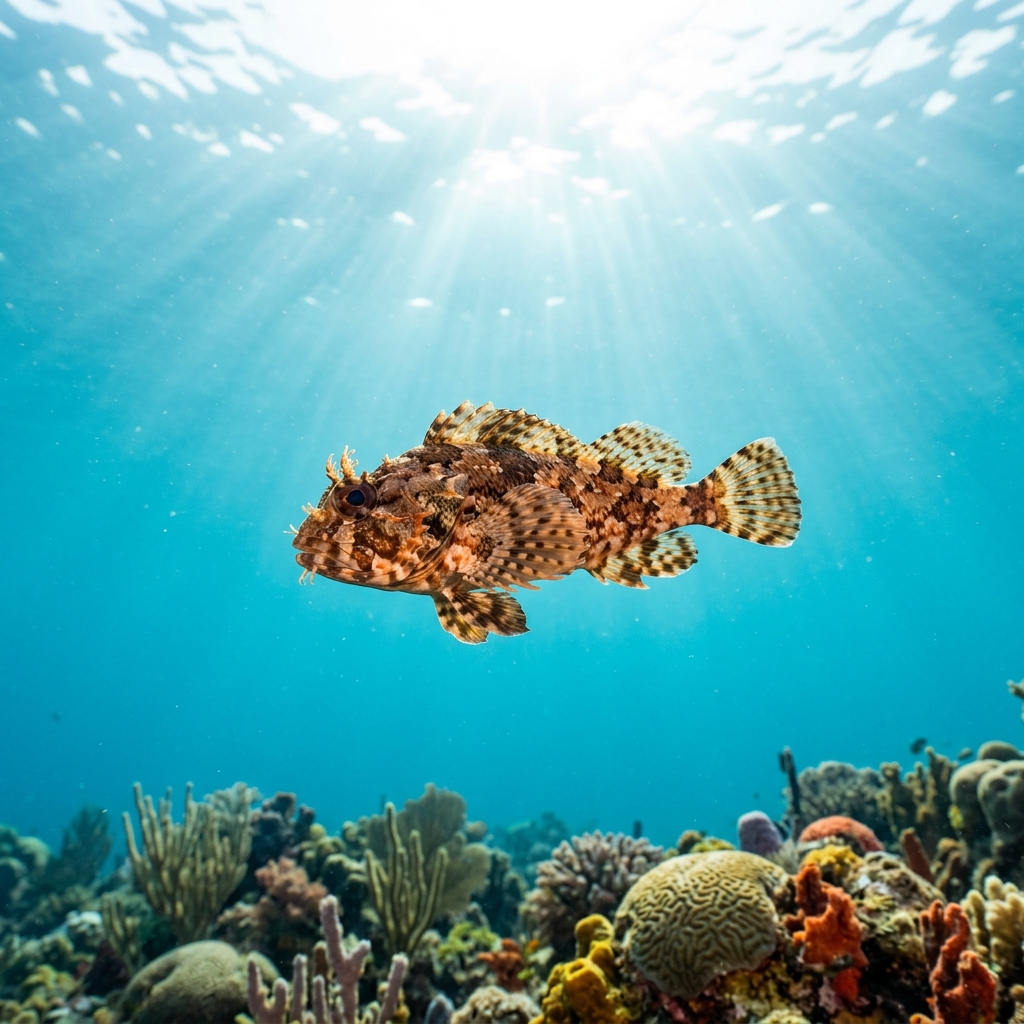
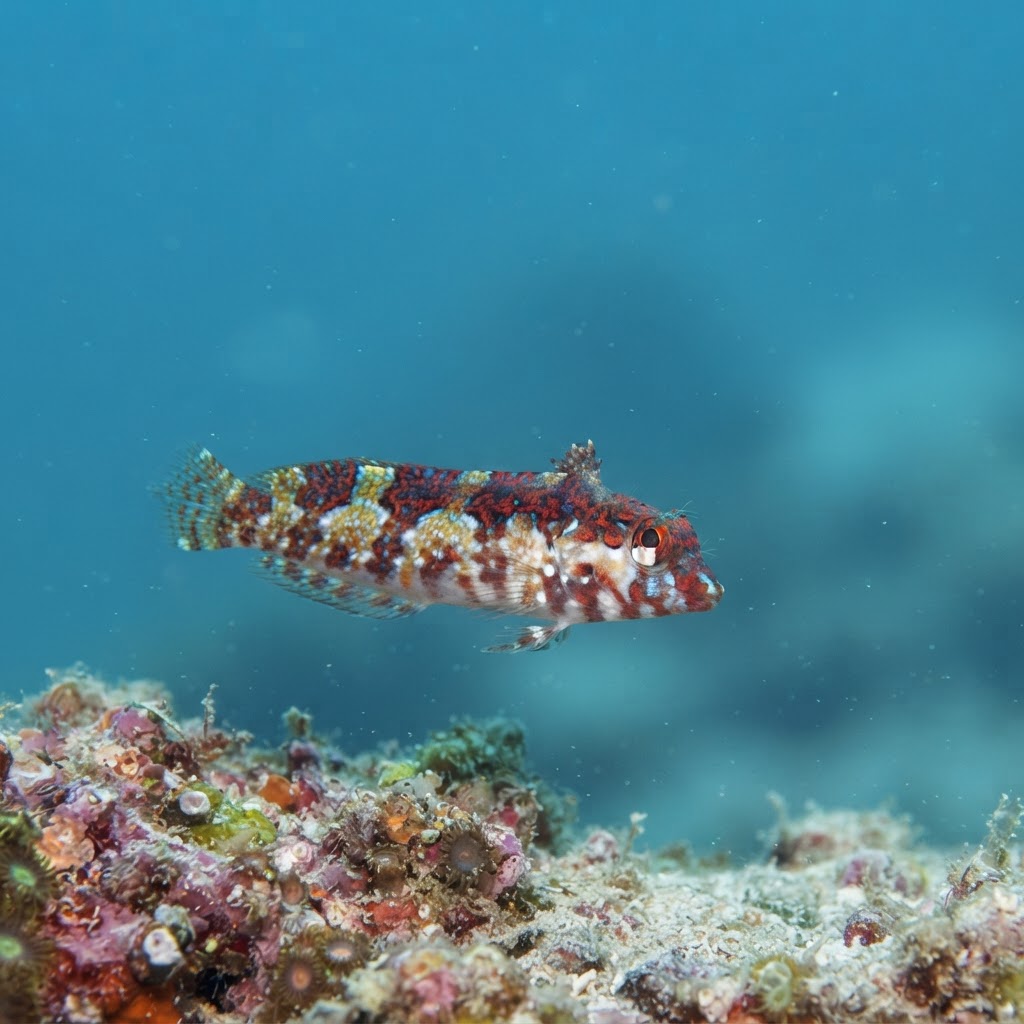
Reef neighbours a diver could mistake it for. Use the identification notes above to tell them apart.
Strongest populations turn up in the Cayman Islands, especially around Grand Cayman, Little Cayman and Cayman Brac, and across the British Virgin Islands, particularly Tortola and the Southern Islands. It is also a reliable find in the US Virgin Islands around Saint John, along Mexico's Yucatán Peninsula, in Honduras's Bay Islands, and on Bonaire's Leeward Coast.
Mapping where Saddled Blenny is logged…
It shows up most reliably in the Cayman Islands (Grand Cayman, Little Cayman, Cayman Brac) and the British Virgin Islands around Tortola. It is also a solid find in the US Virgin Islands, Mexico's Yucatán Peninsula, Honduras's Bay Islands, and Bonaire.
There is no strong seasonal pattern in sightings, and it lives in water between 26.3 and 28.2C, so it is present on Caribbean reefs all year round.
Look for a tiny fish, around 4cm, propped on coral or rubble with a mottled tan and olive body marked by dark saddle-shaped blotches along its back. Its habit of resting still on a perch rather than swimming is one of the easiest clues.
They stay small, topping out around 4cm, which makes them one of the more overlooked fish on a Caribbean reef unless you are looking closely at coral heads and rubble.
Most divers who spot one describe it as uncommon rather than common, and it takes a slow, close look at reef structure to find it since it rarely swims out in the open.
Site and sighting data is aggregated from diver logs, iNaturalist and GBIF. For taxonomy and conservation status:
Rusty Blenny
2,605 sites