Ancylomenes pedersoni
Spot Pederson Cleaner Shrimp on Caribbean reefs from Roatán to Grand Cayman. Year-round in 25-29 °C waters. Tips on finding their cleaning stations.
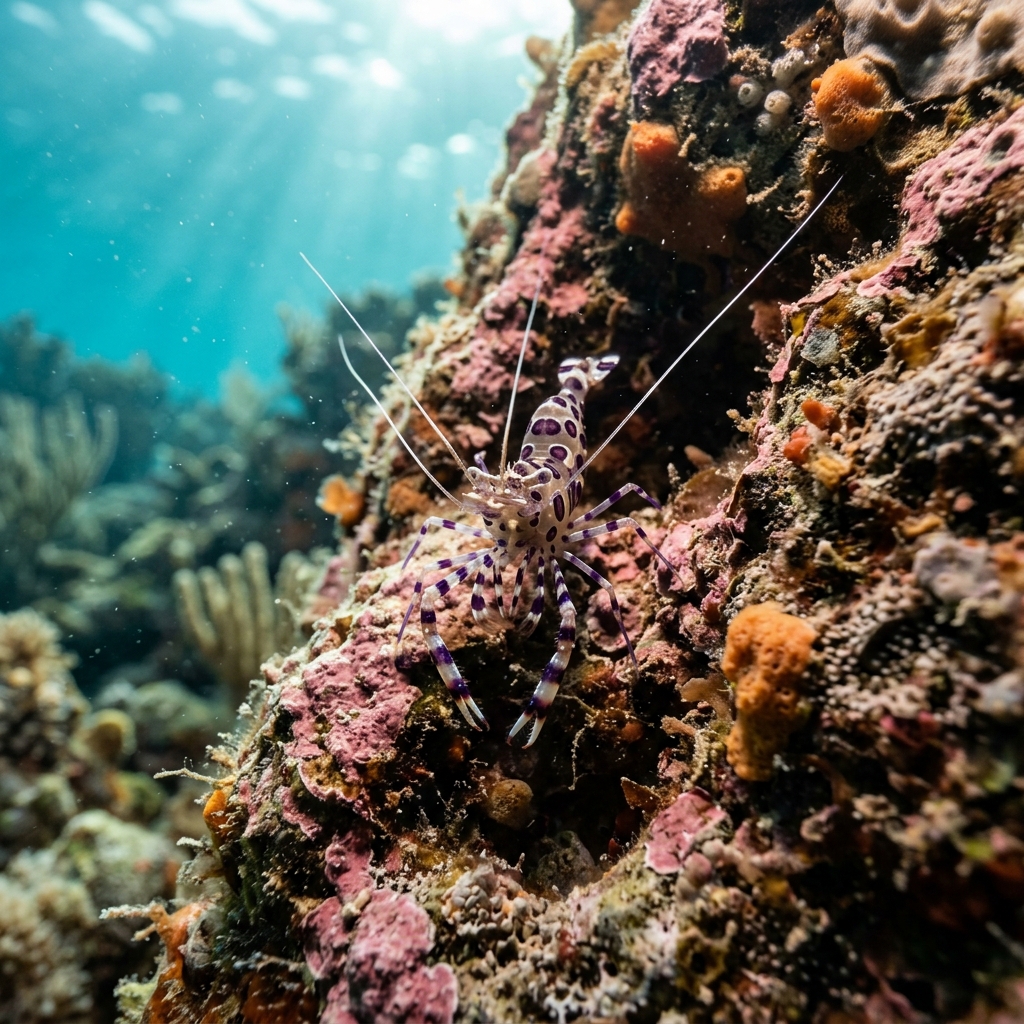
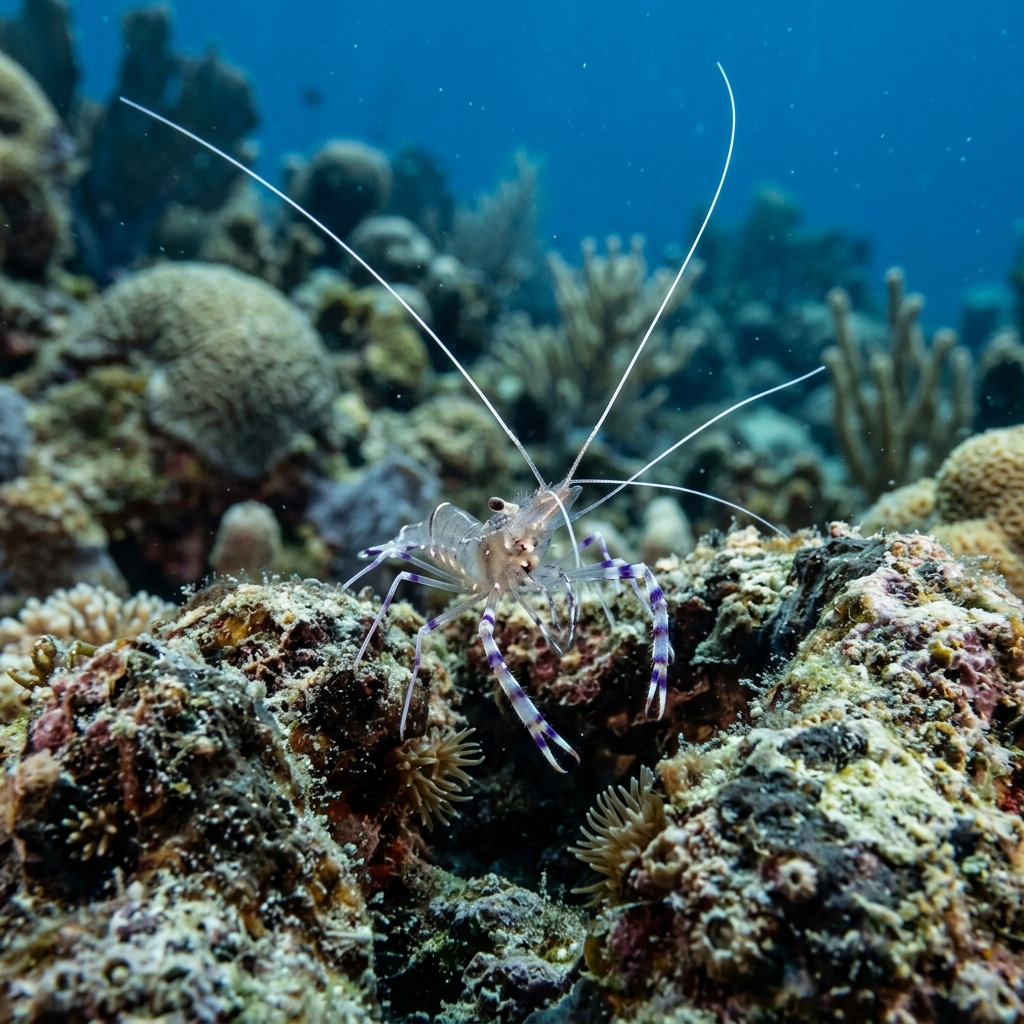
Nearly transparent body with vivid violet or purple spots and markings along the back, plus long white antennae that wave conspicuously to advertise the cleaning station. On the reef it sits almost exclusively on corkscrew anemones (Bartholomea annulata), which act as its home base and immediately narrow down identification. Small in scale, typically a few centimetres, so the fluttering antennae are usually what catches the eye first. No other common Caribbean cleaner shrimp shares this combination of near-total transparency, bold purple patterning, and strict anemone residency.
During daylight hours these shrimp advertise actively, rocking side to side and waving their long antennae to flag down passing fish in need of a clean. Divers and snorkellers are met with curiosity rather than alarm, and they will sometimes approach a still diver as if assessing whether cleaning services are required. They hold their station on the anemone firmly and will stand their ground against rival cleaner shrimp, though they show no aggression towards people.
The relationship between this shrimp and its host anemone is a tight mutualism (a partnership where both species benefit): the shrimp gets a protected base and access to fish clients, while evidence suggests the shrimp's activity and waste benefit the anemone. Remove the anemone and the shrimp loses its cleaning station entirely.
Present year-round on Caribbean reefs, reflecting its preference for stable tropical water in the 25-29 °C range. There is no concentrated season, so any time you're in the region is a reasonable time to look.
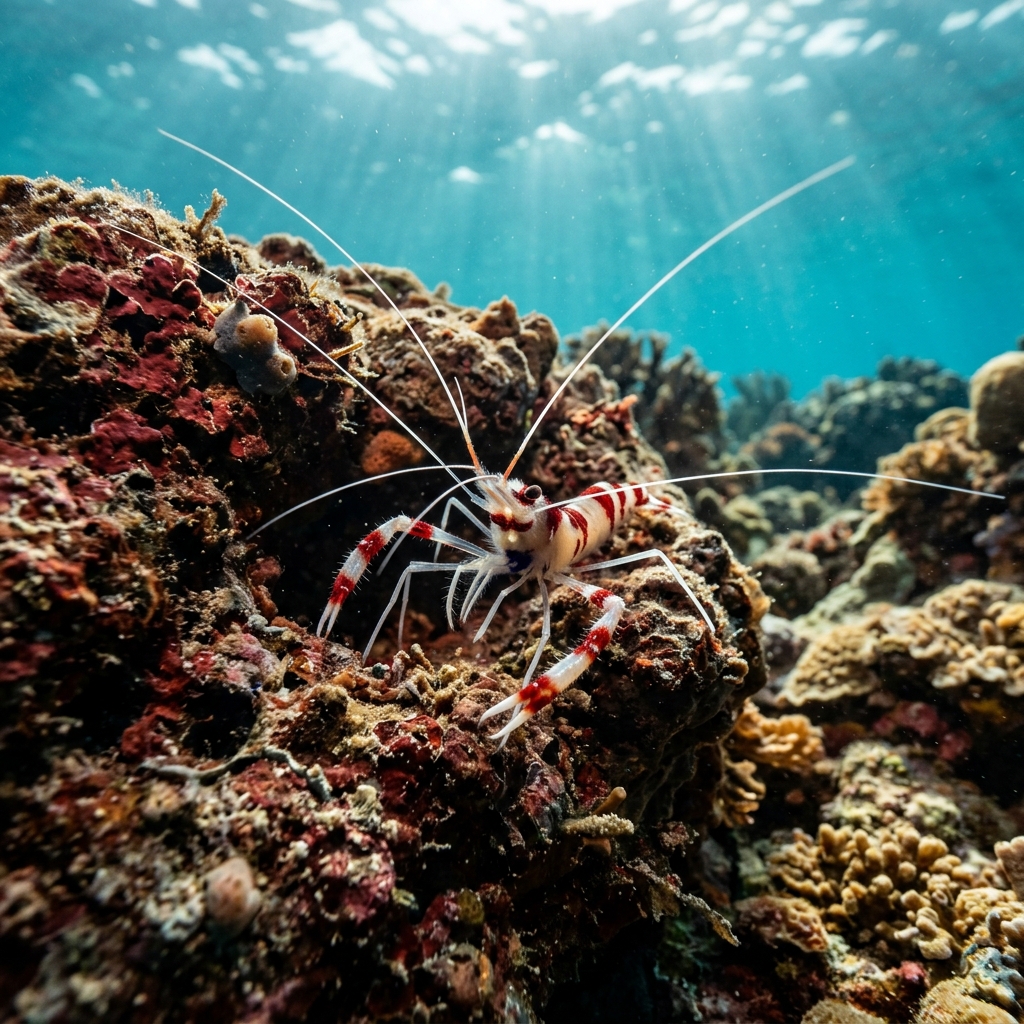
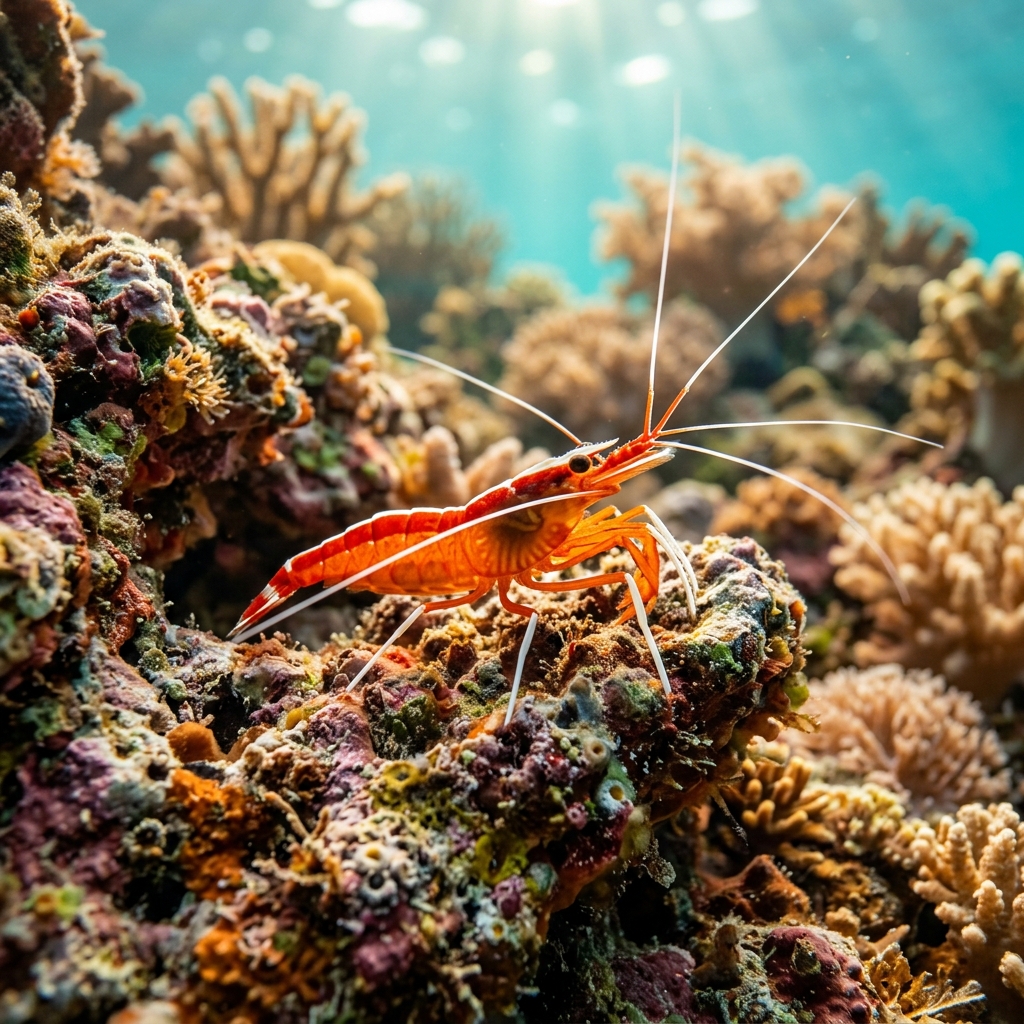
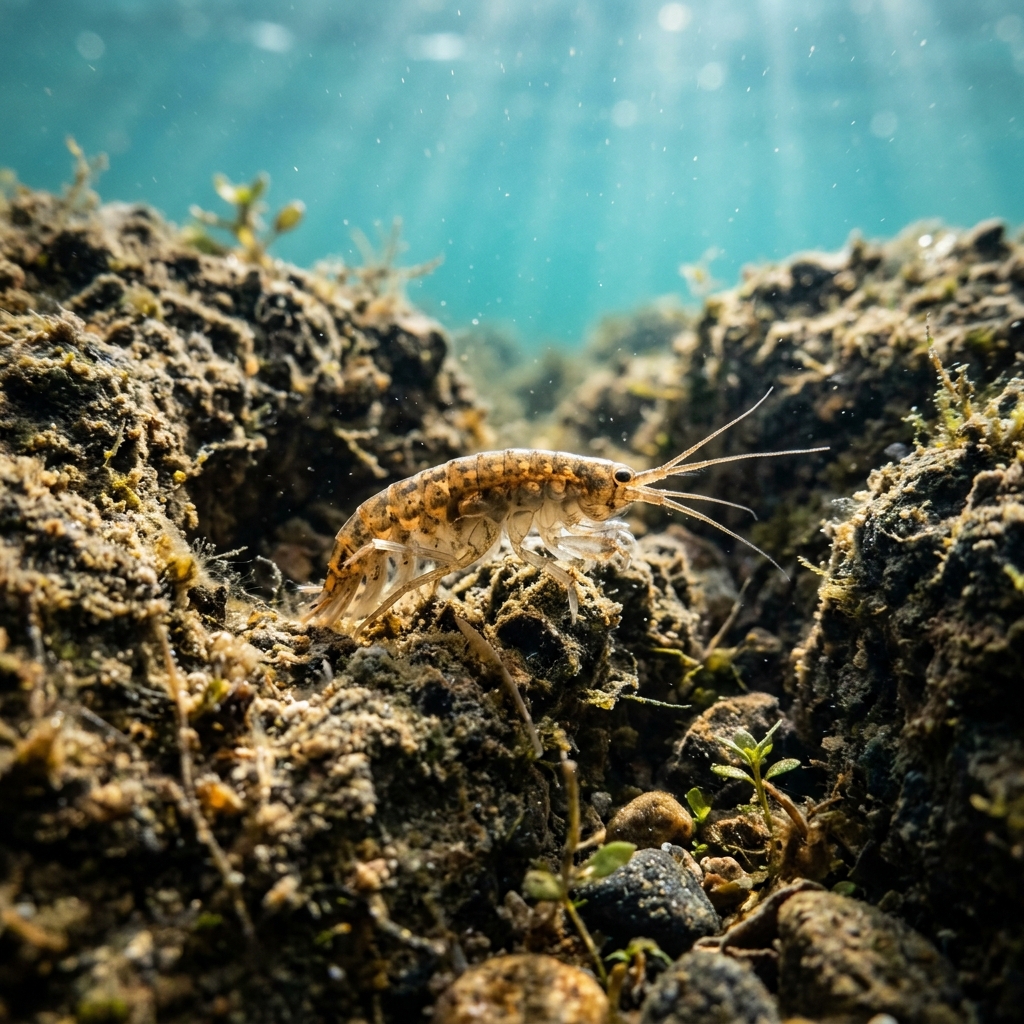
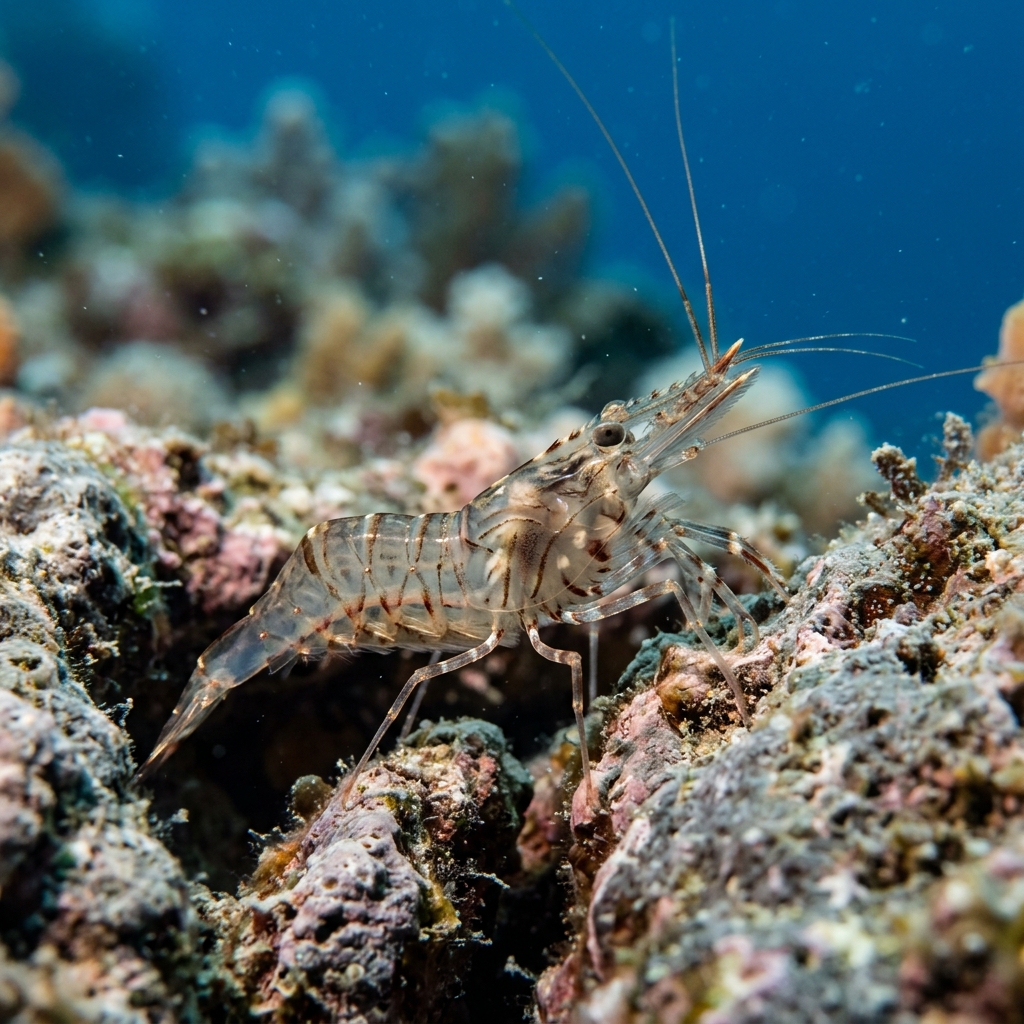
Reef neighbours a diver could mistake it for. Use the identification notes above to tell them apart.
Most consistently logged across the Caribbean, with the strongest sighting records in Roatán (Honduras), Grand Cayman (Cayman Islands), and the Colombian Caribbean coast. Strong populations are also well documented throughout the Bahamas, Bonaire's Klein Bonaire sites, and the US Virgin Islands around Saint Thomas. Florida's southeast reefs mark the northern edge of reliable sightings in the United States.
Mapping where Pederson Cleaner Shrimp is logged…
They are a Caribbean species logged at sites across Honduras (especially Roatán), the Cayman Islands, Colombia, Cuba, the Bahamas, and Bonaire, among others. The US Virgin Islands and Florida's southeast reefs also produce regular sightings. Look for them on shallow to mid-depth reef walls wherever corkscrew anemones are present.
They are present year-round throughout their Caribbean range, as the region's consistently warm water (25-29 °C) suits them in every season. Sightings are most likely during daylight dives when fish actively visit cleaning stations.
Look for a small, almost see-through shrimp with distinctive violet or purple markings and long white antennae waving on top of a corkscrew anemone. The combination of translucent body, purple patterning, and anemone residency is highly distinctive in Caribbean waters. The active antenna-waving display is usually the first thing that draws the eye.
They are small shrimp, typically reaching only a few centimetres in body length. Their long white antennae, which can extend well beyond the body, make them appear larger underwater and are the feature most divers notice first.
They remove parasites, dead tissue, and debris from fish that stop at their anemone host. Fish signal their readiness by adopting a still, often head-down posture, and the shrimp walk over gills, skin, and even into the mouth to do the work. It is a classic example of mutualism on the reef, beneficial to both the shrimp and the fish being cleaned.
Site and sighting data is aggregated from diver logs, iNaturalist and GBIF. For taxonomy and conservation status:
Rockpool Prawn
2,179 sites