Ameiurus nebulosus
Spot brown bullhead in the Great Lakes and Ontario. A bottom-lurking catfish active in cold water from 3 to 22 °C, here's where divers log it most.
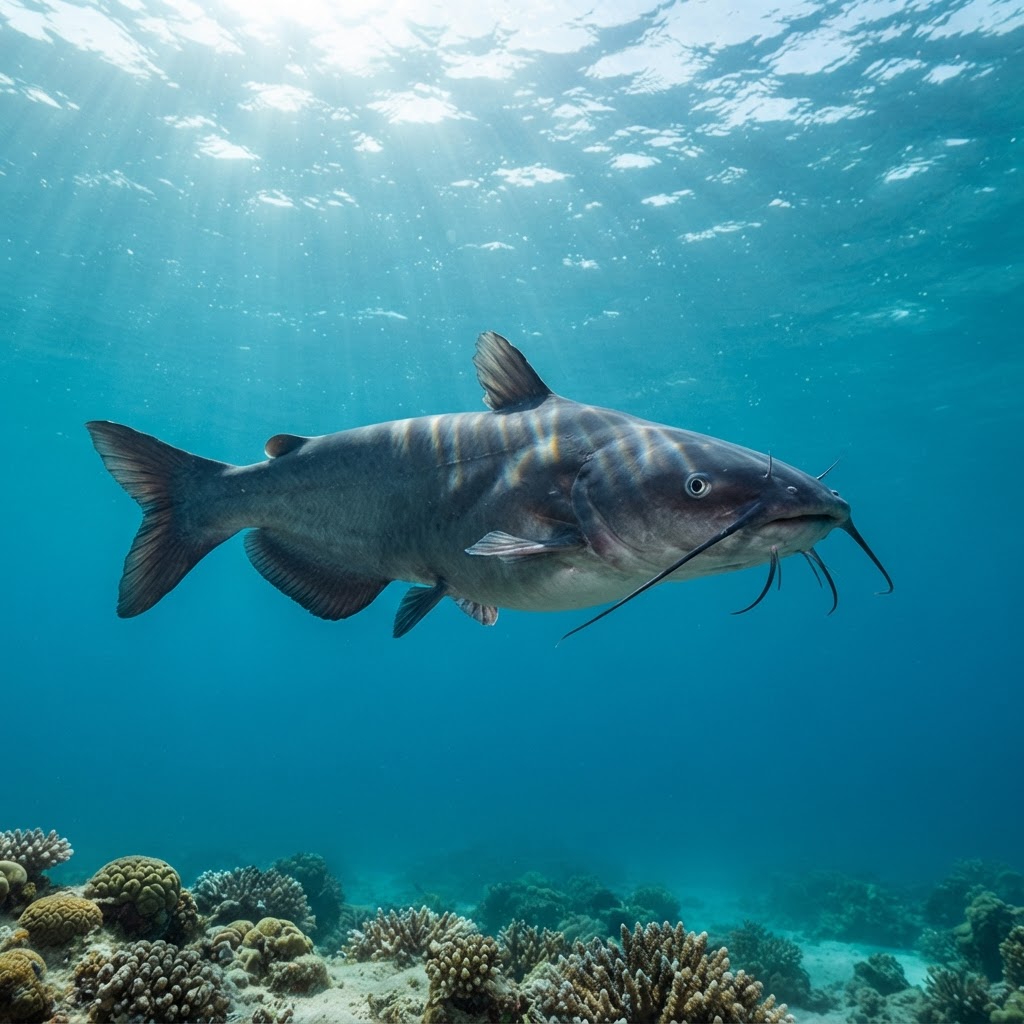
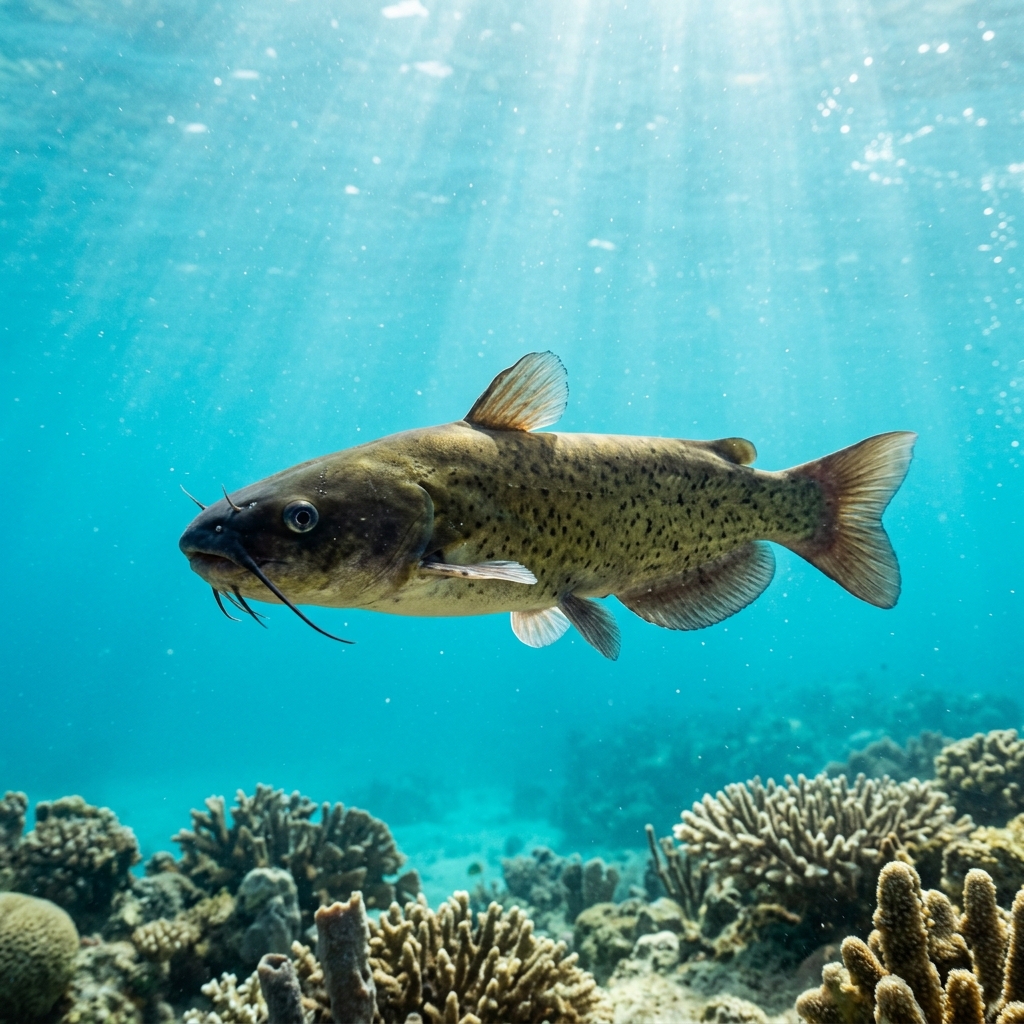
A stocky, flattened catfish with mottled brown-to-olive skin that blends convincingly with silt and leaf litter on the bottom. The squared-off tail is the quickest distinguishing feature underwater, channel catfish have a deeply forked tail by comparison. Eight long barbels (whisker-like sensory organs) fan out from the chin and corners of the mouth, and the pectoral fins carry sharp spines that can draw blood if handled. Colouration can shift from pale tan in sandy areas to nearly black in dark, weedy shallows.
Brown bullhead are bottom-dwellers that hug silty or weedy substrates, often sitting motionless under dock pilings, submerged logs, or overhanging banks. They are predominantly nocturnal feeders, so divers on dusk or night dives in appropriate habitat tend to encounter them more actively nosing through sediment. When approached, they typically stay put and rely on camouflage rather than bolting, which makes observation straightforward once you have located one.
Brown bullhead are remarkably tolerant of low-oxygen, polluted water, they can absorb oxygen through the skin to a degree that would stress most other species, which is part of why they persist in urban lakes and slow, murky canals where water quality is poor.
There is not enough monthly sighting data to point to a peak season, so treat it as a year-round possibility. The observed temperature range of roughly 3 to 22 °C covers both ice-off spring dives and late-summer warm spells in the Great Lakes region, suggesting the species stays accessible across seasons rather than retreating to deep water in cold months.
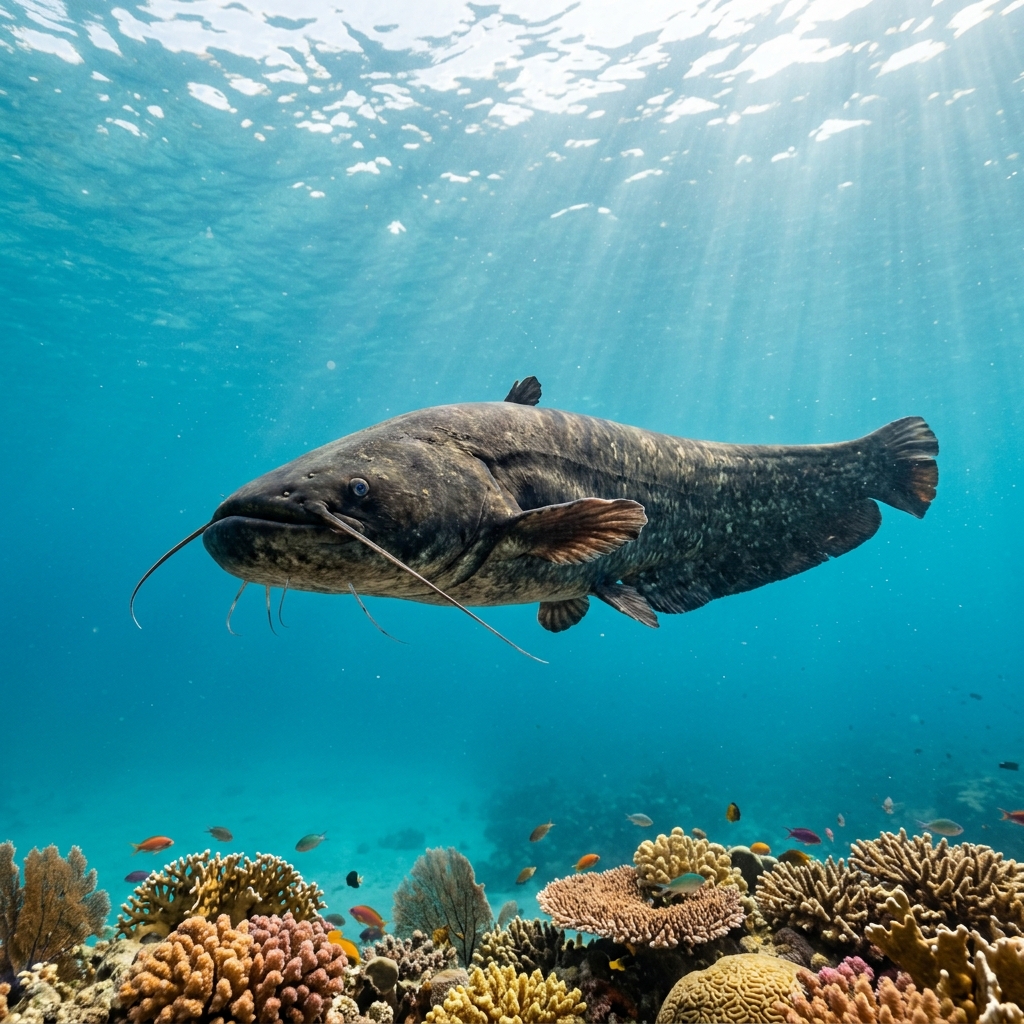
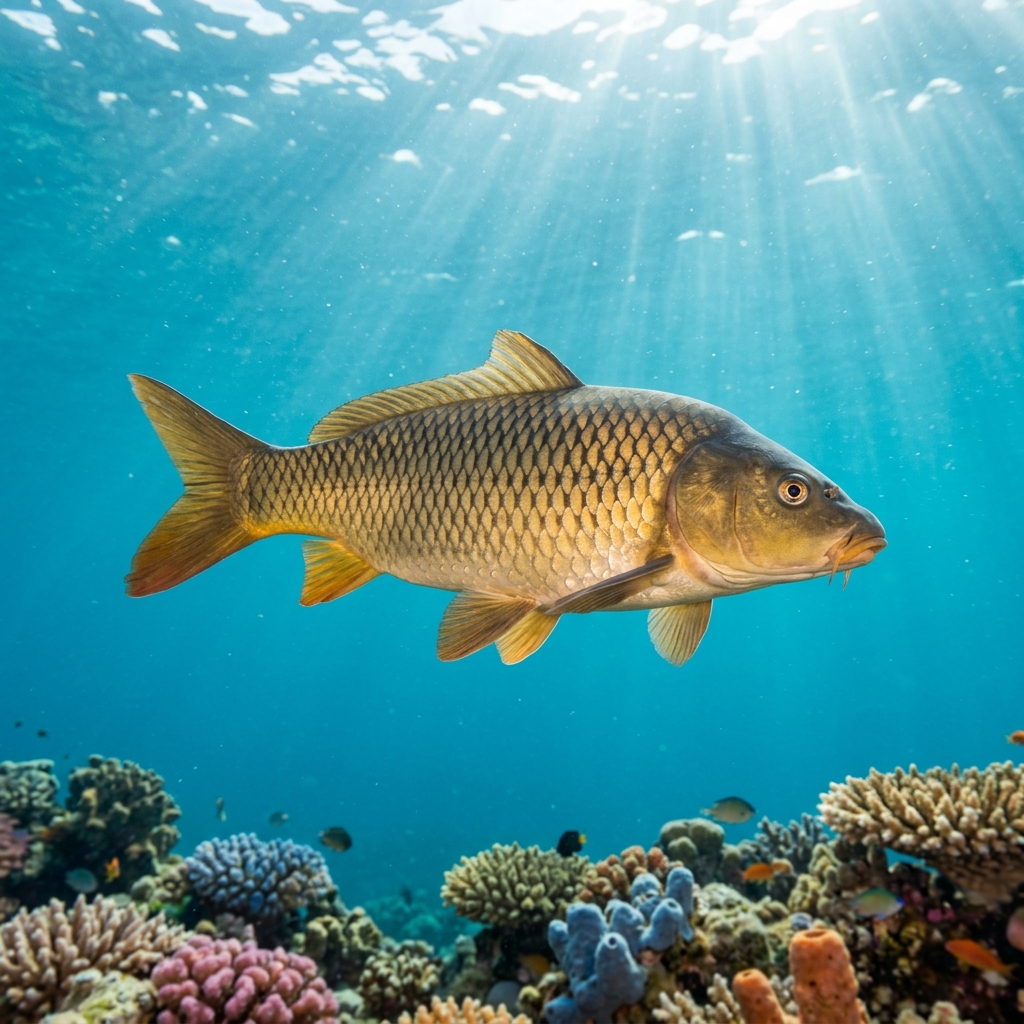
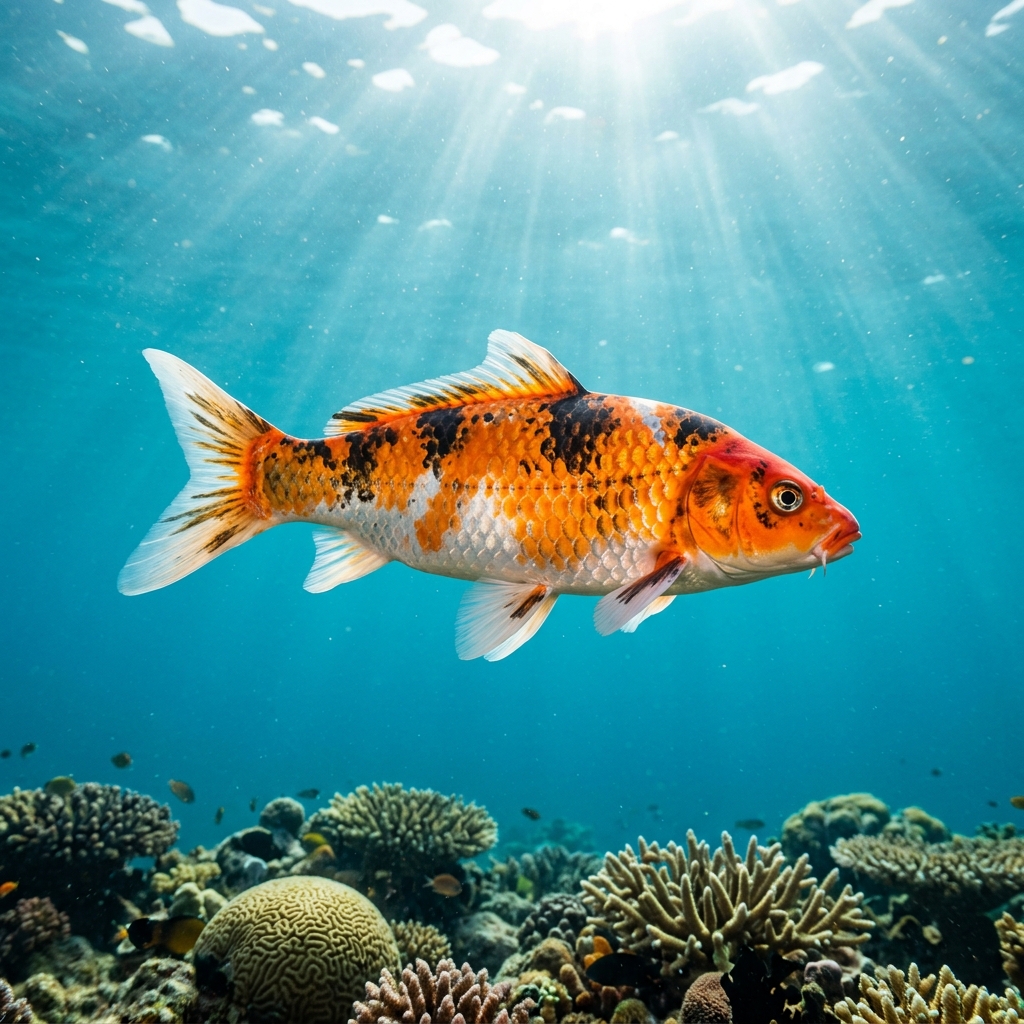
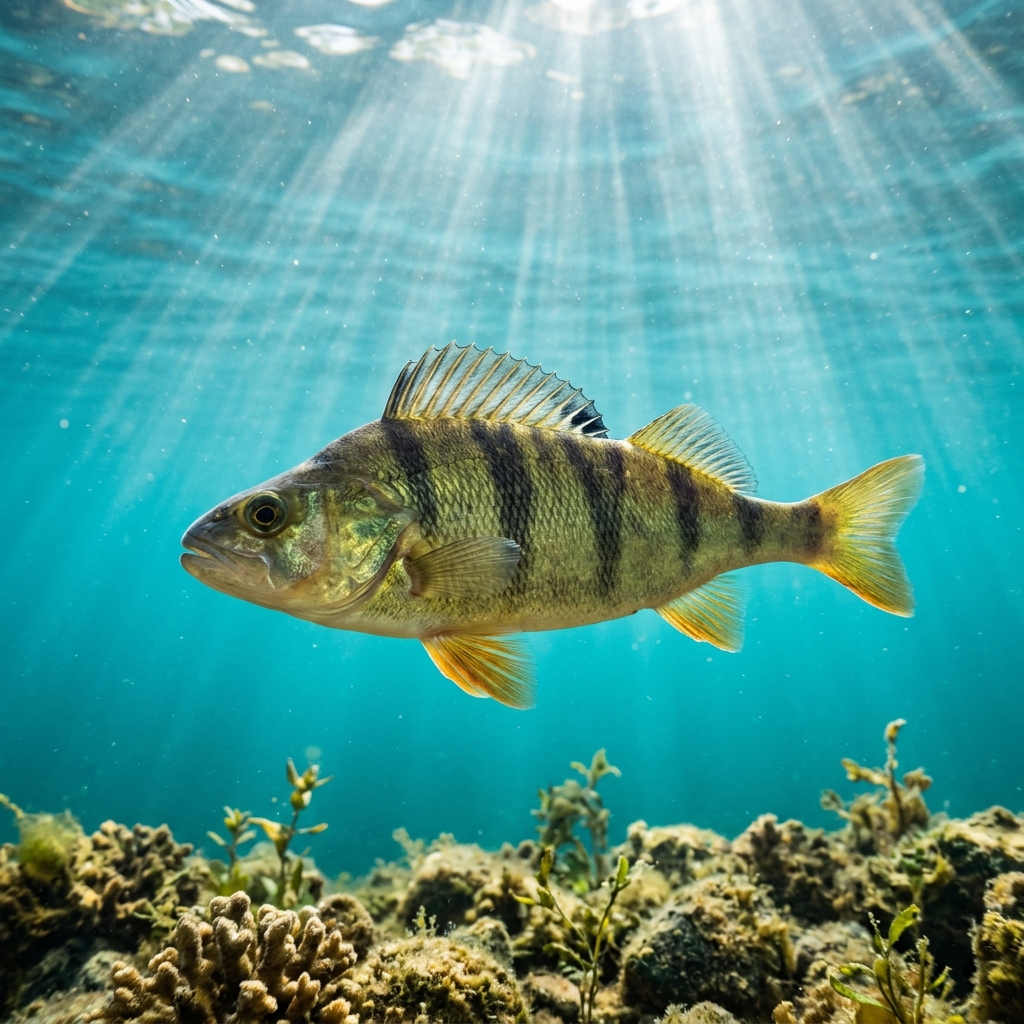
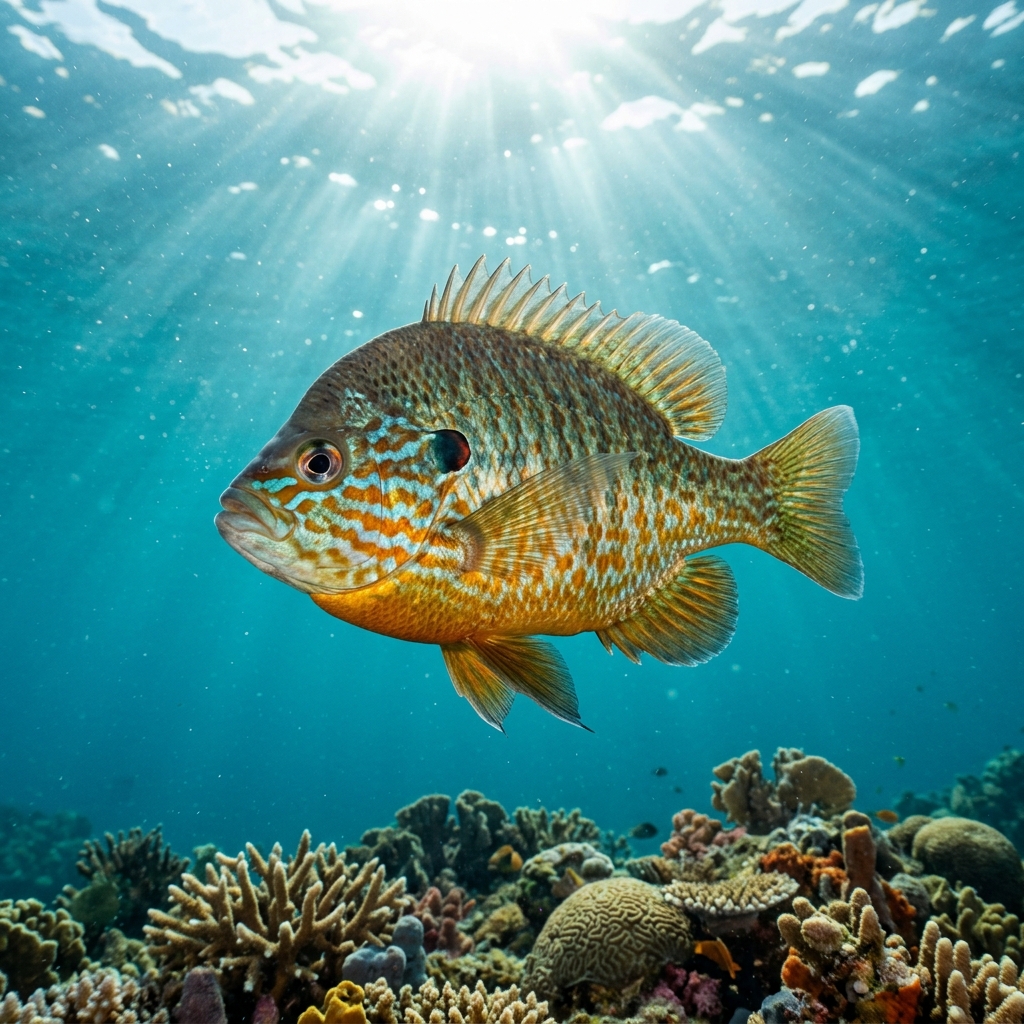
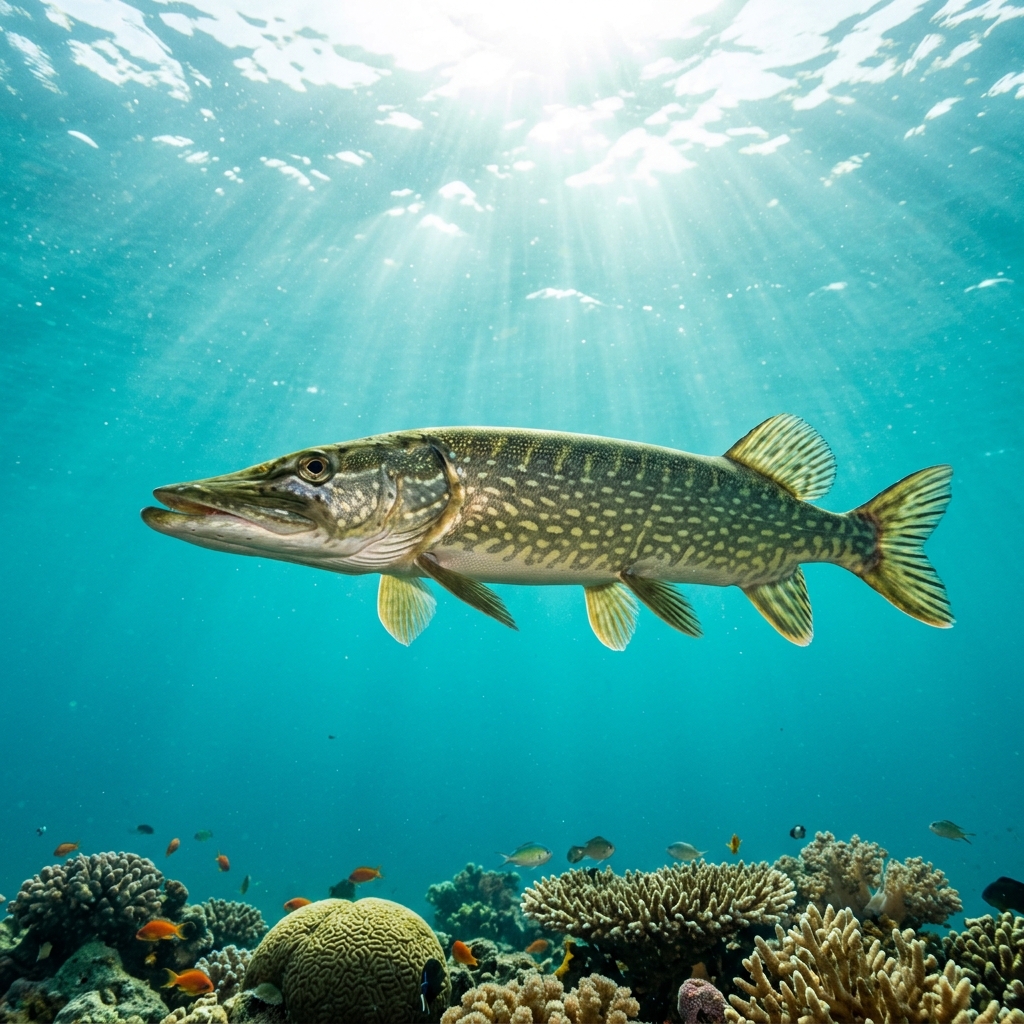
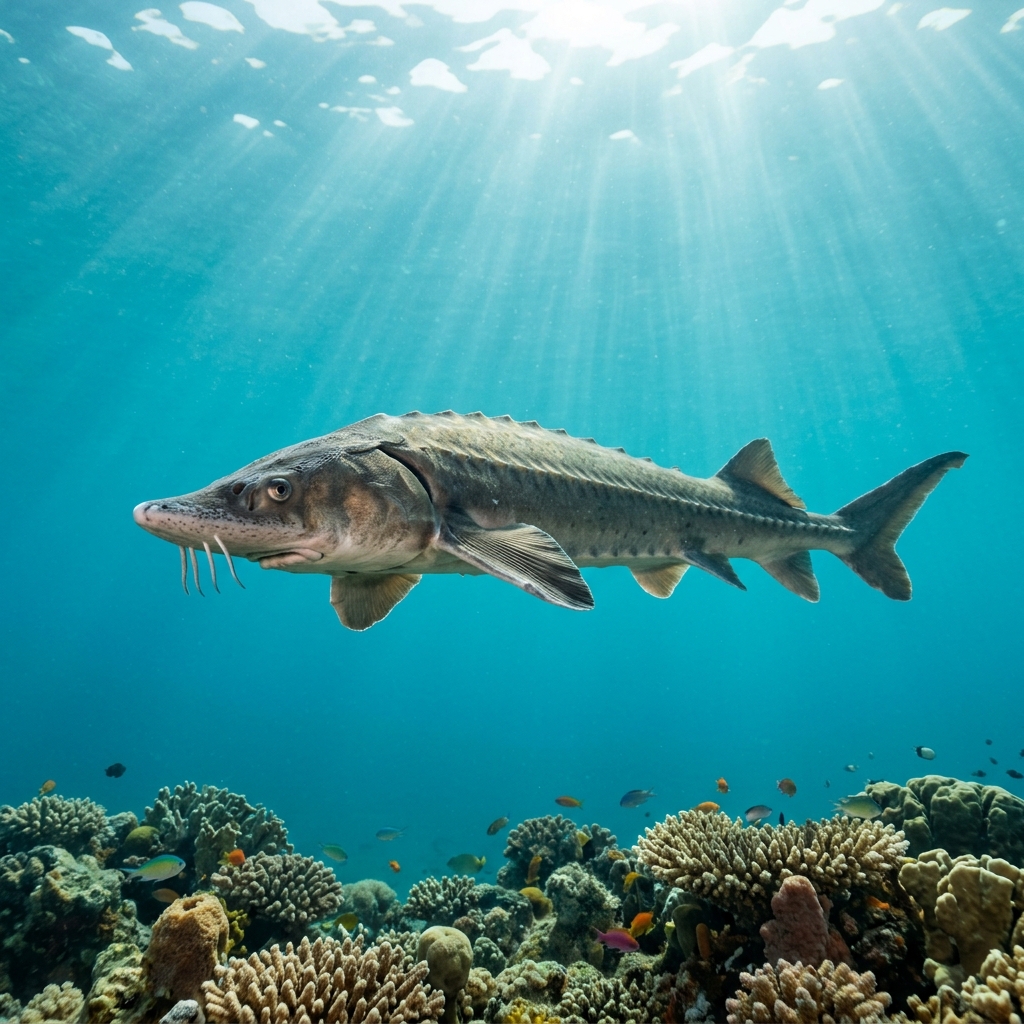
Reef neighbours a diver could mistake it for. Use the identification notes above to tell them apart.
The vast majority of diver sightings come from the Great Lakes and Ontario region in Canada, which accounts for most logged sites by a wide margin. A smaller cluster of sites sits in the Great Lakes and northeast United States. If you are planning a freshwater dive specifically to find this species, central and southern Ontario offers the strongest odds.
Mapping where Brown Bullhead is logged…
Most diver encounters are logged in the Great Lakes and Ontario region of Canada, with additional sightings in the Great Lakes and northeast United States. Freshwater sites in southern Ontario offer the best concentration of logged records. It is a lake, pond, and slow-river species rather than a coastal one.
Sighting data does not show a clear seasonal peak, so encounters are possible year-round in suitable freshwater sites. Night and dusk dives tend to be more productive because the species feeds actively after dark. Water temperatures anywhere from just above freezing to around 22 °C fall within its recorded range.
Look for a stocky, mottled brown or olive catfish resting on the bottom with eight long barbels around the mouth. The squared or slightly rounded tail separates it from channel catfish, which have a deeply forked tail. Pectoral spine tips are visible at close range and are a useful secondary check.
Typical adults in the Great Lakes region reach around 25 to 35 cm in length, though larger individuals approaching 50 cm are recorded. They are a medium-sized freshwater catfish, noticeably smaller than a wels catfish but similar in bulk to a channel catfish of the same length.
They are not dangerous, but worth handling with care if you pick one up: the pectoral and dorsal fin spines are sharp and can cause a painful puncture wound. Underwater, they pose no threat and will not actively approach or chase a diver.
Site and sighting data is aggregated from diver logs, iNaturalist and GBIF. For taxonomy and conservation status:
Sun Perch
2,182 sites