Petromyzontidae spp.
Uncommon but real: divers log lampreys at freshwater sites in Ontario, Canada, year-round, with no clear seasonal peak.
Long, slender, eel-like body with no paired fins and smooth, scaleless skin in shades of grey, brown or olive. The giveaway is the head: a round, jawless sucking disc mouth ringed with small teeth, sitting below eyes that lack the bony gill covers fish have. Look for a row of small round gill openings along the side rather than a single gill slit, and a low, continuous fin along the back half of the body.
Divers typically spot lampreys resting on or near the bottom, often tucked against rock or gravel substrate rather than swimming in open water. They're not fast or showy movers and tend to hold still when approached, which is usually your best chance for a clear look at that distinctive mouth. Sightings logged so far describe them as uncommon, so a calm, slow approach along the bottom improves your odds.
That sucker-disc mouth isn't for biting divers or anything nearby out of aggression; some lamprey species use it to attach to other fish and feed on blood or tissue, while others are entirely non-parasitic as adults and don't feed at all after their larval stage.
There isn't enough logged data to point to a season, so treat sightings as possible year-round. Cold-water divers in Ontario report them as an occasional find rather than a predictable seasonal event.
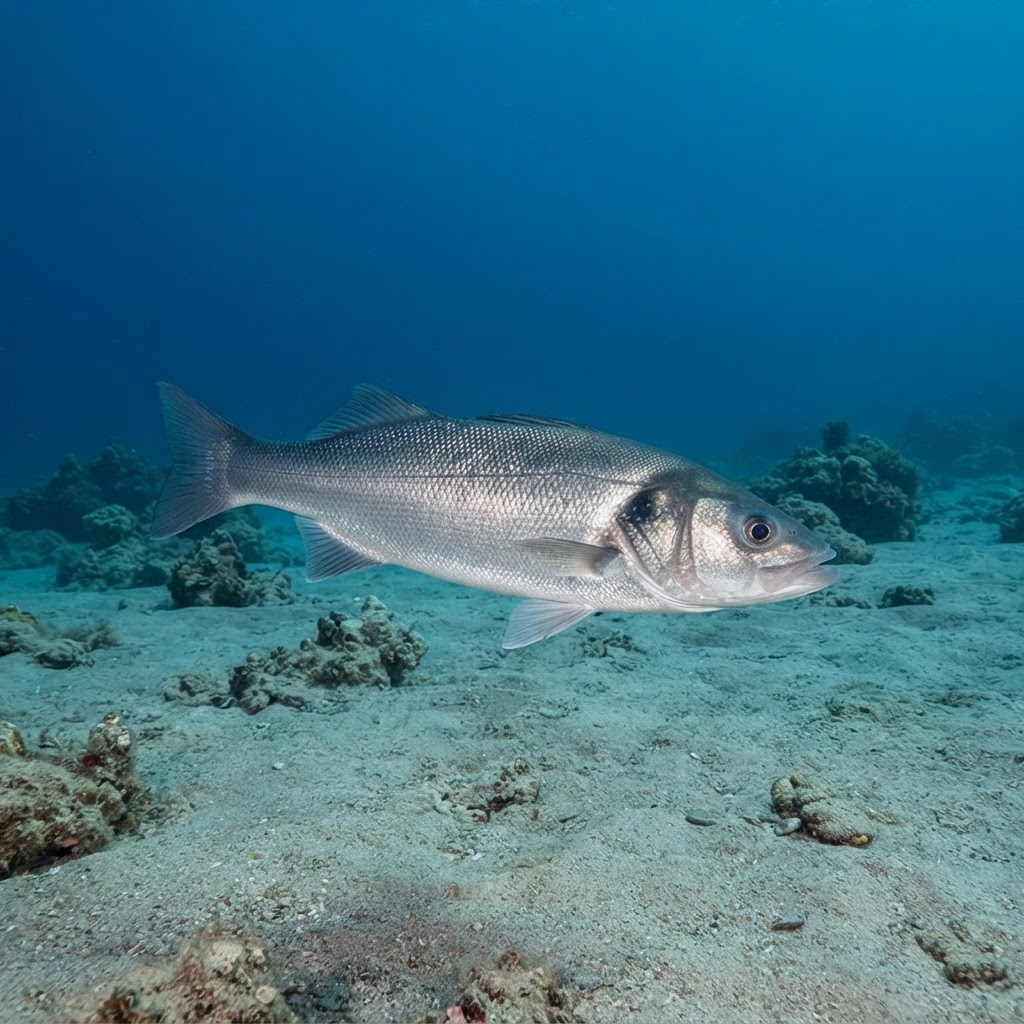
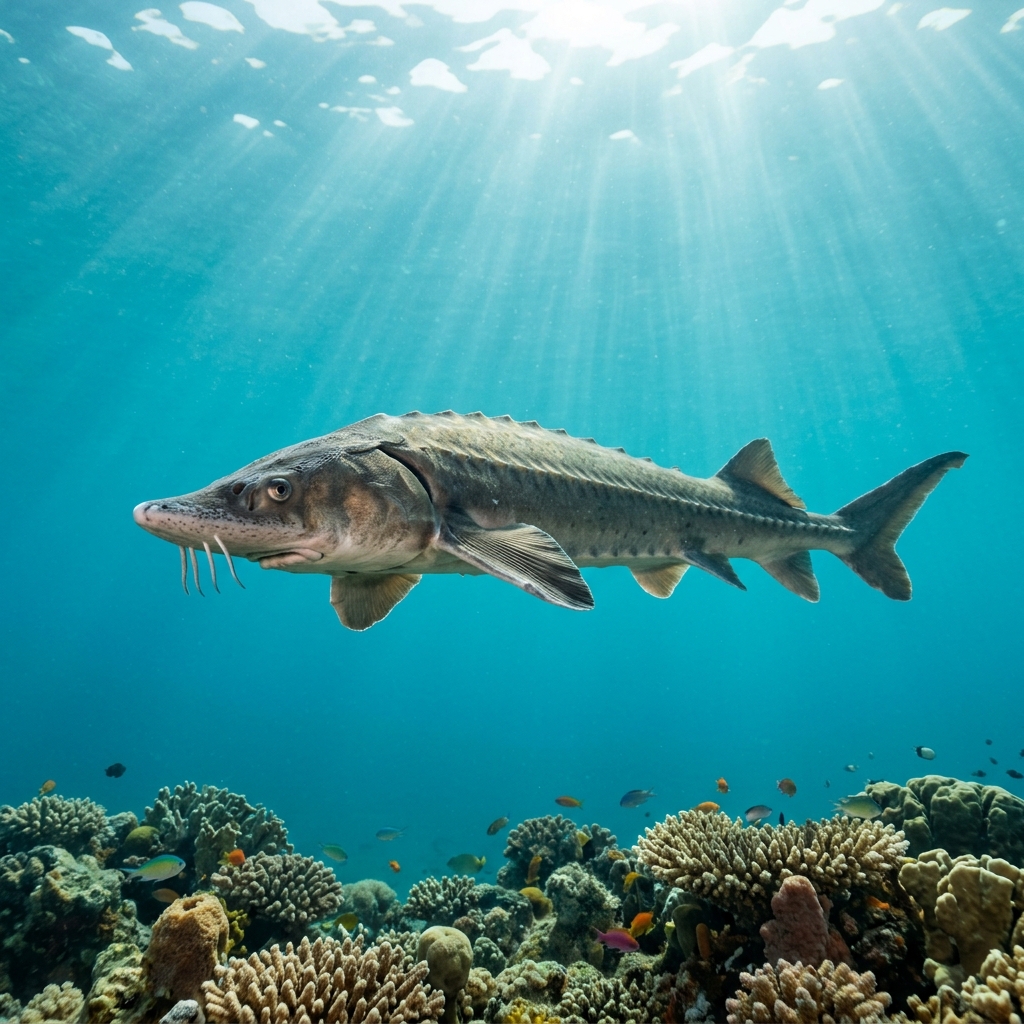
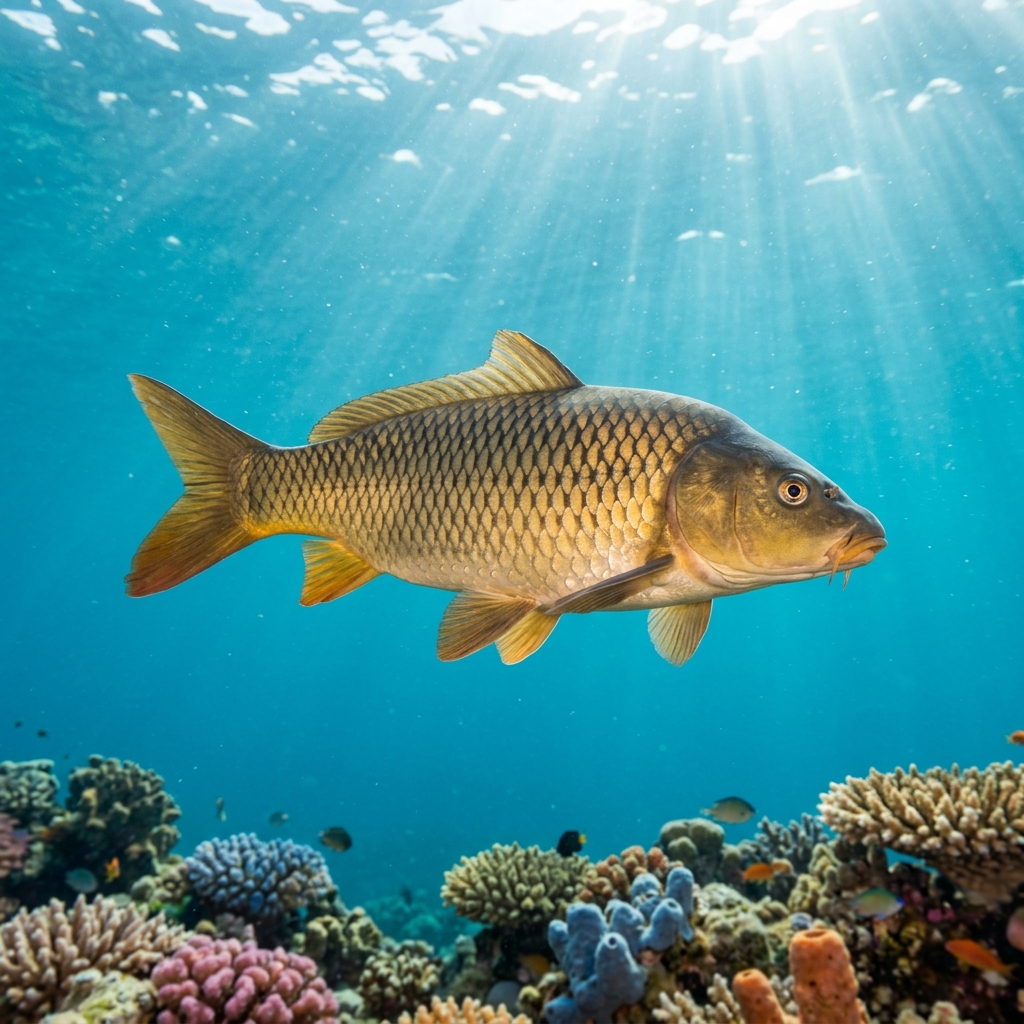
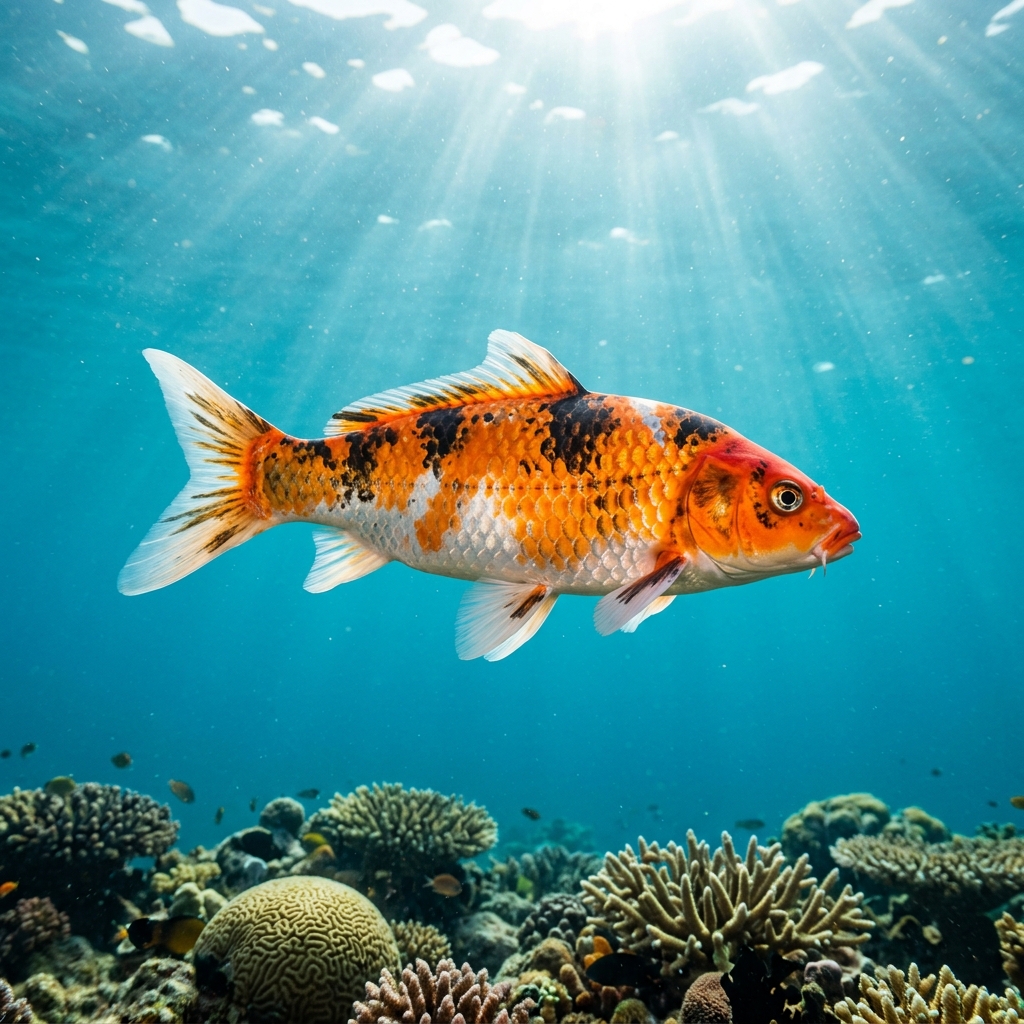
Reef neighbours a diver could mistake it for. Use the identification notes above to tell them apart.
All logged sightings in this data come from Ontario, Canada, making it the only confirmed region for divers hoping to encounter one. Sites are freshwater, so this is a cold-water river or lake dive rather than a reef or coastal trip.
Mapping where Lamprey is logged…
Confirmed sightings in this data all come from Ontario, Canada, in freshwater river and lake sites. It's a cold-water encounter rather than something you'll find on a tropical dive trip.
There isn't a clear seasonal pattern in the logged sightings, so they're best treated as a year-round possibility in Ontario's freshwater sites rather than tied to a specific month.
No, they're not considered dangerous to divers. Their sucker mouth is built for attaching to other fish, not for interacting with people.
Look for a long, scaleless, eel-like body with no paired fins and a round, jawless sucking disc mouth instead of a hinged jaw. A row of small gill openings along the side and a low fin running along the back half of the body are other quick tells.
Their mouth is a toothed sucking disc rather than a jaw, and some species use it to latch onto other fish to feed, while others never feed at all as adults after spending years as a burrowing larva.
Site and sighting data is aggregated from diver logs, iNaturalist and GBIF. For taxonomy and conservation status:
Sun Perch
2,182 sites