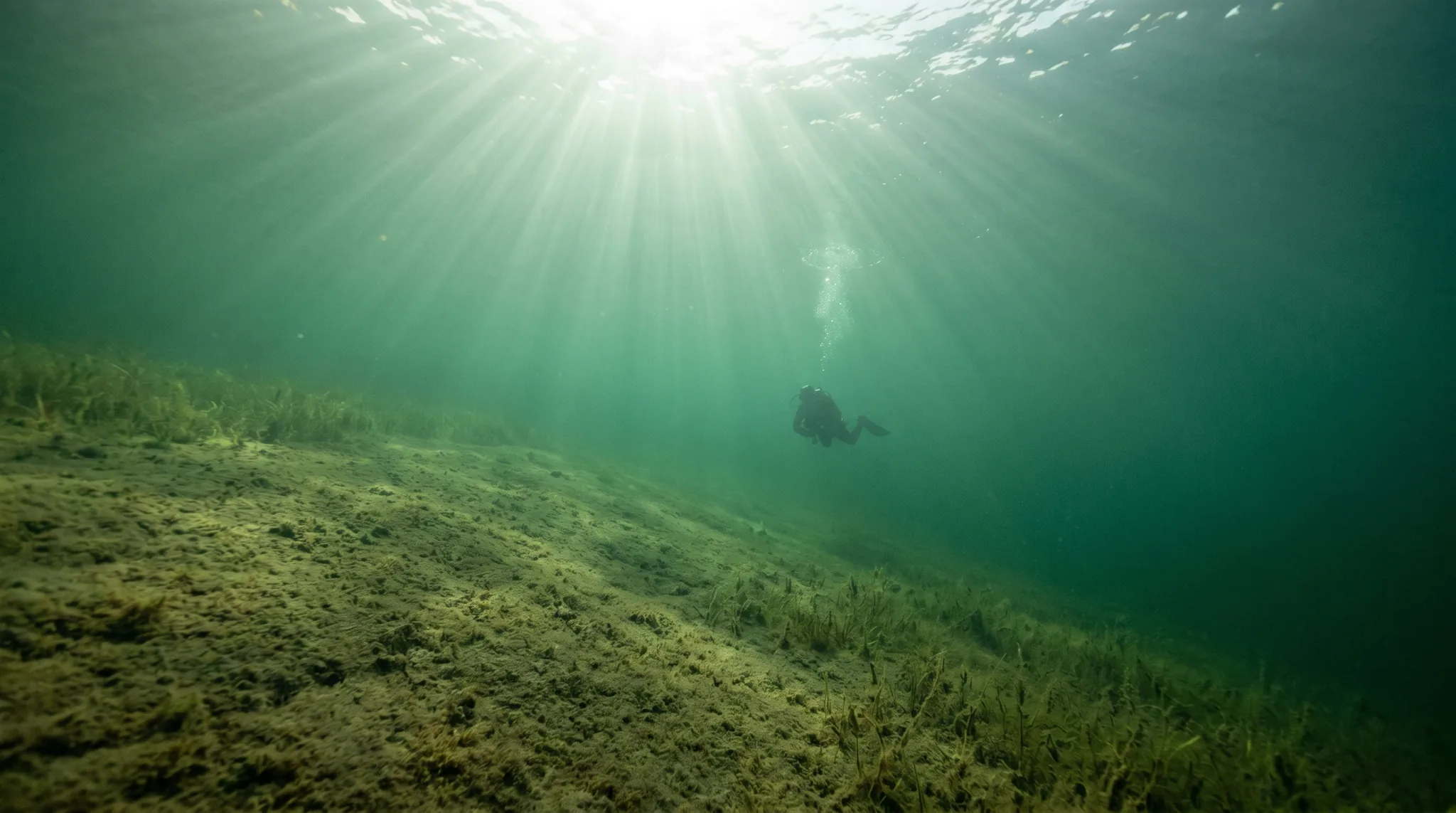
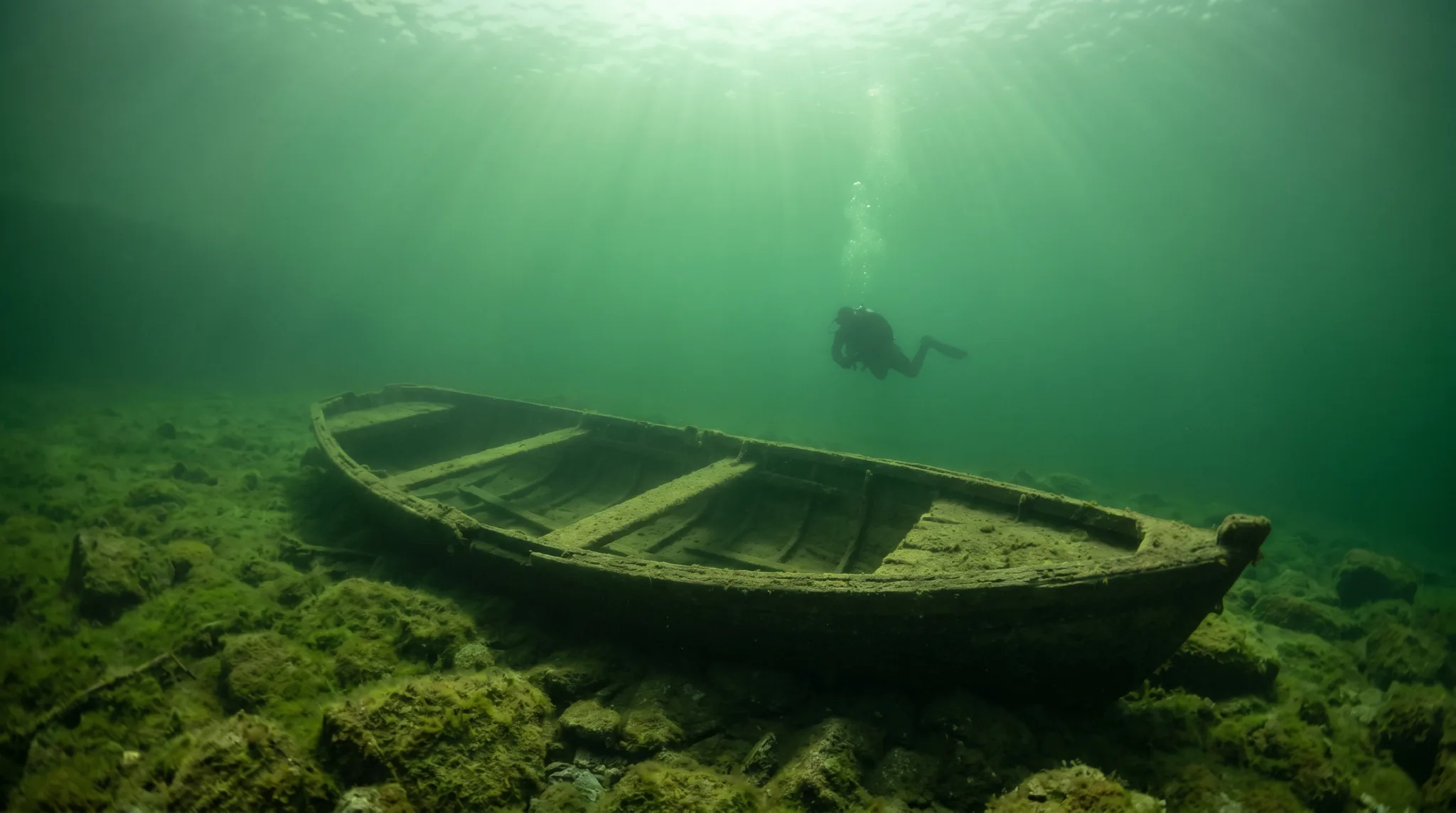
Wolfe Island Graveyard is a freshwater dive and snorkel destination near Kingston, Ontario, where wrecks and artificial reefs share the same cold, clear inland waters. Dive sites range from shallow, beginner-friendly shore entries to deep boat-access wrecks like the Katie Eccles, which rests well beyond recreational sport depth. Pike, Common Carp, and Burbot are frequently observed, alongside less common encounters with Longnose Gar and Walleye. Summer brings the warmest water and the most activity.
Monthly water temperature across Wolfe Island Graveyard's sites, from satellite sea-surface data corrected for depth. The band shows the site-to-site spread.
Water temperatures rise steadily from spring into summer, peaking in July and August before dropping sharply through autumn and into a very cold winter. The warmest months offer the most comfortable conditions and the broadest activity from local operators. Drysuits or thick wetsuits are advisable outside the summer window.
9 operators
Belleville, Canada
Picton, Canada
13 more sites to explore
Water temperature around Wolfe Island Graveyard ranges from about 2°C in February to 22°C in August, based on satellite sea-temperature data for its dive sites.
In the warm season (about 22°C) a 3mm full suit is comfortable in Wolfe Island Graveyard; in the coldest months (about 2°C) step up to a drysuit.
Fin maps 15 sites in Wolfe Island Graveyard (8 scuba diving sites and 7 snorkelling spots).
Across Wolfe Island Graveyard's dive sites, June, July, August and September are most often reported as the best months to visit.
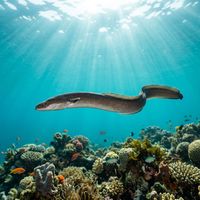
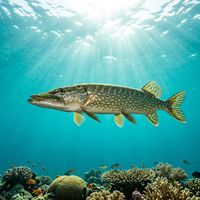
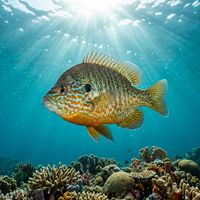
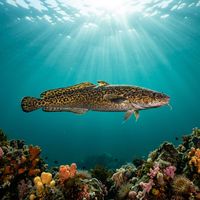
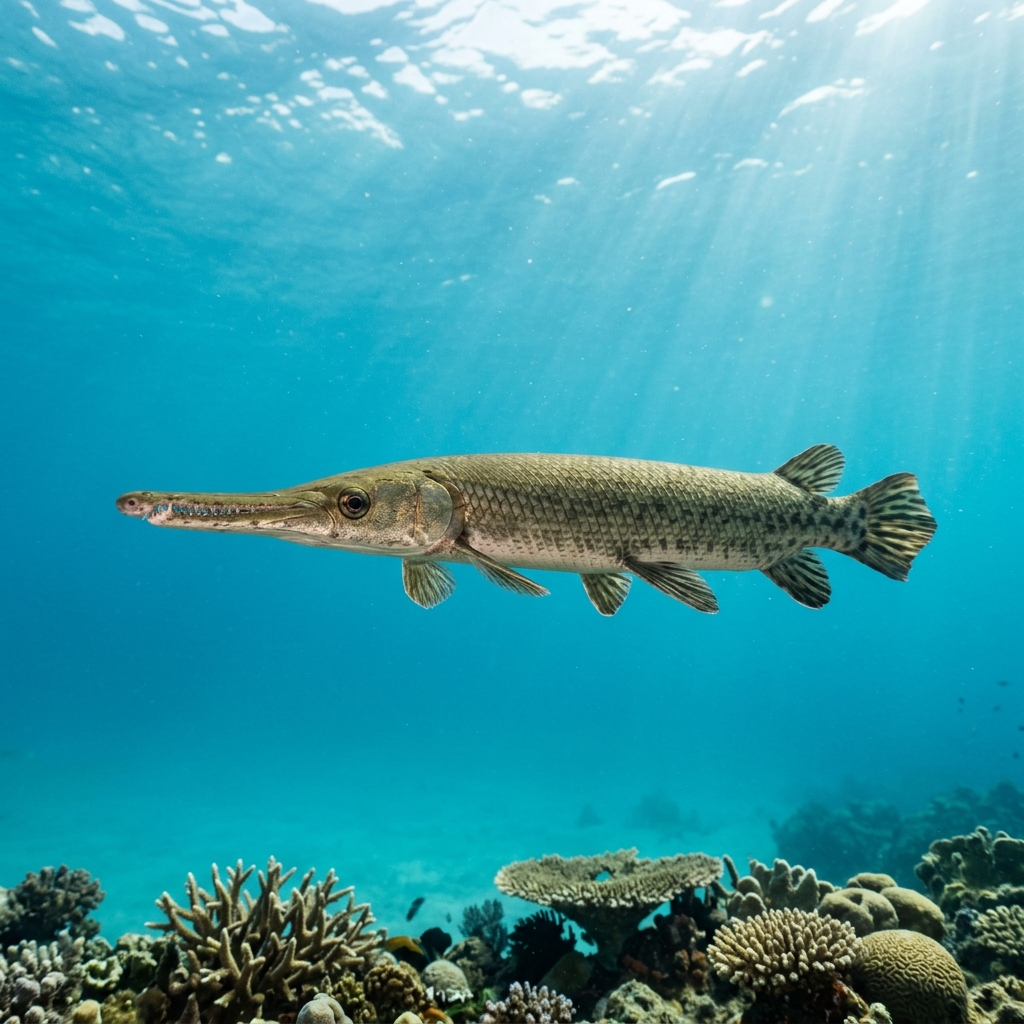
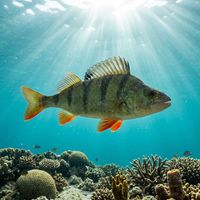
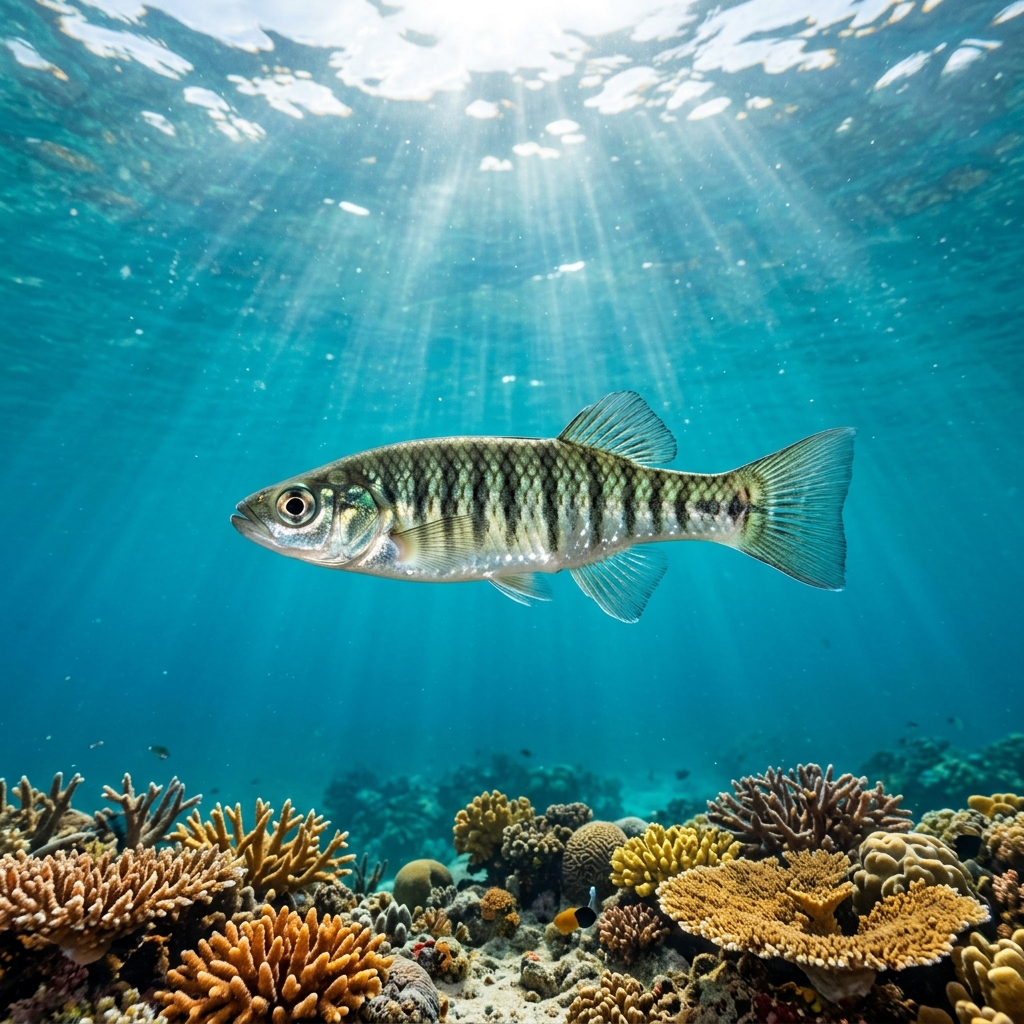
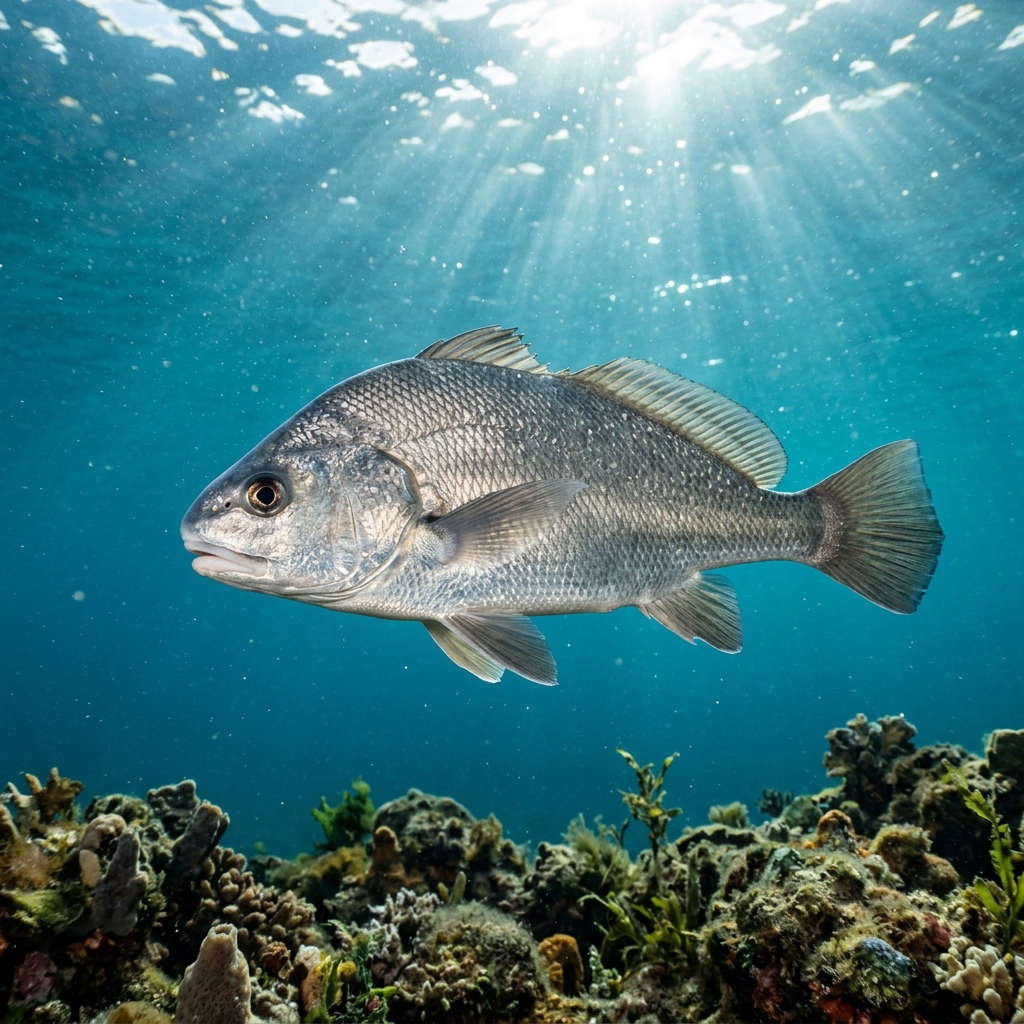
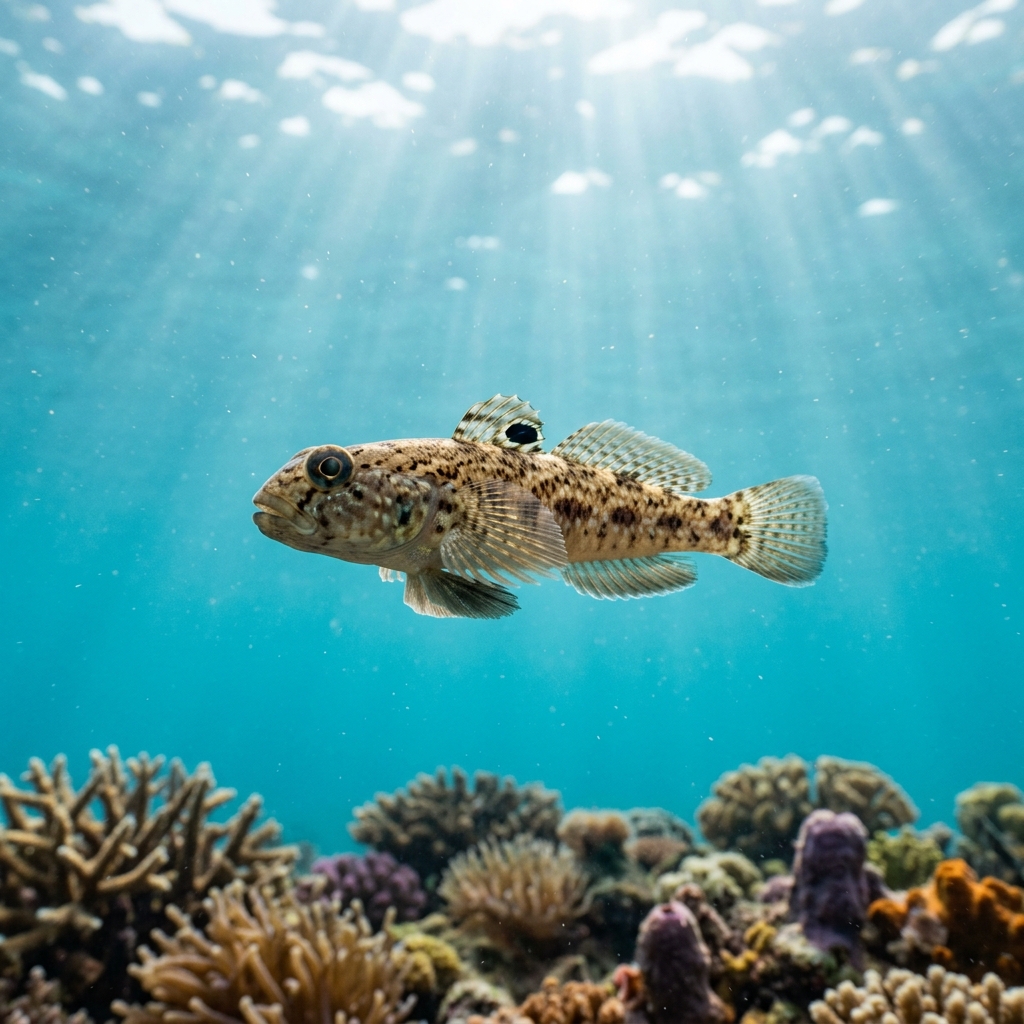
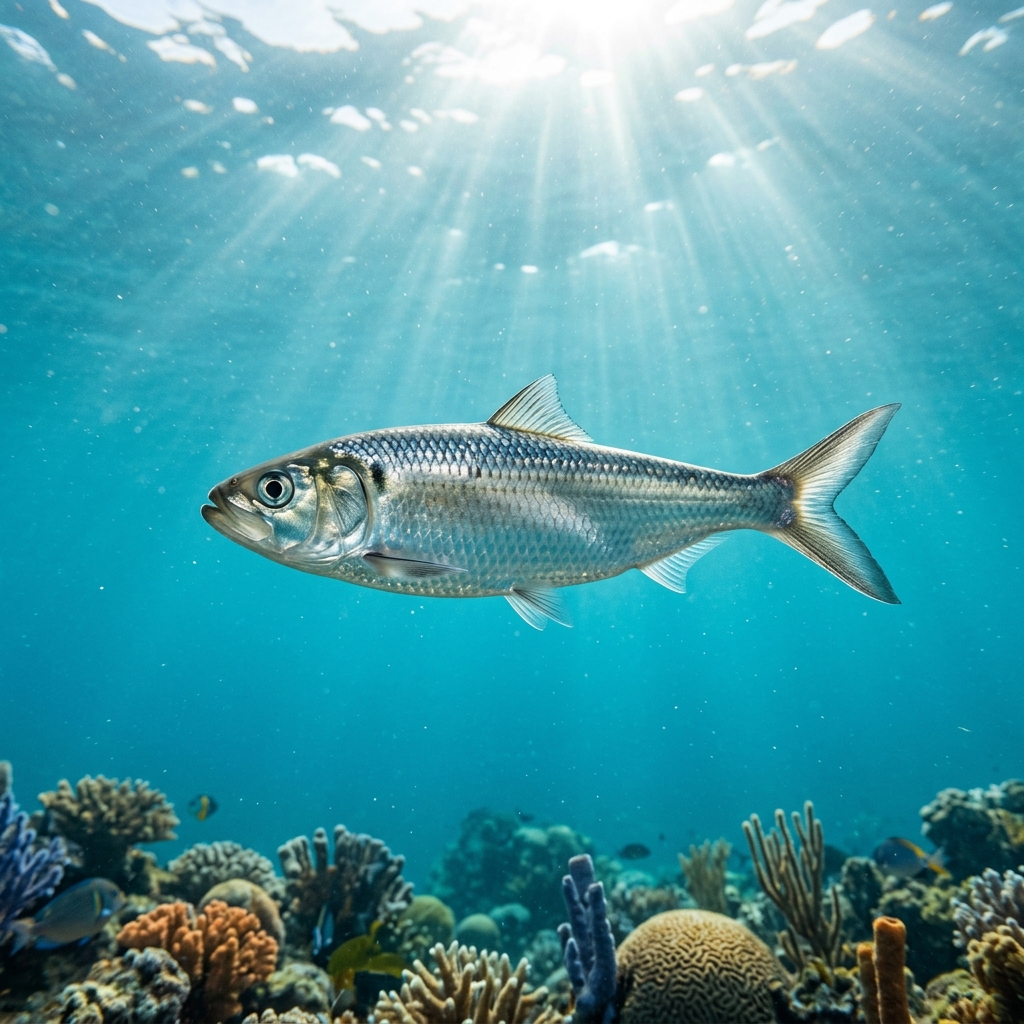
The most frequently observed species are Pike, Common Carp, Sun Perch, and Burbot. Occasional sightings include Longnose Gar, Walleye, Small Mouth Bass, and Freshwater Drum. European Eel has also been recorded across a good number of sites. All species listed are observation-backed.
The site mix includes beginner-rated shore-entry sites such as Marmora Scuba Park, which has a gentle sloping entry and shallow maximum depth. However, the Katie Eccles wreck is rated advanced and is accessible only by boat, making it unsuitable for those new to diving. Beginners should stick to the shallower sites and consider going with one of the several local operators listed for the area.
Not necessarily. Shore-entry sites are available, with Marmora Scuba Park being a clear example of an easily accessible land-based option. Deeper wreck dives, including the Katie Eccles, require boat access. Several local operators, including Ducks Dive Charters and Cottages and Canadian Sport Subs, offer boat-based services.
The region combines wrecks, artificial reefs, and natural reef structures across its dive sites. The artificial reef at Marmora Scuba Park features submerged statues and a large pipe formation, while the Katie Eccles represents the deeper wreck diving the area is named for. This variety means the region appeals to both casual explorers and those seeking more challenging dives.