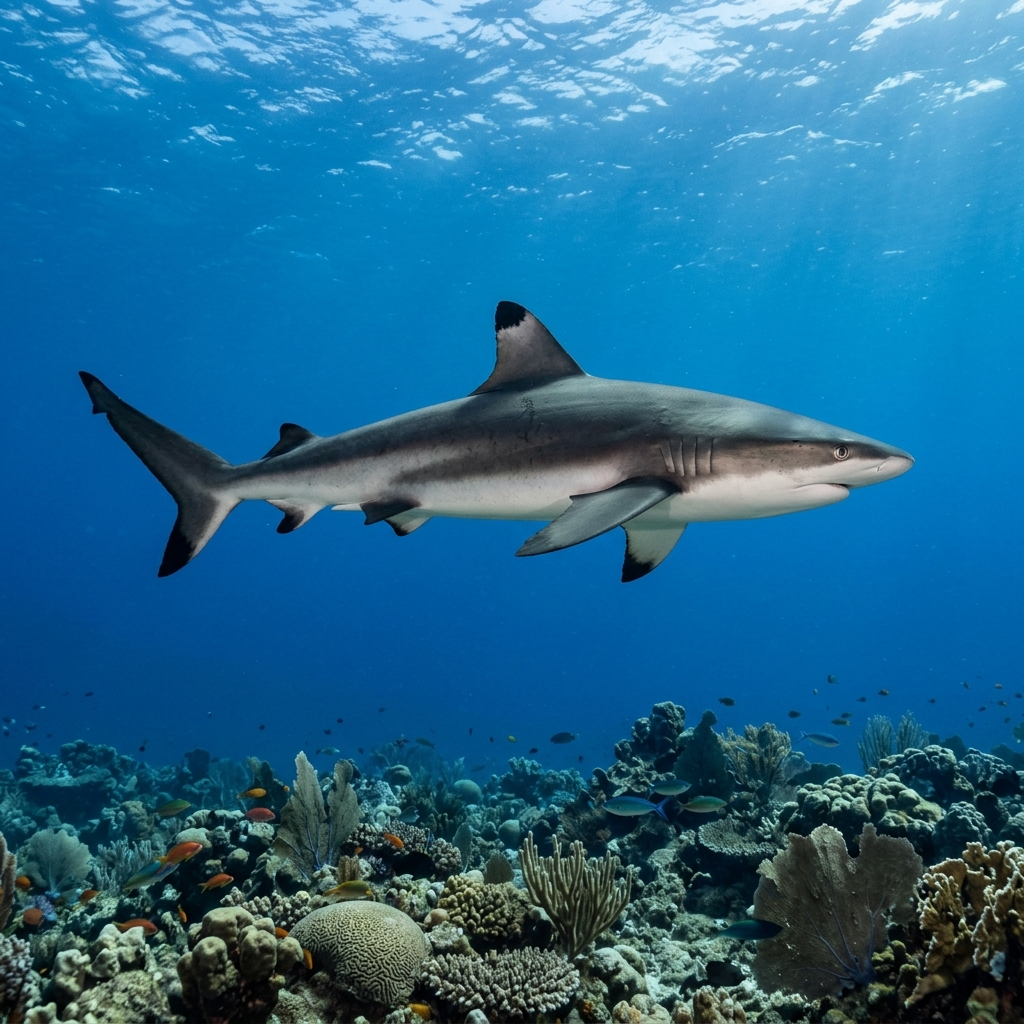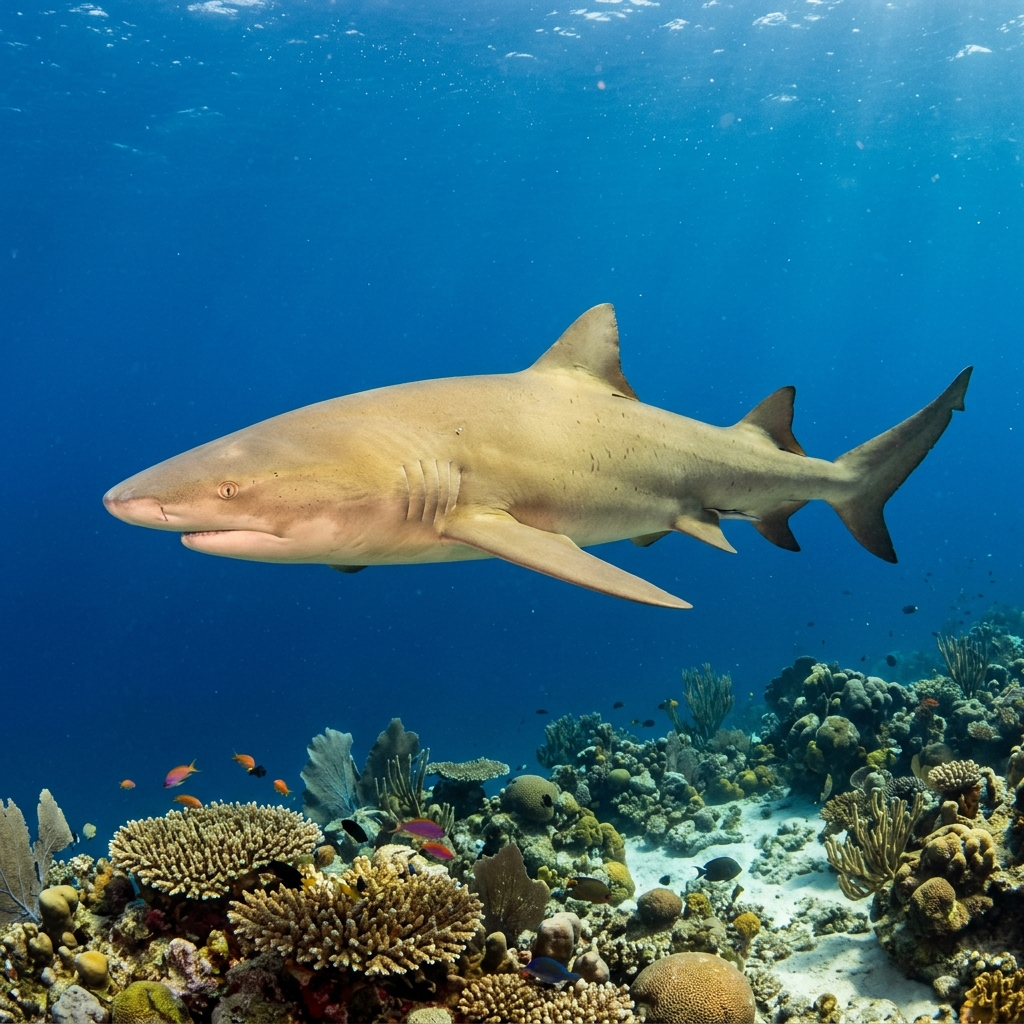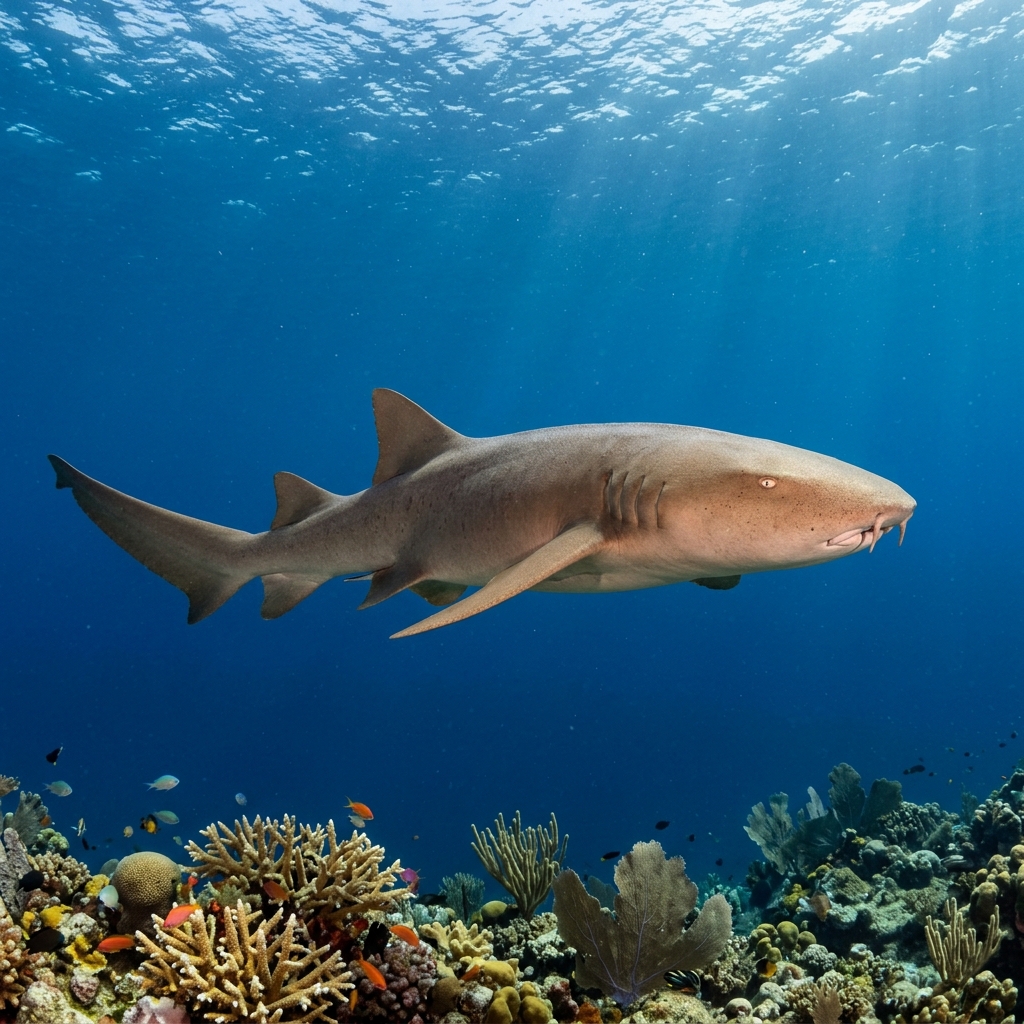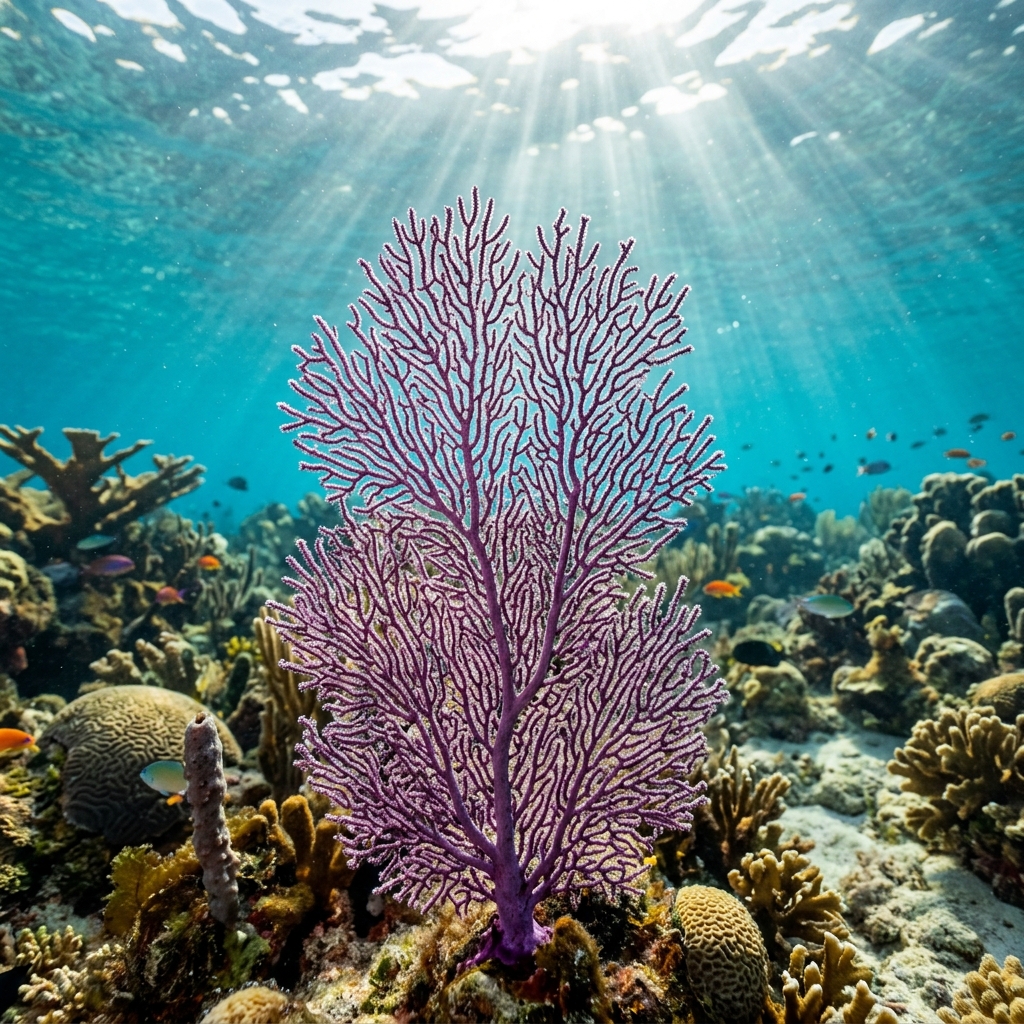
Best for beginner divers, 5-7m, shore entry.
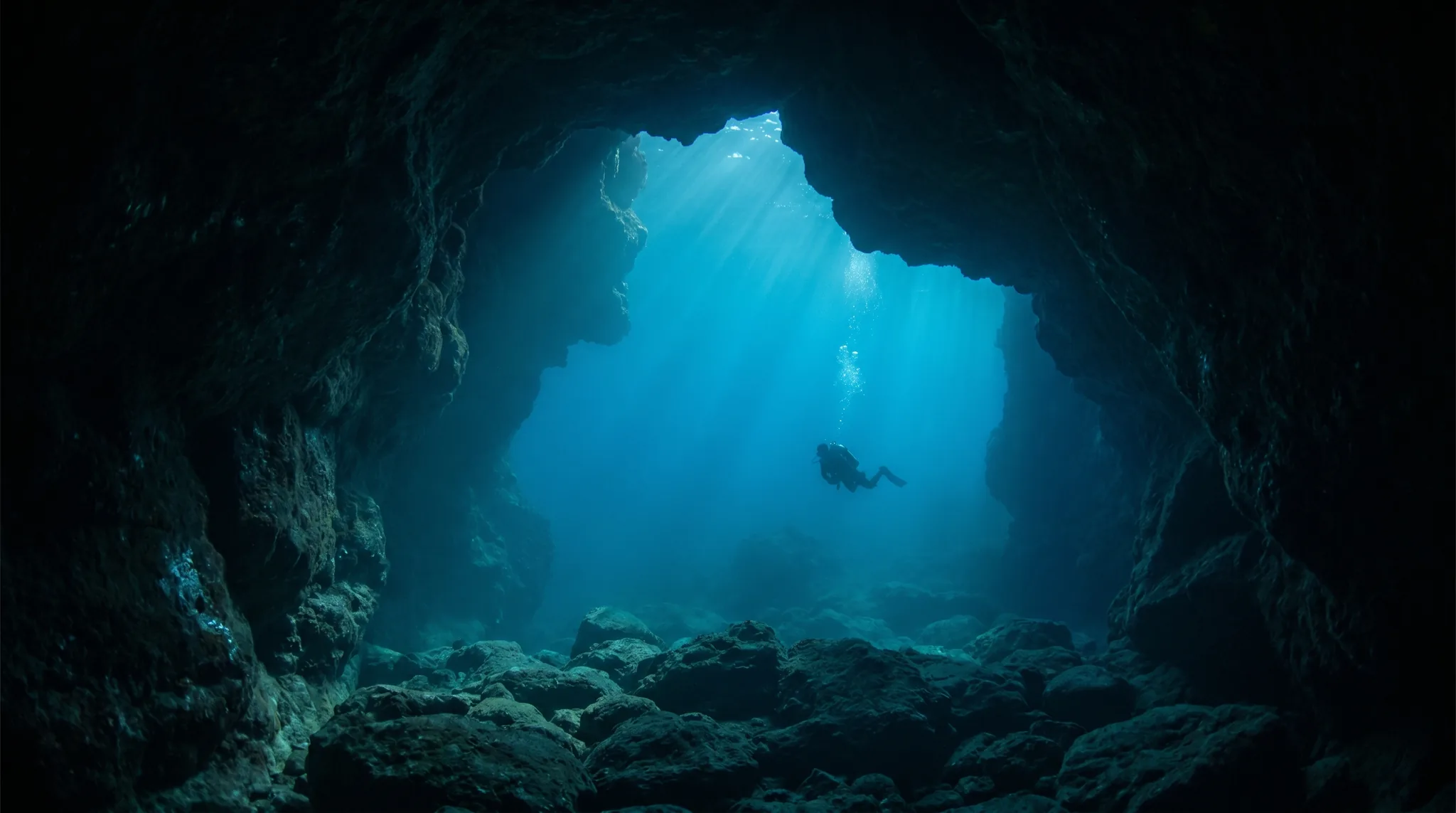
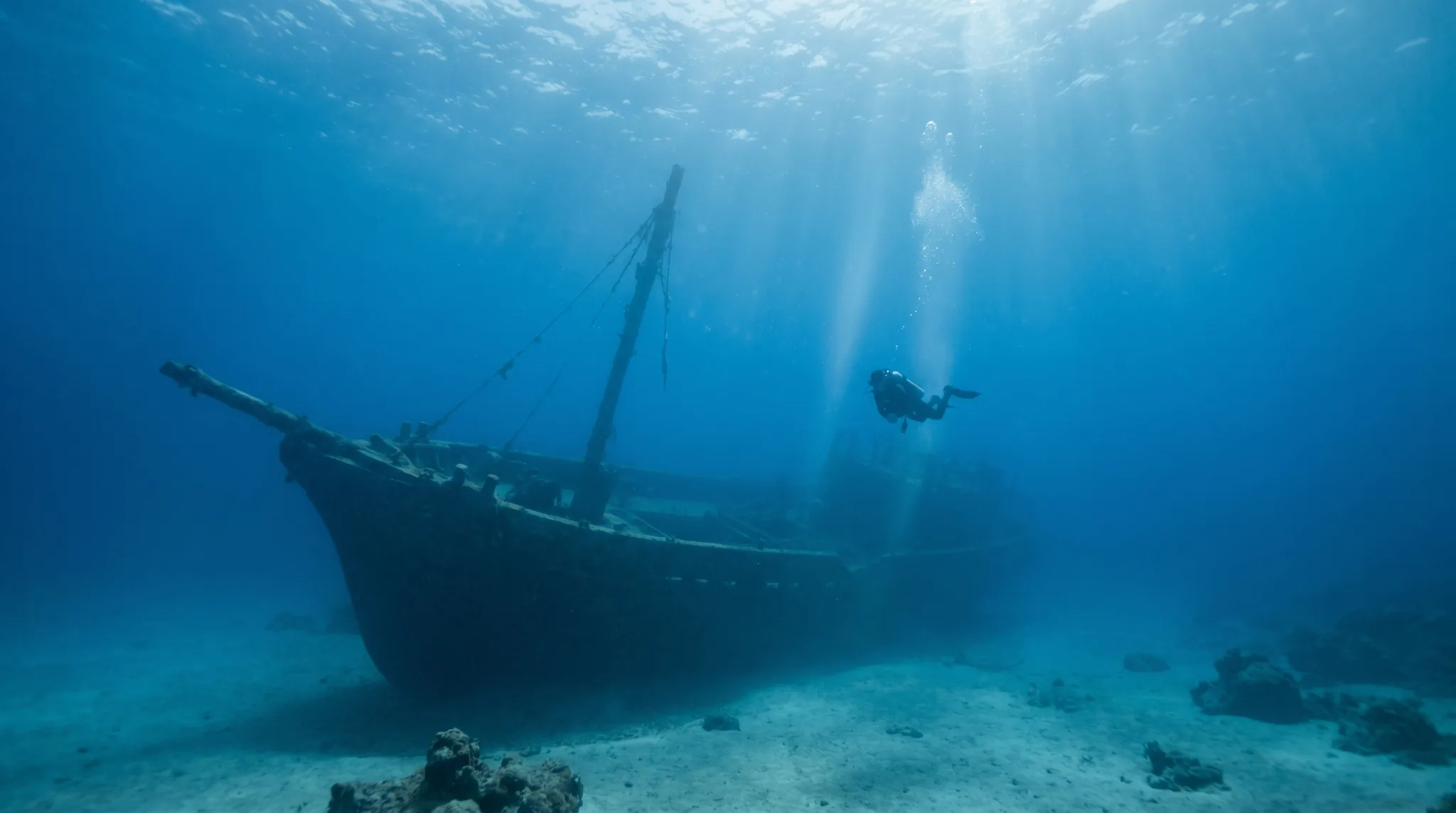
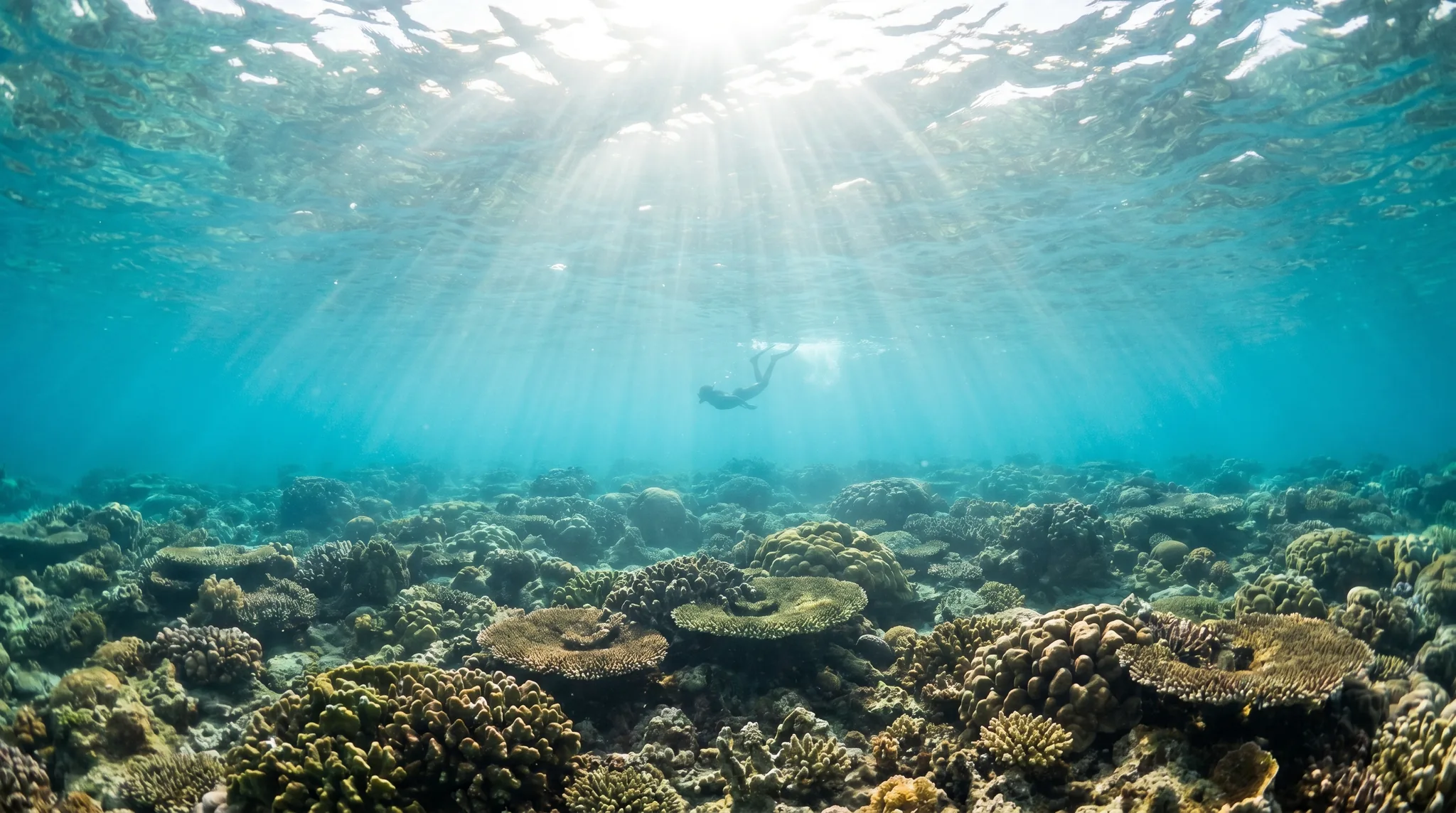
Jack Bay Point is a shallow reef site located in the Dog Islands, British Virgin Islands. With an average depth of 6 metres, the site is well suited to beginner divers. Entry is via the shore, though divers should exercise caution as surge and swell can push swimmers toward sharp coral and rock structures. Visibility typically ranges from 5 to 10 metres and can vary based on local conditions. Water temperatures remain warm throughout the year, ranging between 26 and 30 degrees Celsius. Divers should monitor local conditions closely before entry, as surge can develop quickly even in gentle swells.
18.74333, -64.31438
Watch for surge close to the reef structure, as even a gentle swell can push you into sharp coral or rocks at this depth. Entry conditions can change quickly, so check local conditions on the day before committing to the dive.
The site is accessible by boat.
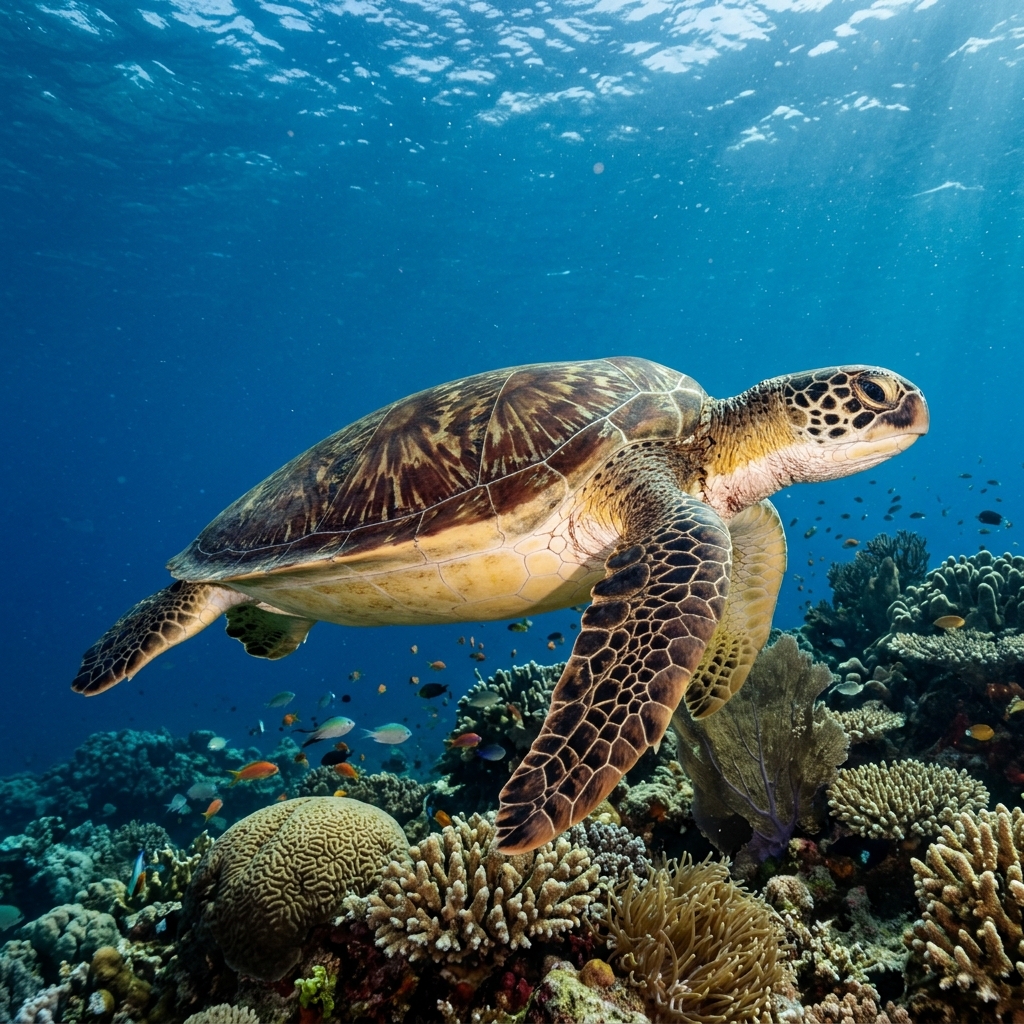
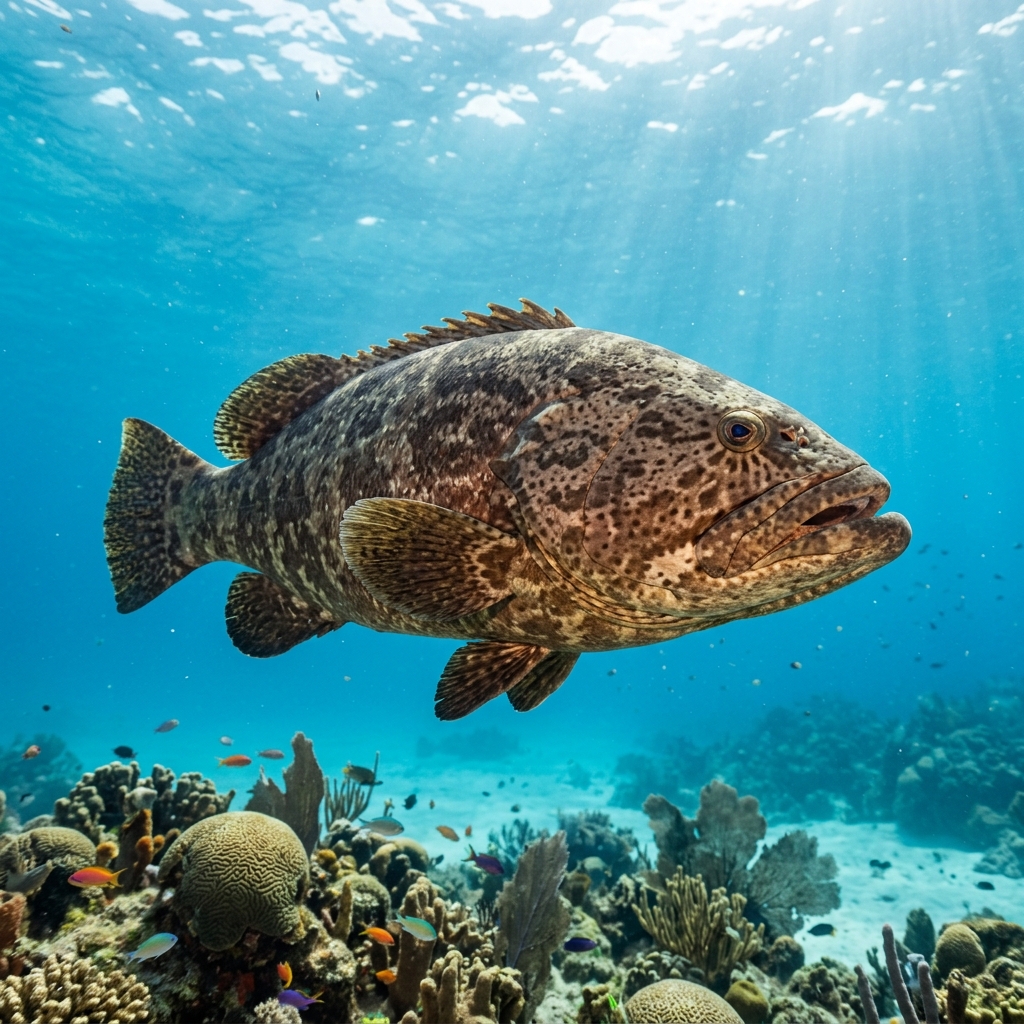
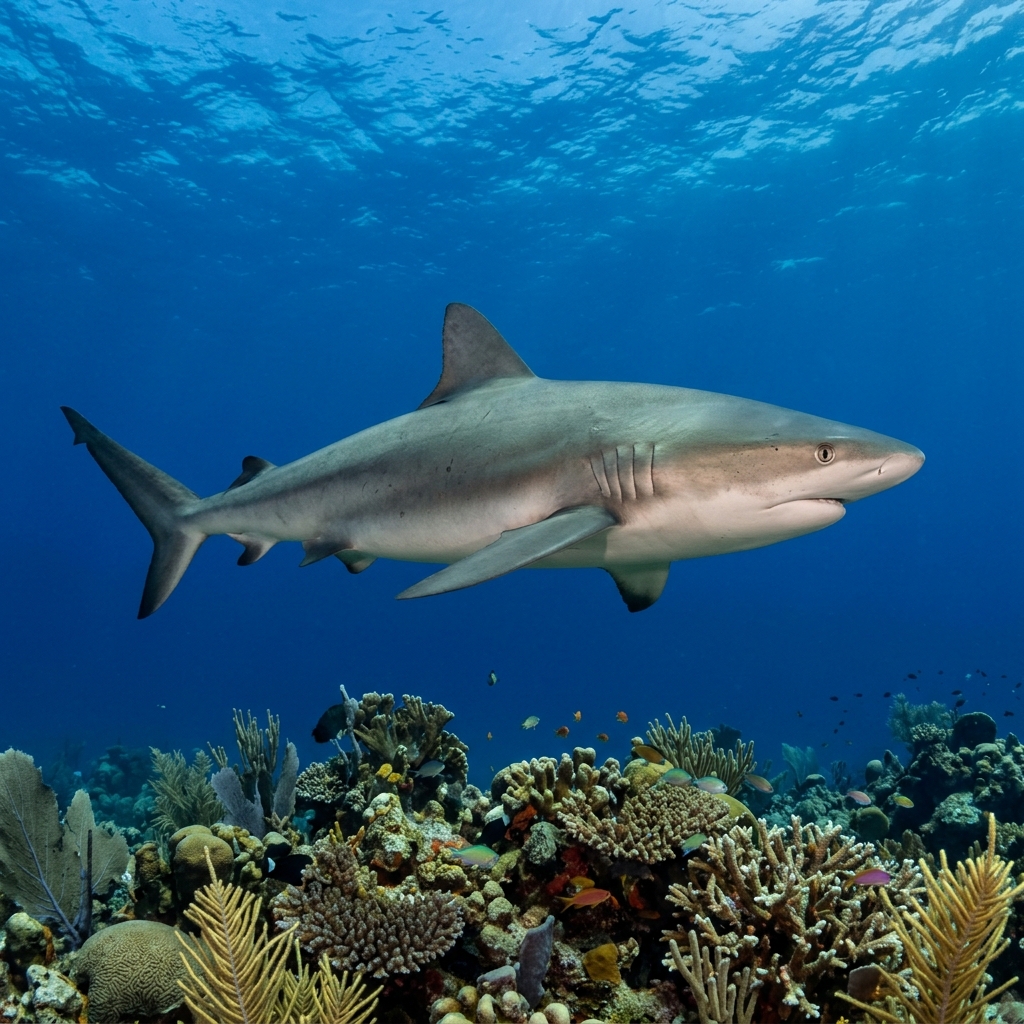
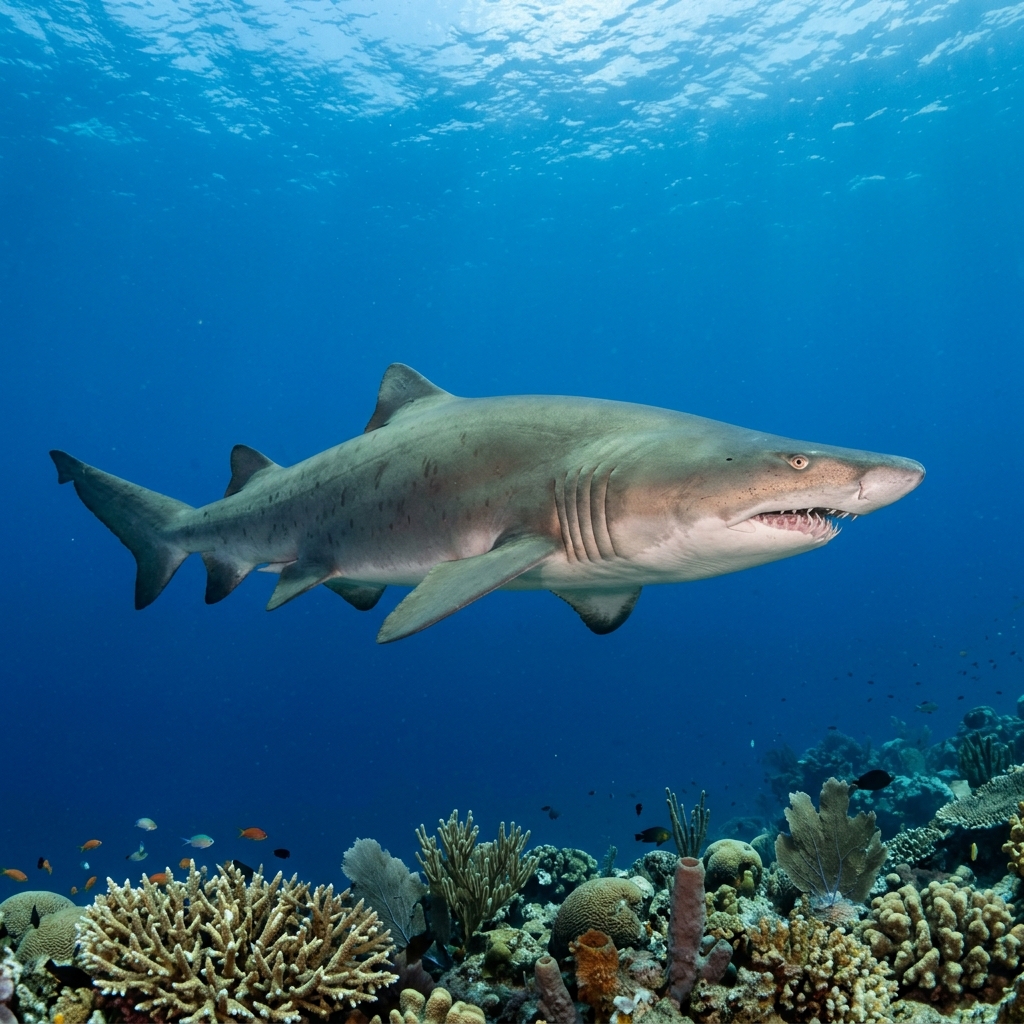
Expected in this region. No sightings logged here yet.
Depth
5-7m
Visibility
5-10m
Skill Level
Beginner
Entry
Shore
Water Temp
26-30°C
Current
None
Best Time
Jan, Feb, Mar, Apr, May, Jun, Nov, Dec
Yes, the site is well suited to beginner divers due to its shallow depth of 5 to 7 metres and lack of significant current.
The reef sits at a depth of 5 to 7 metres, with an average depth of 6 metres.
Jack Bay Point is a shore-entry dive site.
Hazards include low visibility, surge, and sharp coral. Divers should be careful of surge pushing them into the reef structure.
Diving at Jack Bay Point in Anegada requires the following certifications: Open Water. Always dive within your training limits.
A rashguard or 2mm shorty is recommended for diving at Jack Bay Point in Anegada. Water temperatures range from 26°C to 30°C.
The best months to visit Jack Bay Point in Anegada are January, February, March, April, May, June, November, and December. Conditions outside these months can still be good but are less predictable.
Visibility at Jack Bay Point in Anegada typically ranges from 5 metres to 10 metres. Conditions vary with weather, tides, and seasons.