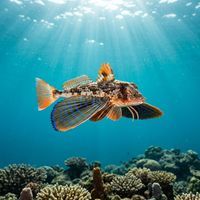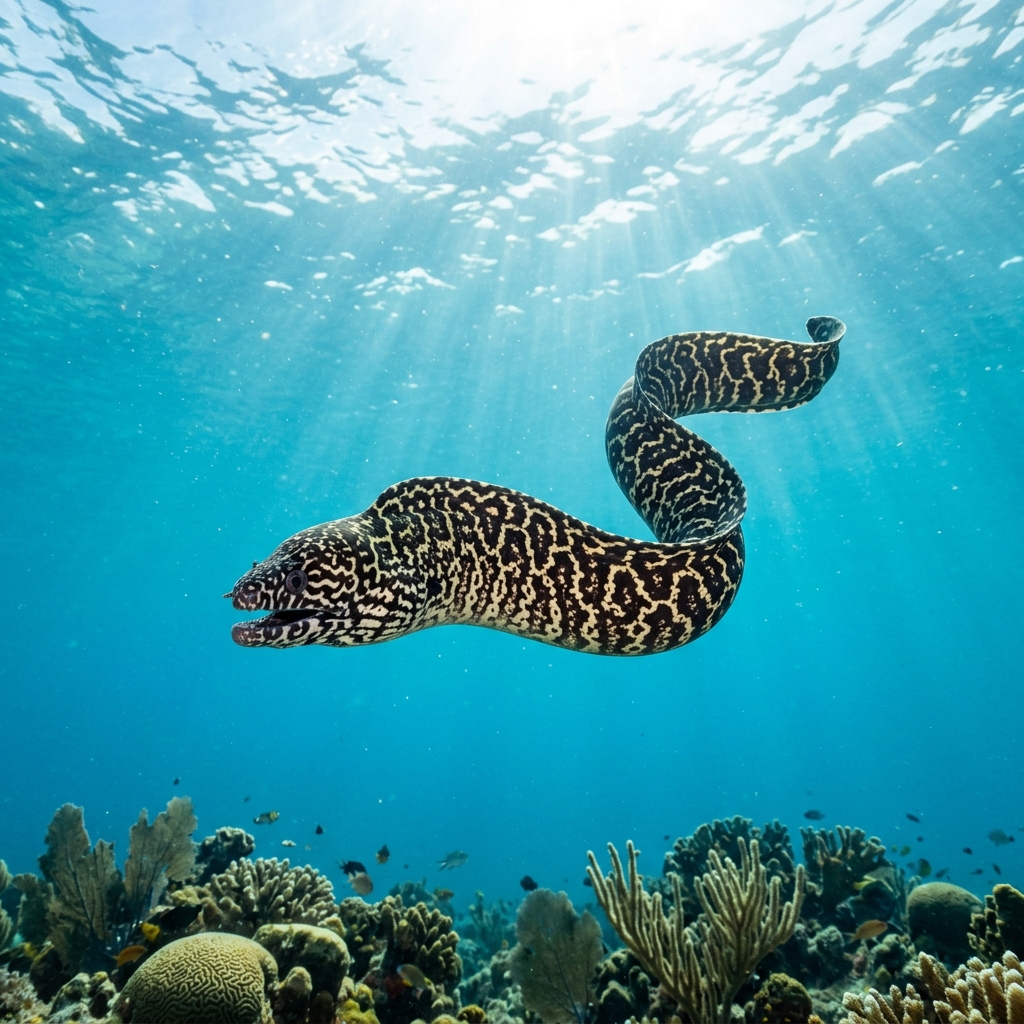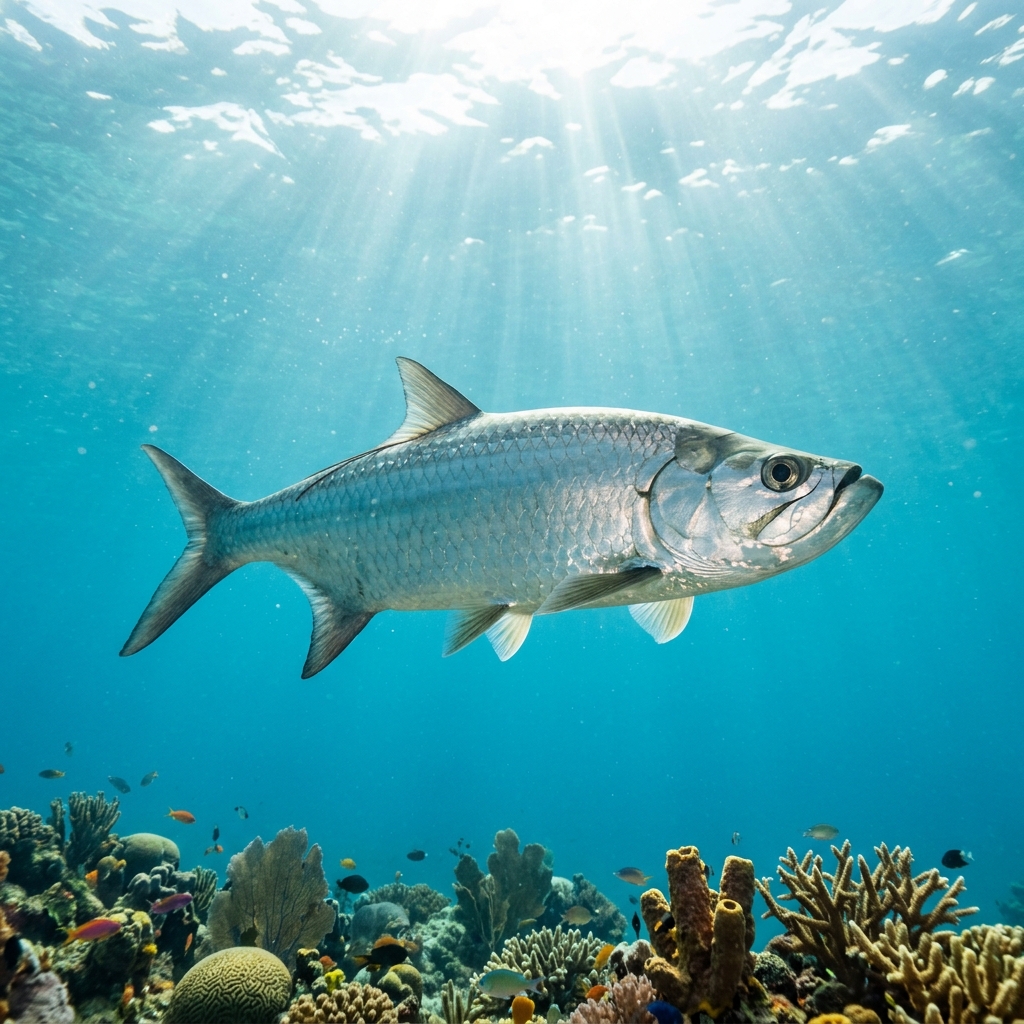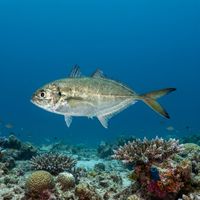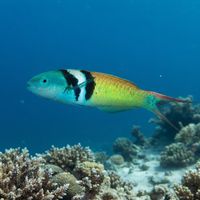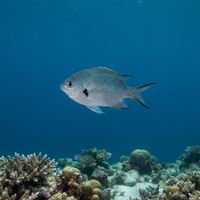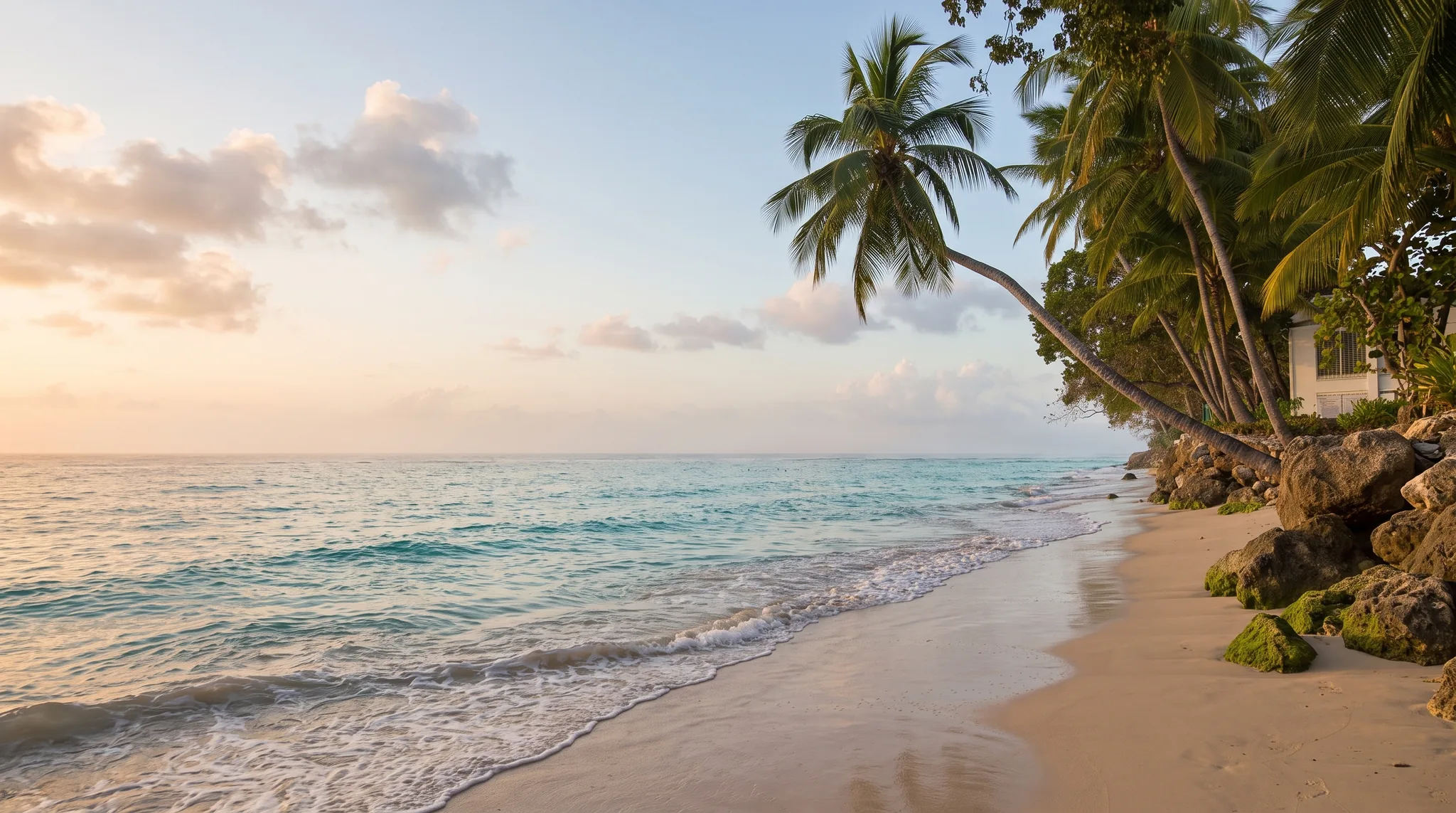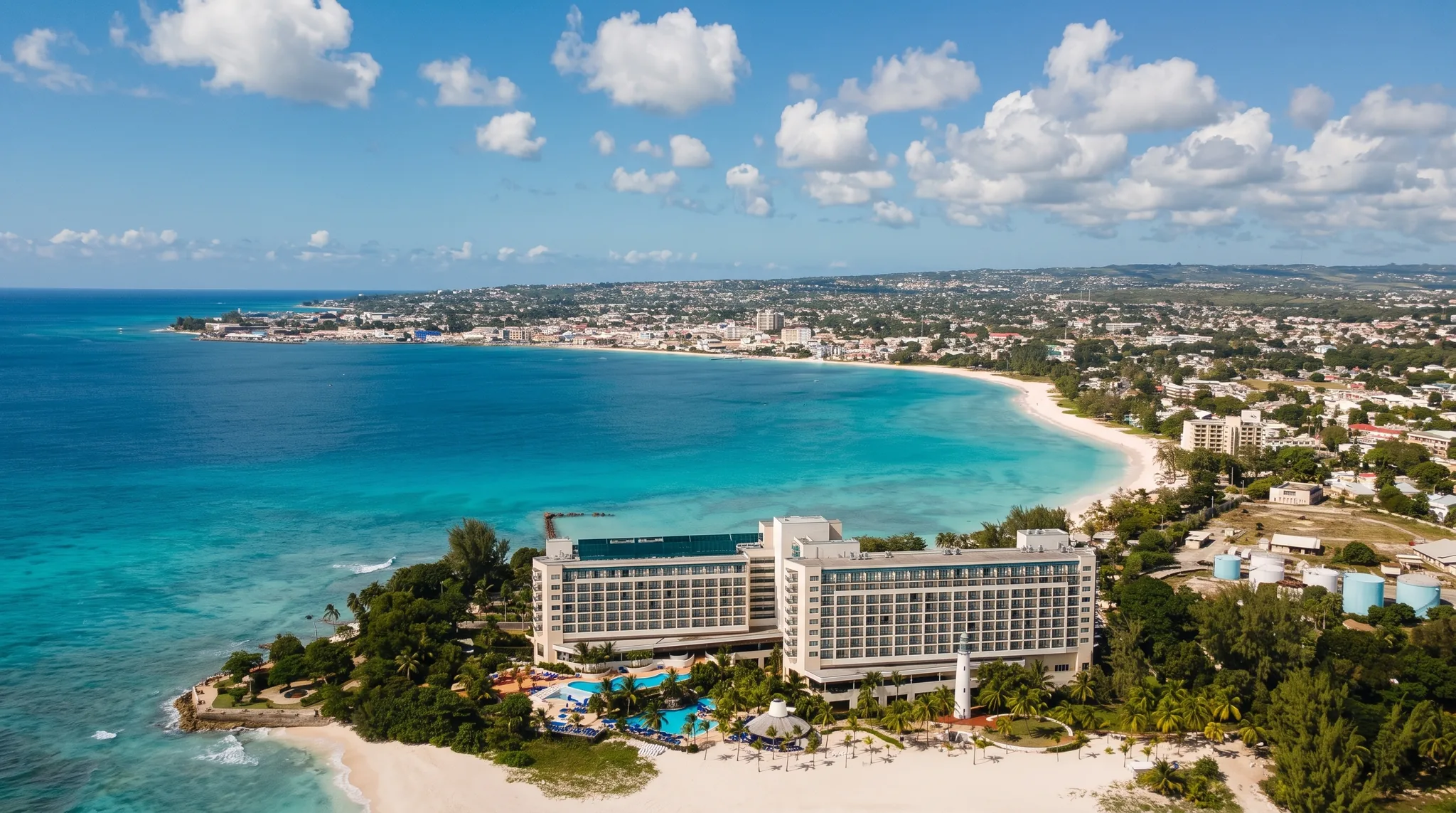
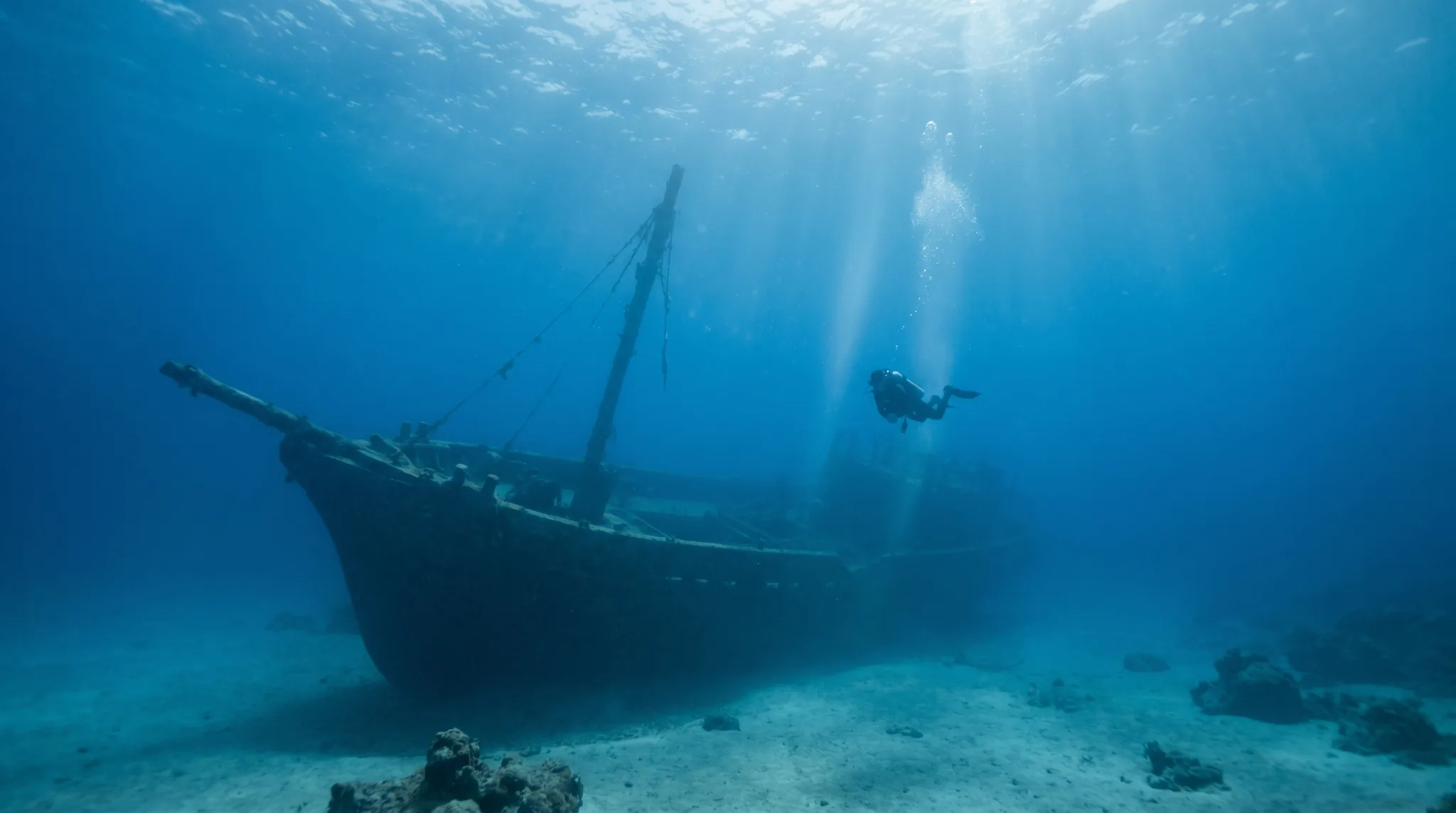
Carlisle Bay is defined by its concentration of shipwrecks and artificial reefs, making it one of the most wreck-dense diving areas in Barbados. Sites range from shallow, beginner-friendly wrecks close to shore to deeper vessels and sloping reefs suited to intermediate and advanced divers. The Flying Gurnard, Atlantic Tarpon, and Blue Tang are observed consistently across sites, while the Seahorse is an occasional highlight. Drift diving is available at sites such as Pieces of 8 and the Boot, and Old Fort offers a distinctive trench topography that sets it apart from the bay's wreck clusters.

Monthly water temperature across Carlisle Bay's sites, from satellite sea-surface data corrected for depth. The band shows the site-to-site spread.
Water temperature stays warm throughout the year, rising to its peak in the autumn months and sitting slightly cooler but still comfortable from January through March. Visibility varies considerably across the bay, with calmer, clearer conditions typically recorded from late winter through spring and again in December, aligning with the strongest diver preference in the best-months data. Summer and early autumn bring less favourable conditions, suggesting those periods are best avoided for planning purposes.
17 operators

6 more sites to explore
Water temperature around Carlisle Bay ranges from about 27°C in January to 30°C in September, based on satellite sea-temperature data for its dive sites.
With water around 27–30°C, a rash guard or 3mm shorty works in Carlisle Bay year-round.
Fin maps 18 sites in Carlisle Bay (18 scuba diving sites and 3 snorkelling spots, with some suited to both).
Across Carlisle Bay's dive sites, January, February, March, April, May and December are most often reported as the best months to visit.
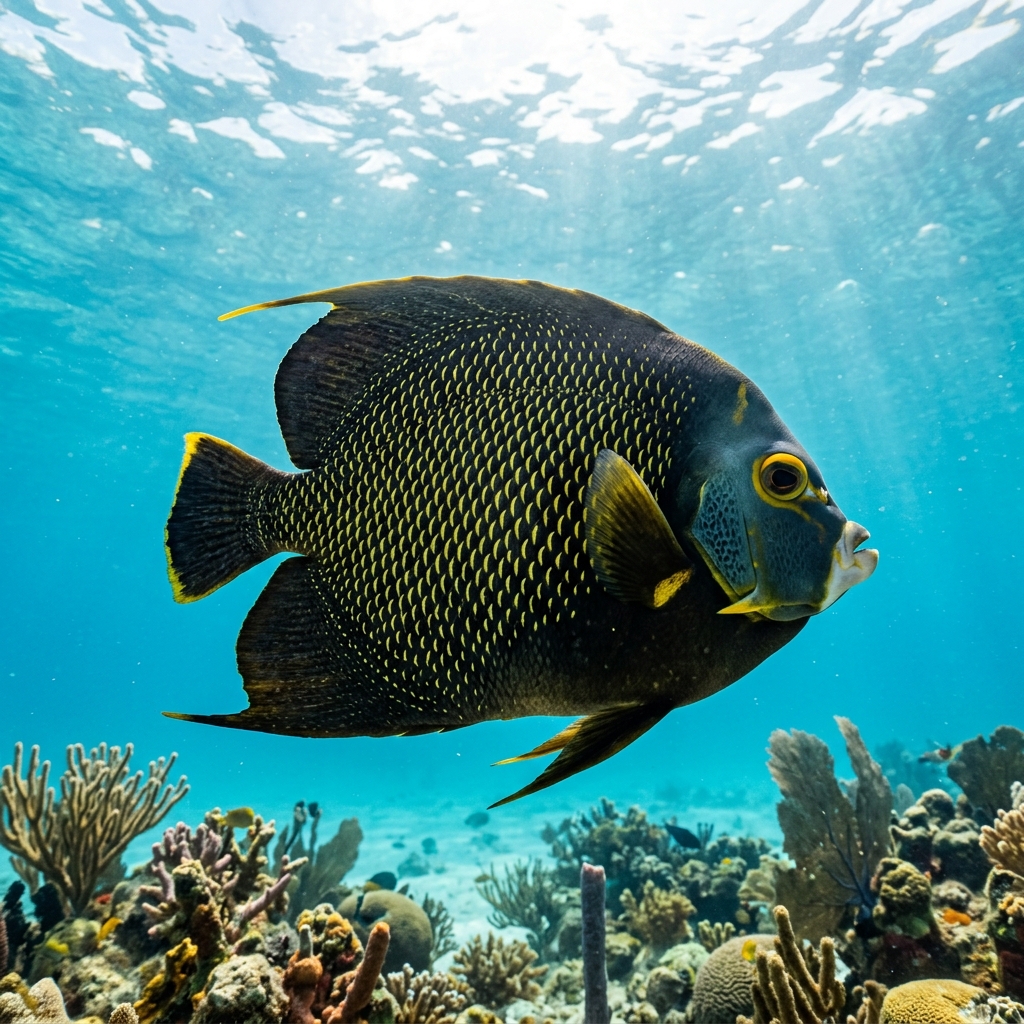
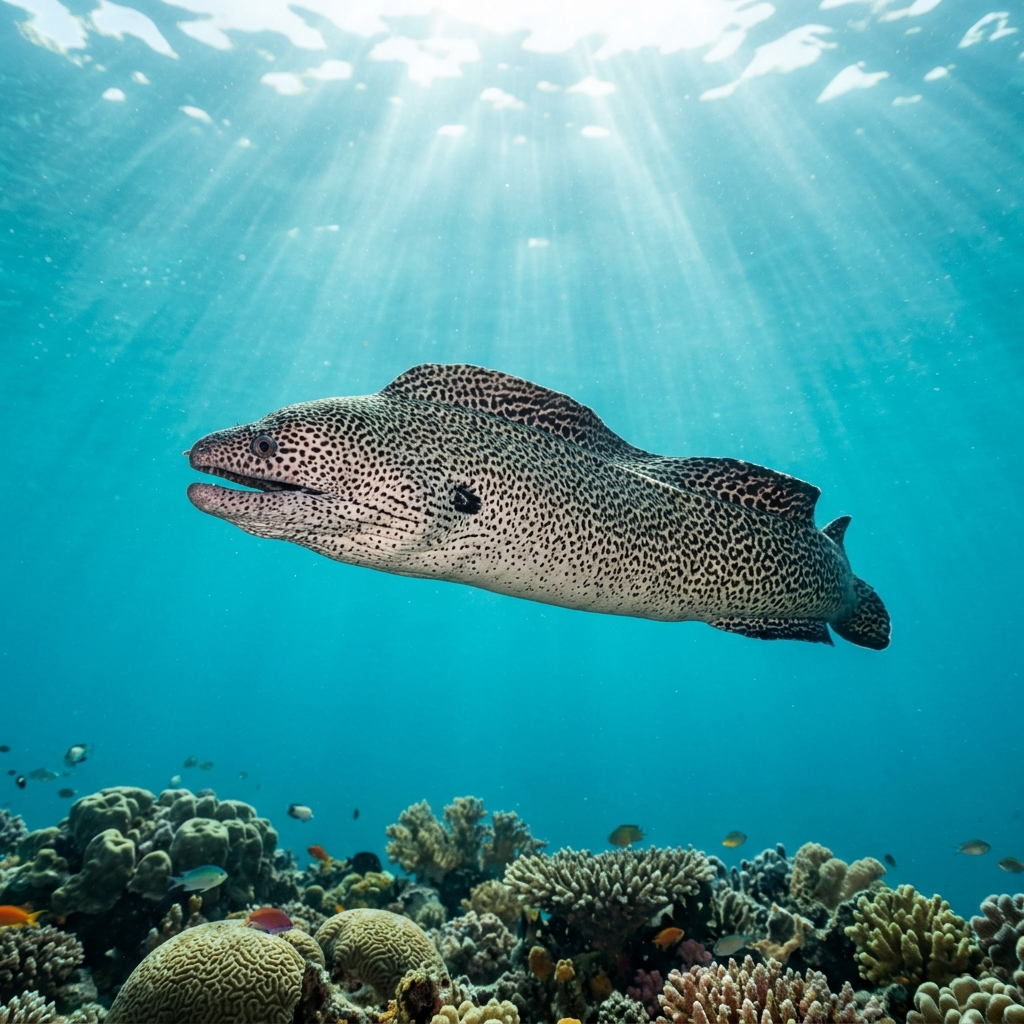
Carlisle Bay has a rich and well-documented species list. The Flying Gurnard, Atlantic Tarpon, Blue Tang, and Smooth Trunkfish are observed very commonly across the bay's sites. Moray eels are a regular feature, with both the Spotted Moray and Chain Moray frequently encountered. Signature species include the Seahorse, Hawksbill Sea Turtle, Green Sea Turtle, and French Angelfish, making each dive varied and rewarding.
Yes, a large proportion of Carlisle Bay's sites are rated for beginners. Shallow wrecks such as Carlisle Bay Shipwrecks, the Ce-Trek, and the Bajan Queen sit at accessible depths close to shore, with calm conditions and good visibility on the better days. Old Jetty is shore-accessible and also rated for beginners, giving those without boat access a solid entry point. Intermediate and advanced sites like Pieces of 8 and Neptune Goddess are also available for divers looking to progress.
Both options exist in Carlisle Bay. Shore entry is possible at sites including Old Jetty and the main Carlisle Bay site, which sits close to the beach. Many of the other wrecks and reef sites, including the Boot, Close Encounters, and Neptune Goddess, are accessed by boat. Several operators based in the area offer guided boat dives, so either route is well supported.
The wrecks in Carlisle Bay span a wide range of depths and conditions, giving divers real variety. Shallow sites like the Ce-Trek and Carlisle Bay Shipwrecks are ideal for newer divers, while the Neptune Goddess sits deeper and is reserved for advanced divers due to its overhead environments. The Trident is a retired Coast Guard vessel that has developed into a well-established artificial reef, and Friars Crag lies in pieces on the seabed further offshore, creating a habitat quite different from the more intact hulls closer to shore.