

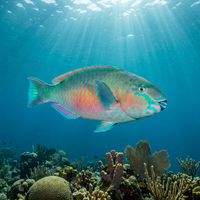
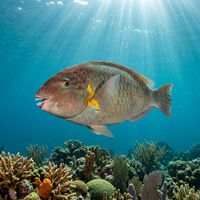
Bimini's dive sites are dominated by reef topography, with a strong supporting cast of wrecks and drift dives. Boat access is the norm across almost all sites, and the character shifts noticeably with depth: shallow reefs and deliberately sunk artificial wrecks like the Sapona and Hesperus suit beginners, while drift sites such as Sponge Gardens, Rainbow Valley, and Krispy Kreme demand more experience from intermediate and advanced divers. Sharks are a defining feature here. Nurse Shark and Lemon Shark are observed very commonly, and Great Hammerhead, Caribbean Reef Shark, and Bull Shark have all been recorded. Atlantic Tarpon, multiple parrotfish species, and the occasional Green Sea Turtle round out a broad, reef-centred species list.
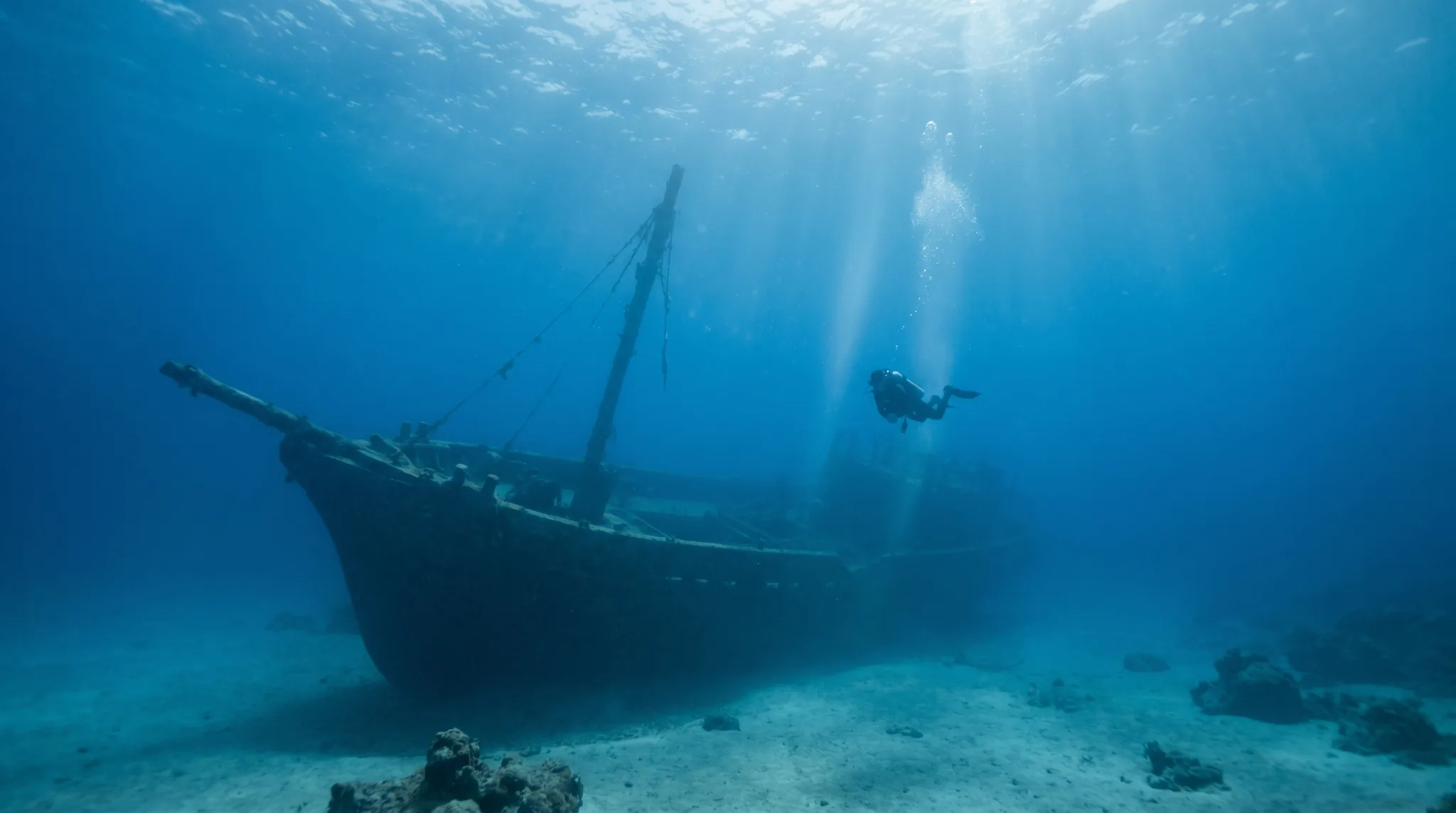
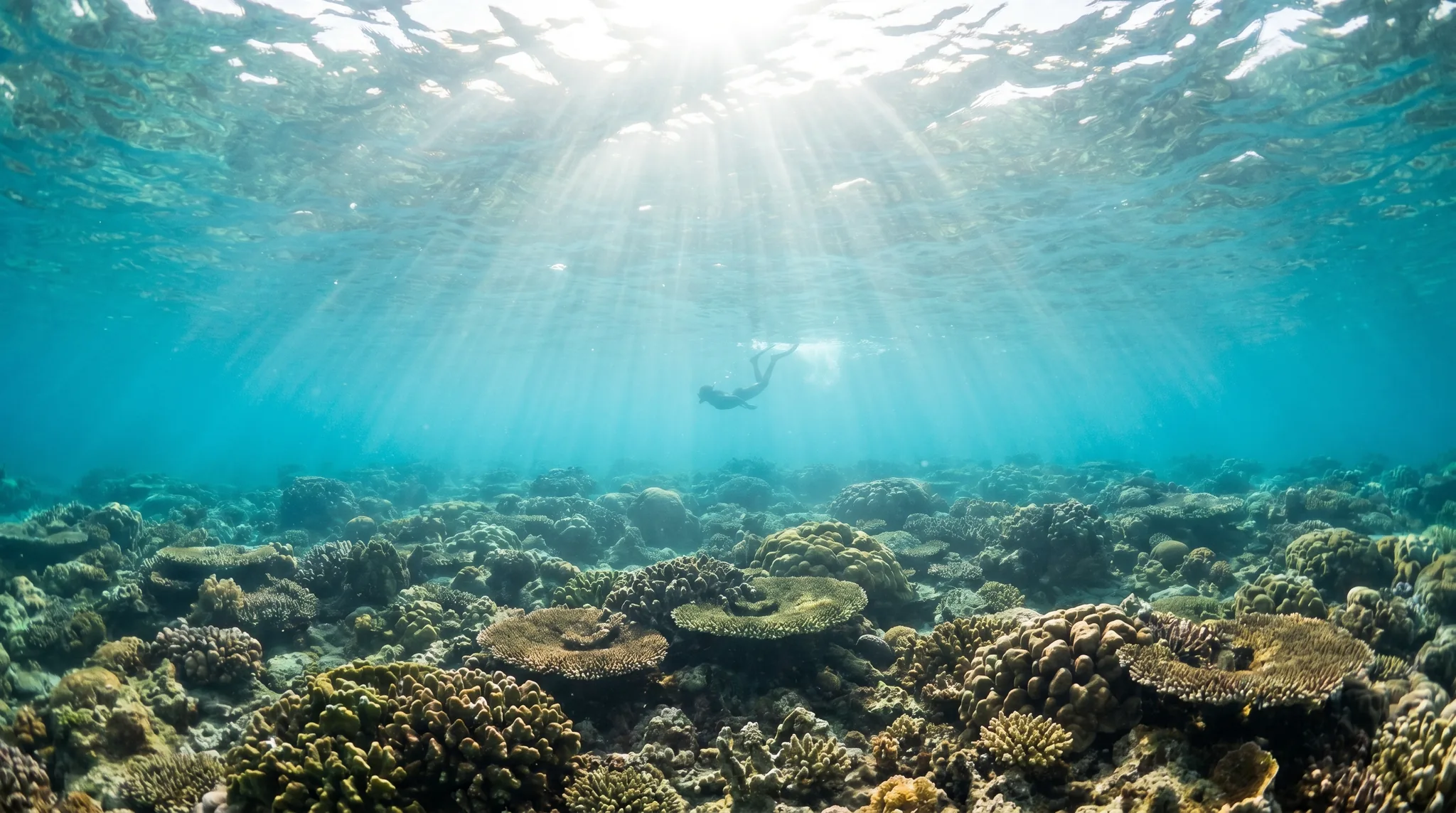
Monthly water temperature across Bimini's sites, from satellite sea-surface data corrected for depth. The band shows the site-to-site spread.
Water stays warm throughout the year, rising to its peak through the summer months and cooling only slightly in winter. The best-months data points clearly toward the cooler half of the year, from late autumn through early spring, when diving pressure is higher and conditions are favoured. Summer brings the warmest water but draws fewer visiting divers, and some sites with stronger currents reward those who pick calmer windows.
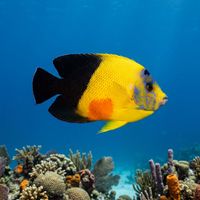
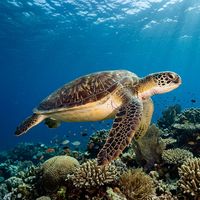
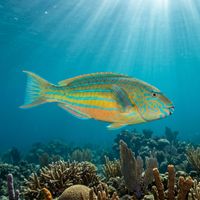
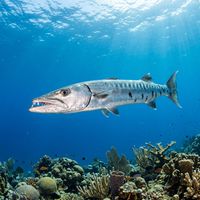
15 operators
11 more sites to explore
Water temperature around Bimini ranges from about 25°C in January to 30°C in July, based on satellite sea-temperature data for its dive sites.
In the warm season (about 30°C) a rash guard or 3mm shorty is comfortable in Bimini; in the coldest months (about 25°C) step up to a 3mm full suit.
Fin maps 23 sites in Bimini (23 scuba diving sites and 3 snorkelling spots, with some suited to both).
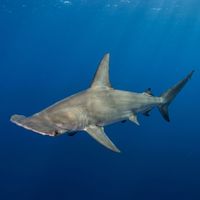
Nurse Shark and Lemon Shark are the most reliably encountered, with observation records across virtually all sites. Caribbean Reef Shark is also commonly sighted. Great Hammerhead and Bull Shark have both been recorded, though less frequently. The Hammerhead Site is named for a reason, and dedicated shark dives are a known draw in the area.
Not at all. A good portion of Bimini's sites are rated for beginners, including shallow wrecks like the U-Boat, Miami Rita, and the Sapona, as well as reef sites such as Turtle Rocks and Donut. Intermediate divers have plenty of drift and reef options. Only a handful of sites, like the Bimini Barge, are reserved for advanced certification holders.
Almost every site in Bimini requires a boat. The one notable exception is Lunkhead, a reef site that offers shore entry and is rated for beginners. For everything else, including the wrecks and drift dives, you will need to arrange boat transport through a local operator such as Kona Honu Divers.
Reefs form the backbone of the site roster, ranging from very shallow to mid-range depth. Wrecks and artificial reefs add variety, with several deliberately sunk vessels now colonised by reef life. A number of sites also offer drift diving, where moderate to strong currents carry divers along reef and wall structures. This mix means divers at most certification levels will find sites that suit them.


