

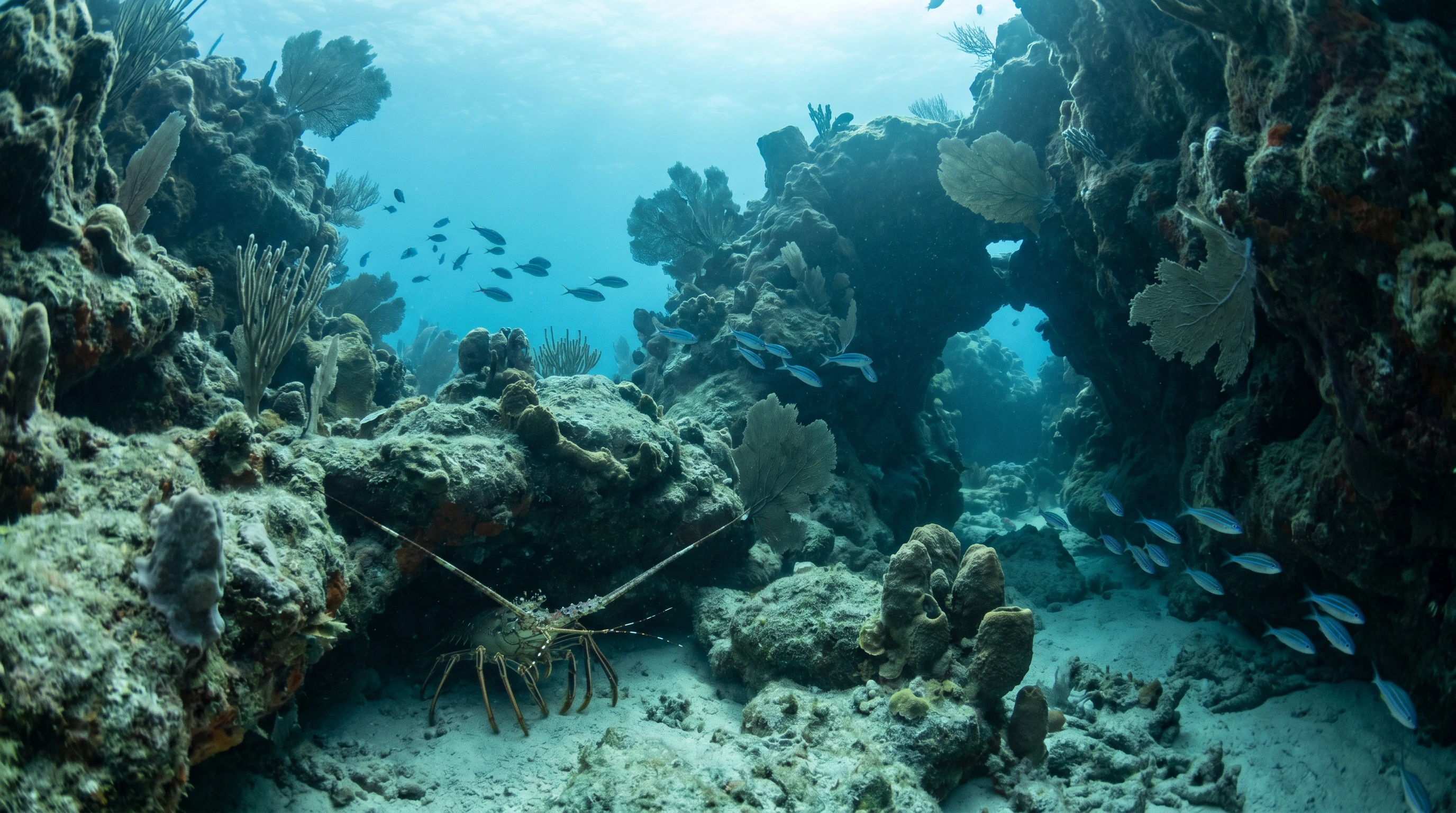
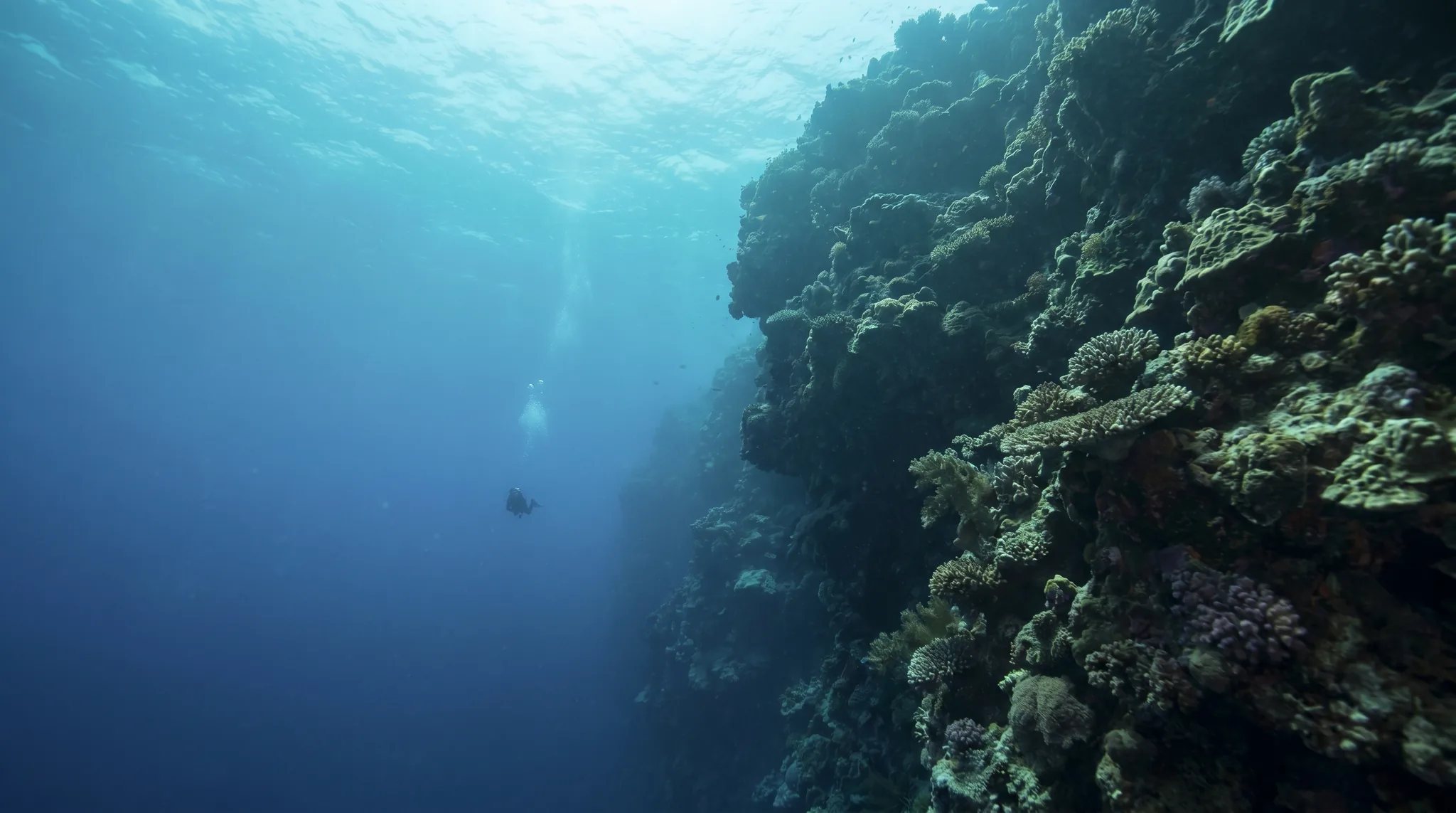
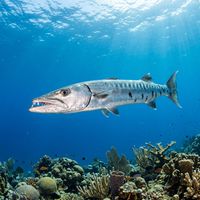
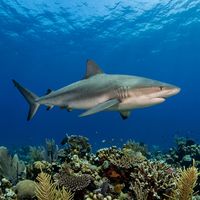
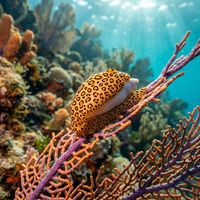
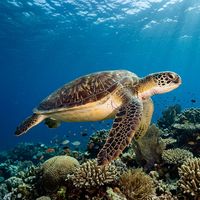
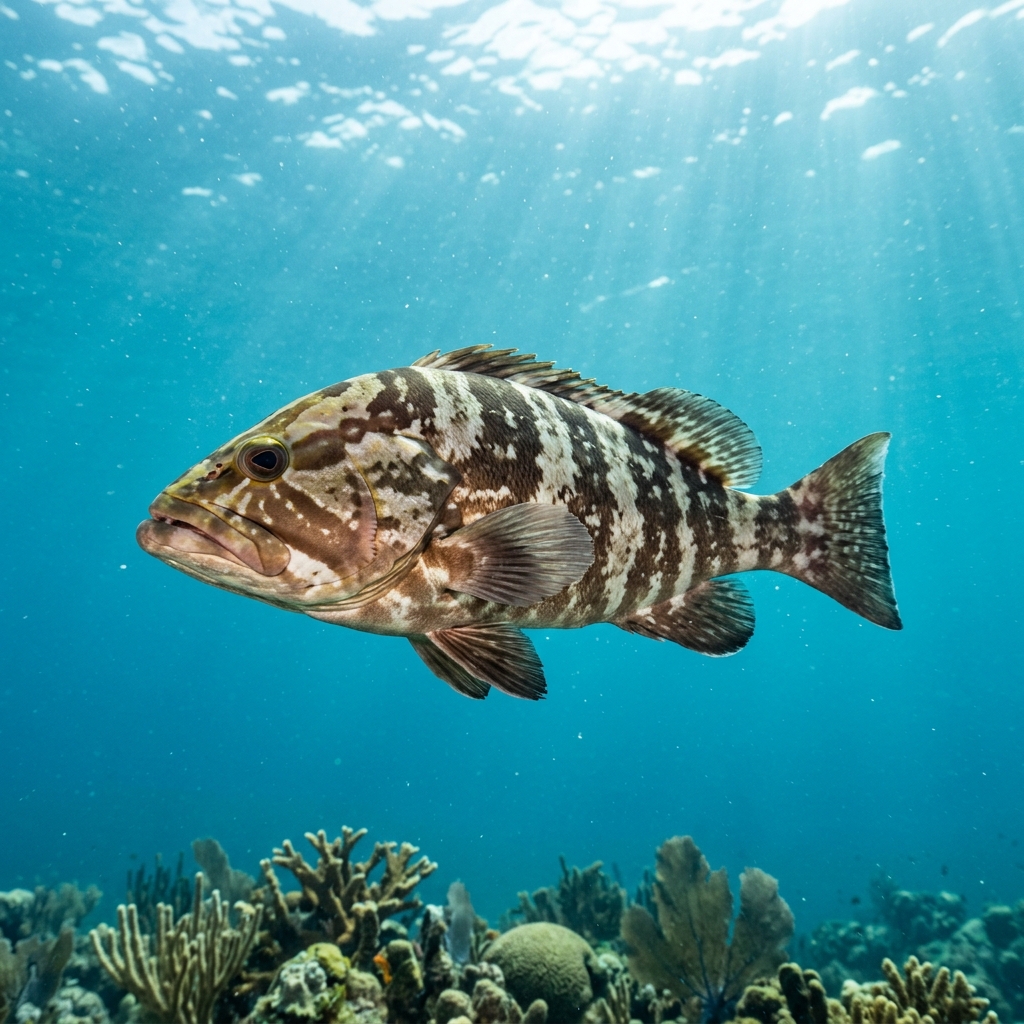
San Salvador is defined by reef and wall diving, with sites ranging from shallow coral gardens to deep walls punctuated by caves and drift conditions. The site mix suits beginners through intermediates, with boat access standard across the island. Marine life is a clear highlight: Caribbean Reef Shark and Nurse Shark are observed across nearly every site, alongside Great Barracuda, Whiptail Stingray, and the distinctively patterned Flying Gurnard. Nassau Grouper, Stoplight Parrotfish, and Flamingo Tongue add colour to the reef structure, while Green Sea Turtle appearances are reliably common. Water stays warm year-round, peaking through late summer and early autumn.

Monthly water temperature across San Salvador's sites, from satellite sea-surface data corrected for depth. The band shows the site-to-site spread.
Water temperature remains warm throughout the year, rising to its peak during late summer and early autumn before easing back through winter to a comfortable low. The spring months of April through June represent the most popular window for diving, likely reflecting calmer surface conditions. Sites like Great Cut introduce drift diving into the mix, so divers should be comfortable with current when venturing to the deeper walls.
6 operators
Cockburn Town, Bahamas
Bahamas
19 more sites to explore
Water temperature around San Salvador ranges from about 25°C in March to 30°C in September, based on satellite sea-temperature data for its dive sites.
In the warm season (about 30°C) a rash guard or 3mm shorty is comfortable in San Salvador; in the coldest months (about 25°C) step up to a 3mm full suit.
Fin maps 24 sites in San Salvador (24 scuba diving sites and 1 snorkelling spots, with some suited to both).
Both Caribbean Reef Shark and Nurse Shark are observed across virtually all sites in San Salvador, making them a near-certain sighting on any dive. Caribbean Reef Shark tends to appear in open-water and wall settings, while Nurse Shark are frequently found resting on the reef. These are among the signature species the island is known for.
Several sites are appropriate for beginners, including Halloween Reef, which is shallow and combines natural reef with artificial structures. The majority of top sites are rated intermediate, featuring wall and cave topography at moderate depths. Beginners will find a solid starting point but should expect to progress quickly if they want to explore the fuller range of the island's diving.
Boat access is standard for all listed dive sites in San Salvador. There are currently no dive operators listed in the region's data, so visiting divers should arrange access through operators based elsewhere in the Bahamas or through liveaboard arrangements before arrival.
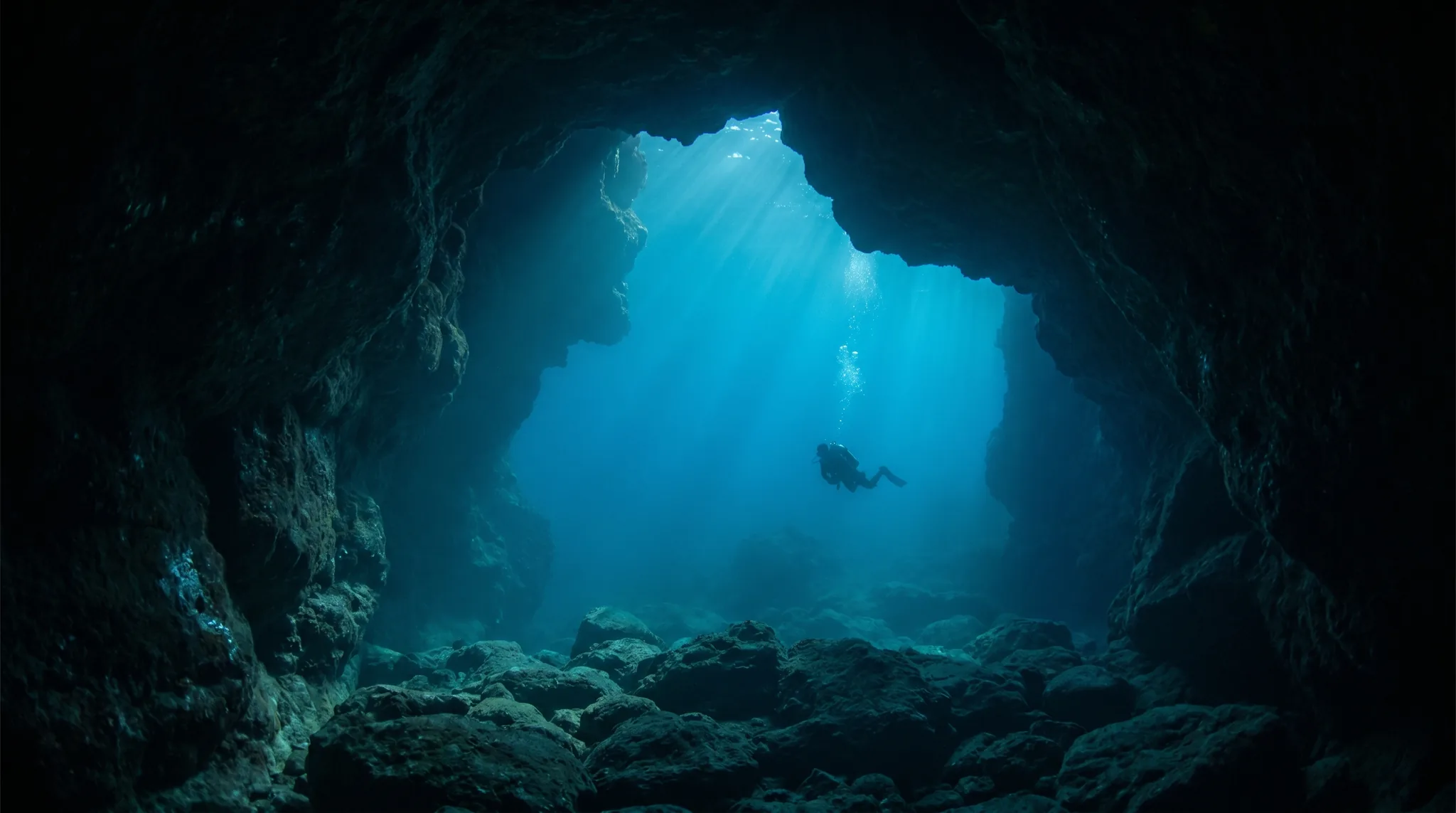
Reef diving forms the backbone of San Salvador's underwater landscape, with many sites combining reef with wall topography. Several sites also feature cave systems, adding an exploratory dimension for intermediate divers. Great Cut stands out for its drift diving conditions, offering a different experience from the more sheltered shallow reef sites.


