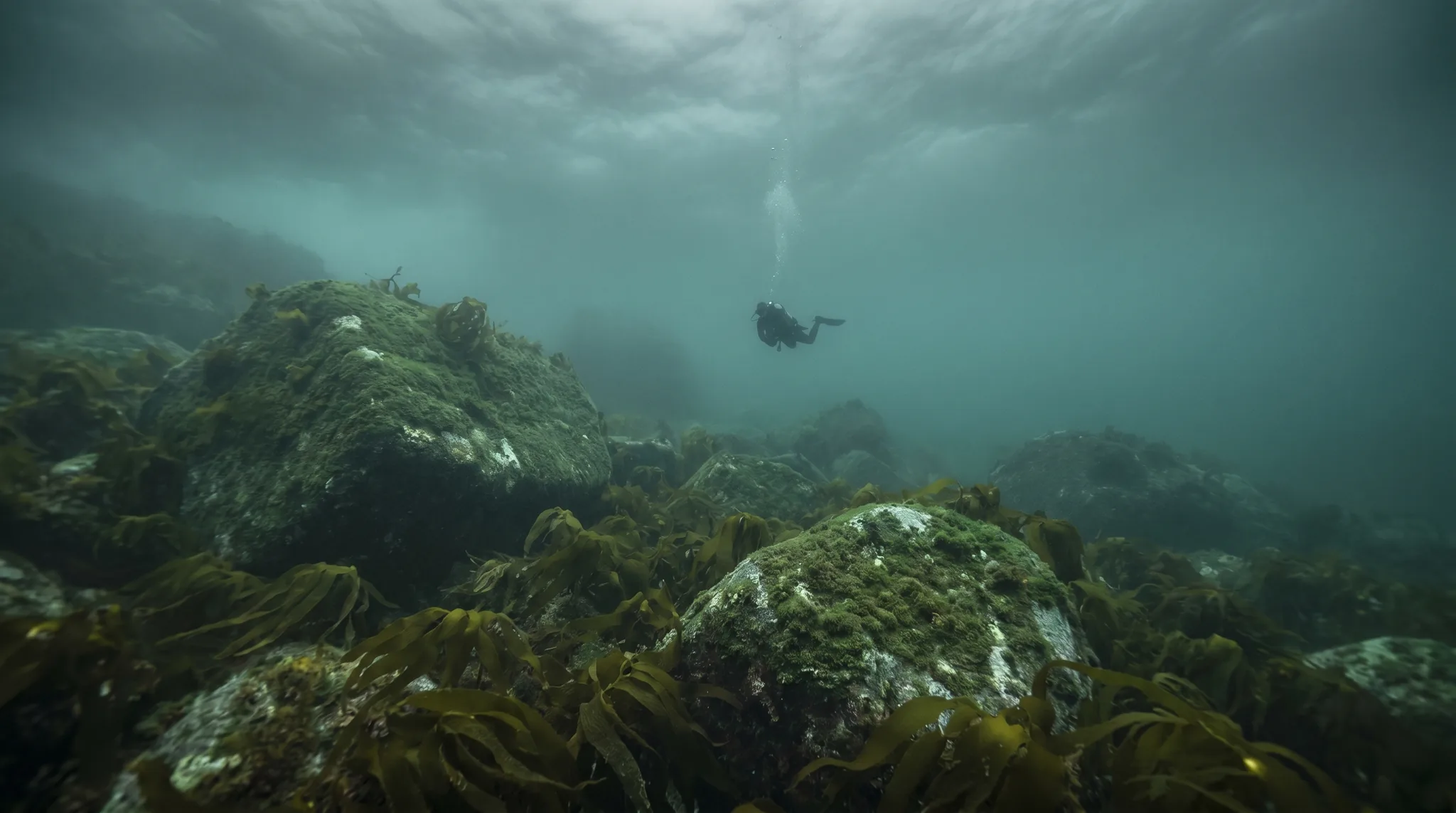
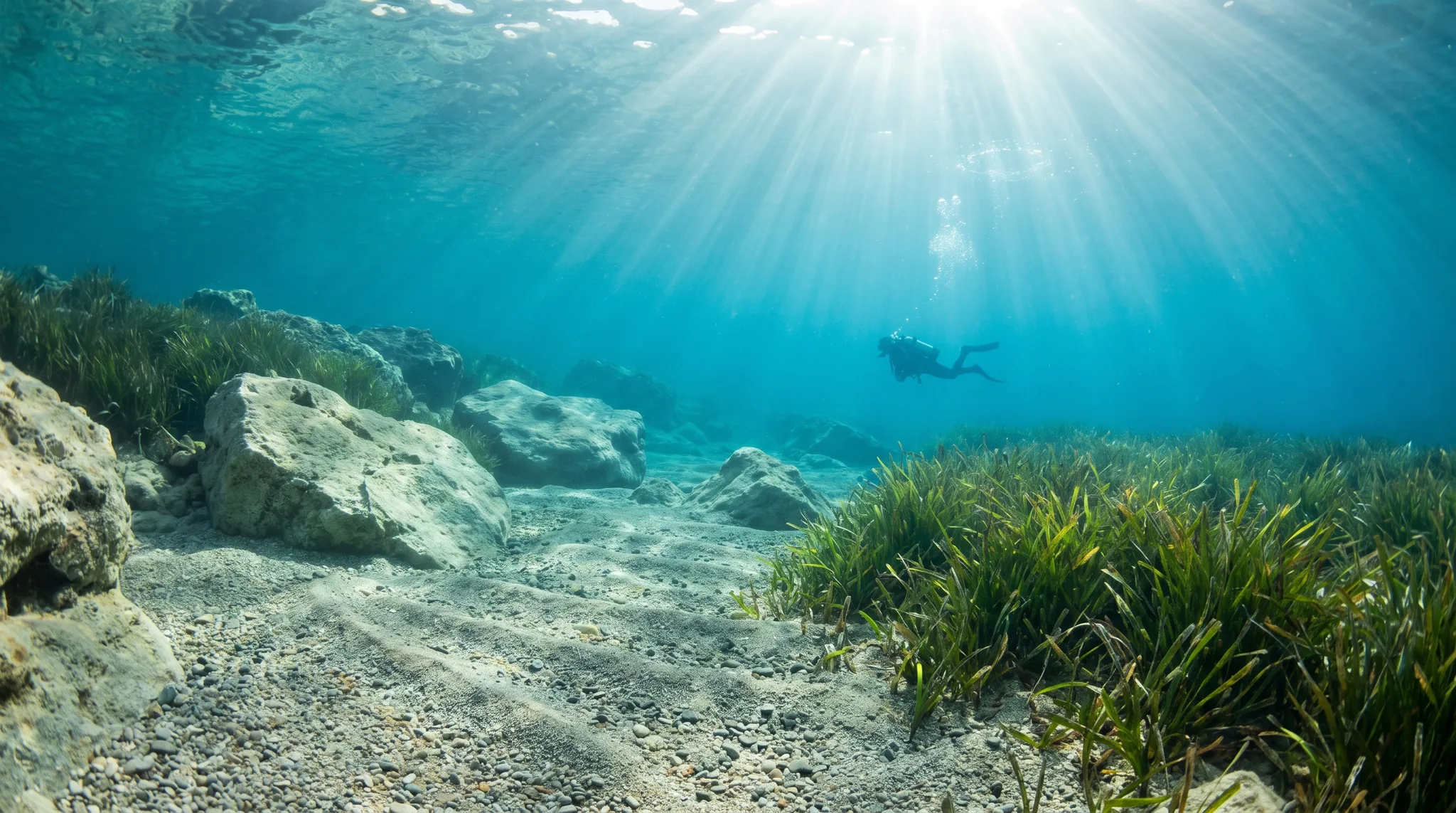
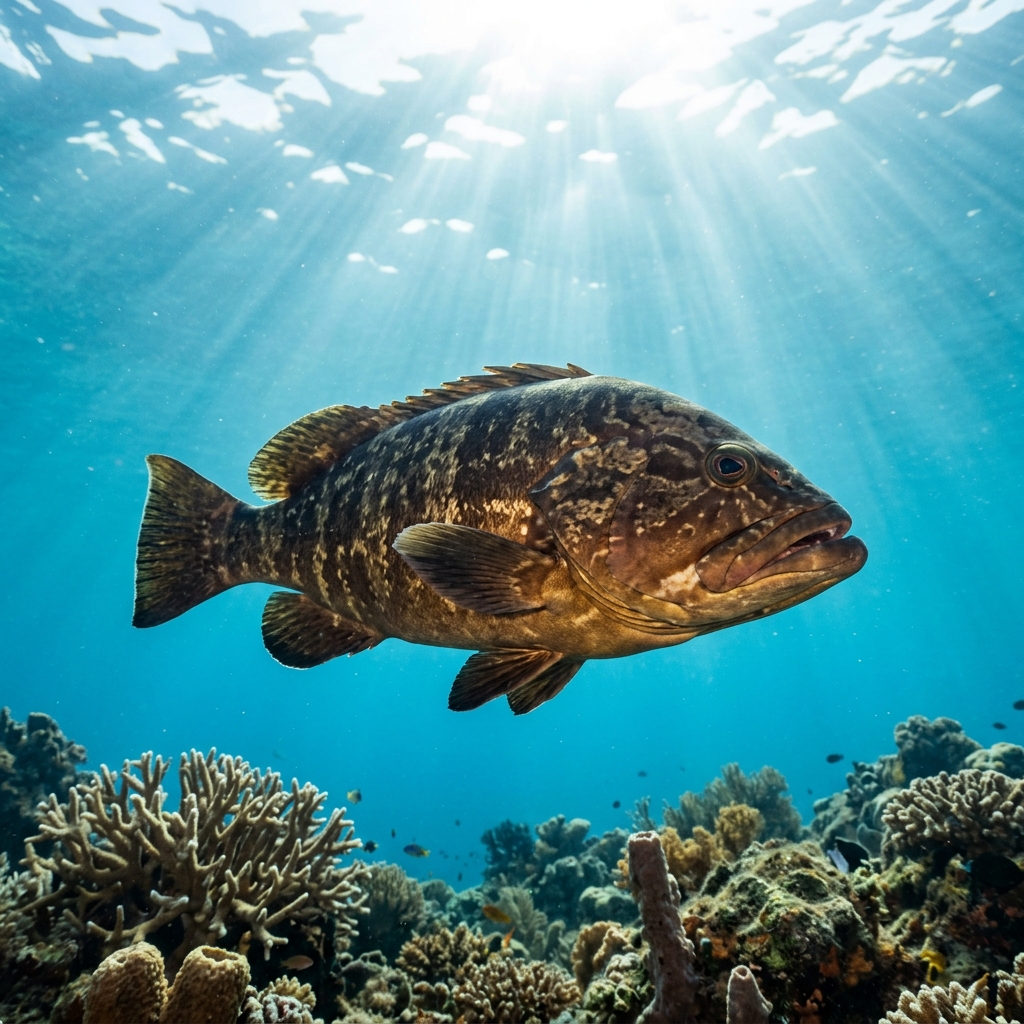
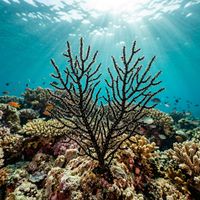
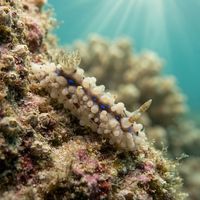
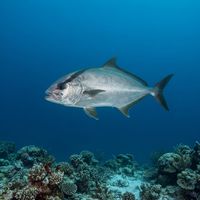
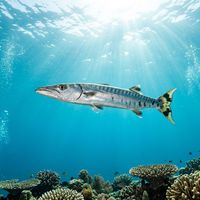
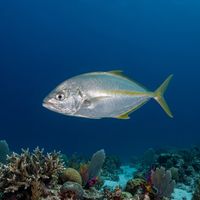
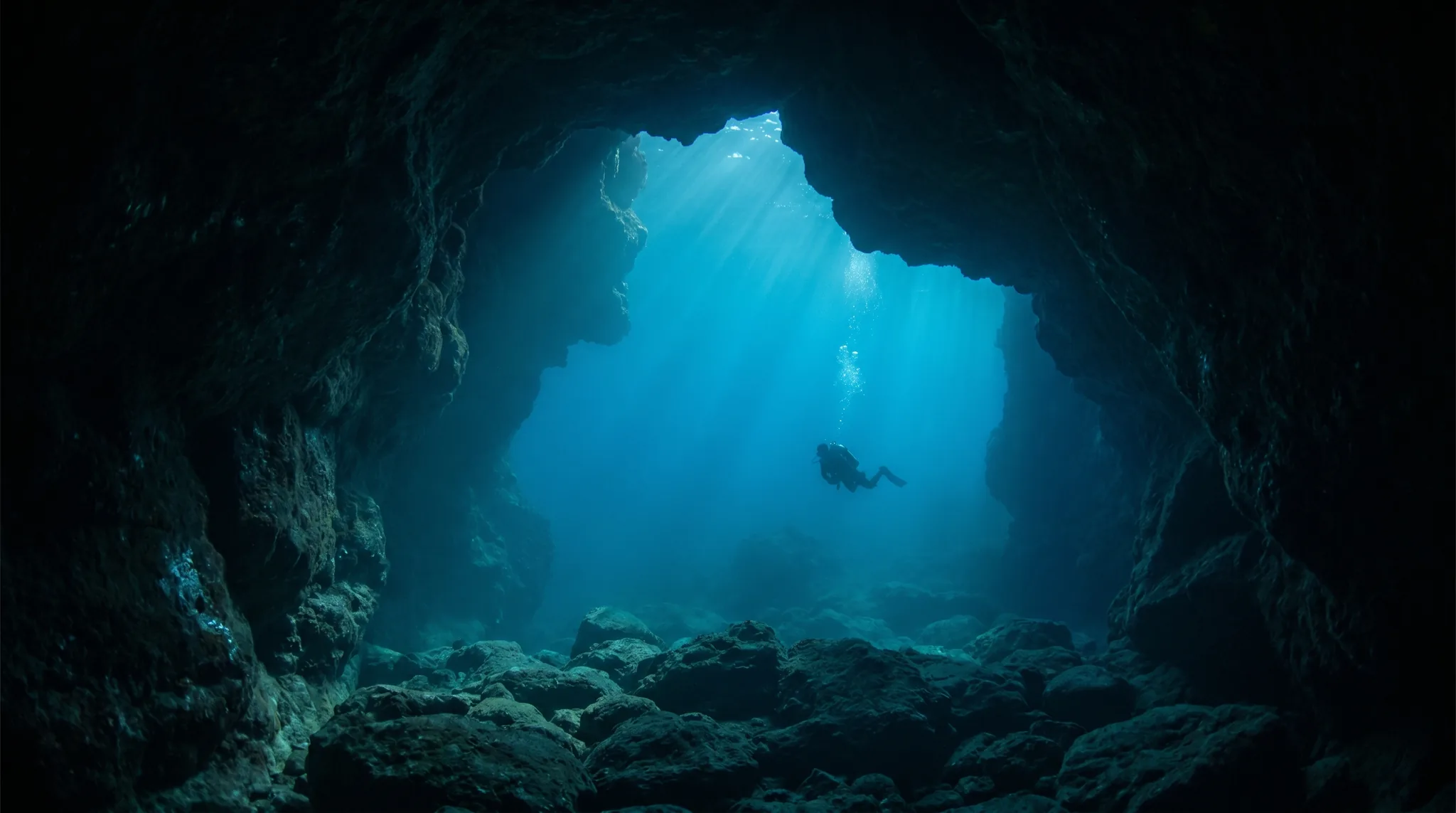
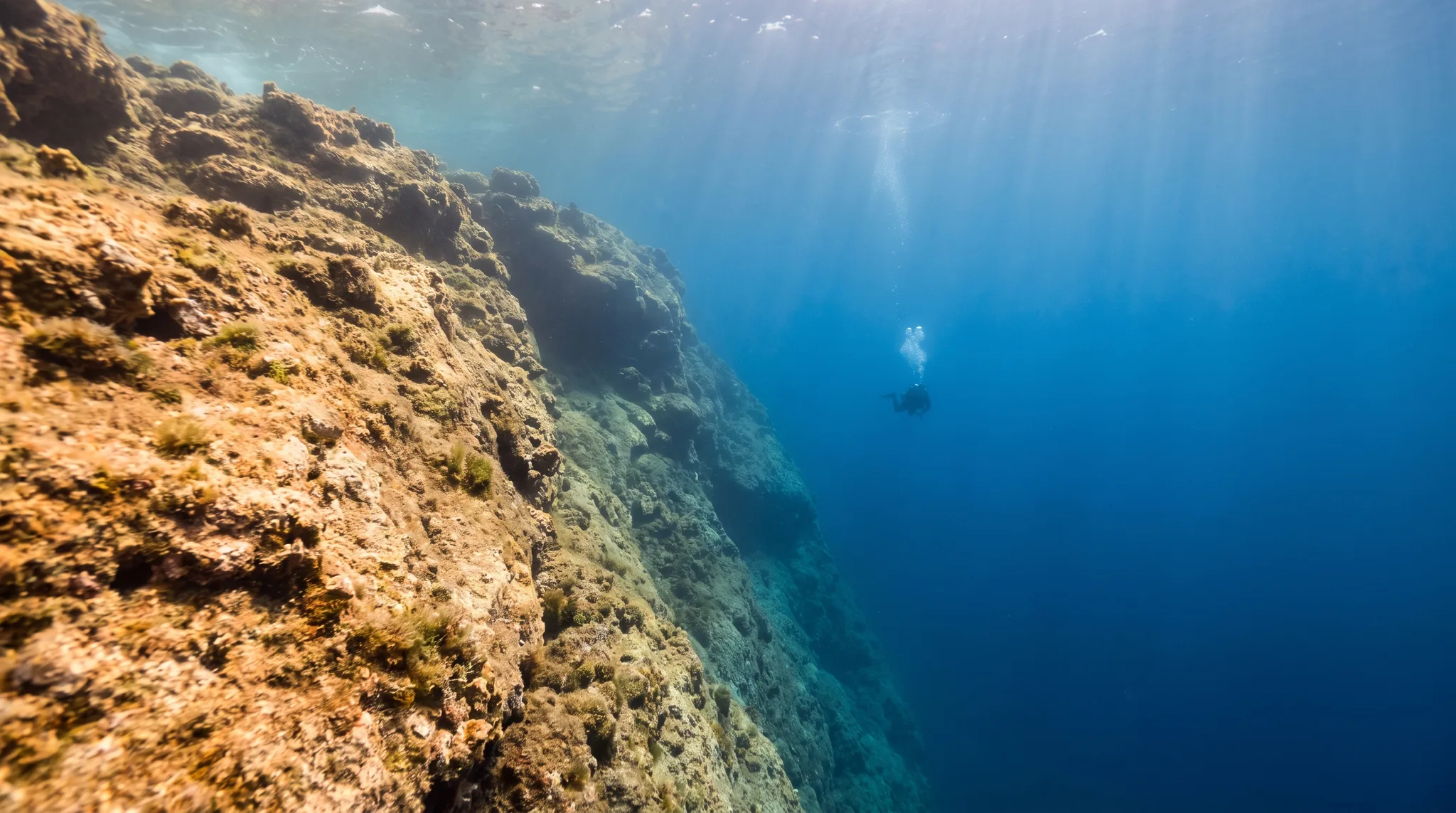
Graciosa offers a varied mix of site types for a small island, with reefs, drop-offs, pinnacles, a wreck, and cave and cavern sections all accessible from one base. The Terceirense wreck and the shallow caverns at Ilheu do Carapacho are among the named sites, and the Baixa do Pesqueiro Longo wall descends from very shallow to well over thirty metres. Shore entry is possible at some sites, making the island accessible beyond the boat-only norm. Skill levels range from beginner to intermediate, and a single dive operator is based in Lagoa. The species list includes spinetail devil rays, marbled electric rays, common octopus, European spiny lobster, and nudibranchs, alongside gorgonians. Graciosa itself is a UNESCO World Biosphere Reserve.
Monthly water temperature across Graciosa's sites, from satellite sea-surface data corrected for depth. The band shows the site-to-site spread.
Water is coldest in spring, dropping to the mid-teens in April, then warms through summer to the low twenties by August and September. This seasonal pattern means a five-millimetre wetsuit is advisable for much of the year, with thinner suits manageable only at the summer peak. Visibility is generally best in summer when conditions settle.
Water temperature around Graciosa ranges from about 15°C in April to 21°C in September, based on satellite sea-temperature data for its dive sites.
In the warm season (about 21°C) a 5mm suit is comfortable in Graciosa; in the coldest months (about 15°C) step up to a 7mm or semi-dry suit.
Fin maps 6 sites in Graciosa (6 scuba diving sites and 2 snorkelling spots, with some suited to both).