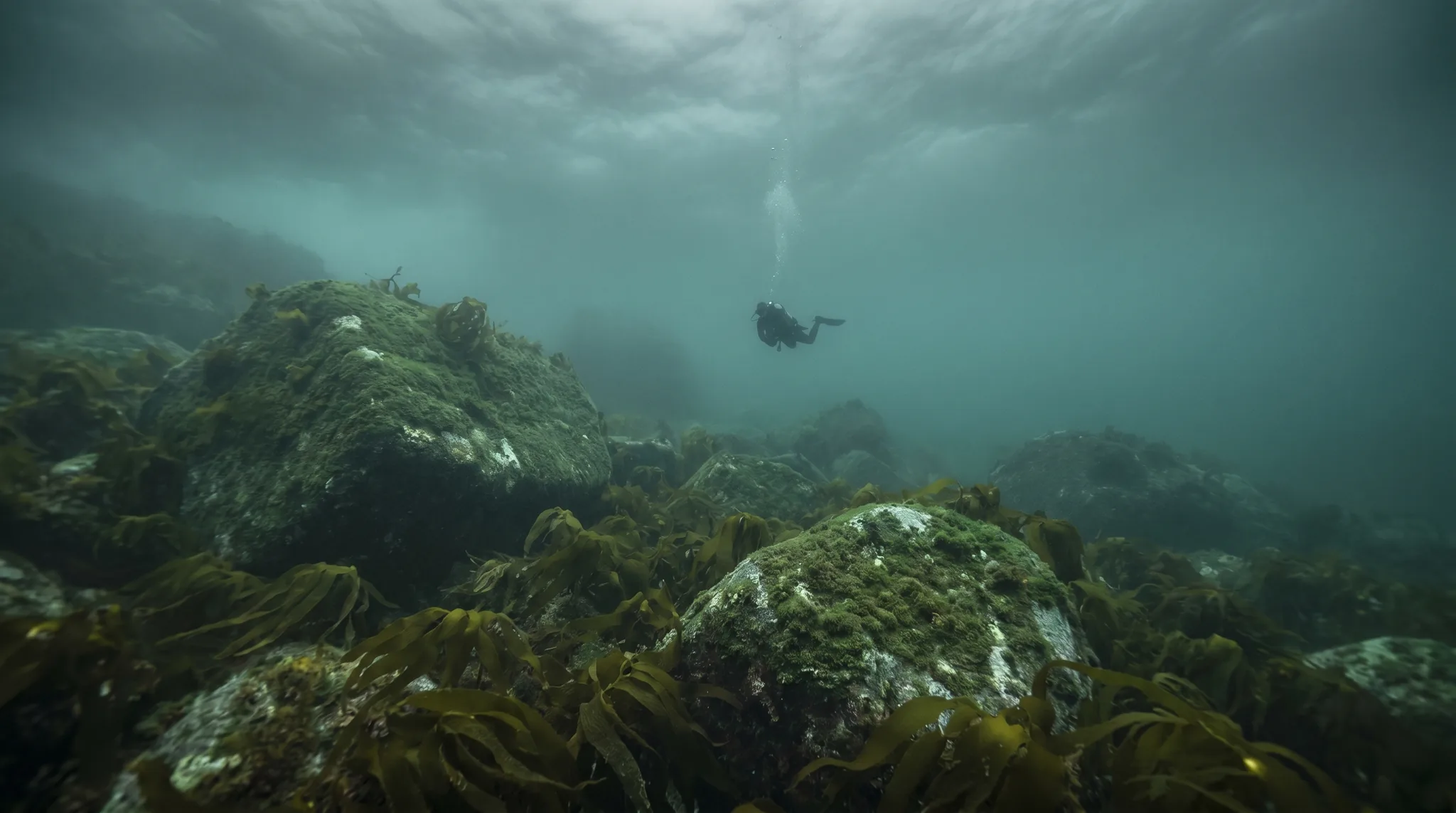
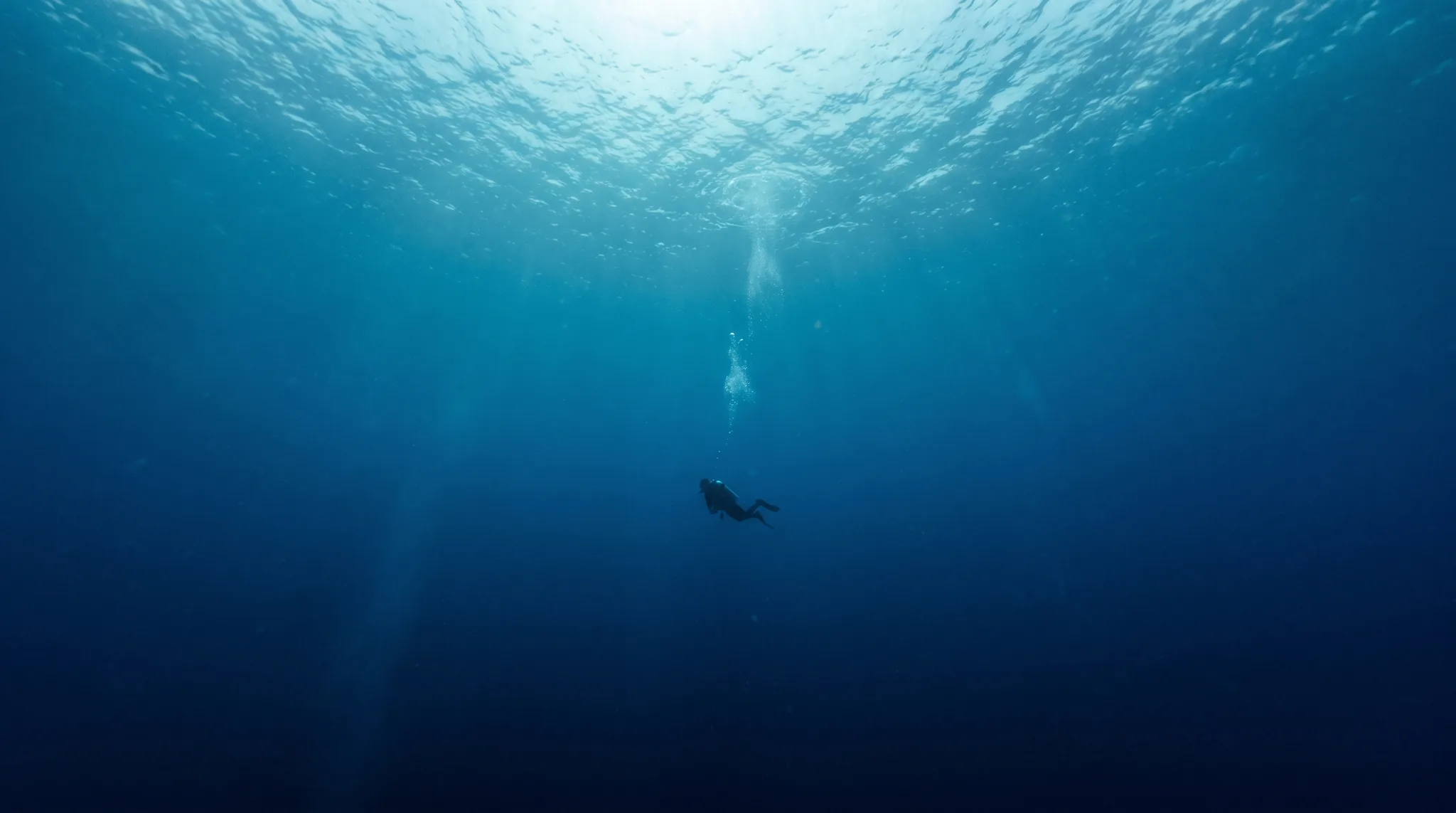
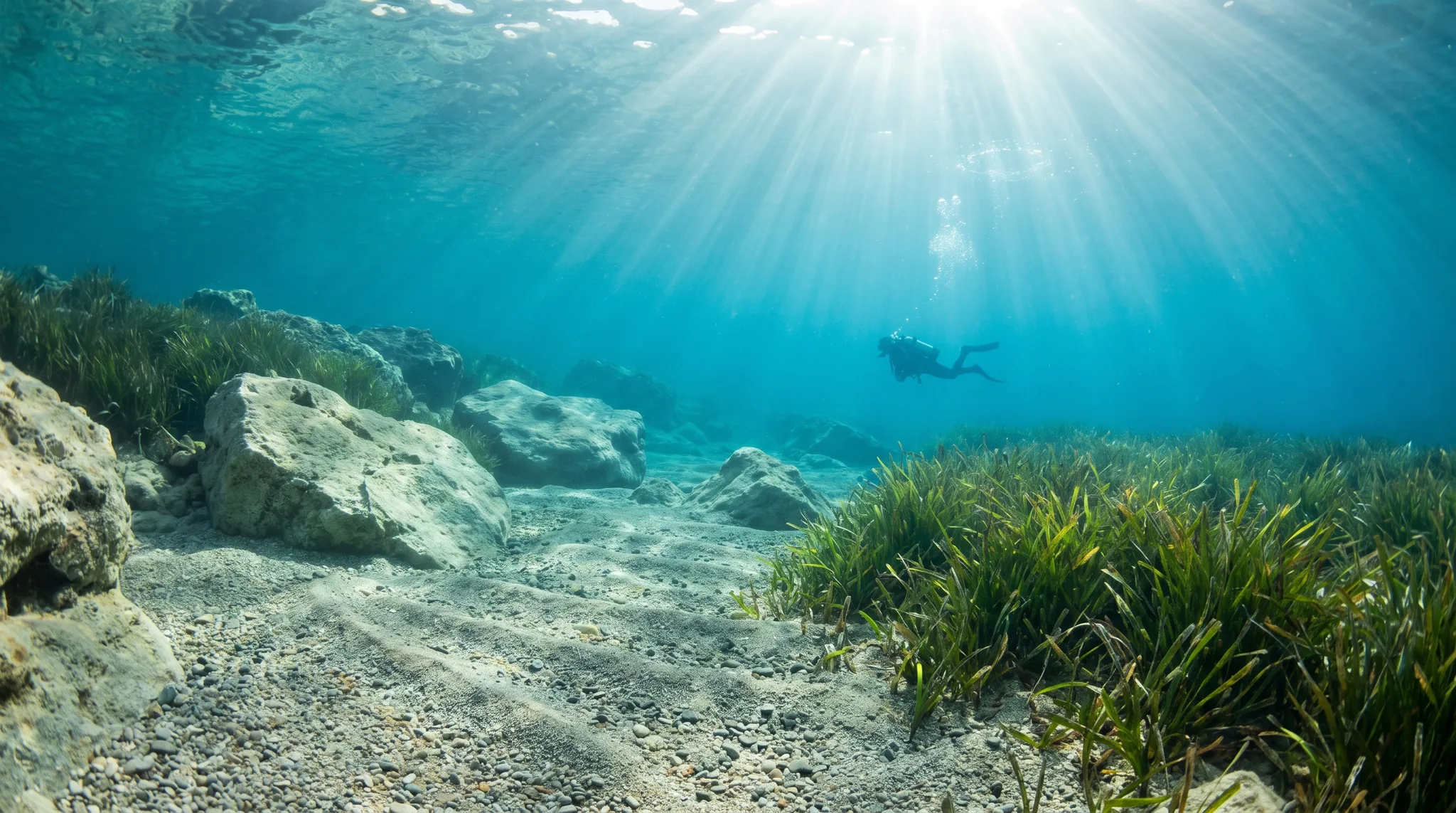
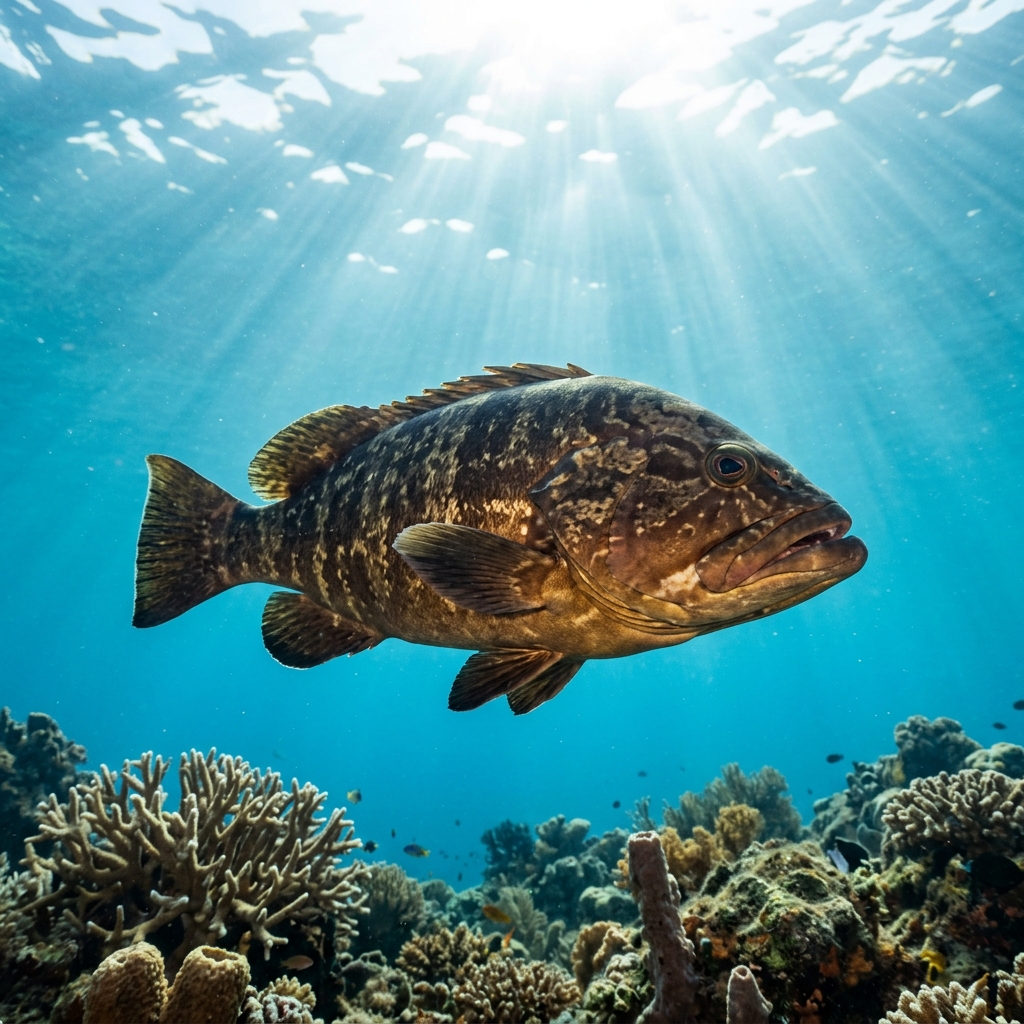
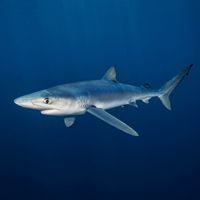
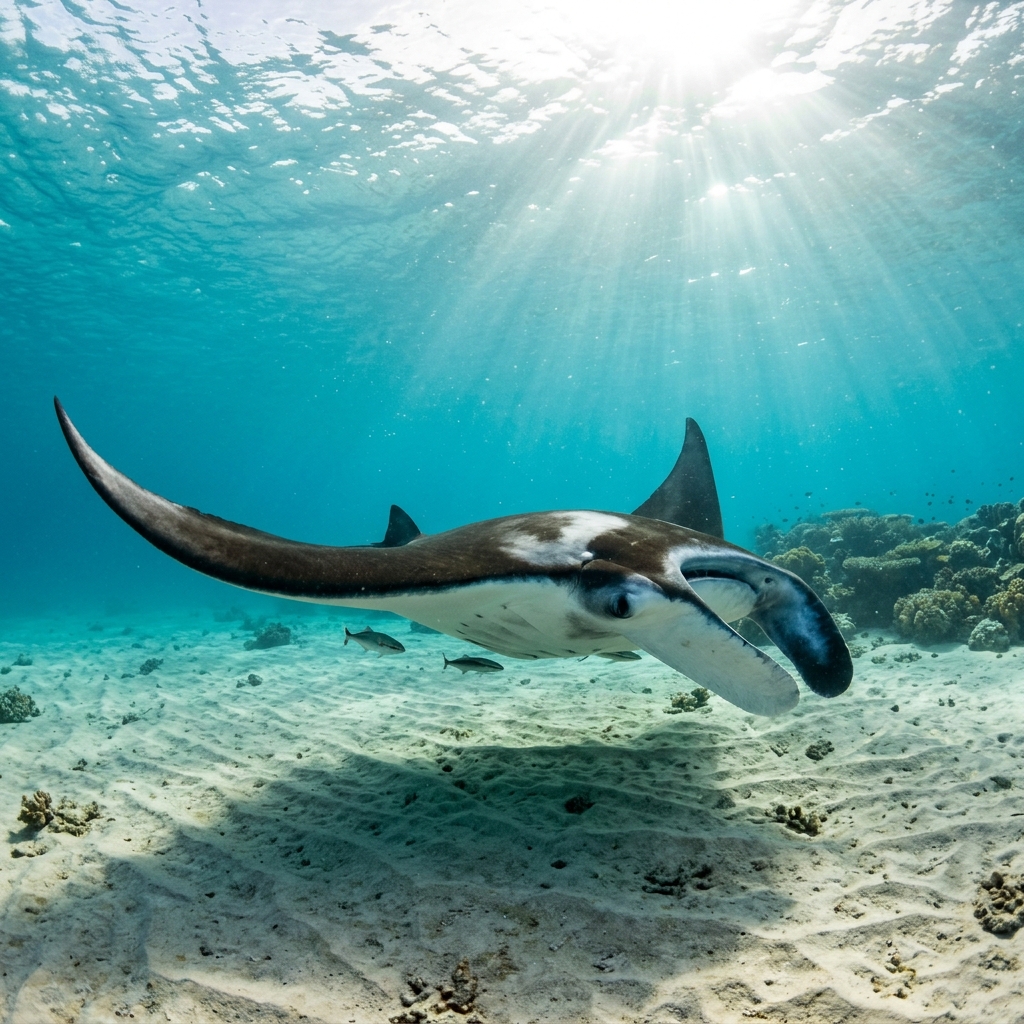
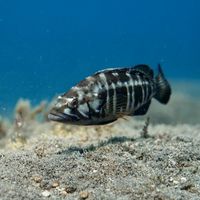
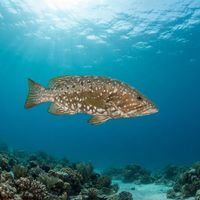
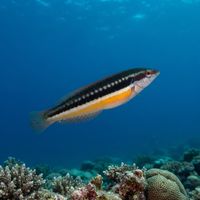
Condor Bank sits in the open Atlantic, roughly seventeen kilometres offshore, where a shallow seamount rises to within a few metres of the surface before dropping away into deep water. The sites here are drift dives, typically shallow over the bank itself, but the open-ocean environment demands solid buoyancy control and comfort with current. Visibility varies considerably, and conditions are weather-dependent, so access by boat can be refused at short notice. The bank draws divers primarily for blue sharks, with mako sharks also recorded. Spinetail devil rays, marbled electric rays, and flying gurnards appear in the species list alongside more resident animals such as common octopus and European spiny lobster. The peak window runs from July to September.
Monthly water temperature across Condor Bank's sites, from satellite sea-surface data corrected for depth. The band shows the site-to-site spread.
Water temperatures are coolest from winter through spring, sitting in the mid-to-high teens, then climb through summer to the low twenties by August and September before easing back in autumn. The warmest and calmest conditions coincide with the main shark season, making a wetsuit of at least five millimetres advisable outside midsummer.
Water temperature around Condor Bank ranges from about 16°C in March to 22°C in August, based on satellite sea-temperature data for its dive sites.
In the warm season (about 22°C) a 3mm full suit is comfortable in Condor Bank; in the coldest months (about 16°C) step up to a 7mm or semi-dry suit.
Fin maps 6 sites in Condor Bank (6 scuba diving sites and 2 snorkelling spots, with some suited to both).
Across Condor Bank's dive sites, July and September are most often reported as the best months to visit.
2 more sites to explore