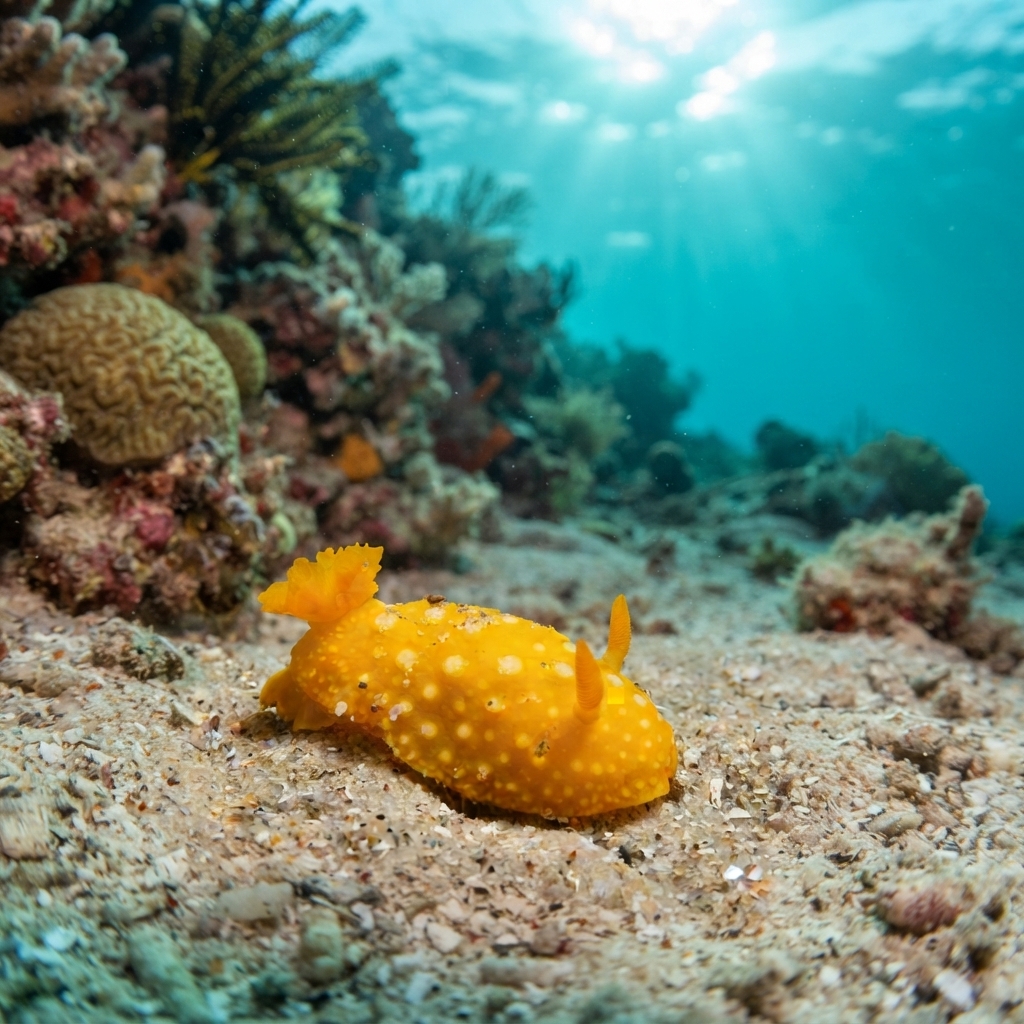
Doris chrysoderma
Common on temperate reefs from New South Wales to South Australia, this yellow nudibranch turns up year-round in 14.7 to 21.6C water.
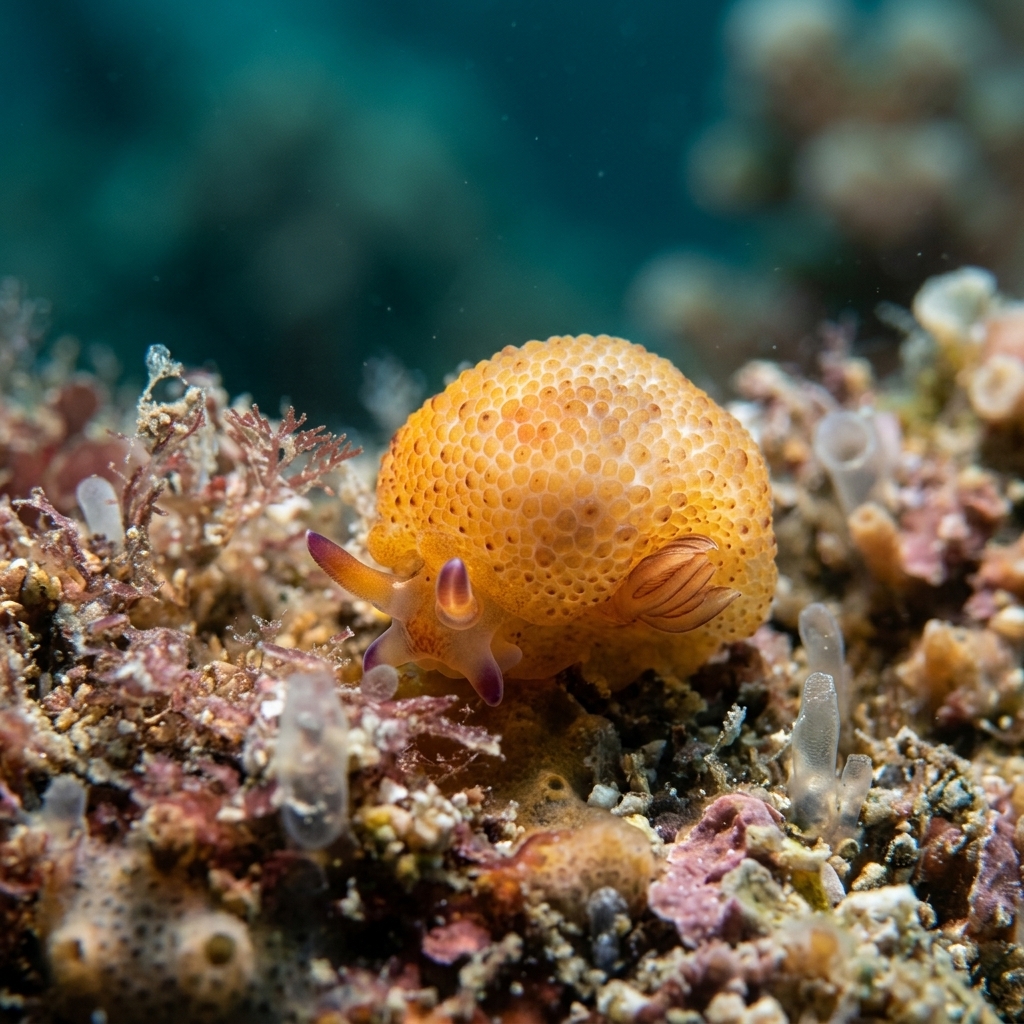
Look for a solidly yellow, oval-bodied nudibranch with a textured, warty mantle rather than a smooth one. It sits low and slow on rock and reef surfaces, usually a few centimetres long, with feathery gills and rhinophores (the paired sensory stalks on its head) tucked toward the rear. The uniform lemon colour with no bold stripes or spots is the main giveaway against the more patterned dorids divers log alongside it.
Divers typically find it grazing slowly across rock faces and reef rubble, often tucked into cracks or under ledges during brighter hours. It shows no reaction to divers beyond its usual unhurried crawl, making it an easy subject for a close macro look without disturbing it.
Like other dorid nudibranchs, it feeds on sponges and likely takes on some of their chemical compounds for its own defence, which is part of why it can sit exposed on open rock without much cover.
Sightings run year-round with no clear seasonal pull, matching its comfort range of roughly 14.7 to 21.6C found on southern Australian reefs through most of the year. Plan around good visibility and conditions rather than a particular month.
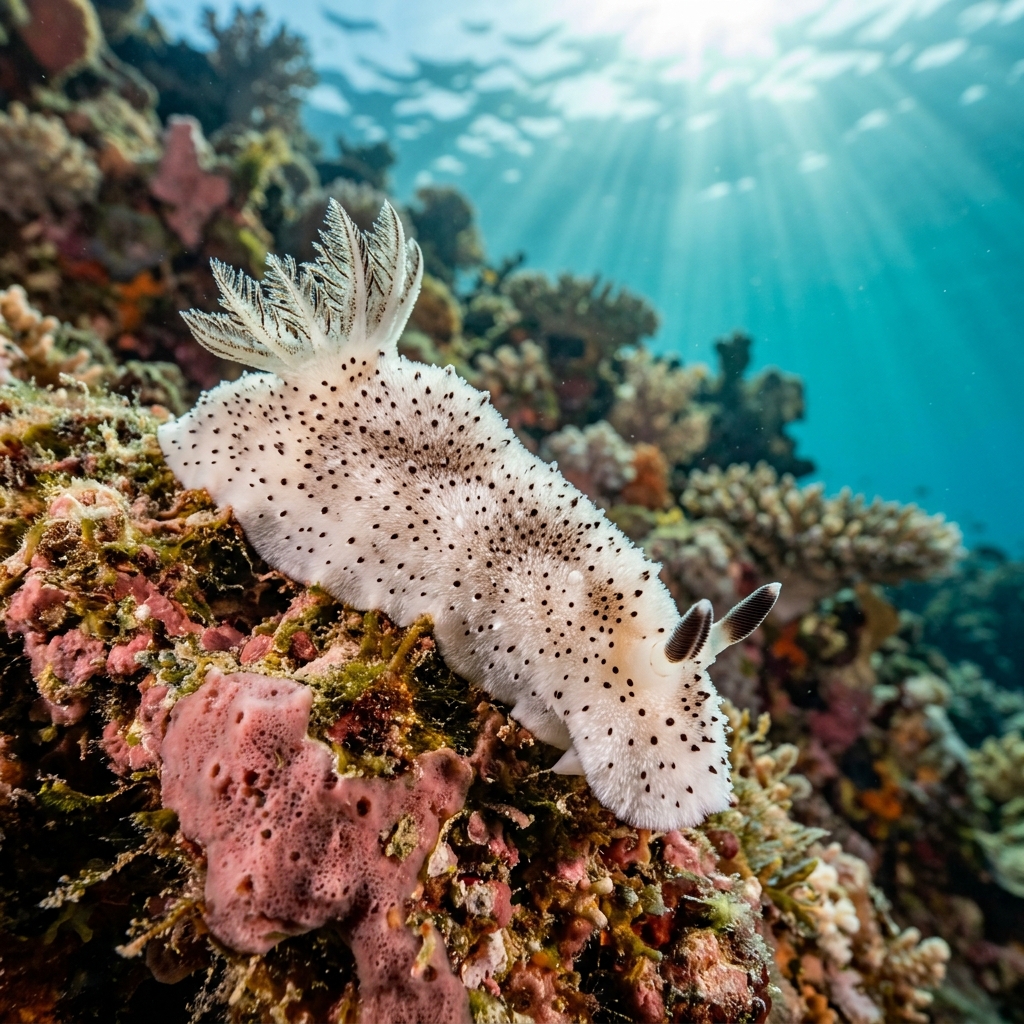
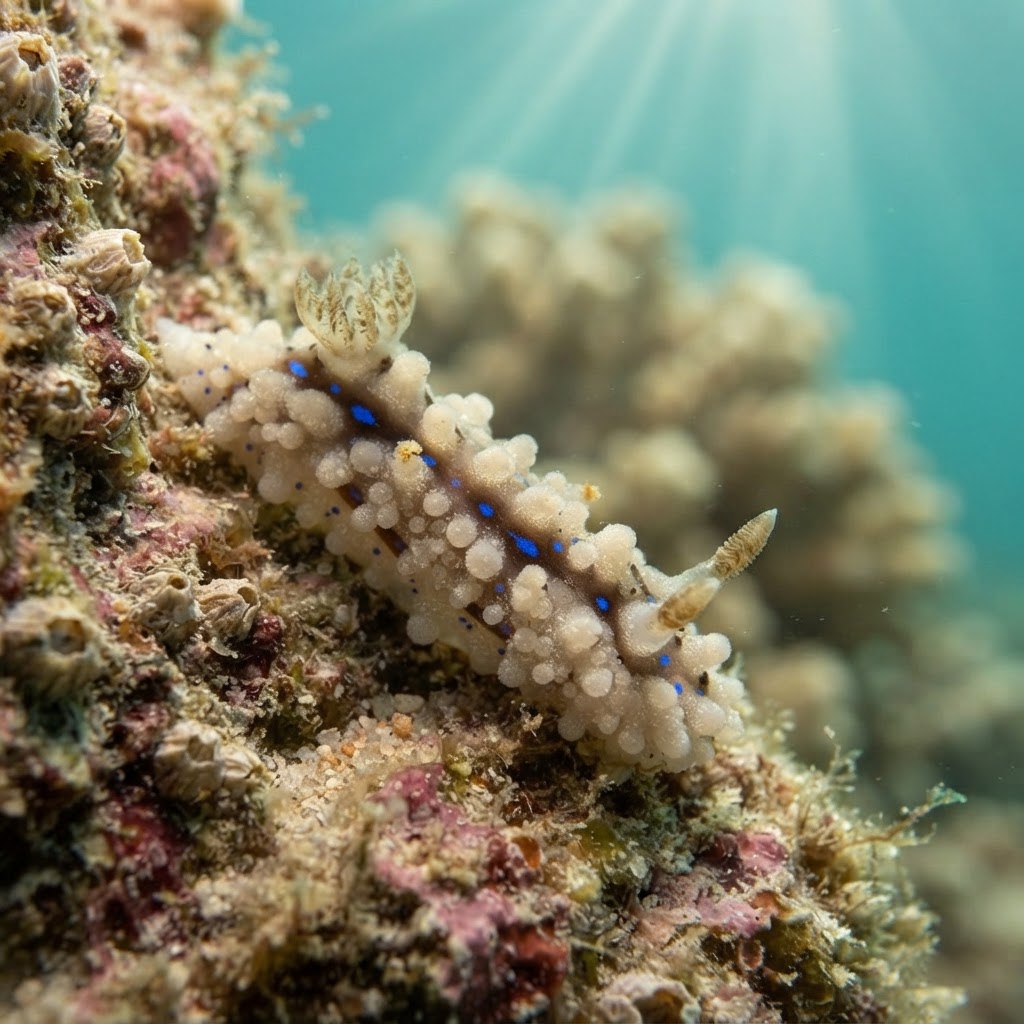
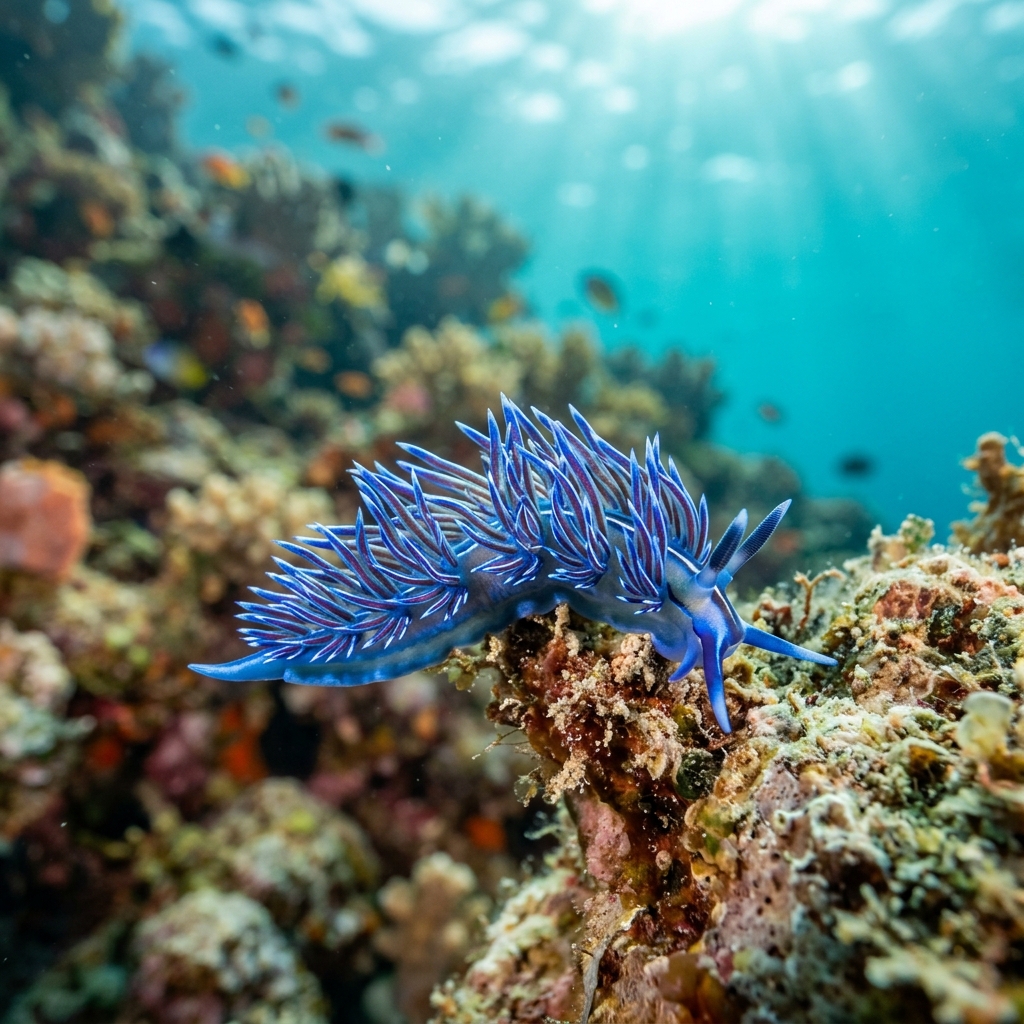
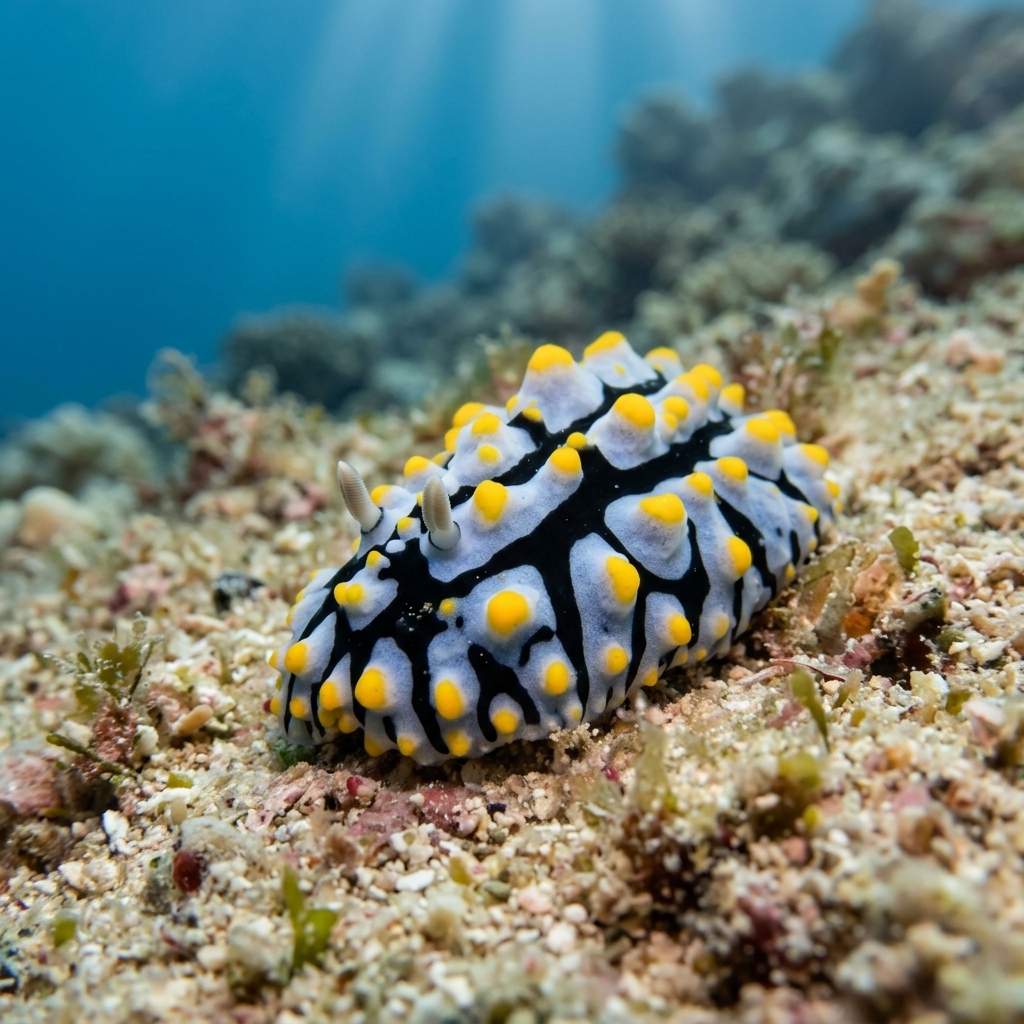
Reef neighbours a diver could mistake it for. Use the identification notes above to tell them apart.
This is very much an Australian temperate-water species, most reliably logged in New South Wales, with strong showings in Victoria and Western Australia and occasional finds in South Australia. Divers doing rocky reef and kelp dives along the NSW coast have the best odds of ticking it off.
Mapping where Lemon Lolly Doris is logged…
It is most commonly logged on temperate reef dives in New South Wales, Australia, with further sightings in Victoria, Western Australia and South Australia.
There is no strong season in the sighting data, so it turns up year-round across southern Australian reefs sitting in the 14.7 to 21.6C range it seems to favour.
Check for a small, oval, uniformly yellow nudibranch with a bumpy, warty mantle and no bold stripes or spots. It moves slowly over rock and reef surfaces, usually solo.
No. It poses no threat to divers and can be observed and photographed up close without any risk.
Exact size data is not established for this species, but like most dorid nudibranchs it is a small, reef-crawling animal typically only a few centimetres long.
As a dorid nudibranch, it likely feeds on sponges and may borrow their chemical defences, letting it sit exposed on open rock without needing to hide.
Site and sighting data is aggregated from diver logs, iNaturalist and GBIF. For taxonomy and conservation status:
Light-spotted Aegires
3,168 sites