Best for intermediate divers, 1-10m, shore entry, moderate current.
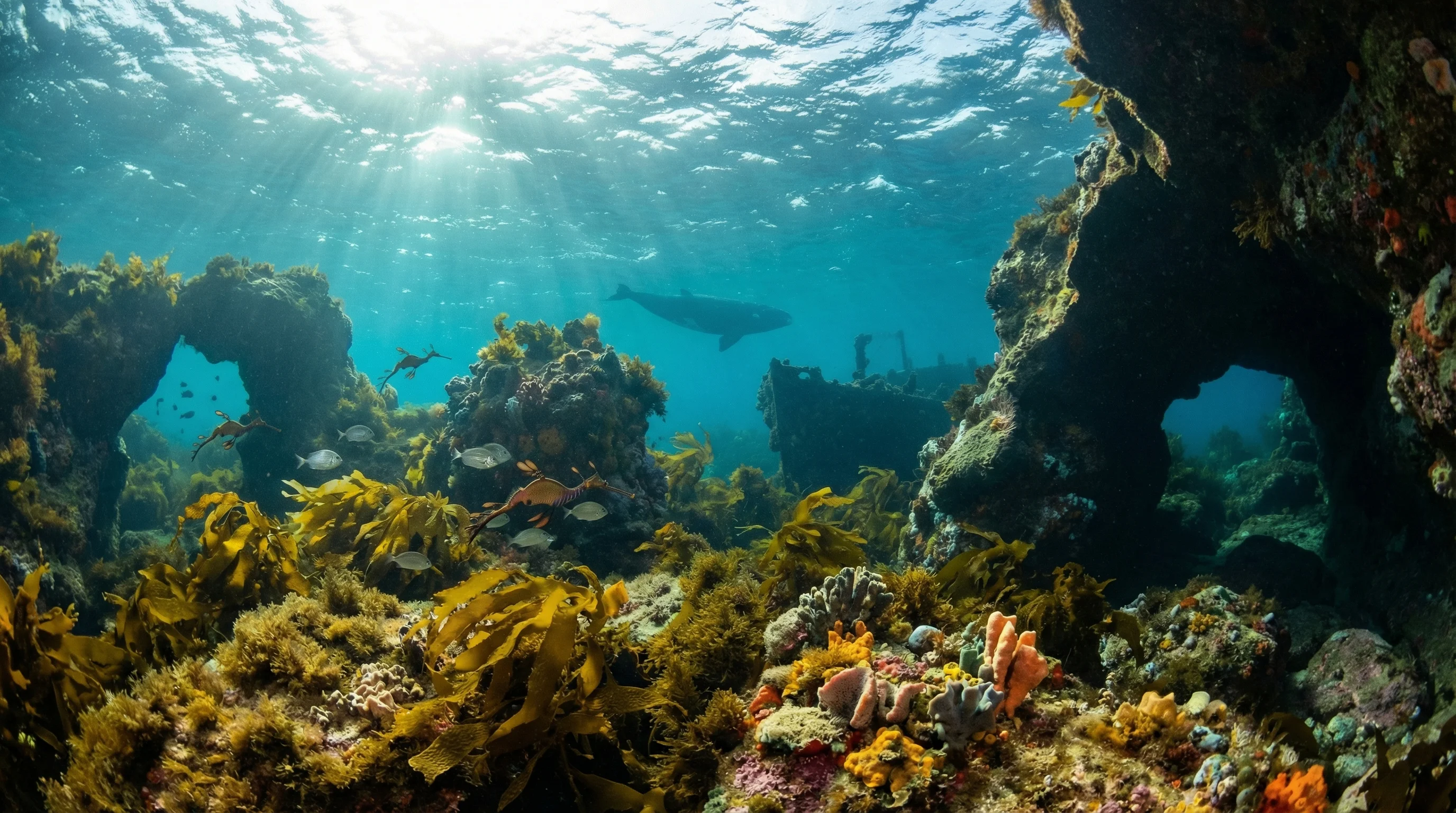
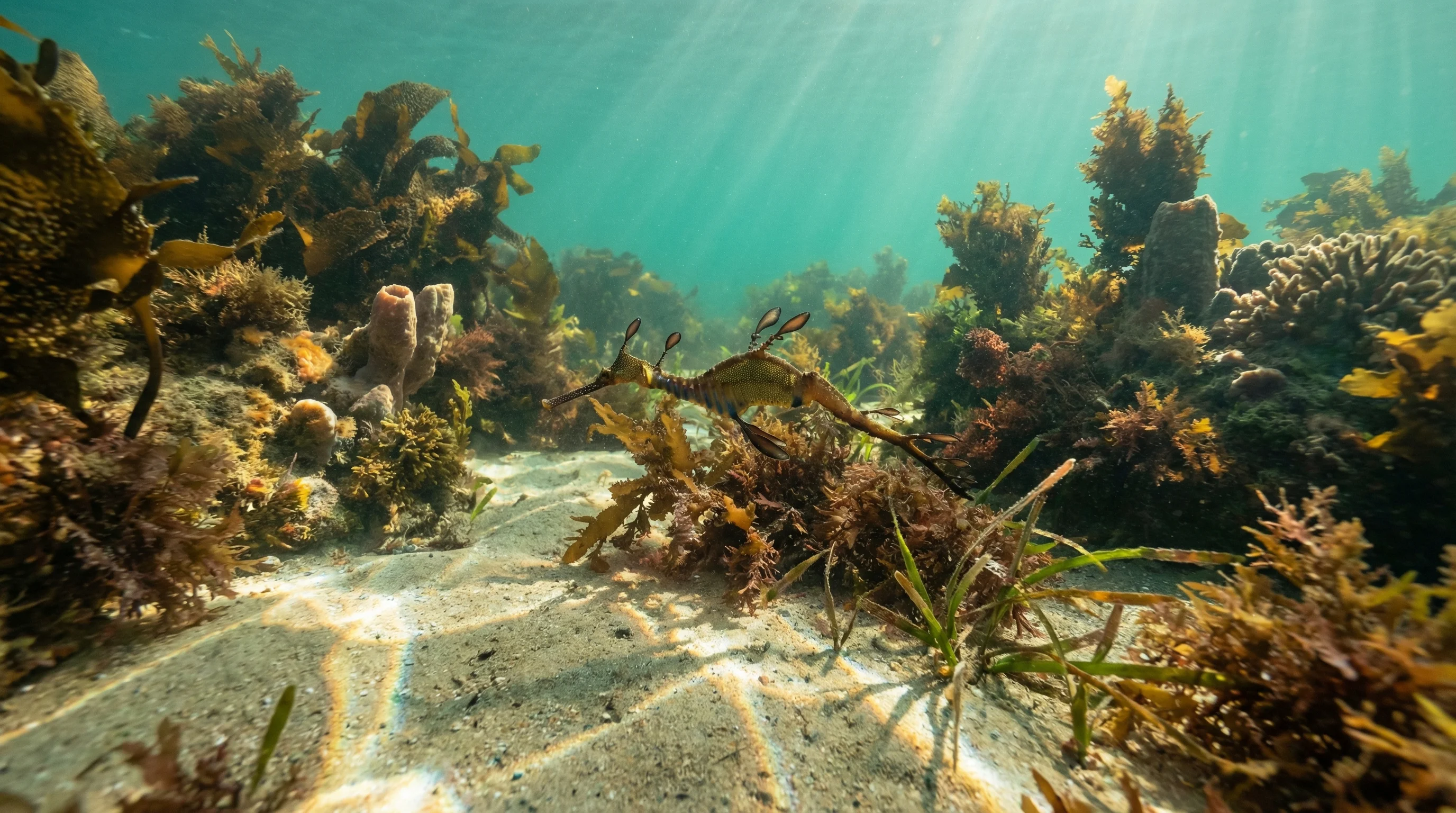
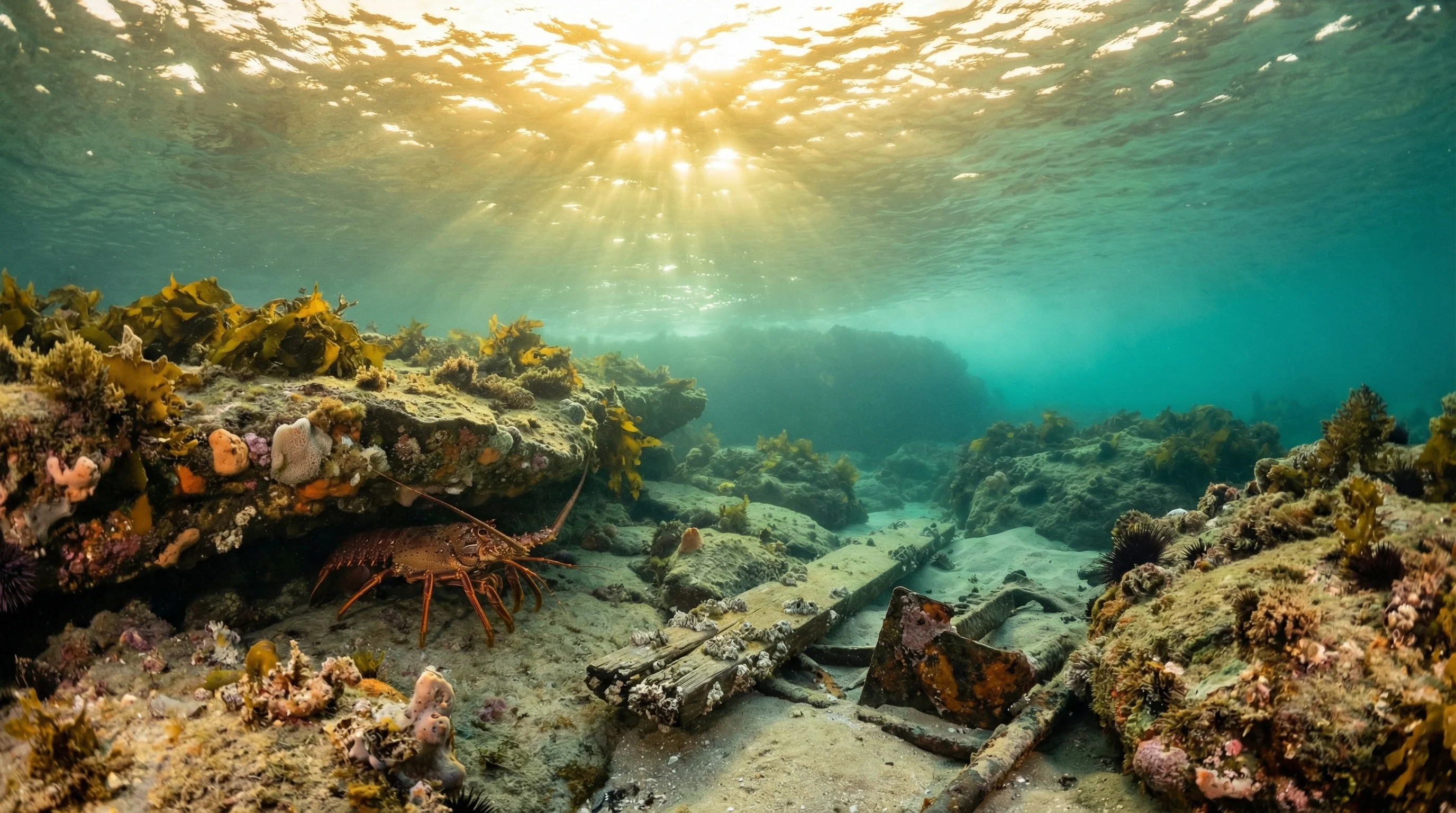
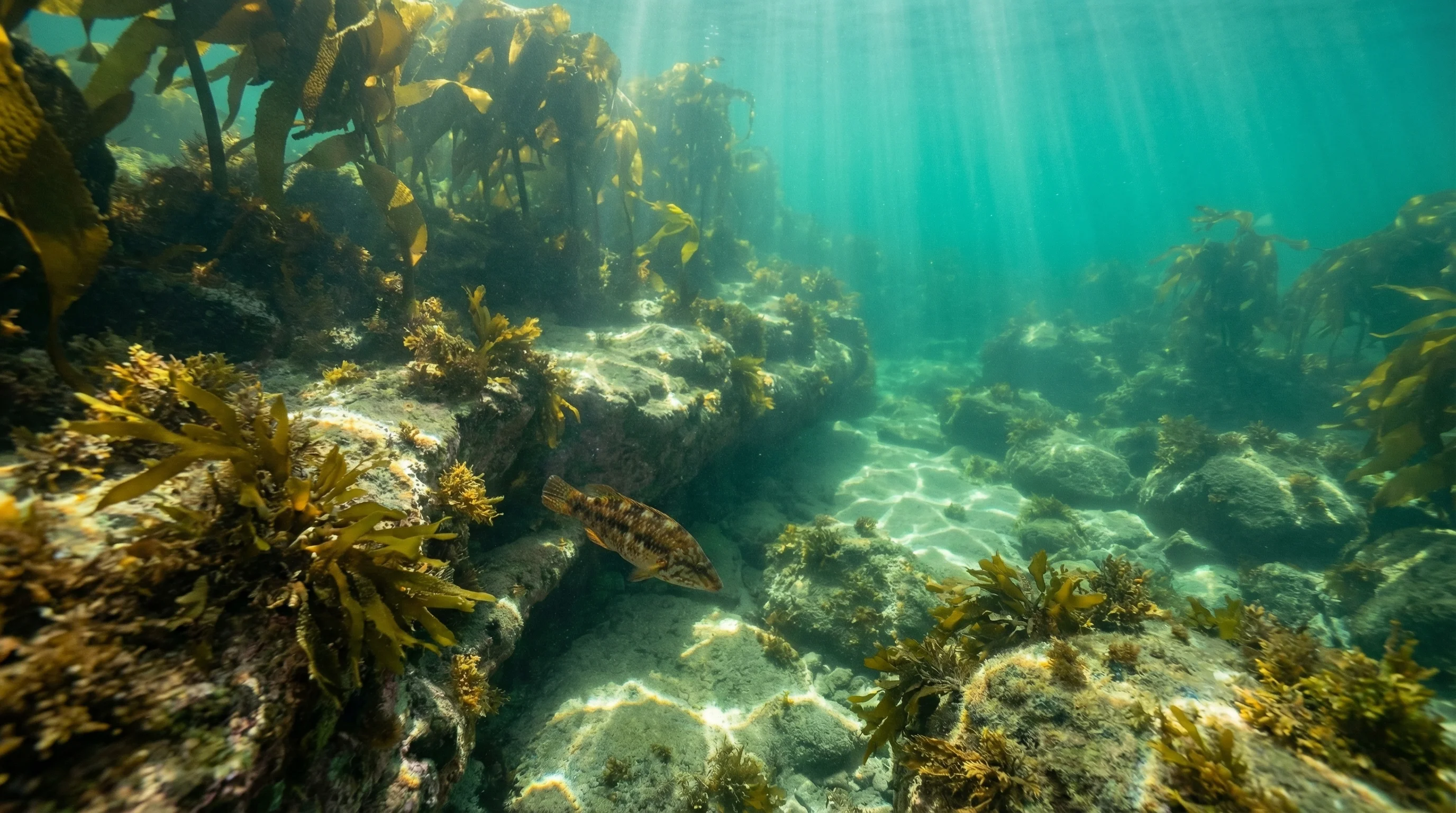
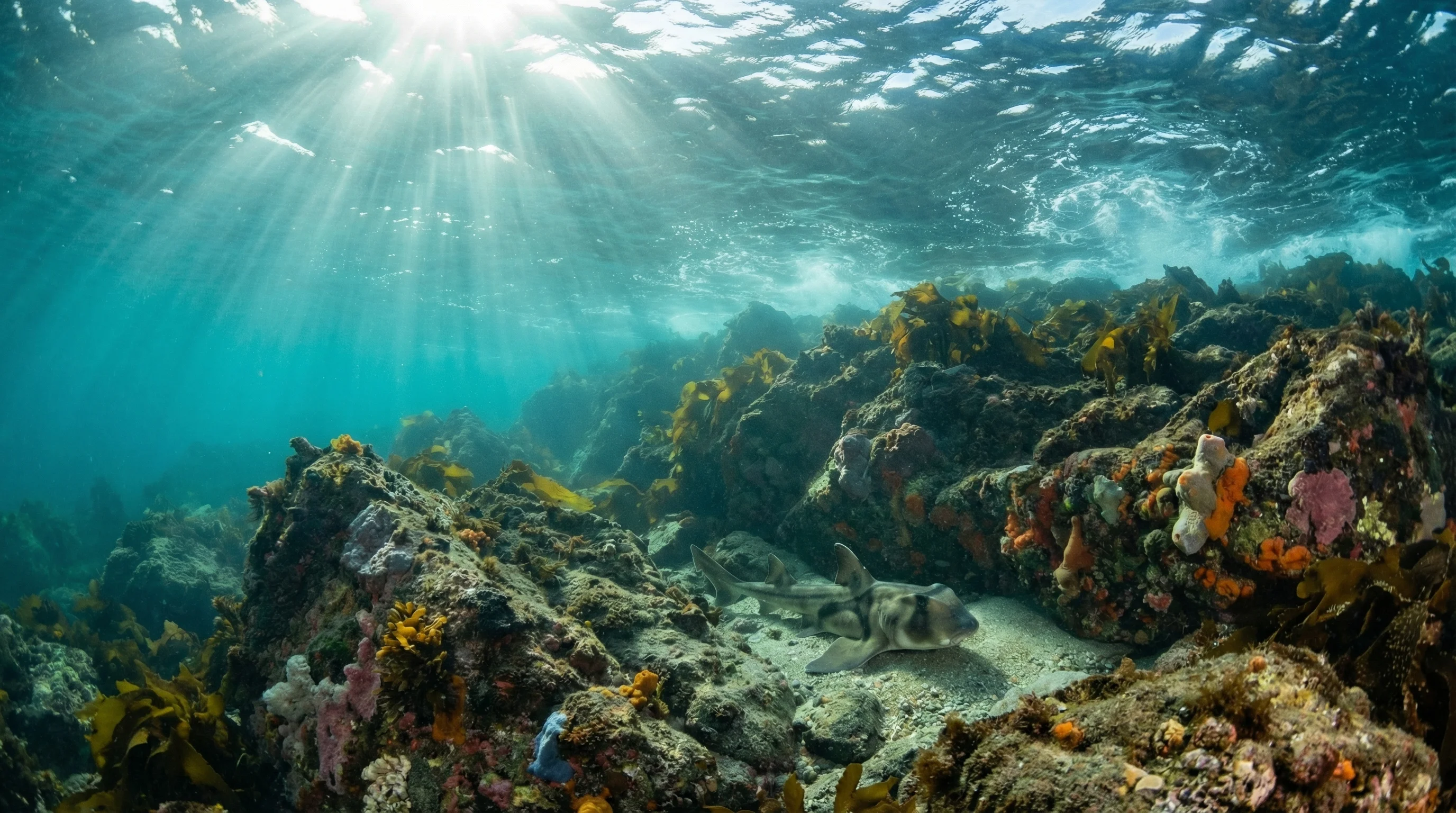
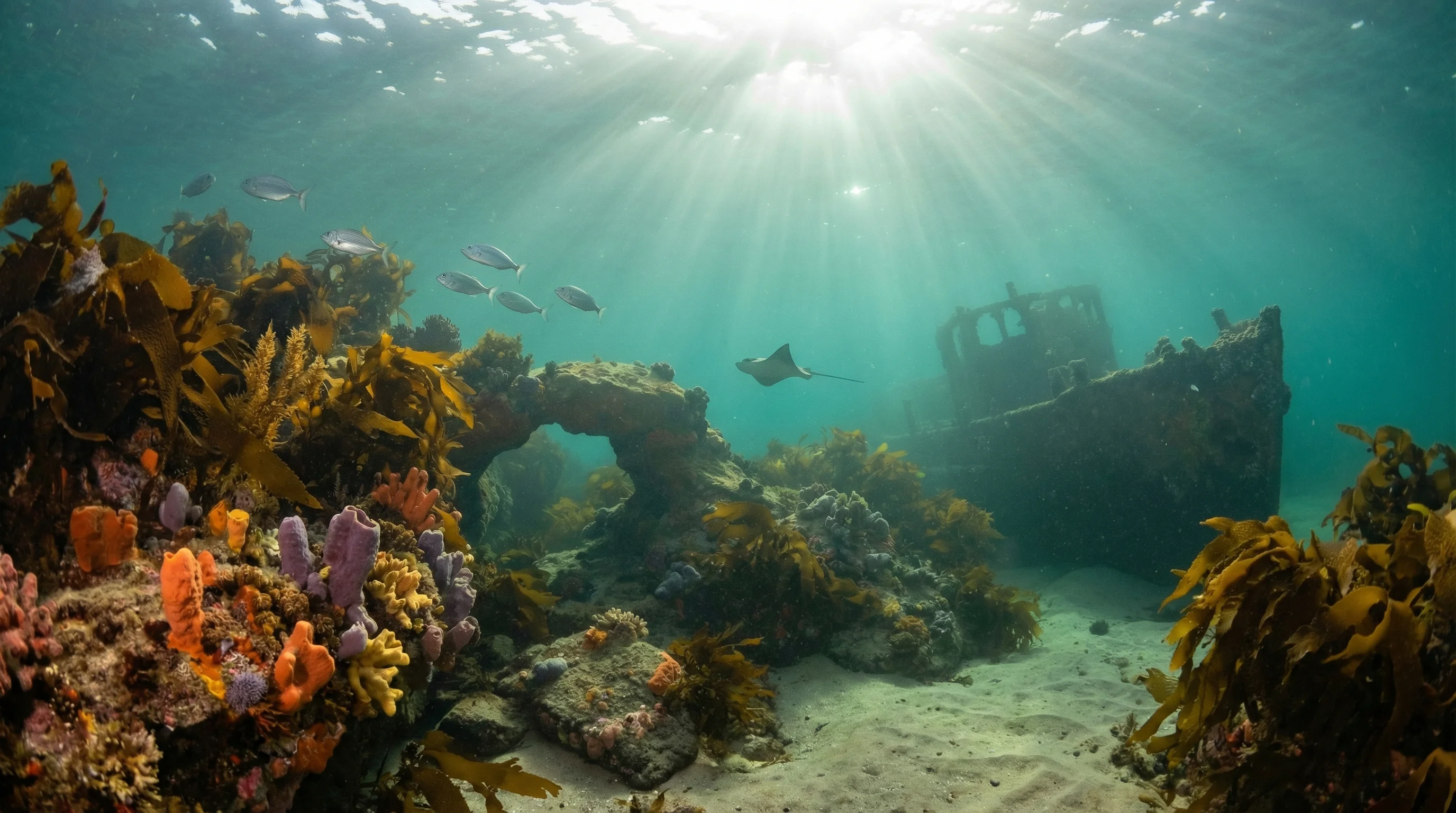
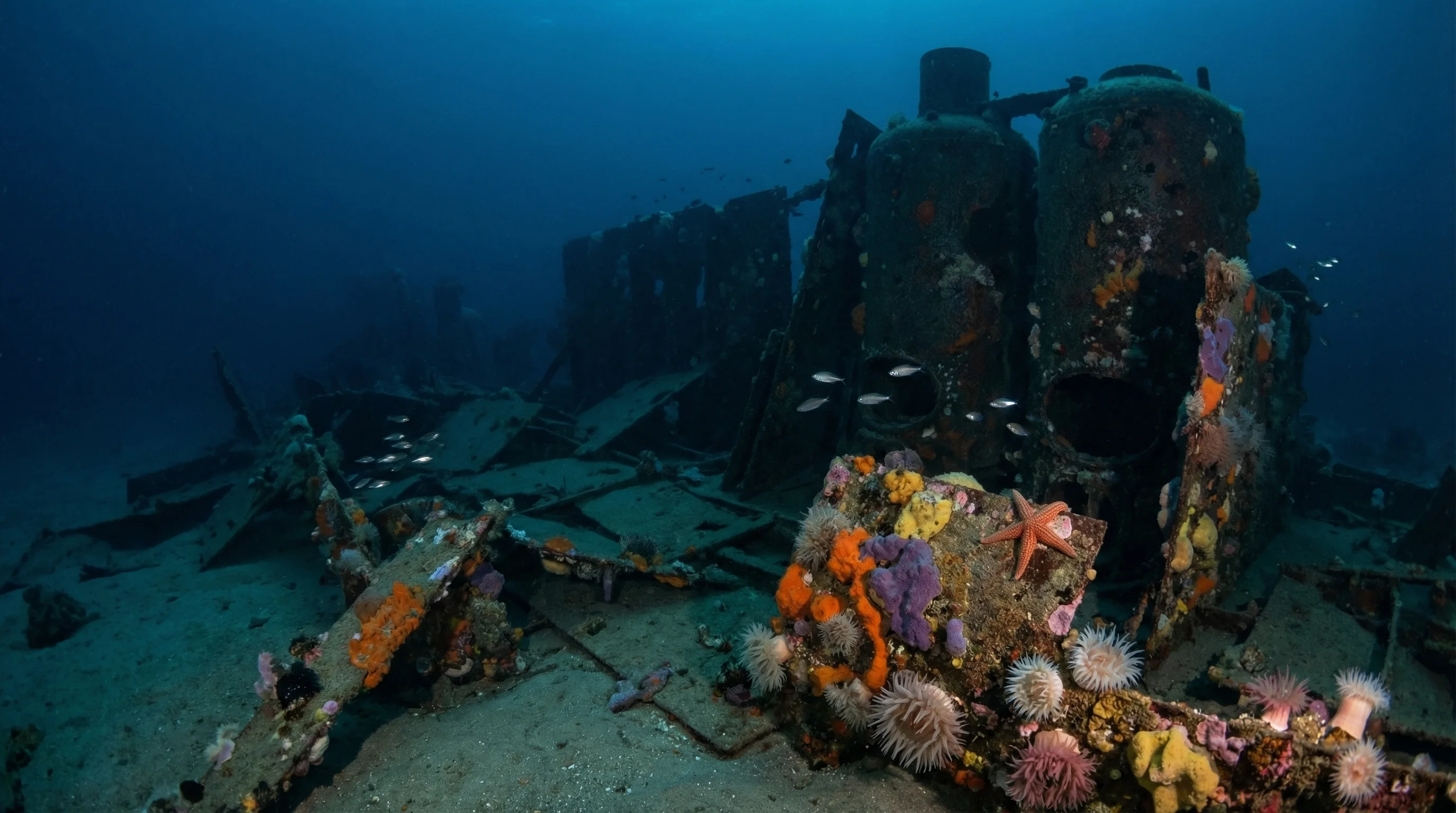
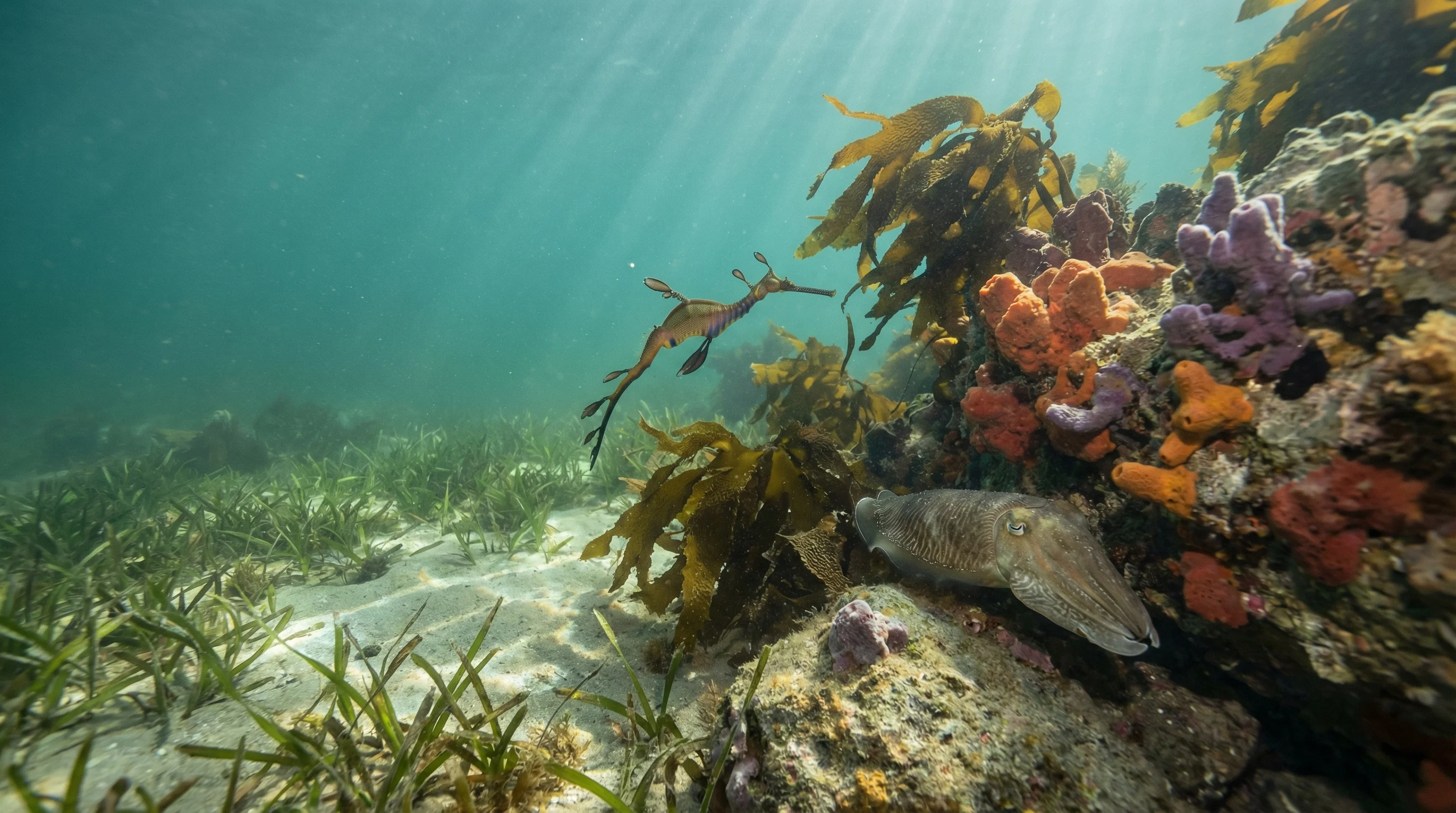
Addiscot Beach is a shore dive on the Mornington Peninsula featuring a diverse mix of reef structures, kelp forests, and seagrass beds. Depths range from 1 to 10 metres with an average of 5 metres. The site is suited for intermediate divers capable of managing moderate currents and potential rip currents. Visibility varies significantly between 3 and 20 metres. Water temperatures remain cold year-round, ranging from 13C to 19C, necessitating appropriate thermal protection. Entry is via the shore and requires careful timing with wave sets. Divers should remain cautious of unstable sandstone cliffs and avoid the bases. Parking is available at the site.
-38.38319, 144.25569
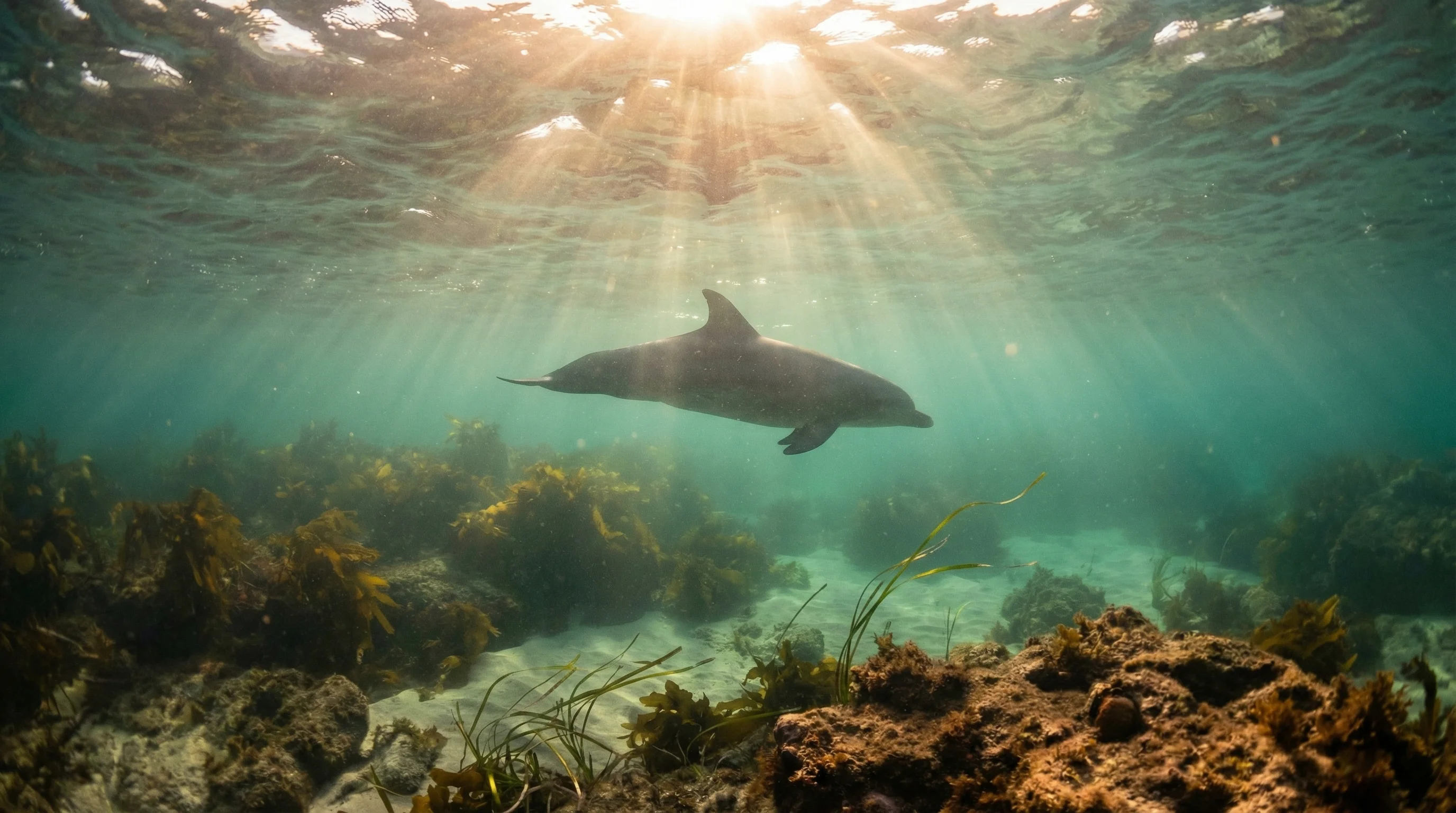
Visit between December and May when conditions tend to be calmer and Australian fur seals are more reliably encountered around the reef. Check the surf and rip current conditions carefully before entering, as the same features that make this site interesting can make it genuinely challenging on the wrong day.
The site is accessed via the Point Addis car park at the end of Point Addis Road, off the Great Ocean Road. A track leads from the car park down approximately 20m of bluffs to the southern end of the beach. Snorkelers can then walk east along the beach to enter near Jarosite Reef.
Recorded at this site
Depth
Up to 10m
Visibility
3-20m
Skill Level
Intermediate
Entry
Shore
Water Temp
13-19°C
Current
Moderate
Best Time
Jan, Feb, Mar, Apr, May, Dec
No, this site is rated for intermediate divers due to the presence of moderate currents, rip currents, and the requirement to time shore entries with wave sets.
The site features depths ranging from 1 to 10 metres, with an average depth of 5 metres.
Snorkelling is not recommended at Addiscot Beach, which holds a 1/5 rating for the activity due to challenging surf and current conditions.
The best months to dive are from December through May, when sea conditions are typically calmer.
Addiscot Beach is a shore dive. Entry and exit require careful assessment of surf and rip current conditions.
Diving at Addiscot Beach in Mornington Peninsula requires the following certifications: Open Water. Always dive within your training limits.
A 7mm wetsuit or semi-dry is recommended for diving at Addiscot Beach in Mornington Peninsula. Water temperatures range from 13°C to 19°C.
Expect moderate currents at Addiscot Beach in Mornington Peninsula. Good buoyancy control and some drift diving experience is helpful.
Visibility at Addiscot Beach in Mornington Peninsula typically ranges from 3 metres to 20 metres. Conditions vary with weather, tides, and seasons.