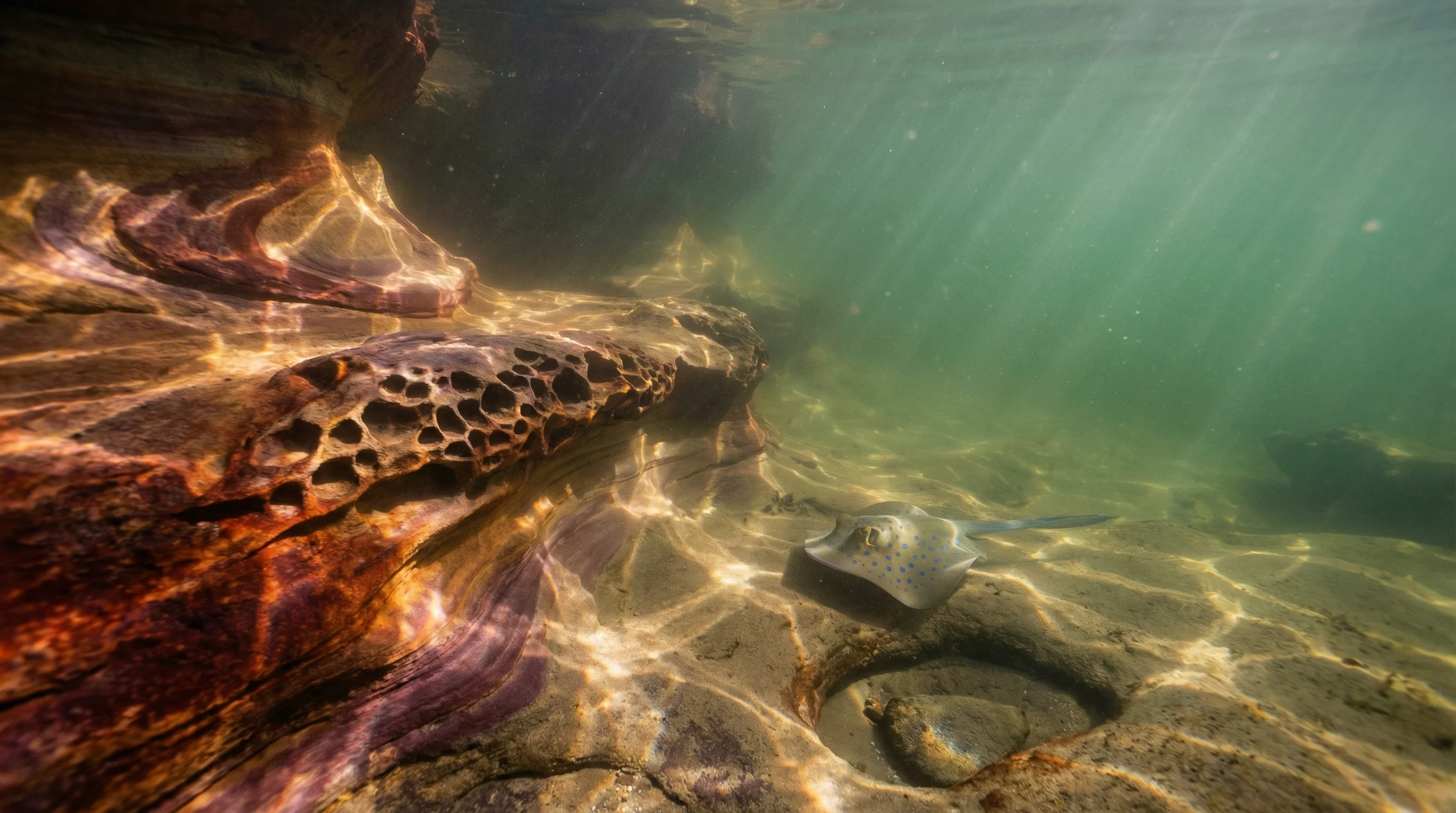
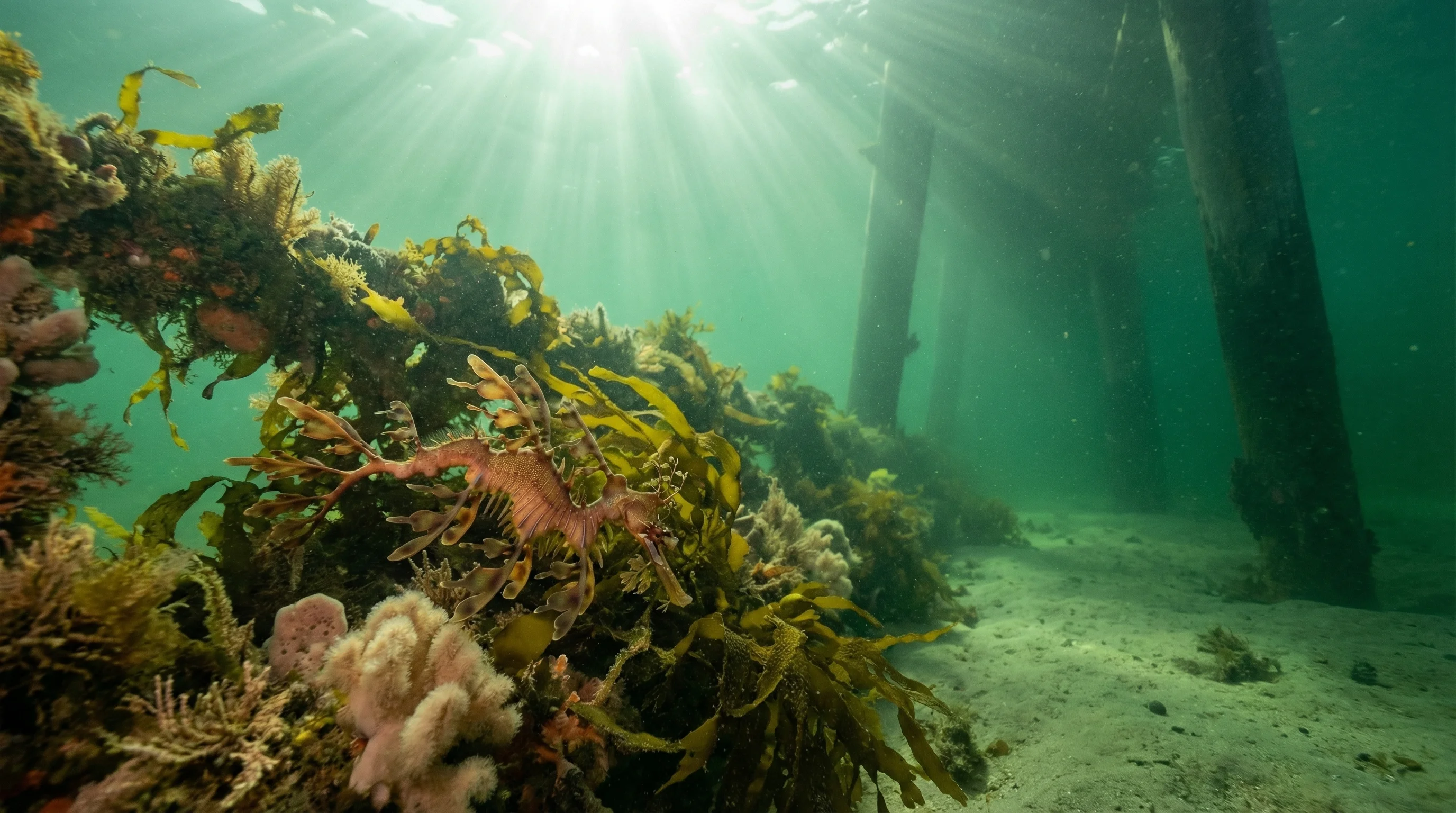
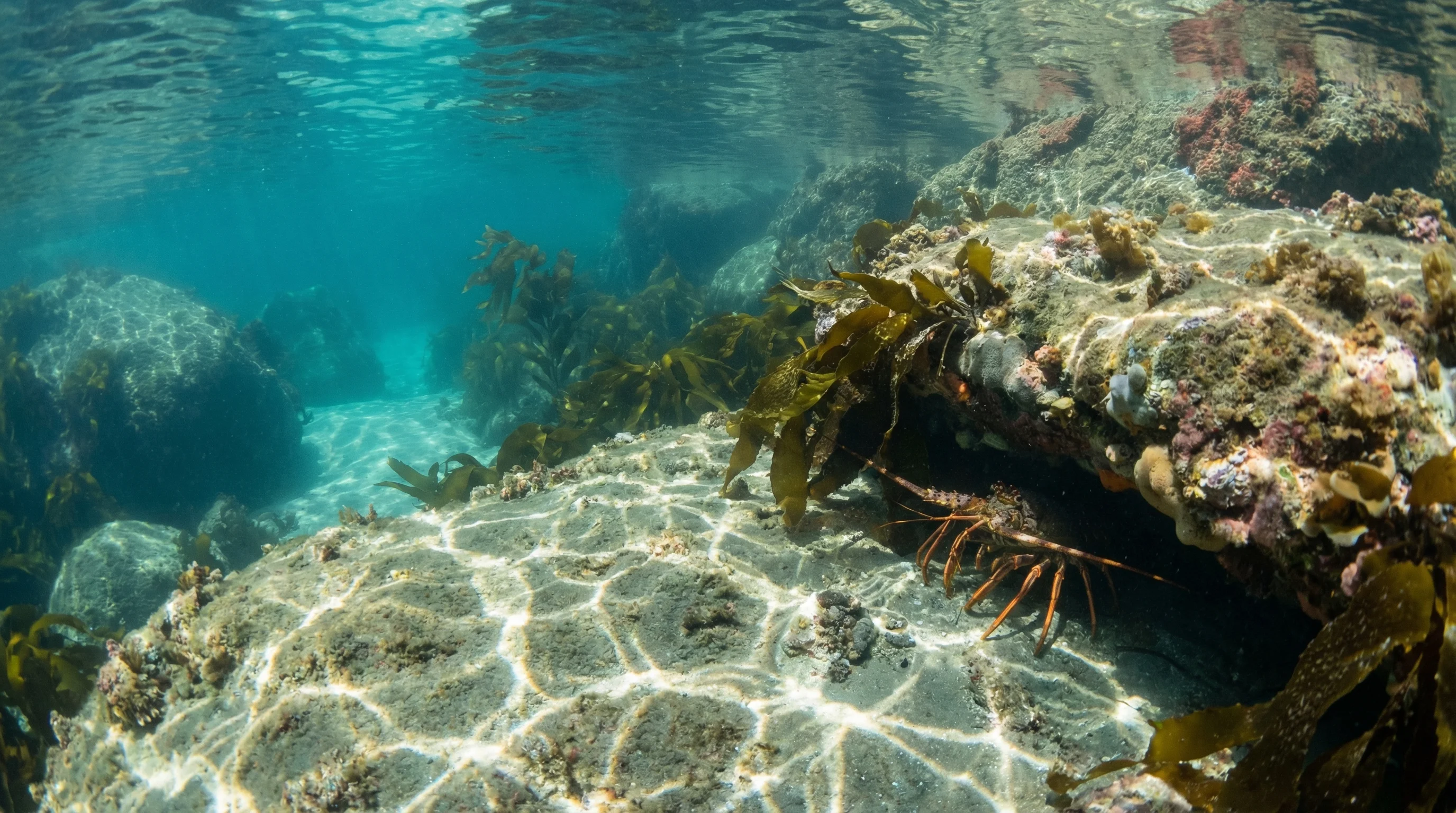
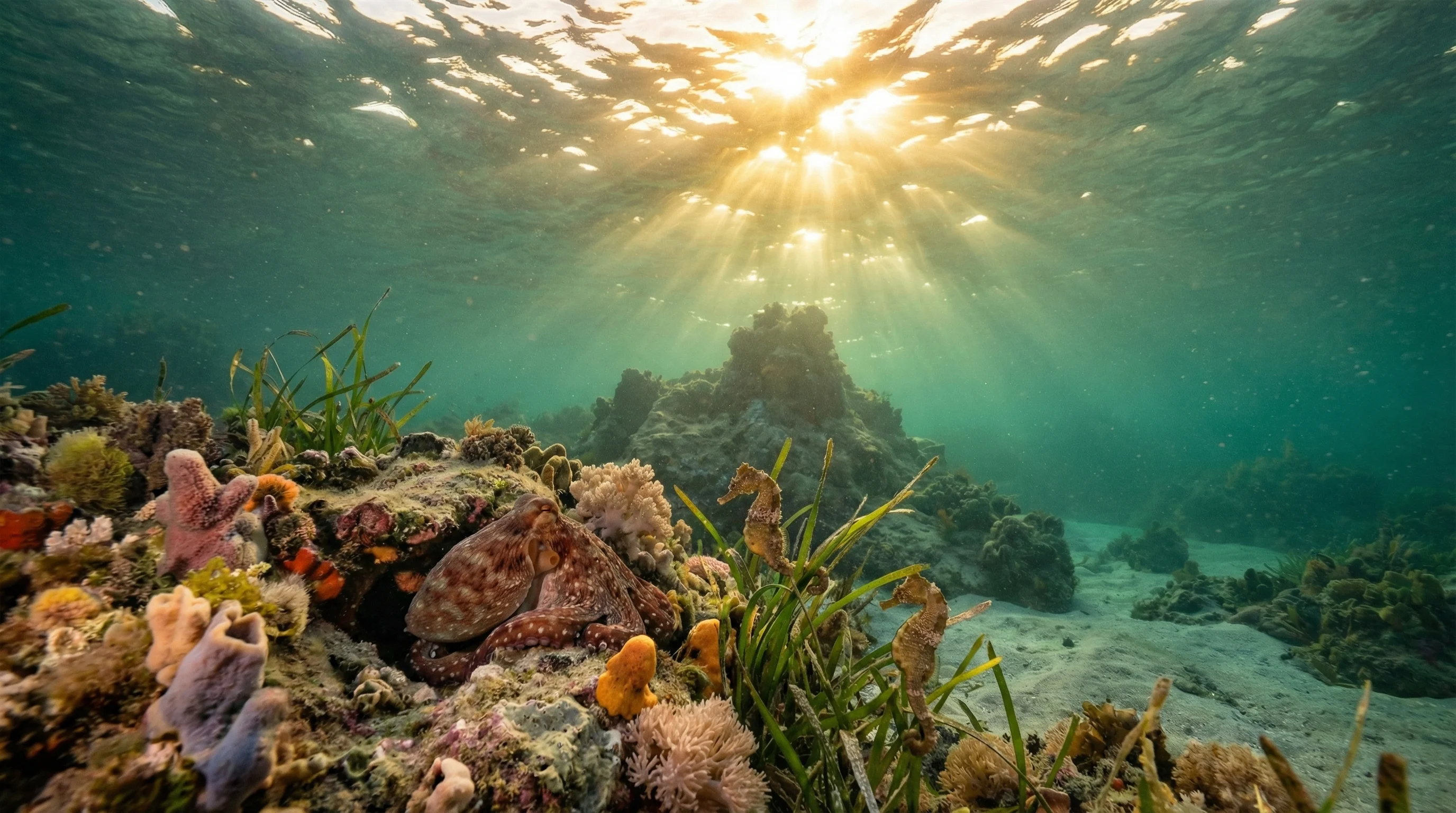
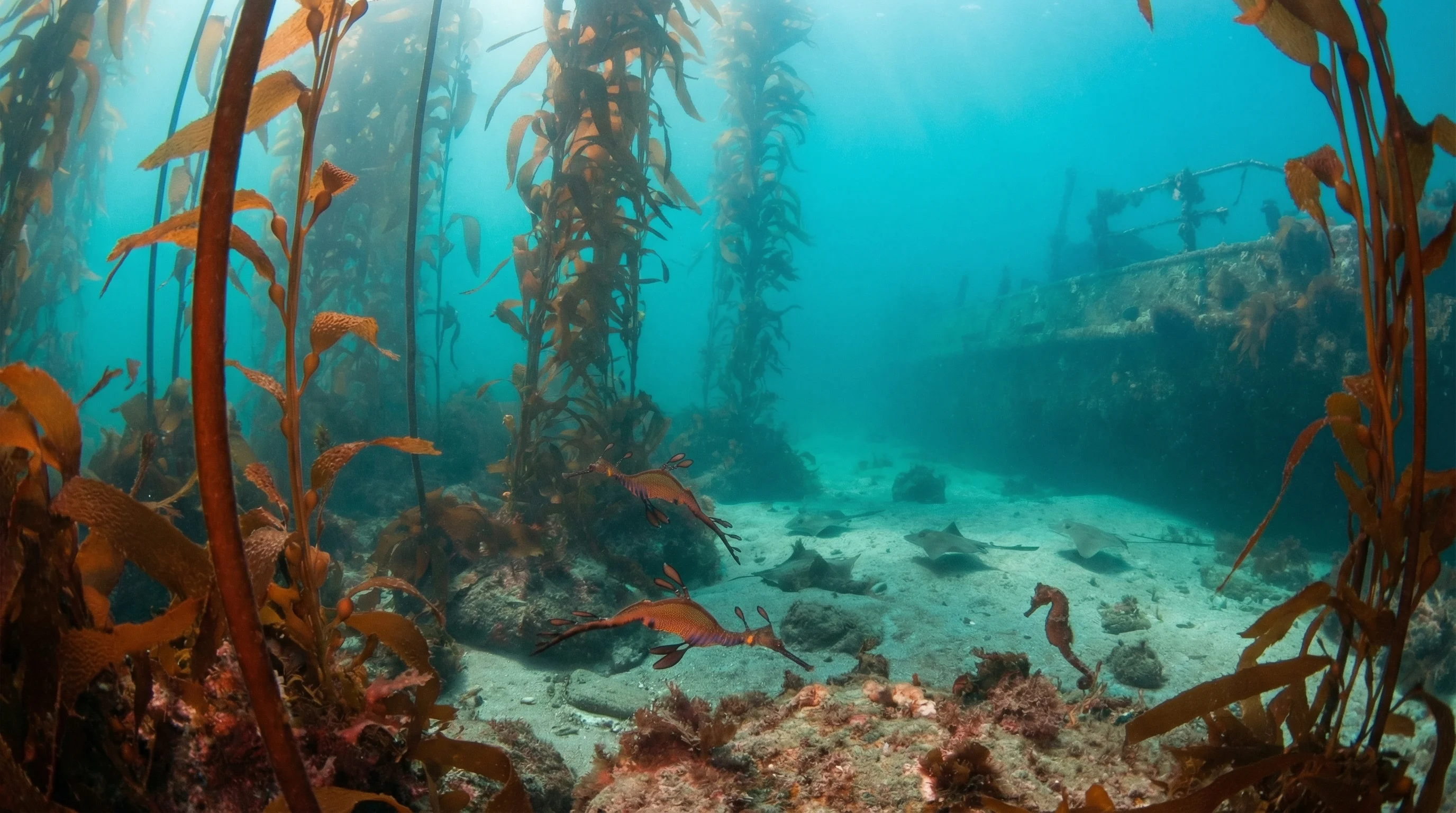
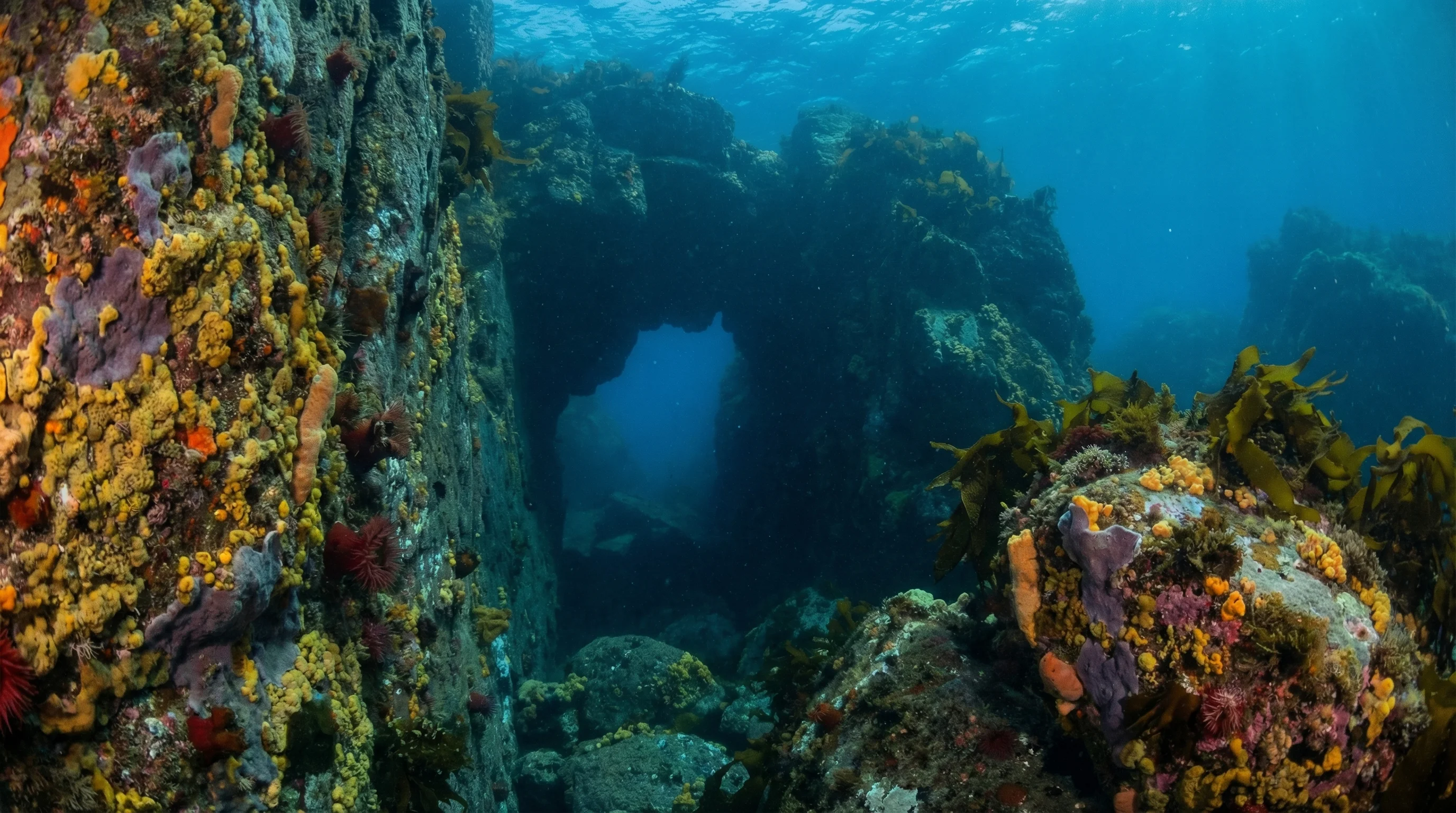
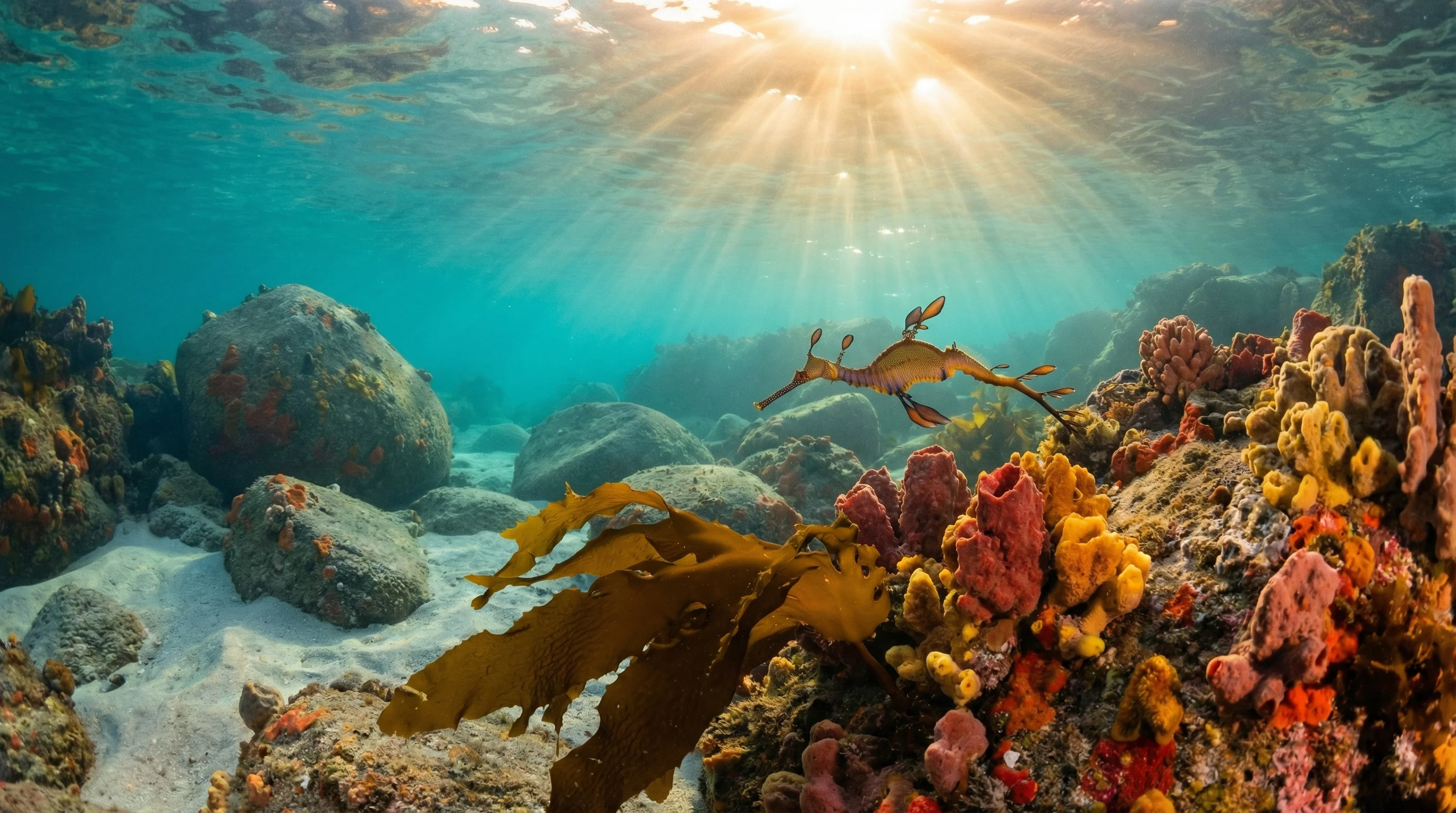
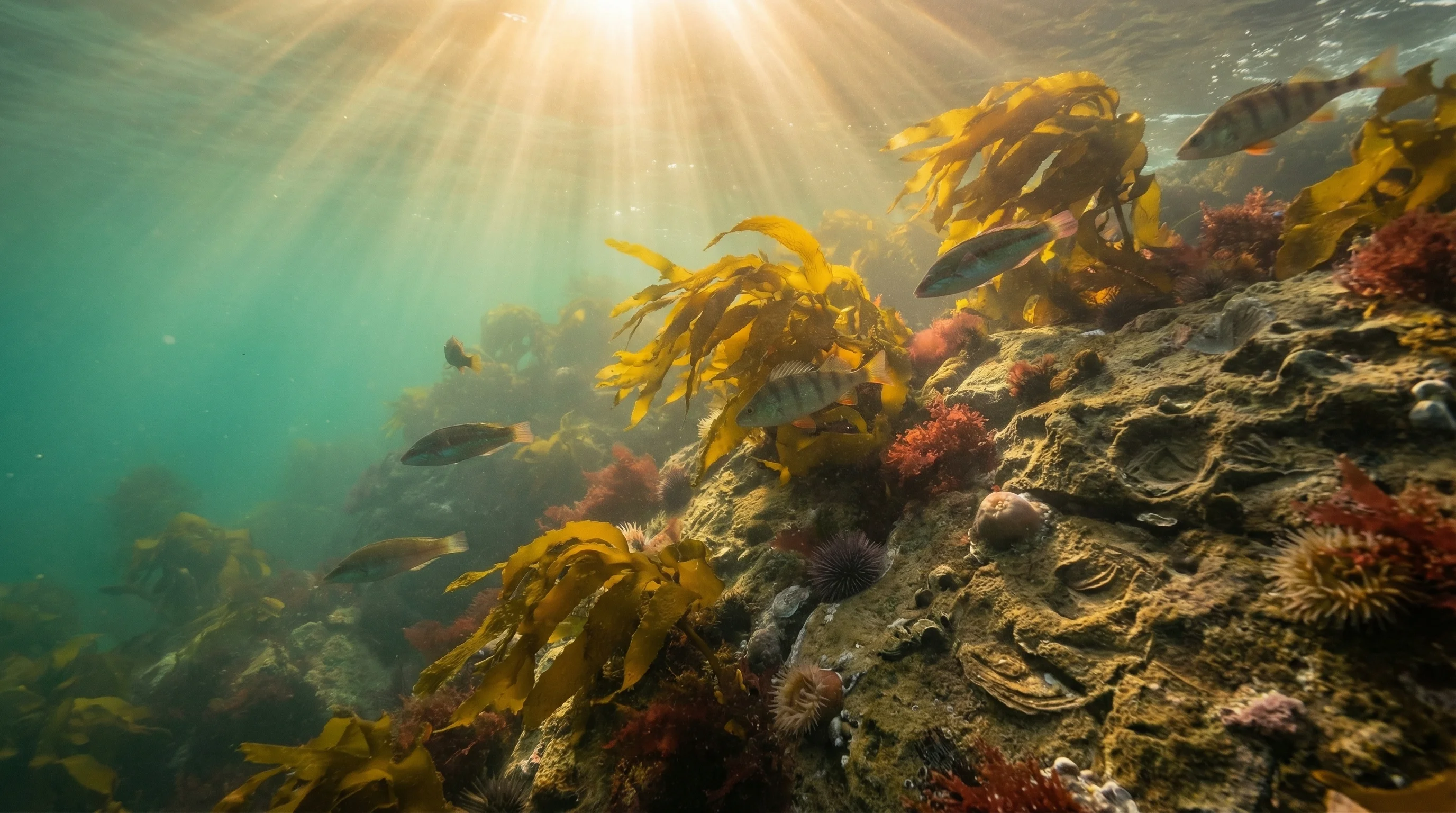
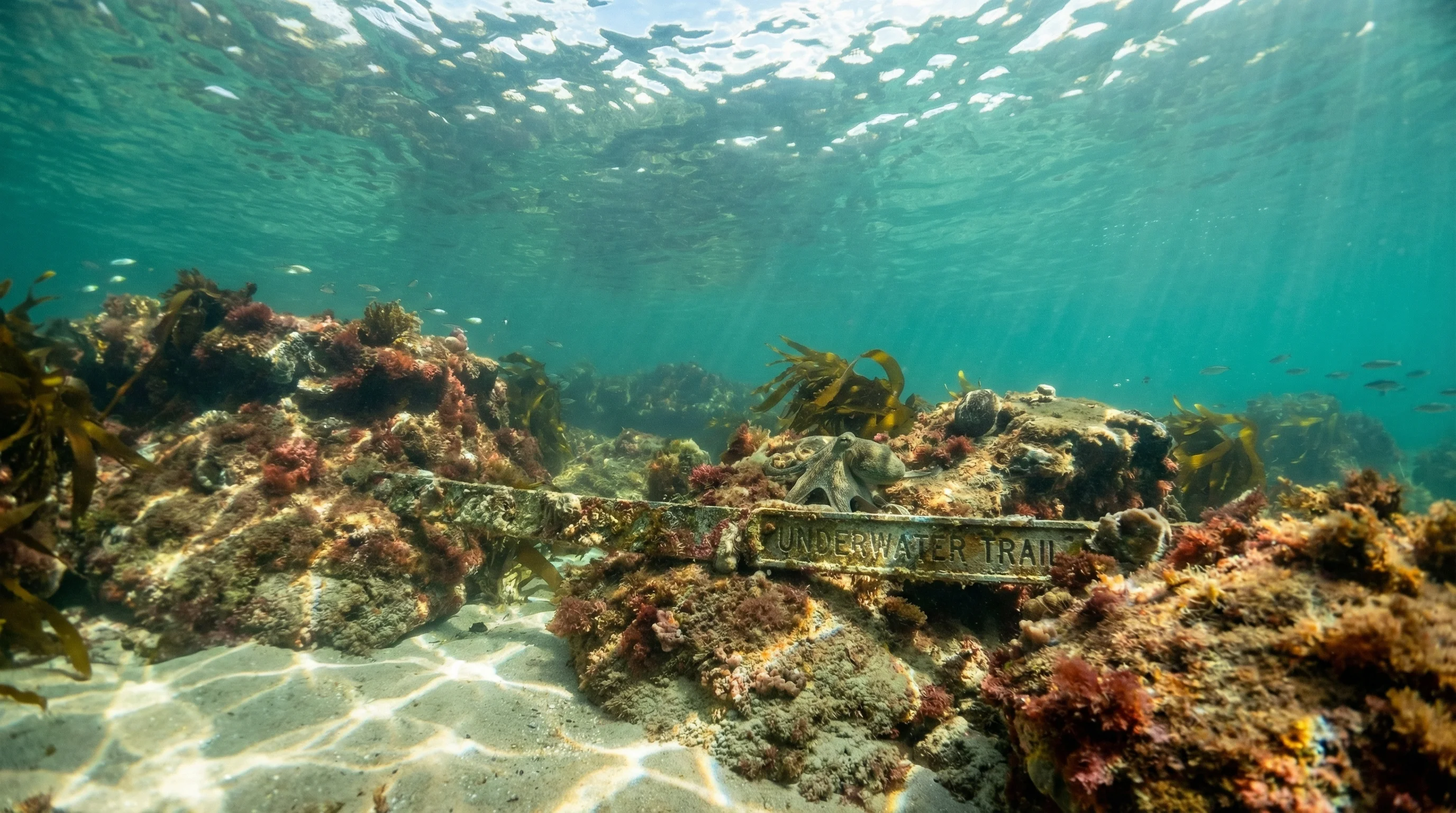
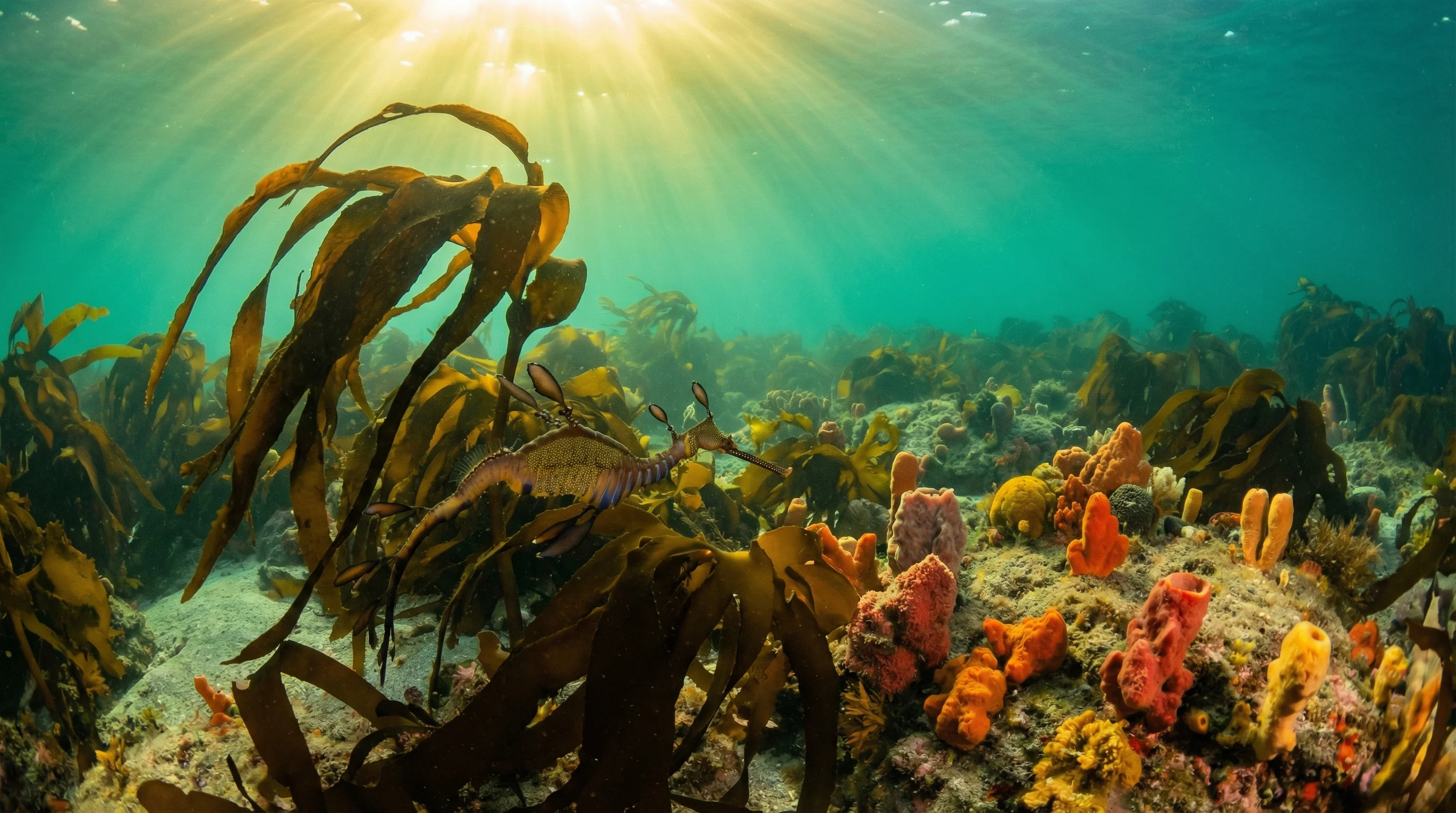
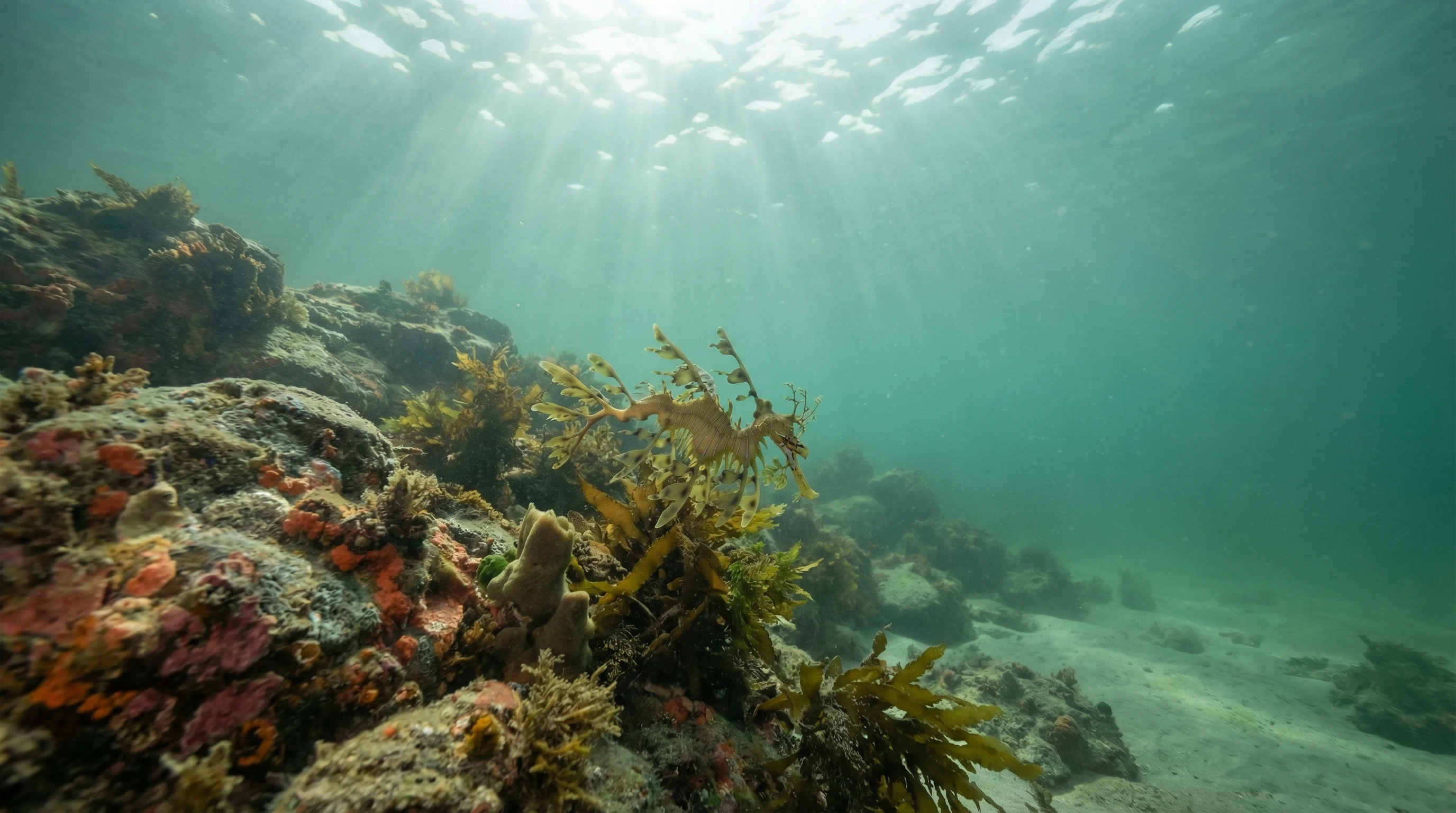
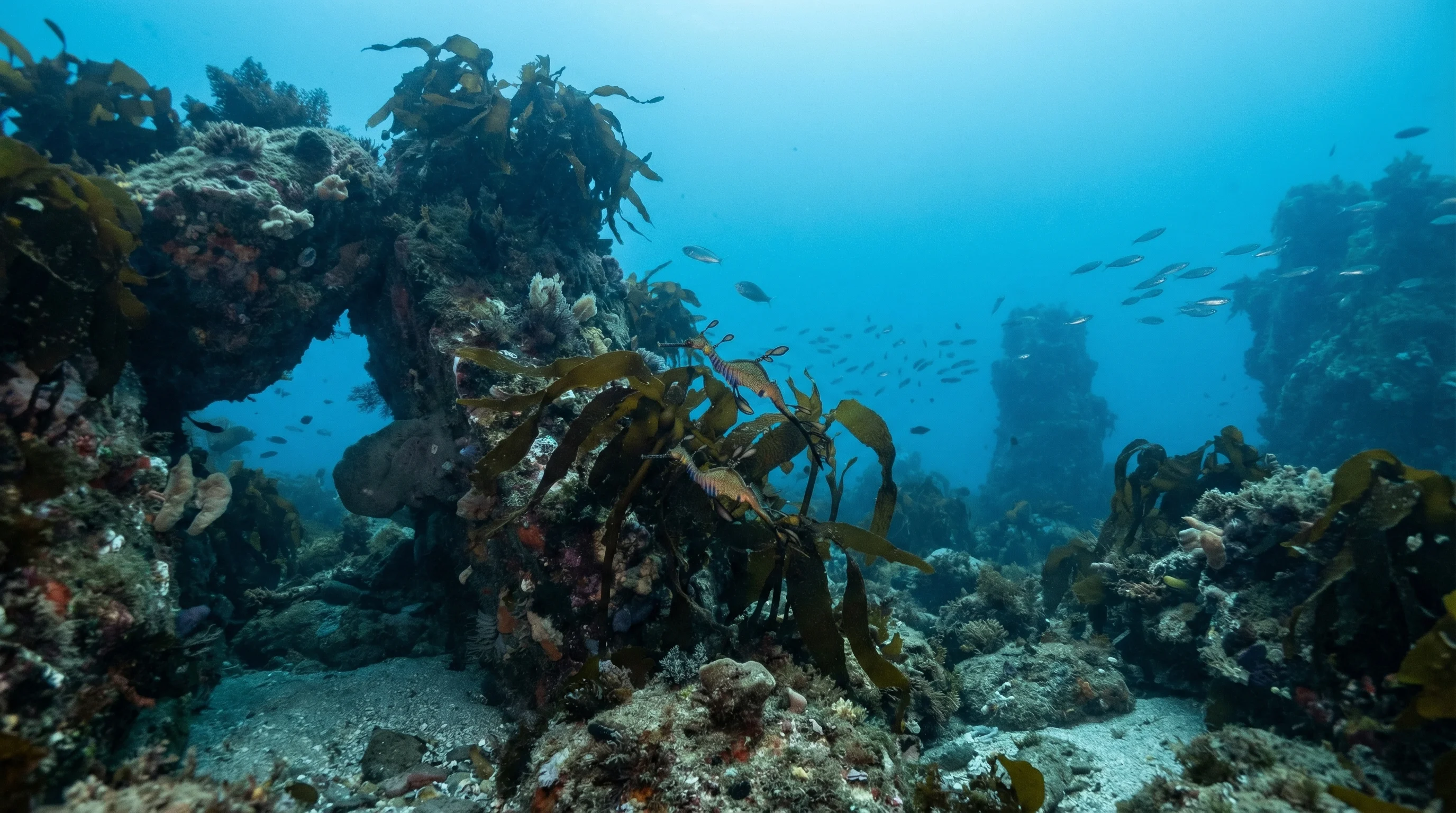
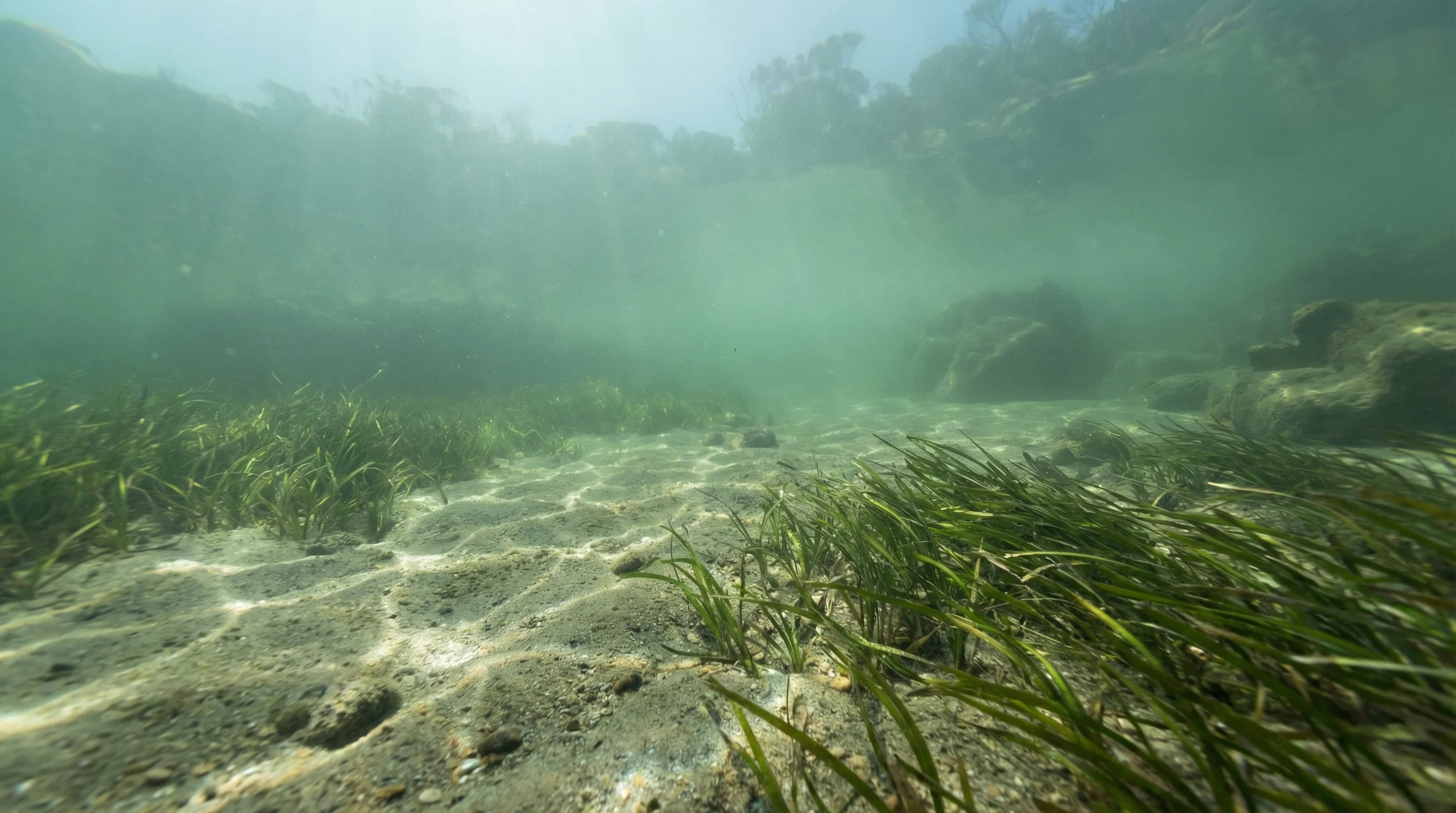
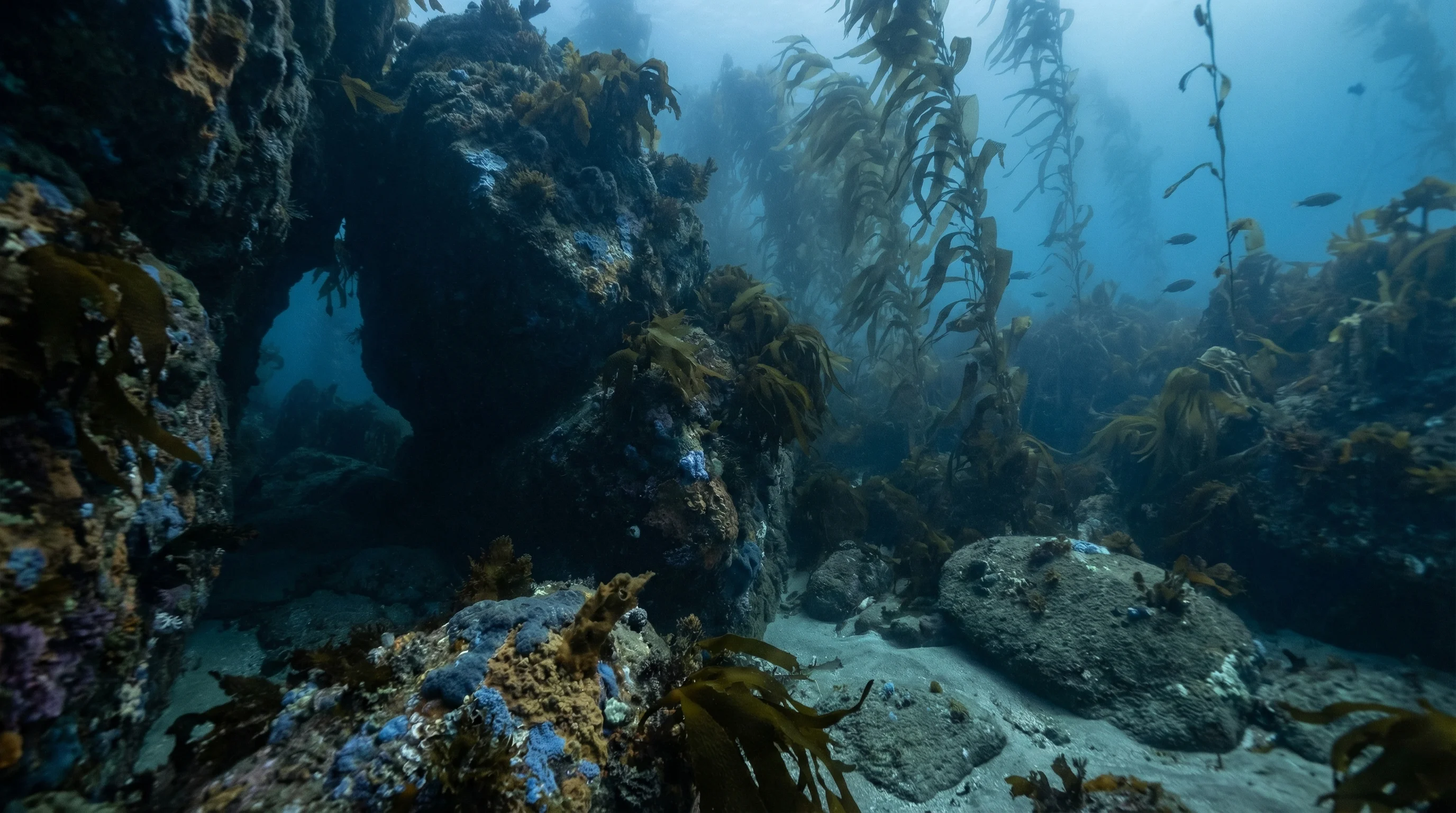
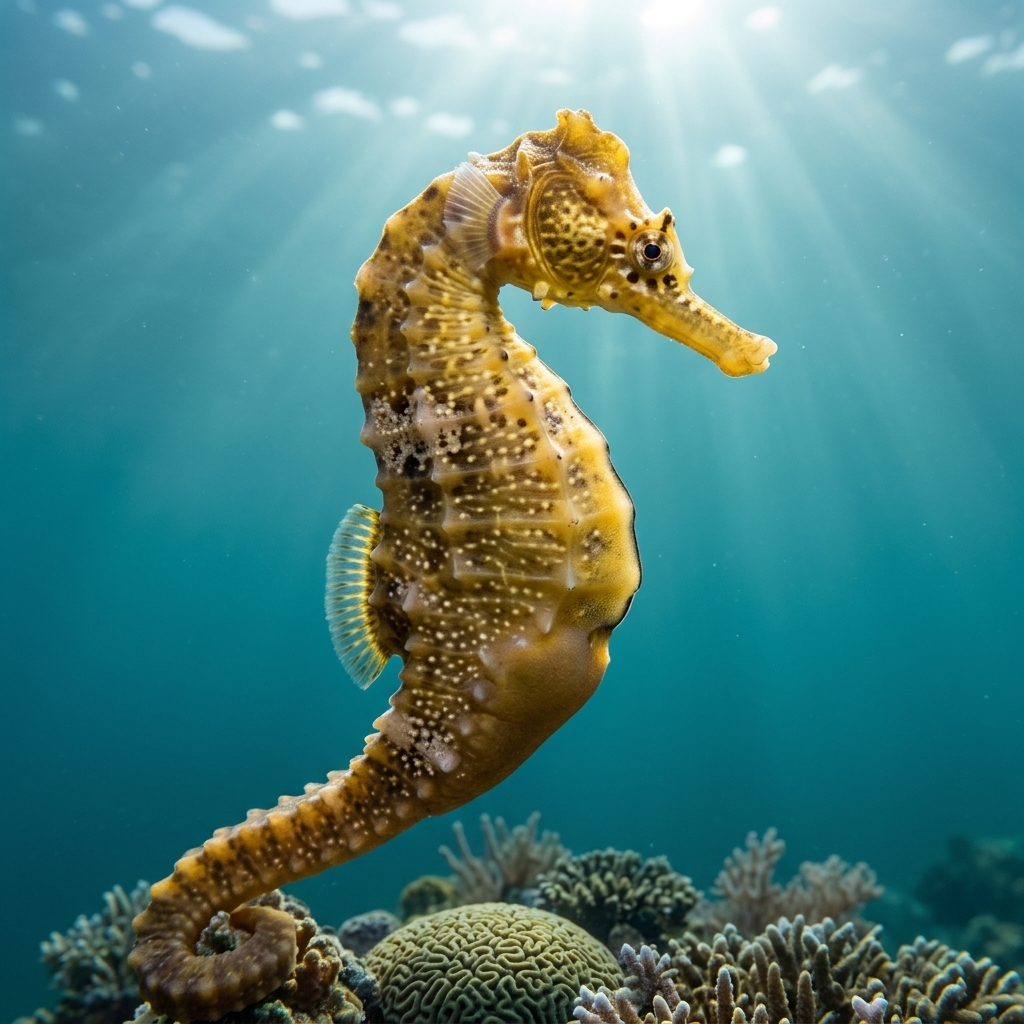
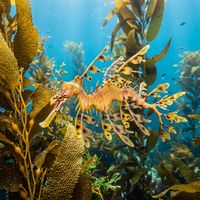
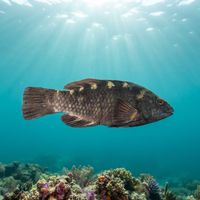
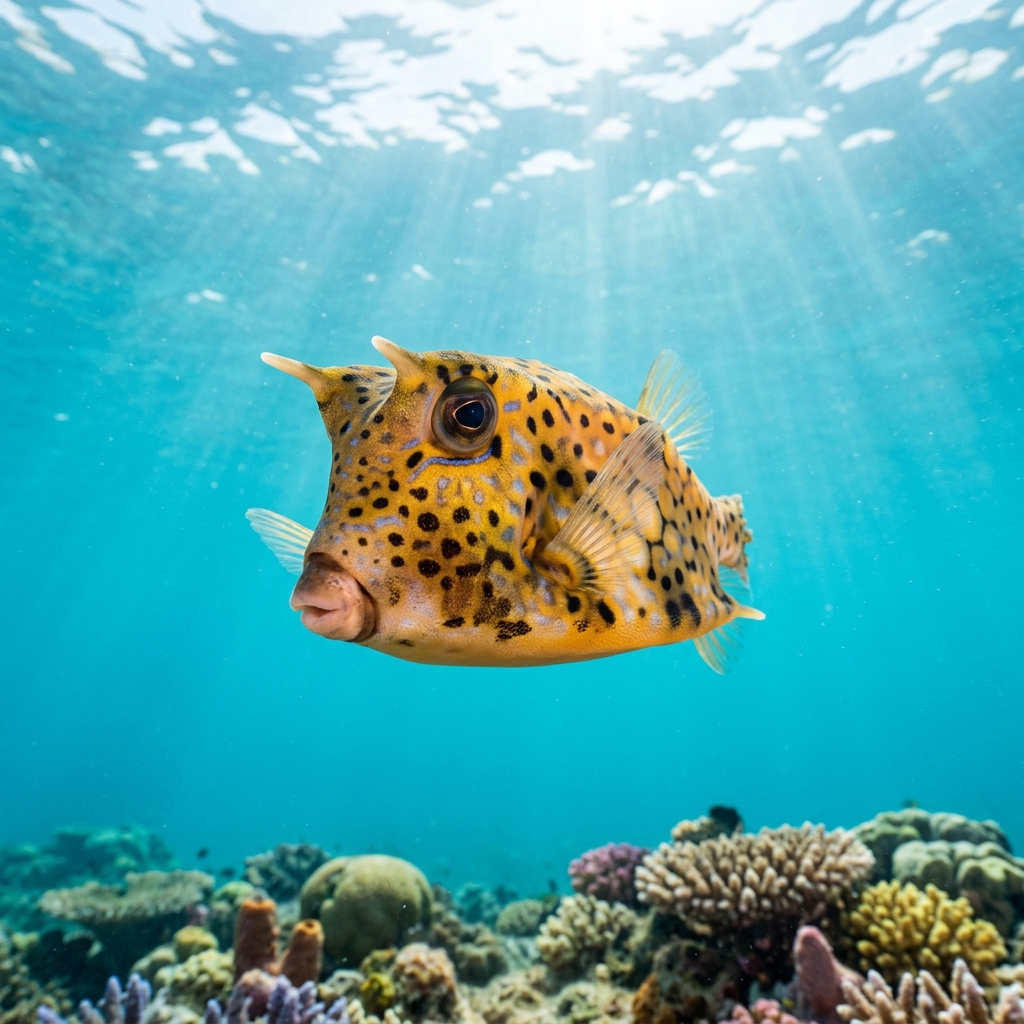
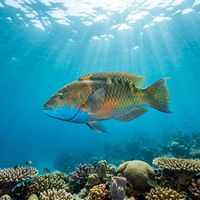
Fortescue Bay offers a compact but varied underwater experience on the Tasman Peninsula. Shore access at the bay itself suits beginners, with reef, kelp forest and a wreck all reachable without a boat. Waterfall Bay adds walls, caves and drop-offs for intermediate divers wanting more drama. The species list is rich in character: Weedy Seadragon, Pot-bellied Seahorse and Draughtboard Shark are all observed here, alongside abundant Banded Wrasse, Shaw's Cowfish and Southern Rock Lobster.
Monthly water temperature across Fortescue Bay's sites, from satellite sea-surface data corrected for depth. The band shows the site-to-site spread.
Water is at its warmest from late summer through early autumn, which coincides with the strongest diver preference for the area. Conditions cool steadily through winter and into spring, when temperatures reach their lowest. The best-months data points firmly toward the warmer half of the year, with summer months drawing the most visits.
8 more sites to explore
Water temperature around Fortescue Bay ranges from about 12°C in August to 18°C in March, based on satellite sea-temperature data for its dive sites.
In the warm season (about 18°C) a 5mm suit is comfortable in Fortescue Bay; in the coldest months (about 12°C) step up to a 7mm or semi-dry suit.
Fin maps 10 sites in Fortescue Bay (10 scuba diving sites and 6 snorkelling spots, with some suited to both).
Across Fortescue Bay's dive sites, January, February, March and December are most often reported as the best months to visit.
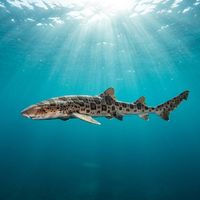
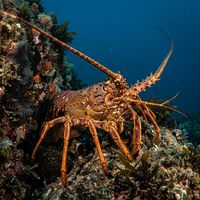
Fortescue Bay has a strong cast of observed species. The Weedy Seadragon and Pot-bellied Seahorse are signature sightings, while the Slender-spined Porcupine Fish and Banded Wrasse are seen across nearly every site. Draughtboard Shark and Southern Rock Lobster are regularly encountered, and the occasional Eagle Ray passes through.
The main Fortescue Bay shore site is rated beginner level, with shallow reef, kelp forest and a wreck all reachable from the beach. Waterfall Bay, which involves boat access and includes walls, caves and drop-offs, is better suited to intermediate divers. The mix means the area caters to a range of experience levels.
The central bay site is a shore dive, making it easy to visit independently. Waterfall Bay requires a boat. Local operators Tasmanian Divers and Eaglehawk Dive Centre both service the area and can arrange guided boat dives to the more exposed sites.
Fortescue Bay itself is a sheltered shore dive with mixed terrain including kelp forest and a wreck, ideal for those building experience. Waterfall Bay is a more demanding boat dive featuring walls, caves and drop-offs at greater depth. Together they offer a satisfying range within a single visit to the area.