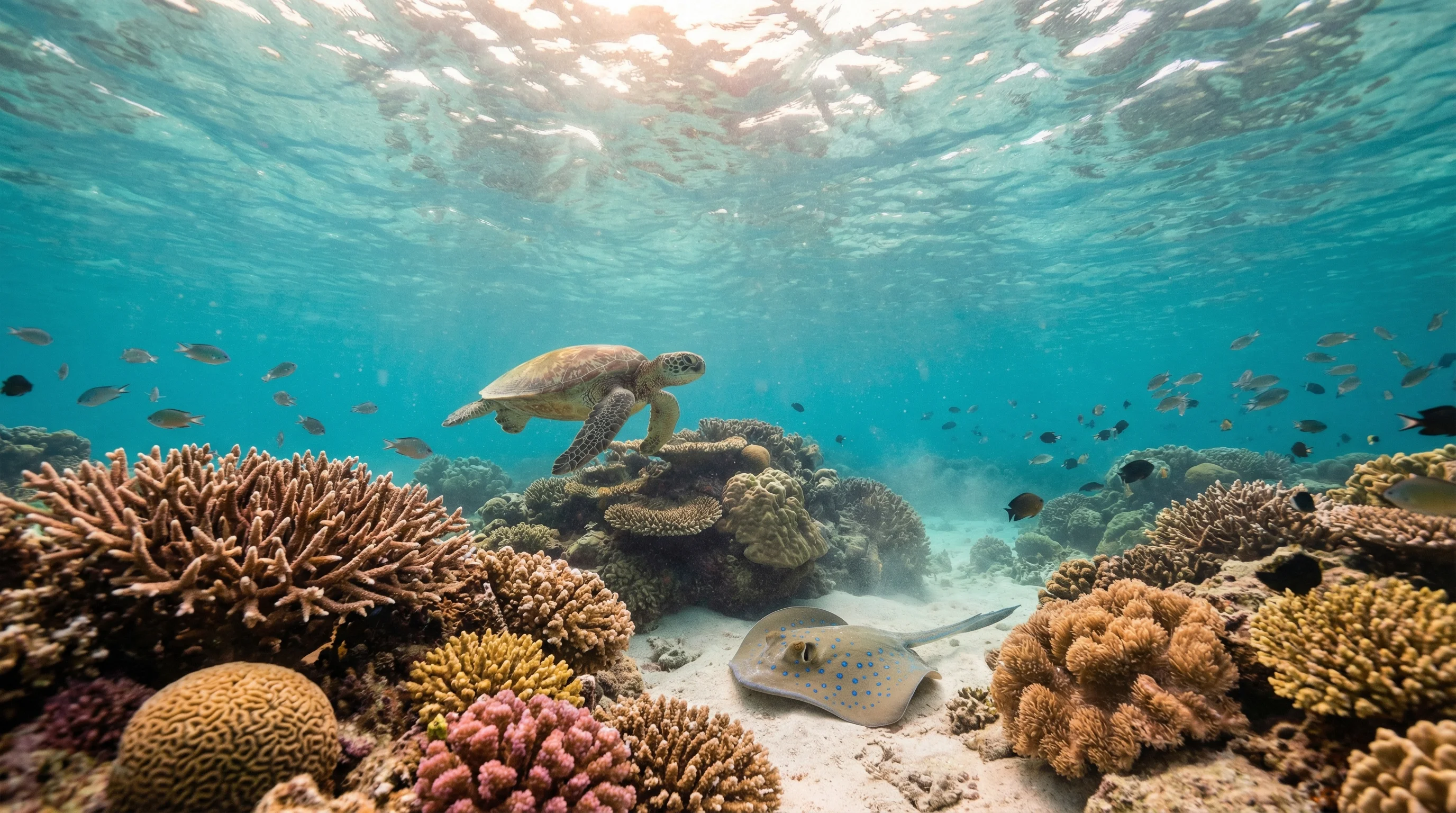
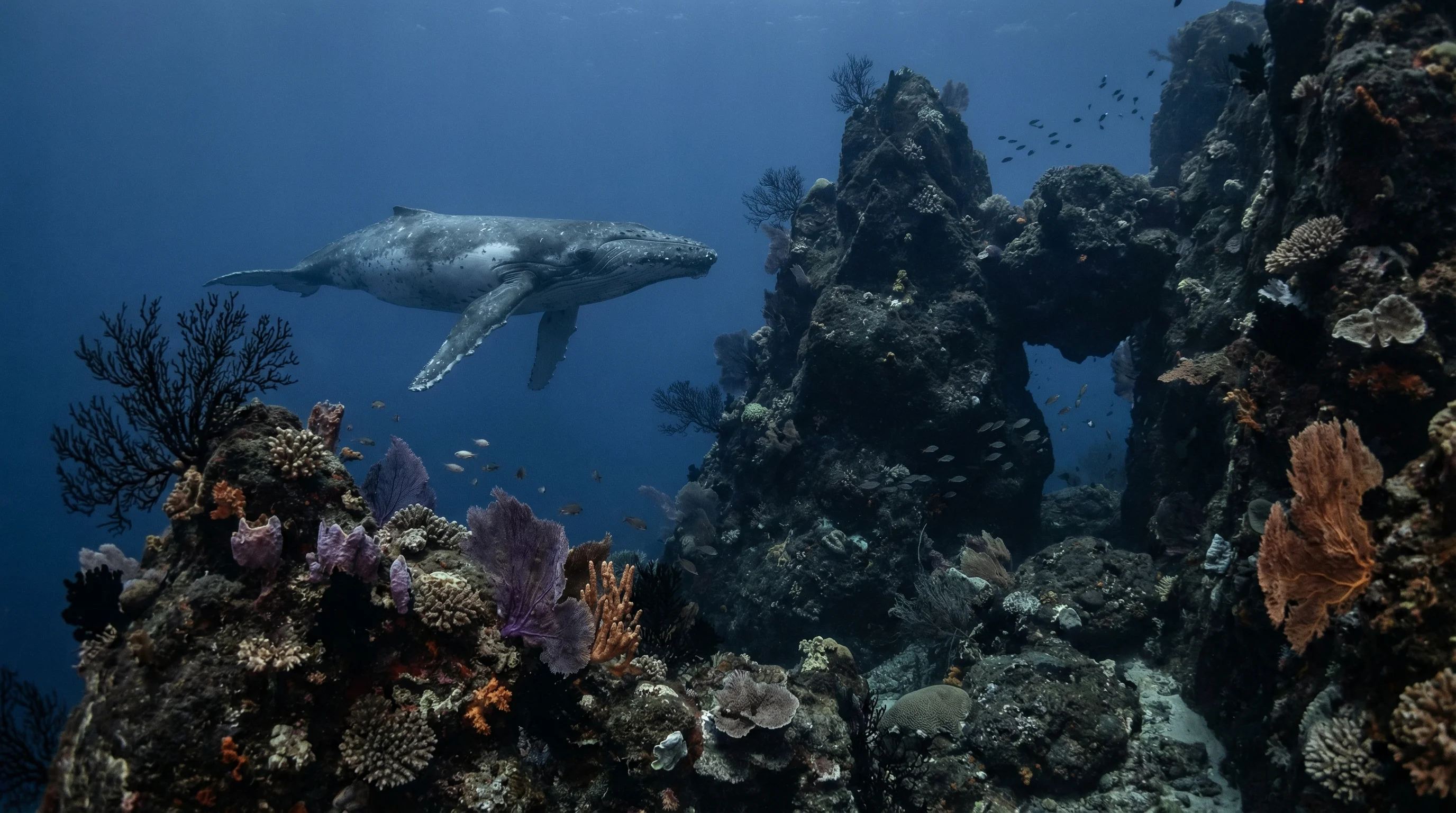
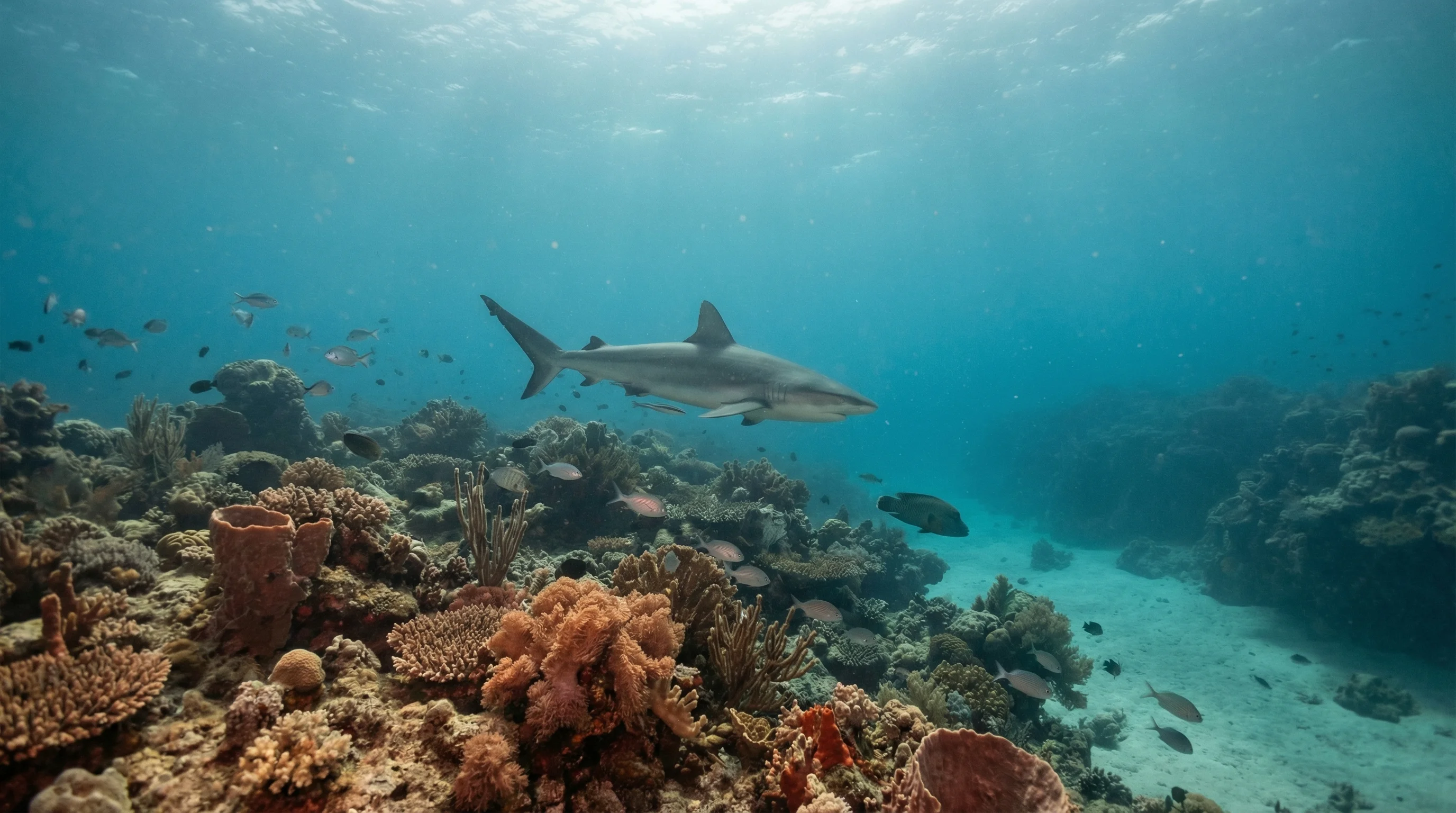
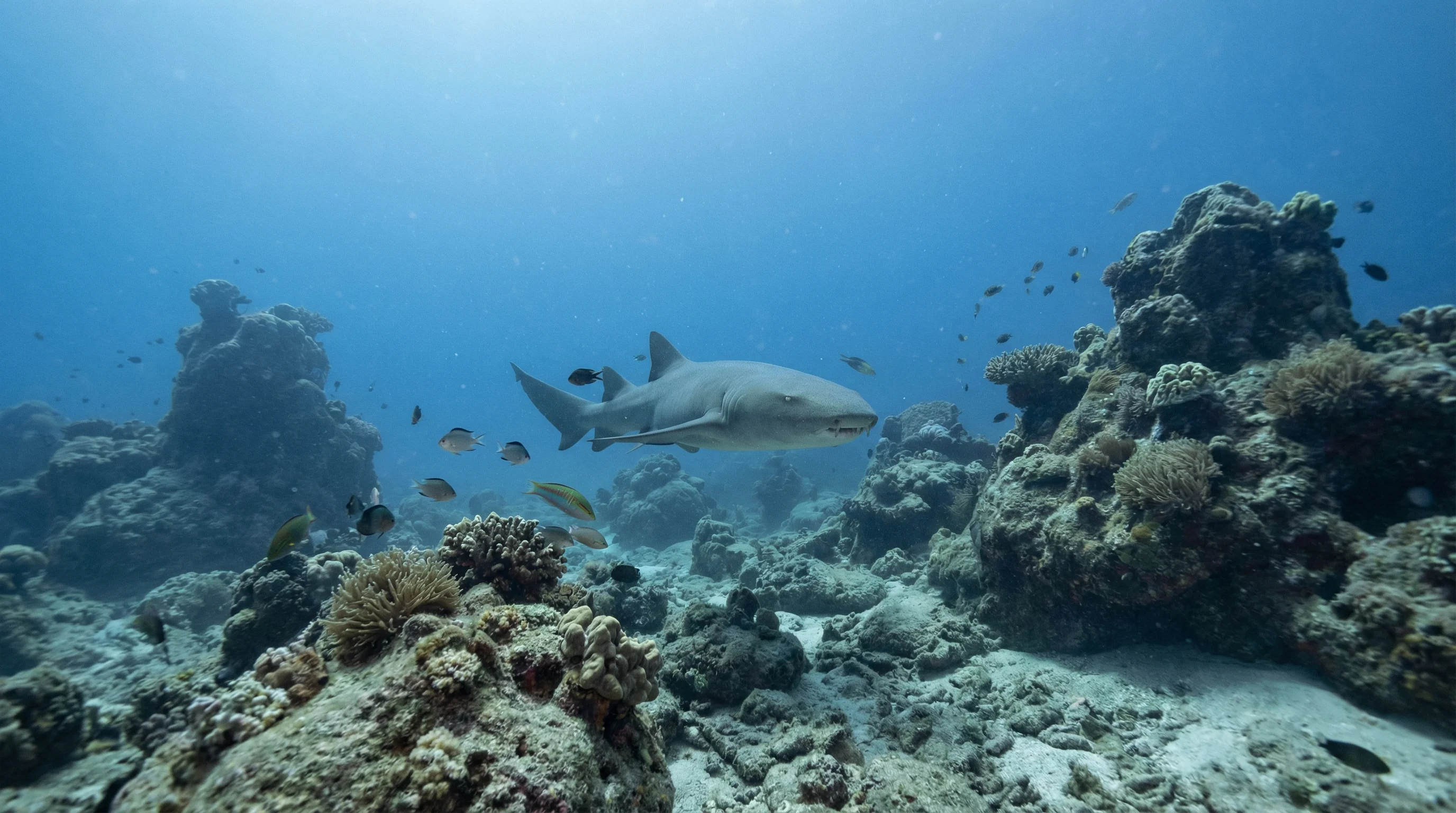
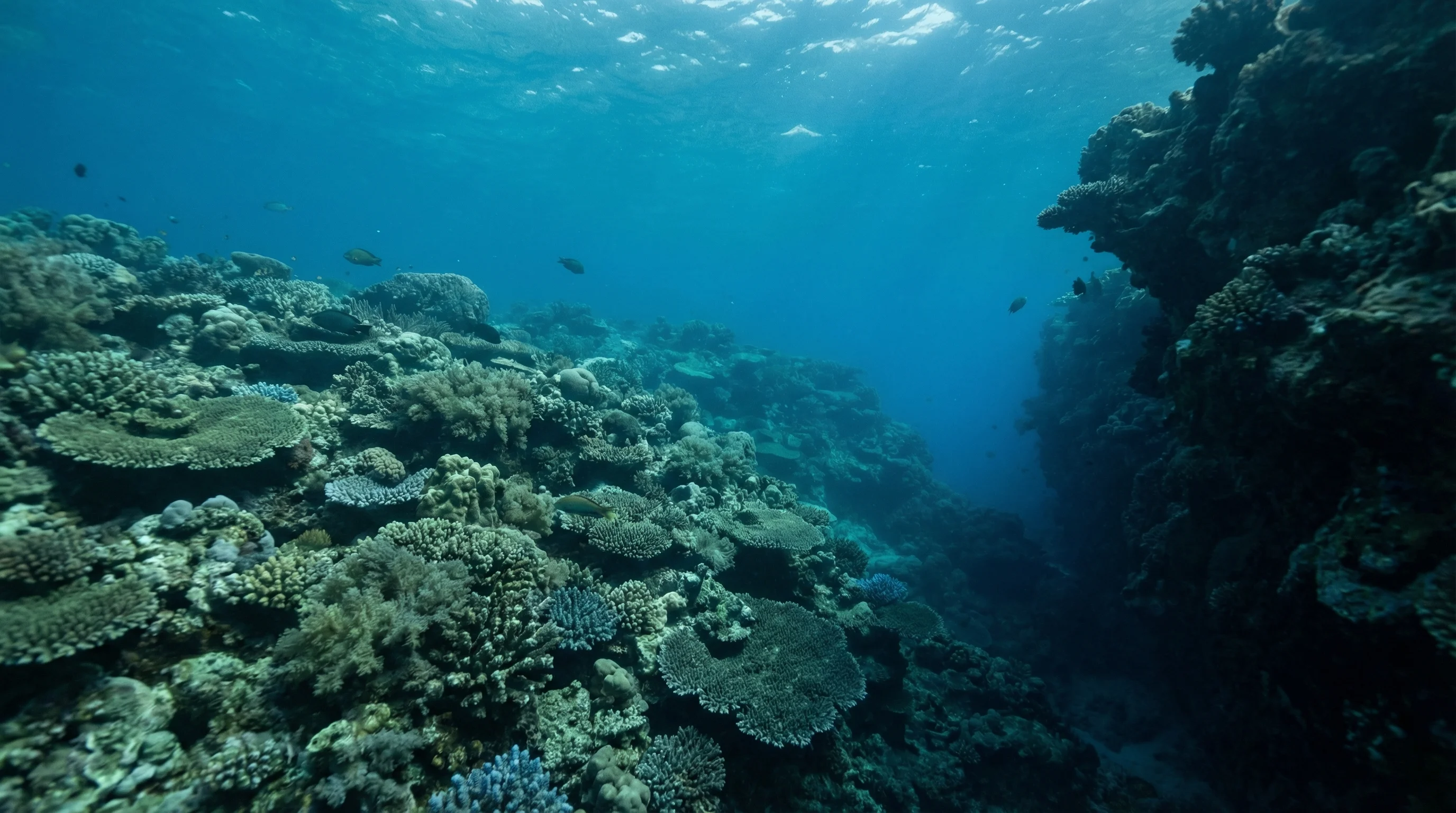
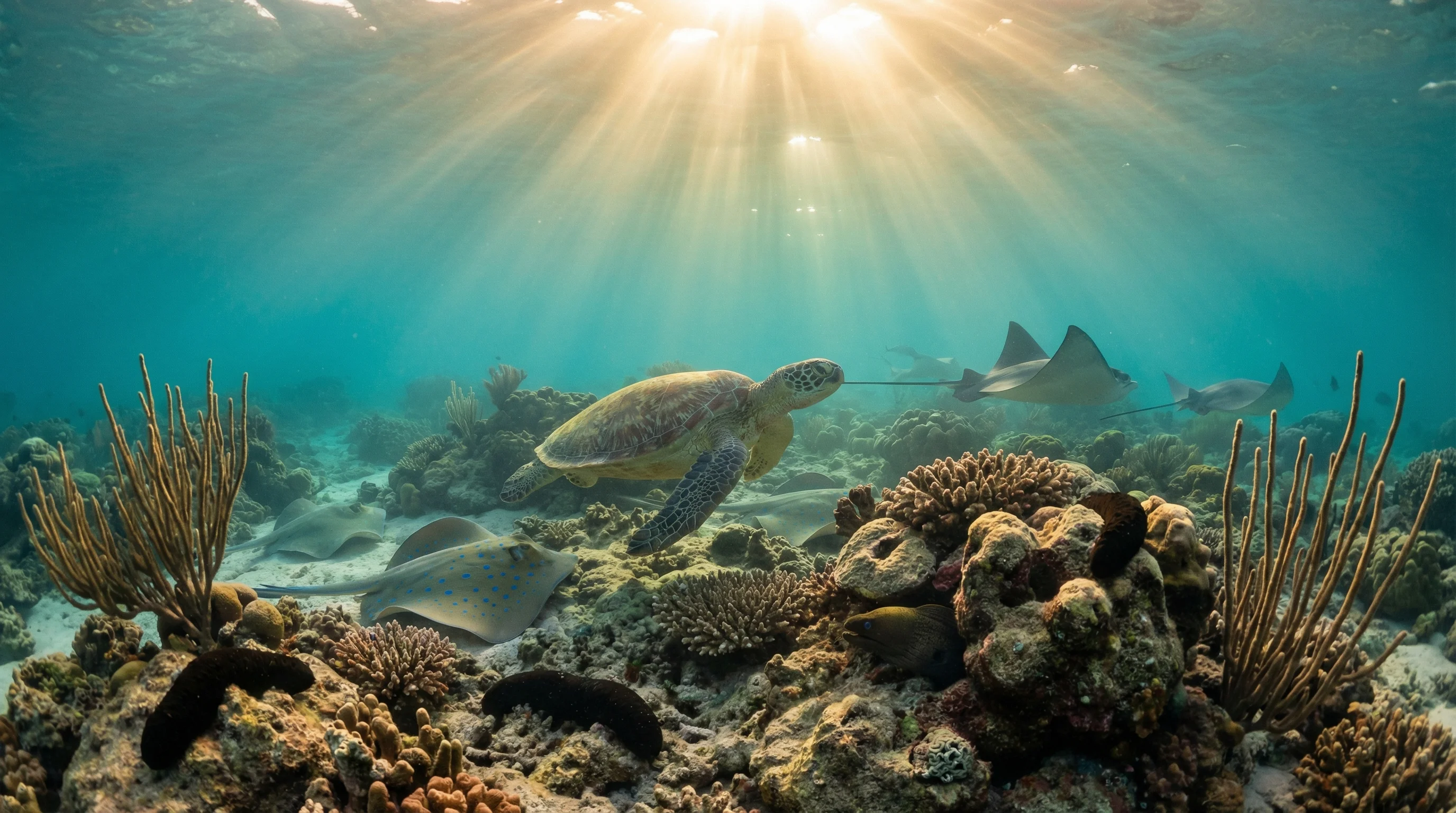
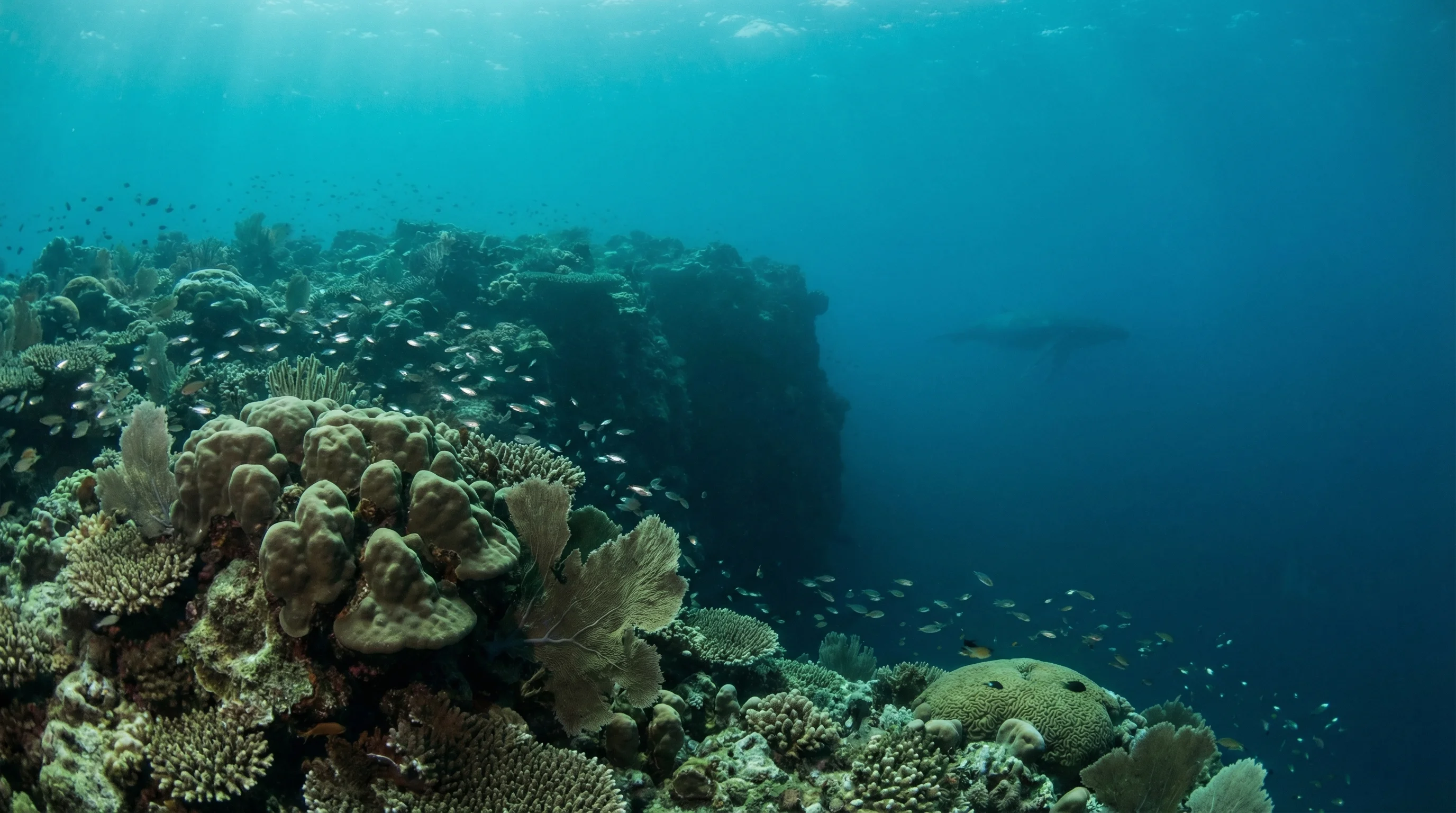
Great Keppel Island offers a compact but varied reef scene, ranging from sheltered beginner bays to deep pinnacles and walls that demand advanced skills. Boat access is the norm across most sites, with Butterfish Bay the notable exception offering shore entry. Hawksbill Sea Turtle, Epaulette Shark, and two wobbegong species are consistently encountered, alongside a rich spread of reef fish across the site mix.
Monthly water temperature across Great Keppel Island's sites, from satellite sea-surface data corrected for depth. The band shows the site-to-site spread.
Water is warmest from late spring through late summer, then cools noticeably through the middle of the year. Diver activity peaks from late autumn through winter and into spring, suggesting many prefer the cooler, clearer conditions of that period. Sites like Egg Rock carry strong currents year-round, so conditions vary considerably by site regardless of season.
7 operators
Australia
Australia
Australia
1 more site to explore
Water temperature around Great Keppel Island ranges from about 20°C in July to 28°C in January, based on satellite sea-temperature data for its dive sites.
In the warm season (about 28°C) a rash guard or 3mm shorty is comfortable in Great Keppel Island; in the coldest months (about 20°C) step up to a 5mm suit.
Fin maps 11 sites in Great Keppel Island (11 scuba diving sites and 5 snorkelling spots, with some suited to both).
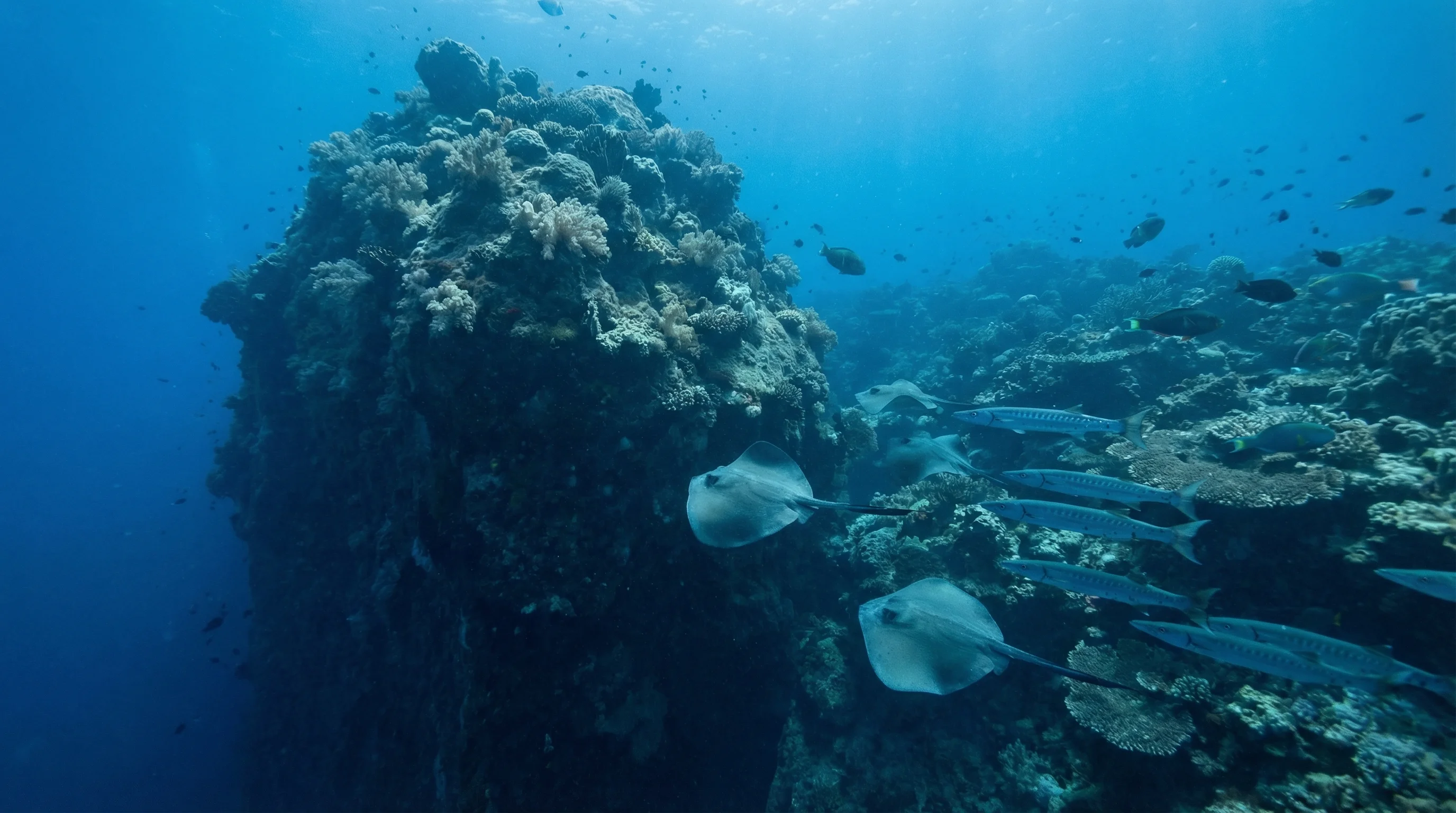
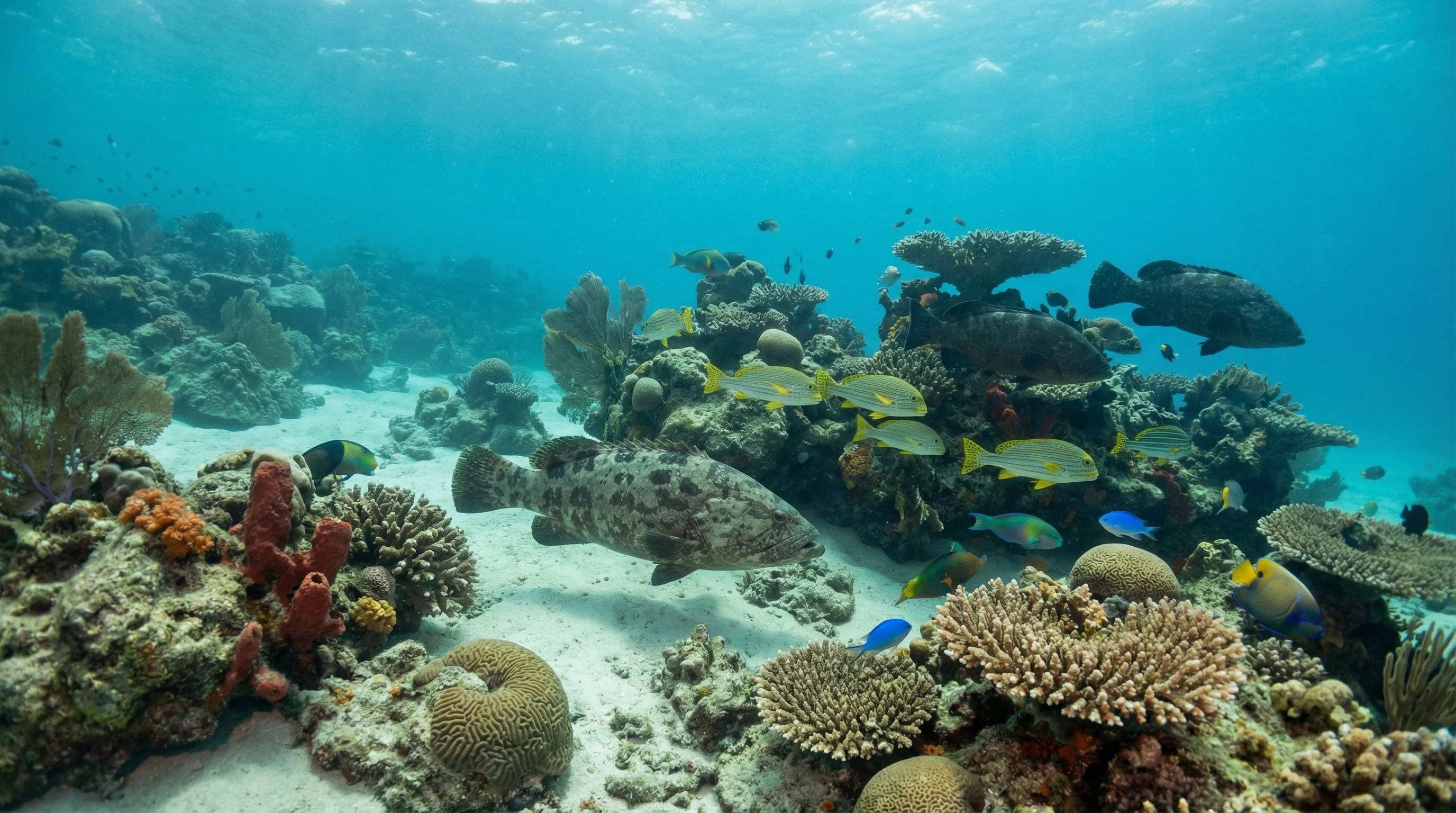
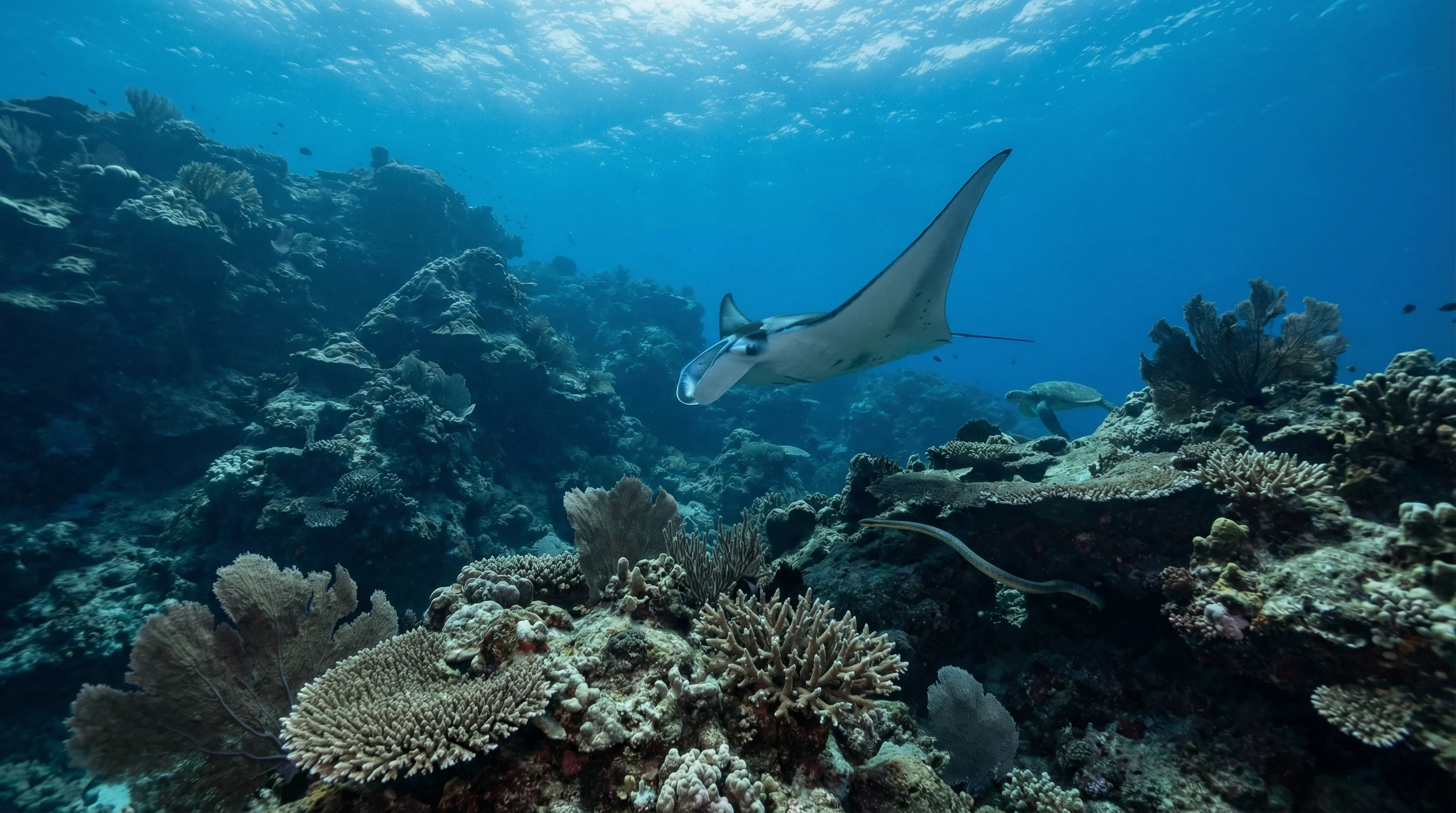
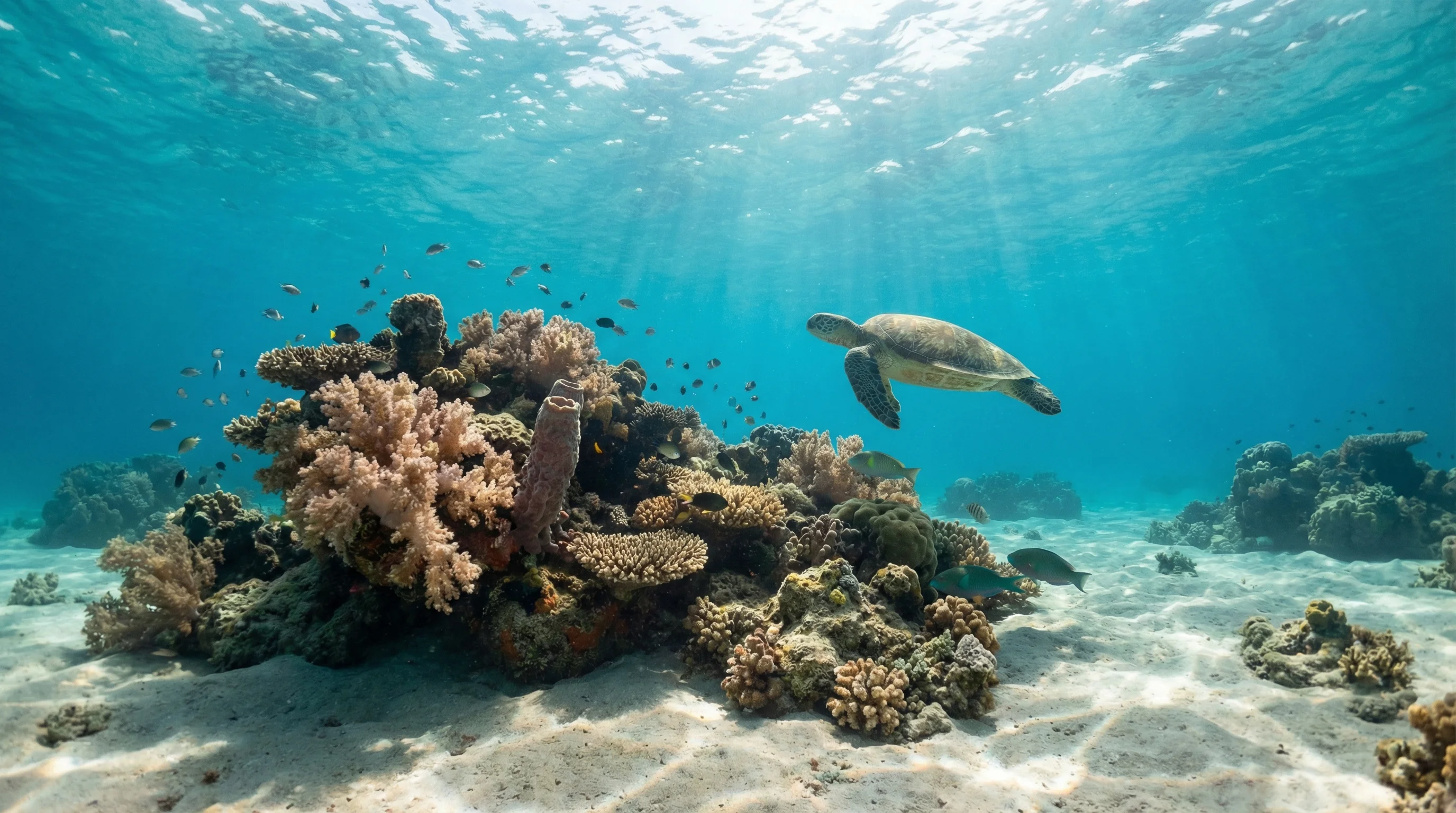
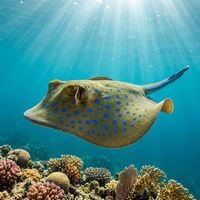
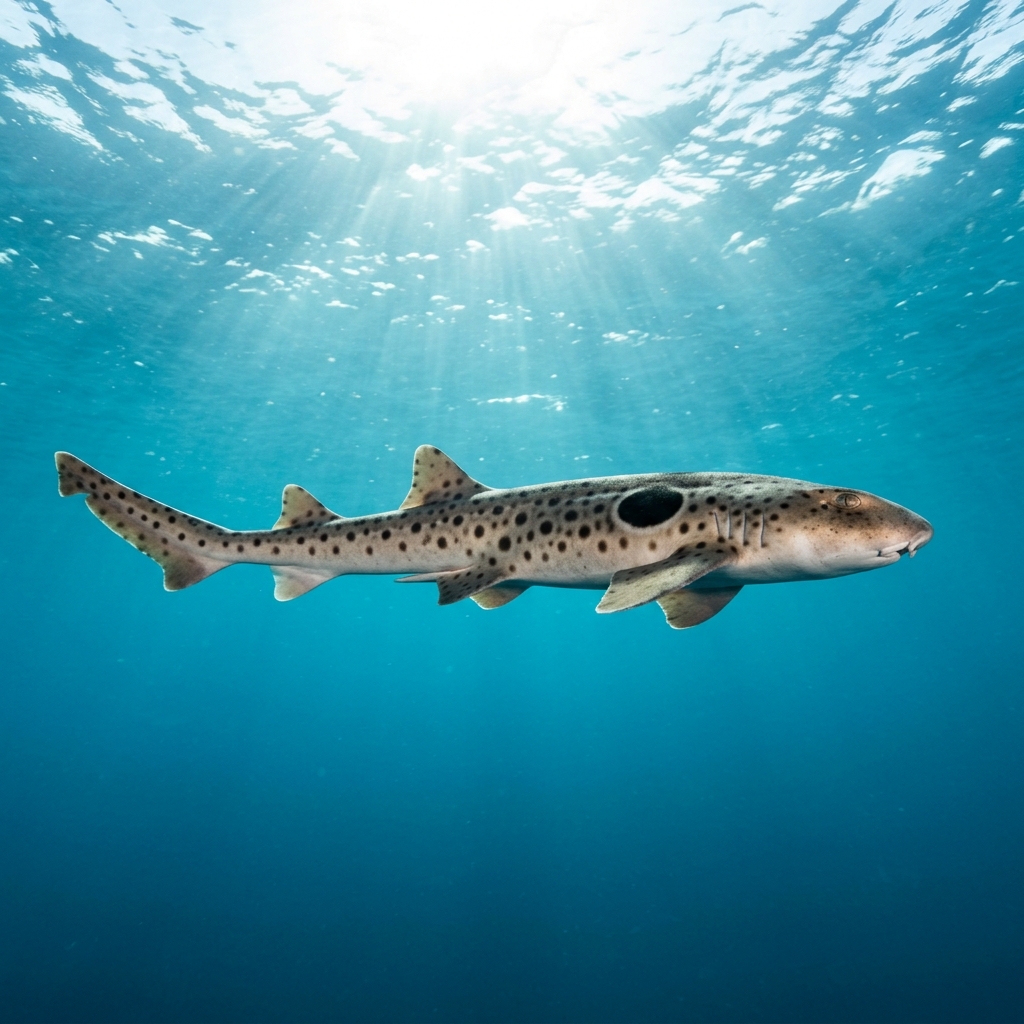
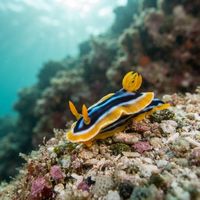
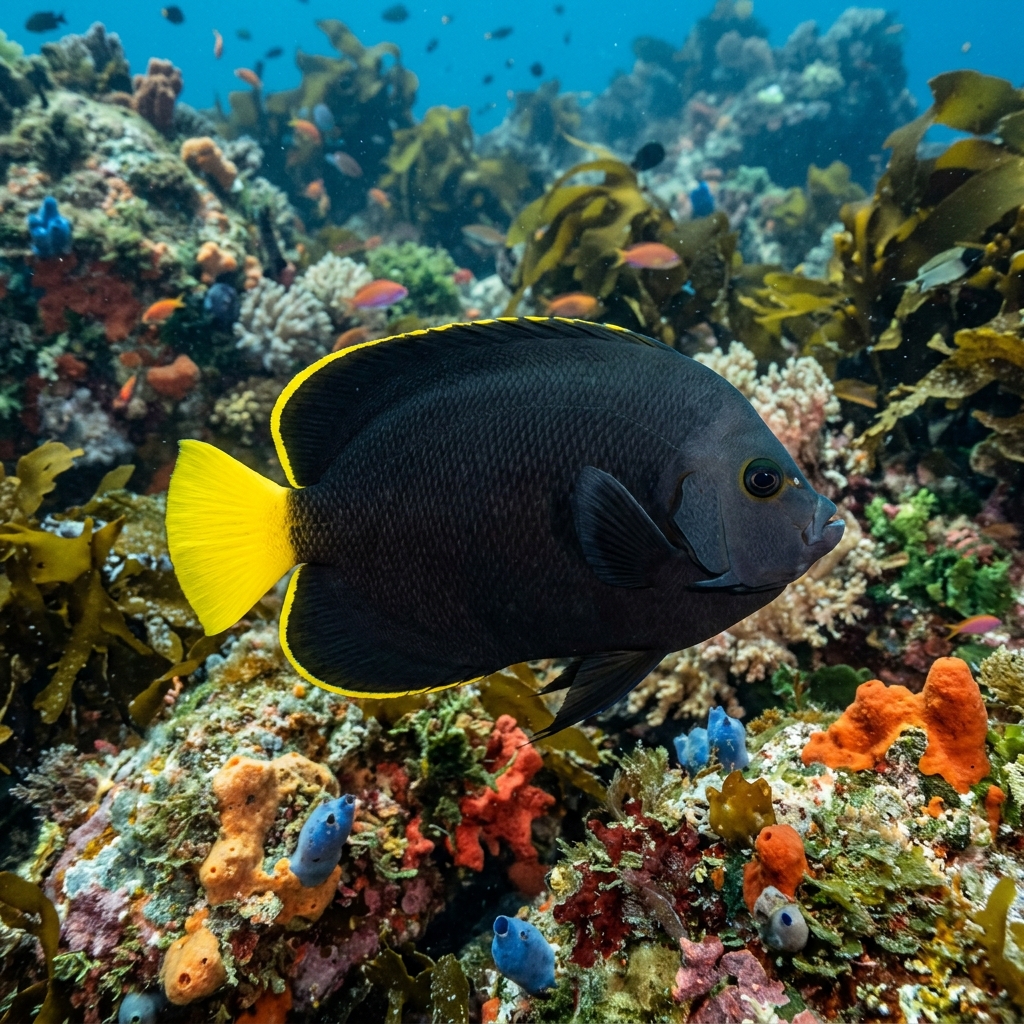
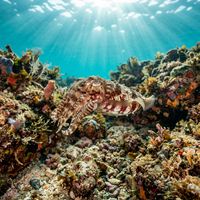
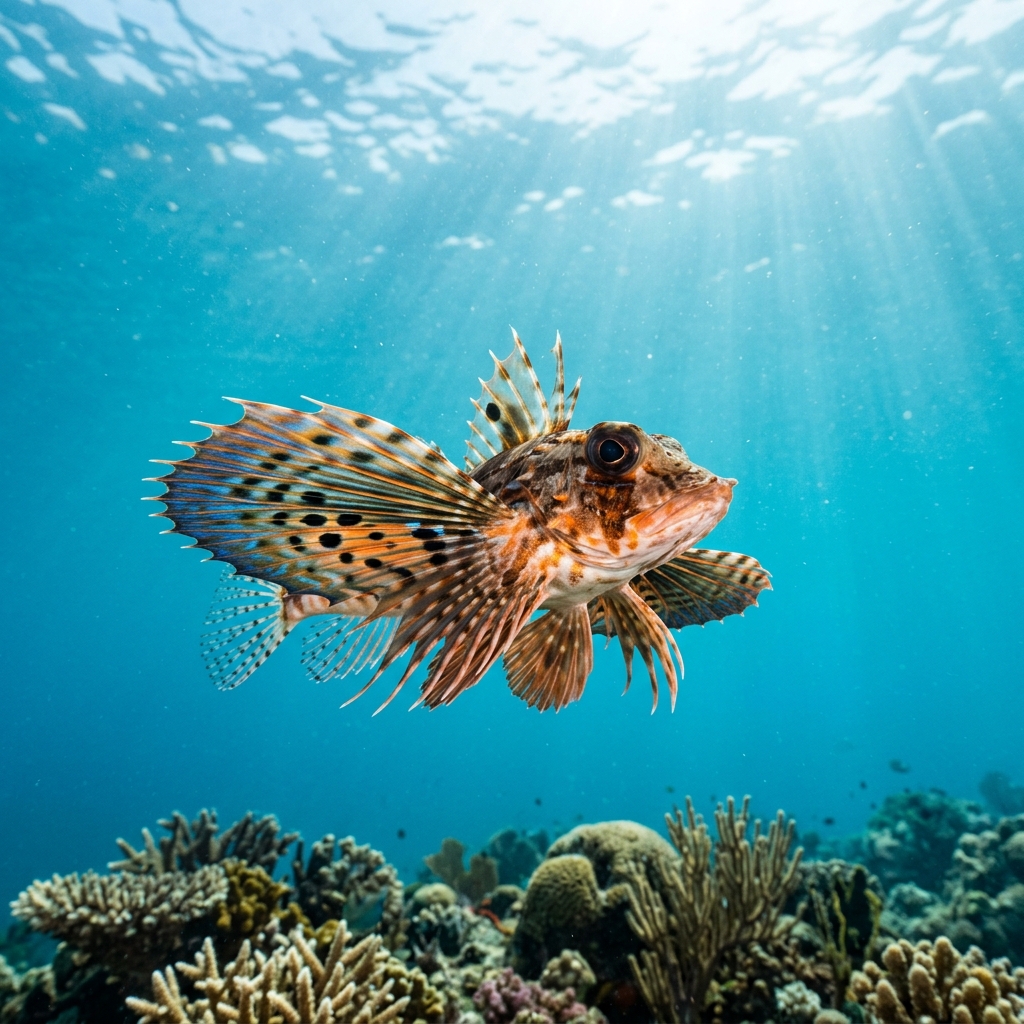
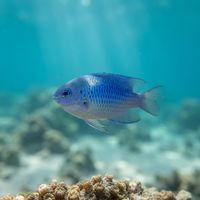
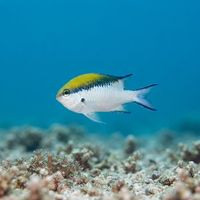
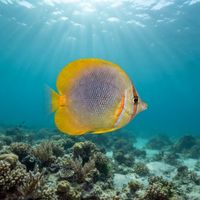
The reefs consistently produce Hawksbill Sea Turtle, Epaulette Shark, and Bluespotted Fantail Ray. Both Ornate Wobbegong and Spotted Wobbegong are present across multiple sites. Reef fish such as Painted Sweetlips, Coral Trout, Longfin Grouper, and Golden-striped Butterflyfish are very commonly observed, and Mourning Cuttlefish and Oriental Flying Gurnard add further variety for those who look carefully.
Several sites are rated beginner level, including Butterfish Bay, Shelving Beach, Wreck Beach, and Red Beach. These offer sheltered conditions and relatively shallow reef structures. Butterfish Bay can even be entered from shore, making it particularly accessible. Intermediate and advanced divers are also well catered for at sites like Egg Rock, which features walls and strong currents.
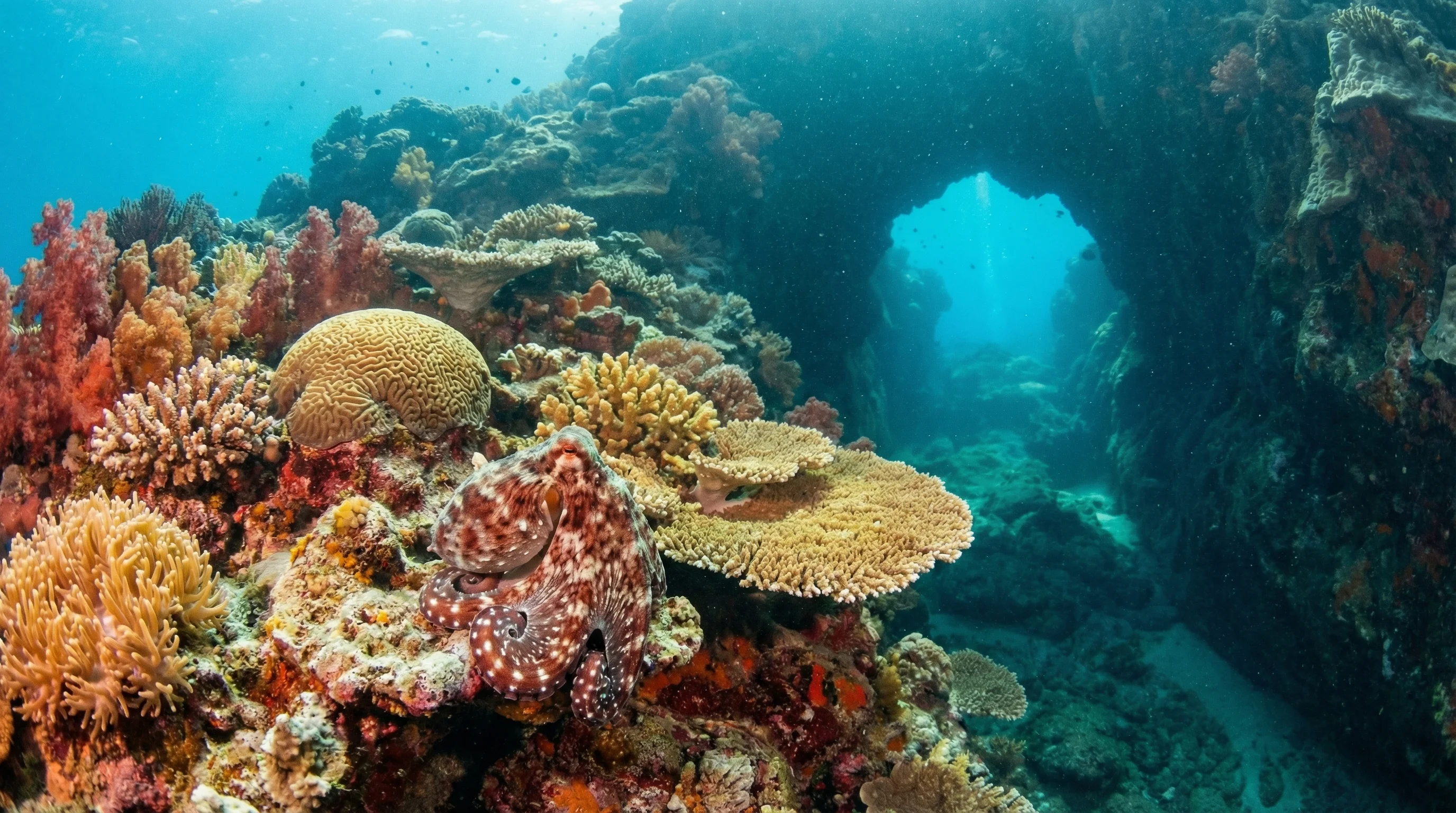
The island's sites span a broad range of topography. Sheltered bays and shallow reefs suit newcomers, while sites like Egg Rock offer submerged pinnacles, walls, and drift conditions that challenge experienced divers. Bald Rock adds caves to the reef structure on the eastern side of the island. This variety means a mixed-ability group can dive the same area without everyone needing to visit the same site.
The majority of sites require boat access, and several operators including Keppel Dive and Water Sports, Keppel Explorer, and Funtastic Cruises run trips to the island. Butterfish Bay is the exception, offering both shore and boat entry, which makes it useful for those who prefer to explore independently or want a simple shallow-water session without a full boat charter.