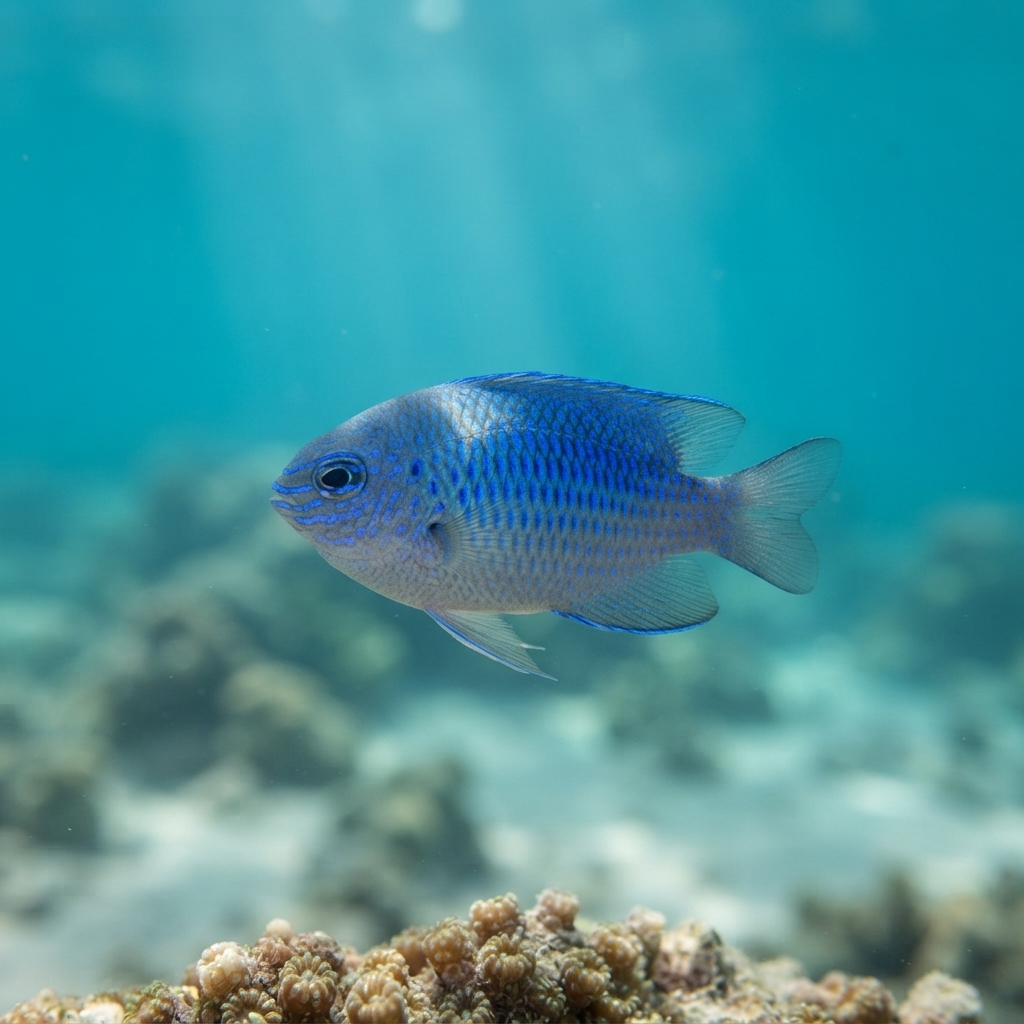
Pomacentrus australis
A small blue-grey damsel logged along Queensland reefs, comfortable in 24 to 27C water year-round.
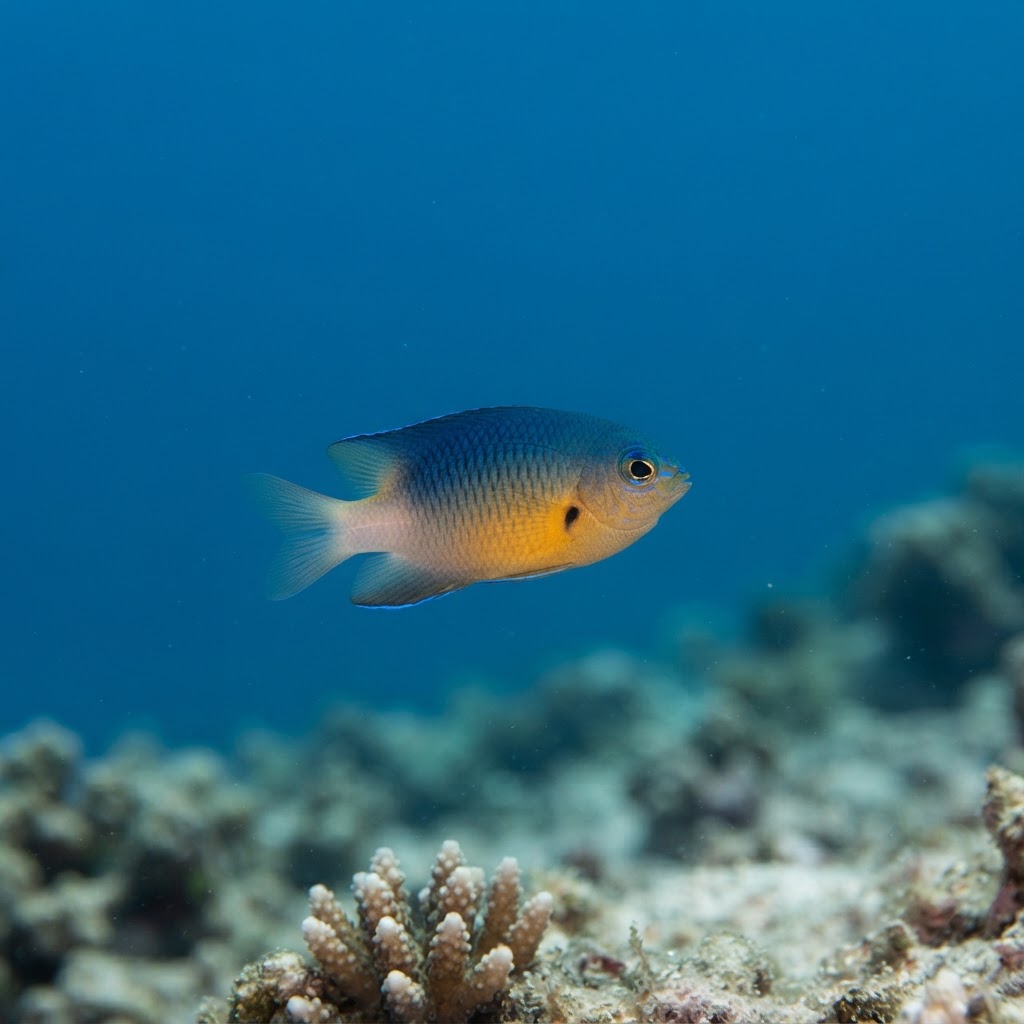
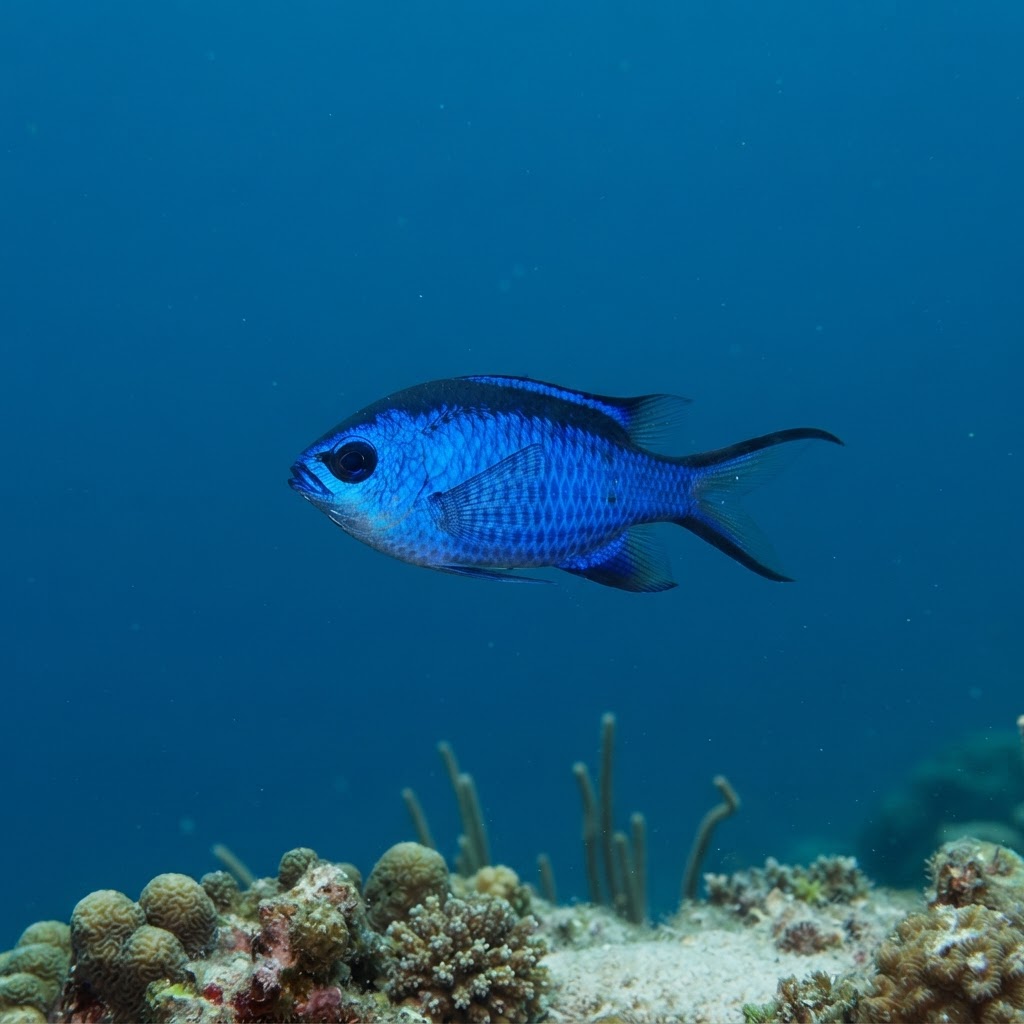
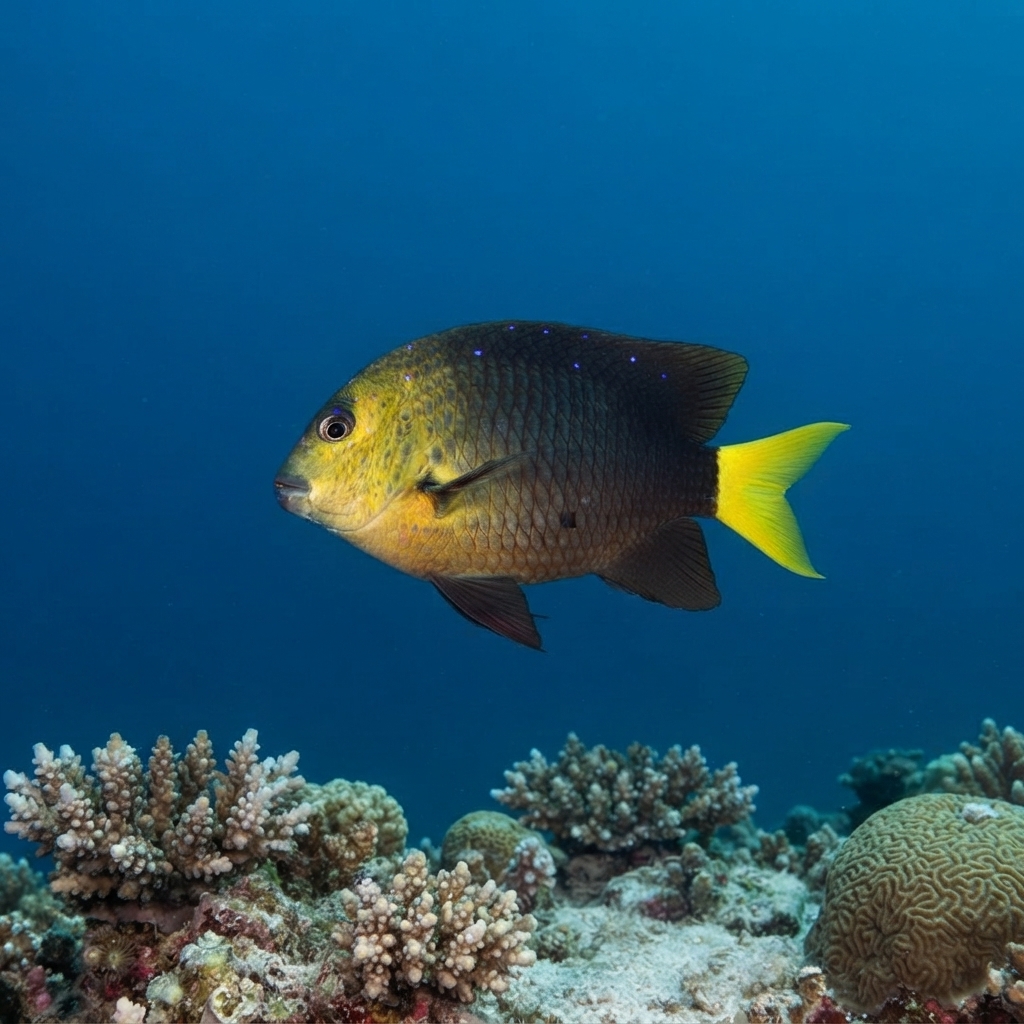
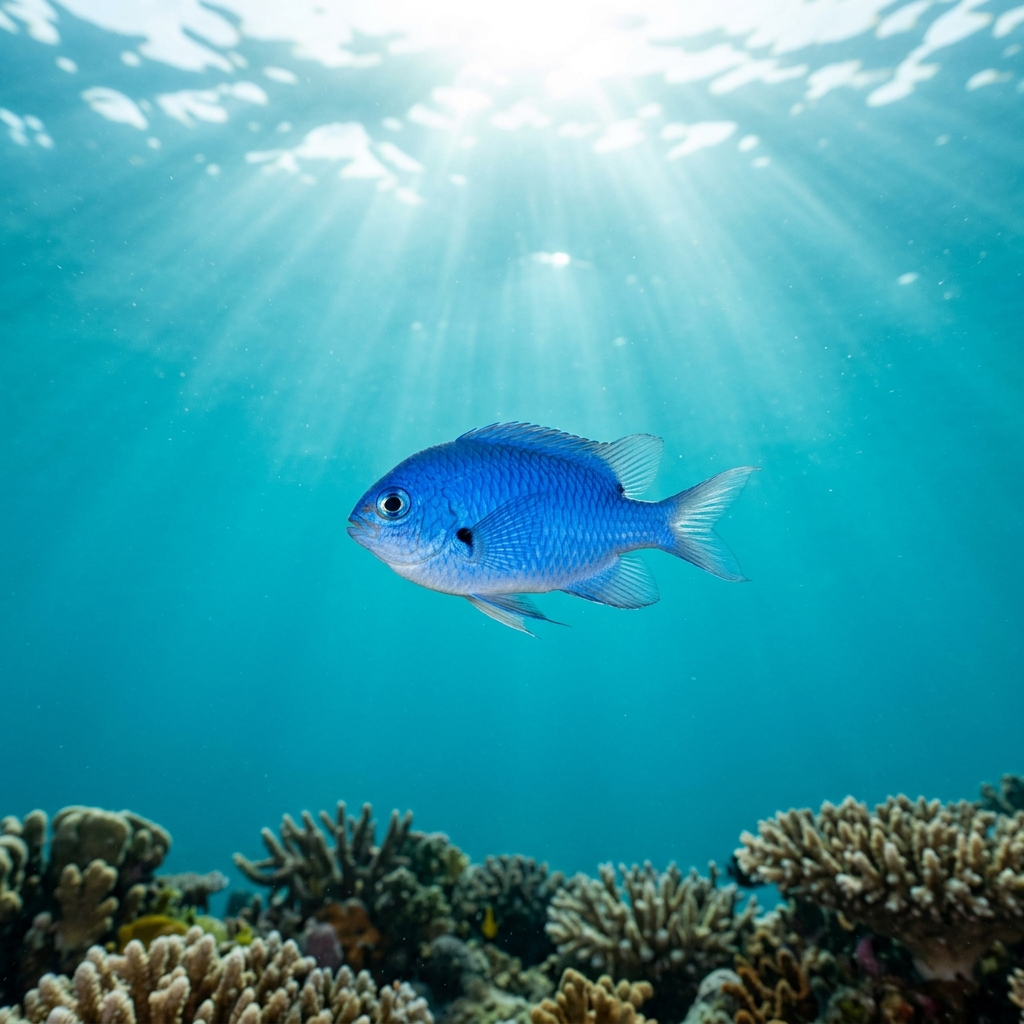
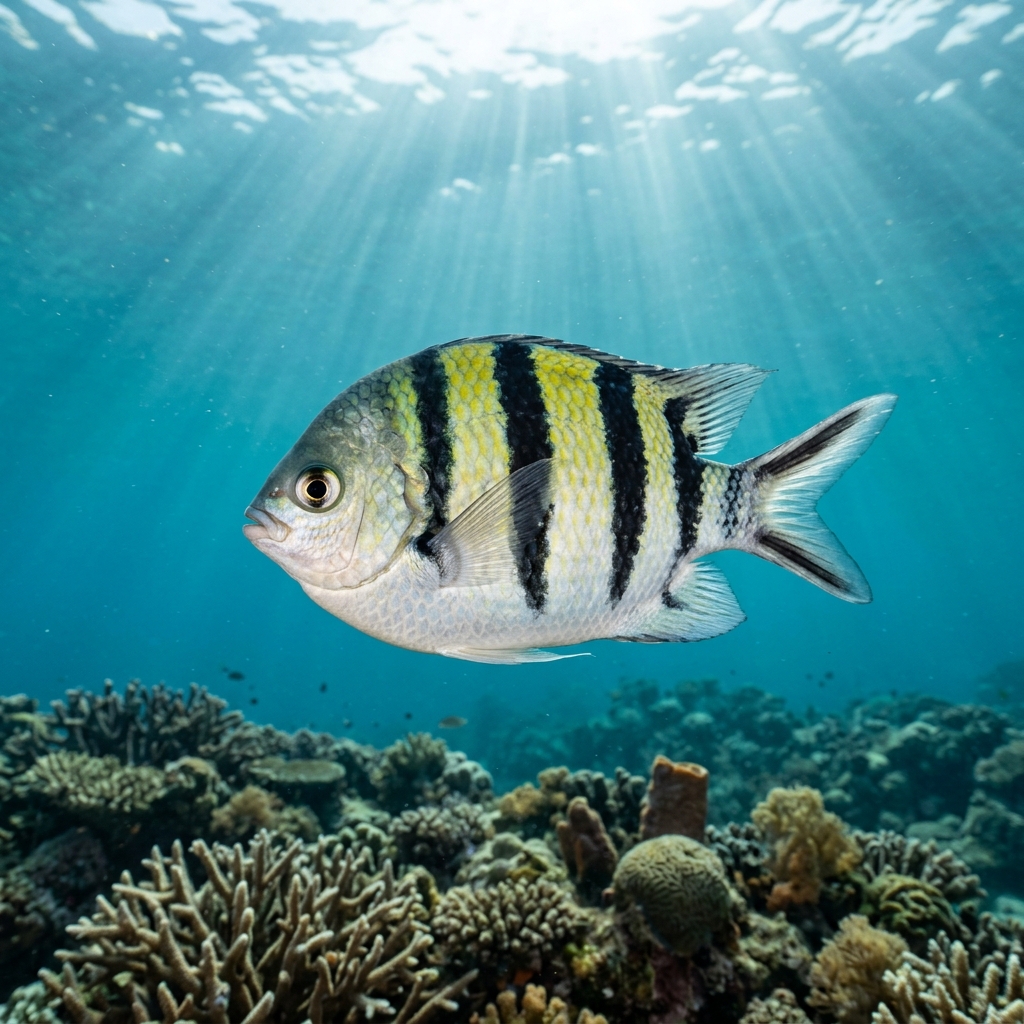
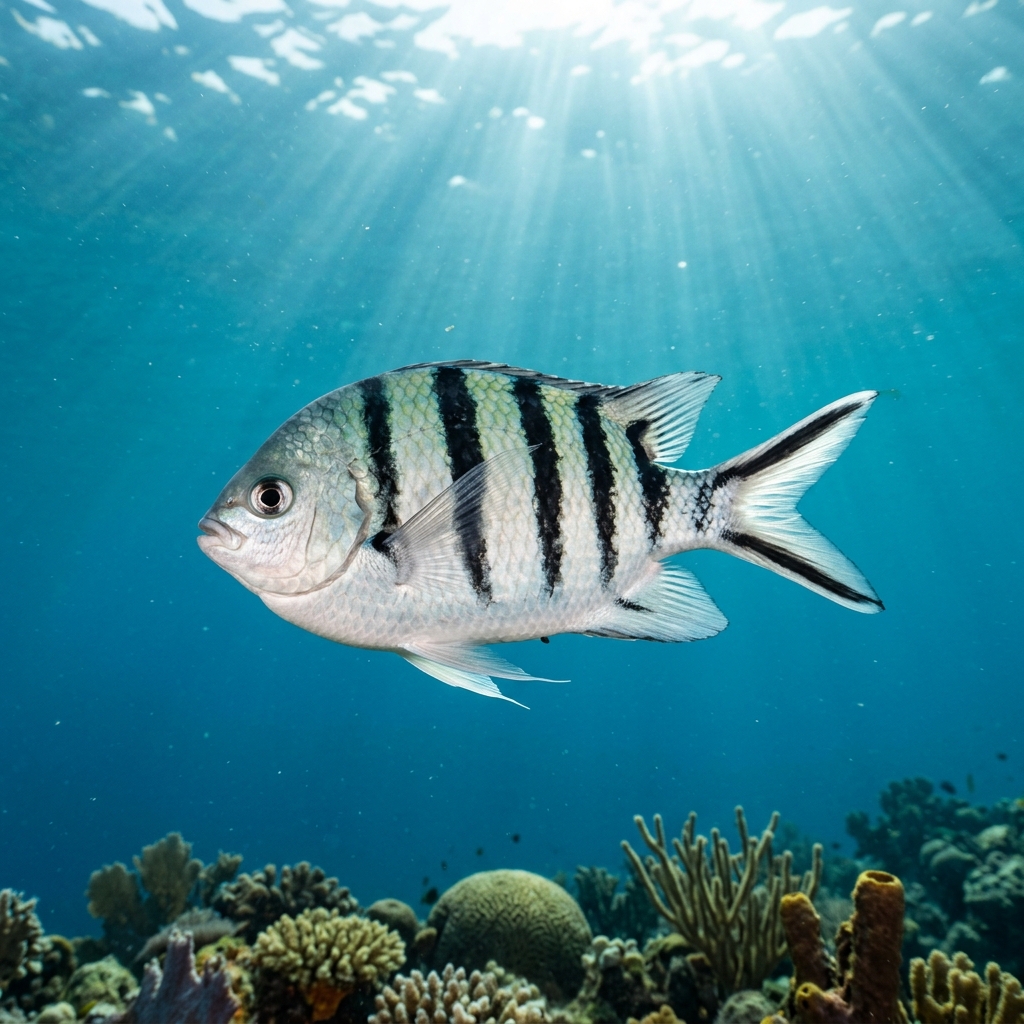
A slim, small damselfish around 6 cm, showing a pale blue-grey to olive body with a faint darker patch near the base of the tail. Look for the slightly forked tail and the quick, darting swim typical of small pomacentrids. There is no strong pattern or bold stripe to key on, so size, shape and habitat (shallow reef structure) do the work of identification more than colour does.
Expect to see it hovering low over coral rubble or reef structure, holding a small patch of territory rather than roaming. It reacts to divers the way most small damsels do, darting for cover in a crevice when approached too closely then re-emerging once you back off. Most sightings are during daytime reef dives rather than anything tied to a specific time of day.
It is logged as uncommon at every site where it has been recorded, so seeing one is more a case of knowing what to look for among the reef's small fish than stumbling onto a crowd of them.
Sighting data shows no clear seasonal pattern, and the water temperature range logged (24.1 to 26.7C) sits comfortably within Queensland's year-round reef conditions, so it can turn up on any dive.
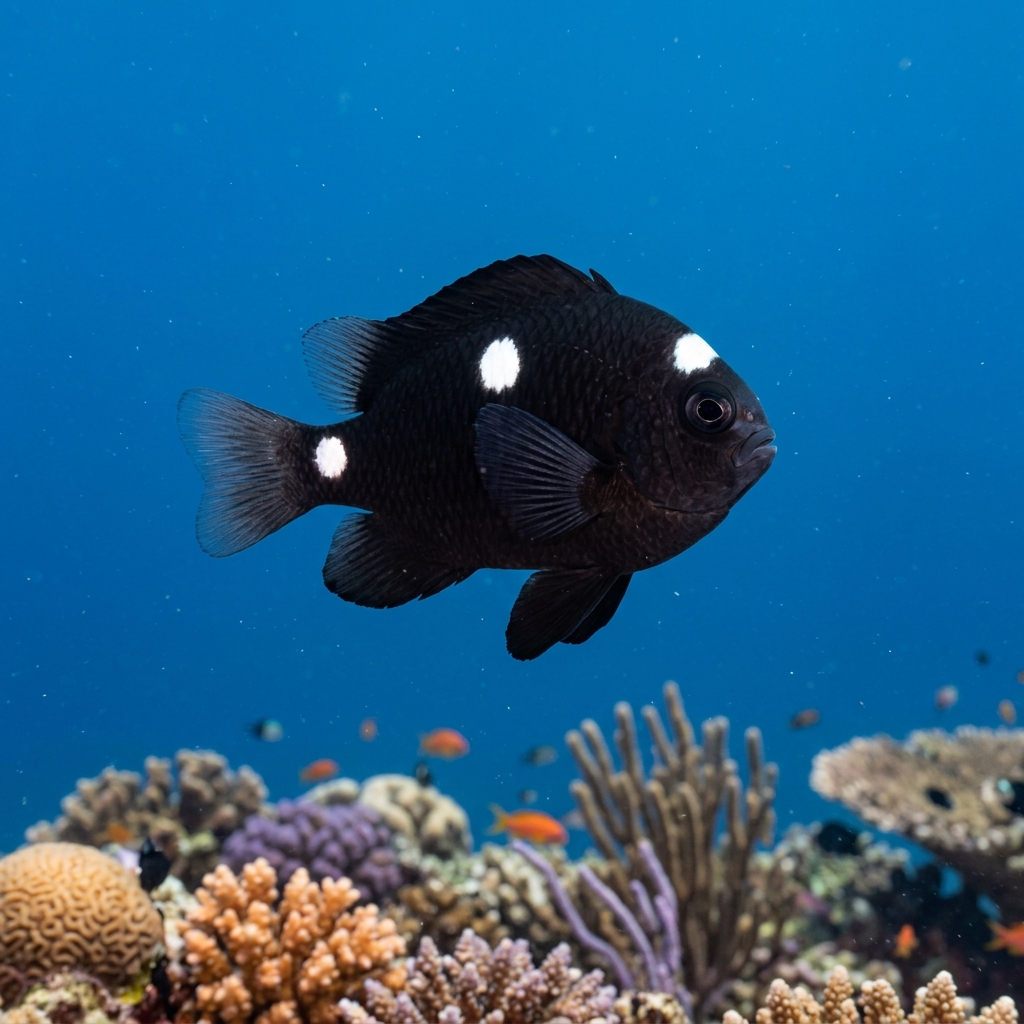
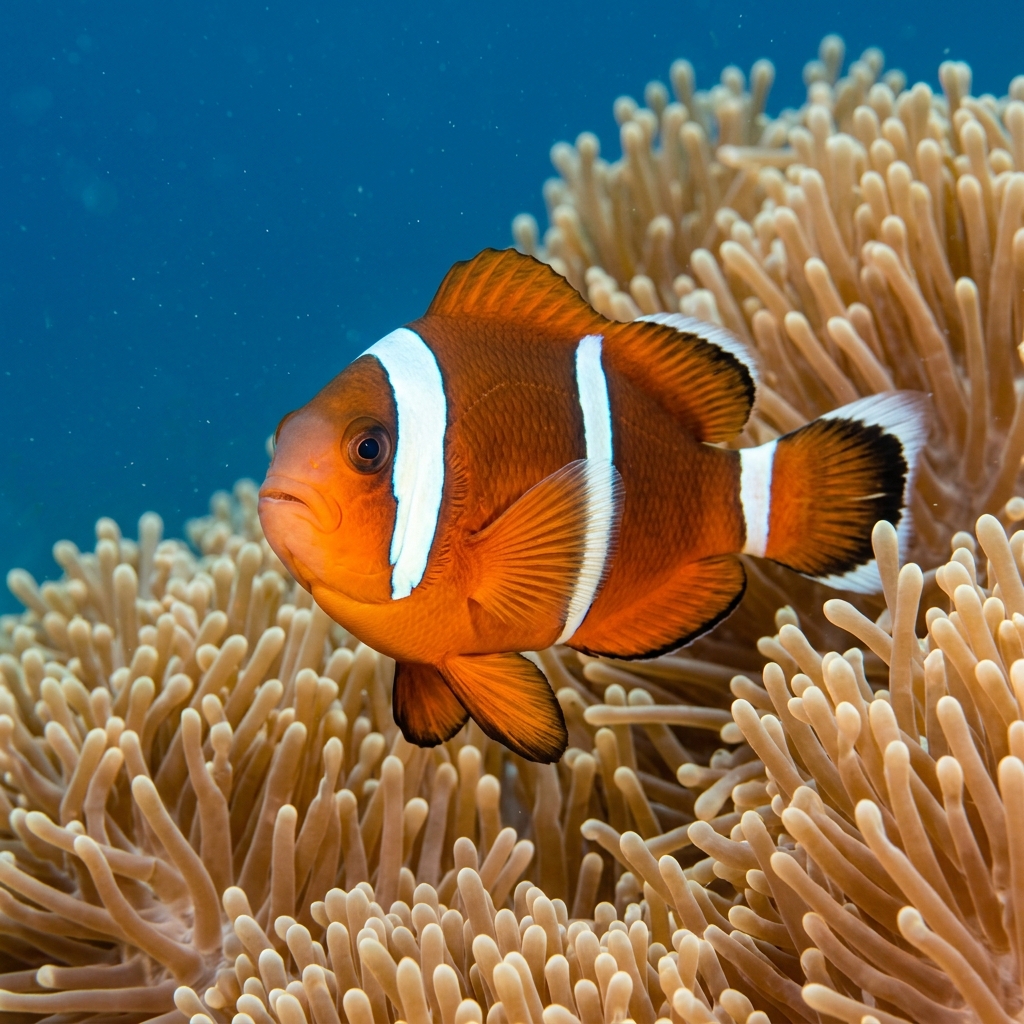
Reef neighbours a diver could mistake it for. Use the identification notes above to tell them apart.
Logged sites cluster in Queensland, Australia, making it a Great Barrier Reef and adjacent Queensland coast fish rather than a species spread across multiple countries. Divers looking for it should focus on Queensland reef sites where small damselfish are a regular part of the reef community.
Mapping where Australian Damsel is logged…
It is most reliably logged on reef sites in Queensland, Australia, particularly around the Great Barrier Reef region. Records outside Queensland are effectively absent from current diver sightings.
There is no detected seasonal pattern, and it has been observed in water from 24.1 to 26.7C, a range typical of Queensland reefs for much of the year. Treat it as a year-round sighting rather than a seasonal one.
Look for a small, roughly 6 cm damselfish with a plain blue-grey to olive body and a faint dark mark near the tail base. It lacks bold stripes or bright colour blocks, so its small size and quick, hovering movement over reef structure are the best clues.
They stay small, reaching around 6 cm in length, consistent with most reef-dwelling damselfish in the pomacentridae family.
No, they pose no danger to divers. Like most small damselfish, they may dart at an approaching diver defending a patch of territory, but this is a bluff, not a real threat.
Site and sighting data is aggregated from diver logs, iNaturalist and GBIF. For taxonomy and conservation status:
Dascyllus
3,697 sites