Chrysaora plocamia
Reliable sightings off Puerto Madryn, Argentina, in cool 12-18C water, this stinging jelly drifts common enough to plan a dive around.
Safety warning
Its tentacles carry a real sting that can cause a painful, burning welt on bare skin, so gloves and a full wetsuit or hood reduce risk considerably. Give it space rather than handling it, and be aware that detached tentacle fragments can still sting even when the animal itself has drifted past.
If you're stung
Stinging tentaclesGeneral first-aid guidance, not a substitute for professional medical care. In an emergency, call your local emergency number.
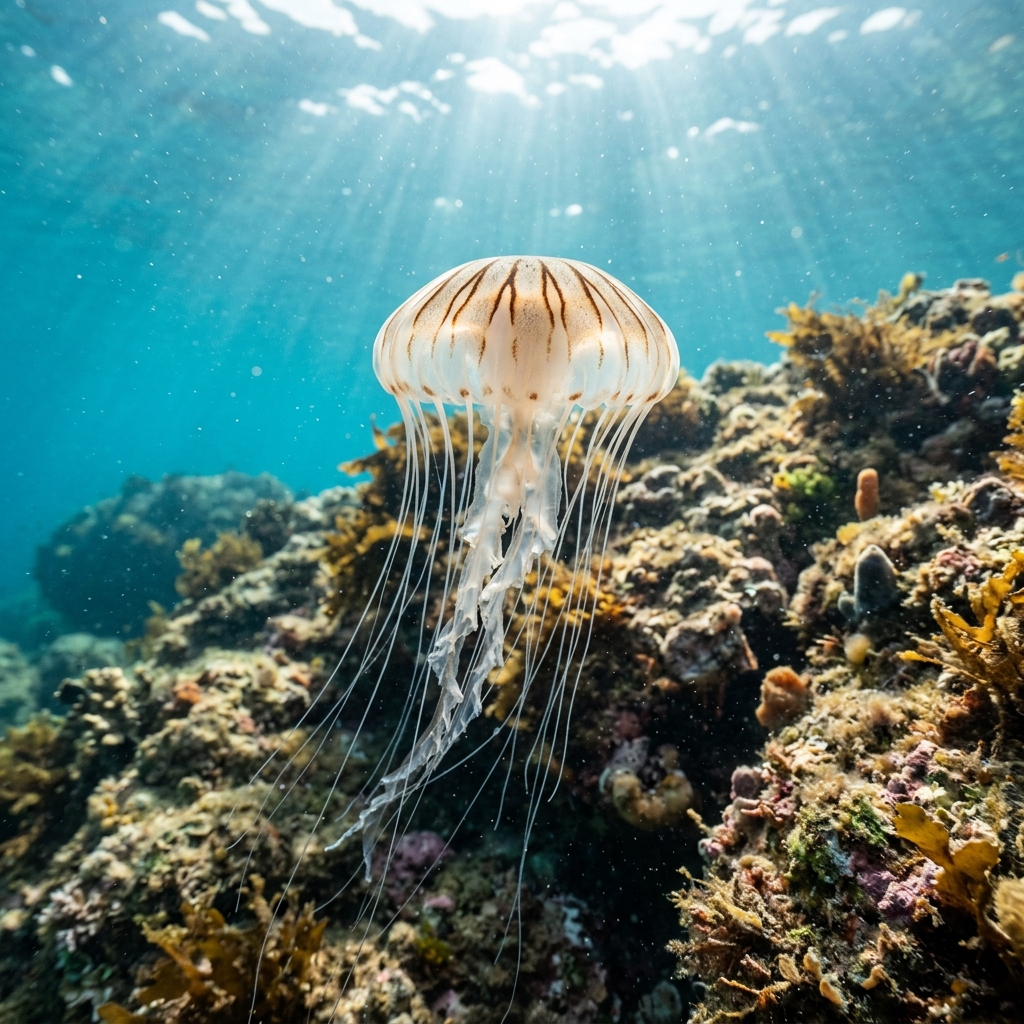
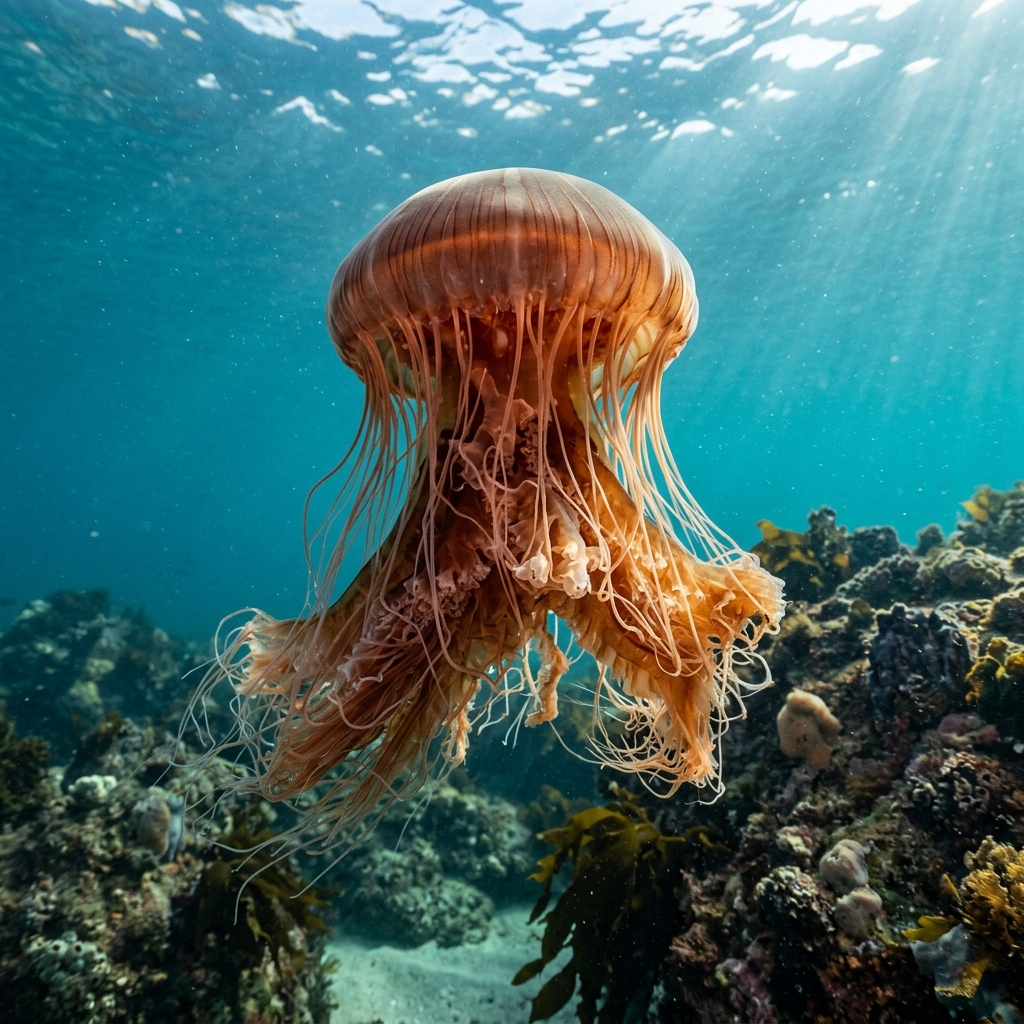
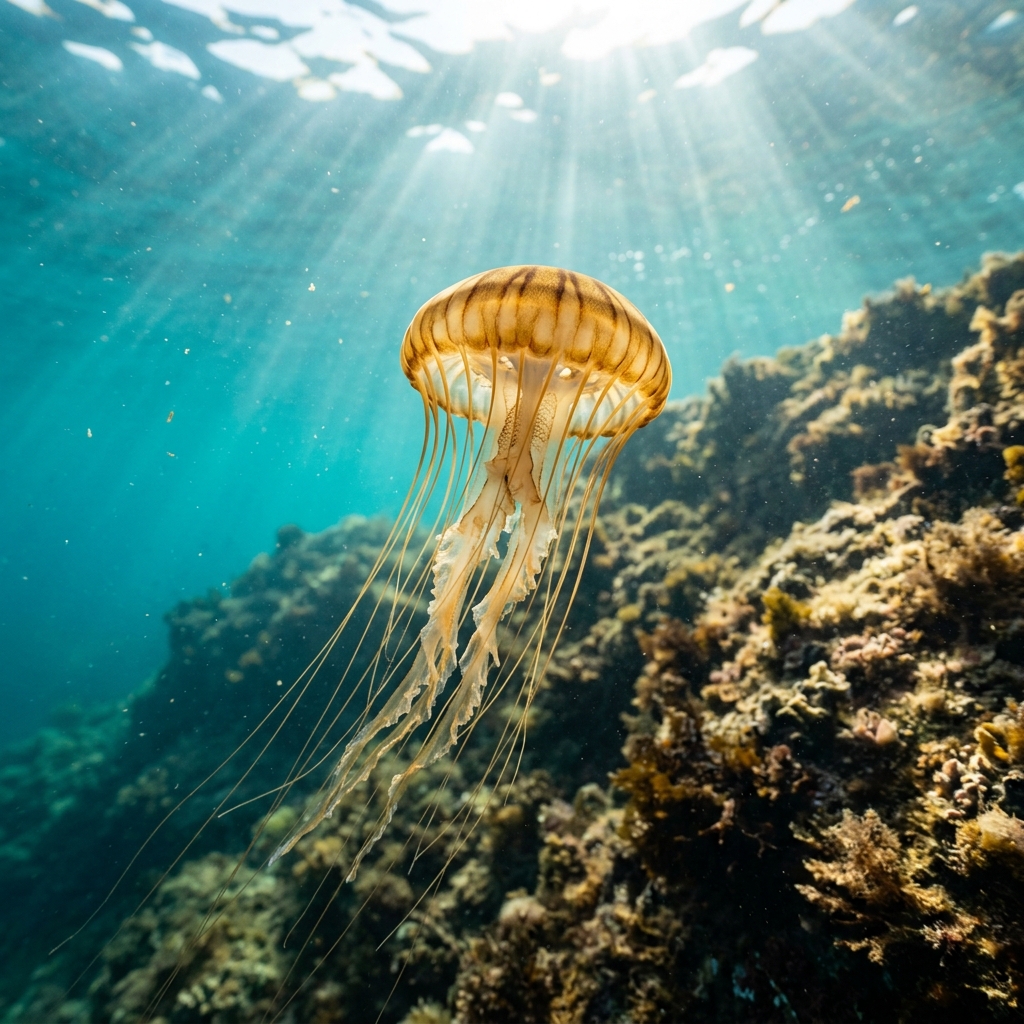
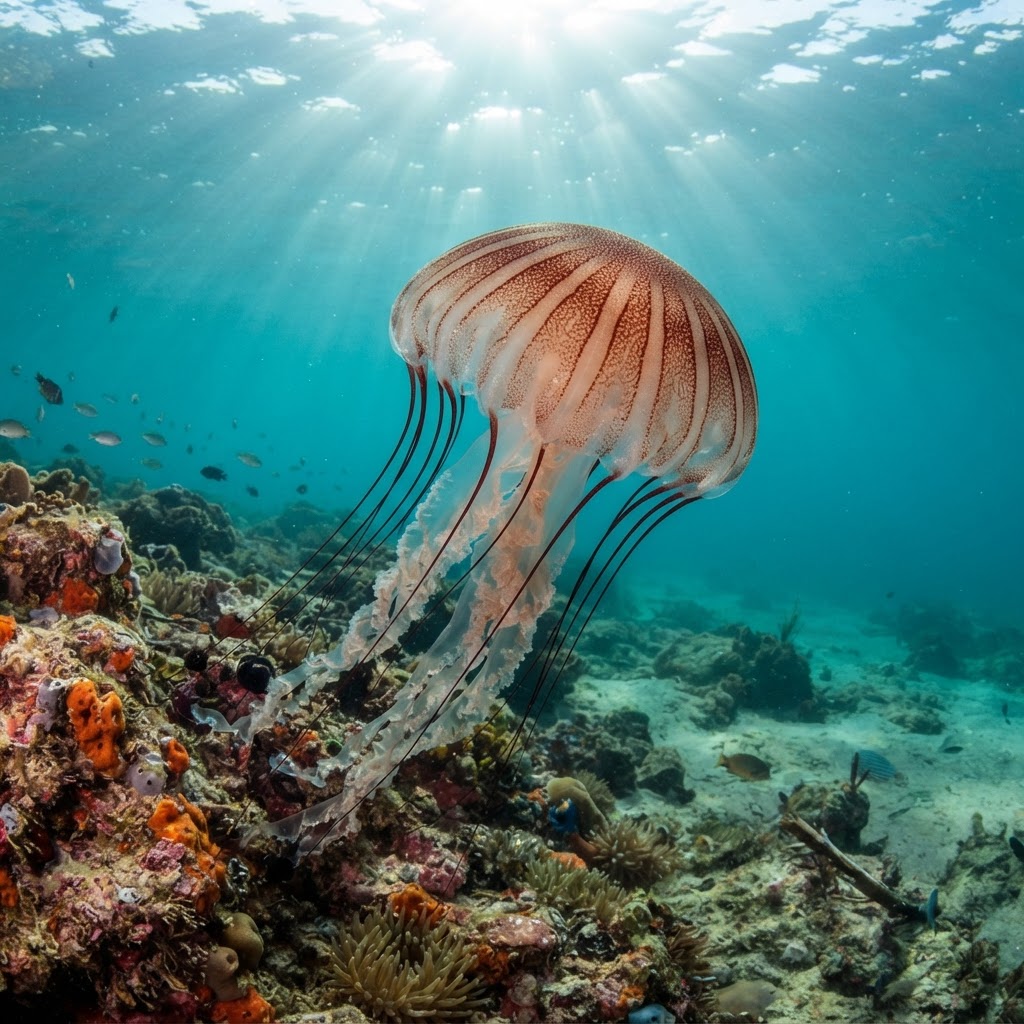
Look for a domed, reddish-brown to orange bell reaching around 70cm across, radiating darker stripes fanning out from the centre like spokes. Long, thin marginal tentacles trail well behind the bell, while thicker, frilly oral arms hang below the centre and often show a paler, almost translucent edge. In open water it moves with a slow, pulsing swim rather than active swimming, so the shape and the radiating pattern are usually the giveaway before colour registers.
Divers mostly encounter it drifting passively in open water or mid-water rather than resting on structure, pulsing its bell slowly and trailing tentacles behind it. It shows no real reaction to divers and will not move away, so encounters are more about the diver spotting and avoiding it than the jelly reacting. At sites where it is common, several individuals can be logged on the same dive, often at similar depths where currents concentrate them.
Like other sea nettles it feeds by trailing its long tentacles through the water column to snag zooplankton, small fish and even other jellyfish, using stinging cells to subdue prey before drawing it up to the oral arms.
Sightings show no clear seasonal pattern in the data, so treat it as a year-round possibility wherever it is logged. It sits in a cool water-temperature band of roughly 12.3 to 18.3C, matching the cold currents off Argentina, Chile and Peru rather than a warm-season bloom window.
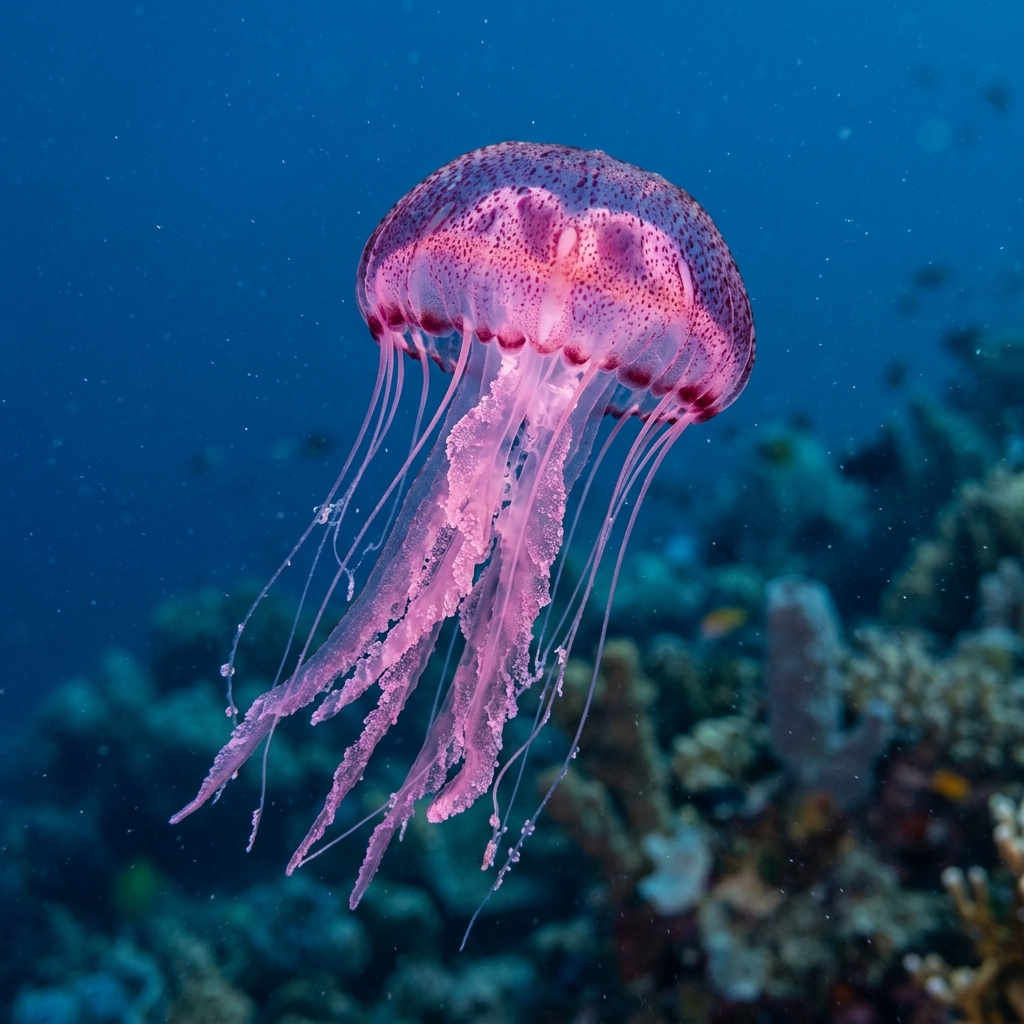
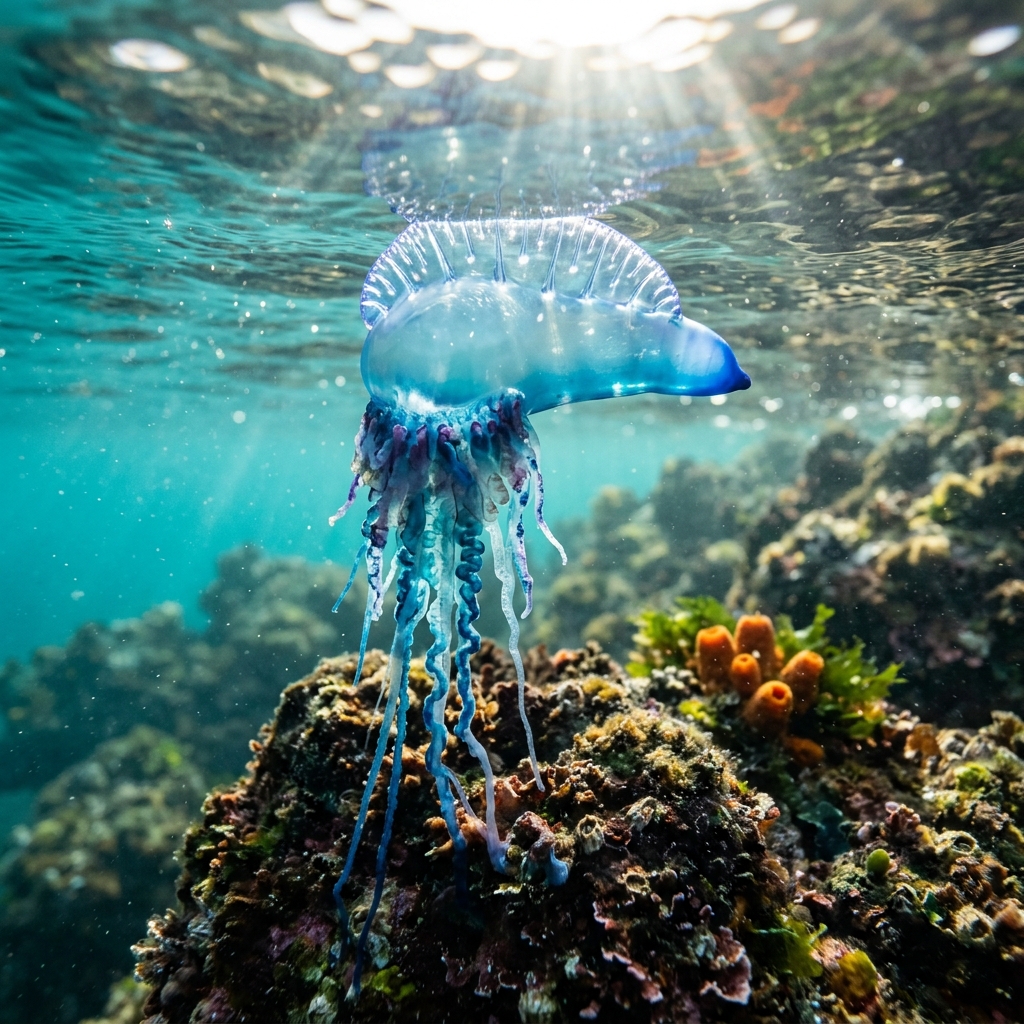
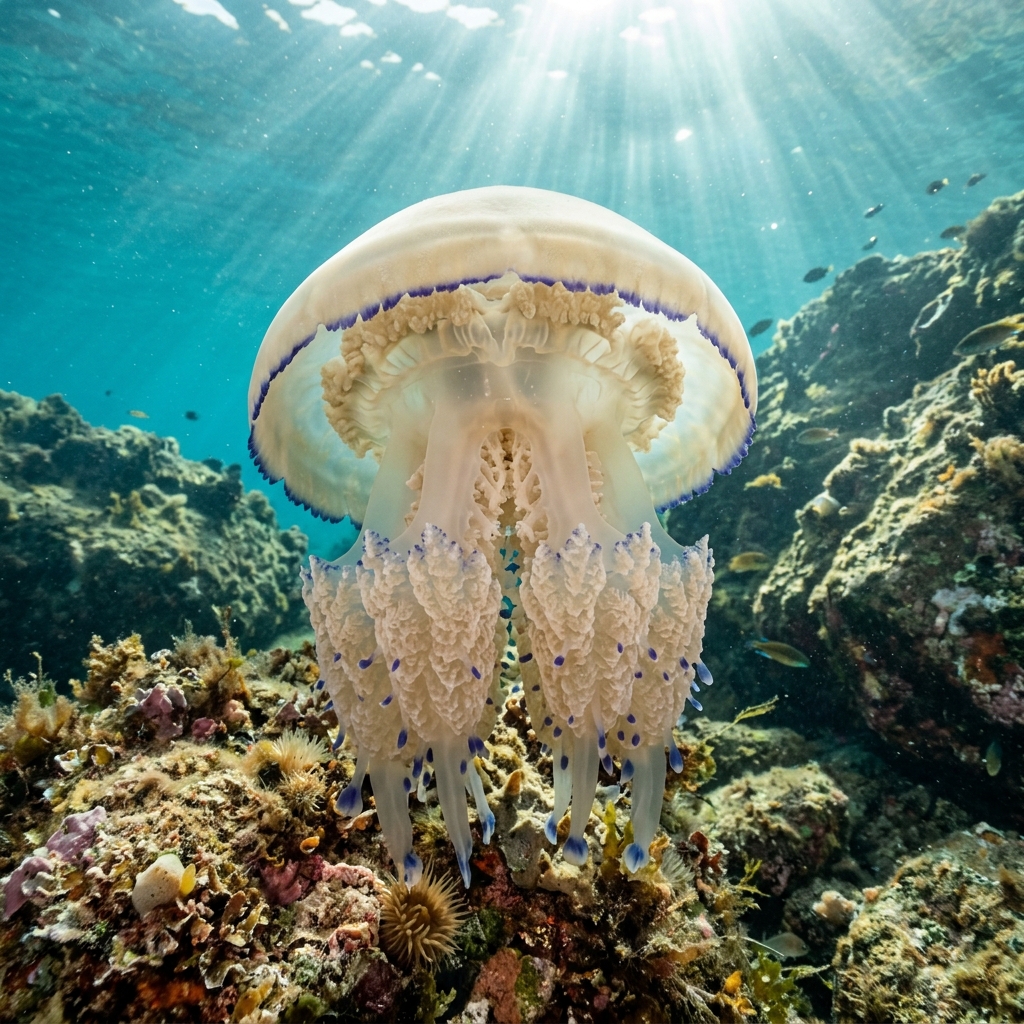
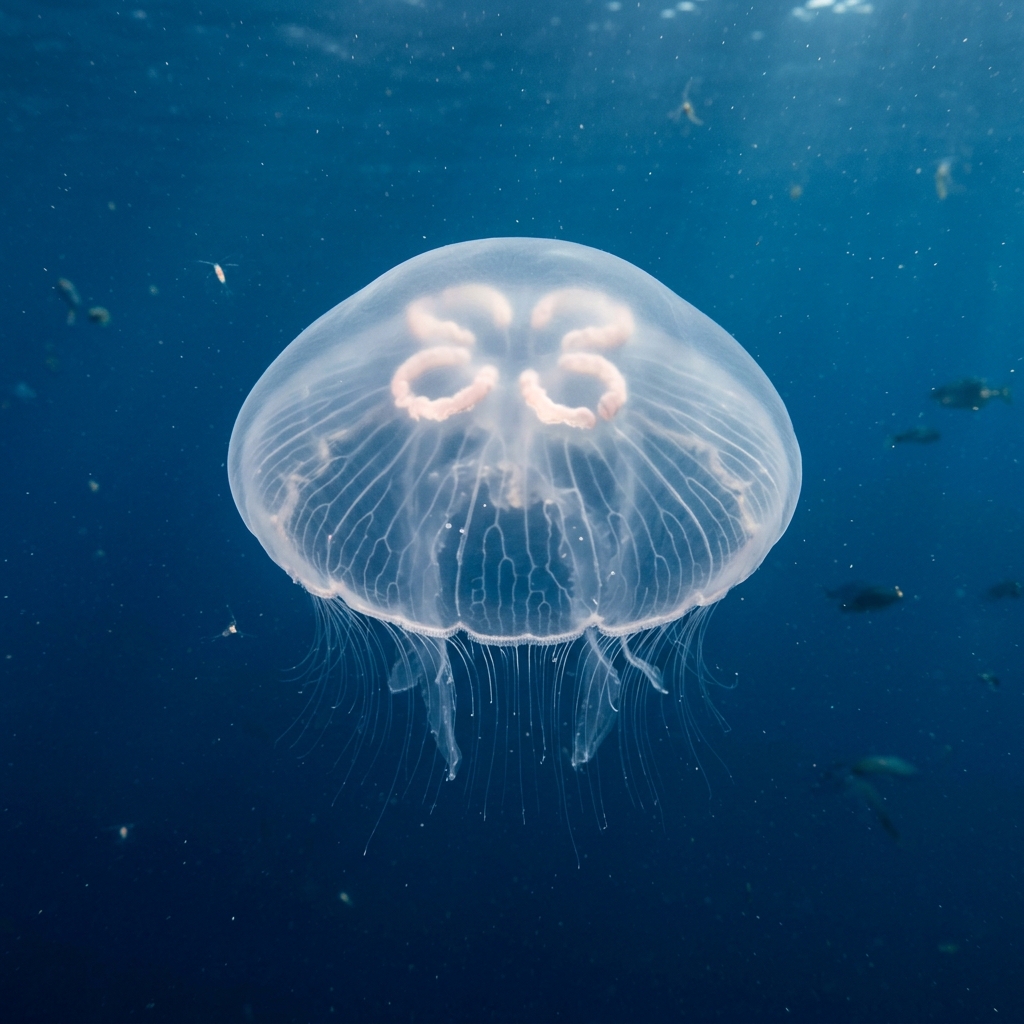
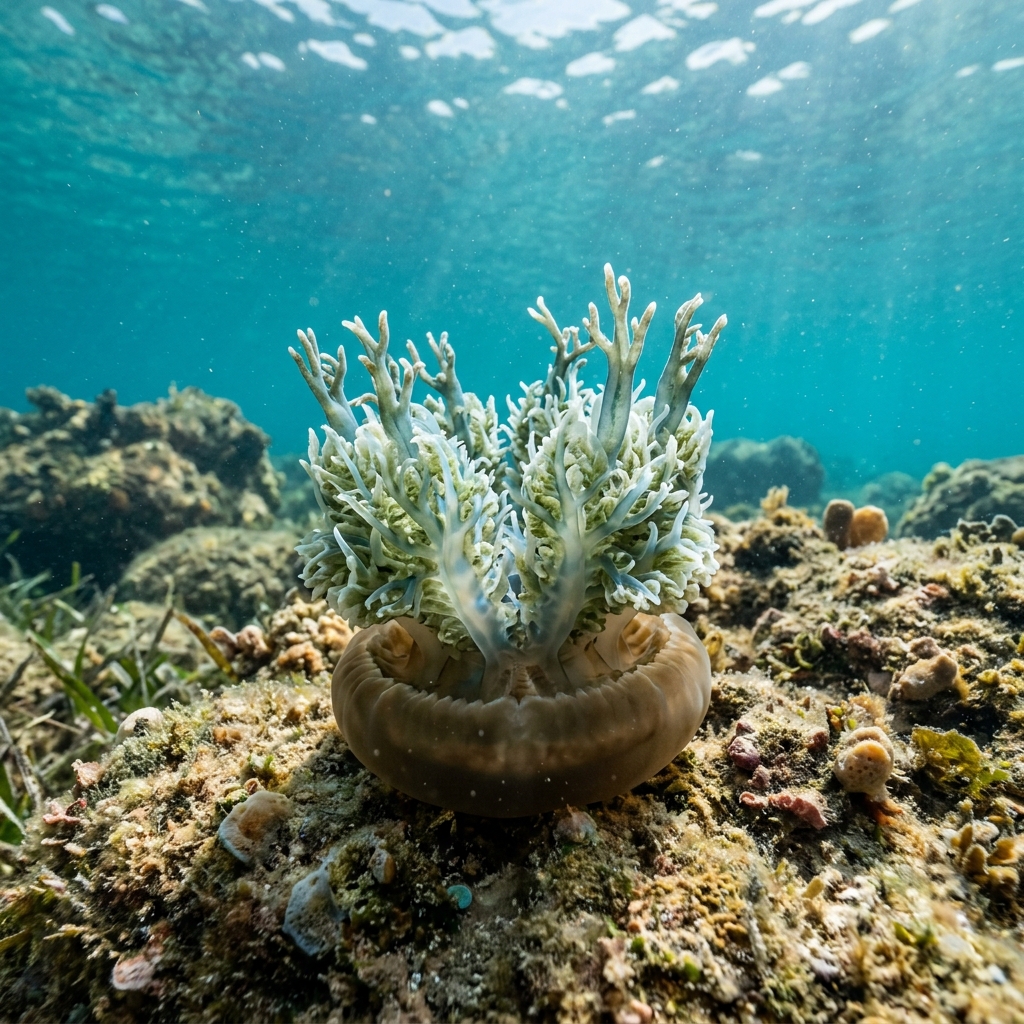
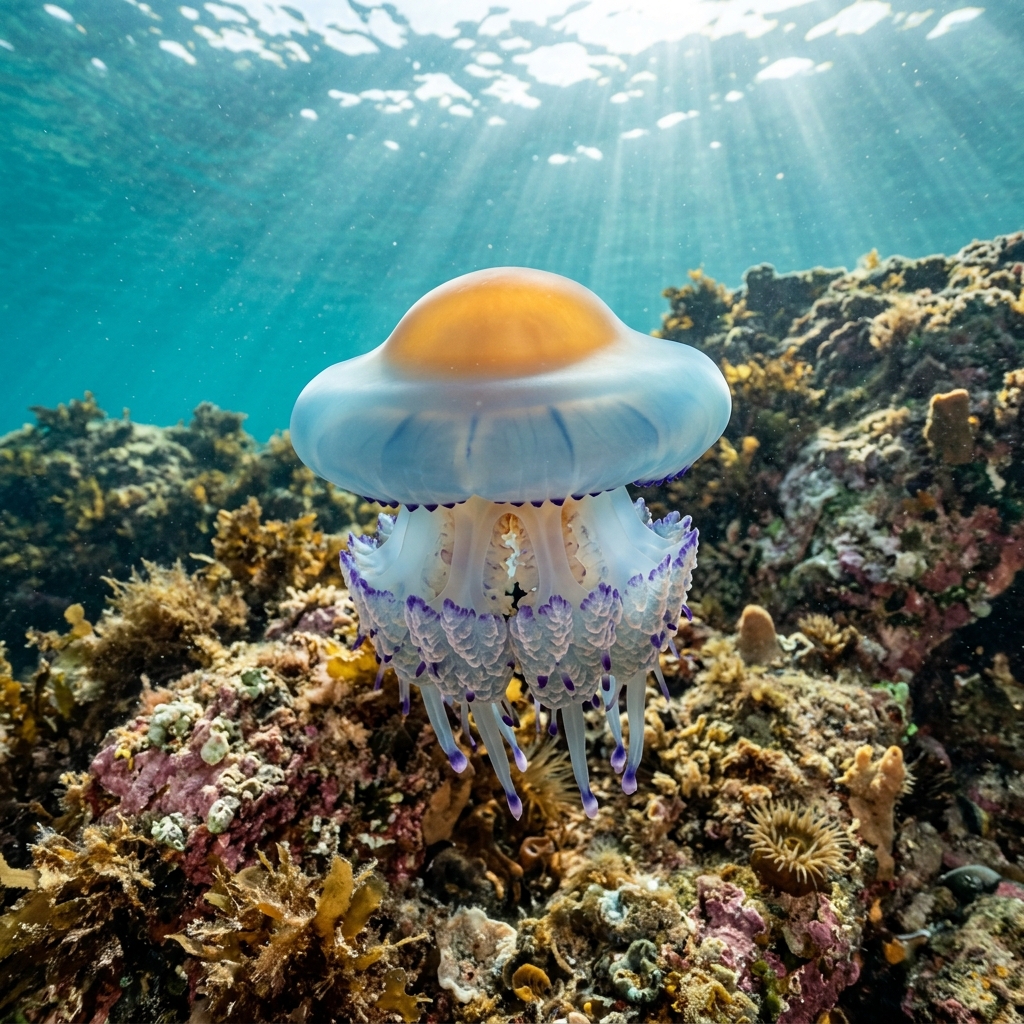
Reef neighbours a diver could mistake it for. Use the identification notes above to tell them apart.
This jelly is most reliably logged around Puerto Madryn in Argentina, which accounts for the bulk of sightings, with a strong secondary presence at Los Molles in Chile and at Pucusana in Peru. Smaller numbers turn up further north around Concepción and Coquimbo in Chile, so the species is best treated as a cool-water Southern Cone specialty rather than a tropical find.
Mapping where South American Sea Nettle is logged…
The most reliable sightings come from Puerto Madryn in Argentina, with good numbers also logged at Los Molles in Chile and Pucusana in Peru. Smaller populations turn up further along the Chilean coast around Concepción and Coquimbo.
There is no strong seasonal pattern in the sightings, so it can turn up year-round at the sites where it is known. It favours cool water between about 12 and 18C, consistent with the cold currents of the southeast Pacific and southwest Atlantic.
Yes, its tentacles deliver a painful sting that can leave a burning welt on unprotected skin. A wetsuit, gloves and giving it space are enough to dive safely around it.
Look for a reddish-brown to orange bell around 70cm across with darker radiating stripes, long trailing tentacles and frilly, paler-edged oral arms hanging beneath. It swims with a slow pulsing motion rather than darting movement.
They typically reach around 70cm across the bell, with tentacles trailing considerably further behind the body.
Site and sighting data is aggregated from diver logs, iNaturalist and GBIF. For taxonomy and conservation status:
Moon Jellyfish
1,766 sites