
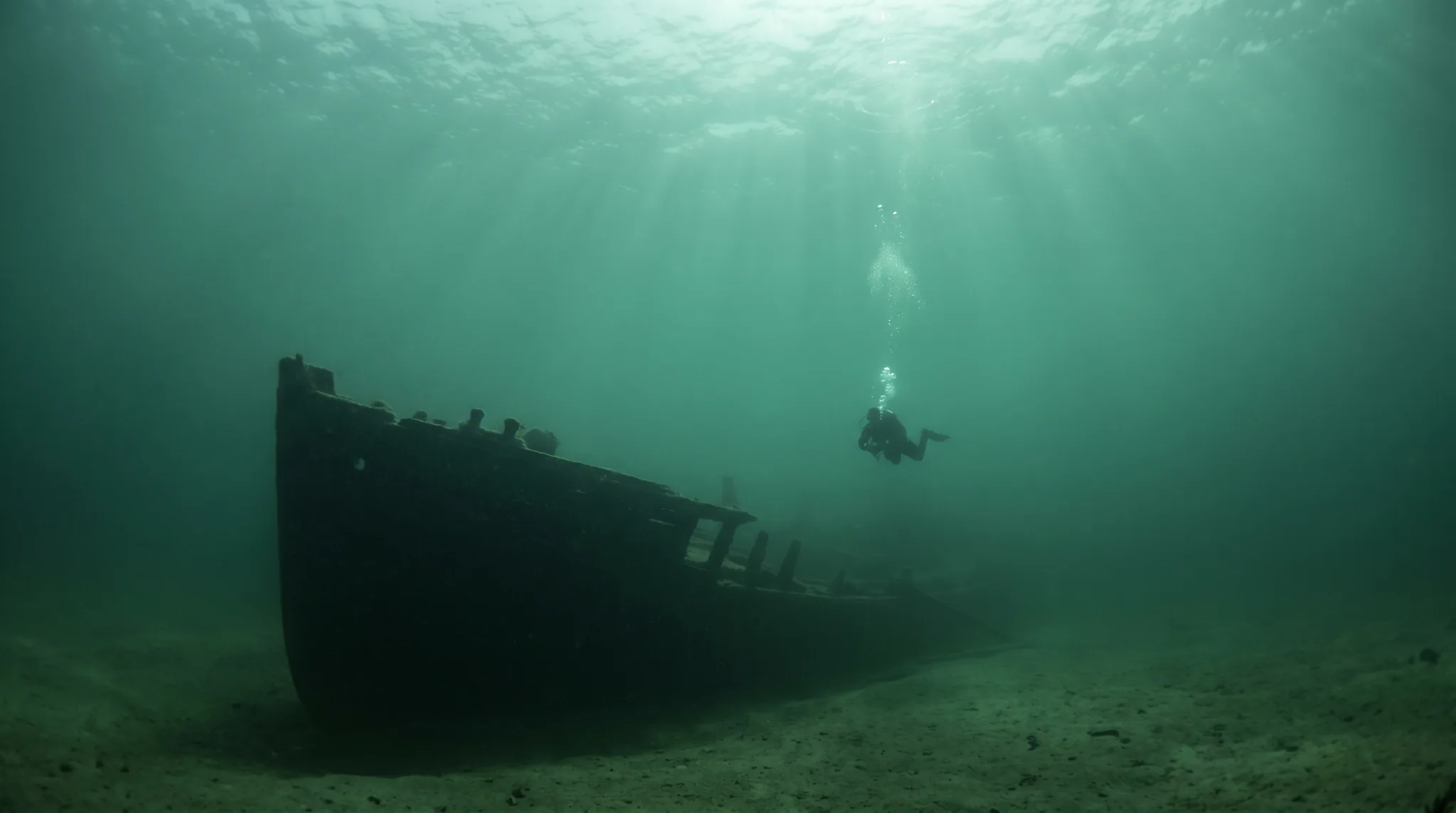
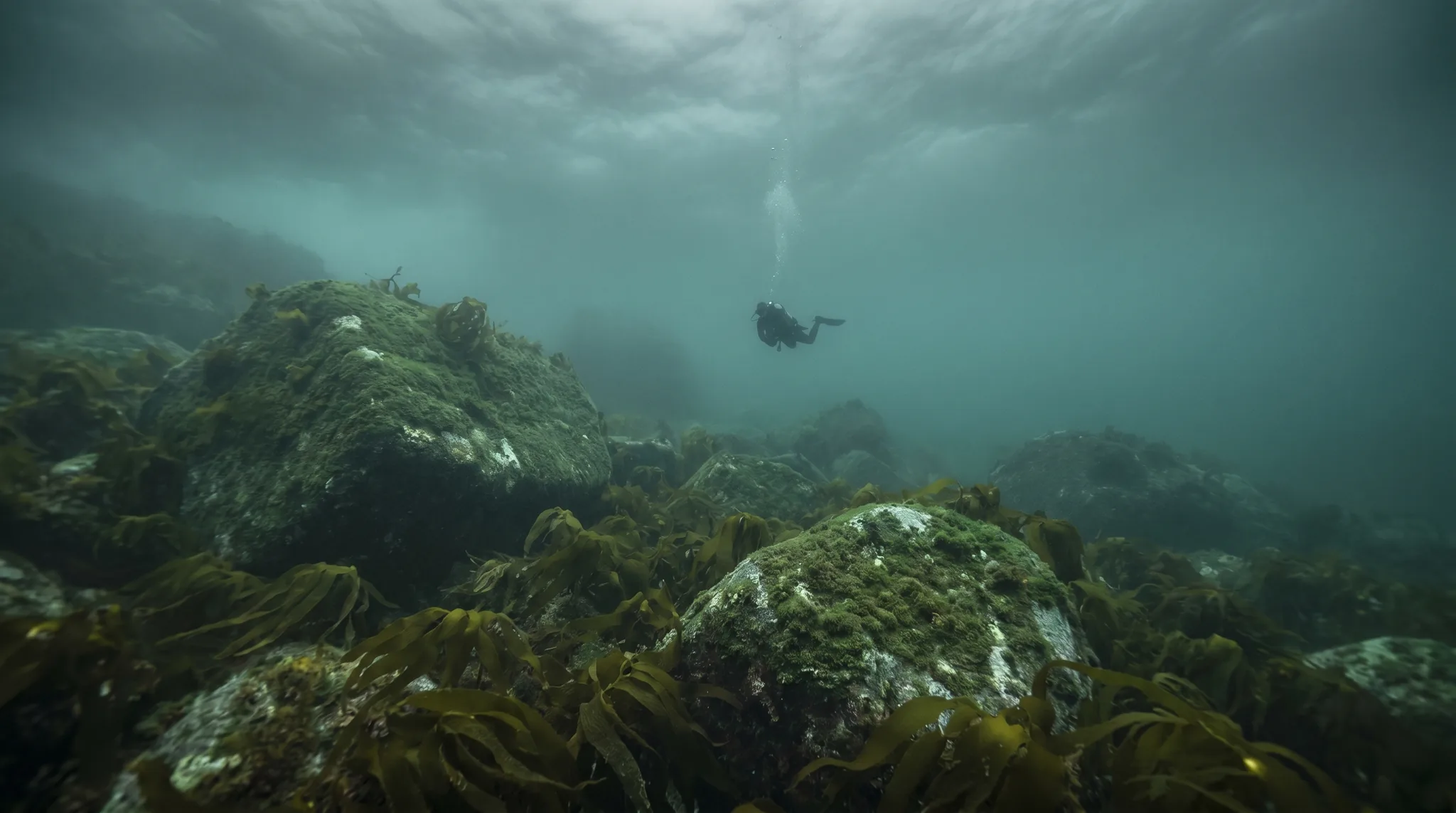
Punta Cuevas is defined by its concentration of wrecks sitting alongside natural reef, making it one of Patagonia's most wreck-rich dive areas near Puerto Madryn. Several vessels serve as artificial reefs, attracting South American Sea Lion and Northern Elephant Seal alongside reef residents such as Scorpionfish, Bream, and Triplefin. Beginner-friendly reef sites with shallow entries complement deeper intermediate wreck dives, giving the area range across skill levels. Water is cool to cold for much of the year, so conditions reward preparation.
Monthly water temperature across Punta Cuevas's sites, from satellite sea-surface data corrected for depth. The band shows the site-to-site spread.
Water temperatures peak in the warmer summer months around January and February before dropping steadily through autumn and winter to their coldest in August and September. The warmest period draws the most divers and generally coincides with the best visibility. Cooler months remain diveable but demand appropriate exposure protection and suit up conditions accordingly.

17 operators
Puerto Madryn, Argentina
Puerto Madryn, Argentina
Puerto Madryn, Argentina
Puerto Madryn, Argentina
Puerto Madryn, Argentina
Puerto Madryn, Argentina
8 more sites to explore
Water temperature around Punta Cuevas ranges from about 11°C in August to 19°C in February, based on satellite sea-temperature data for its dive sites.
In the warm season (about 19°C) a 5mm suit is comfortable in Punta Cuevas; in the coldest months (about 11°C) step up to a drysuit.
Fin maps 16 sites in Punta Cuevas (16 scuba diving sites and 2 snorkelling spots, with some suited to both).
Across Punta Cuevas's dive sites, January, February, March, November and December are most often reported as the best months to visit.
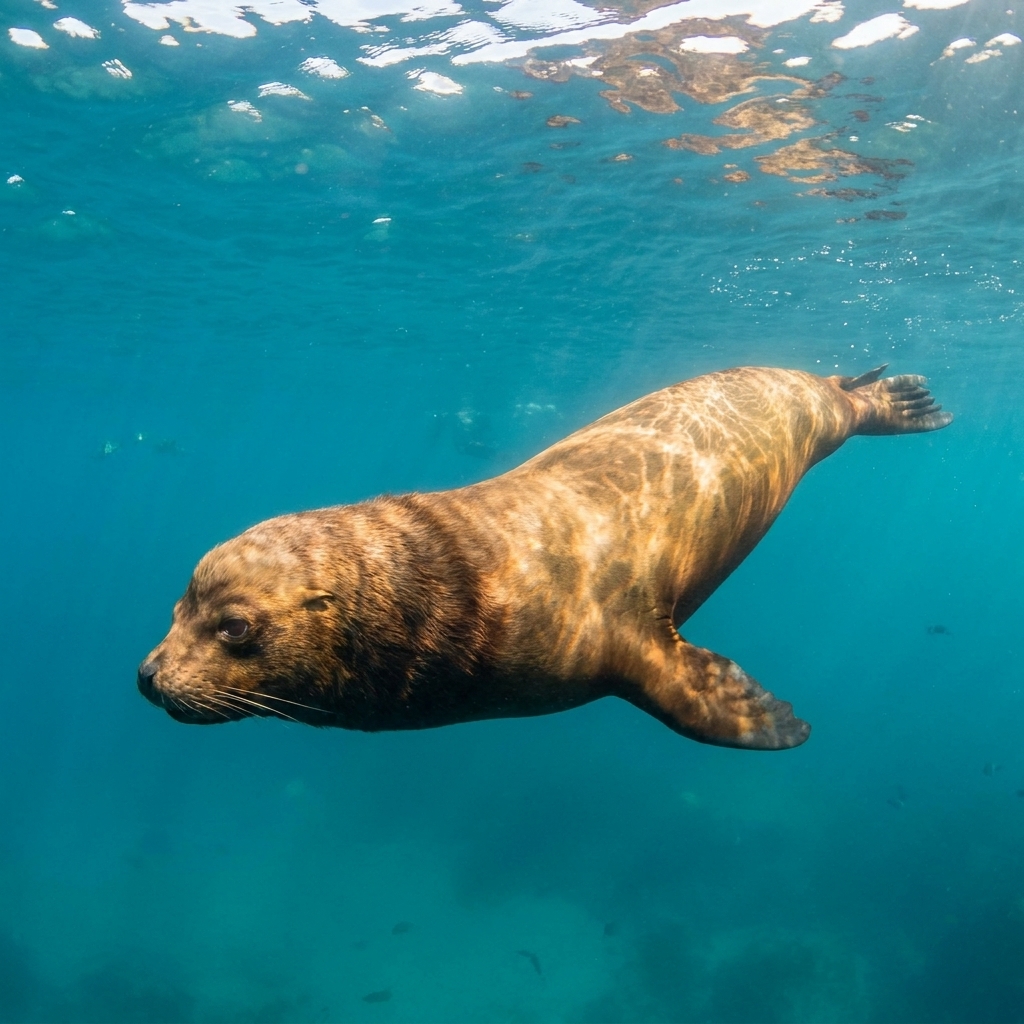
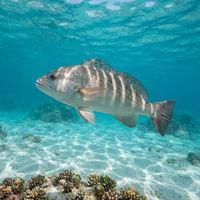
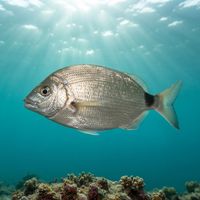
The signature encounters are South American Sea Lion and Northern Elephant Seal, both frequently observed across sites. Reef species such as Scorpionfish, Bream, Triplefin, and Sea Star are present at virtually every site. Less common but observation-backed sightings include Coconut Octopus, Eagle Ray, Conger Eel, and Chromodoris Nudibranch.
Several sites are rated for beginners, including Restinga Punta Cuevas and the Punta Cuevas reef site, both of which are shallow and accessible by shore or boat. Parque Viejo, a wreck and artificial reef combination, is also listed at beginner level. Intermediate divers have dedicated wreck sites such as Albatros, Urabain, and Miralles for more challenging dives.
Access varies across the site mix. Restinga Punta Cuevas offers shore entry, while most of the wreck sites require a boat. A handful of sites, including Punta Este, offer both shore and boat entry. Multiple operators are based in the area and can arrange boat access to the offshore wrecks.
Wrecks are the defining feature, with several vessels deliberately sunk to create artificial reefs. Natural reef diving is also well represented, from shallow beginner reefs to deeper structures. The combination means divers can move between wreck exploration, reef fish watching, and sea lion encounters across a single trip.