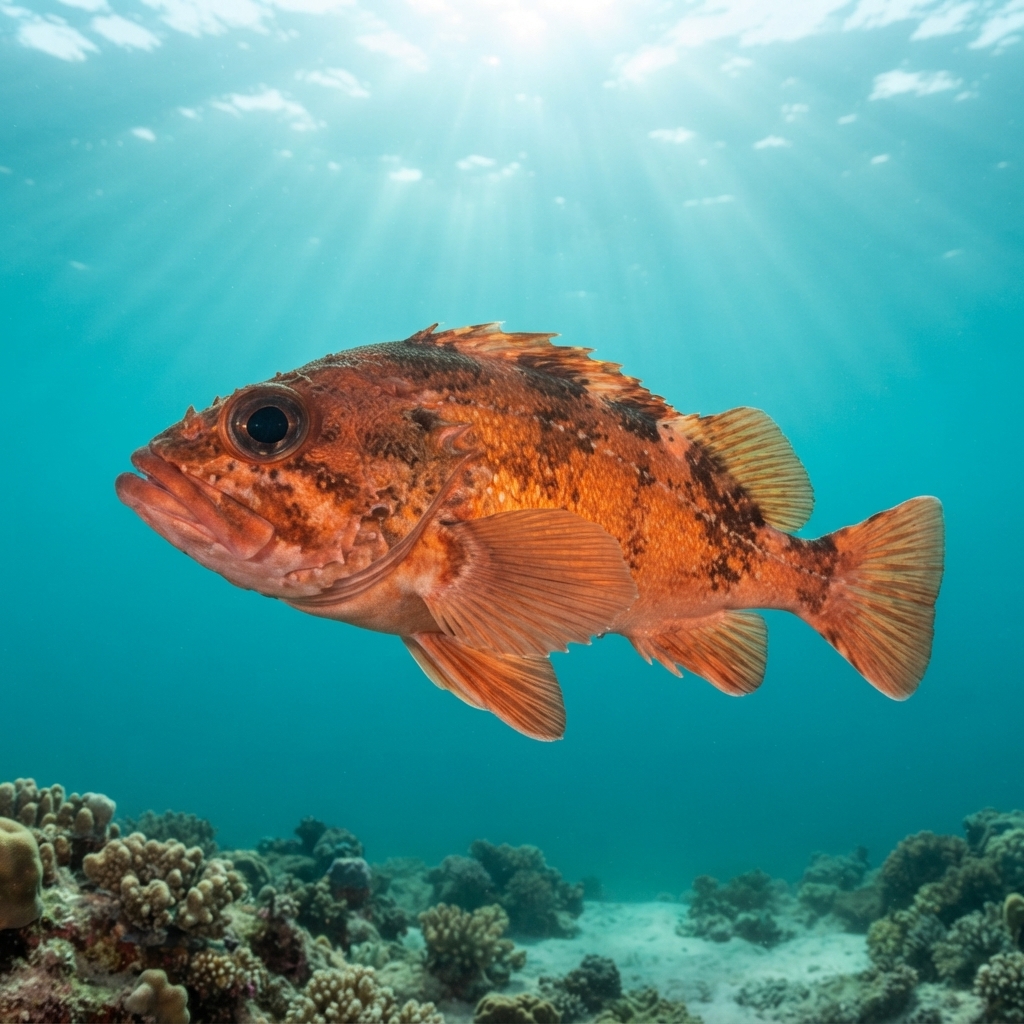
Sebastes oculatus
Mottled reddish scorpionfish common off Puerto Madryn, Argentina, in cold water down to 5.9°C, year-round on the reef.
Safety warning
Its dorsal, anal and pelvic fin spines carry venom glands, and a jab causes sharp, lasting pain similar to other scorpionfish stings. It will not chase or attack, so the real risk is an accidental hand or knee placement on rock where it is sitting; keep hands off unfamiliar rock ledges and watch your buoyancy near the bottom.
If you're stung
Venomous spinesGeneral first-aid guidance, not a substitute for professional medical care. In an emergency, call your local emergency number.
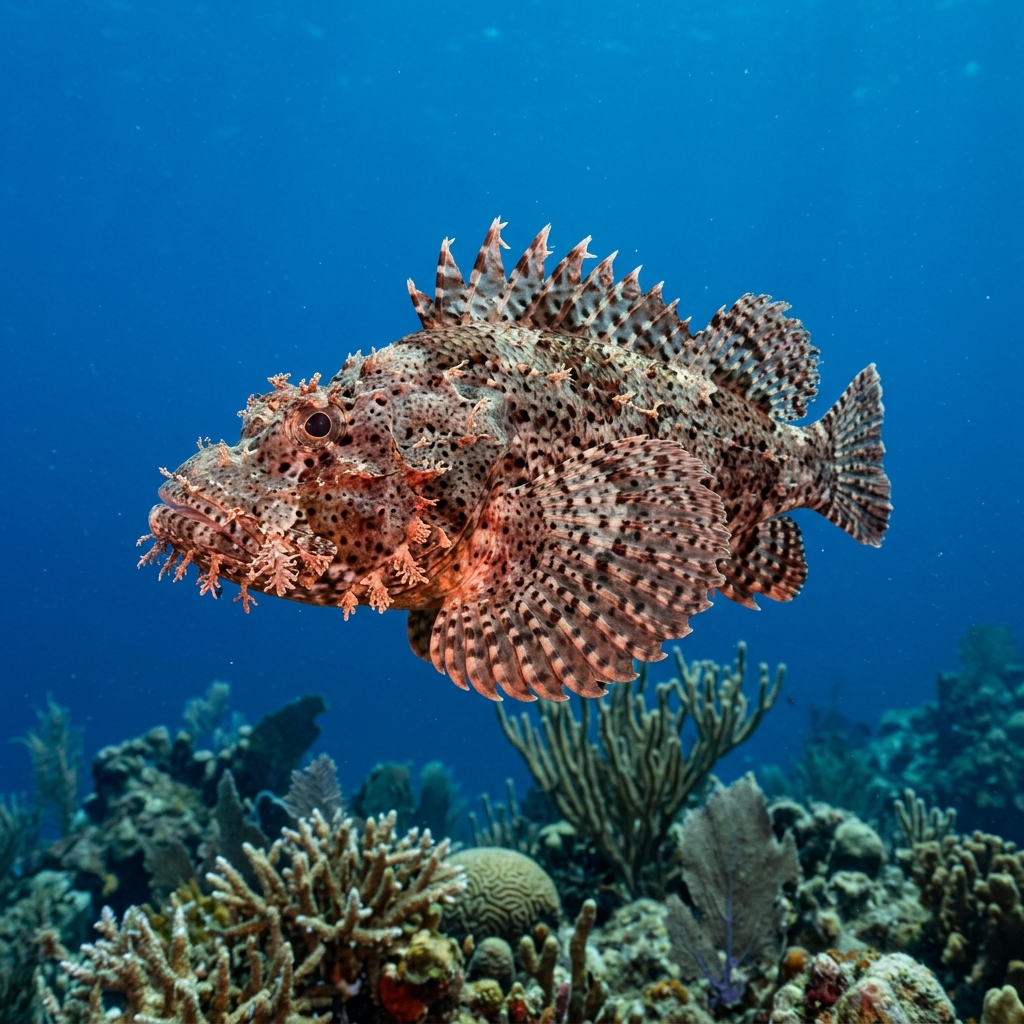
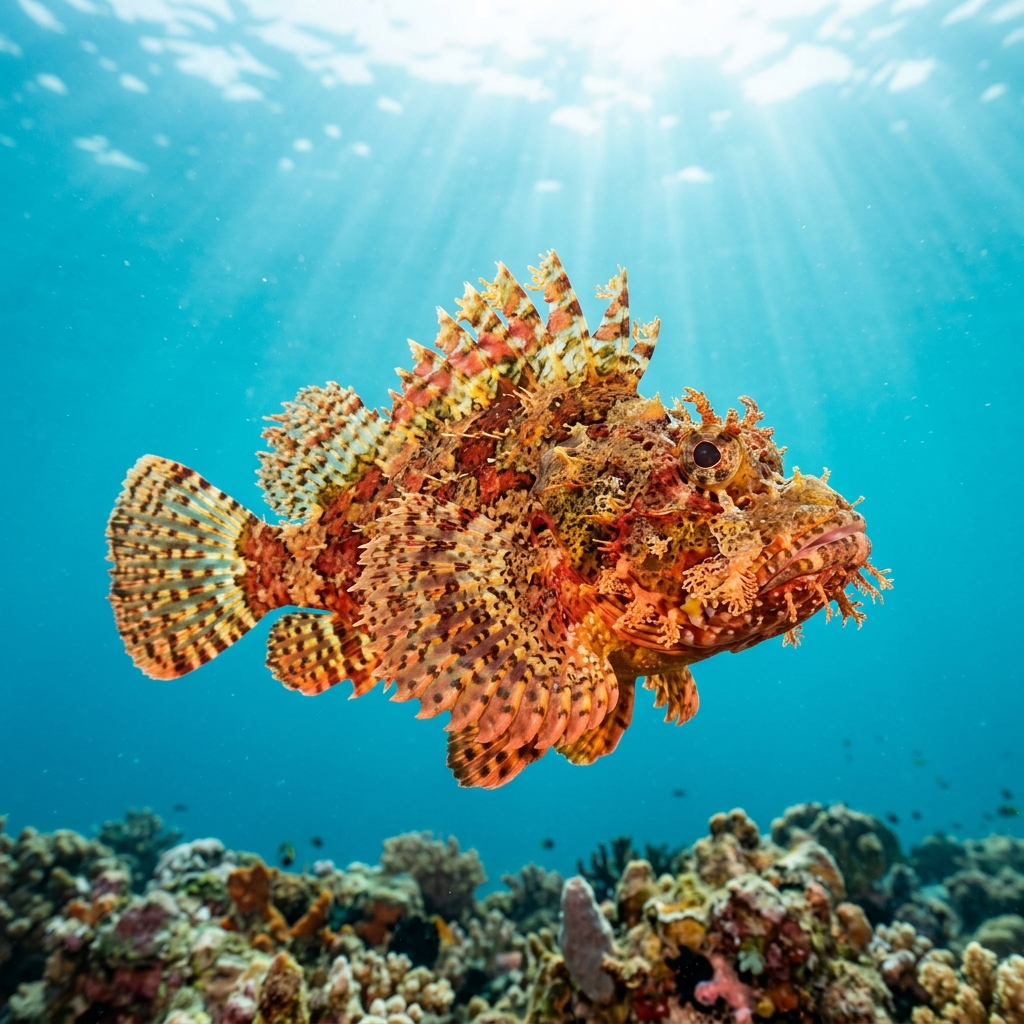
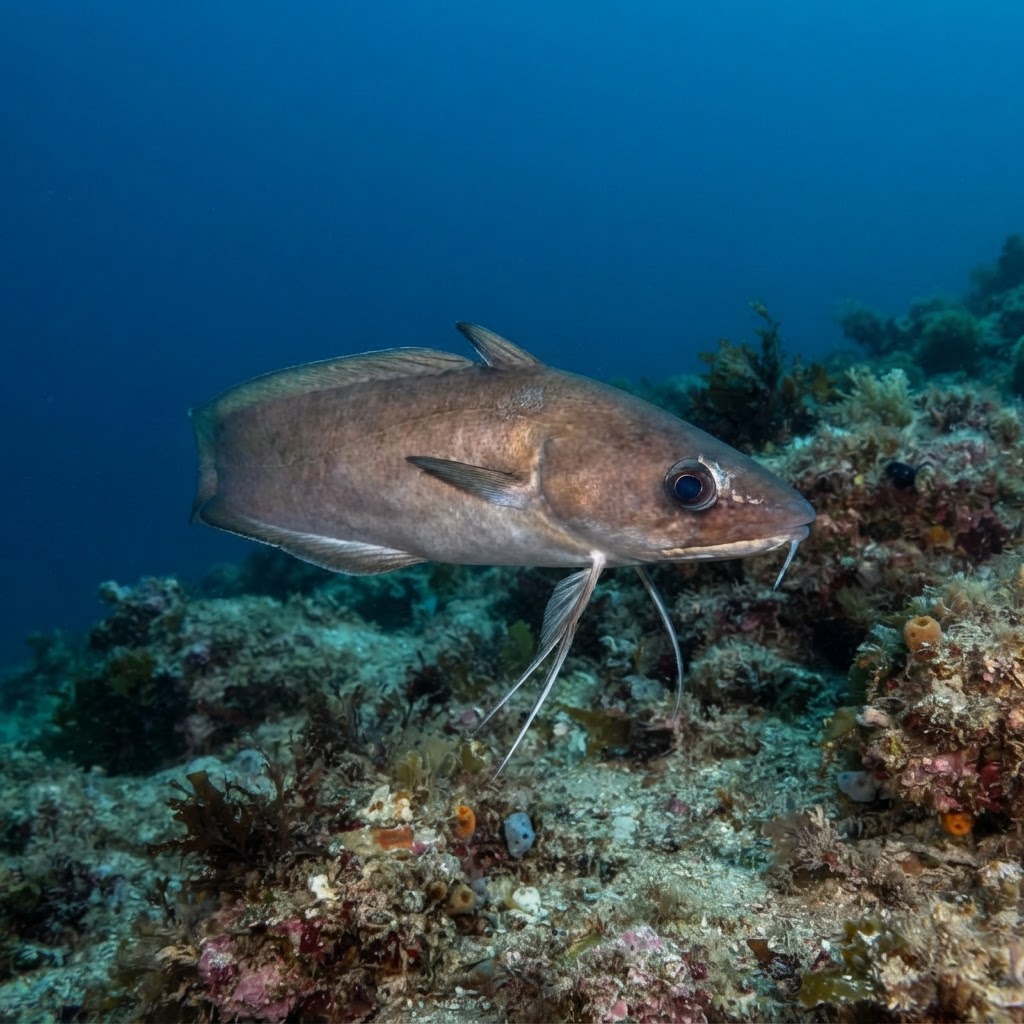
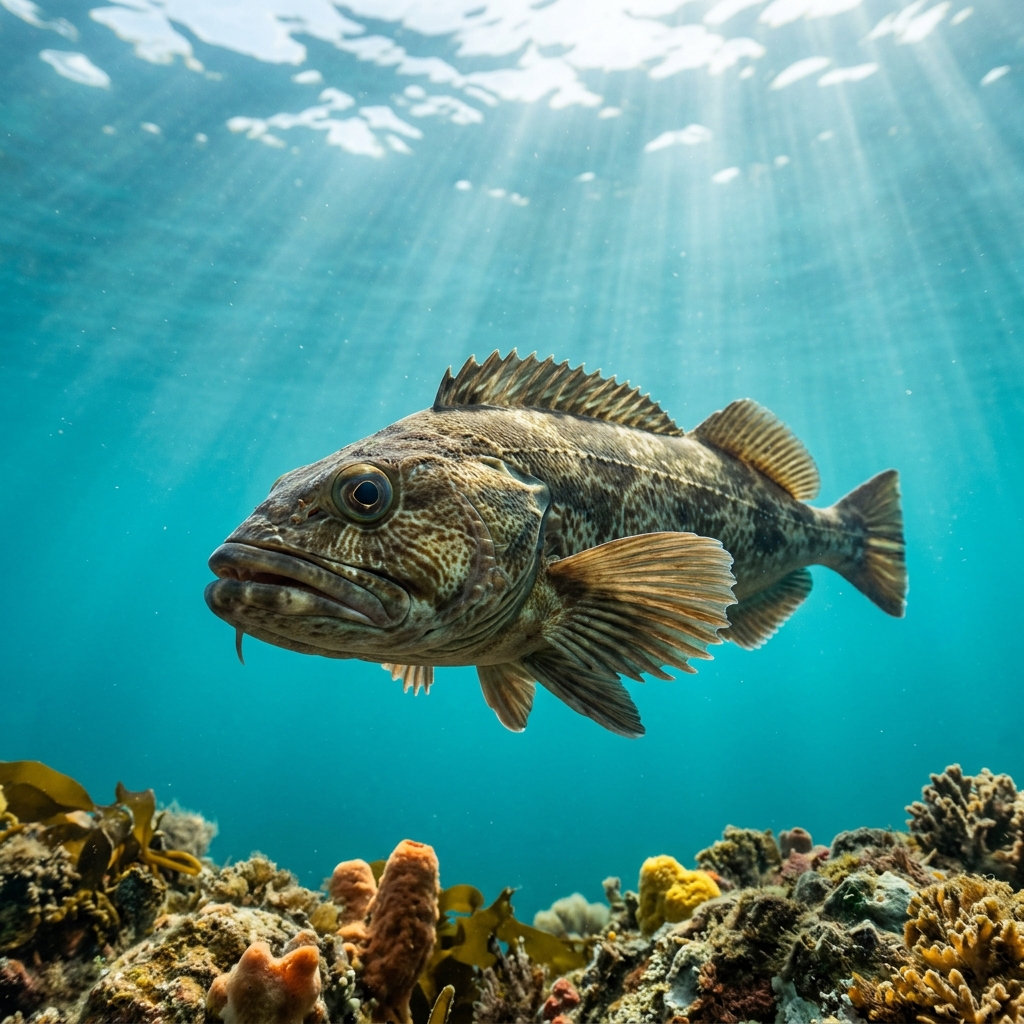
A stocky, big-headed scorpionfish reaching around 29 cm, with a mottled red-brown to orange body that breaks up its outline against rock and kelp. Look for the heavy spiny dorsal fin, a large mouth, and small skin flaps or ridges over the eyes typical of the genus. It sits motionless on the bottom rather than swimming in open water, so divers usually spot it by the shape first, colour second.
Expect it parked motionless on rock, rubble or kelp-edged bottom, relying on its mottled colouring to disappear rather than fleeing when divers approach. It is logged as uncommon at most sites but turns up reliably at a handful of spots around Puerto Madryn, so a slow look along ledges and crevices pays off. Being a bottom-dweller, it is usually found with a torch or close attention on the substrate rather than mid-water.
Like other Sebastes rockfish, it likely bears live young rather than releasing eggs into the water, a reproductive trick that helps rockfish populations persist in cold, food-poor southern waters.
Sightings show no clear seasonal pattern, and with a temperature niche of 5.9 to 14.6°C it appears to sit on the bottom year-round rather than migrating with warmer months. Plan around Patagonia's diving season generally rather than around this fish specifically.
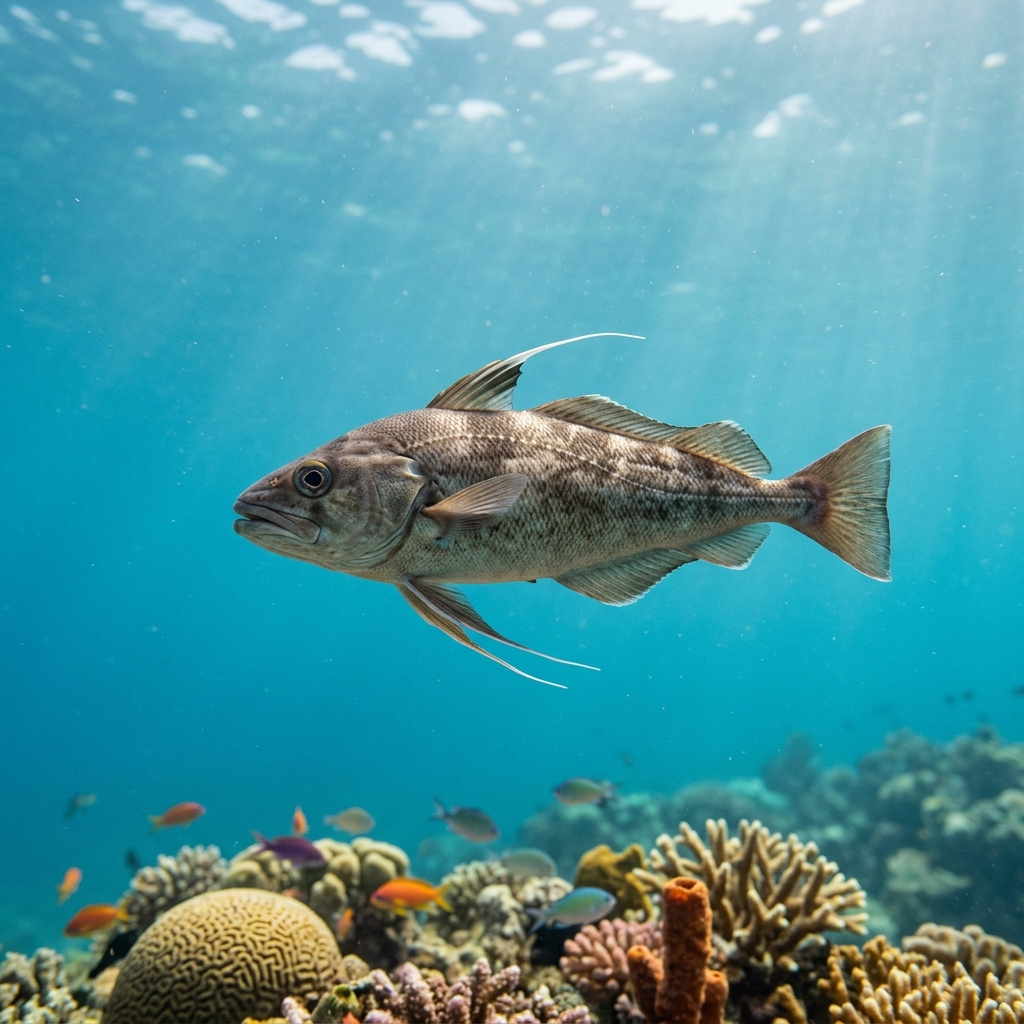
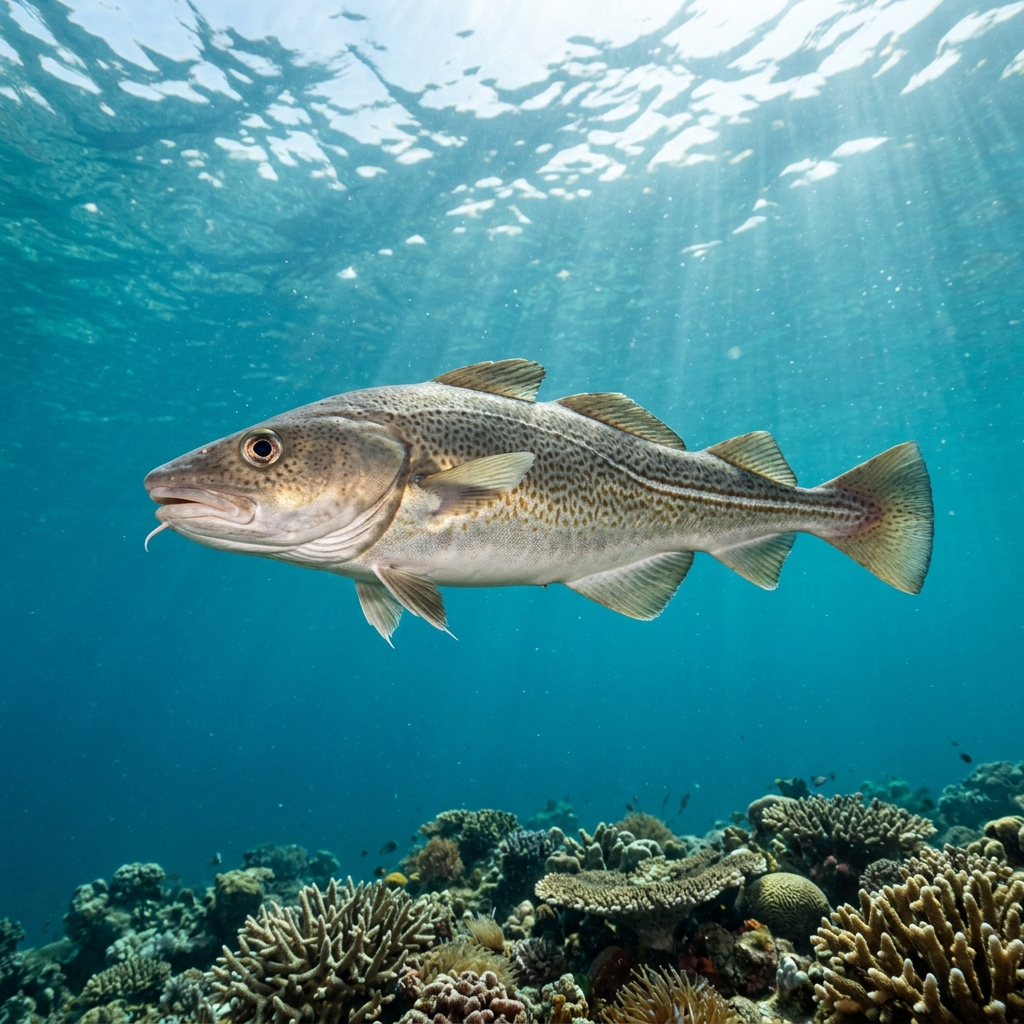
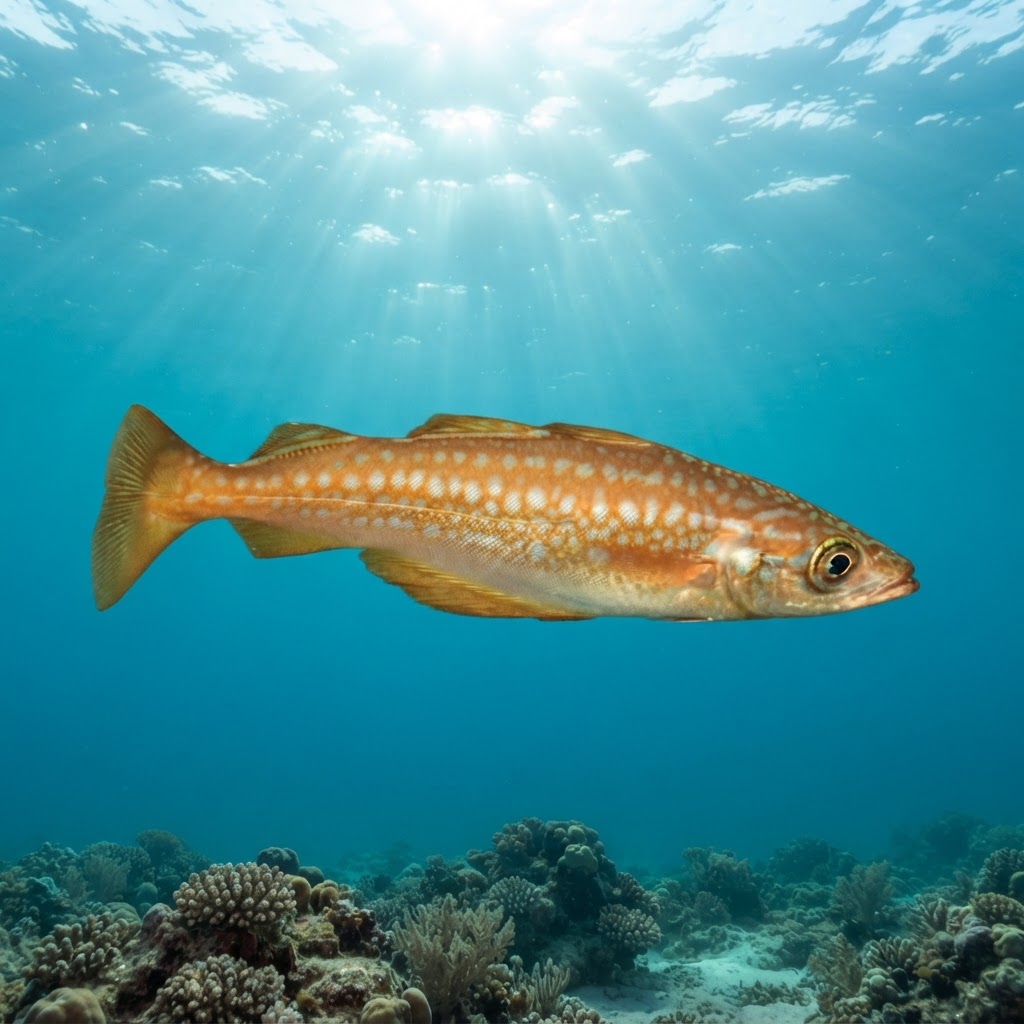
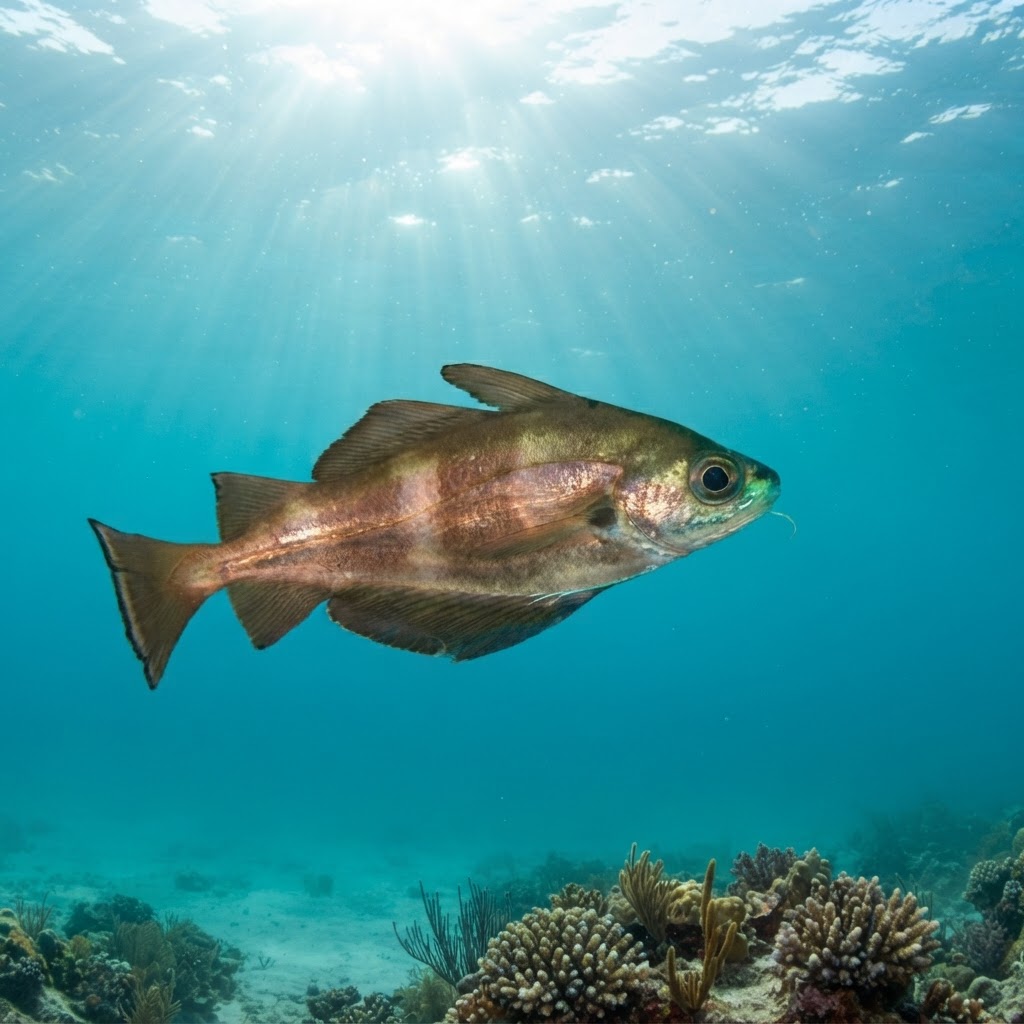
Reef neighbours a diver could mistake it for. Use the identification notes above to tell them apart.
Almost every logged sighting comes from Argentina, with Puerto Madryn standing out as the strong hub for this species and Camarones offering a smaller but reliable population further south. If you are diving Patagonia's cold-water rock and kelp sites, this is one of the scorpionfish you should expect to run into.
Mapping where Patagonian Redfish is logged…
Puerto Madryn in Argentina is by far the strongest area for this species, with Camarones further south also holding a smaller population. Nearly all logged sightings come from Argentine Patagonia's rocky, kelp-lined dive sites.
There is no detected seasonal pattern, and it tolerates a wide cold-water range from 5.9 to 14.6°C, so it appears to be present year-round wherever it is found. Time your trip around Patagonia's general diving conditions rather than a redfish season.
Yes, its fin spines are venomous and a sting causes sharp, lasting pain. It is not aggressive and will not chase divers, but avoid putting hands or knees on rocky ledges where one might be resting.
Look for a stocky, spiny-finned fish around 29 cm with mottled red-brown colouring that camouflages it against rock. It sits still on the bottom rather than swimming, with a large head and mouth typical of scorpionfish.
They typically reach around 29 cm, a modest size that keeps them well camouflaged among rock and kelp on Patagonian reefs.
As a member of the rockfish genus Sebastes, it likely gives birth to live young instead of laying eggs, an adaptation shared across the genus that helps it cope with cold, southern waters.
Site and sighting data is aggregated from diver logs, iNaturalist and GBIF. For taxonomy and conservation status:
Pollack
282 sites