Entelurus aequoreus
Thread-thin and easy to miss: find snake pipefish in Scotland's kelp beds, waters as cool as 7.3 C, seen year-round.
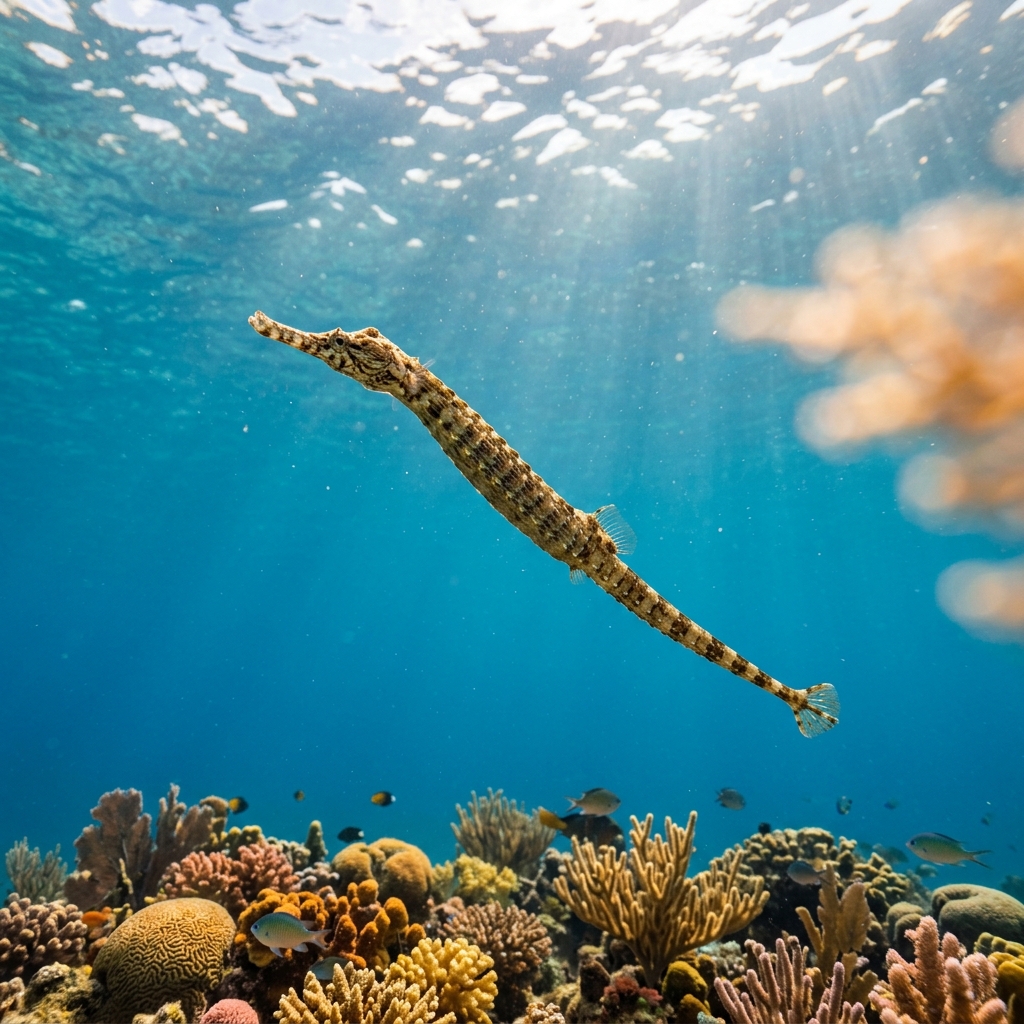
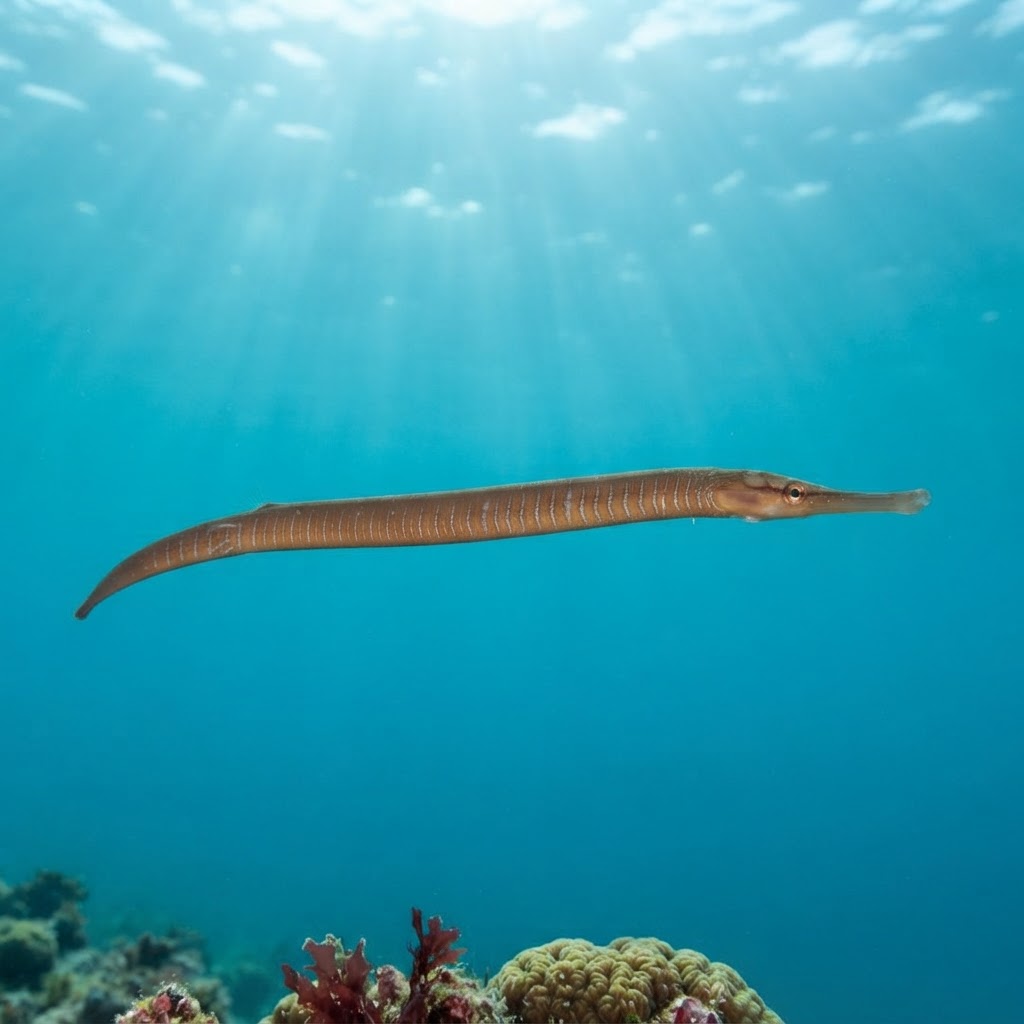
Extremely long and thin, more like a strand of rope than a typical fish, reaching around 28 cm but only a centimetre or so thick. Colour runs from olive-brown to yellowish with faint darker banding, letting it vanish among kelp stipes and seagrass blades. No obvious head bump or snout curve like a seahorse, just a straight tapering body that undulates rather than swims in a fixed shape. Divers usually pick it out by the movement first, a slow snake-like wave, rather than by any bold marking.
Look for it hanging motionless or drifting slowly through kelp forests and eelgrass beds, body held straight and aligned with the fronds around it so it reads as just another strand of weed. It relies almost entirely on this camouflage rather than fleeing, so a slow approach and a scan of kelp stipes at eye level is more productive than chasing movement. Most divers report it as an uncommon to rare find even at sites where it's known to occur, so it rewards patient, close-in looking rather than a swim-by.
Like other pipefish, males carry the fertilised eggs on the underside of the body until they hatch, so a male found mid-season may show a visibly swollen belly region.
Sightings are logged across the year with no clear seasonal peak in the data, so treat it as a year-round possibility on the UK, Norwegian and Swedish sites where it's found. Water here sits in the 7.3 to 12.5 C range, the kind of cool, temperate conditions this species lives in throughout the year rather than favouring one season.
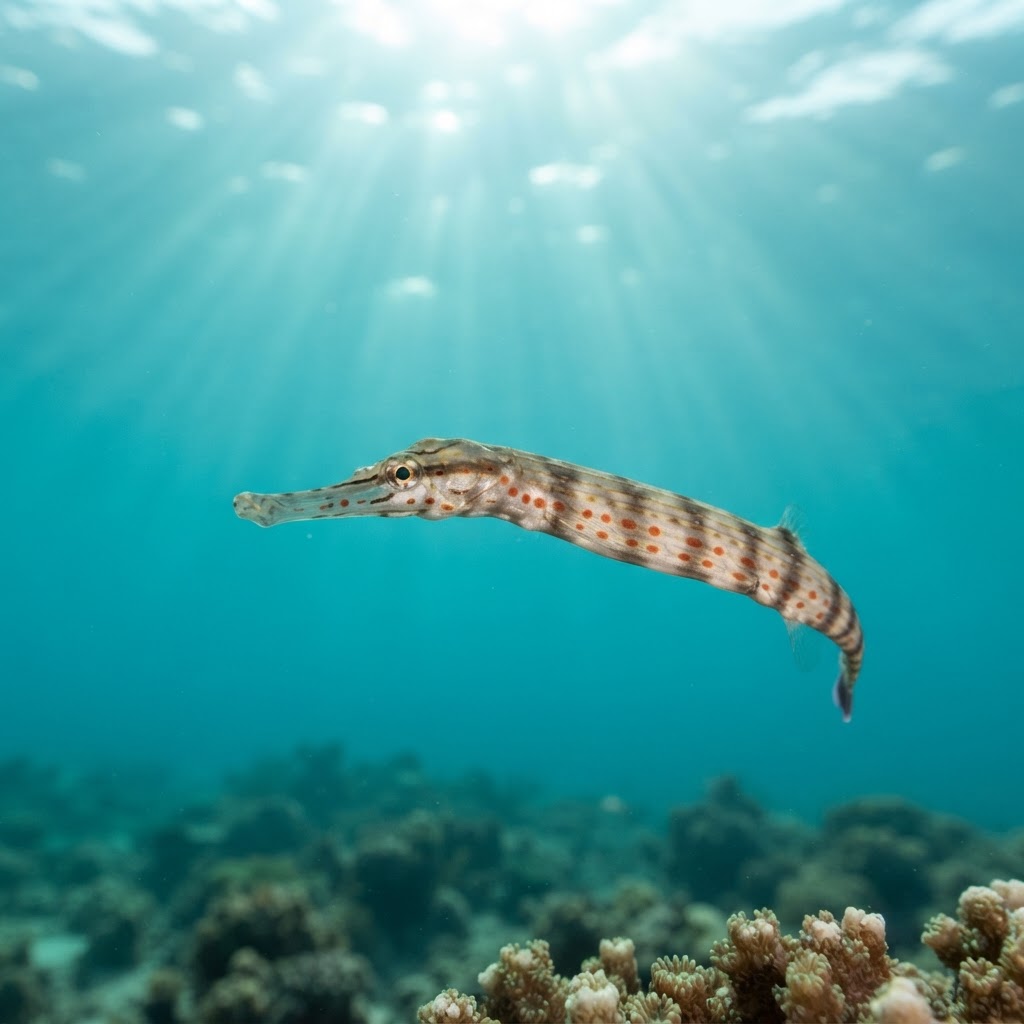
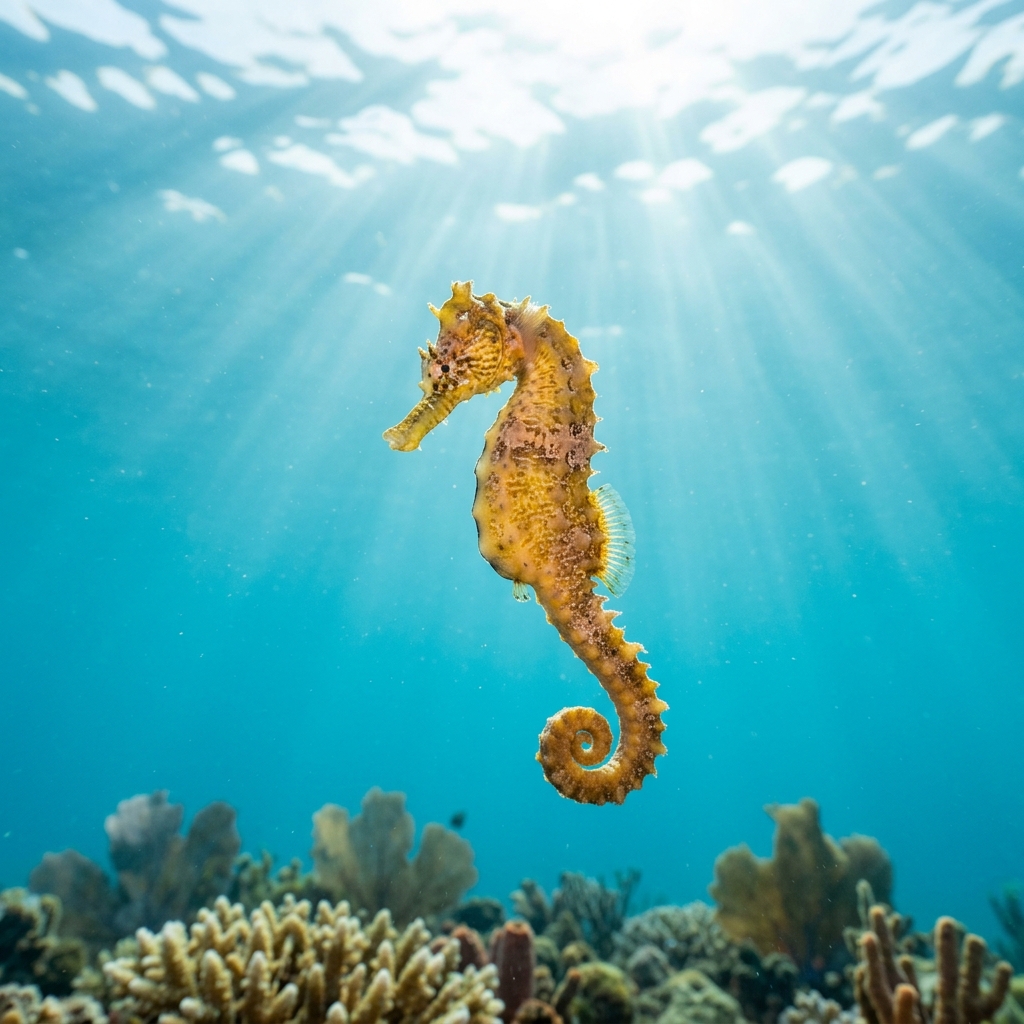
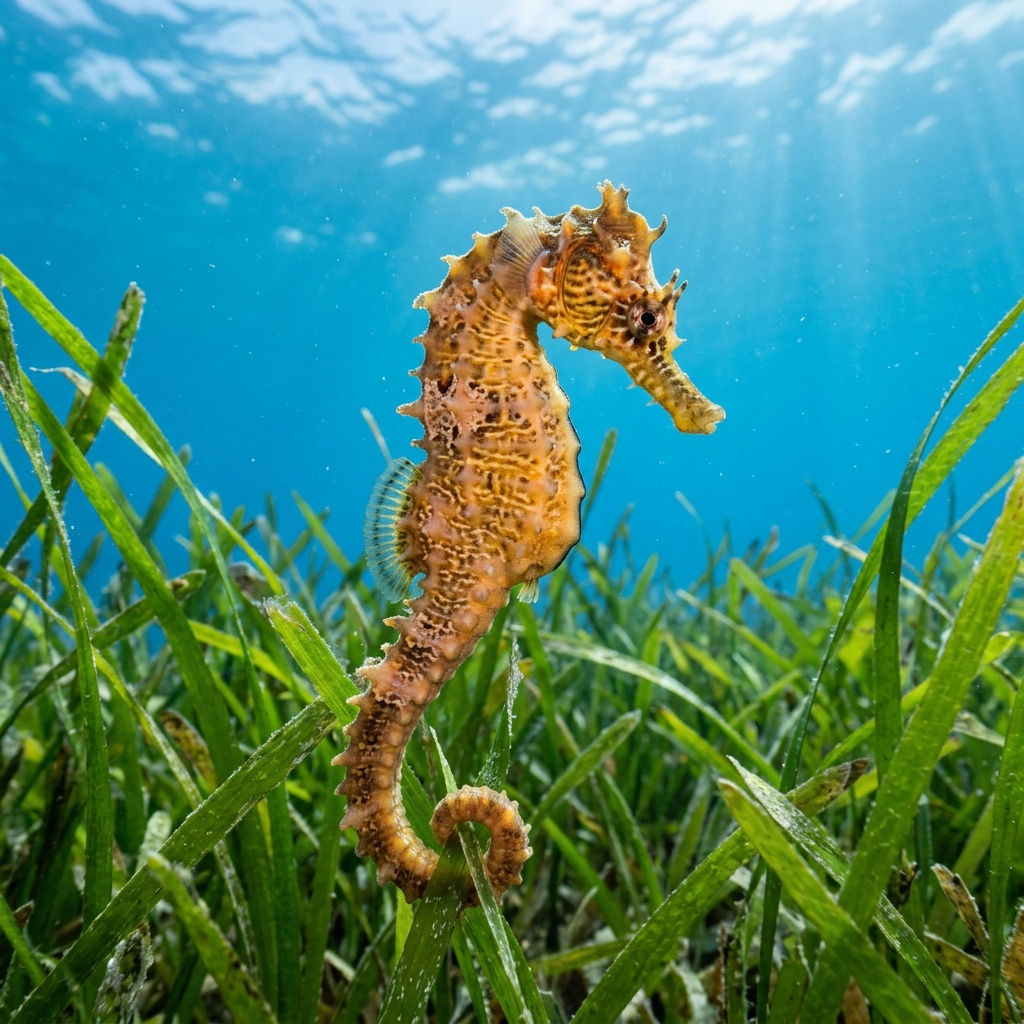
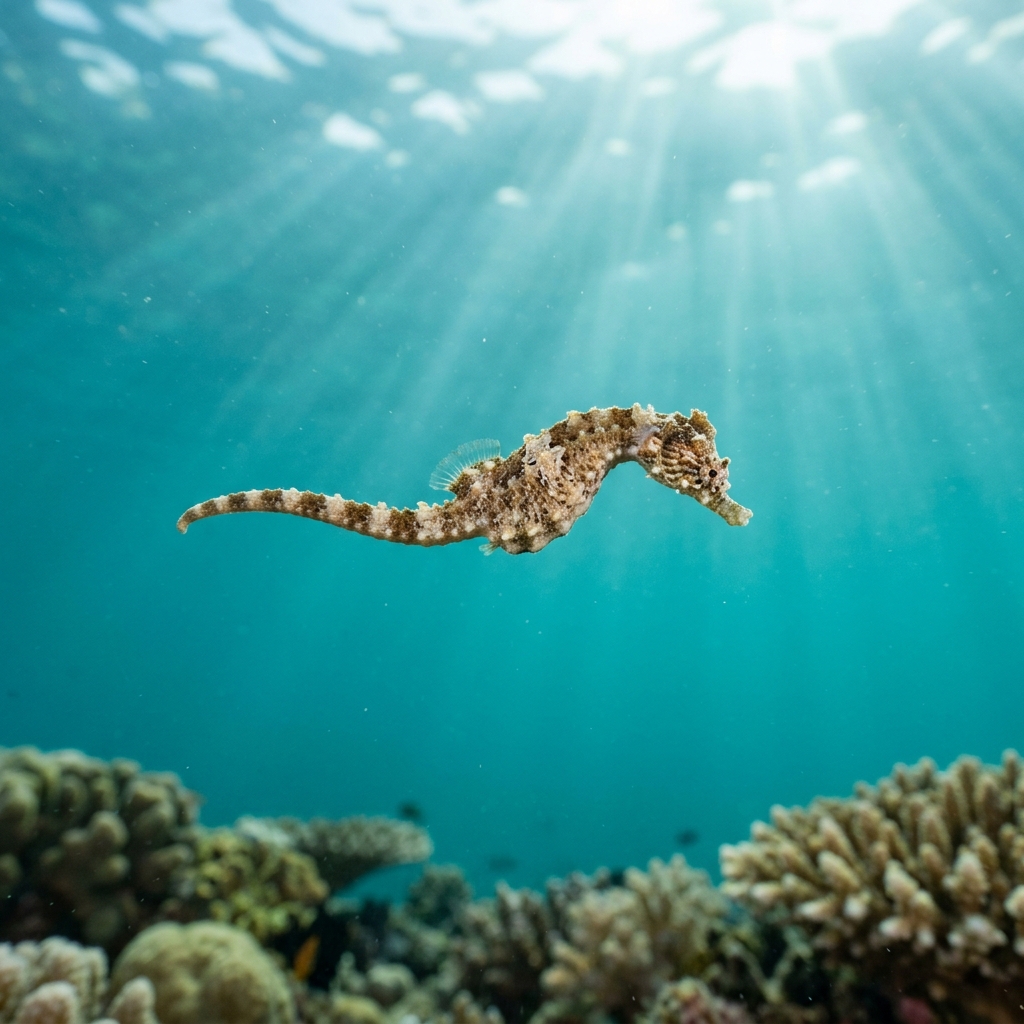
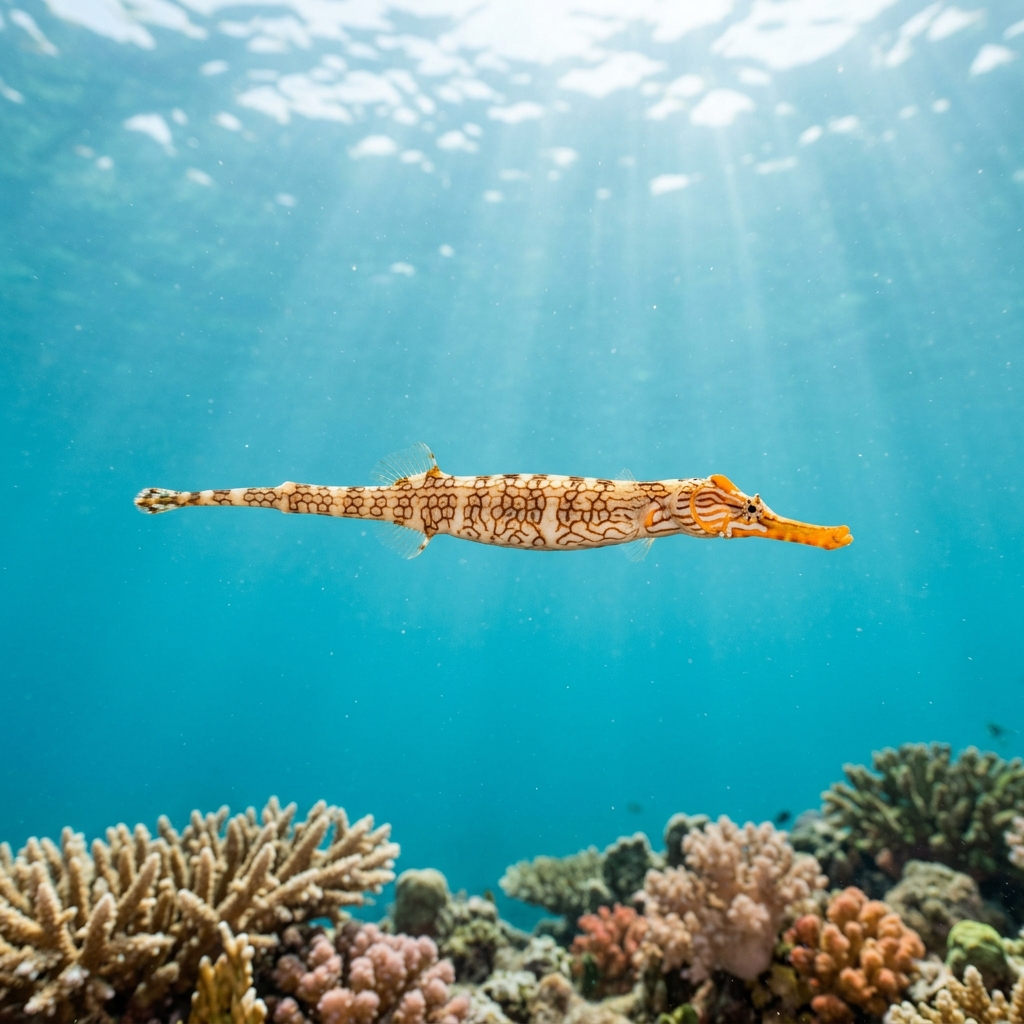
Reef neighbours a diver could mistake it for. Use the identification notes above to tell them apart.
Most consistently logged around Scotland and England, with sites scattered through both, and it also turns up along Norway's Sørlandet and Nordland coasts and in Sweden's Bohuslän. A handful of records extend to Jersey and Guernsey, but the strongest bet is a kelp or seagrass-fringed UK site.
Mapping where Snake Pipefish is logged…
Scotland and England account for most logged sightings, with further records along Norway's Sørlandet and Nordland coasts and Sweden's Bohuslän. Look in kelp forests and seagrass beds rather than open water or reef.
There's no strong seasonal pattern in the sightings, so it's considered a year-round find at its UK, Norwegian and Swedish sites, matching its steady cool-water habitat between roughly 7 and 12.5 C.
Look for an extremely thin, straight, eel-like body around 28 cm long, olive-brown to yellowish with faint banding, drifting or holding still among kelp or seagrass. It moves with a slow undulating wave rather than a typical fish swim.
They reach around 28 cm in length but stay only about a centimetre thick, giving them a strand-like, almost thread-thin profile underwater.
As with seahorses and other pipefish, the male carries the fertilised eggs on his body until they hatch, so brooding males show a thickened belly section.
Site and sighting data is aggregated from diver logs, iNaturalist and GBIF. For taxonomy and conservation status:
Seahorse
1,346 sites