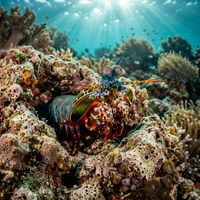
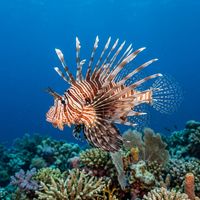
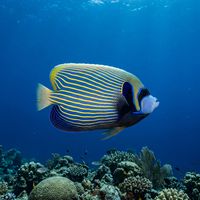
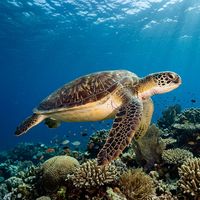
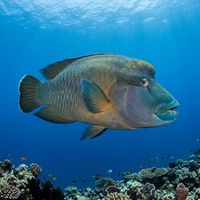
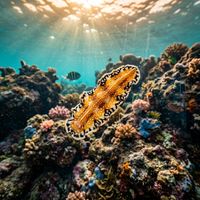
Zanzibar's underwater landscape spans shallow seagrass beds and beginner-friendly reefs through to deep vertical walls, drift dives and a purposely sunk wreck. The three sub-areas each have a distinct character: Mnemba Atoll holds the greatest concentration of sites, Nungwi offers a broad mix of reef and wall dives, and Stone Town anchors the more advanced diving, including Big Wall and the Royal Navy Lighter. Across all areas, the resident marine life leans heavily toward cryptic and reef-associated species, with Indian Lionfish, Wrasses and Flatworm recorded as very common, and signature encounters including the Peacock Mantis Shrimp, Emperor Angelfish and Green Sea Turtle.
3 areas
 26
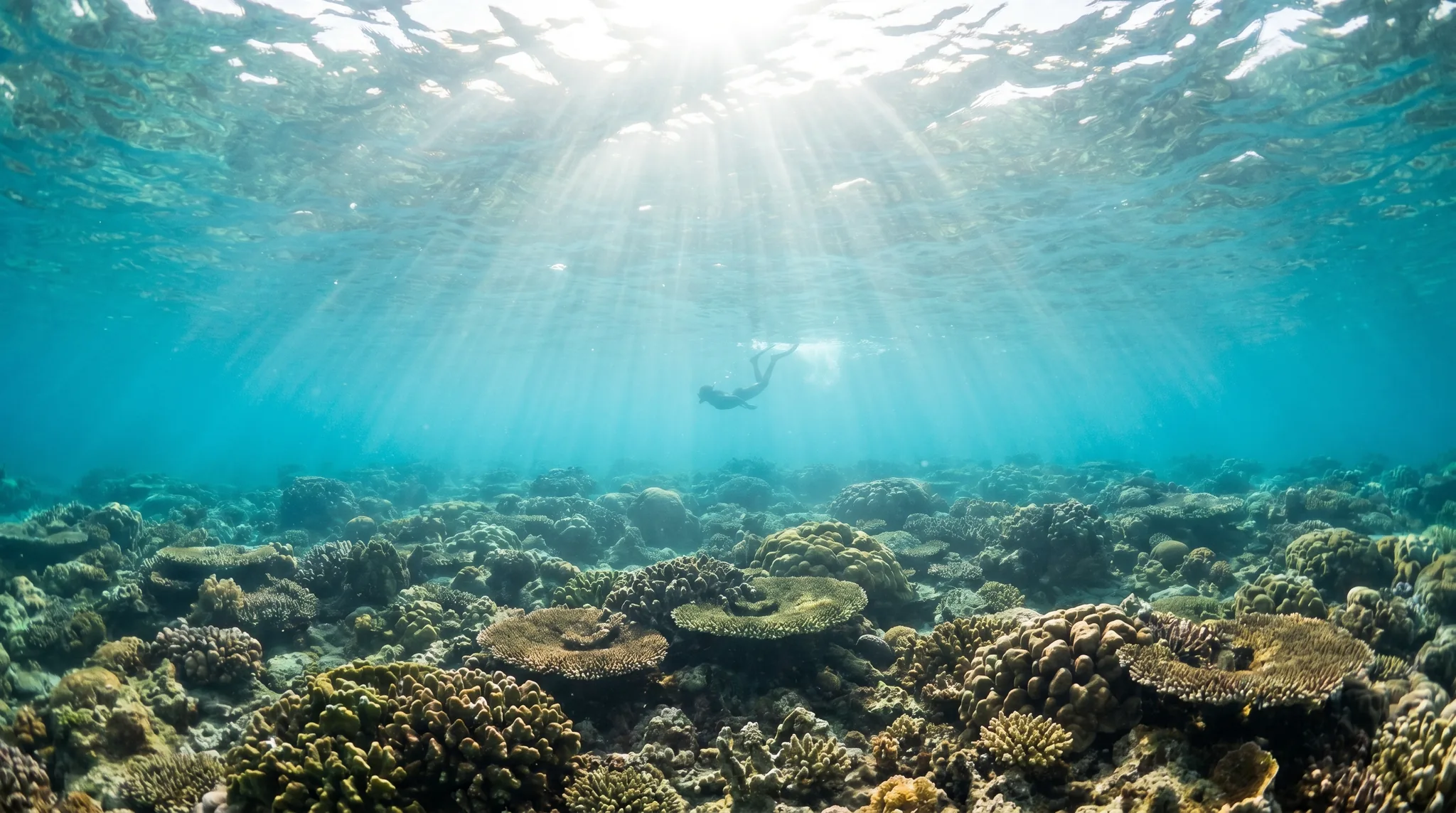
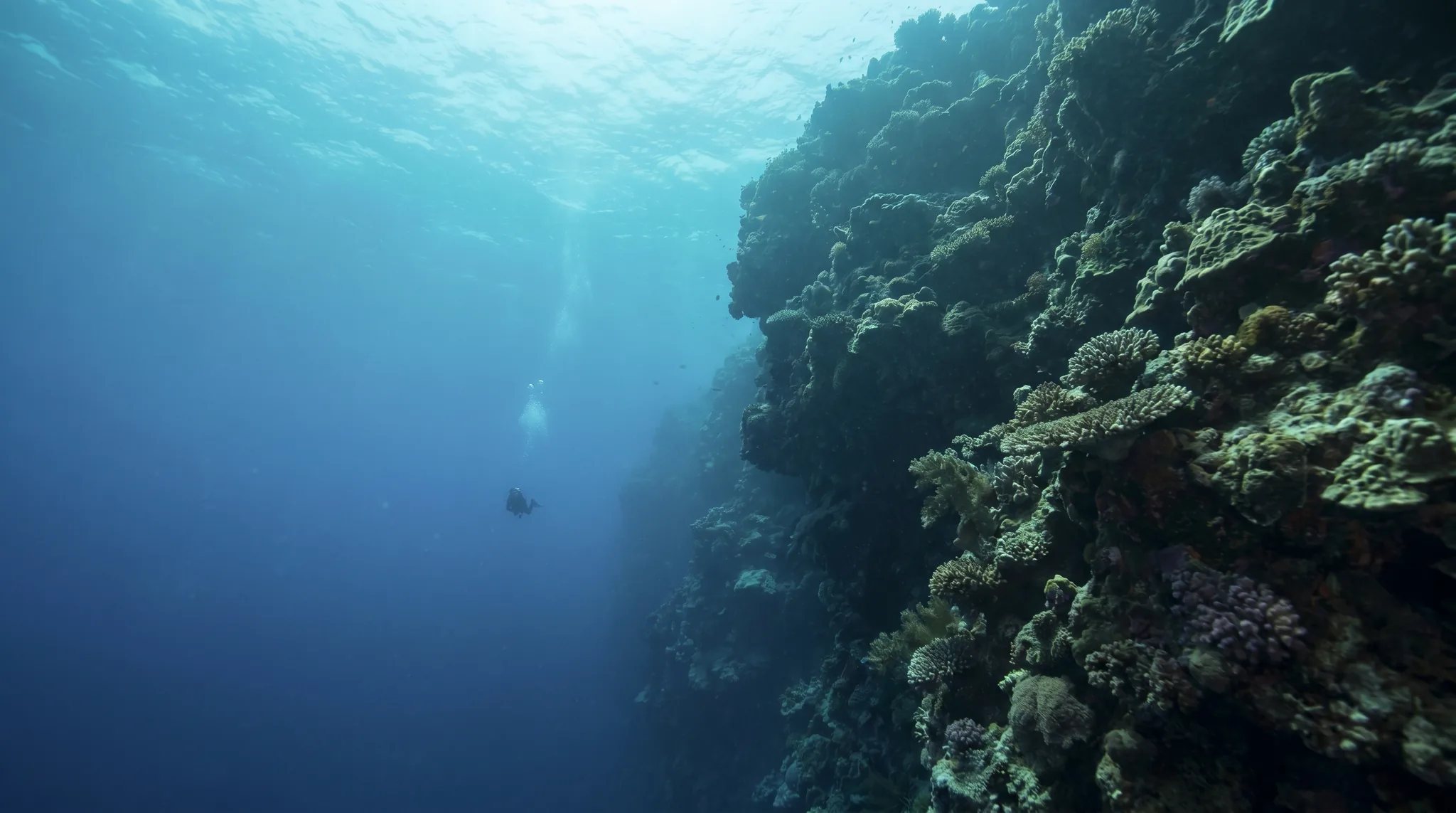
26Wall diving of every grade, with cryptic reef life and occasional Whitetip Reef Shark sightings throughout.
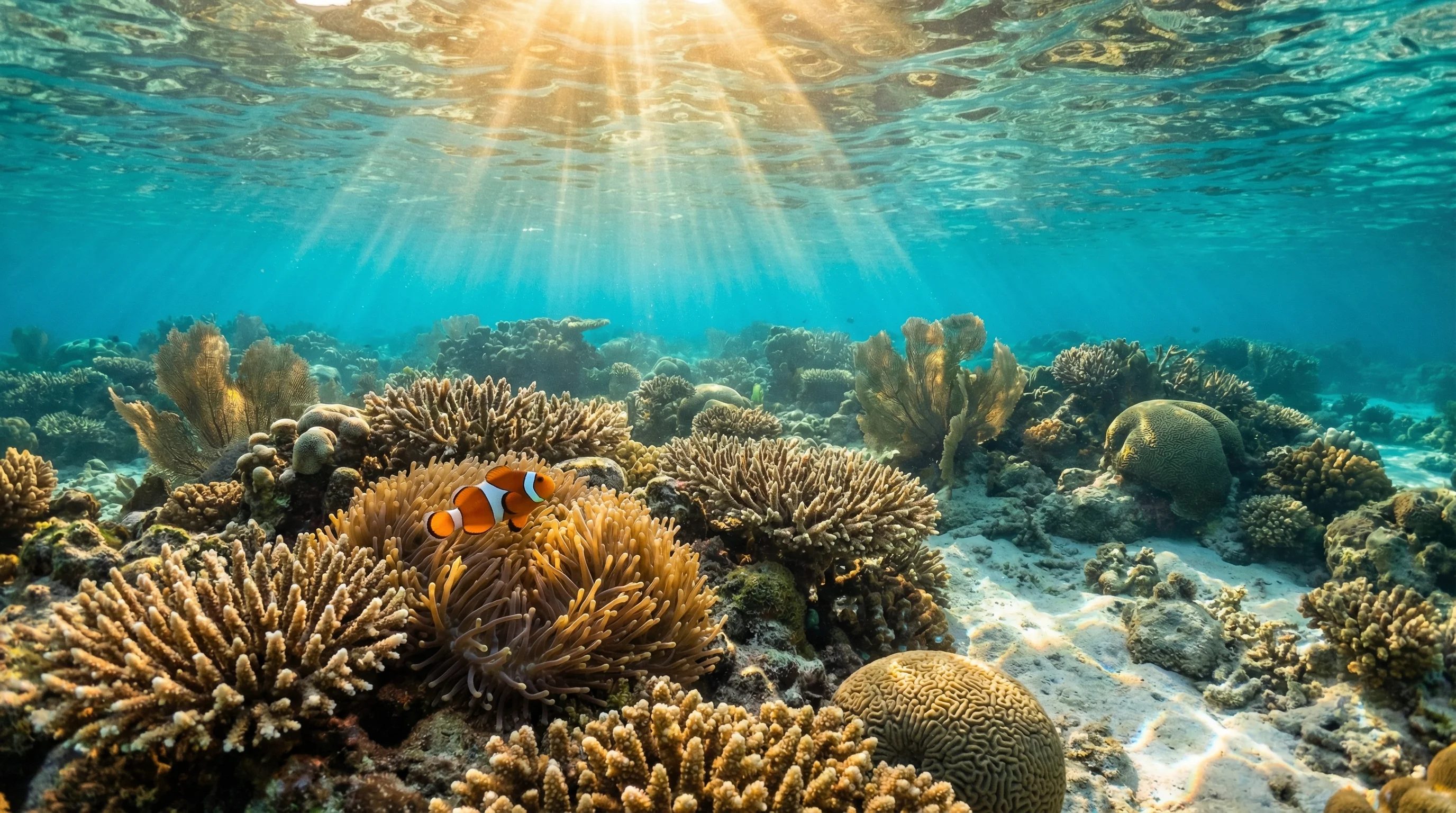
21Boat-access reefs with exceptional macro life, from Ghost Pipefish to Peacock Mantis Shrimp, across beginner-friendly depths.
 17
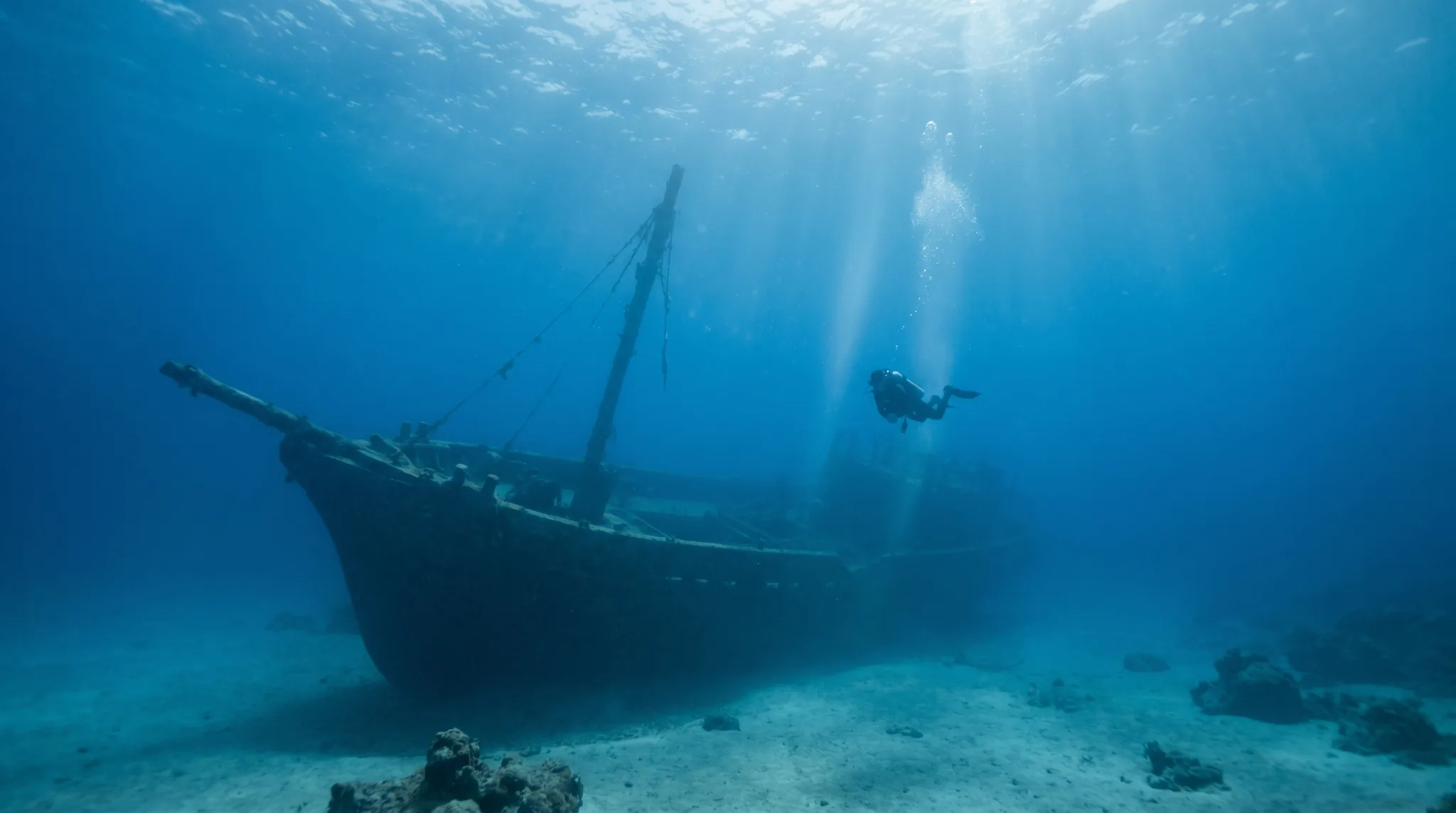
17Reef dives, pinnacles, and wrecks off Stone Town, with Green Sea Turtle and a diverse resident fish community.
Monthly water temperature across Zanzibar's sites, from satellite sea-surface data corrected for depth. The band shows the site-to-site spread.
Water temperatures stay warm year-round, dipping slightly during the middle months of the year before climbing again toward the end of the year. The strongest diver activity clusters in February, March and October, suggesting these shoulder periods offer the most favourable combination of conditions and visibility. Sites exposed to open water, such as Big Wall and Two Stones, are more current-dependent, so timing dives to tidal movement matters at those locations.
63 operators

Nungwi, Tanzania
Kijini, Tanzania
5 more sites to explore
Water temperature around Zanzibar ranges from about 26°C in July to 29°C in February, based on satellite sea-temperature data for its dive sites.
In the warm season (about 29°C) a rash guard or 3mm shorty is comfortable in Zanzibar; in the coldest months (about 26°C) step up to a 3mm full suit.
Fin maps 71 sites in Zanzibar (63 scuba diving sites and 14 snorkelling spots, with some suited to both), organised into 3 areas.
Across Zanzibar's dive sites, January, February, March and October are most often reported as the best months to visit.
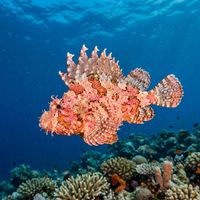
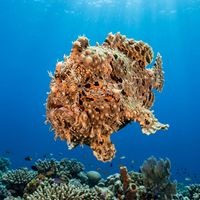
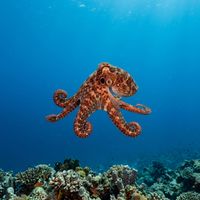
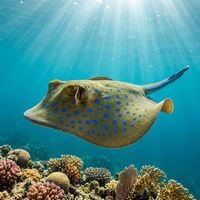
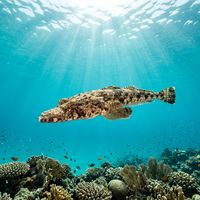
Zanzibar's reefs host a wide range of observed species. Indian Lionfish and Wrasses are very common across sites, while Peacock Mantis Shrimp, Day Octopus, Bluespotted Fantail Ray and Emperor Angelfish are regularly encountered. Divers with a keen eye may also find Giant Frogfish, Crocodilefish, Chromodoris Nudibranch and Nembrotha Nudibranch on the reef structure, and Green Sea Turtle appearances are occasional but well documented.
A large proportion of Zanzibar's sites are rated beginner level, including Chumbe Reef Sanctuary, Kizidi Reef, Kichuani Wall and Mnemba Sandbanks. Many of these are shallow reef or wall dives accessed by boat, with calm conditions making them approachable for newly certified divers. Advanced sites such as Big Wall, Leon's Wall and the Royal Navy Lighter are also available for more experienced divers looking for deeper or more challenging profiles.
Mnemba Atoll has the largest number of sites and is particularly associated with reef diving in relatively open water. Nungwi covers a broad mix of reef and wall dives and is the second-largest cluster. Stone Town holds the most varied advanced diving, including the Royal Navy Lighter wreck, the deep vertical drop of Big Wall and the cave and wall topography of Leon's Wall, as well as shallower beginner options.
Several sites in Zanzibar offer shore entry, including Chumbe Reef Sanctuary, Leon's Wall and Muyuni Plate Corals for diving, and Starfish for snorkelling. The majority of sites across the region are boat-access, which is typical for reaching the outer reefs and atoll areas. Operators including Zanzibar Dive, ScubaReef Zanzibar, Fun Divers Zanzibar and One Ocean Dive Centre are among those running regular boat trips across the sub-areas.