

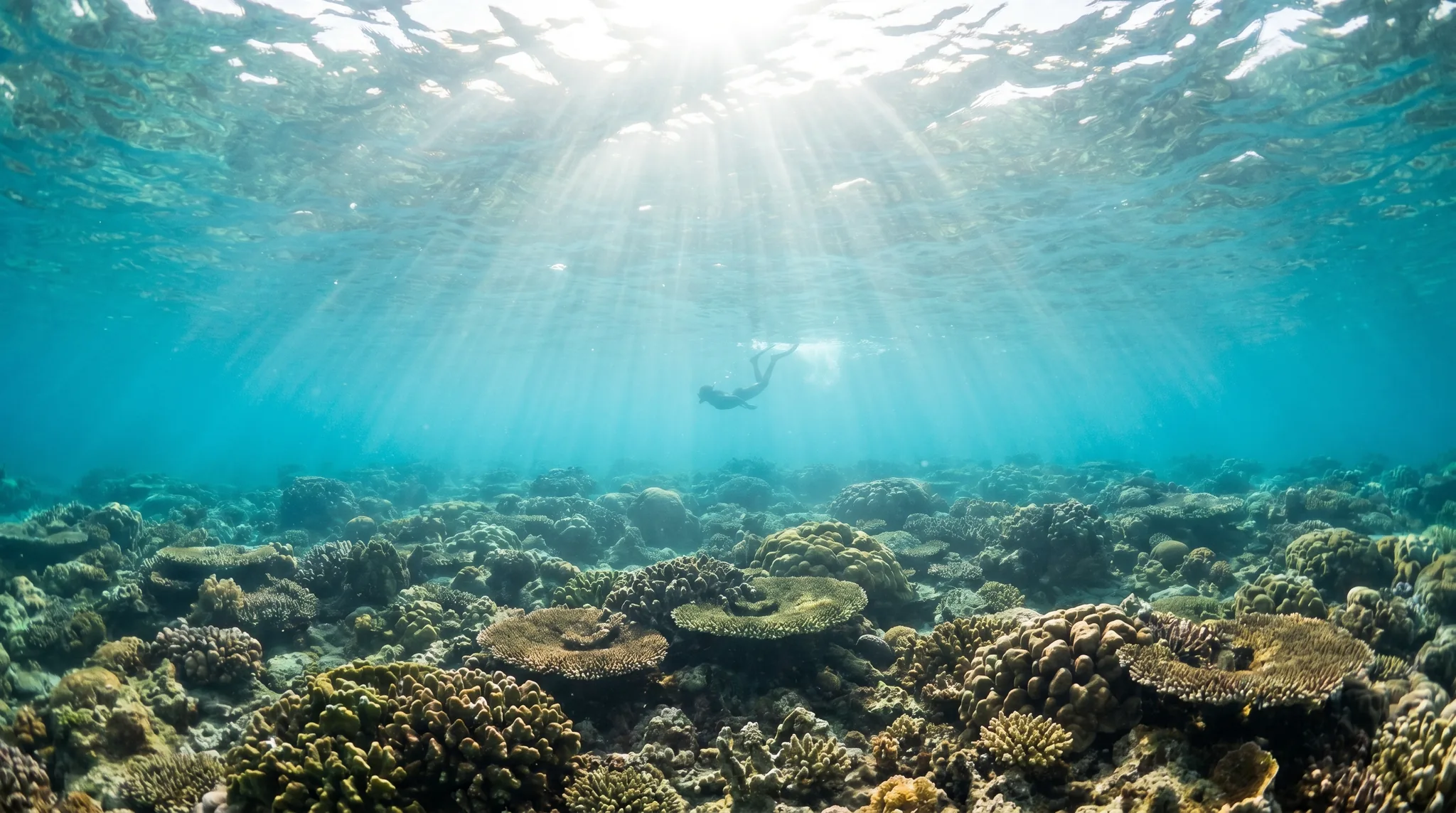
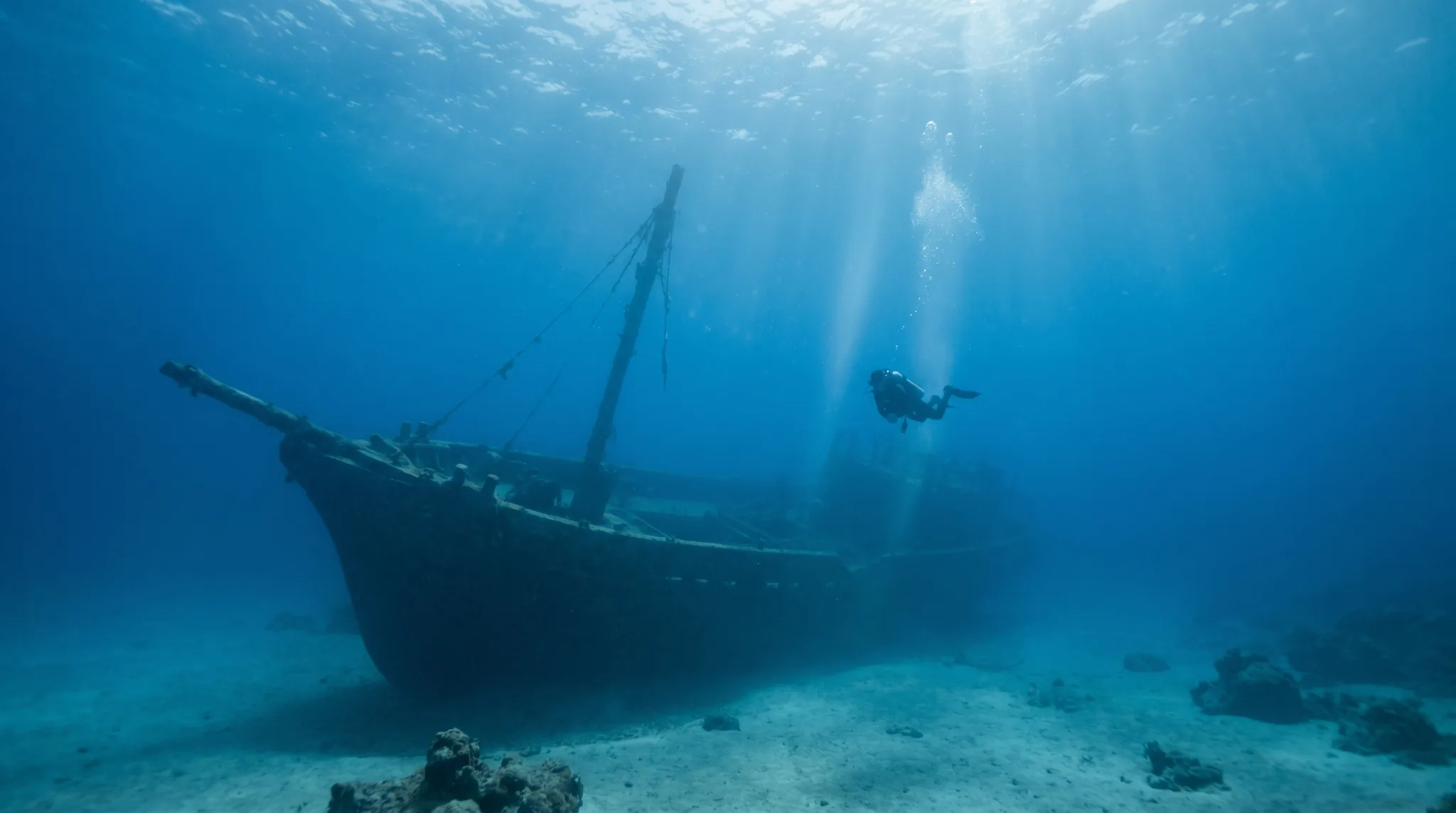
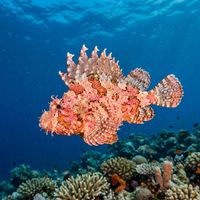
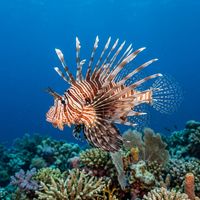
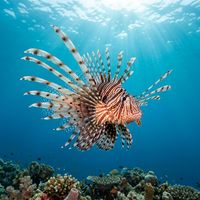
Diani's diving centres on a broad collection of reef sites ranging from shallow beginners' coral gardens to deeper pinnacles, walls, and drop-offs. The MV Alpha Funguo, a purpose-sunk wreck, adds a distinct artificial reef dimension that attracts more experienced divers. Cryptic species define the character here: Leaf Scorpionfish, Indian Lionfish, Peacock Mantis Shrimp, and Robust Ghost Pipefish reward close, patient observation. Whale Shark is occasionally encountered. Conditions favour most of the year, with water staying warm across all seasons, though the best diving clusters around the dry months from October through to March.
Monthly water temperature across Diani's sites, from satellite sea-surface data corrected for depth. The band shows the site-to-site spread.
Water stays warm throughout the year, cooling slightly from mid-year through to October before rising again in the lead-up to summer. The most popular months run from October through March, aligning with calmer conditions and better visibility. April and the mid-year period see reduced diver activity, likely reflecting the influence of seasonal weather patterns on conditions.
11 operators
Gazi, Kenya
12 more sites to explore
Water temperature around Diani ranges from about 26°C in July to 29°C in April, based on satellite sea-temperature data for its dive sites.
In the warm season (about 29°C) a rash guard or 3mm shorty is comfortable in Diani; in the coldest months (about 26°C) step up to a 3mm full suit.
Fin maps 24 sites in Diani (21 scuba diving sites and 4 snorkelling spots, with some suited to both).
Across Diani's dive sites, January, February, March, October, November and December are most often reported as the best months to visit.
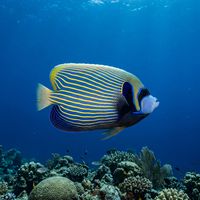
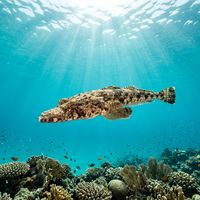
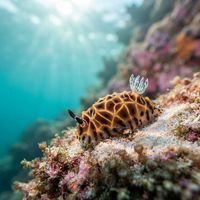
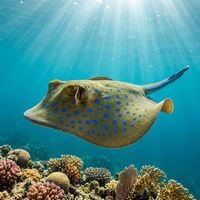
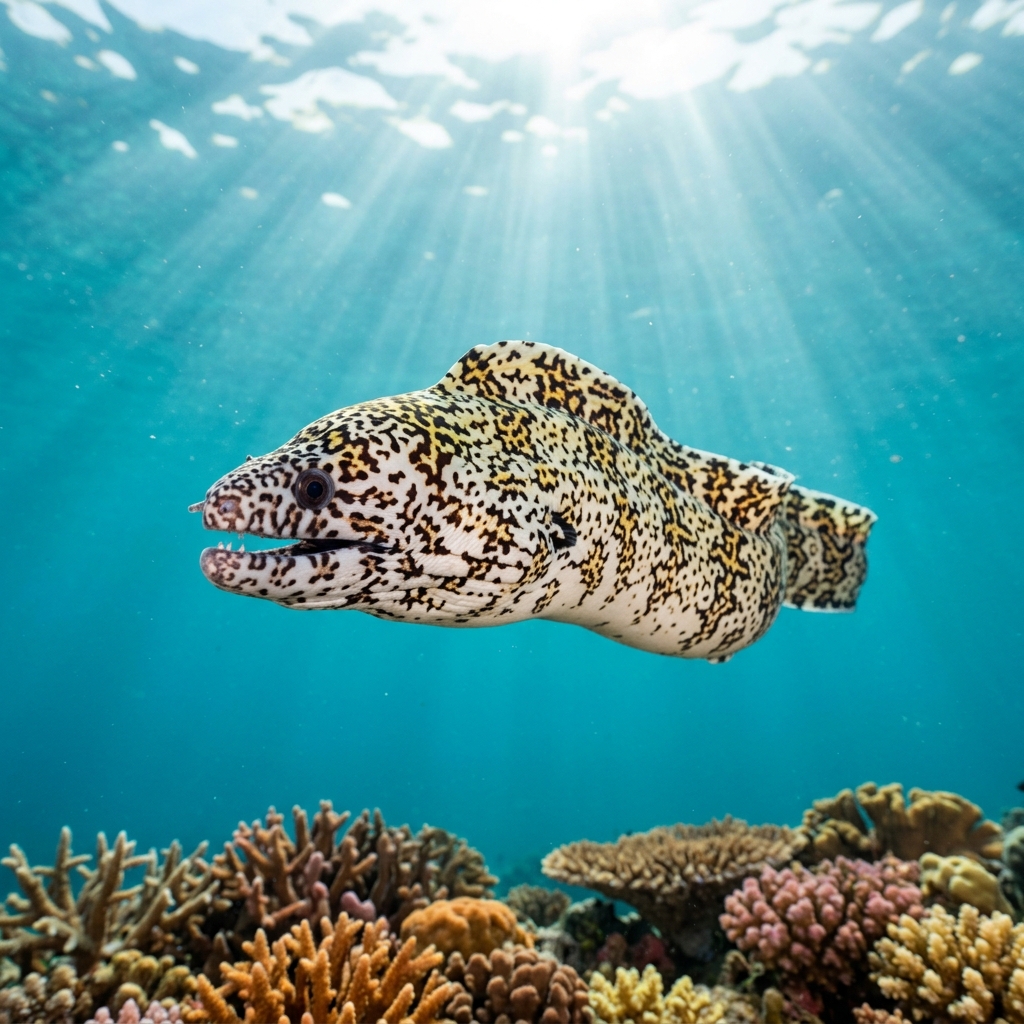
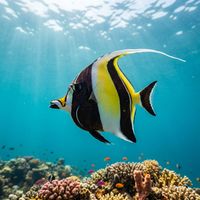
Diani's reefs are particularly strong for cryptic and camouflaged species. Leaf Scorpionfish and Peacock Mantis Shrimp are very commonly observed, while Indian Lionfish and Spotfin Lionfish are regular finds across many sites. Bluespotted Fantail Ray, Crocodilefish, Snowflake Moray, and Robust Ghost Pipefish are also well recorded. Whale Shark appears occasionally, and Emperor Angelfish and Moorish Idol add colour throughout the reef.
The majority of Diani's dive sites are rated for beginner divers, including Chale Reef, Swahili Nurseries, and Tiwi Reef. Several of these are shallow reef dives accessible by boat, making them well suited to those early in their diving experience. Intermediate sites such as Mwanamoji and Kinondo offer more varied topography for divers ready to progress. The purpose-sunk wreck MV Alpha Funguo is rated advanced and best suited to those with established buoyancy skills.
Most dive sites in Diani require boat access, and operators including Yellow Fins Diving Kenya, The Scuba Duka Diving Center, Diving The Crab, and Diani Marine run trips out to the reefs. A small number of sites such as Tiwi Reef and the Waa Wreck can also be reached from shore, giving some flexibility for independent divers. Boat trips are the standard way to reach the deeper pinnacle and drop-off sites further offshore.
Diani's site mix covers coral reefs, pinnacles, walls, drop-offs, and wrecks. The MV Alpha Funguo is a purpose-sunk vessel that now functions as an artificial reef, while the Igloo site features the remains of a disused underwater observatory alongside a fringing reef. Kinondo combines a pinnacle, drop-off, and coral reef in a single dive. This variety means divers can shift between relaxed reef dives and more structured topography depending on their interests and experience level.


