Amphiprion allardi
Deep orange clownfish with white bars, most reliably logged in KwaZulu-Natal and Zanzibar, year-round in 23-29C reef water.
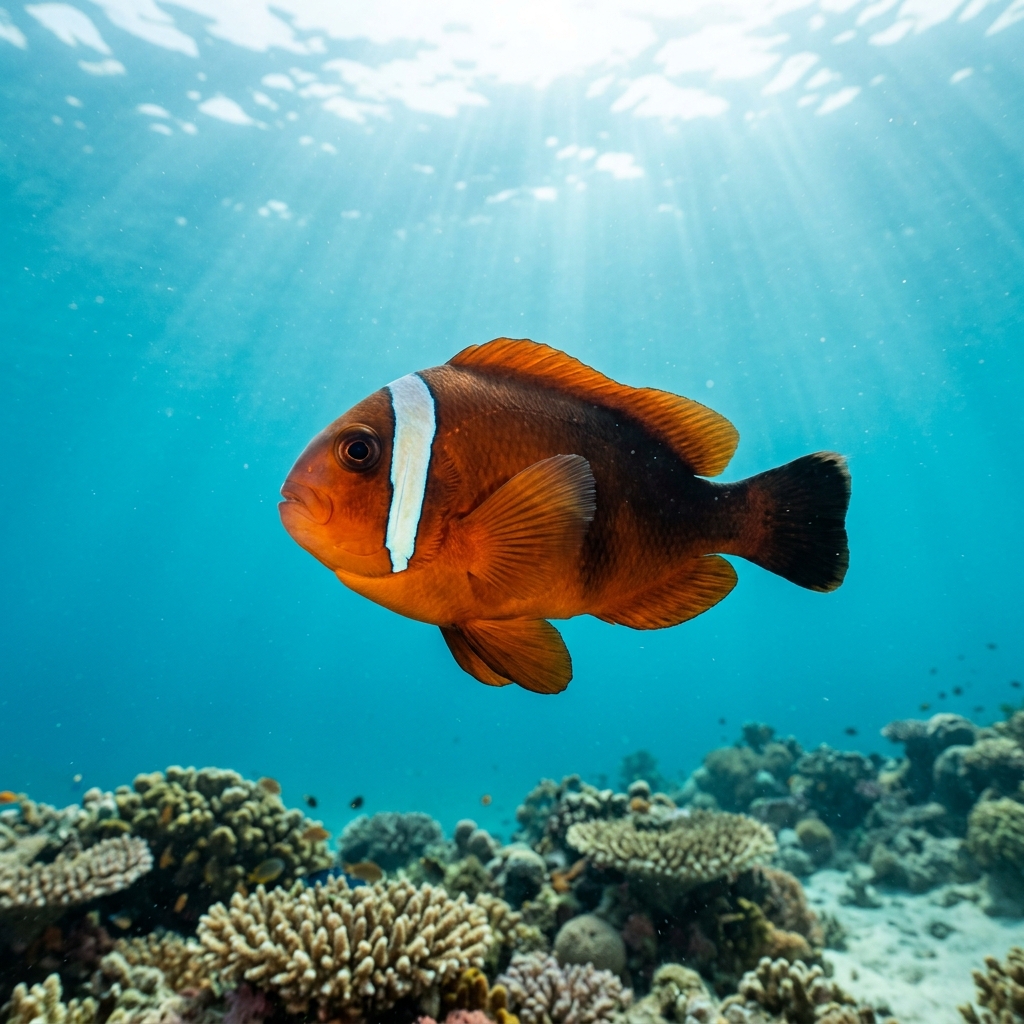
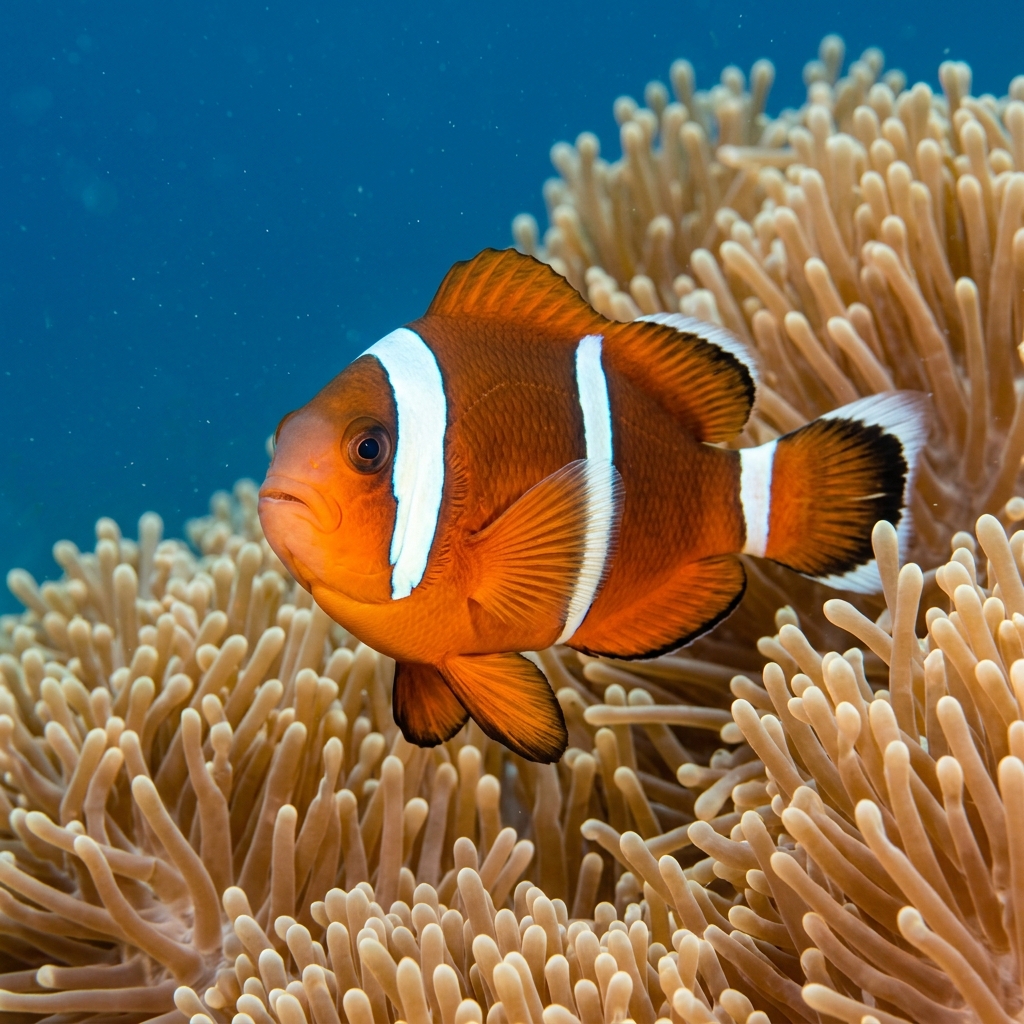
Deep orange to brownish body, roughly 10 cm long, with two or three vertical white bars, one behind the eye and one at mid-body, sometimes a third near the tail. Body shape is the classic stocky, laterally flattened clownfish outline with a rounded snout. It rarely strays far from its host anemone, which is often the fastest way to spot it before you clock the colour pattern.
Expect to find it hovering close to its anemone, darting in and out of the tentacles and rarely swimming more than a body length or two away. It will often approach and nip at a mask or fingers that get too close, a bluff-charge defence of its home rather than a real threat. Most active during the day on shallow to mid-depth reef flats, where the anemone itself is usually the giveaway before the fish is.
Like other anemonefish it lives in a mucus-protected partnership with its host anemone, gaining shelter from predators while helping to keep the anemone clear of debris and small parasites.
Sightings show no clear seasonal pattern, and with a comfortable range of roughly 23 to 29C it is present on host anemones year-round across its East African and Indian Ocean range. Plan around general dive conditions at each region rather than a clownfish season.
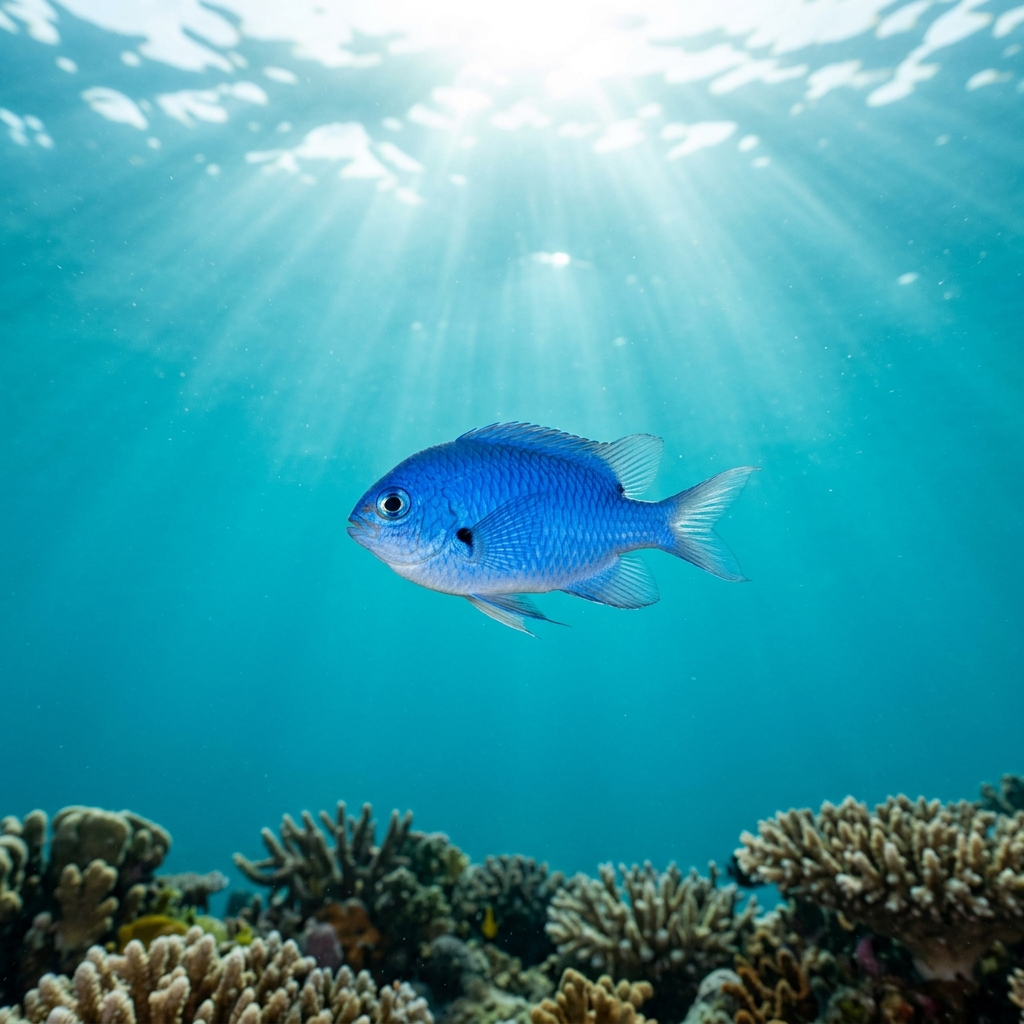
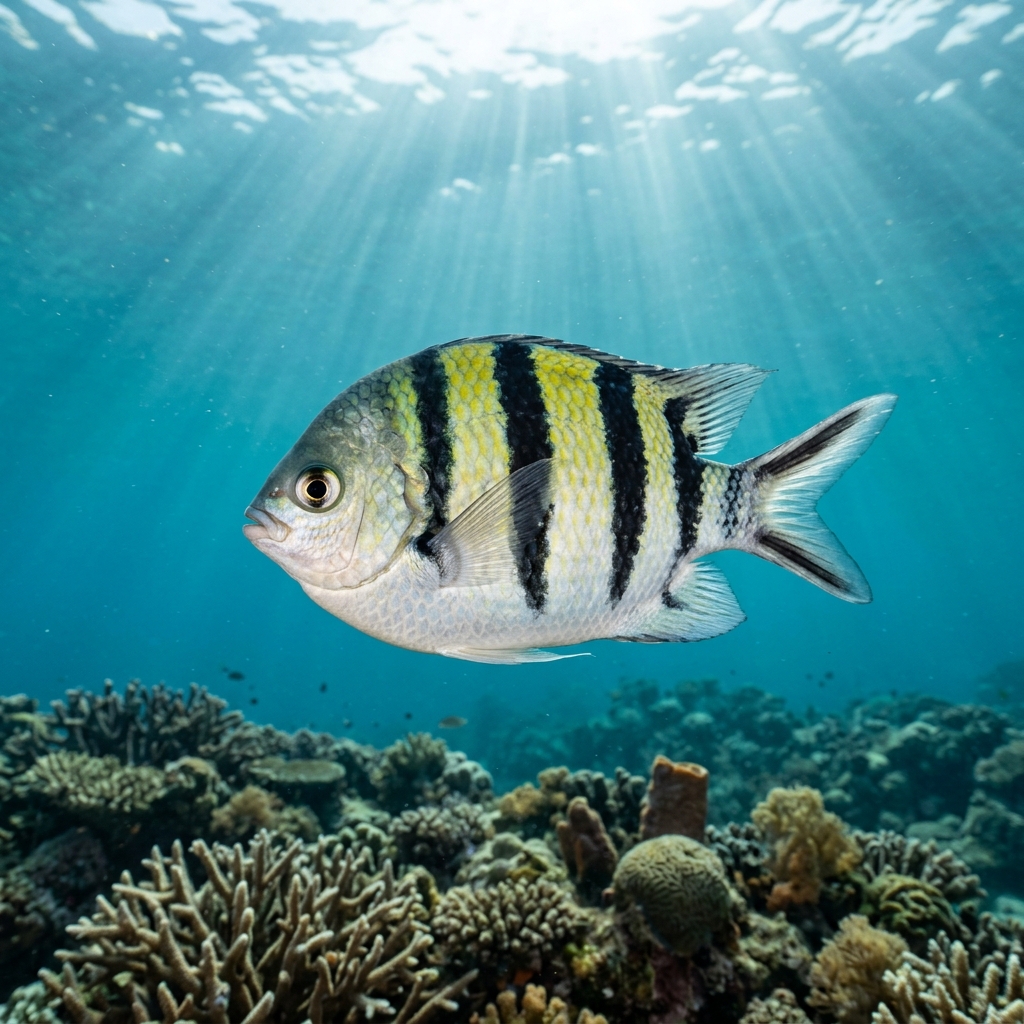
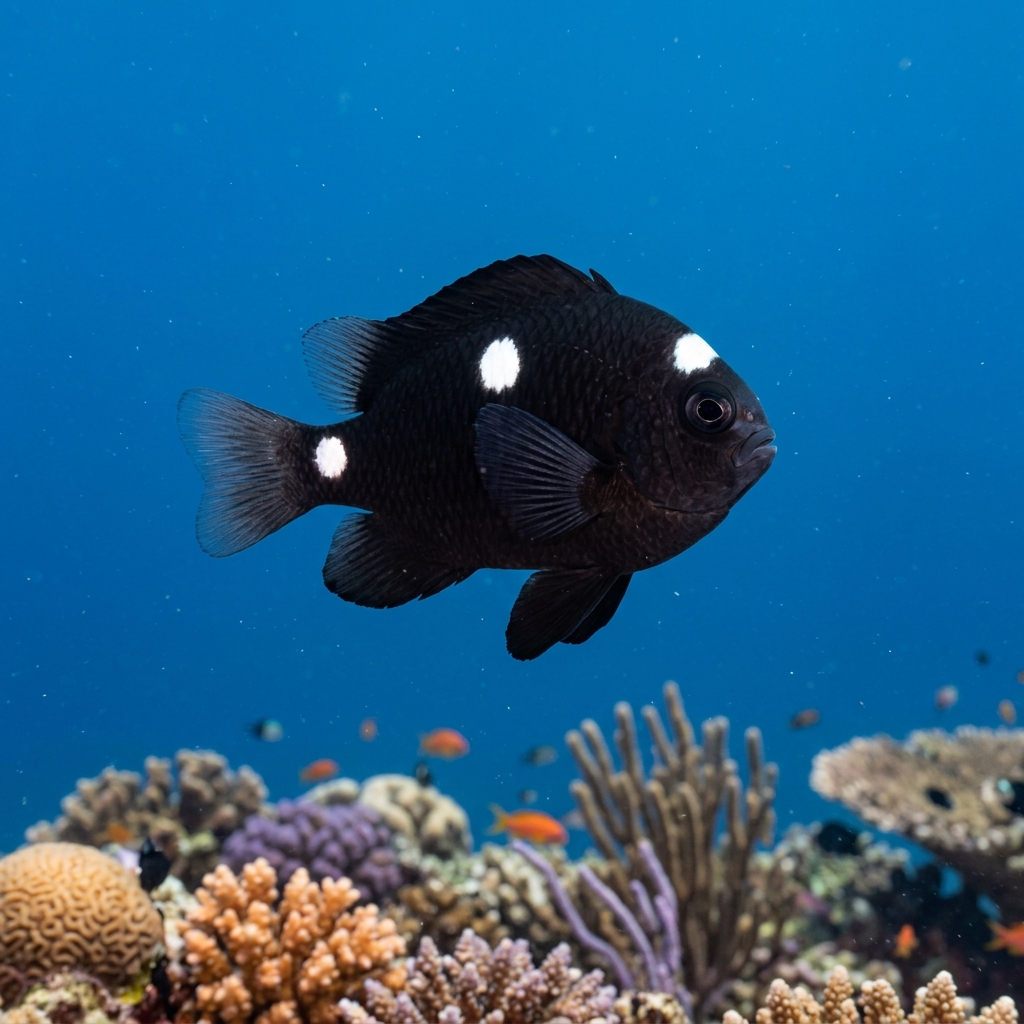
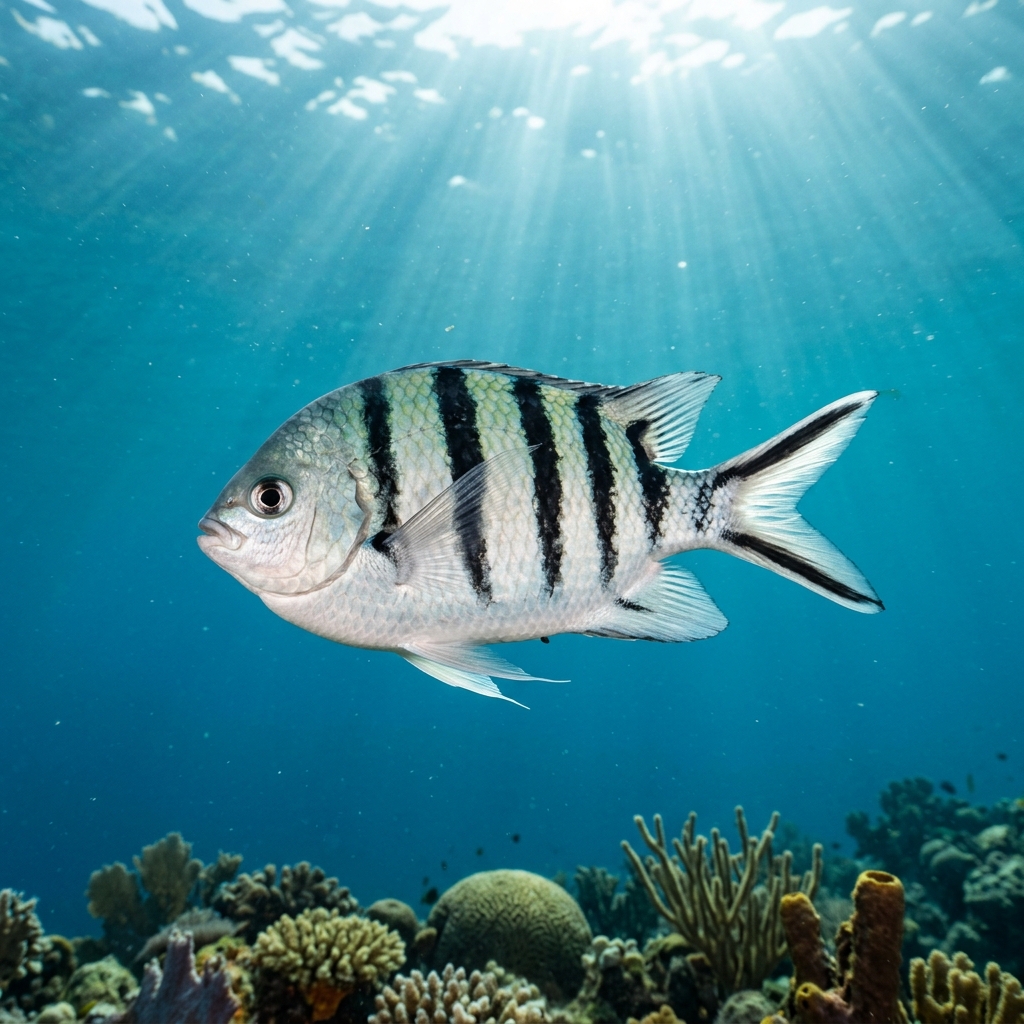
Reef neighbours a diver could mistake it for. Use the identification notes above to tell them apart.
Most reliably logged along the KwaZulu-Natal coast of South Africa and around Zanzibar in Tanzania, with strong numbers also out of Diani and Mombasa in Kenya, Ponta do Ouro and the Quirimbas Archipelago in Mozambique, and Nosy Be in Madagascar. Smaller but consistent sightings come from the Seychelles Outer Islands, Mauritius and Mayotte, making this a fish of the western Indian Ocean reef belt rather than the wider tropics.
Mapping where Allard's Clownfish is logged…
It is most commonly found along South Africa's KwaZulu-Natal coast and around Zanzibar in Tanzania, with reliable populations in Diani and Mombasa in Kenya, Ponta do Ouro and the Quirimbas Archipelago in Mozambique, and Nosy Be in Madagascar.
There is no strong seasonal pattern in sightings, and warm reef water year-round means it can be seen on its host anemone in any month.
Look for a deep orange to brownish body around 10 cm long with two or three vertical white bars, hovering close to an anemone rather than swimming freely over the reef.
They reach about 10 cm, with females growing larger and stockier than the males sharing the same anemone.
No. They may dart out and nip at a mask or fingers if you get close to their anemone, but this is a bluff display with no real risk to divers.
It lives in a close partnership with a host anemone, sheltering among its stinging tentacles thanks to a protective mucus coating while helping keep the anemone clean.
Site and sighting data is aggregated from diver logs, iNaturalist and GBIF. For taxonomy and conservation status:
Dascyllus
3,697 sites