
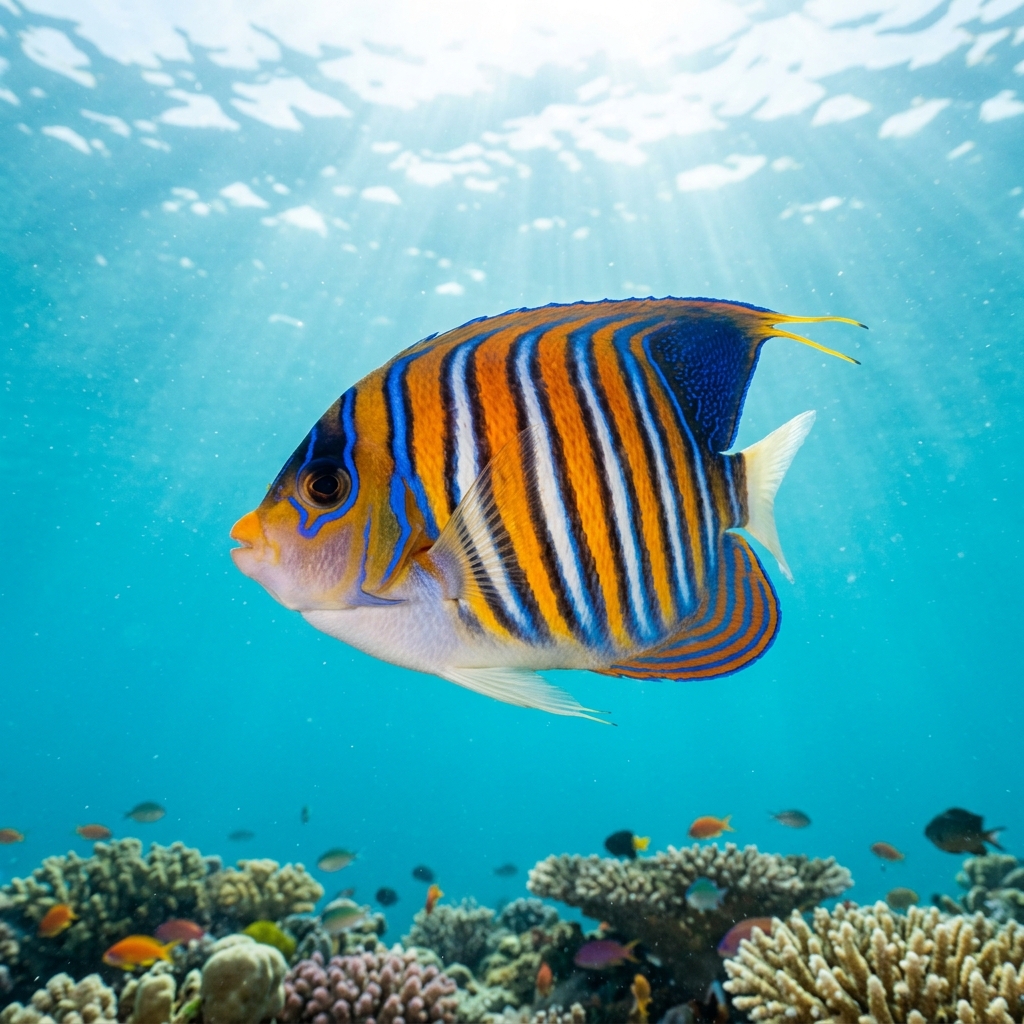
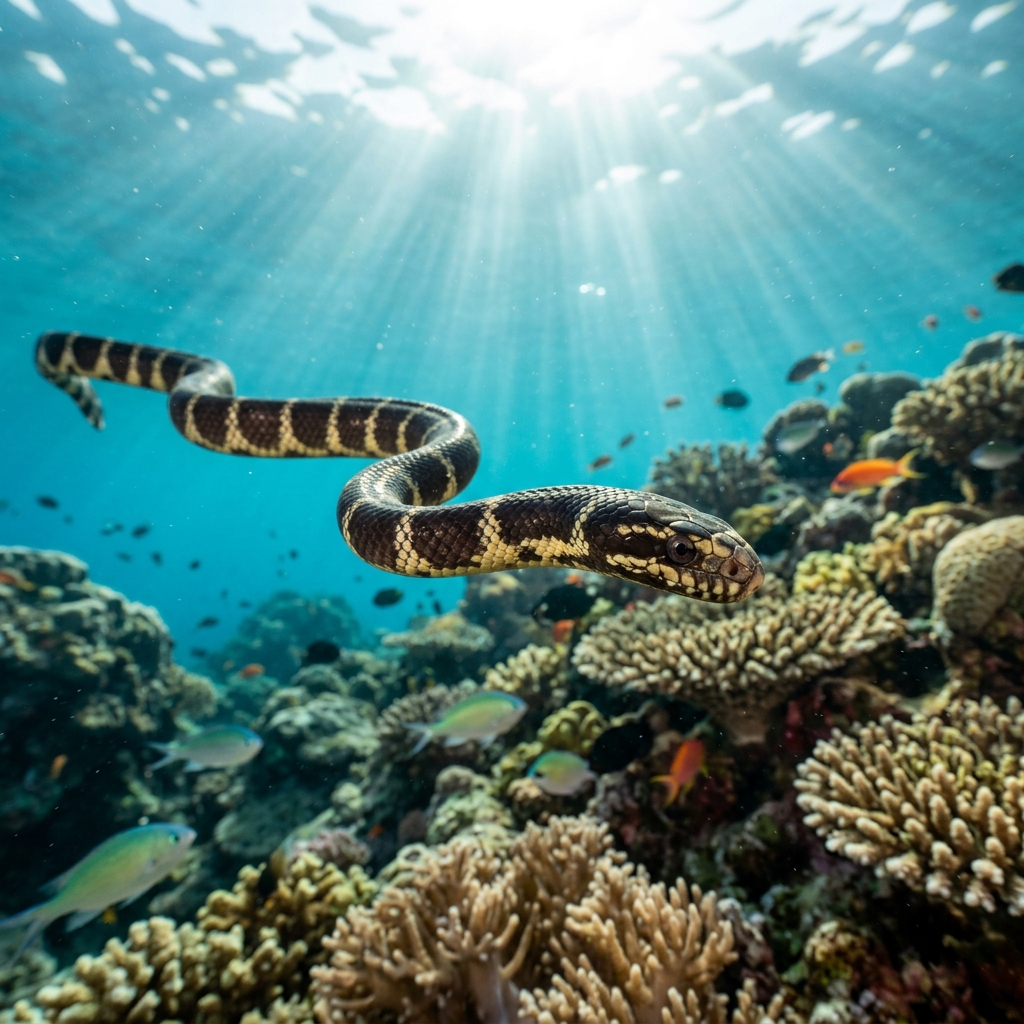
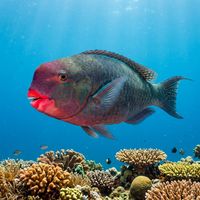
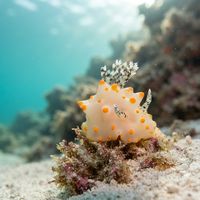
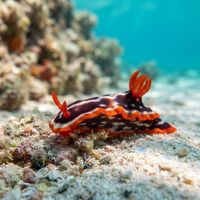
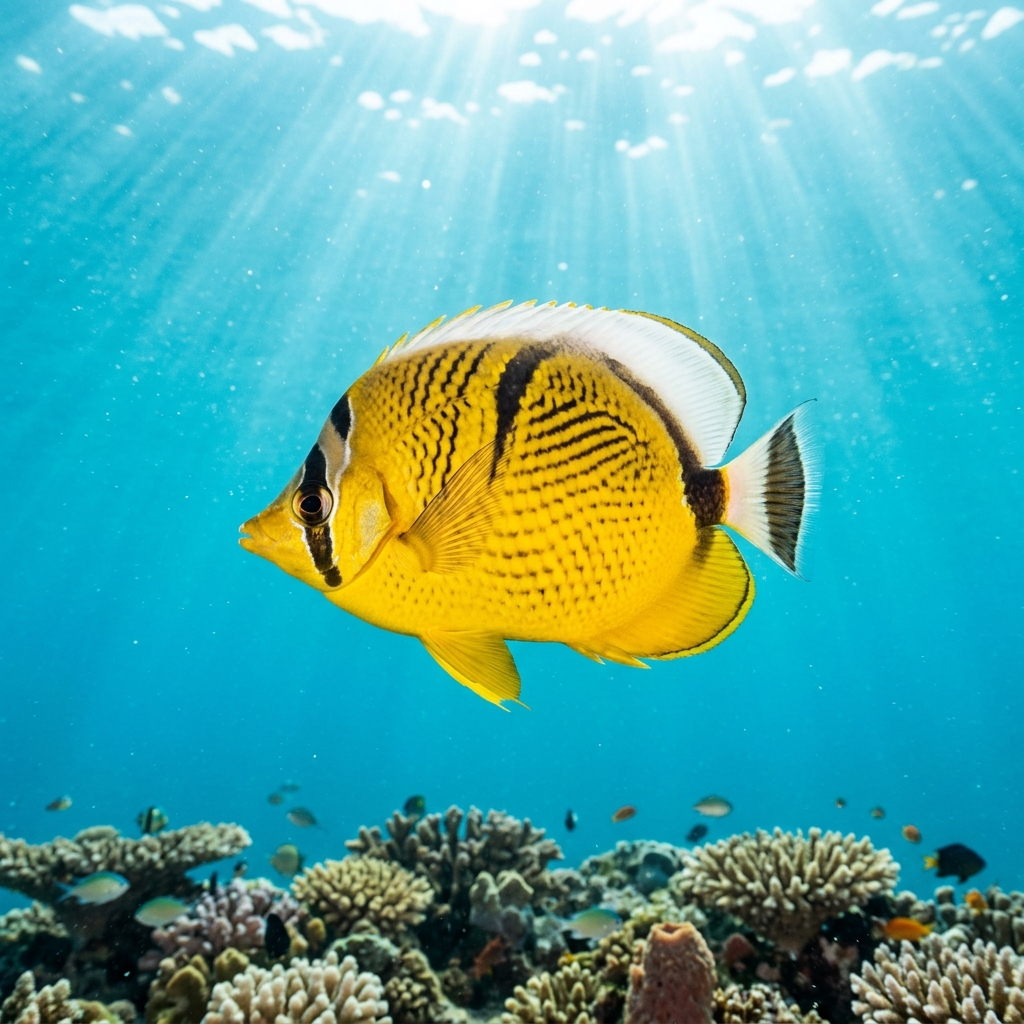
Green Island offers a concentrated range of dive sites that suit everything from first dives to demanding advanced excursions. Reef and pinnacle topography dominates, with several sites incorporating artificial structures that have been colonised over time. Confucius Rock adds cave and cavern diving accessible from shore, while Shark Point draws experienced divers with deep pinnacles and drift potential. The marine life is notably varied: Ijima's Sea Snake is encountered across almost every site, alongside Redlip Parrotfish, Golden Butterflyfish, and multiple nudibranch species. Angelfish, including the Regal Angelfish and Emperor Angelfish, are regularly observed throughout the island's reefs.
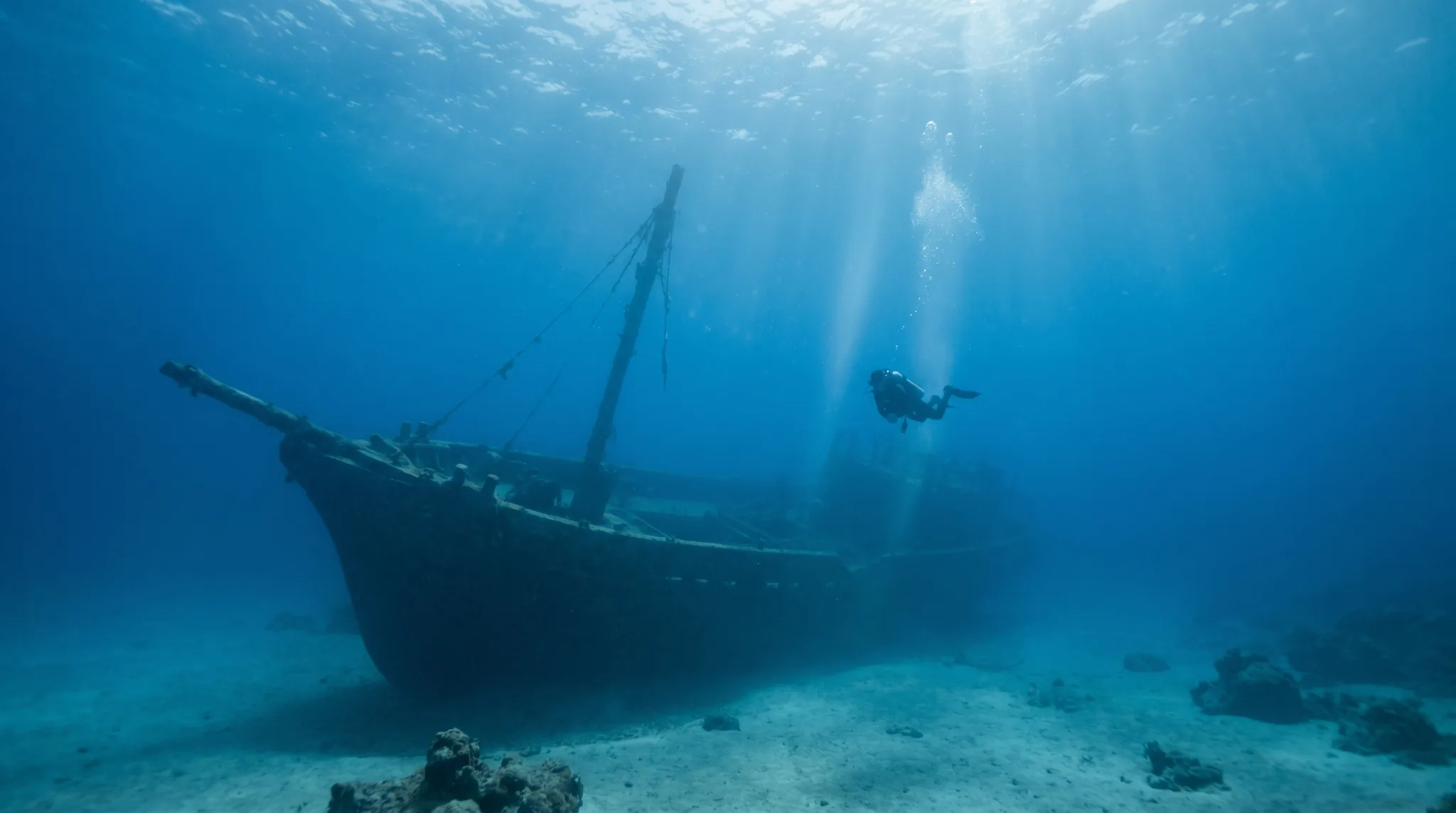

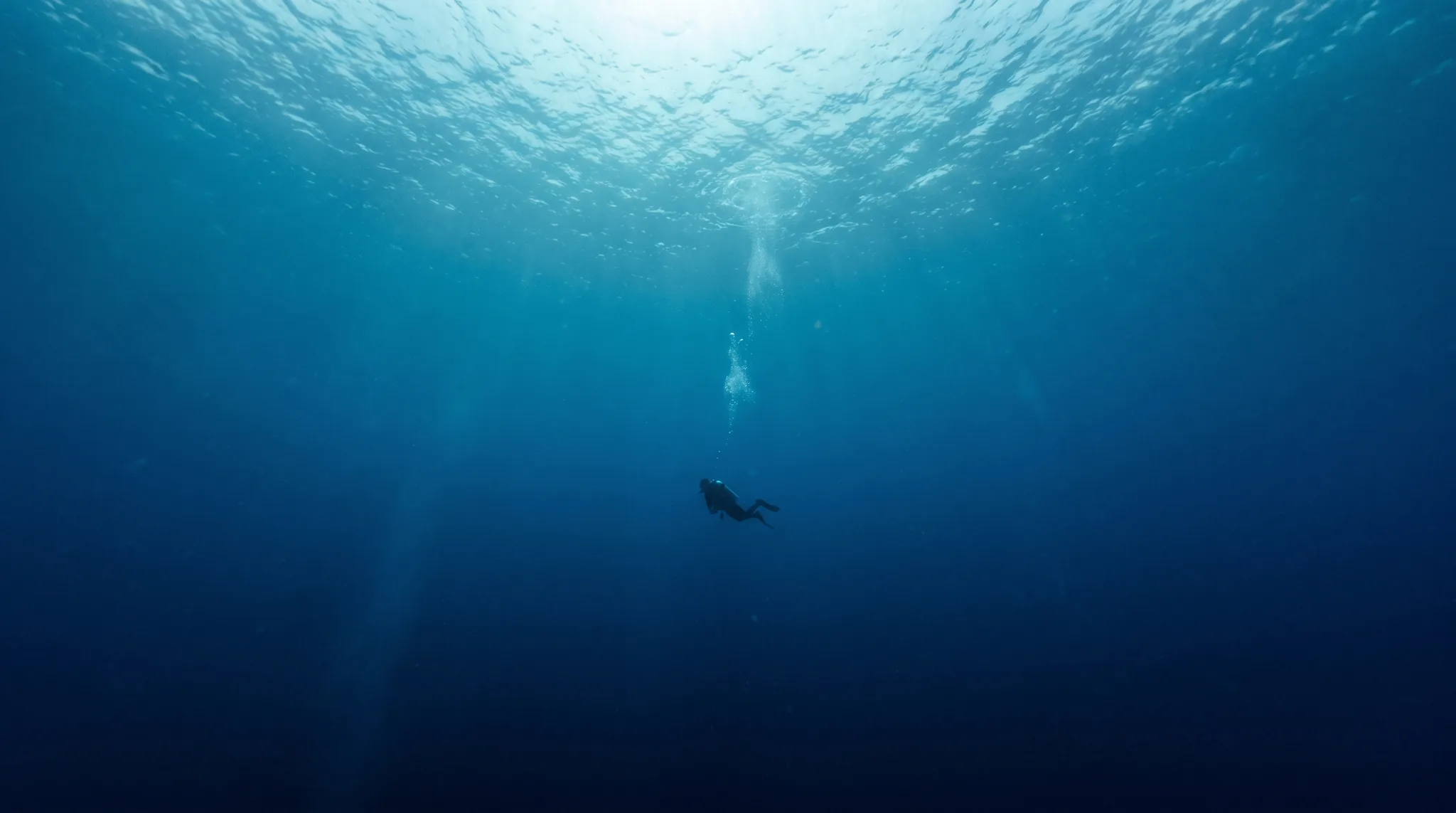
Monthly water temperature across Green Island's sites, from satellite sea-surface data corrected for depth. The band shows the site-to-site spread.
Water temperatures remain warm throughout the year, rising gently from cooler late-winter conditions into their peak during summer and early autumn. The best-months data points strongly to the period from April through September, when conditions are most favourable for diving. Cooler months from late autumn into winter see reduced diver activity, though the water never becomes cold by any tropical measure.
34 operators
19 more sites to explore
Water temperature around Green Island ranges from about 25°C in January to 29°C in July, based on satellite sea-temperature data for its dive sites.
In the warm season (about 29°C) a rash guard or 3mm shorty is comfortable in Green Island; in the coldest months (about 25°C) step up to a 3mm full suit.
Fin maps 24 sites in Green Island (23 scuba diving sites and 3 snorkelling spots, with some suited to both).
Across Green Island's dive sites, April, May, June, July, August and September are most often reported as the best months to visit.
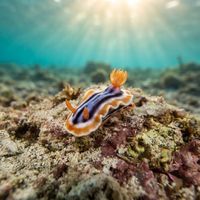
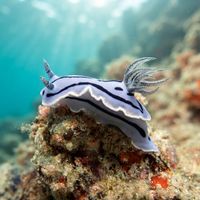
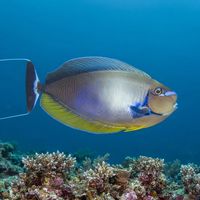
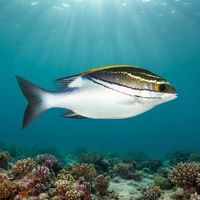
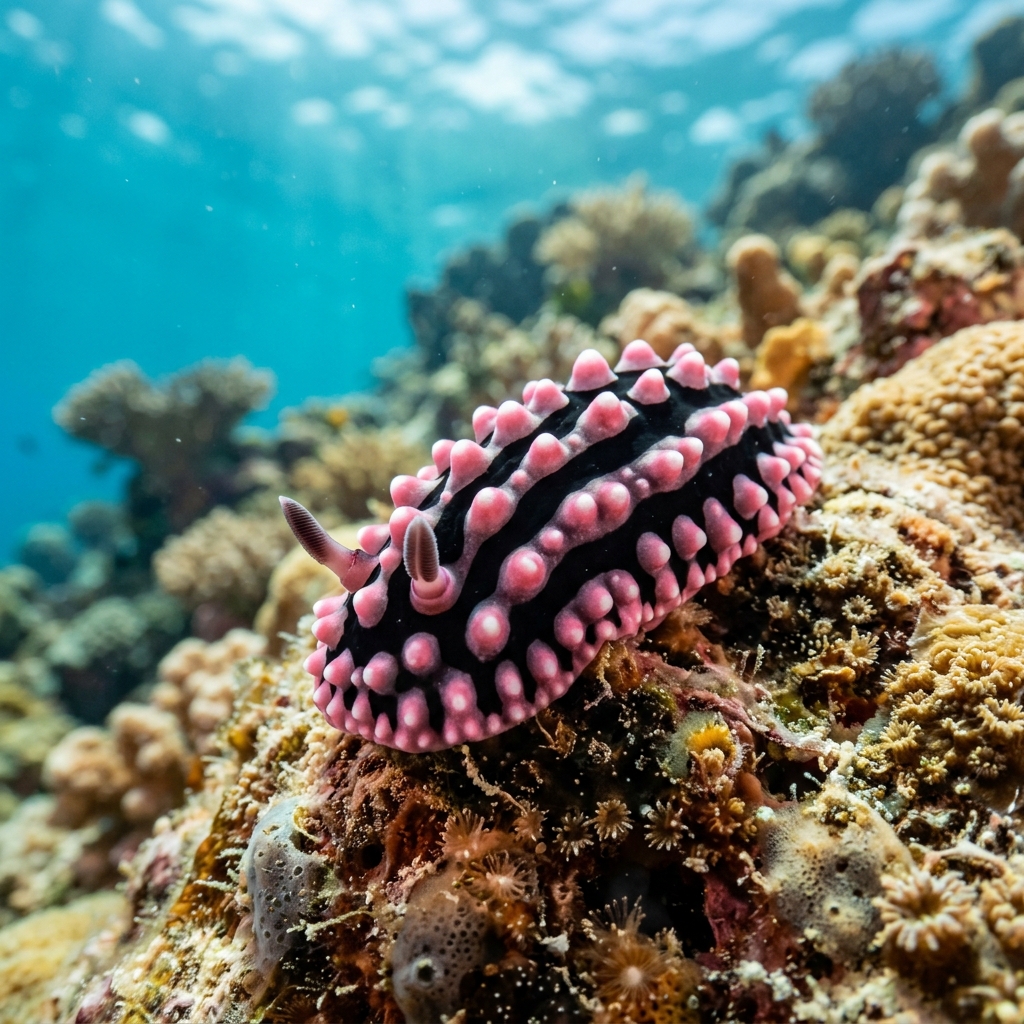
Ijima's Sea Snake is encountered at almost every site across the island, making it one of the most reliably spotted animals in the water. Redlip Parrotfish, Golden Butterflyfish, and Unicornfish are very commonly observed, while Regal Angelfish, Emperor Angelfish, and Moorish Idol appear regularly on the reefs. Nudibranch enthusiasts will find Chromodoris Nudibranch, Pustular Phyllidia, and Nembrotha Nudibranch recorded as observations across many sites.
Green Island has a good range of sites pitched at different skill levels. Electric Pole Reef is rated beginner-friendly and is accessed by boat, offering a combination of natural reef and an artificial structure at manageable depths. More advanced divers gravitate toward Shark Point, which features deep pinnacles, drift conditions, and significant depth. Intermediate divers have options such as Confucius Rock, a shore-entry site with reef, cave, and cavern sections.
Confucius Rock is the clearest shore-entry option, accessed by walking a trail to the water. Shark Point and Great White Sand both offer shore or boat entry, giving divers flexibility depending on conditions or operator preference. The majority of Green Island's sites are boat-access only, and the island has many dive operators offering guided boat dives.
Reef diving forms the backbone of Green Island's underwater landscape, often combined with other features on the same dive. Pinnacles and drift conditions appear at more demanding sites such as Shark Point. Several sites include artificial structures that now function as reef, adding variety to the topography. Confucius Rock stands apart by offering cave and cavern passages alongside its reef sections, making it one of the most topographically varied sites on the island.