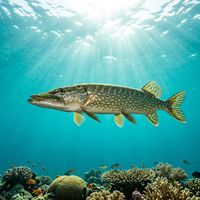
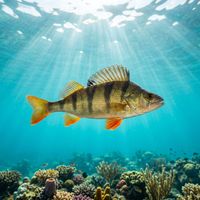
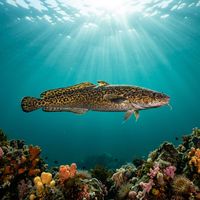
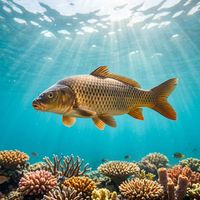
Lausanne and Montreux offer freshwater diving across a varied mix of wall dives, wrecks, reefs and artificial structures, all accessible from the shore. Common Perch and Pike appear across the majority of sites, with Burbot, Carp and Trout also regularly observed. Sites range from shallow beginner-friendly entries at places like Morges Plage and Étang du Duzillet to more demanding drop-offs beneath the castle walls at Château de Chillon. The area suits divers at most experience levels.
23 operators
Preverenges, Switzerland
Fin maps 39 sites in Lausanne & Montreux (39 scuba diving sites and 2 snorkelling spots, with some suited to both).
30 more sites to explore
Across Lausanne & Montreux's dive sites, June, July, August and September are most often reported as the best months to visit.
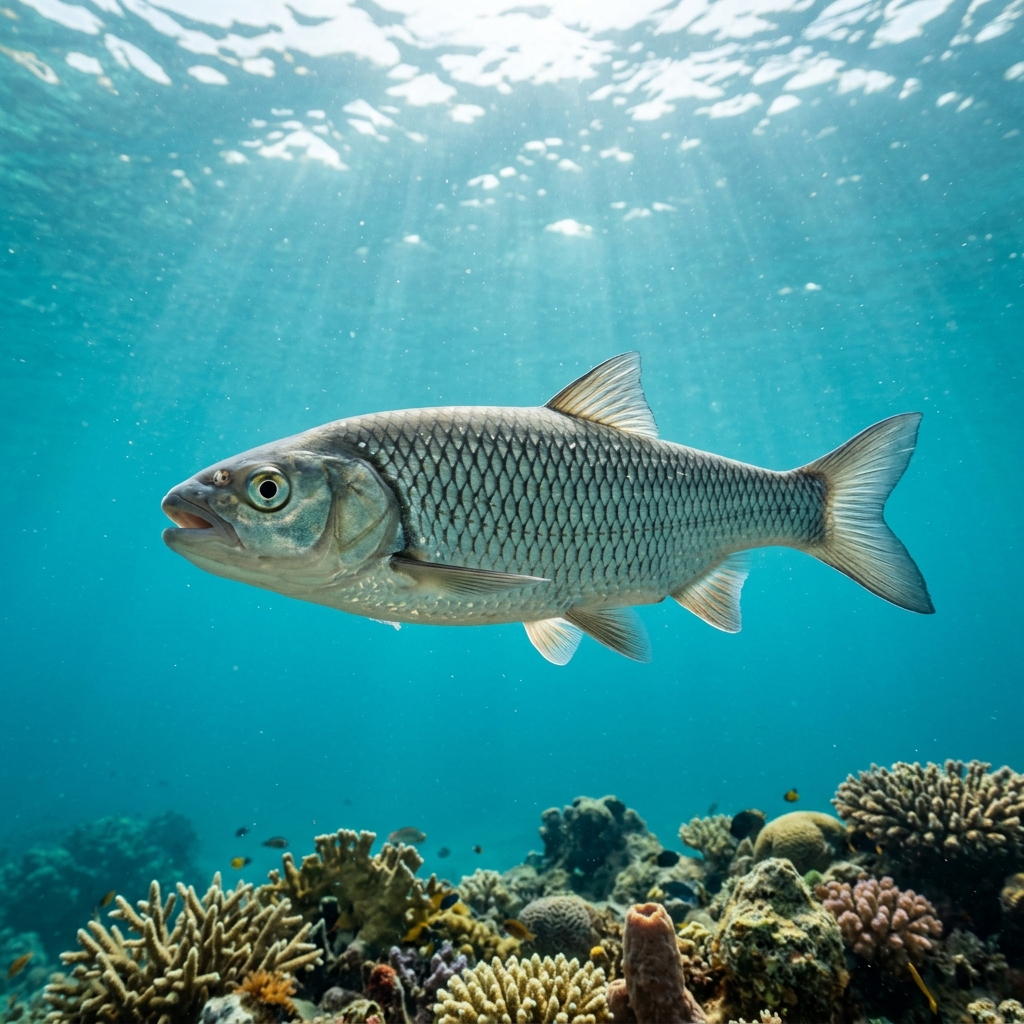
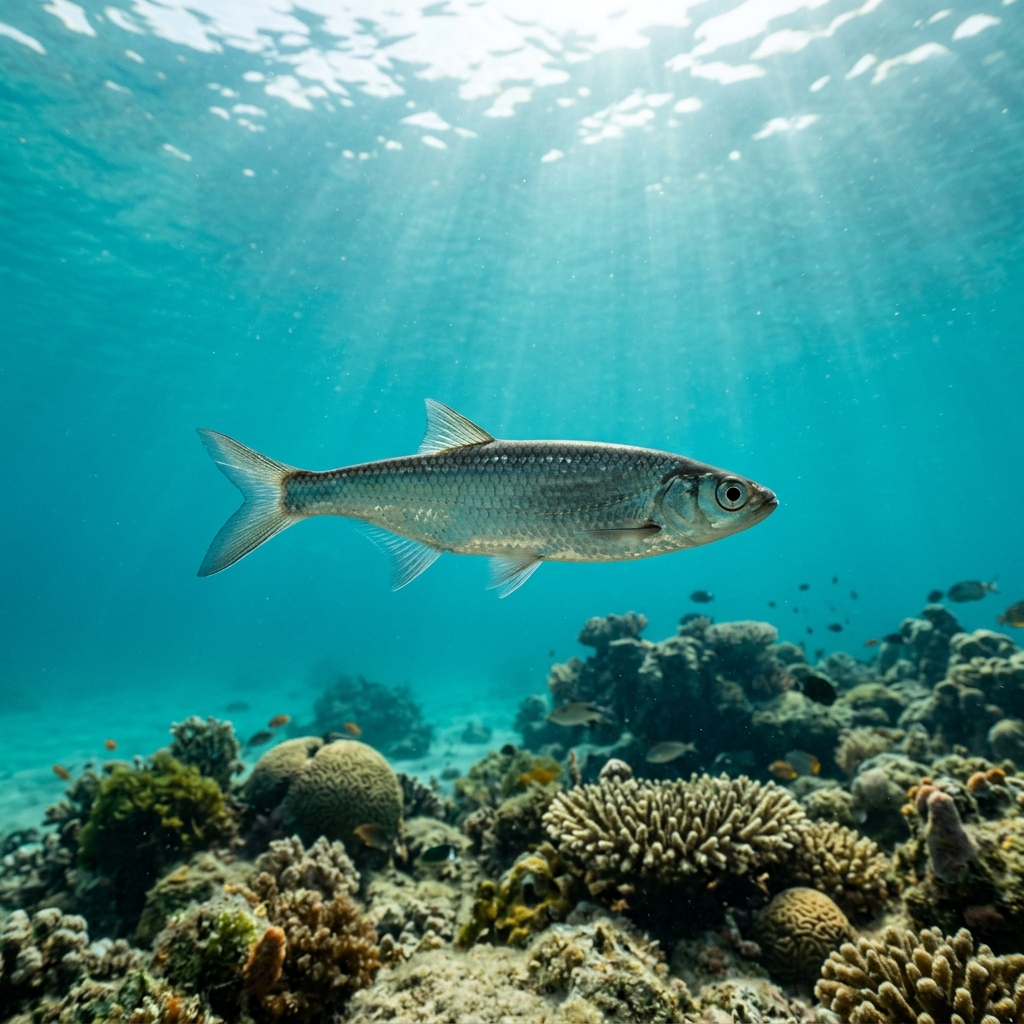
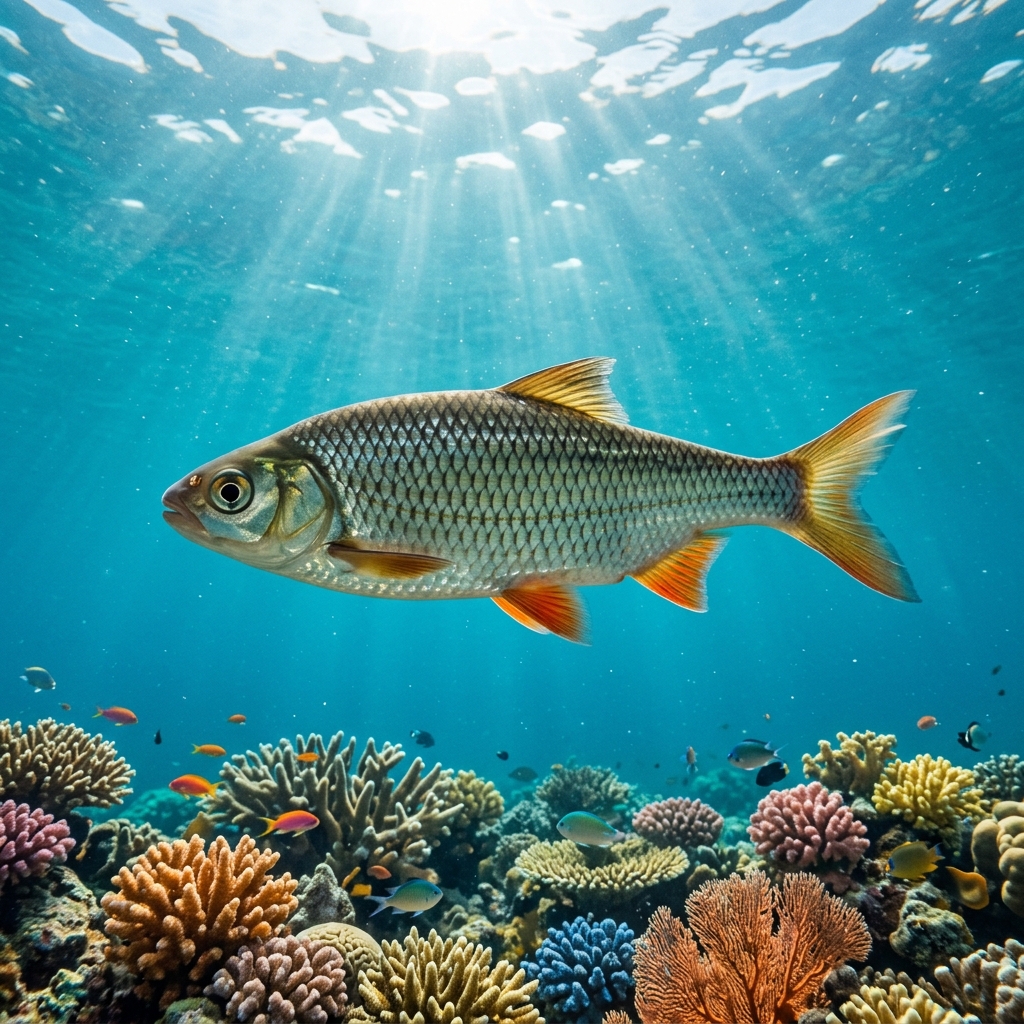
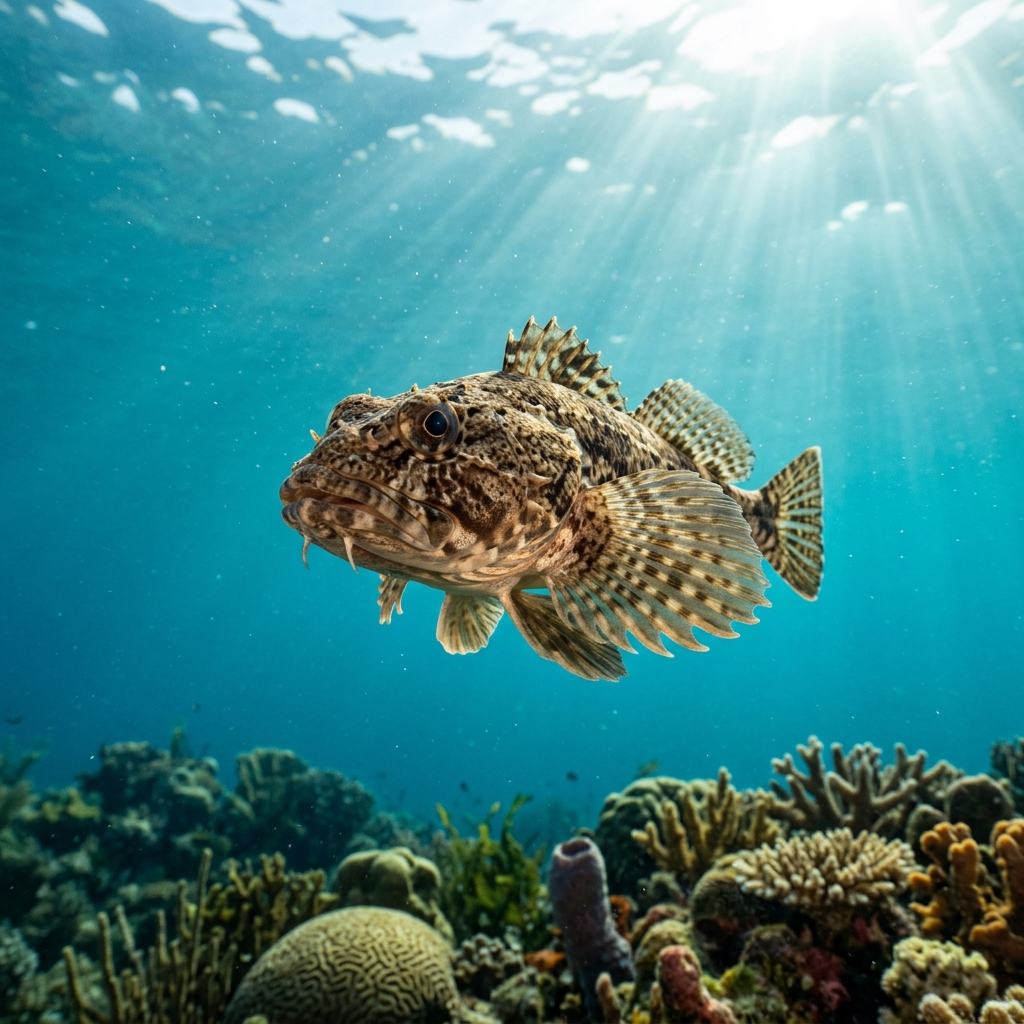
Common Perch is the most frequently observed species across the sites, followed closely by Pike and Burbot. Carp and Trout are also regularly sighted. Less common encounters include Roach, Bullhead, Tench and Signal Crayfish, all confirmed through diver observations in the region.
Many sites in the region are rated for beginners, including Morges Plage, Saint-Prex, Rosel and Étang du Duzillet, the latter of which features an underwater navigation course. Intermediate-rated sites such as Château de Chillon and Rivaz Gare involve steeper walls and greater depth, and suit divers with more experience managing that kind of terrain.
All of the top sites in this region are shore-entry dives, so there is no dependency on boat availability or harbour departures. Entries vary from beach walks to steps and quayside access, as at Quai Perdonnet in Vevey. This makes the region straightforward to dive independently, though several local operators are based in the area if guided dives are preferred.
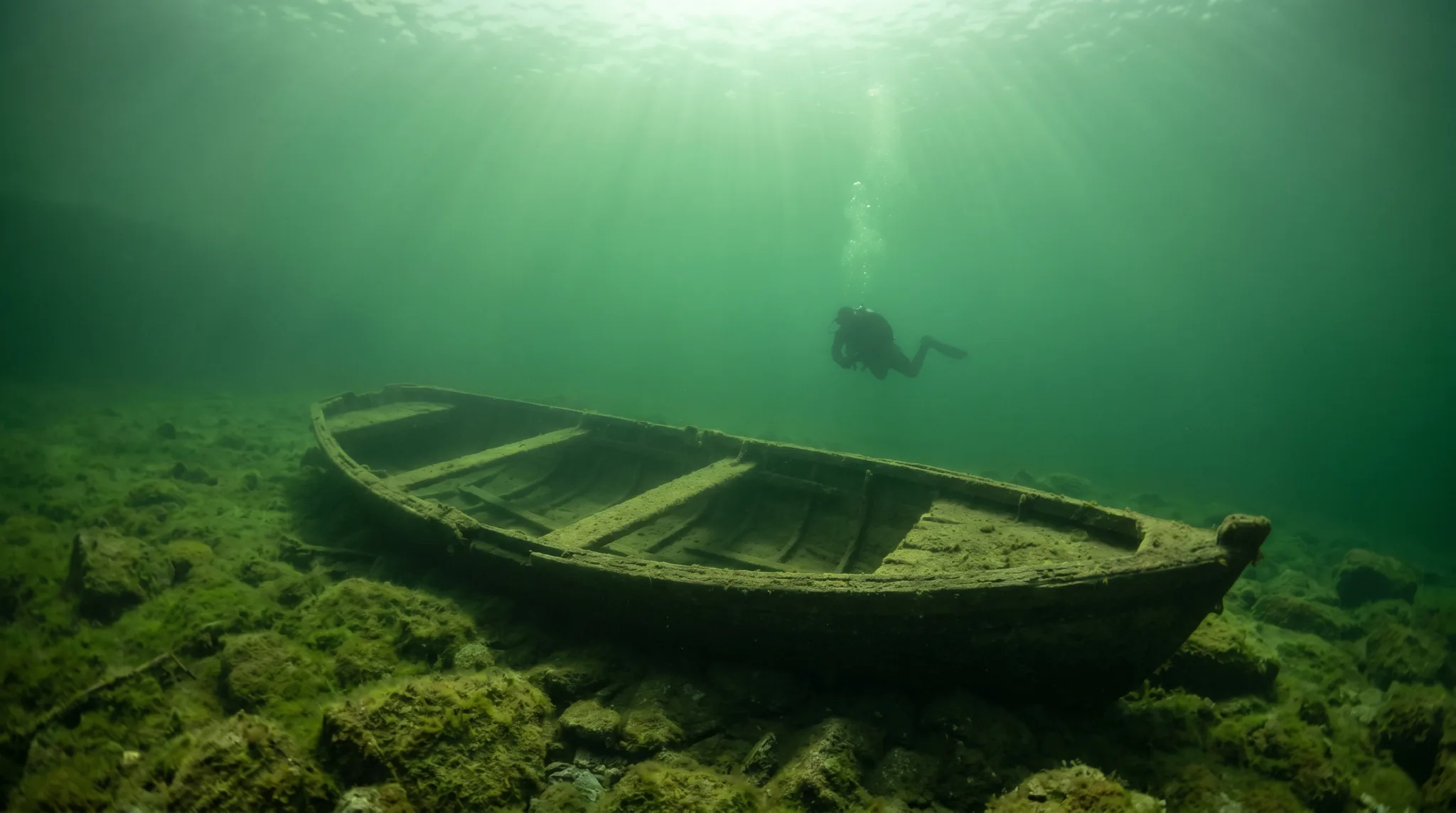
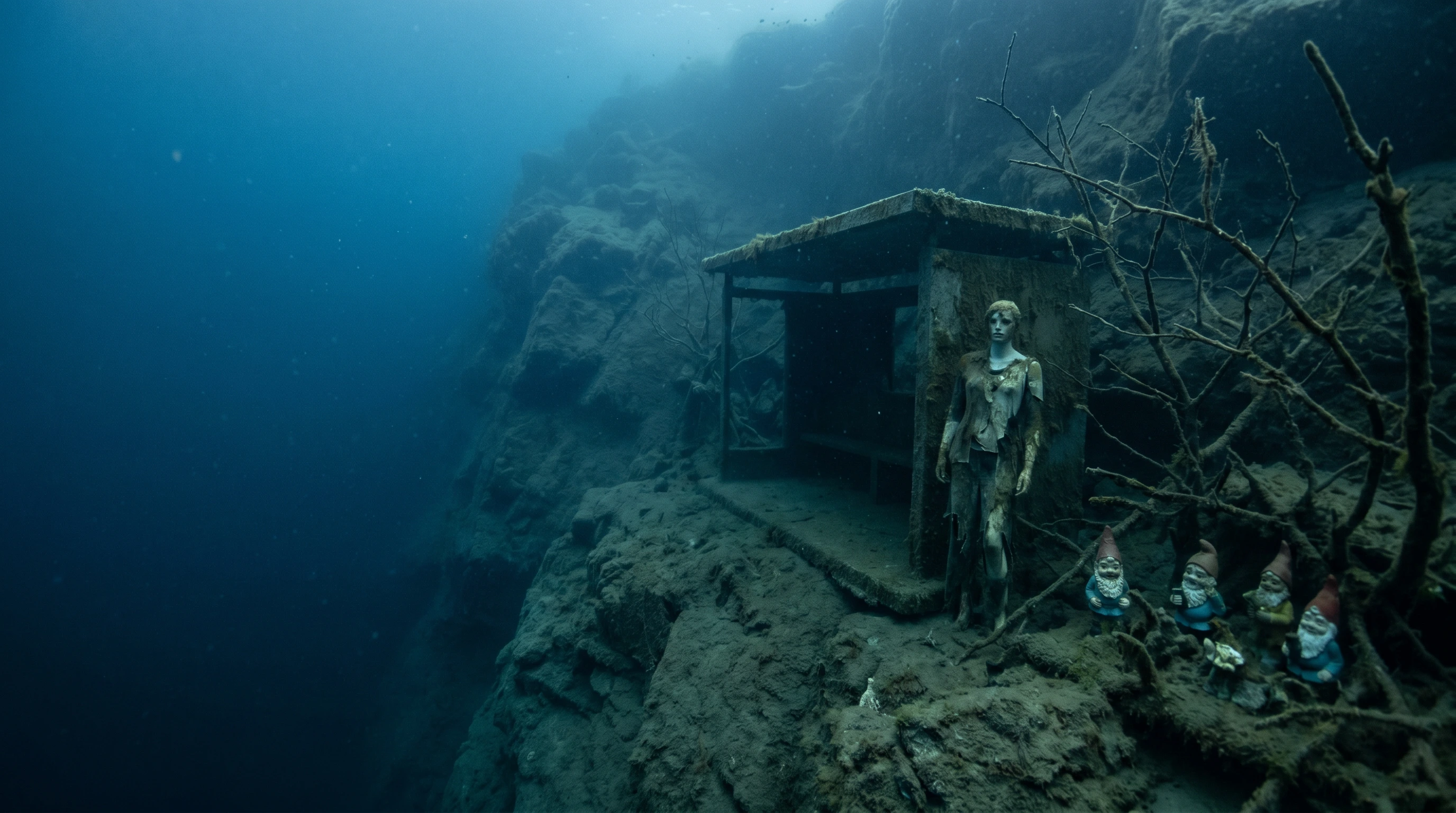
The region covers a broad range of site types for freshwater diving: submerged walls and drop-offs, wrecks, rocky reefs, artificial reef structures and even an overhead environment beneath quay pillars at Quai Perdonnet. Château de Chillon adds a distinctive character, with the historic castle walls extending directly into the lake. This variety means repeat visits to the area rarely feel repetitive.