Plagiotremus tapeinosoma
A small, dart-fast blenny logged from Marsa Alam to New South Wales, sitting in reef holes year-round in 24-29C water.
Safety warning
Its bite is the real hazard here: sharp fangs can nip exposed skin, drawing a small but surprisingly painful wound, usually when a diver gets too close or handles one. Keep hands tucked in near reef holes and rubble patches where it hides, and don't try to touch or corner one if it approaches.
If you're bitten
Venomous bite (mild)General first-aid guidance, not a substitute for professional medical care. In an emergency, call your local emergency number.
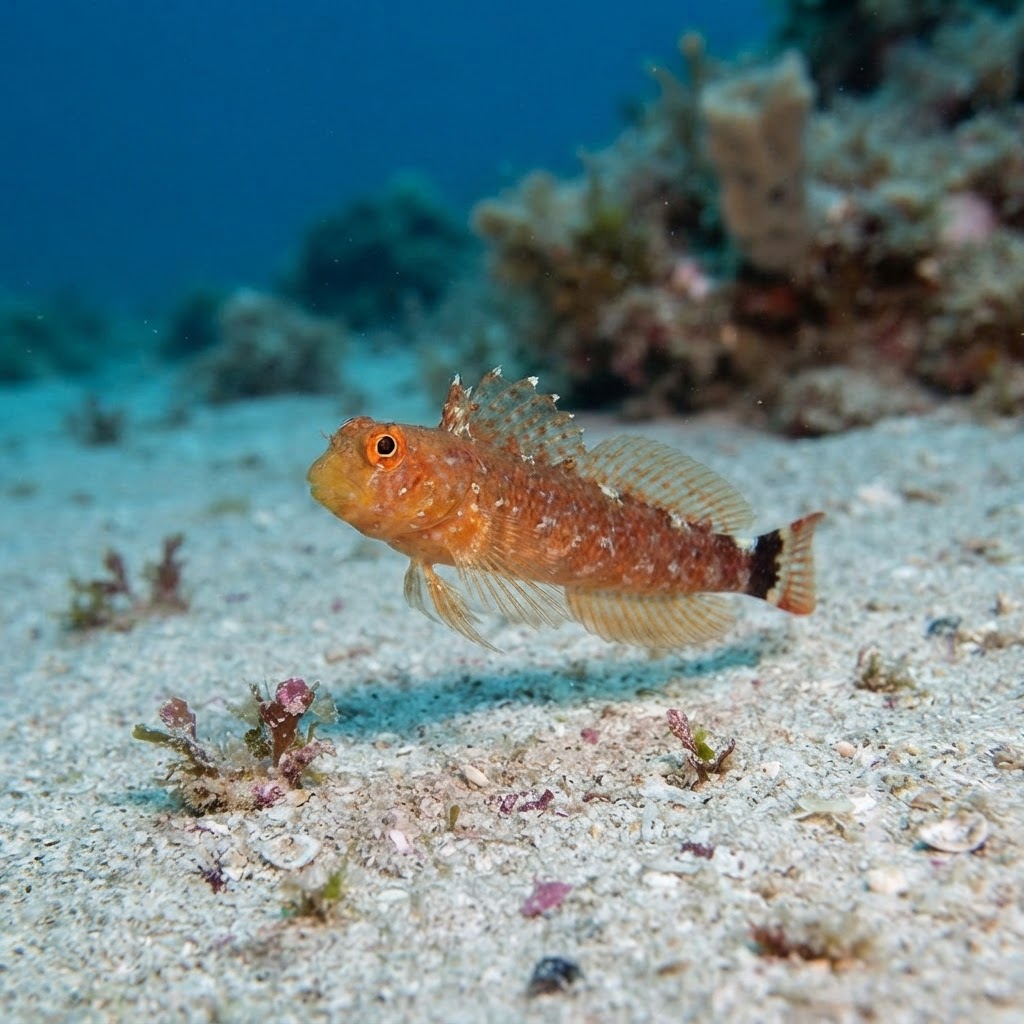
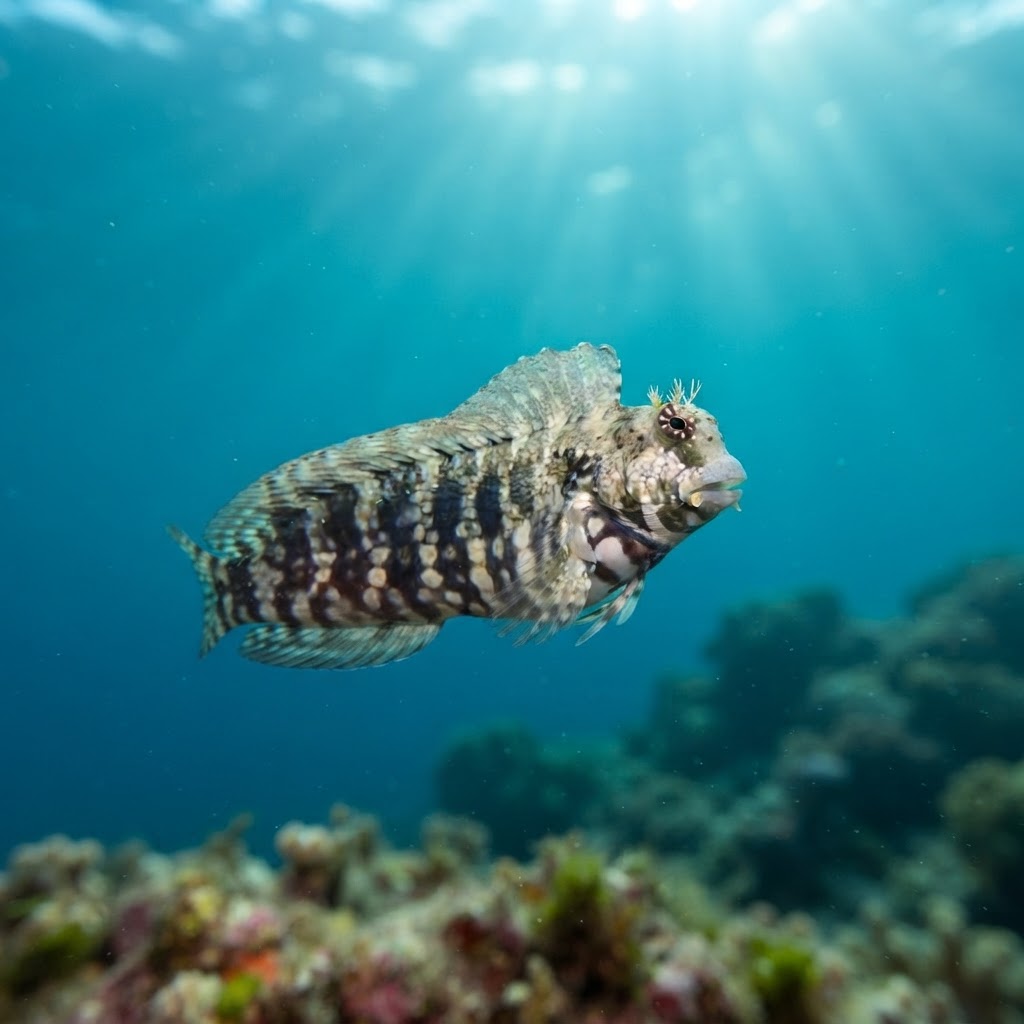
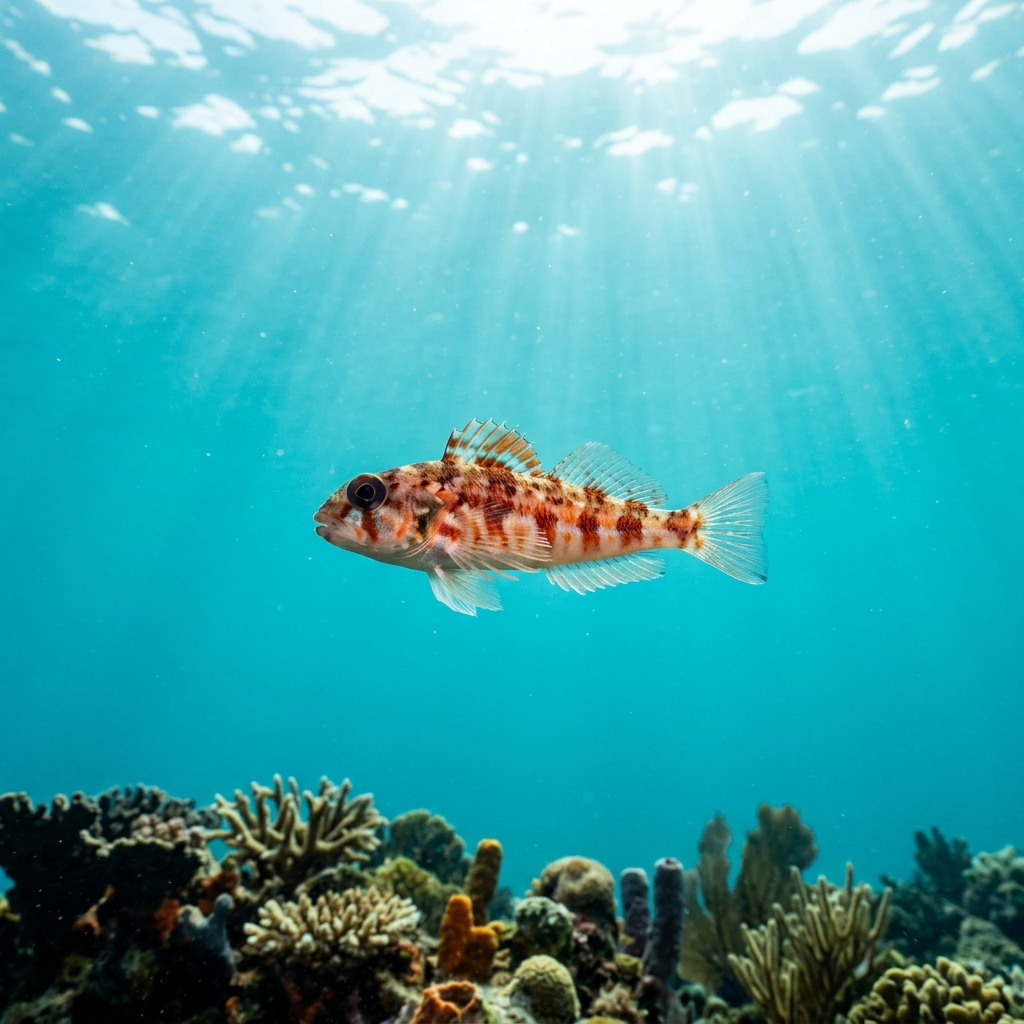
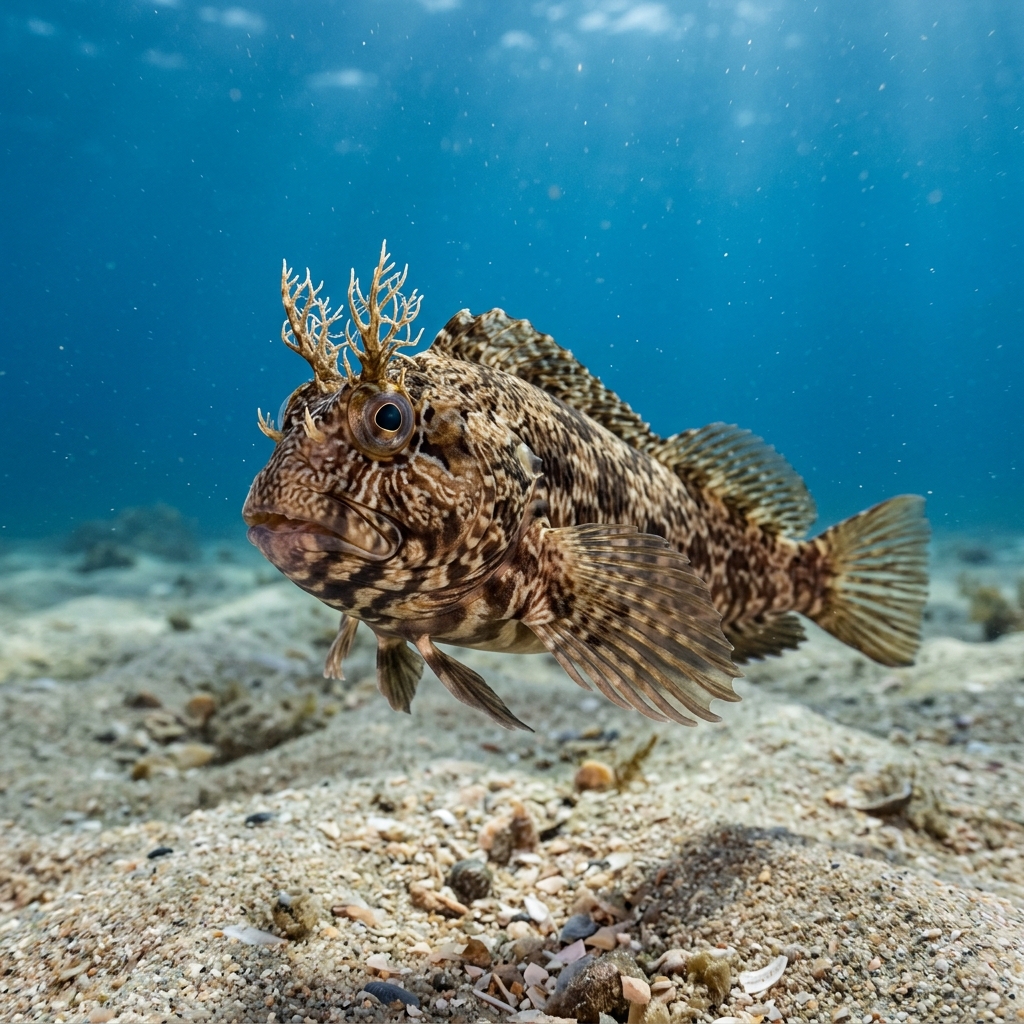
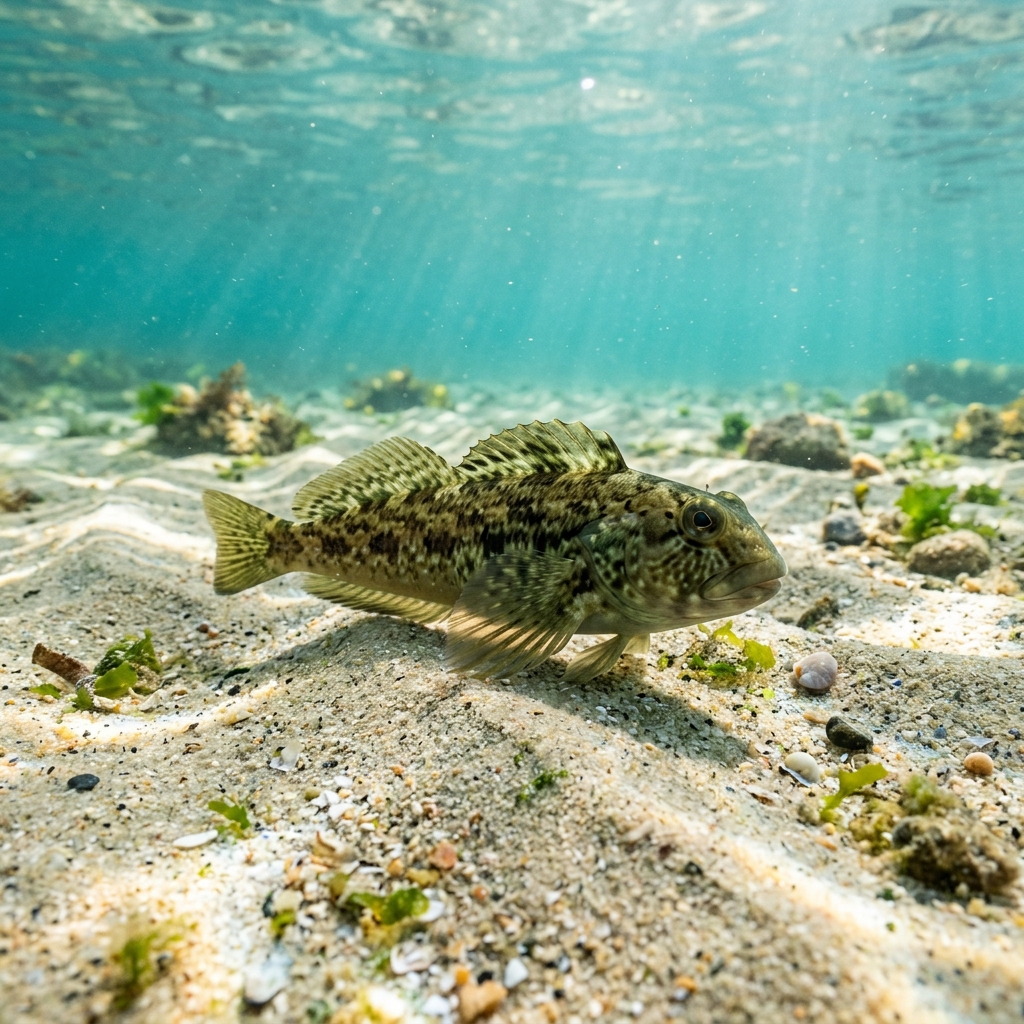
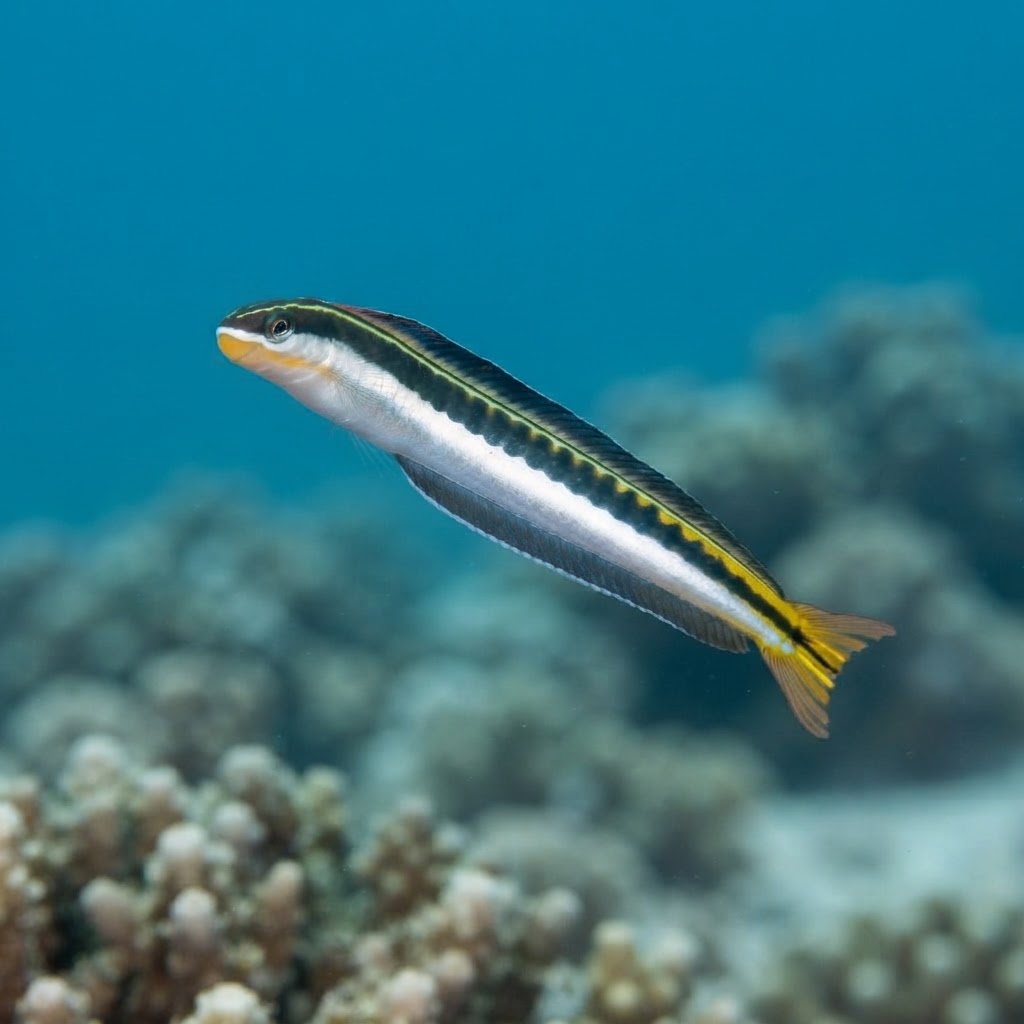
A slim, eel-like body only about 9 cm long, usually brown to olive with pale blotches or bars that break up its outline against rubble and coral. Look for a pointed snout, large eyes set high on the head, and the way it perches motionless on a coral head before darting off in a quick, wriggling swim. Its dorsal fin runs the length of the body, giving it a low, streamlined profile very different from the deeper-bodied blennies it shares reefs with.
Divers usually spot it perched on a coral head or ledge, watching the water column before making a short, fast dash to nip at a passing fish or diver and dart straight back to cover. It is not shy of divers, if anything it is curious enough to approach, which is exactly how most close encounters happen. Most sightings are logged as uncommon or rare, so a sighting is a nice surprise rather than a given, even at its strongest sites.
It feeds by biting scales, mucus, and small chunks of flesh from other fish, an ambush tactic backed up by a body shape and swimming style that mimics harmless cleaner wrasses so target fish let it get close.
Comfortable across a 24 to 29C range, so it turns up on tropical and subtropical reefs throughout the year with no strong seasonal pattern in the data. Plan around good visibility and calm reef conditions at your chosen site rather than a particular month.
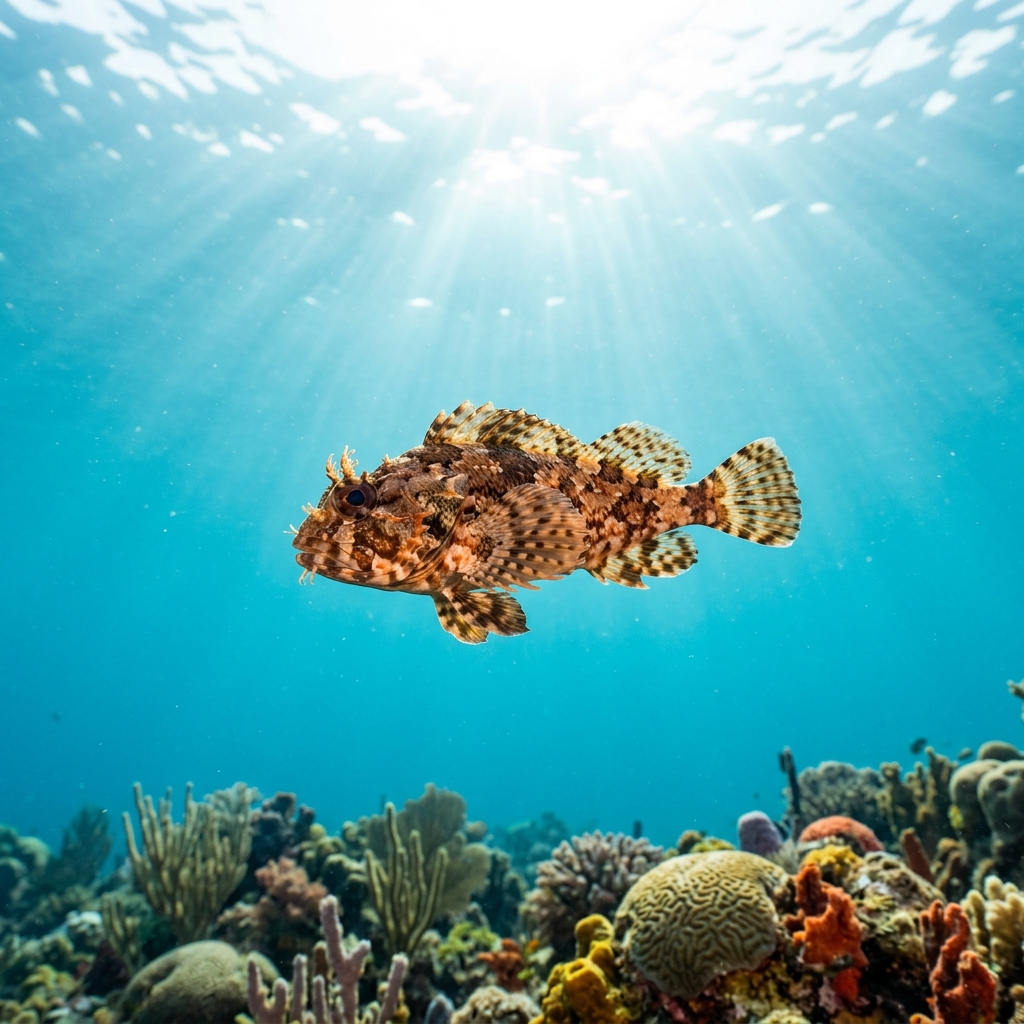
Reef neighbours a diver could mistake it for. Use the identification notes above to tell them apart.
Most reliably logged in Australia, especially New South Wales, and across the Egyptian Red Sea around Marsa Alam and the Deep South. Strong numbers also come from North Island, New Zealand and the Inner Islands of the Seychelles, with further sightings in the Maldives' Central Atolls, French Polynesia's Society Islands, KwaZulu-Natal in South Africa, and Eilat in Israel.
Mapping where Piano Fangblenny is logged…
Best known from Australian reefs, particularly New South Wales, and Egypt's Marsa Alam and Deep South region. Also a solid find in North Island New Zealand, the Seychelles' Inner Islands, and the Maldives' Central Atolls.
No strong season shows up in sighting data. It sits in a 24 to 29C comfort range, so it's present on tropical and subtropical reefs year-round.
They can deliver a sharp, painful bite if a diver gets too close or tries to handle one. Keep your hands away from reef crevices and rubble where they perch, and admire from a short distance.
Look for a slender, eel-shaped body around 9 cm long, brown to olive with pale mottled patches, perched still on coral before a fast dart-and-retreat swim. The pointed snout and high-set large eyes help separate it from deeper-bodied blennies.
They max out at roughly 9 cm, making them one of the smaller reef blennies divers log.
It bites scales, mucus, and flesh from other fish rather than grazing algae, and its slim body and swimming style let it mimic cleaner wrasses to sneak in close before striking.
Site and sighting data is aggregated from diver logs, iNaturalist and GBIF. For taxonomy and conservation status:
Rusty Blenny
2,605 sites