Chaetodon blackburnii
A small, easily overlooked butterflyfish common in KwaZulu-Natal and Mauritius, in warm 22-27C reef water year-round.
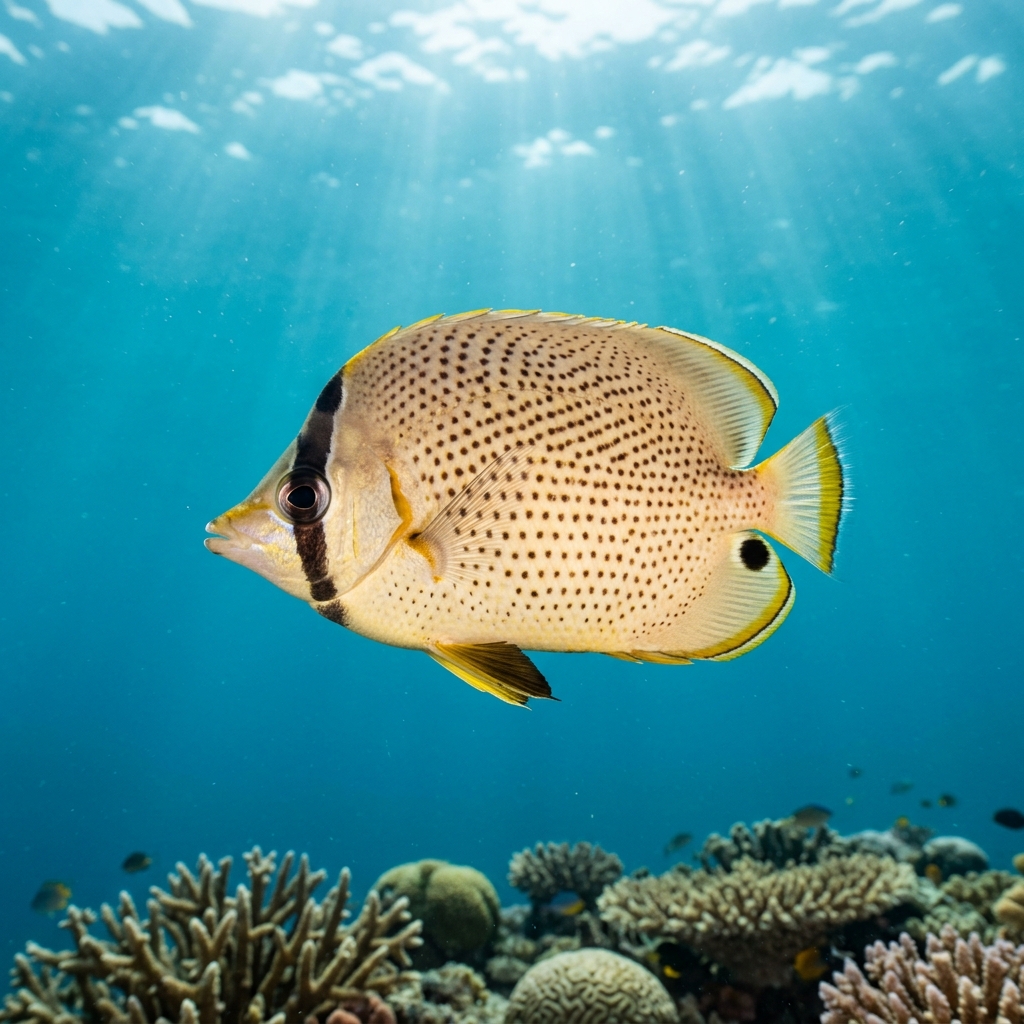
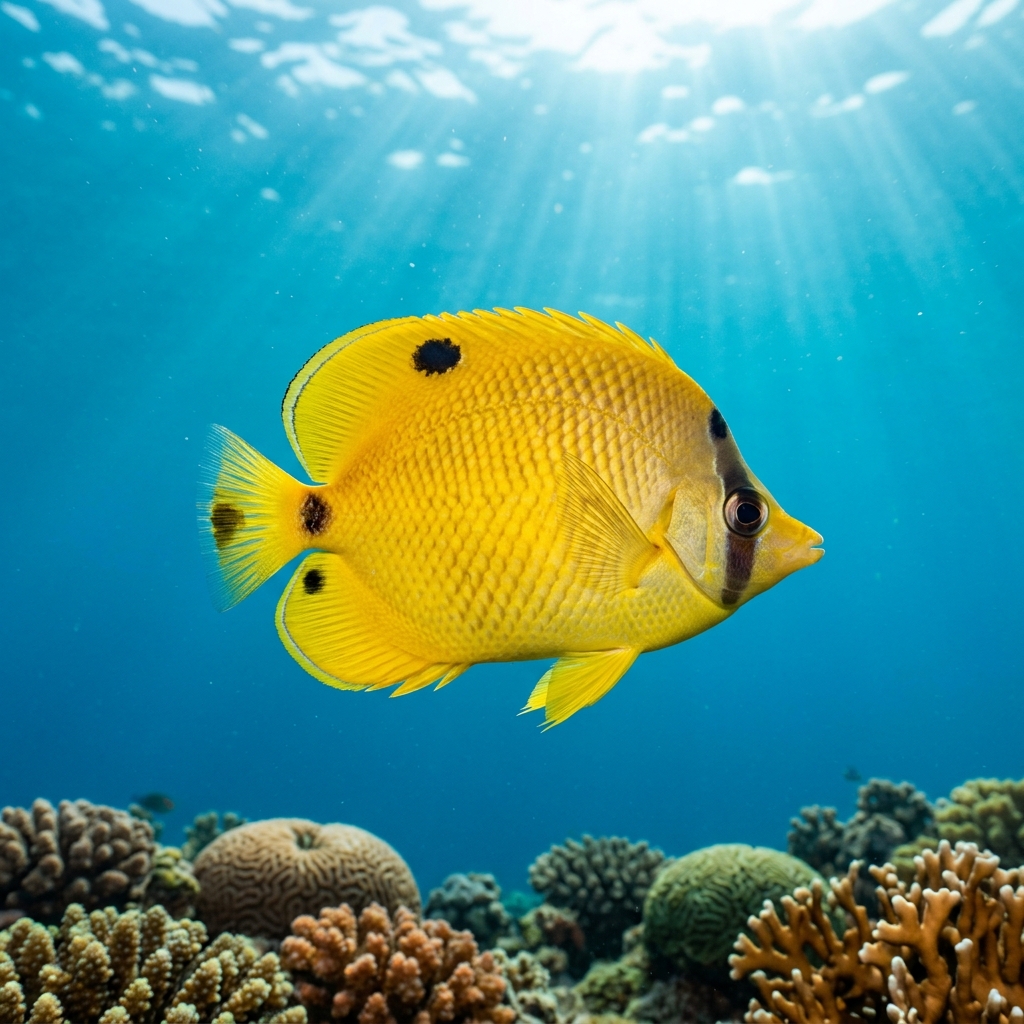
A small, deep-bodied butterflyfish reaching around 9 cm, with a warm brown to golden body and faint pale bars running down the flanks. Like most butterflyfish it carries a dark vertical band through the eye, breaking up its outline against the reef. Look for the compact, disc-shaped body and the short, pointed snout as it picks over rock and coral.
Usually seen alone or in loose pairs, browsing slowly over reef and rocky ground rather than schooling in open water. It tends to stay close to structure, ducking into crevices and ledges when a diver gets too close, and is more often picked out by patient, close-focus divers than spotted from a distance.
Butterflyfish like this one rely on that dark eye-band as a simple defence trick, blurring where the eye actually is so a predator's strike misses its mark.
No clear seasonal pattern shows up in the sightings, and it sits comfortably in water from 22.4 to 27.3C, so it is worth watching for on any dive across the year in these regions.
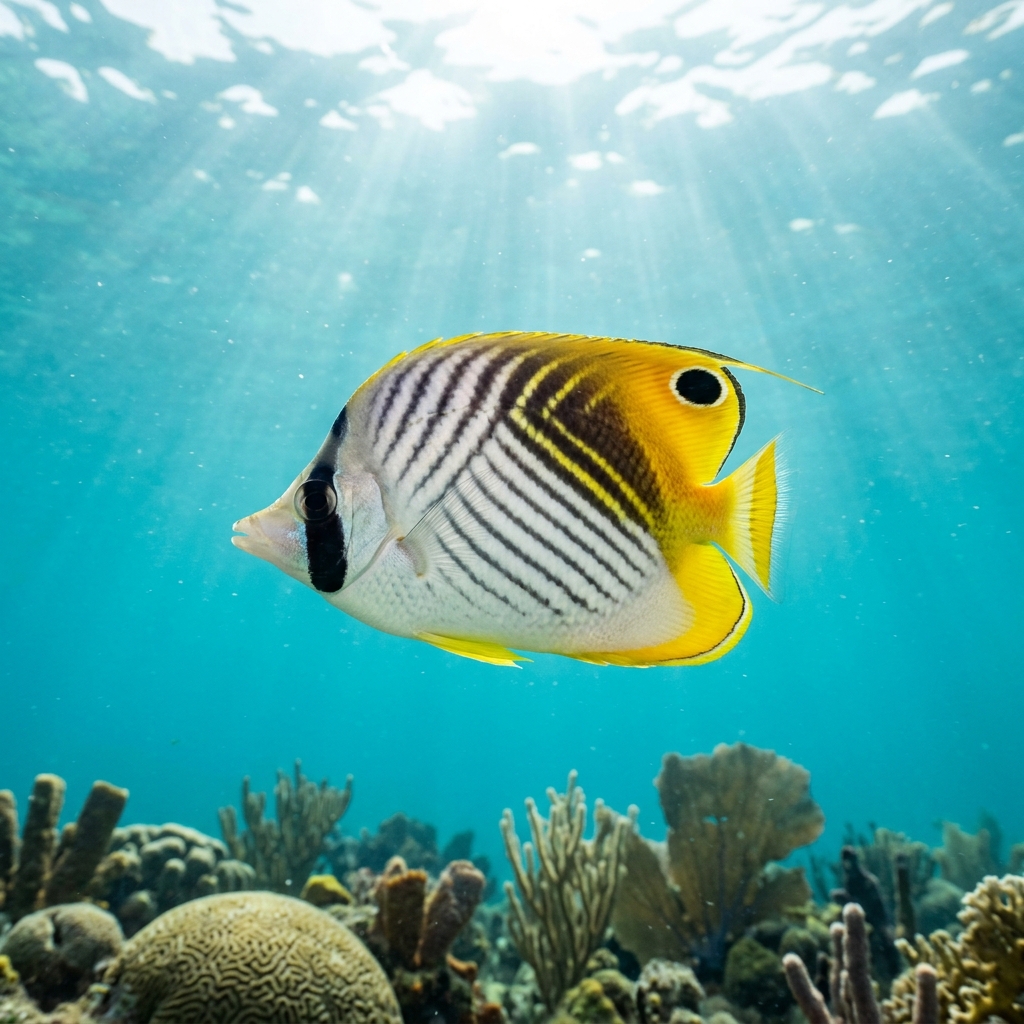
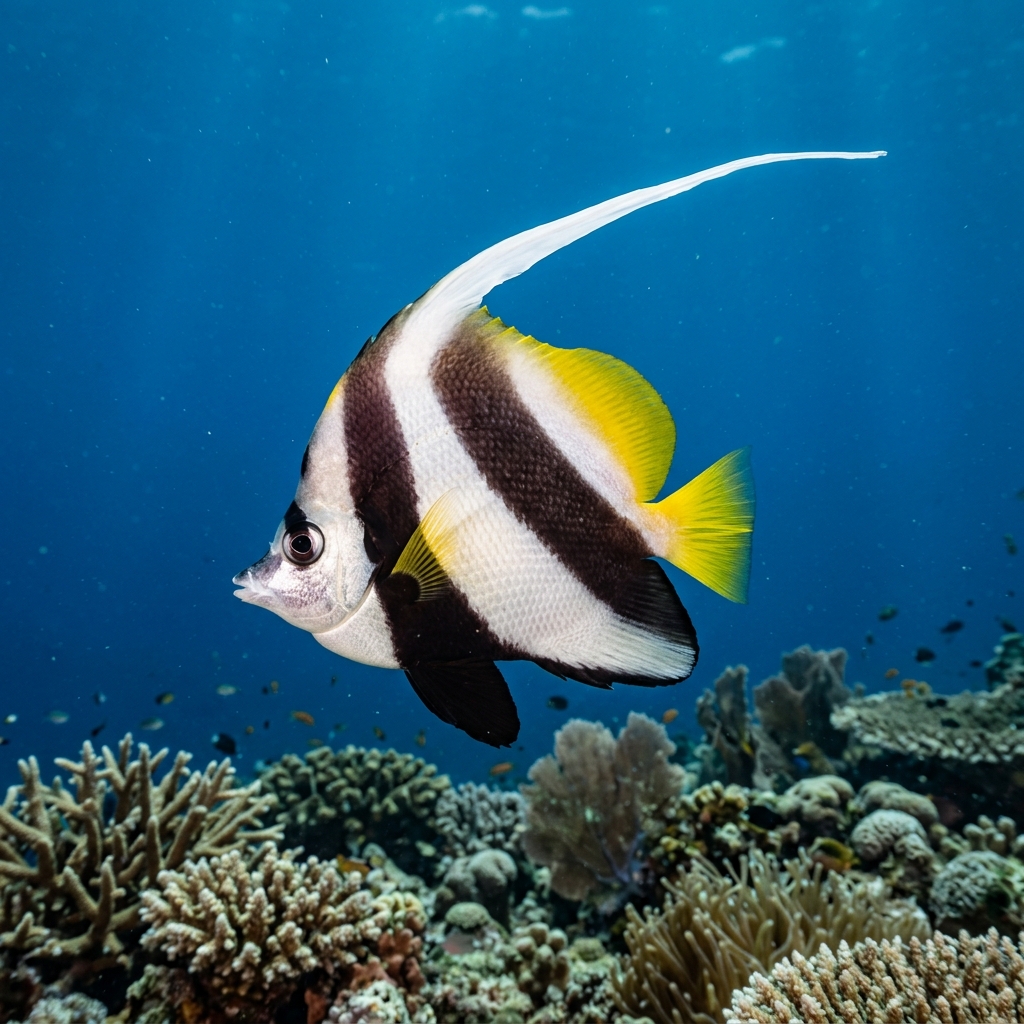
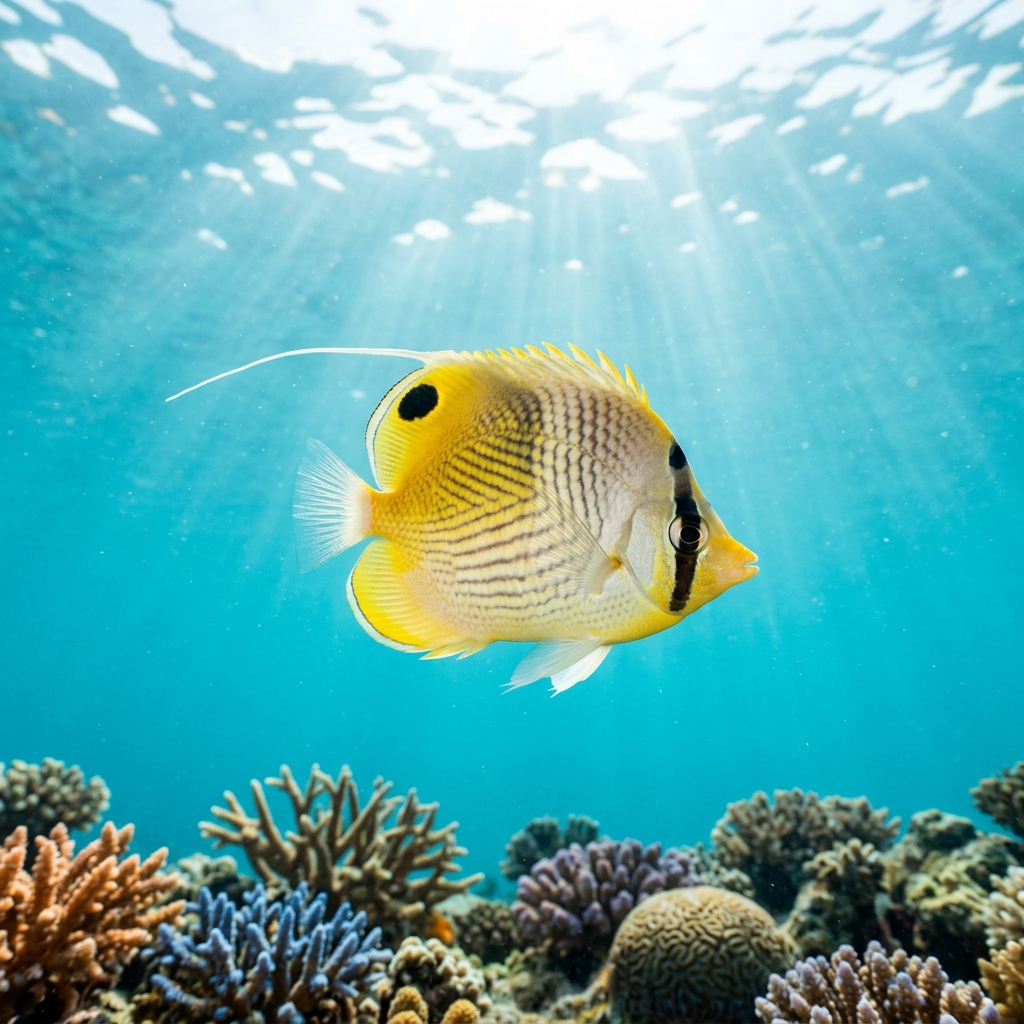
Reef neighbours a diver could mistake it for. Use the identification notes above to tell them apart.
Most reliably logged along KwaZulu-Natal in South Africa, with strong numbers also reported from Grand Baie in Mauritius, Saint-Paul in Reunion, and the Quirimbas Archipelago and Inhambane areas of Mozambique. It also turns up around Mombasa in Kenya and Toliara in Madagascar, making it a fairly widespread find across the western Indian Ocean.
Mapping where Brownburnie is logged…
KwaZulu-Natal in South Africa is the most consistent spot, with further sightings around Grand Baie in Mauritius, Saint-Paul in Reunion, the Quirimbas Archipelago and Inhambane in Mozambique, and Mombasa in Kenya.
There is no strong season in the sightings, and it lives in water between about 22 and 27C, so divers report it across the year rather than in one particular window.
Look for a small, disc-shaped butterflyfish around 9 cm long with a brown-gold body, faint pale flank bars, and a dark vertical band through the eye. It usually stays close to reef structure rather than out in open water.
They stay small, typically around 9 cm, making them one of the more modestly sized butterflyfish divers encounter on Indian Ocean reefs.
No, they pose no threat to divers and simply retreat toward reef cover if approached too closely.
Site and sighting data is aggregated from diver logs, iNaturalist and GBIF. For taxonomy and conservation status: