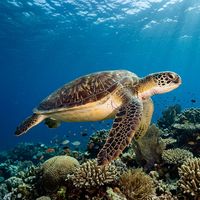
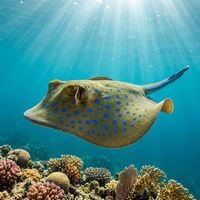
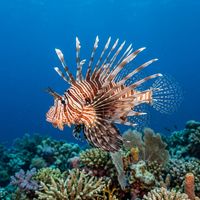
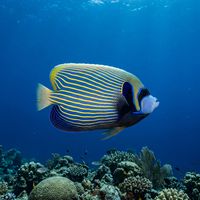
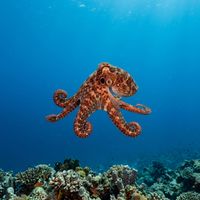
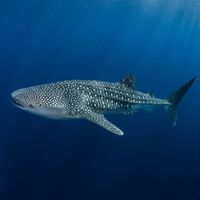
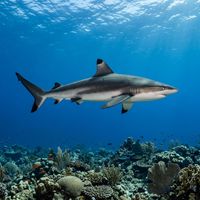
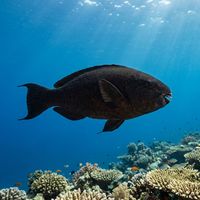
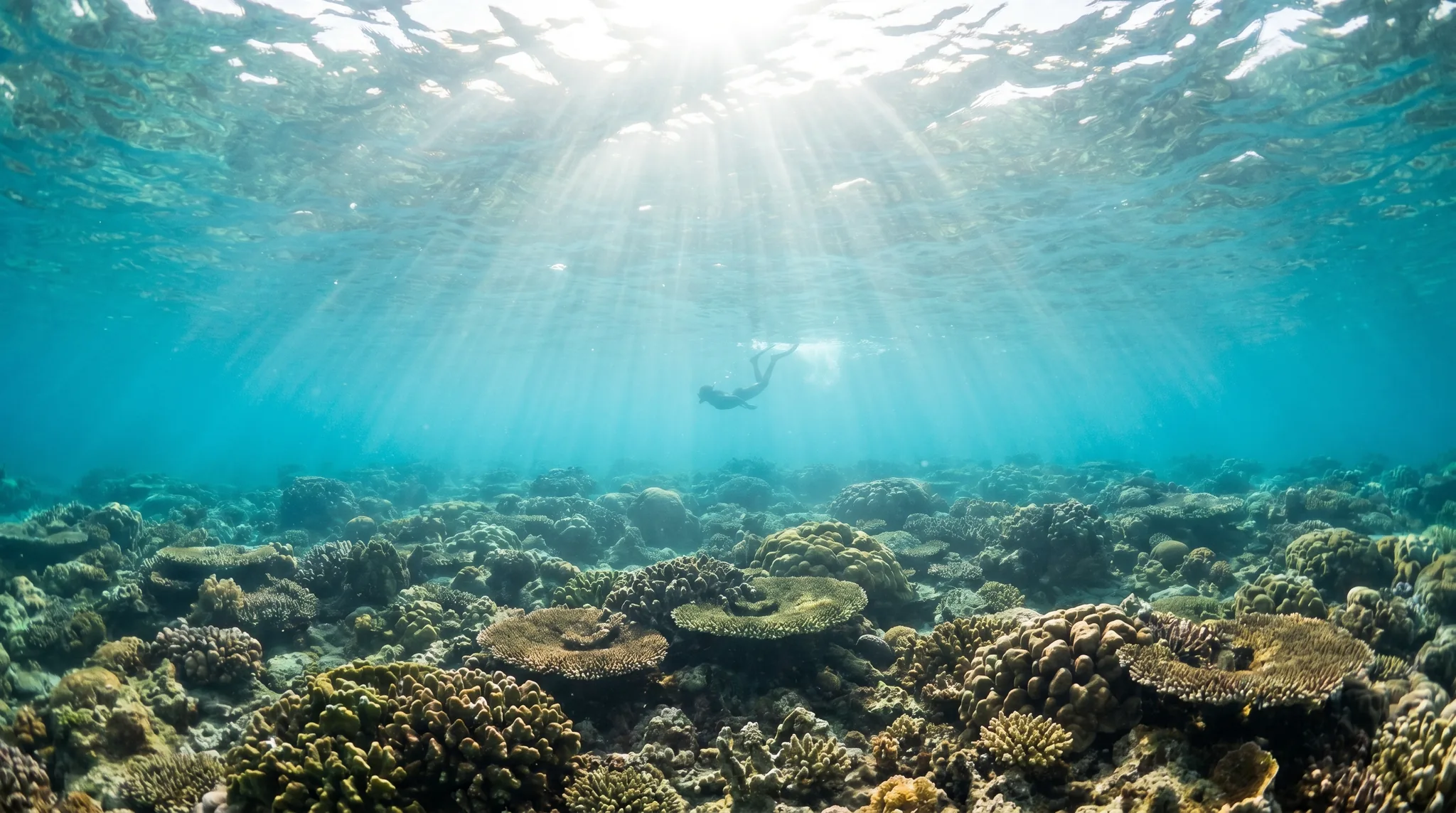
Saudi Arabia's Red Sea Coast is reef diving at its most varied, with the bulk of sites concentrated around Jeddah, a solid offering further north at Yanbu, and remoter options at Al Lith, the Farasan Islands, and NEOM and Duba. Reef structures dominate, though Abu Tair adds wall, wreck, and drift in a single site, and Cable Wreck provides dedicated wreck diving off Obhur. Most sites suit beginners, with intermediate options stepping things up. The marine life list is long: Indian Lionfish and Bluespotted Fantail Ray are very commonly encountered, while Green Sea Turtle, Emperor Angelfish, Whale Shark, and Tiger Shark have all been observed across the region.
5 areas
 51
51Reef walls, wrecks and a marine life list that includes Whale Shark and Tiger Shark, across two distinct dive zones north of the city.
18Shore and boat diving across reefs, walls and wrecks, with strong shark and ray encounters in the offshore Seven Sisters area.
7Remote Red Sea archipelago and UNESCO Biosphere Reserve with reefs, walls, and diverse shark species.
7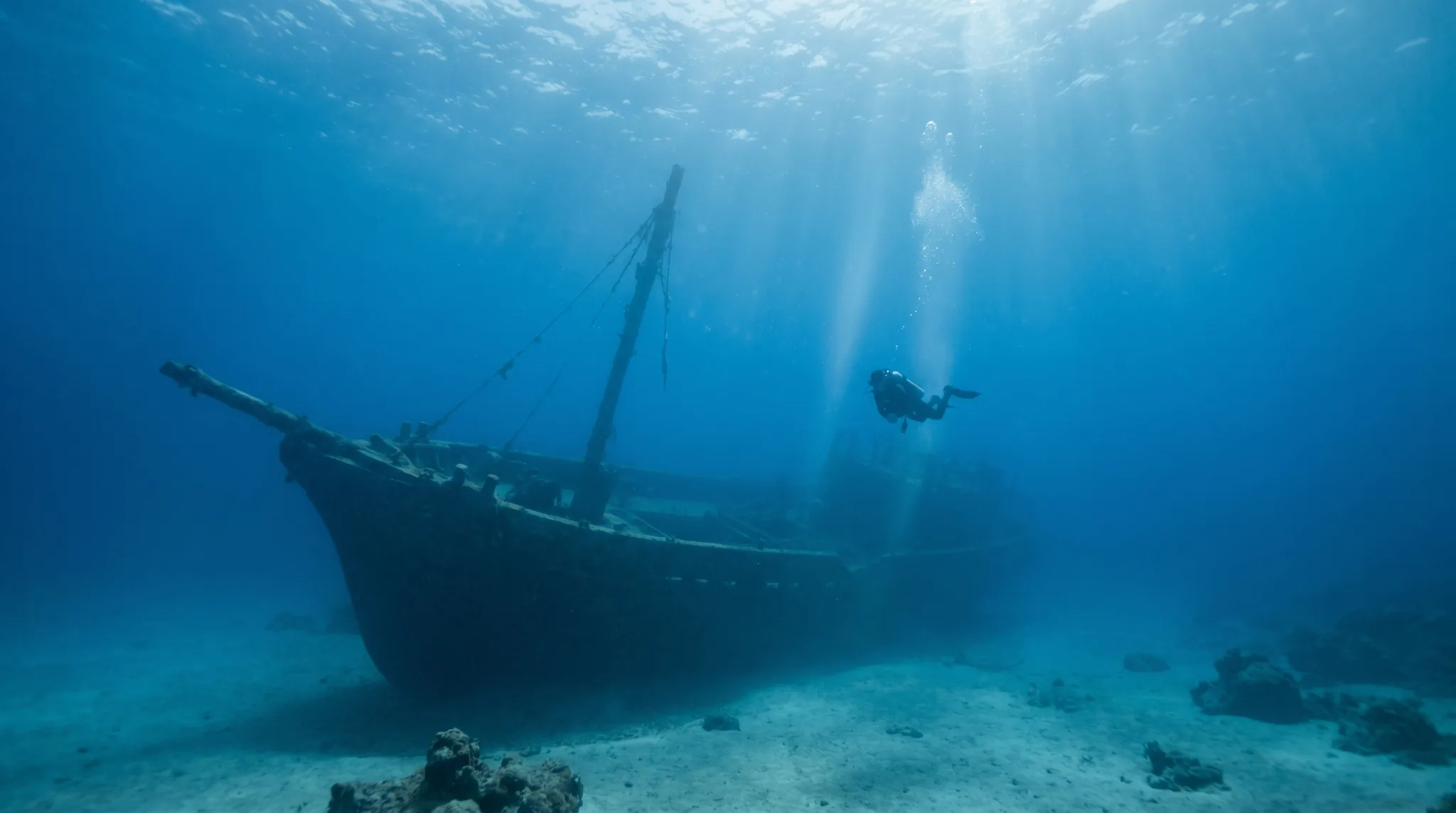
Monthly water temperature across Red Sea Coast's sites, from satellite sea-surface data corrected for depth. The band shows the site-to-site spread.
Water stays warm throughout the year, sitting at its coolest in the cooler months and peaking through late summer and autumn. The best-months data points clearly away from mid-summer, when diver activity drops sharply, suggesting that heat and conditions above water rather than below are the limiting factor. Cooler months from October through April see the highest concentration of diving activity, and visibility across the region can be notably generous on good days.
39 operators
Saudi Arabia
Saudi Arabia
Saudi Arabia
Saudi Arabia
Red Sea liveaboard gateway to offshore reefs, walls, and drift dives, with whale sharks in spring.
Water temperature around Red Sea Coast ranges from about 26°C in February to 31°C in August, based on satellite sea-temperature data for its dive sites.
In the warm season (about 31°C) a rash guard or 3mm shorty is comfortable in Red Sea Coast; in the coldest months (about 26°C) step up to a 3mm full suit.
Fin maps 86 sites in Red Sea Coast (86 scuba diving sites and 12 snorkelling spots, with some suited to both), organised into 5 areas.
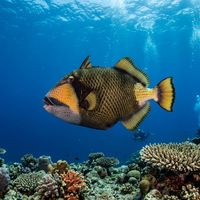
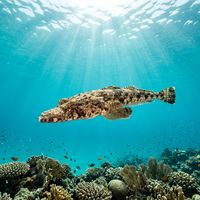
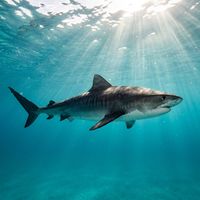
The region has a rich and well-observed species list. Indian Lionfish and Bluespotted Fantail Ray are very commonly encountered, and Green Sea Turtle, Emperor Angelfish, Crocodilefish, and Titan Triggerfish are regularly reported across many sites. Whale Shark and Tiger Shark have both been observed occasionally, making deeper offshore dives particularly exciting.
The majority of listed sites are rated for beginners, including popular shore-entry spots such as Kharar Beach and SOL Beach, as well as many boat-access reefs around Jeddah and Yanbu. Intermediate divers have options too, particularly at sites like Cable Wreck and Crazy Eight, which involve slightly more demanding conditions. The broad depth range across sites means there is something appropriate for most experience levels.
Jeddah holds the largest concentration of sites, offering the widest variety from shallow beginner reefs to multi-feature sites combining walls, wrecks, and drift. Yanbu to the north is more compact but includes good offshore reef diving at sites like Altafyah Middle Reef. Al Lith and the Farasan Islands provide a more remote feel, with Shushah Island in the Farasan Banks being particularly well suited to snorkellers and beginners. NEOM and Duba, at the northern extreme, have fewer listed sites but extend the region's range considerably.
Both options exist. Shore-entry sites include Kharar Beach, SOL Beach, and Salhia Beach, all rated for beginners and offering reef diving without the need to arrange a boat. The majority of sites, however, require boat access, and several dive operators along the coast, including Reef Crabe Diving Center, Dream Divers, and La Plage Diving Shop, are well positioned to organise trips to offshore reefs and wrecks.