Aldrichetta forsteri
Silvery schooling mullet turn up rare to uncommon at sites across North Island NZ and South Australia, in cool 13.5-20C water year-round.
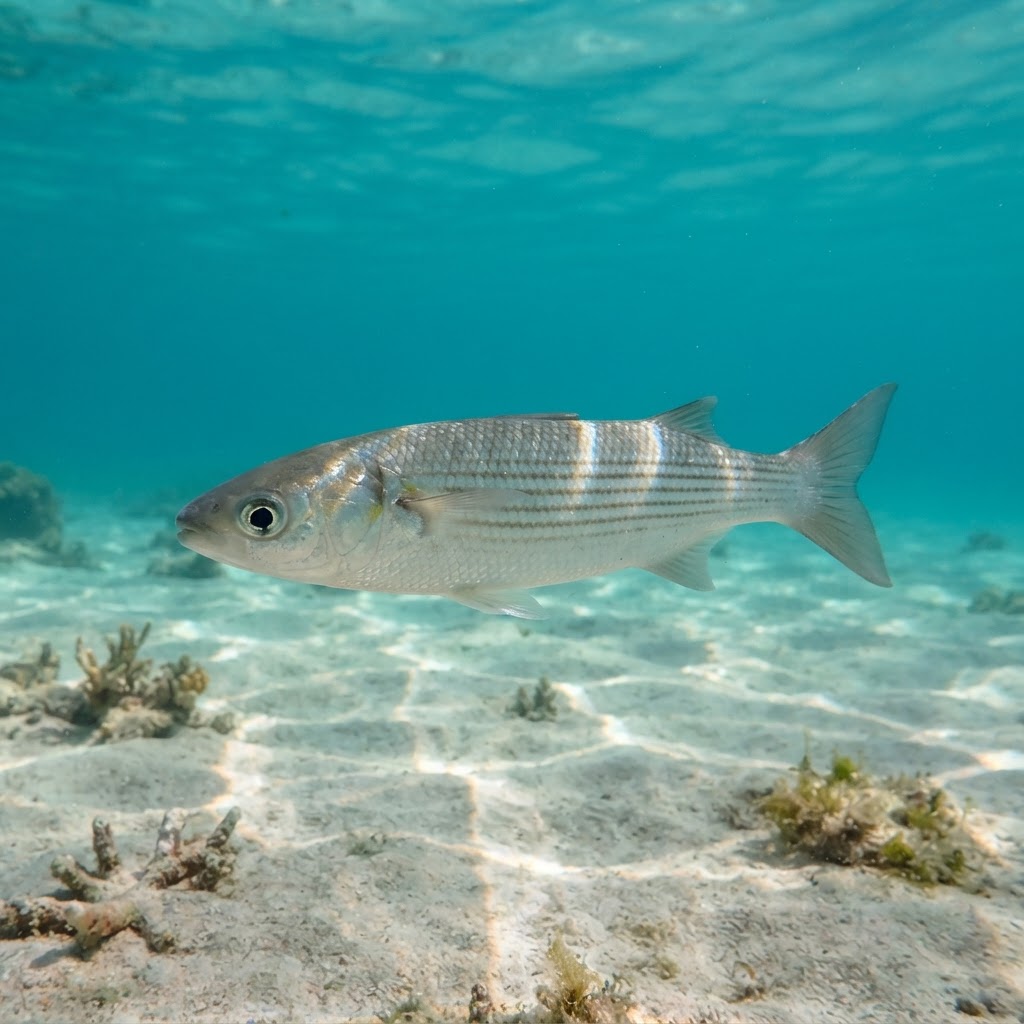
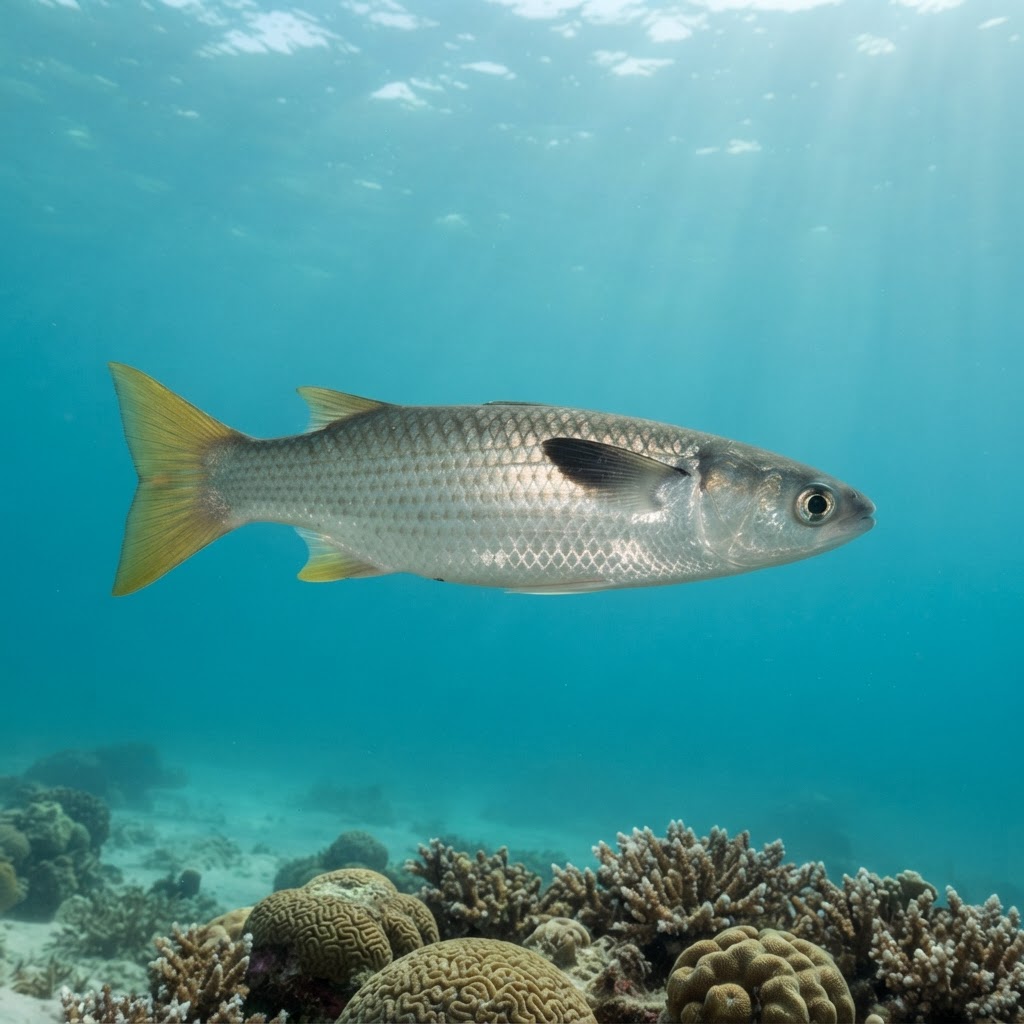
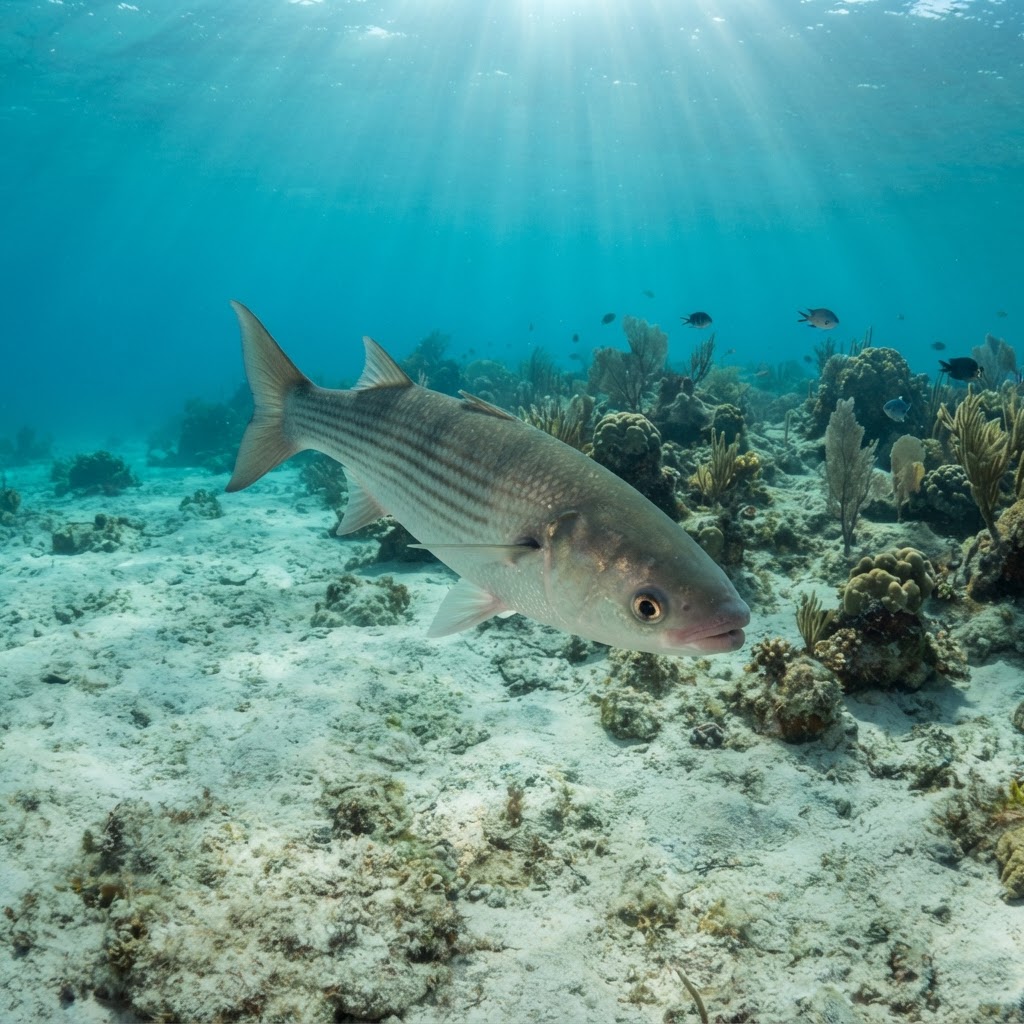
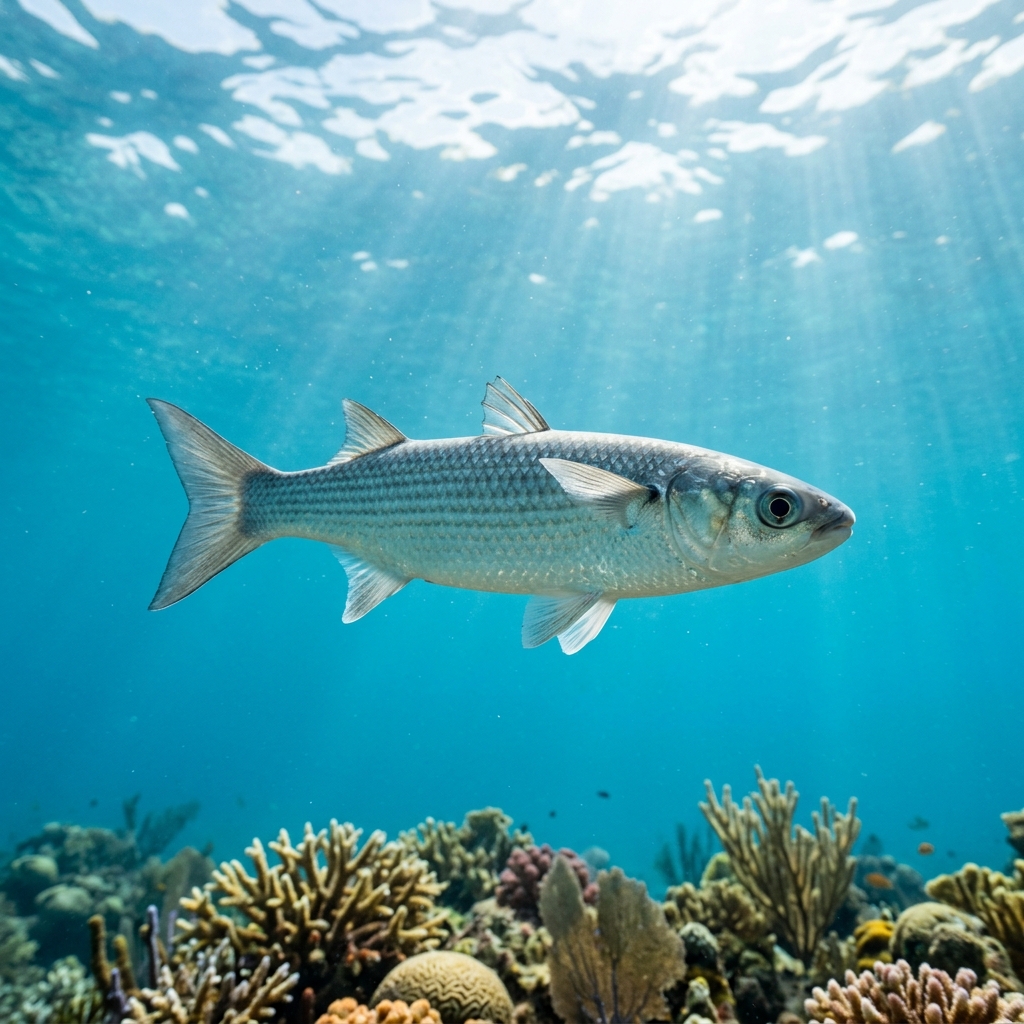
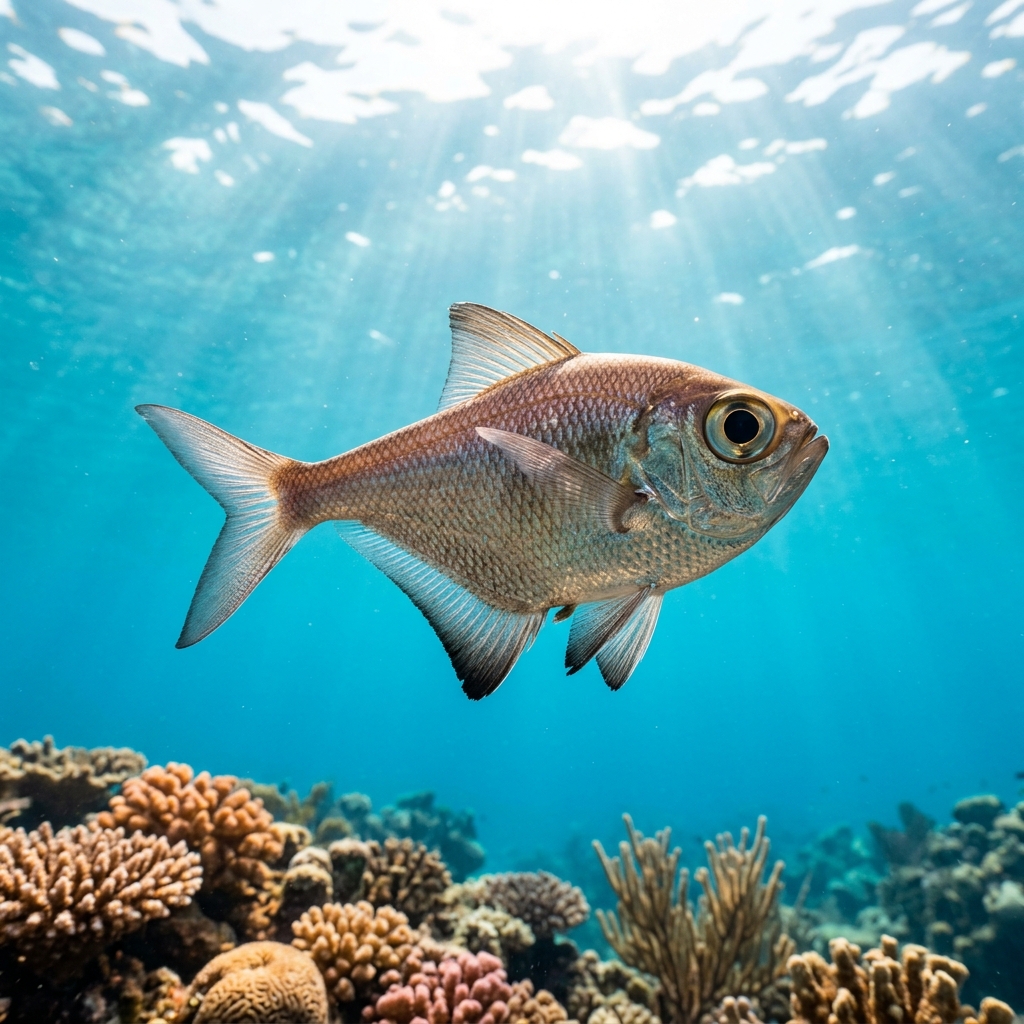
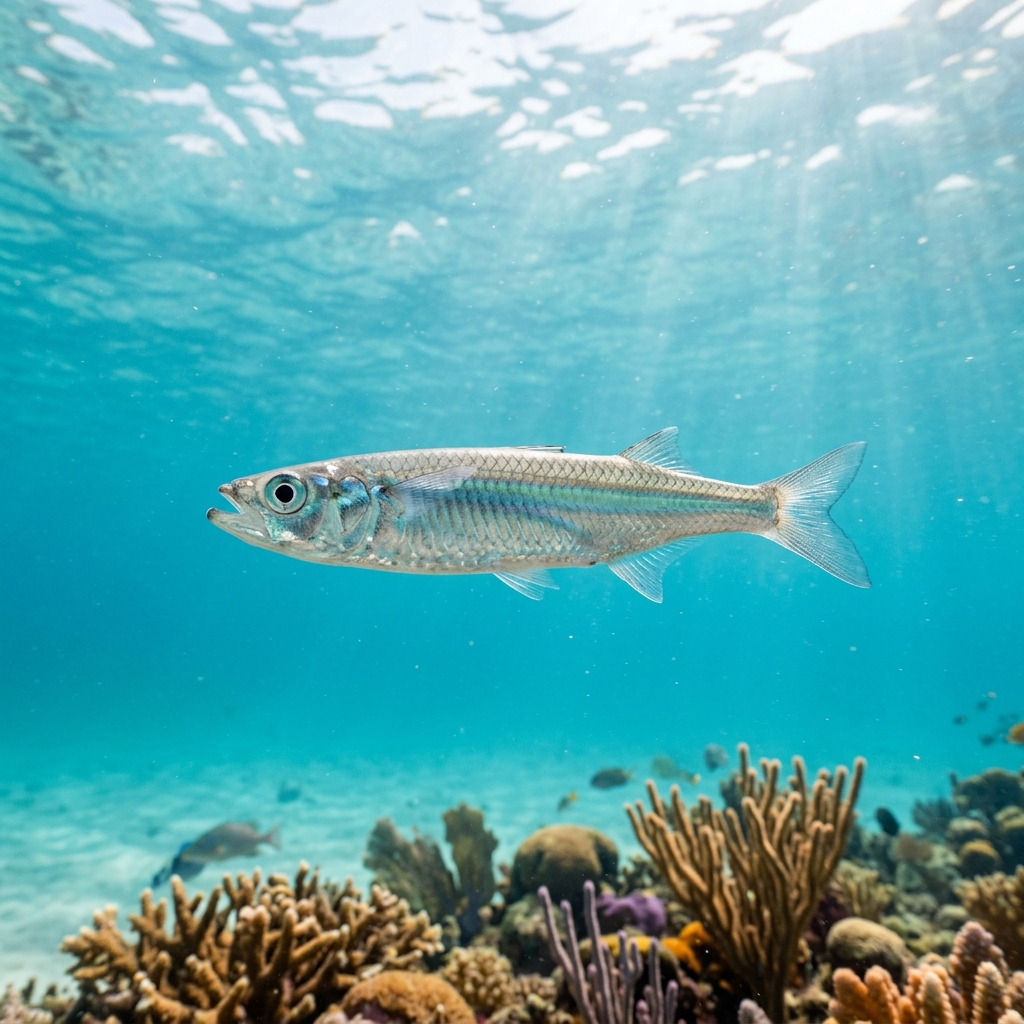
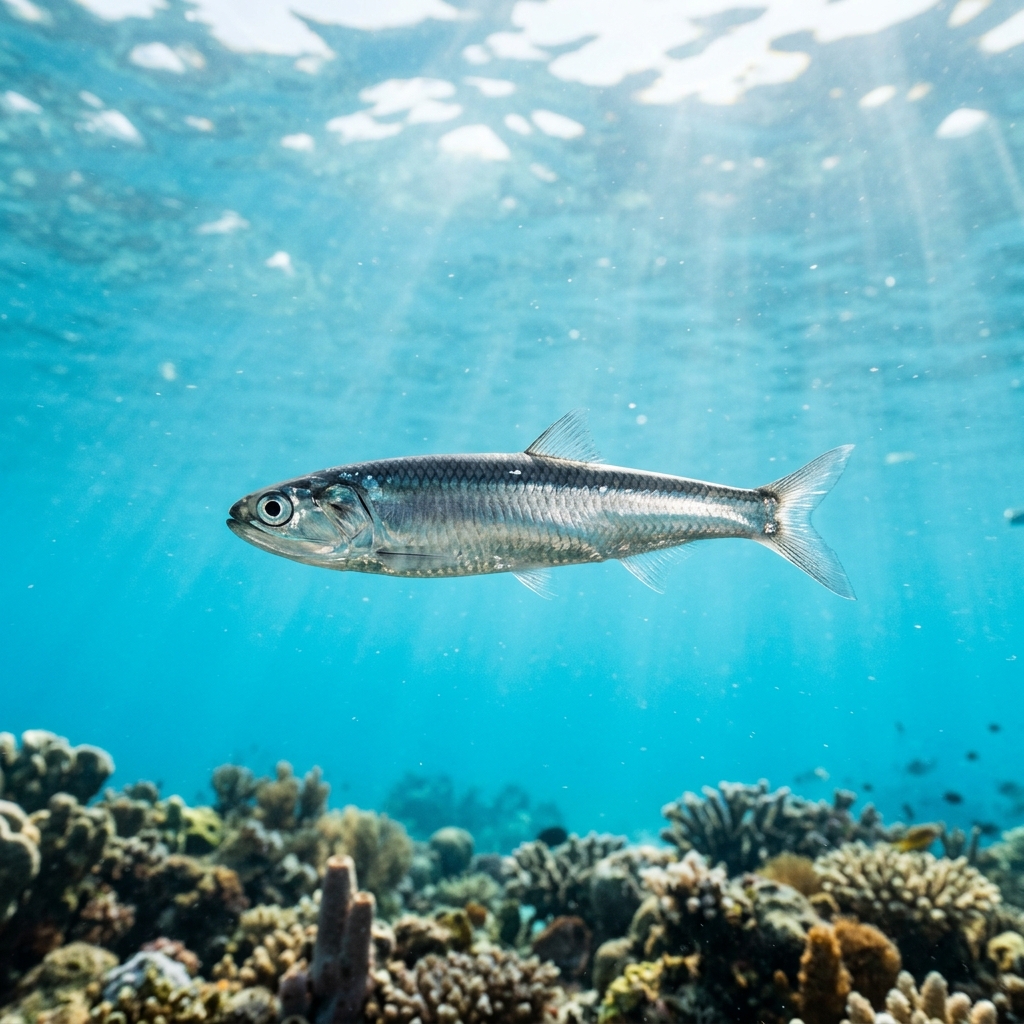
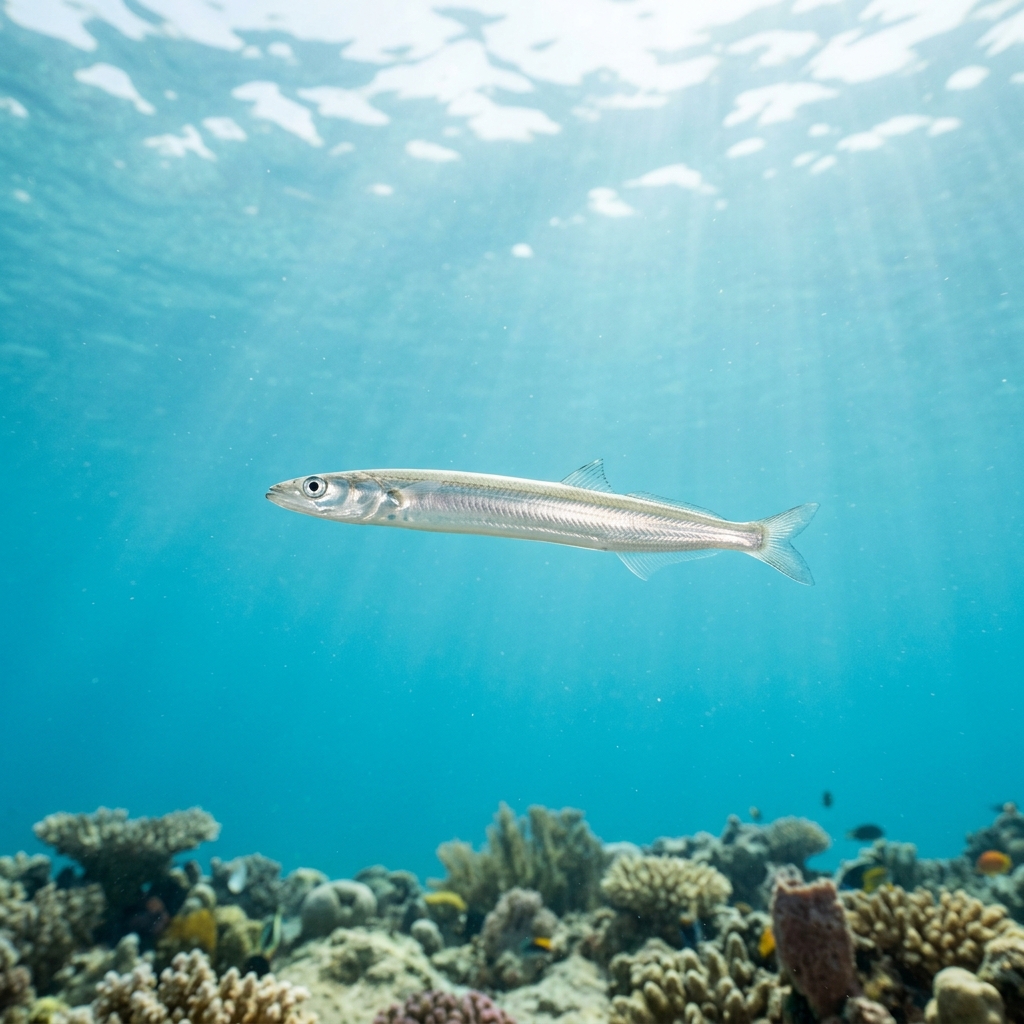
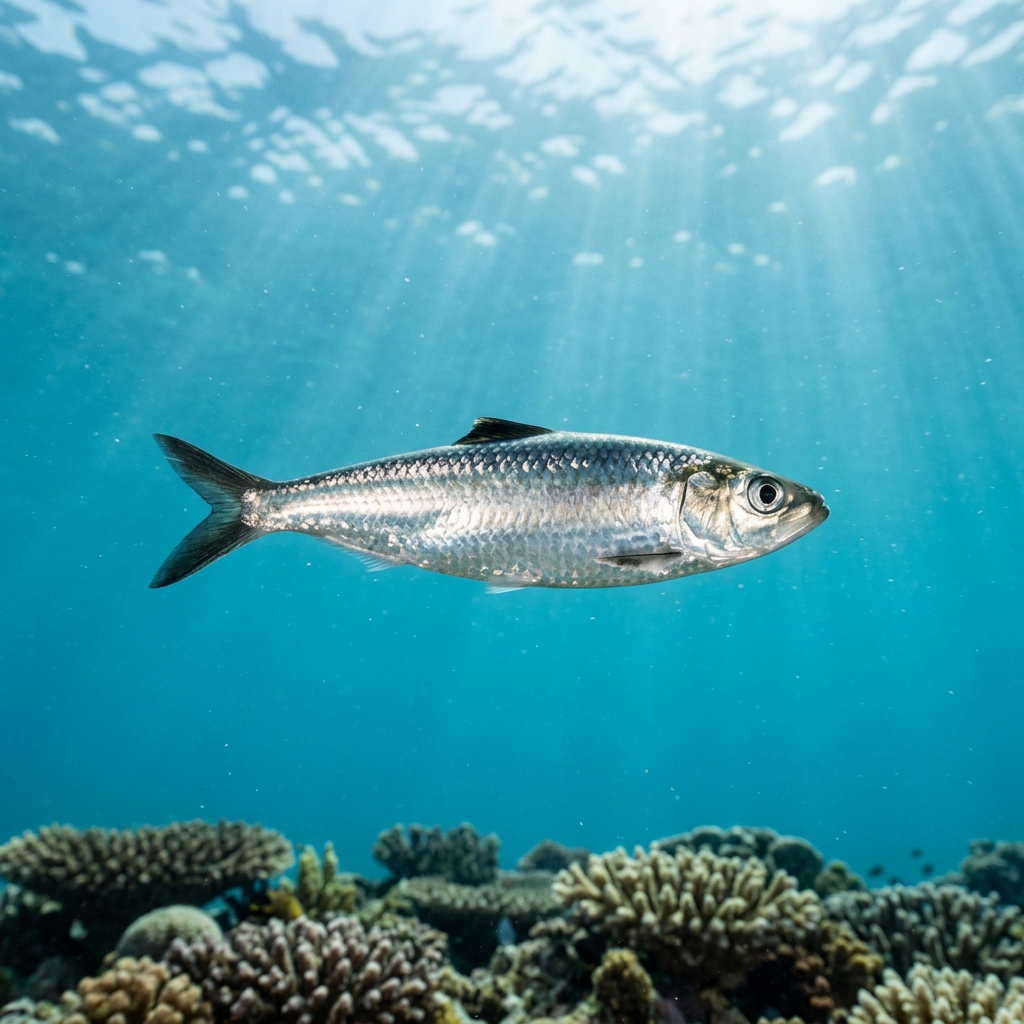
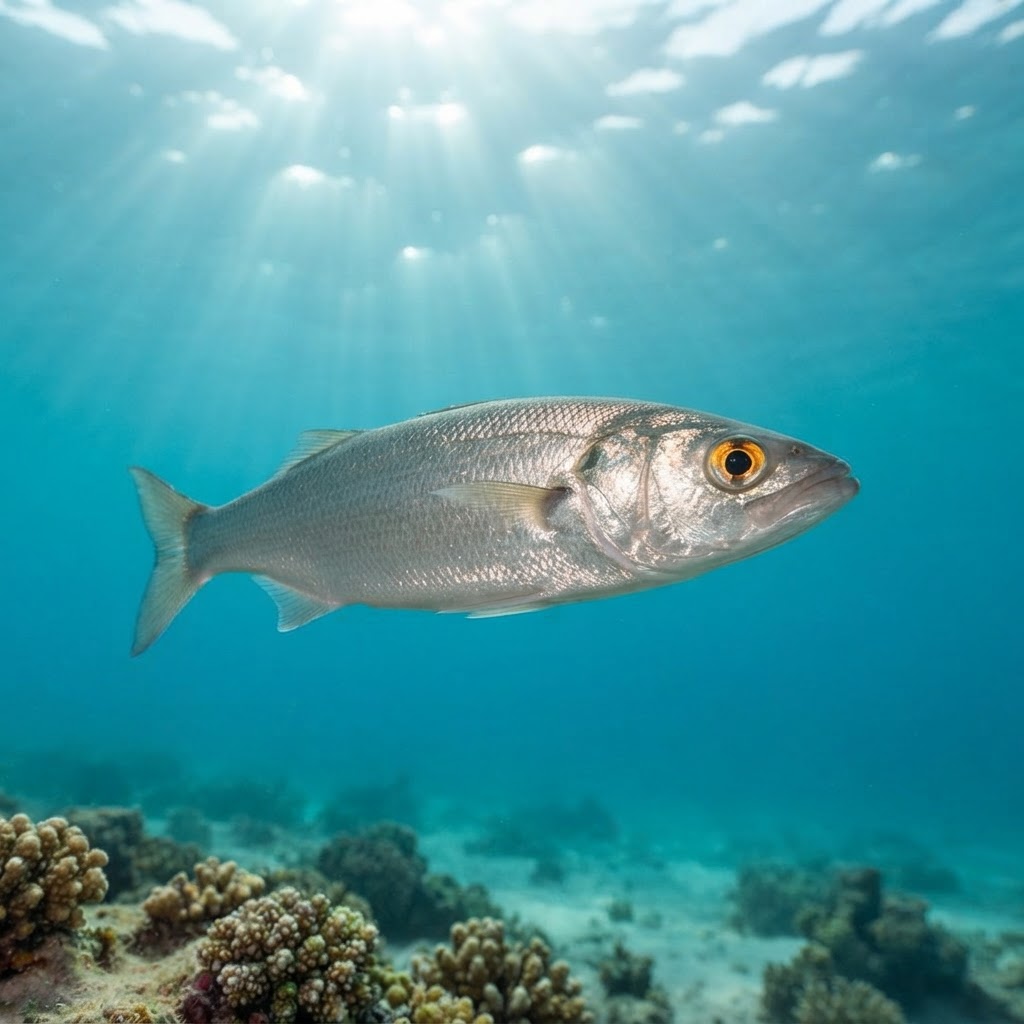
Slim, torpedo-shaped body around 35 cm long with silvery-grey flanks and a paler belly that flashes as it turns. Swims in loose schools near the surface or midwater rather than hugging the bottom, with a small mouth and blunt, rounded head typical of mullet. No bold stripes or spots to key on, so body shape and schooling behaviour are the giveaway rather than colour.
Divers typically find it moving in loose, unhurried schools through the water column rather than sitting still on structure, often near the surface or in the mid layers over estuarine and coastal sites. It tends to keep a wary distance and isn't a fish that comes in for a close look, more something you notice passing through than something that approaches you. Logged mostly as a rare to uncommon extra on dives rather than a target sighting.
It's an estuarine and coastal species that tolerates a wide swing in salinity and temperature, which is why it turns up on temperate dive sites in both New Zealand and southern Australia rather than being confined to open reef.
Sightings don't show a clear seasonal pattern, and with a comfort range of roughly 13.5 to 20.2C it can be encountered across the year in the temperate waters it favours. Treat it as a year-round possibility rather than planning around a specific month.
Reef neighbours a diver could mistake it for. Use the identification notes above to tell them apart.
Most reliably logged in New Zealand, especially around North Island sites, with a smaller scatter of sightings on the South Island. In Australia it shows up across South Australia and Victoria, making it a cool-temperate species on both sides of the Tasman rather than a tropical reef fish.
Mapping where Yelloweye Mullet is logged…
New Zealand's North Island is the strongest area for sightings, with South Island dives adding a few more. In Australia, look to South Australia and Victoria, where it turns up as an occasional schooling fish on temperate sites.
There's no strong season in the sighting data, so it's best treated as a year-round encounter. It's recorded across a temperature range of about 13.5 to 20.2C, which covers most of the diving calendar in these temperate regions.
Look for a slim, silvery, torpedo-shaped fish around 35 cm long moving in a loose school through open water. It lacks bold markings, so the plain silver body, blunt head, and schooling habit are the main clues rather than any distinct pattern.
Around 35 cm is typical for adults seen by divers, making it a modest mid-sized schooling fish rather than anything imposing.
No, they pose no danger to divers. They're a wary schooling fish that keeps its distance rather than interacting with people underwater.
Site and sighting data is aggregated from diver logs, iNaturalist and GBIF. For taxonomy and conservation status:
Anchovy
2,433 sites