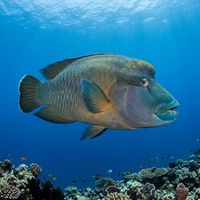
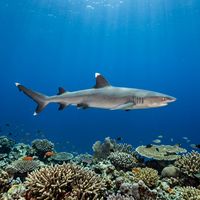
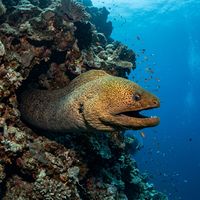
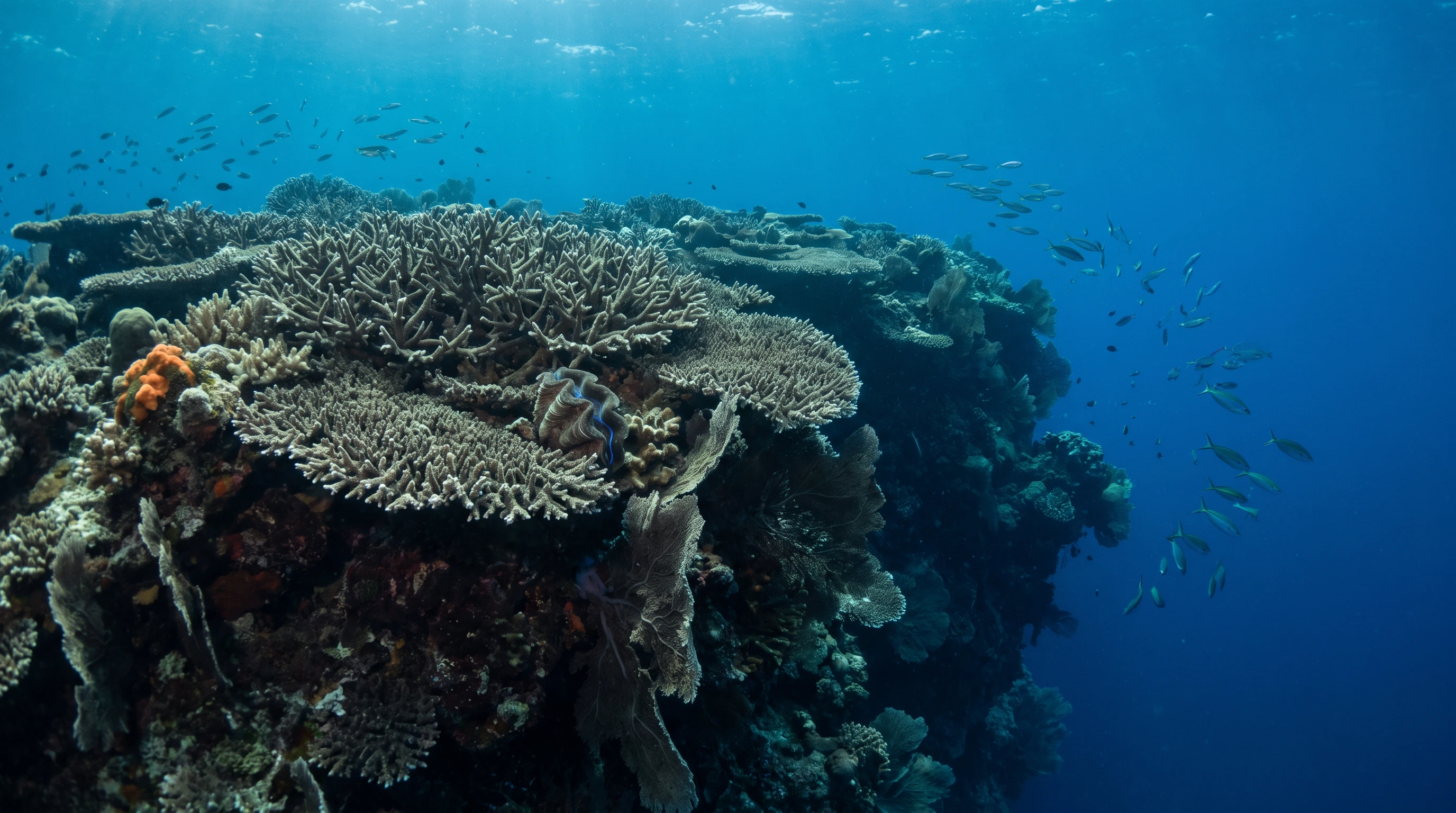
The Rock Islands concentrate some of Palau's most varied diving into two distinct sub-areas. Ngemelis and German Channel holds the bulk of the sites, mixing dramatic walls and drop-offs such as Blue Corner and Ngedebus Corner with sheltered coral gardens. Ulong and Siaes adds high-energy drift diving and deep cave systems. Skill requirements span beginner-friendly reefs to expert-only cave penetrations, so the area works for a wide range of divers. Whitetip Reef Shark, Napoleon Wrasse, and Giant Moray are observed across the great majority of sites, with Grouper and Unicornfish similarly widespread.
2 areas
 14
14Walls, caverns, blue holes, and a current-swept channel passage, with Napoleon Wrasse, sharks, and rays on nearly every dive.
6Current-driven drift dives and deep caverns in Palau's Rock Islands, ranging from beginner reef to advanced technical sites near Koror.
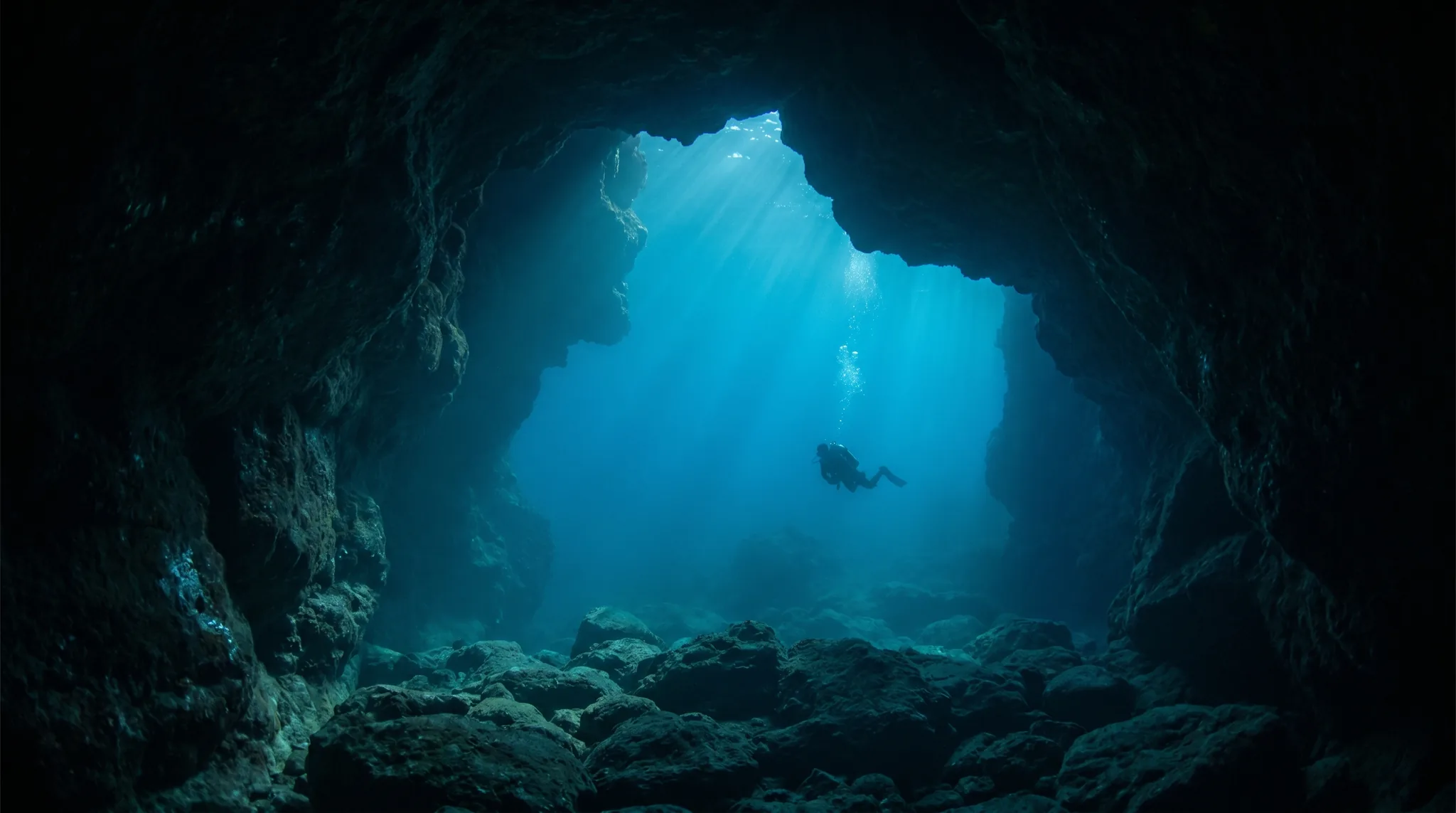
Monthly water temperature across Rock Islands's sites, from satellite sea-surface data corrected for depth. The band shows the site-to-site spread.
Water temperature stays warm throughout the year, sitting slightly cooler from January through April and climbing a touch from May onward. Diver preference leans heavily toward the drier months between November and April, when visibility tends to be at its best and conditions on the exposed walls and channels are more settled. The mid-year months bring wetter weather and reduced visibility, which can make the stronger drift sites at Ulong and Siaes more demanding.
14 operators
5 more sites to explore
Water around Rock Islands stays near 30°C all year, based on satellite sea-temperature data for its dive sites.
With water around 29–30°C, a rash guard or 3mm shorty works in Rock Islands year-round.
Fin maps 29 sites in Rock Islands (28 scuba diving sites and 4 snorkelling spots, with some suited to both), organised into 2 areas.
Across Rock Islands's dive sites, January, February, March, April, November and December are most often reported as the best months to visit.
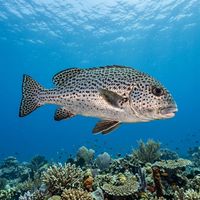
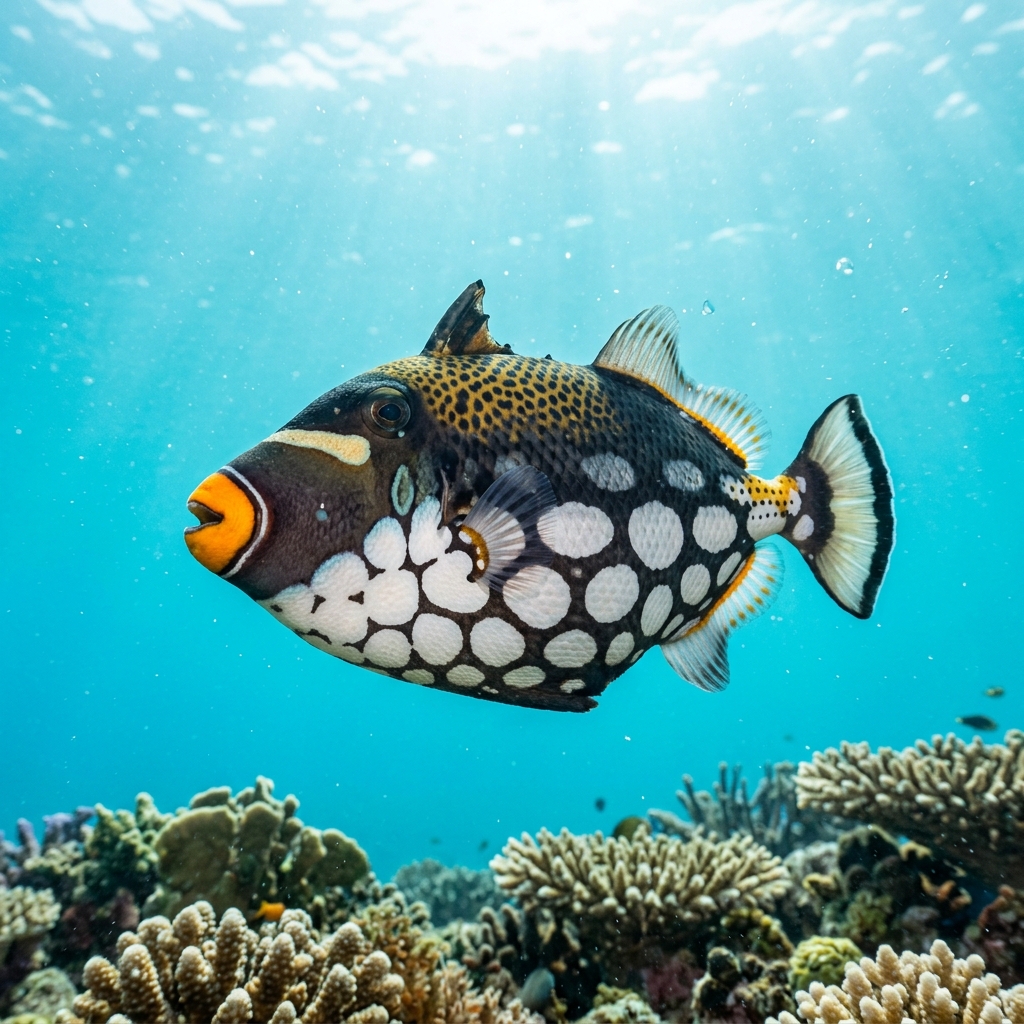
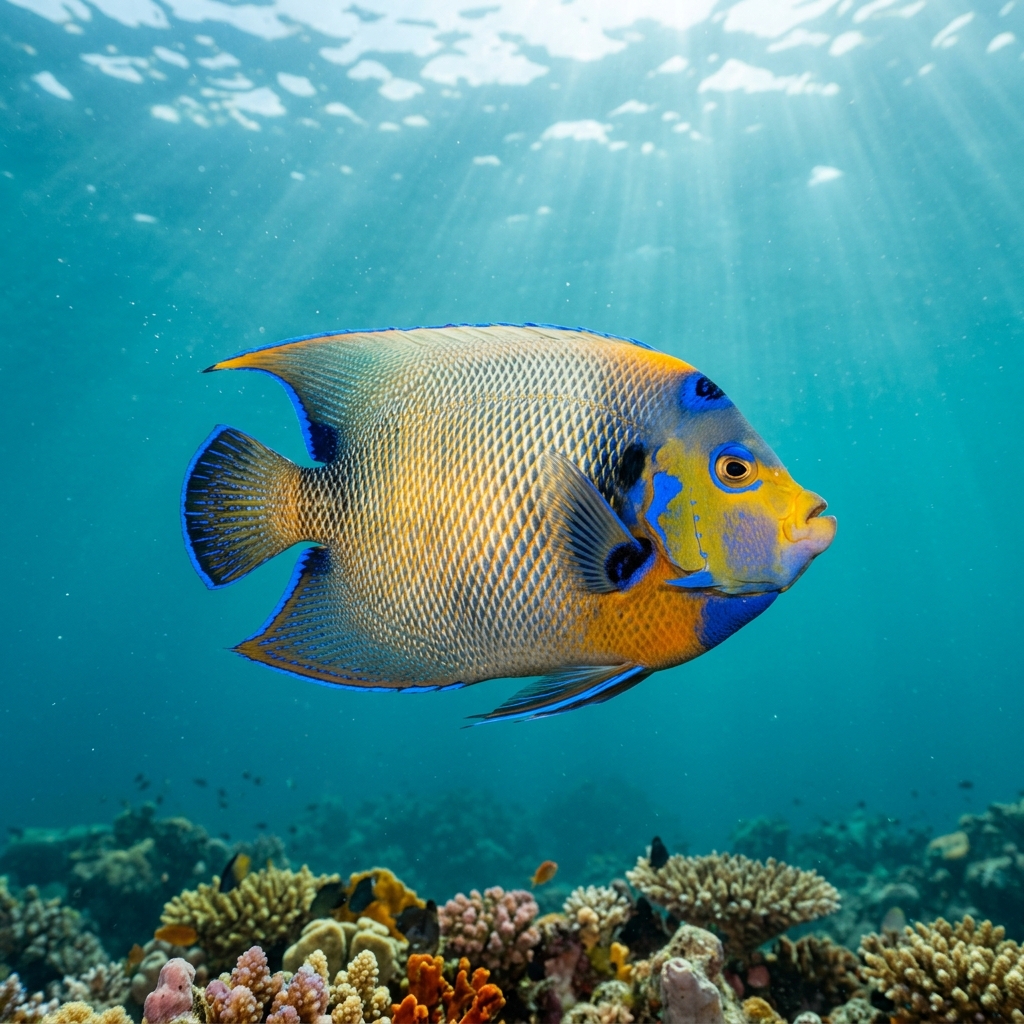
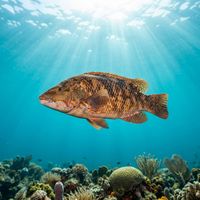
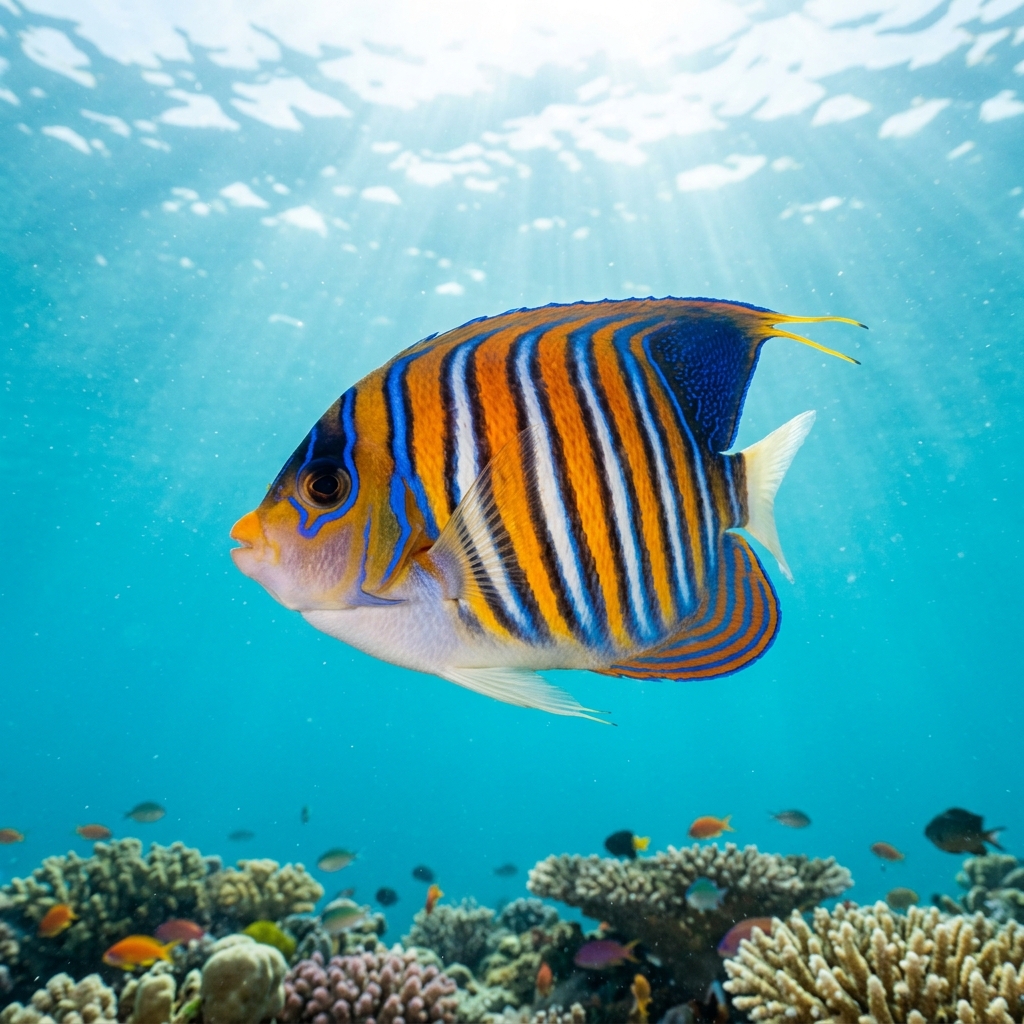
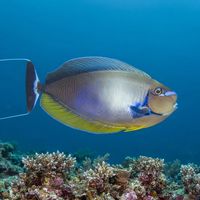
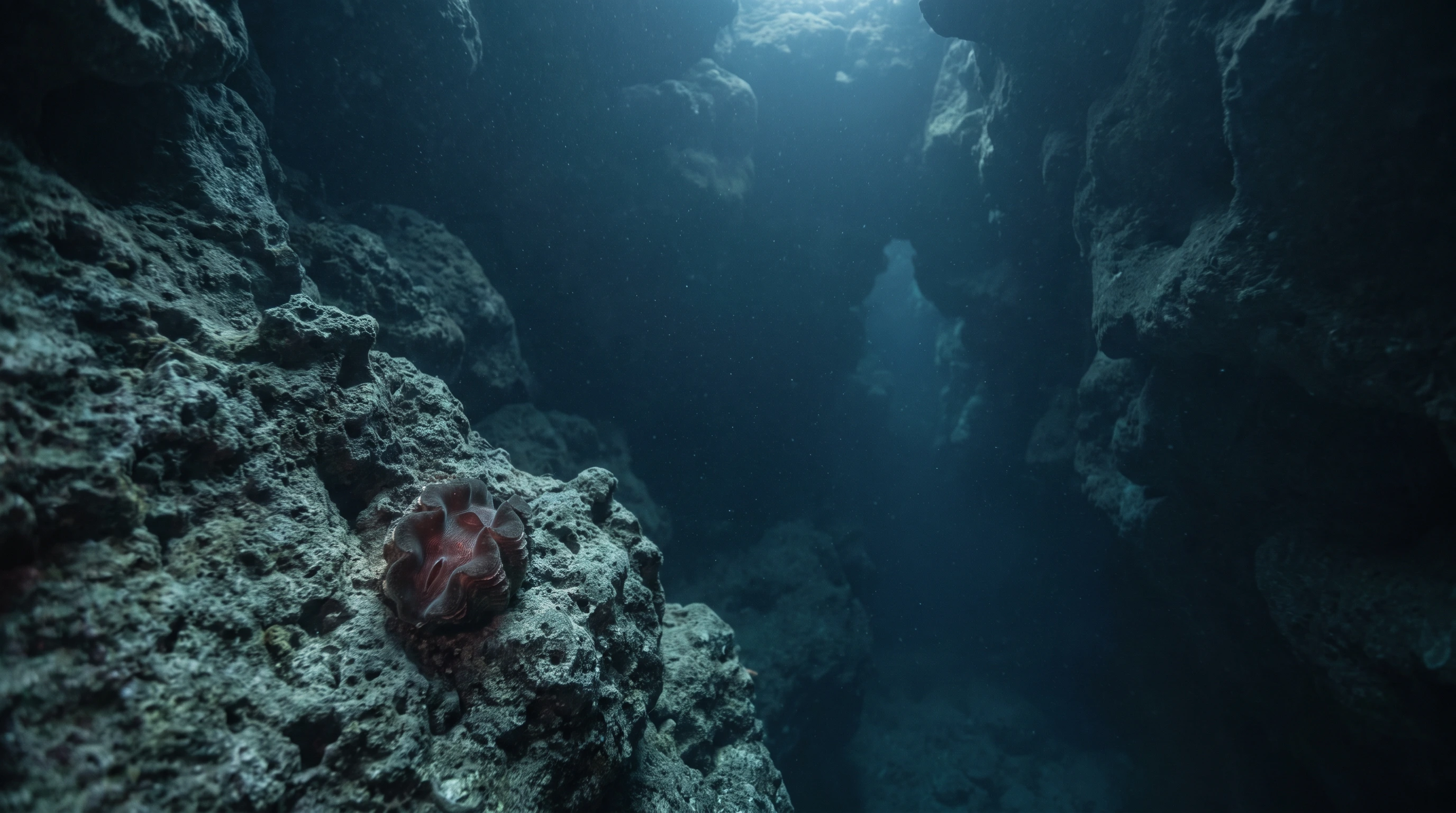
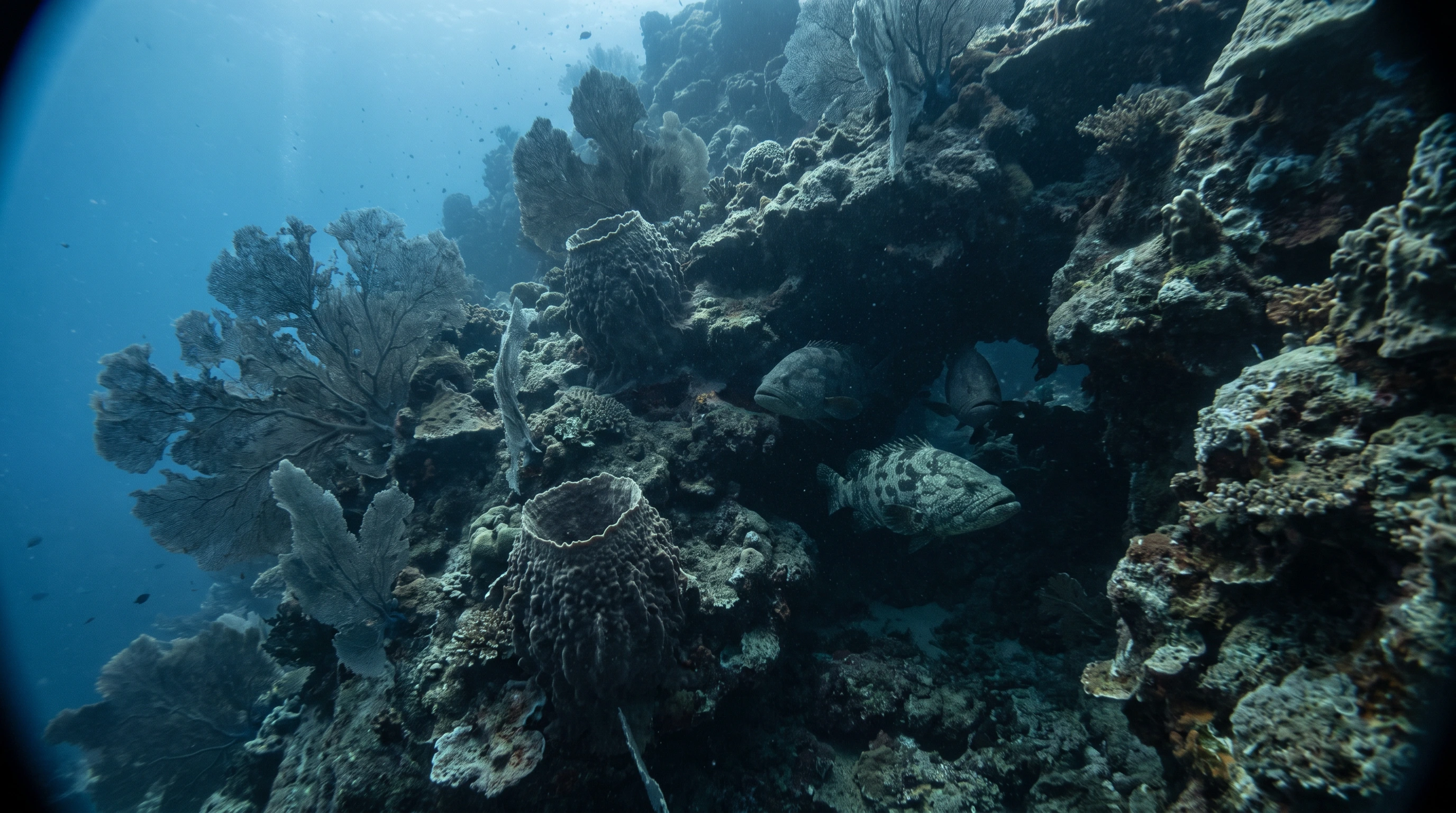
The Rock Islands have an extensive species list built almost entirely from direct observations. Whitetip Reef Shark and Napoleon Wrasse are seen across nearly every site, and Grouper, Unicornfish, and Clown Triggerfish are similarly widespread. Giant Moray, Harlequin Sweetlips, Barracuda, and Bluestreak Cleaner Wrasse are all regularly recorded, with Emperor Angelfish and Regal Angelfish appearing at a good number of sites too.
The Rock Islands cater to a broad range of experience levels. Sites like Cemetery Reef, Ngedebus Coral Garden, and Clam City are rated beginner-friendly, offering shallow reef diving with mild conditions. Intermediate divers will find plenty of wall and drift options, including Blue Corner and Virgin Blue Hole. The area also includes advanced and expert sites such as Ulong Channel and Temple of Doom, which involve strong currents or deep cave systems.
Ngemelis and German Channel is the larger sub-area and covers the widest variety of site types, from gentle coral gardens to deep walls and cavern systems like Blue Holes and Temple of Doom. Ulong and Siaes is a smaller cluster focused on high-energy drift diving and deeper cave diving, with Ulong Channel and Siaes Cave being the standout sites. Divers typically need solid buoyancy and current experience to make the most of the Ulong and Siaes sites.
Virtually all dive sites in the Rock Islands are accessed by boat. The two operators listed for the area, Aqua Magic Palau and Cruise Control Palau, run boat-based trips to the sites. Shore entry is not a feature of the diving here, so planning around operator schedules and liveaboard or day-boat departures is the practical approach.