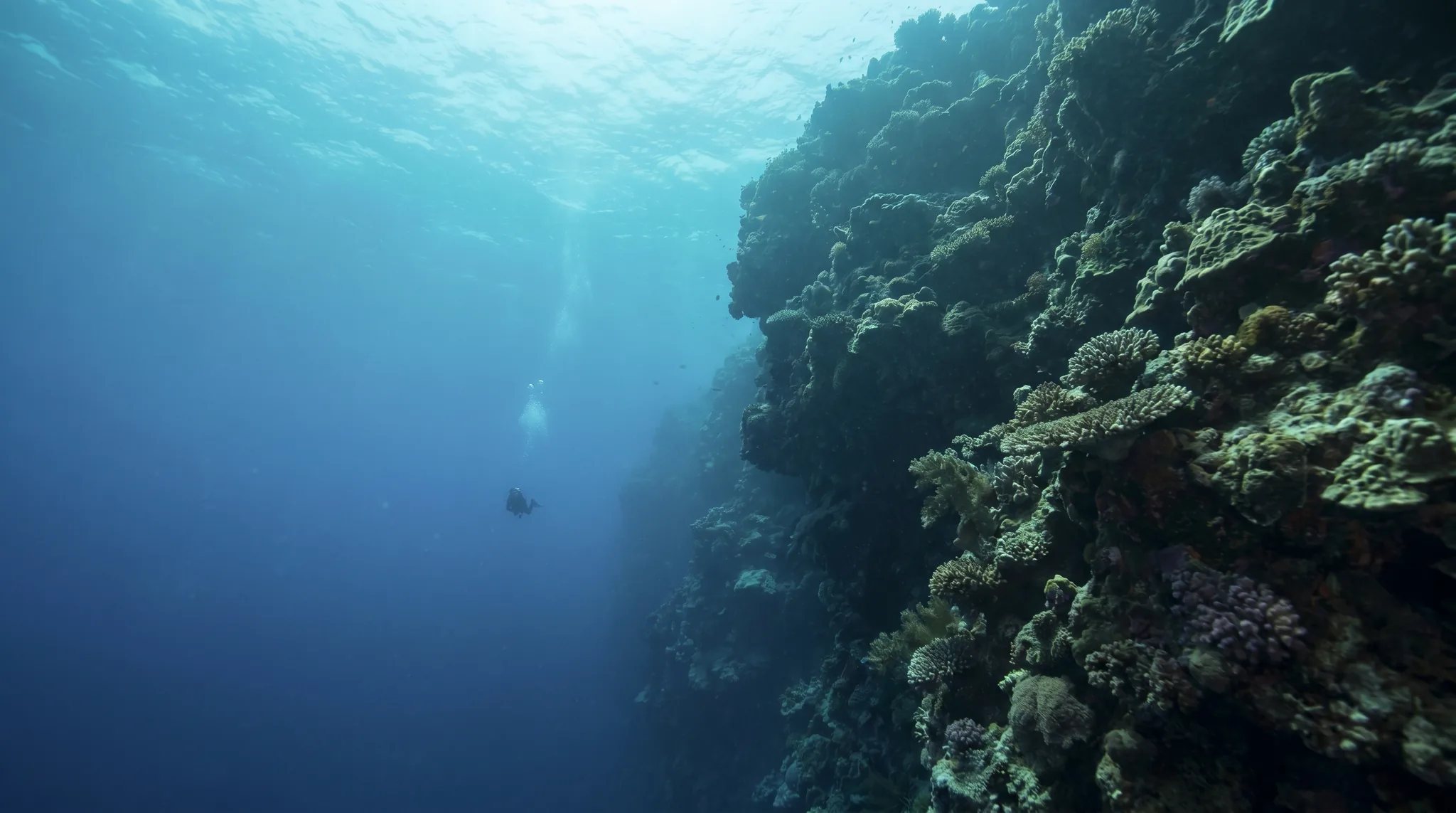
Best for beginner divers, 5-8m, shore entry.
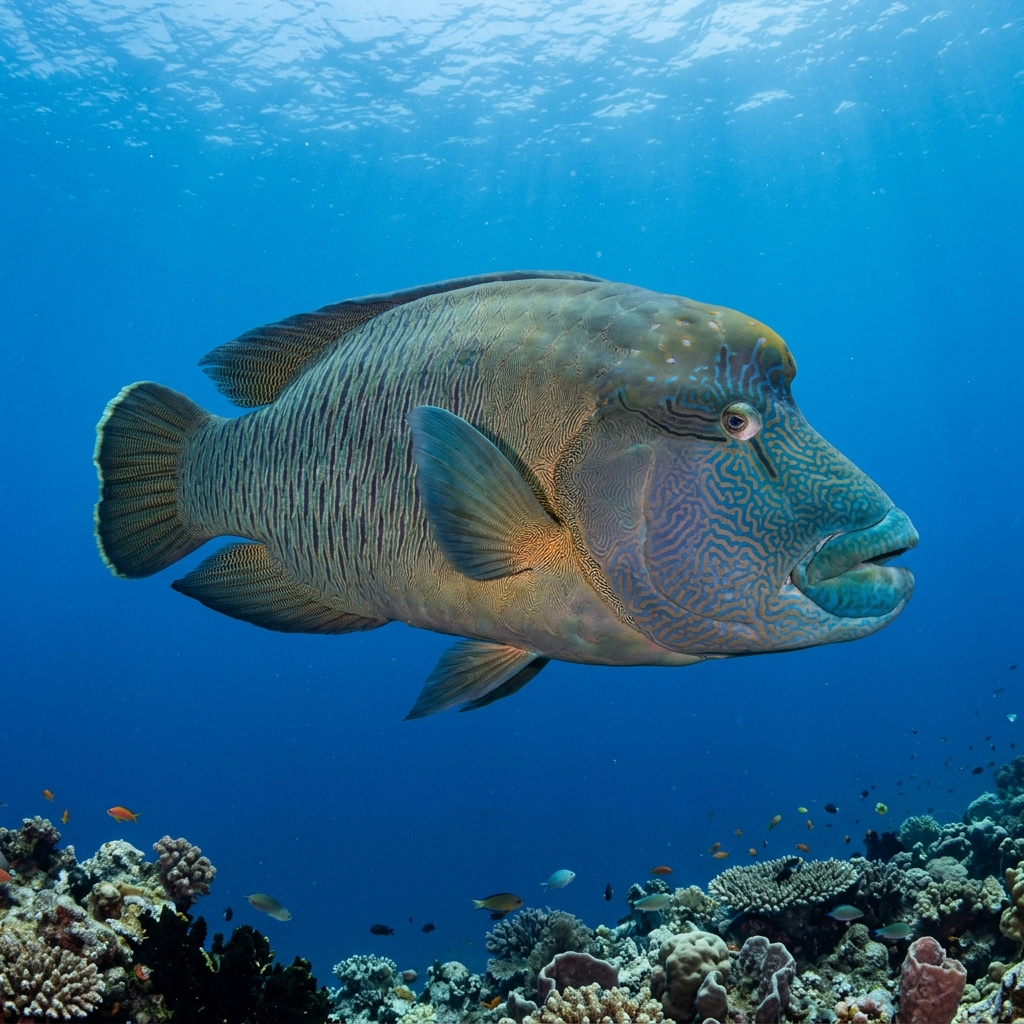
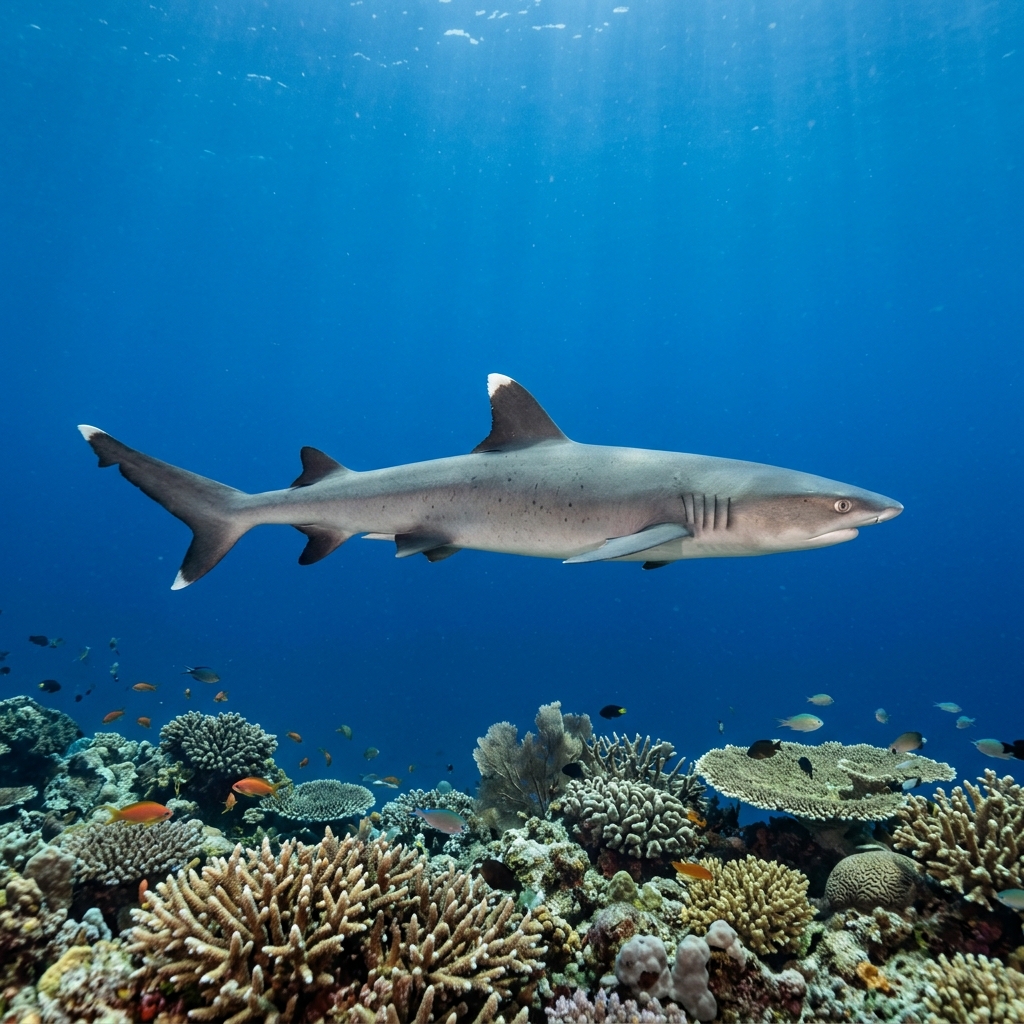
Long Beach in the Ngemelis Islands provides a shallow, accessible environment for beginner divers. The site consists of a reef and seagrass habitat with depths ranging from 5 to 8 metres, averaging 7 metres. Divers can expect visibility between 5 and 10 metres with minimal current. Entry is via the shore, allowing for flexible timing. Species recorded around this area include Napoleon wrasse, emperor angelfish, whitetip reef sharks, and various wrasses. The site is well-suited for those seeking a relaxed, shallow dive experience in a remote island setting.
7.13898, 134.31653
Long Beach is a sand tongue that stretches between two islands at low tide.
Accessible only by boat.
No known hazards
Recorded nearby, within 20km
Depth
5-8m
Visibility
5-10m
Skill Level
Beginner
Entry
Shore
Water Temp
29-30°C
Current
None
Typical Dive
45 min
Best Time
Year-round
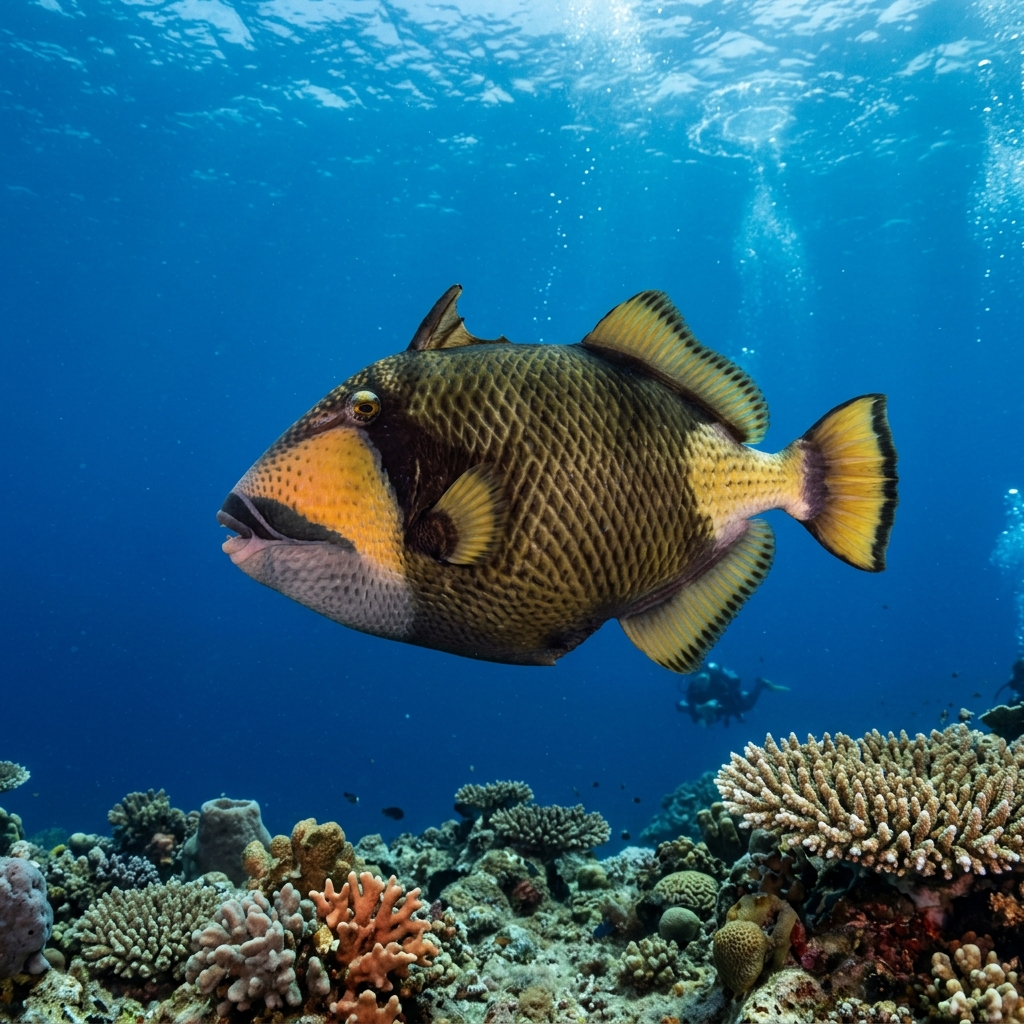
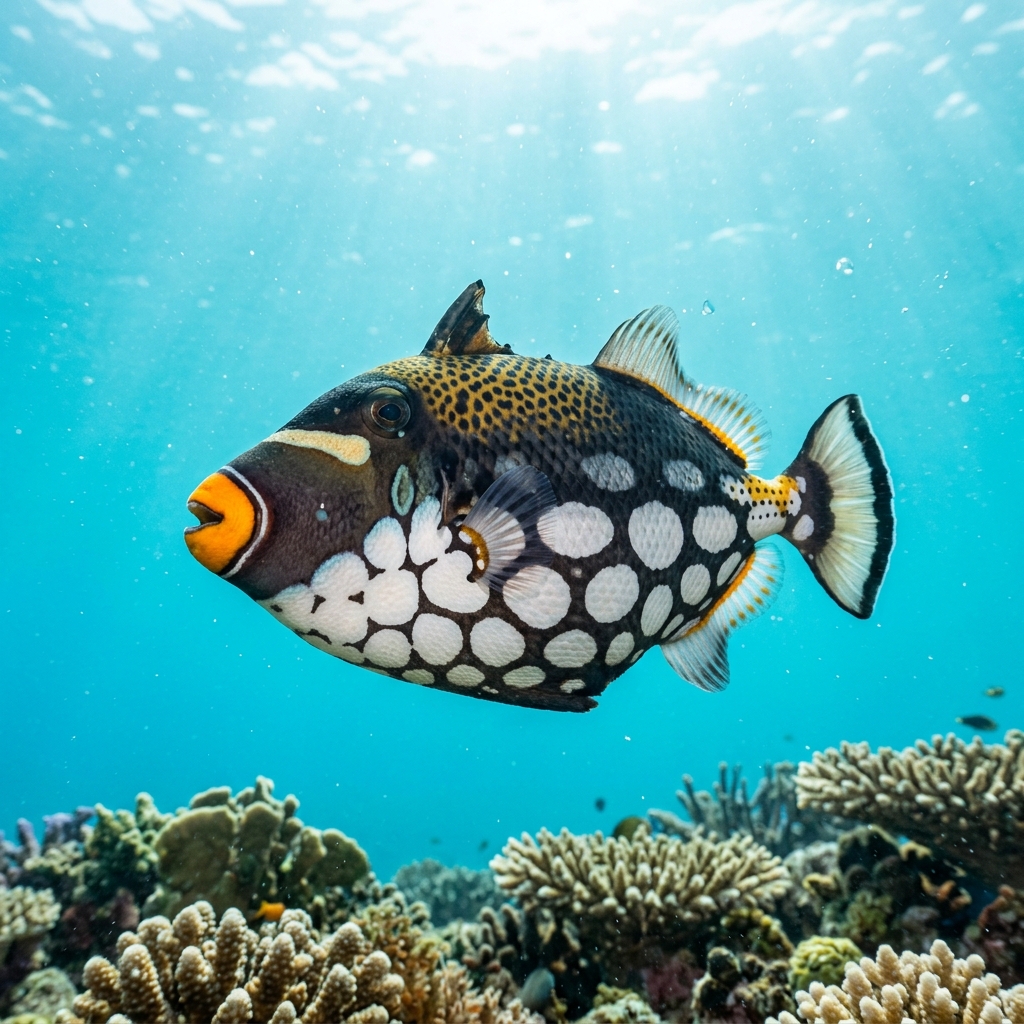
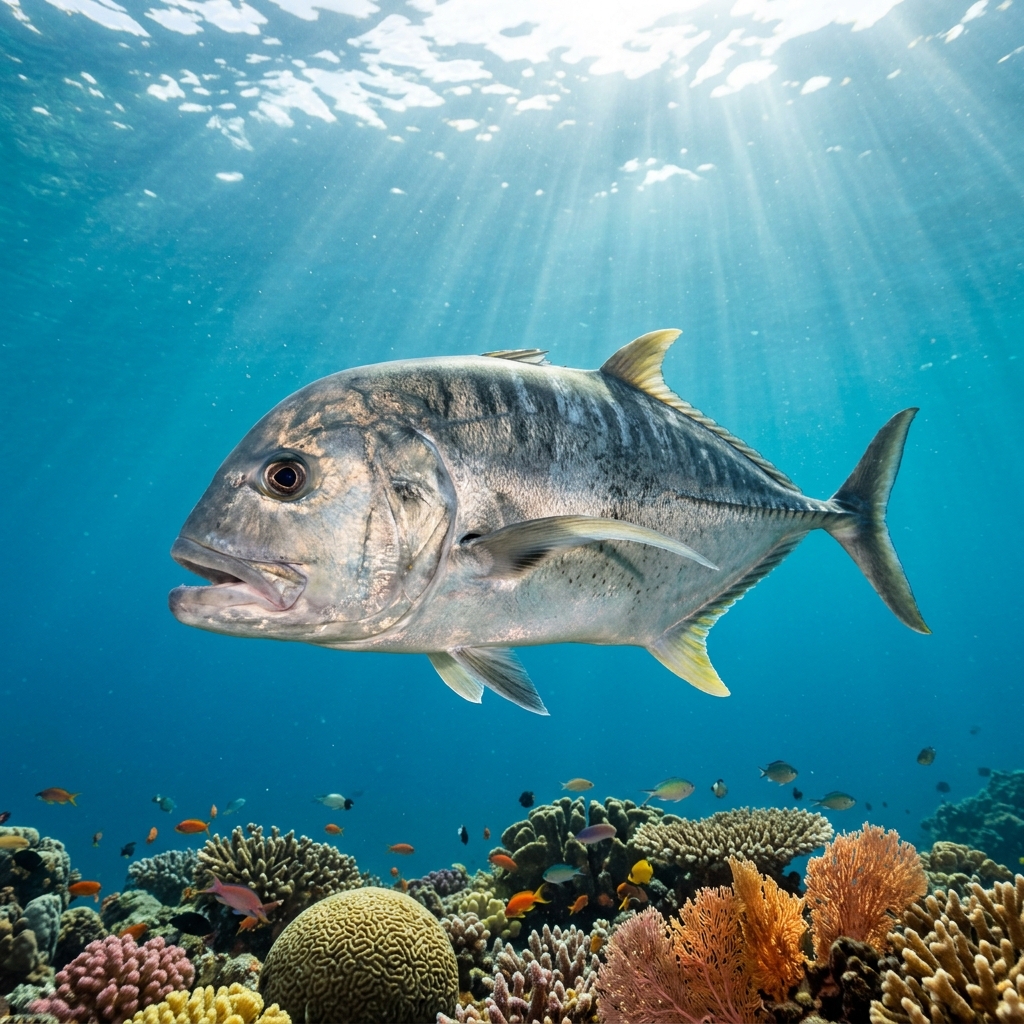
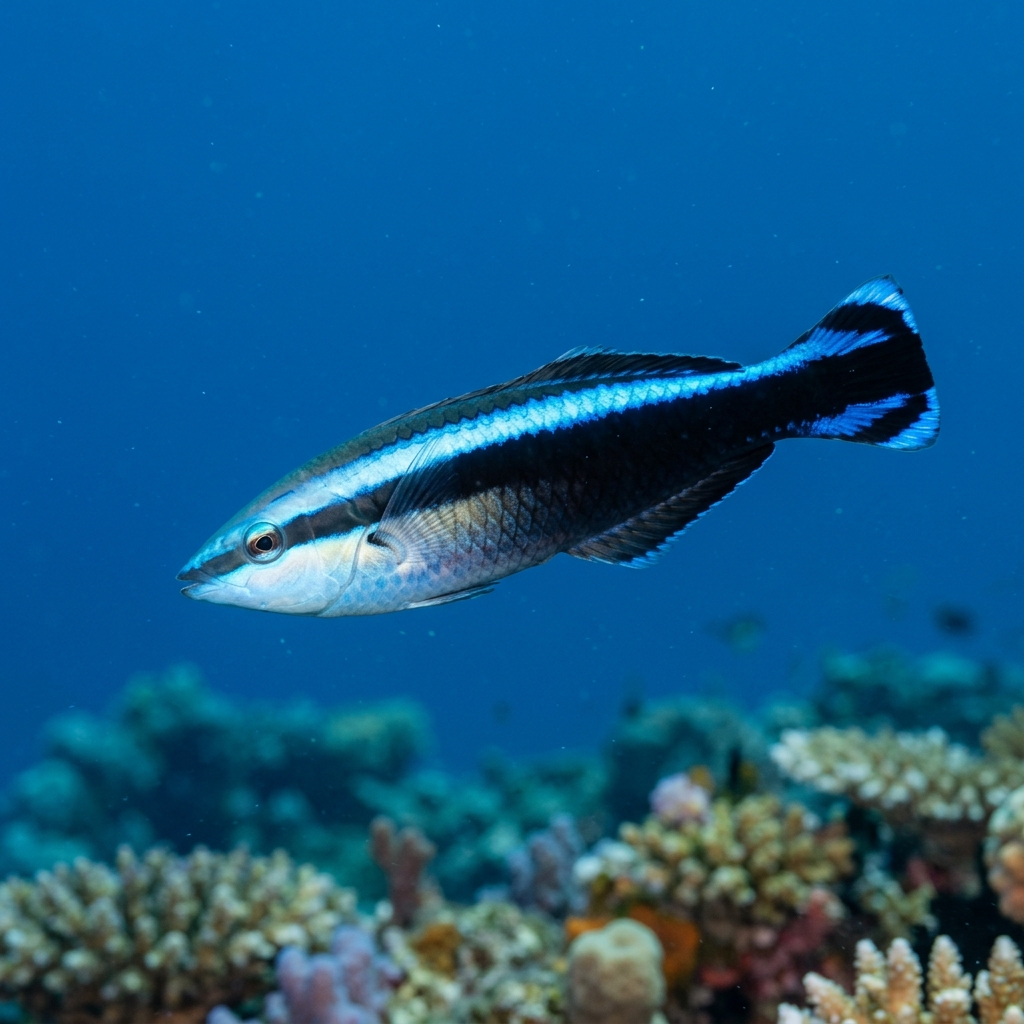
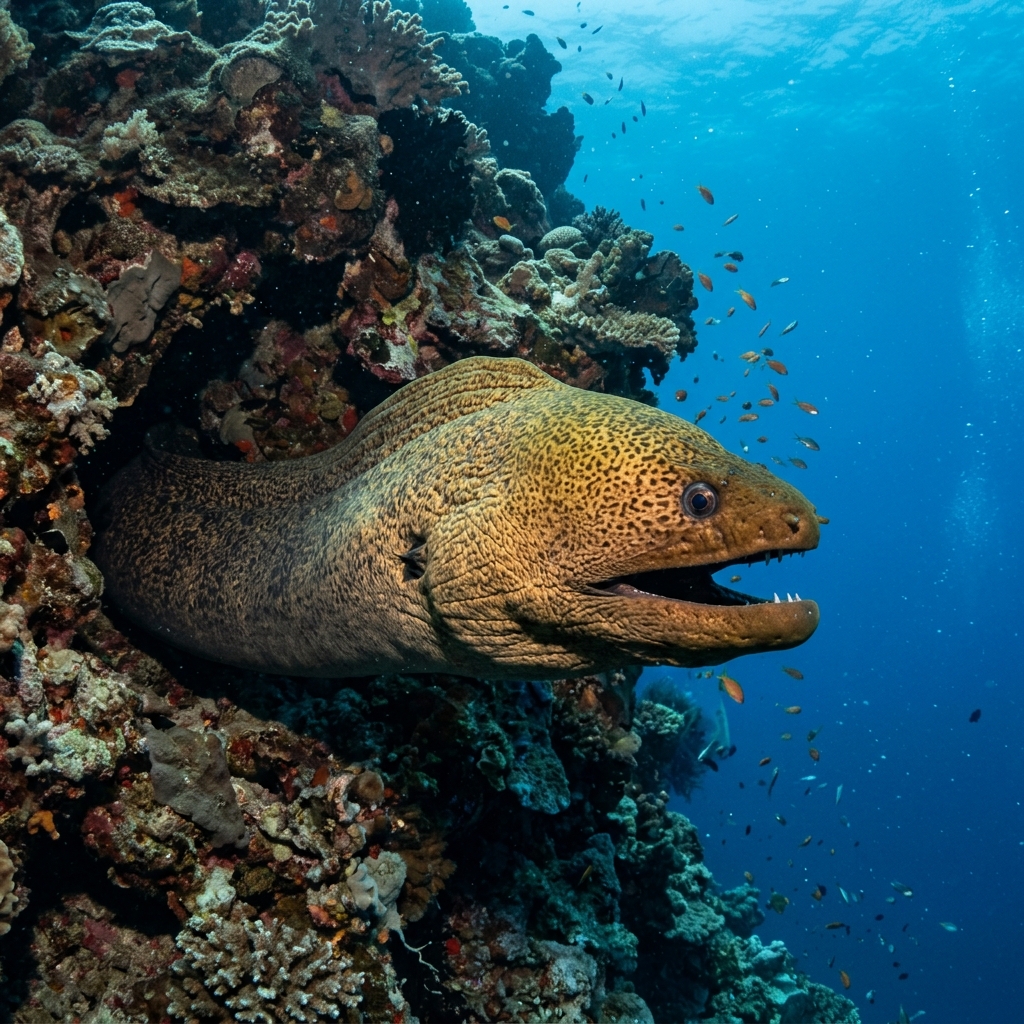
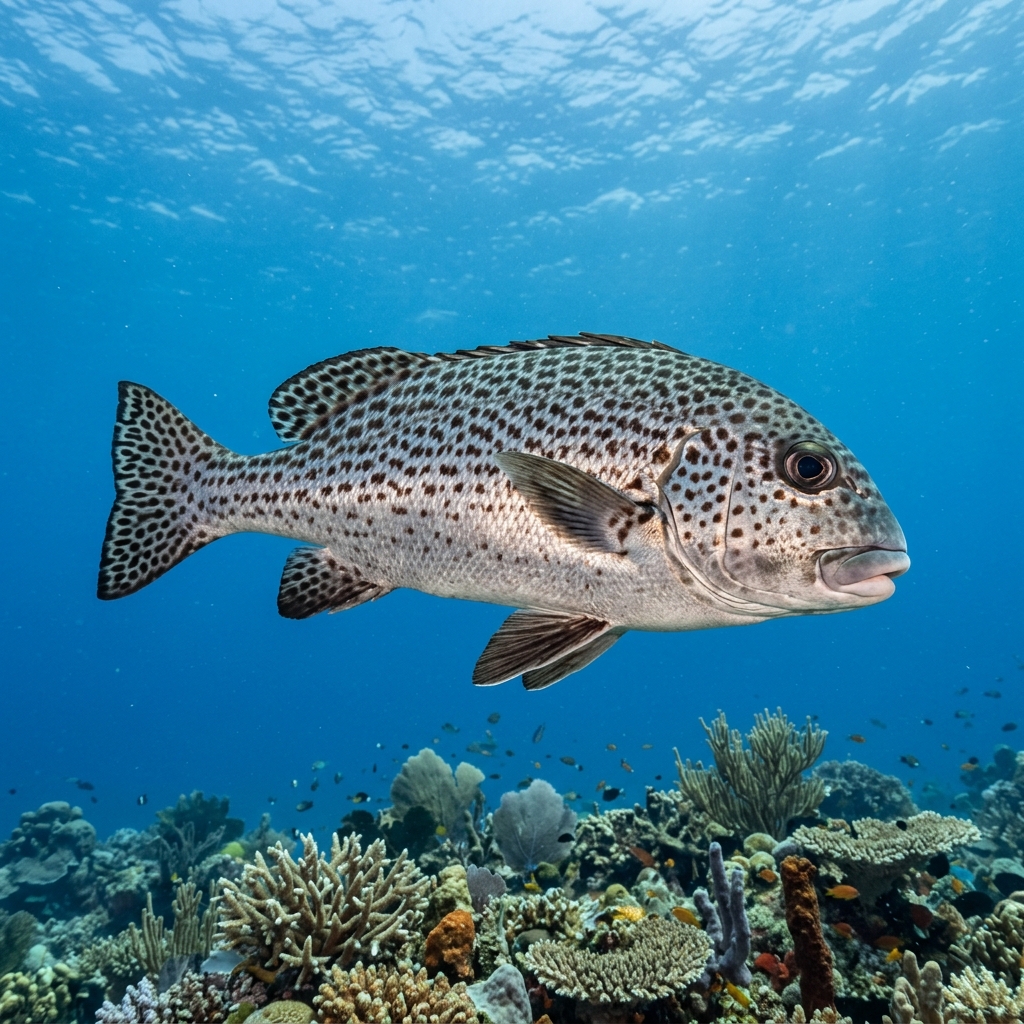
Species recorded around this area include Napoleon wrasse, emperor angelfish, whitetip reef sharks, bluefaced angelfish, harlequin sweetlips, regal angelfish, titan triggerfish, giant moray, clown triggerfish, day octopus, giant trevally, disco clam, spotfin lionfish, and various wrasses.
Yes, Long Beach is considered a forgiving site for beginners due to its shallow depth and lack of current.
The site ranges from 5 to 8 metres deep, with an average depth of 7 metres.
Long Beach is a shore entry site.
Yes, the shallow depths of 5 to 8 metres make this site suitable for snorkelling.
Diving at Long Beach in Koror requires the following certifications: Open Water. Always dive within your training limits.
A rashguard or 2mm shorty is recommended for diving at Long Beach in Koror. Water temperatures range from 29°C to 30°C.
The best months to visit Long Beach in Koror are January, February, March, April, May, June, July, August, September, October, November, and December. Conditions outside these months can still be good but are less predictable.
Visibility at Long Beach in Koror typically ranges from 5 metres to 10 metres. Conditions vary with weather, tides, and seasons.