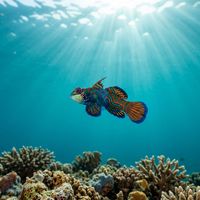
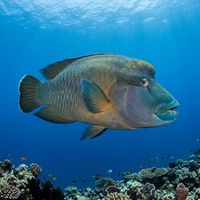
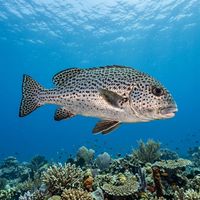
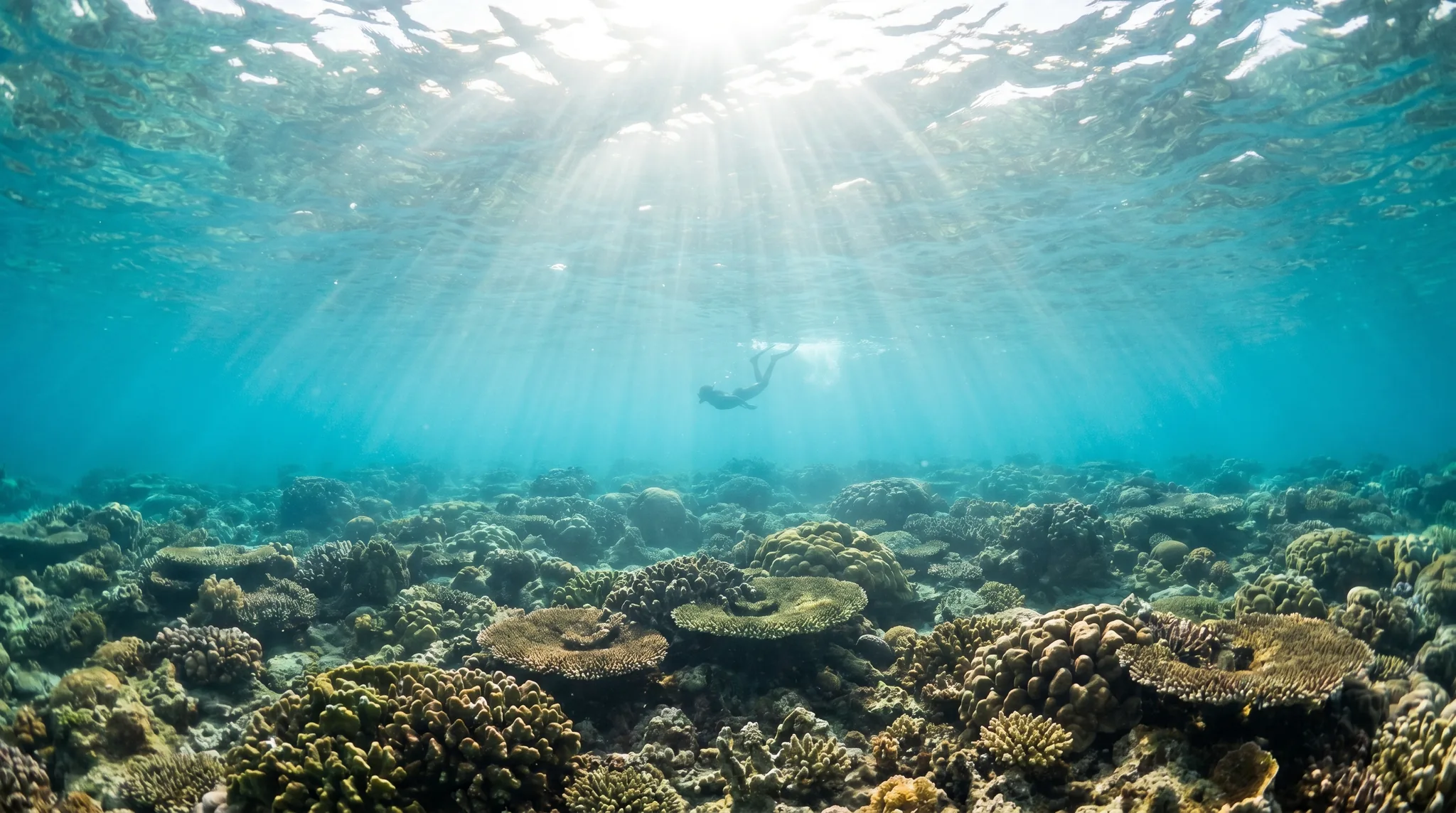
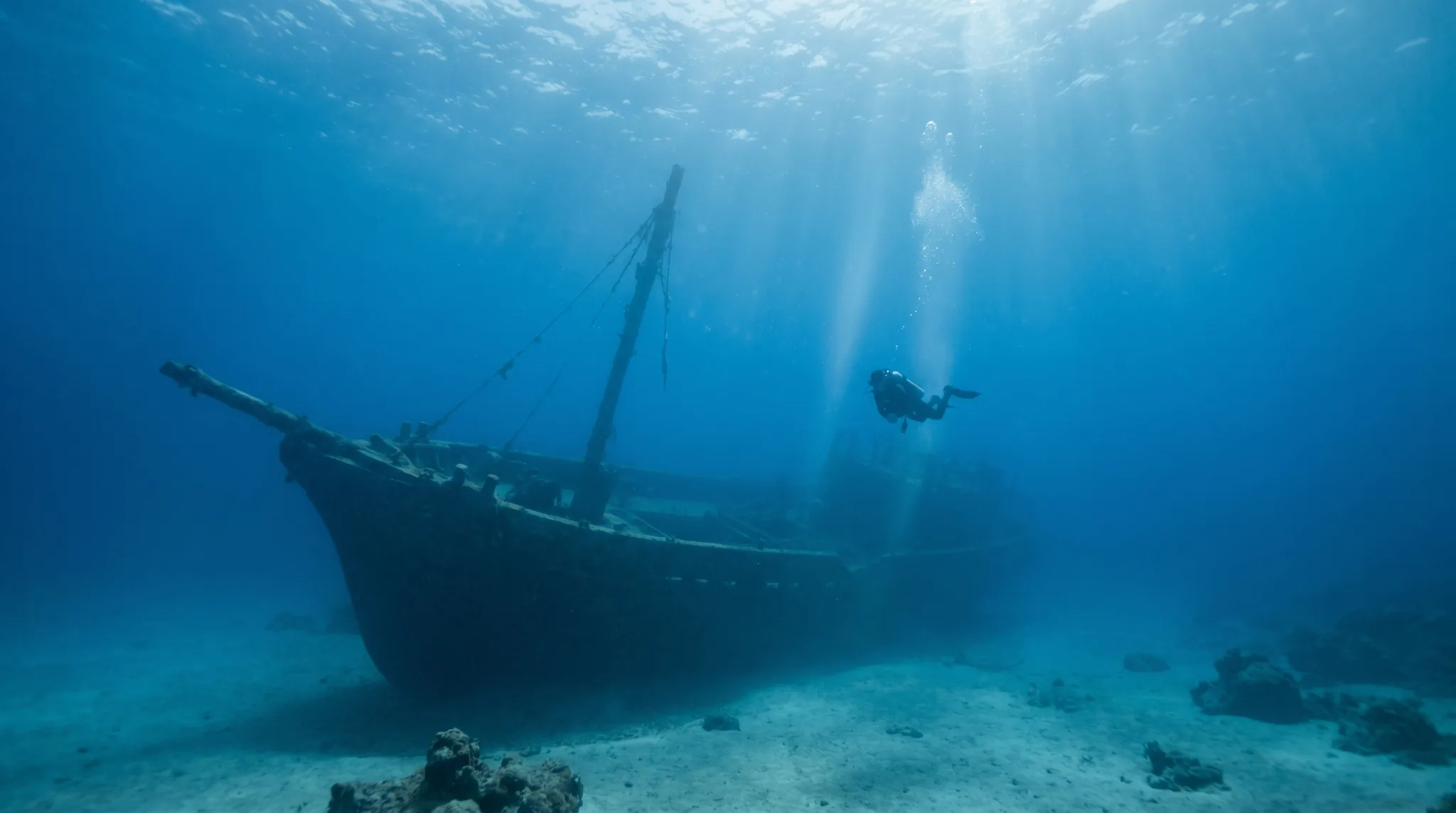
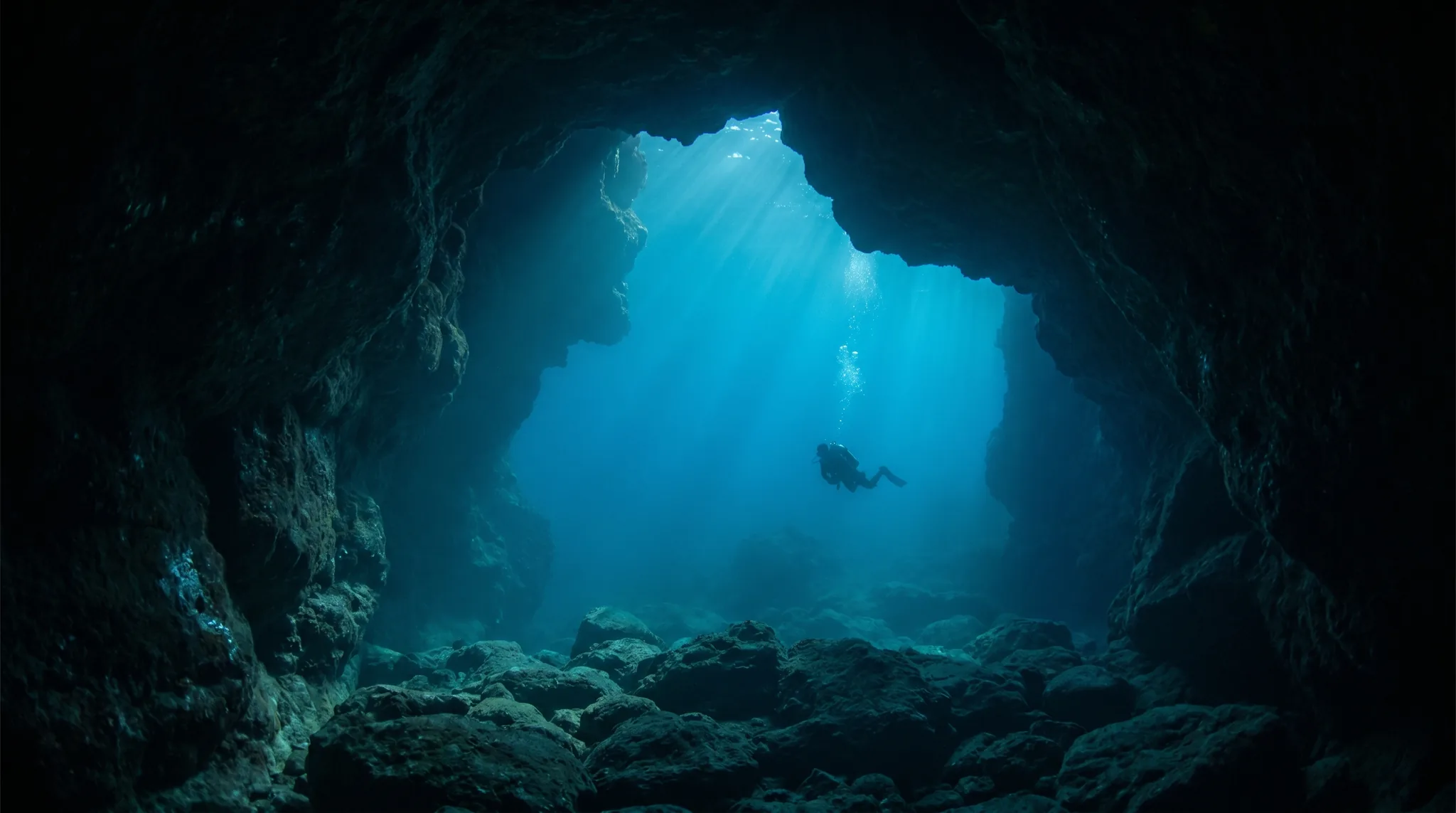
Koror and Malakal divide neatly into two contrasting underwater worlds. The Koror Reefs and Caves sub-area offers cave systems such as Chandelier Cave and Mysterious Cave alongside shallow reef sites and drift dives, with the Mandarinfish Lake drawing divers to its calm, current-free shallows. Malakal Wrecks counters with a substantial fleet of Japanese vessels, from the accessible ZEKE Zero to the deeper Amatsu Maru functioning as an artificial reef. Across both areas, Harlequin Sweetlips, Napoleon Wrasse, and Mandarinfish are observed with very high frequency, while Giant Moray and Clown Triggerfish are regular companions on the reefs.
2 areas
Monthly water temperature across Koror & Malakal's sites, from satellite sea-surface data corrected for depth. The band shows the site-to-site spread.
Water temperature stays warm throughout the year, rising slightly from February into the middle months and holding steady through to December. The best-months data points toward January through March and December as the most consistently favoured period, likely reflecting calmer conditions and stronger visibility on exposed boat-access sites. Drift diving at sites such as Devil Fish City suits those comfortable with moderate current, while the cave and wreck sites demand attentiveness to depth and overhead environments.
20 operators


Koror, Palau
Water temperature around Koror & Malakal ranges from about 28°C in February to 30°C in May, based on satellite sea-temperature data for its dive sites.
With water around 28–30°C, a rash guard or 3mm shorty works in Koror & Malakal year-round.
Fin maps 41 sites in Koror & Malakal (40 scuba diving sites and 5 snorkelling spots, with some suited to both), organised into 2 areas.
Across Koror & Malakal's dive sites, January, February, March, April and December are most often reported as the best months to visit.
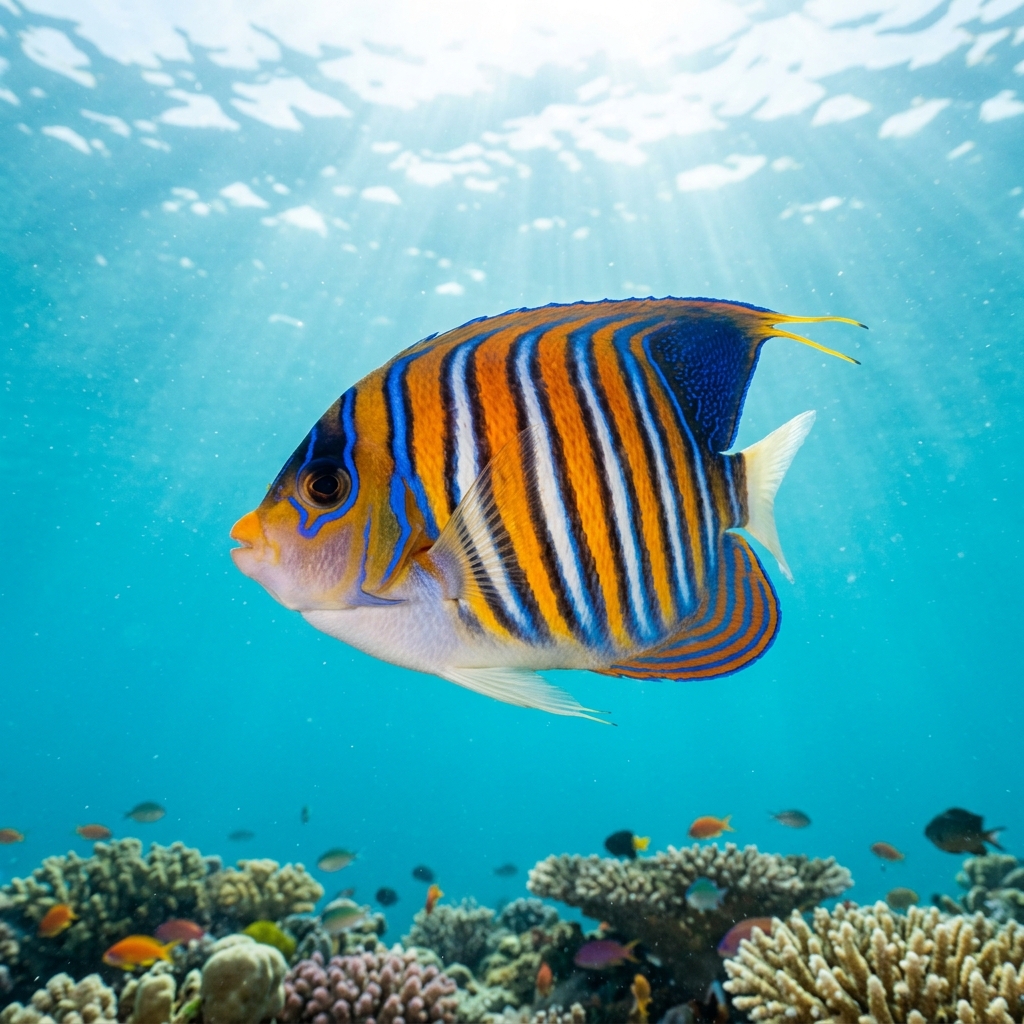
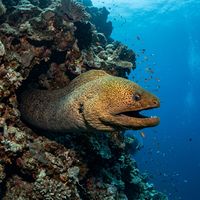
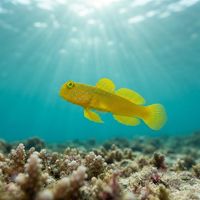
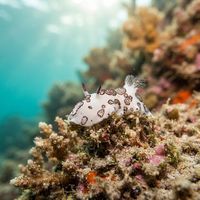
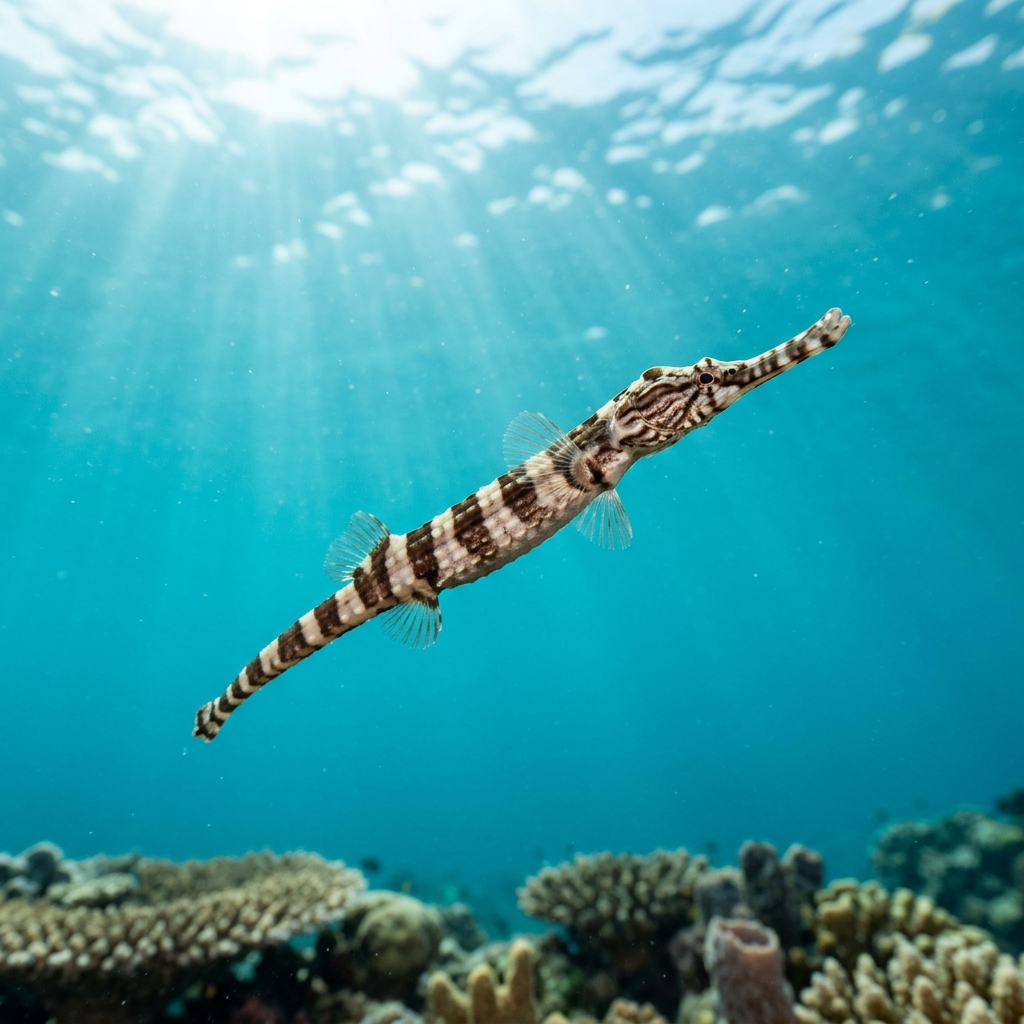
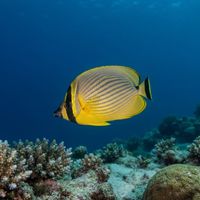
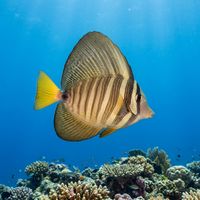
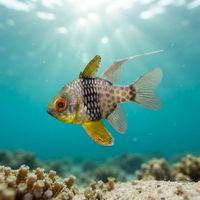
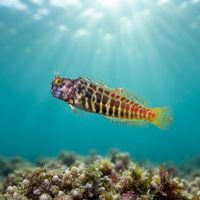
Observed species include Harlequin Sweetlips, Napoleon Wrasse, and Mandarinfish, all recorded with very high frequency across sites. Regal Angelfish, Giant Moray, Clown Triggerfish, and Banded Pipefish are also commonly encountered. On the reef sites you are likely to find Lagoon Triggerfish, Moorish Idol, Pacific Sailfin Tang, and Elongate Clam, while the Day Octopus turns up with satisfying regularity.
A good portion of the sites are rated for beginners, including Chandelier Cave, Soft Coral Arch, Mandarinfish Lake, and several of the shallower wrecks such as ZEKE Zero and Hafa Dai. Intermediate divers are better placed for the deeper wreck sites like Sata, Amatsu Maru, and Iro Maru, where depth and overhead environments add complexity. The mix means divers of different experience levels can be catered for on the same trip.
Koror Reefs and Caves leans toward cave diving, cavern systems, shallow reef sites, and drift dives along walls, with Chandelier Cave and Mysterious Cave being standout examples. Malakal Wrecks is dominated by Japanese shipwrecks, ranging from relatively shallow vessels to deeper hulls resting well beyond recreational sport depth limits. Divers based in Koror and Malakal can access both sub-areas, typically by boat.
The vast majority of sites are boat-access only, and a range of operators including Sam's Tours, Neco Marine Palau, Ocean Hunter Palau, and Palau Pacific Divers run guided dive trips from the area. Shore entry is available at Arakababesang Island, which offers a shallow reef environment for those who prefer direct access. Operators listed for the region number well into the double figures, giving divers reasonable choice in outfitters.