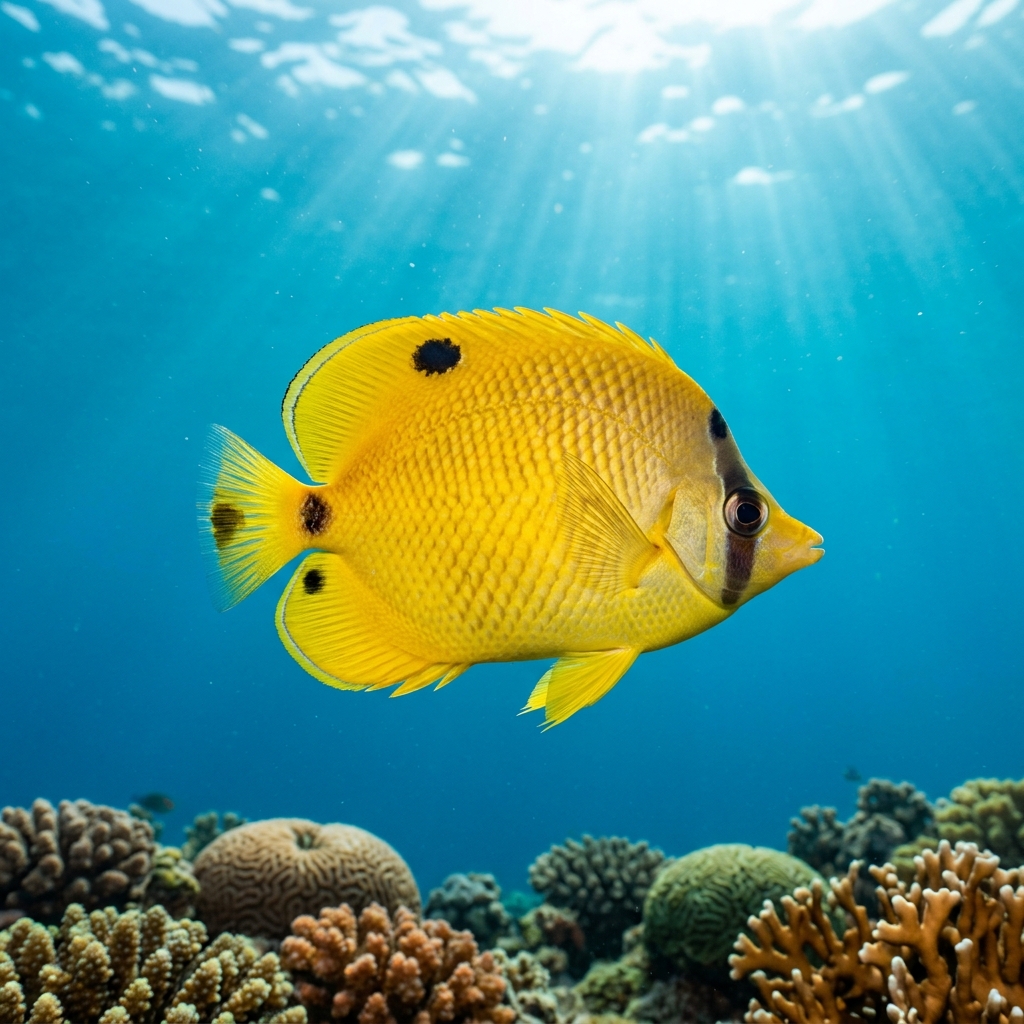
Heniochus chrysostomus
Spot the Pennant Bannerfish on Indo-Pacific reefs from the Philippines to Queensland. Here's how to ID it and when to look.
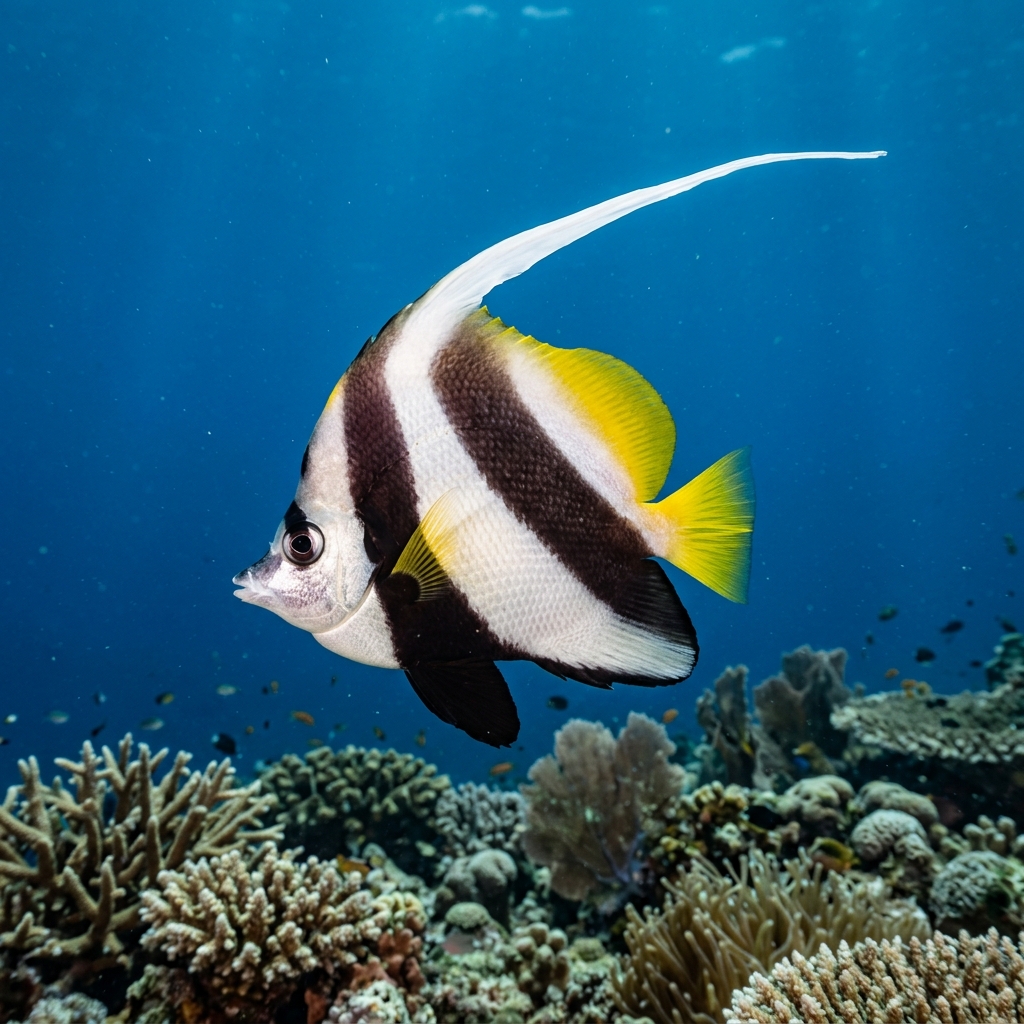
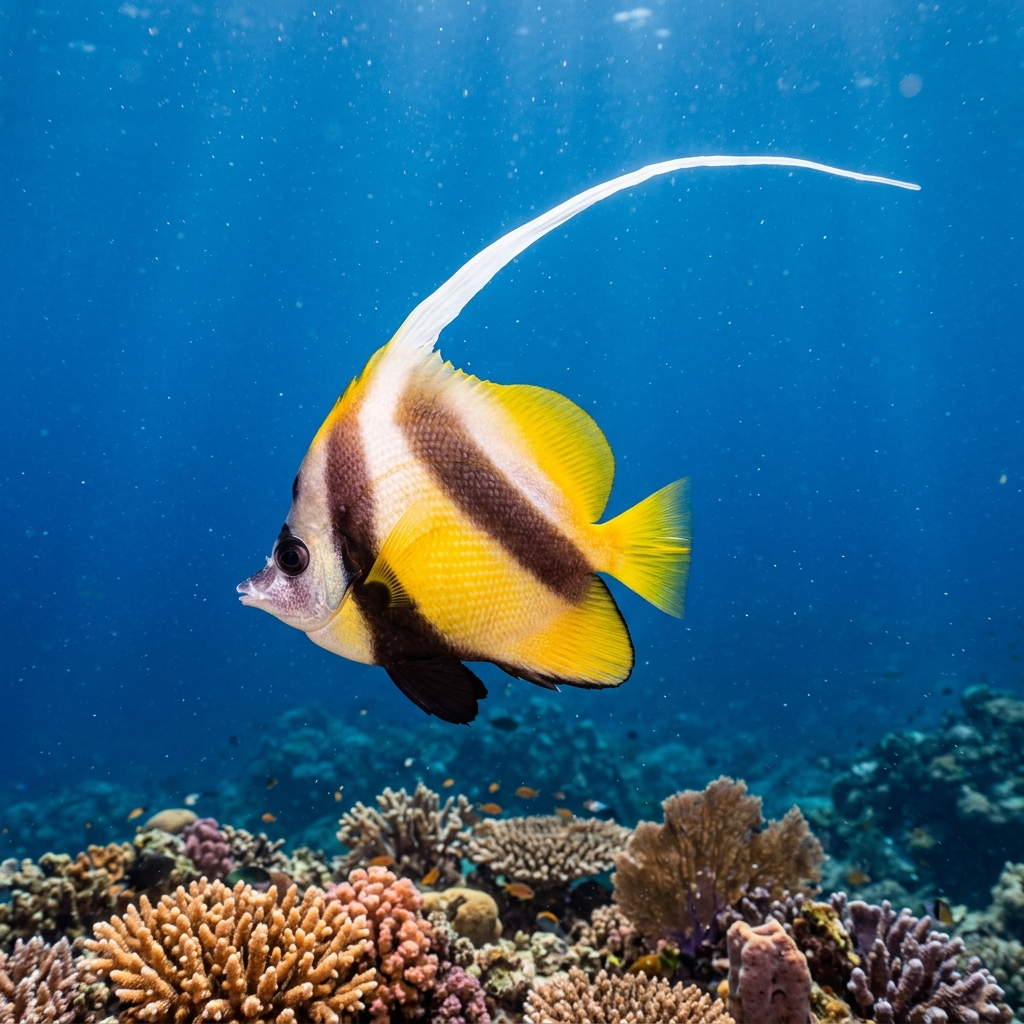
A small, disc-shaped butterflyfish around 12 cm long, immediately recognisable by its bold vertical black-and-white bands and a vivid yellow patch covering the rear of the body and tail. The long white filament trailing from the dorsal fin (the elongated fourth dorsal spine) is the single most useful ID feature underwater. The snout is noticeably pointed and yellowish, which separates it from most similarly banded species. Juveniles share the same pattern as adults.
During the day you will typically find pennant bannerfish picking their way through the coral, probing for small invertebrates and coral polyps. They are tolerant of divers and usually carry on foraging without retreating, so a slow approach at their level works well. Watch for loose pairs moving together along the reef edge, occasionally pausing in what looks like mirroring behaviour, which may be courtship or low-key dominance display.
The long dorsal filament that makes this fish so recognisable is thought to mimic the venomous spines of lionfish when the fish is small, offering a degree of protection during the vulnerable juvenile stage.
Its comfortable temperature niche of roughly 25 to 29 °C means it is present on tropical Indo-Pacific reefs year-round. In the Southern Hemisphere, sighting records concentrate from September through July, suggesting a quieter window around August.
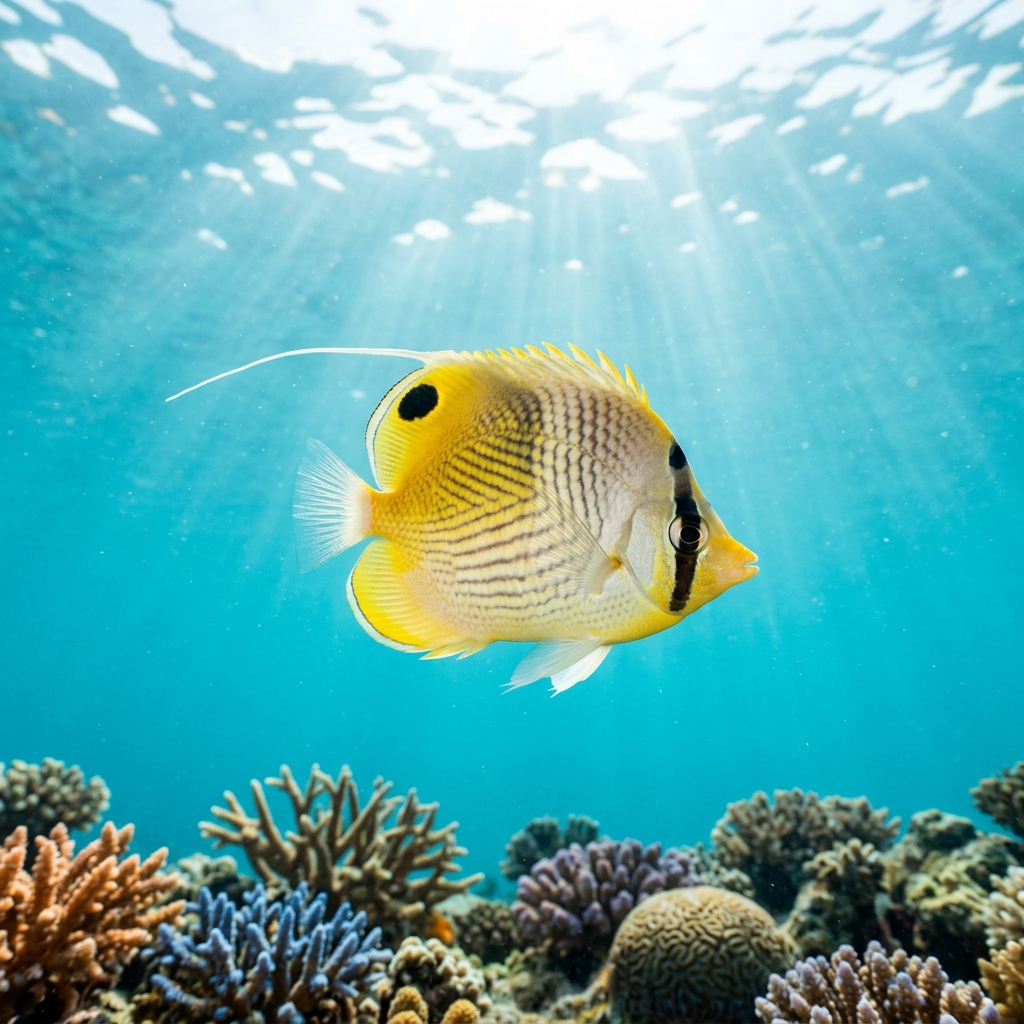
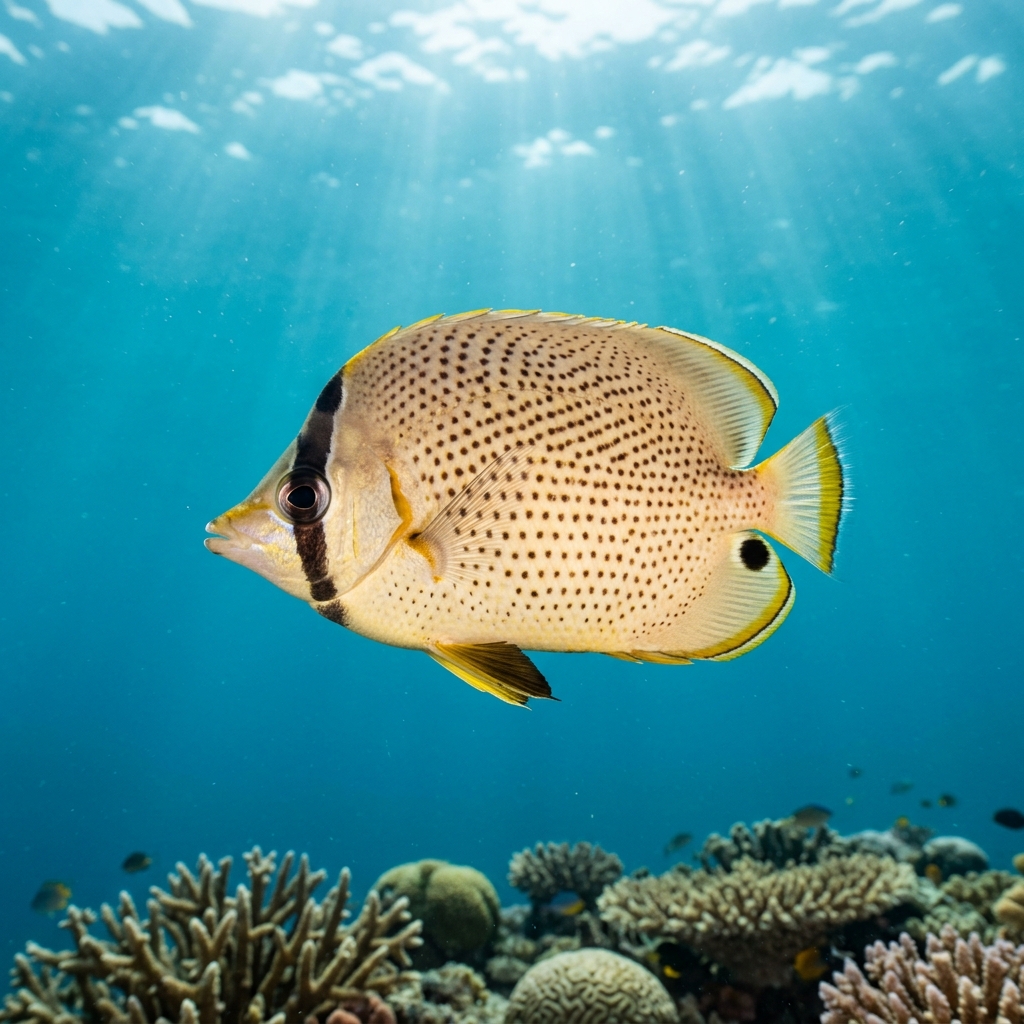
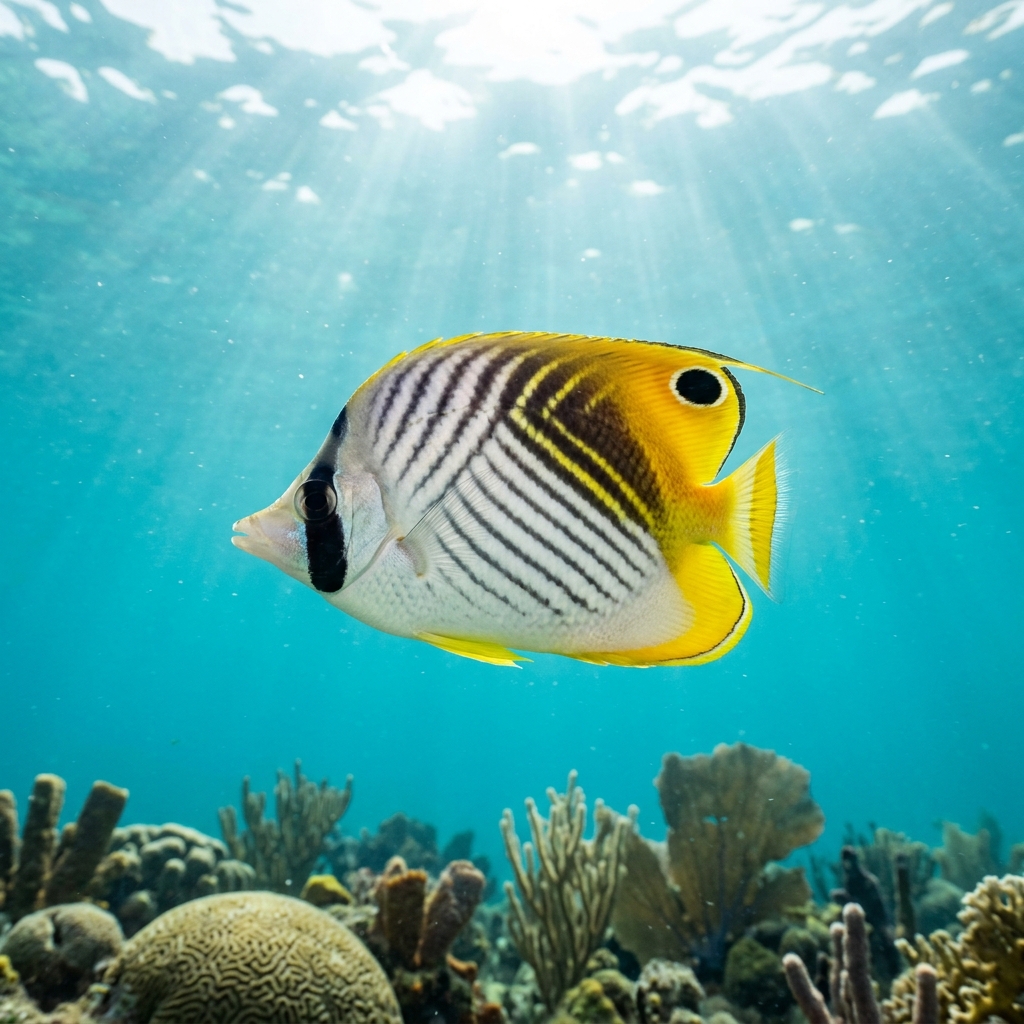
Reef neighbours a diver could mistake it for. Use the identification notes above to tell them apart.
Most commonly logged across the Philippines and Indonesia, with strong sightings in the Visayas, Palawan and Apo Reef, and throughout Sulawesi and Maluku. Australia's Queensland coast is another reliable area, as is French Polynesia, particularly around Tahiti and the Society Islands. Palau and Malaysia round out the hotspots for anyone planning a trip specifically to see this species.
Mapping where Pennant Bannerfish is logged…
The Philippines and Indonesia account for the largest share of sightings, with Palawan, the Visayas, Sulawesi and Maluku all reliable. Queensland in Australia and French Polynesia around Tahiti and the Society Islands are also strong options, as is Palau.
Because this species sits comfortably in warm tropical water between about 25 and 29 °C, it is present year-round across most of its range. In the Southern Hemisphere, sighting records thin out slightly around August, so September onwards tends to be more productive.
Look for bold black-and-white vertical bands on a disc-shaped body, a yellow tail and rear body, a pointed yellowish snout, and, most distinctively, a long white filament streaming back from the dorsal fin. That trailing filament is the quickest way to confirm the ID from a distance.
They typically reach around 12 cm in length, making them a small, compact butterflyfish. Their disc-shaped body can make them look slightly larger than that measurement suggests when seen head-on.
Most dive sites where it is recorded describe it as uncommon rather than a species you can count on seeing every dive. A smaller number of sites report it as rare, and only a handful describe it as common. Patience and slow reef observation improve your chances considerably.
Site and sighting data is aggregated from diver logs, iNaturalist and GBIF. For taxonomy and conservation status: