
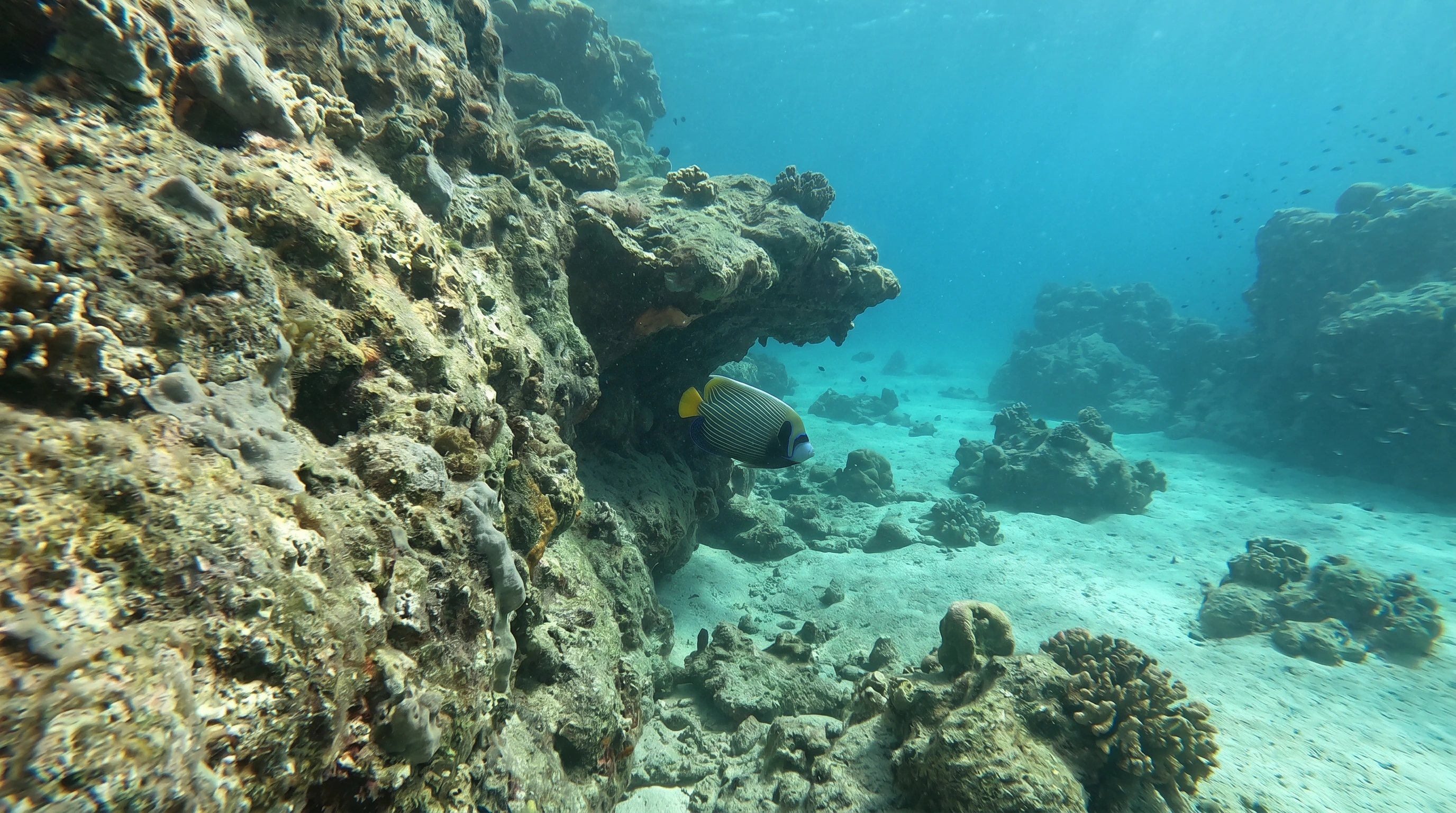
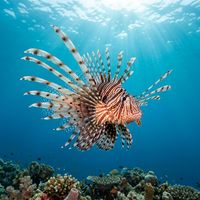
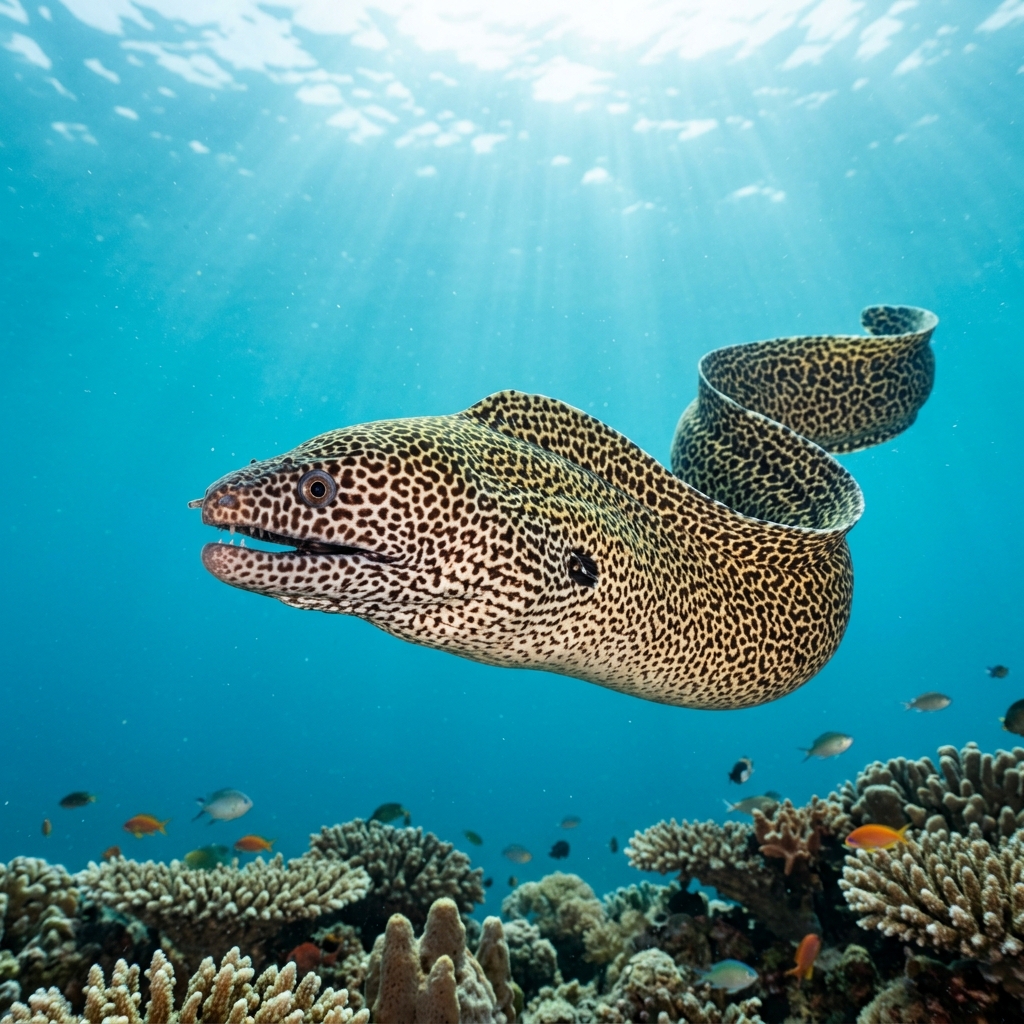
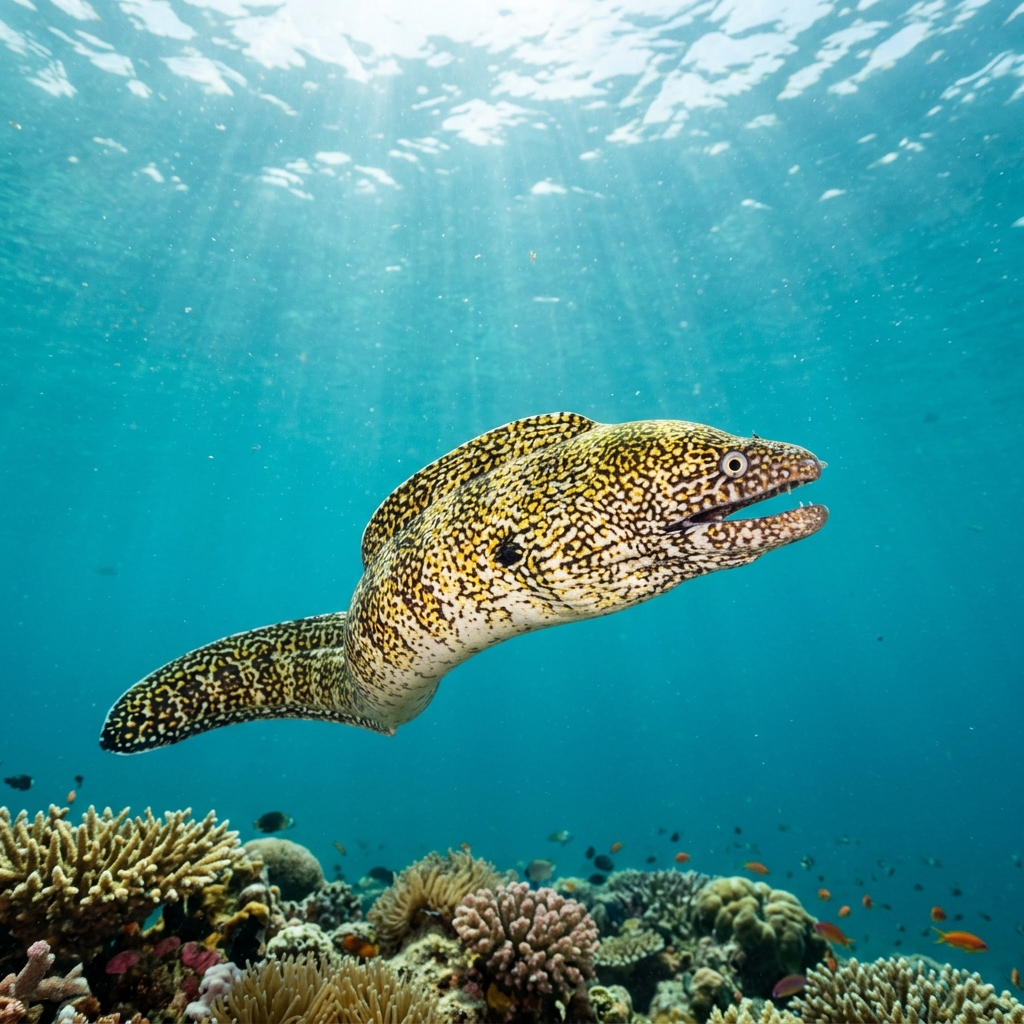
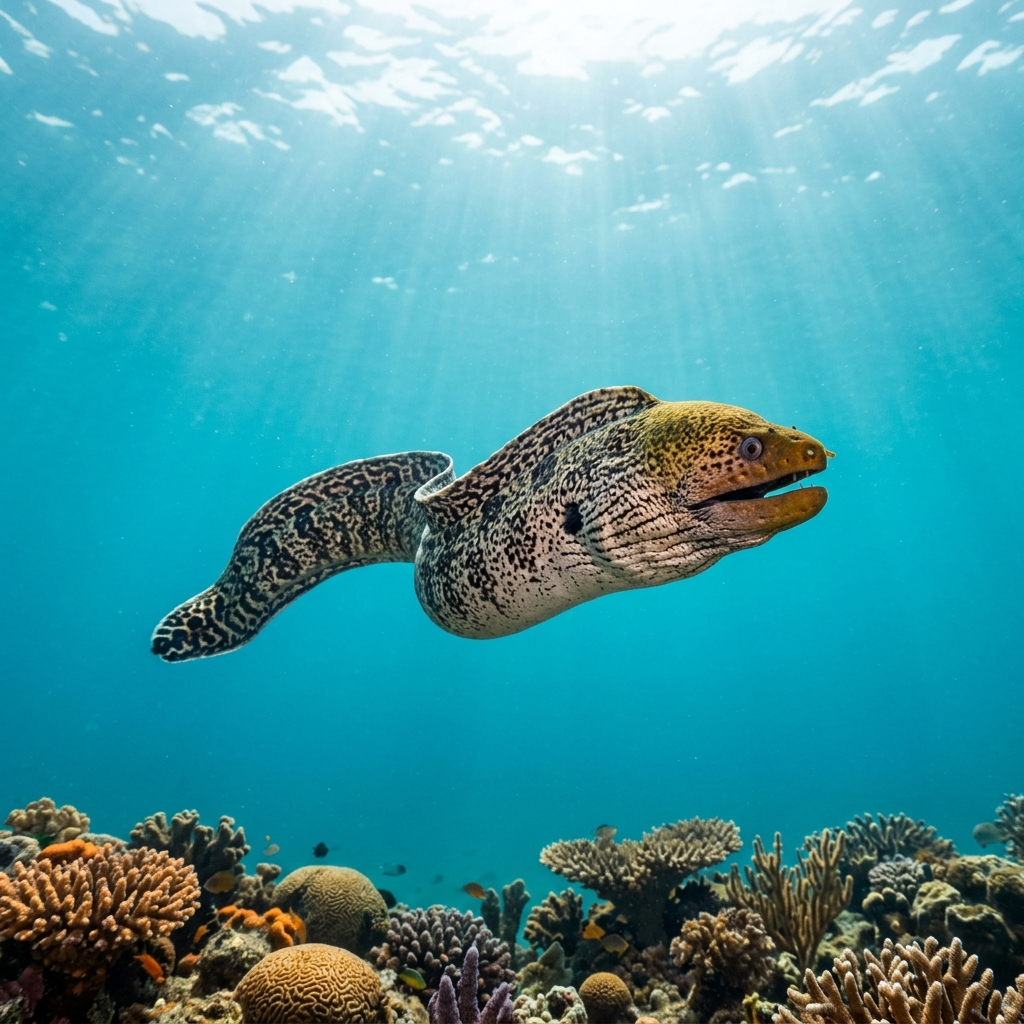
Muscat offers a concentrated and varied dive scene spread across three distinct sub-areas: Bandar Khayran, Bandar Jissah, and Fahal Island. Reef dives dominate, but the mix also includes walls, pinnacles, caves, wrecks, and drift channels, giving divers considerable range within a compact region. Fahal Island draws those seeking deeper, more exposed sites with complex topography, while Bandar Khayran and Bandar Jissah balance accessible shore entries with sheltered beginner reefs. Marine life is characterised by an exceptional variety of moray eels, resident Emperor Angelfish, Spotfin Lionfish, and the Yellowtail Clownfish found consistently across sites.

3 areas
14A fiord-edged reef diving area near Muscat, notable for exceptional moray diversity, drift channels and a wreck.
 12
12Compact bay diving near Muscat with an exceptional variety of morays, cuttlefish and angelfish across beginner-friendly reefs.
11A boat-only island dive destination near Muscat offering reefs, walls, pinnacles and wrecks alongside consistent reef shark encounters.
Monthly water temperature across Muscat's sites, from satellite sea-surface data corrected for depth. The band shows the site-to-site spread.
Water stays warm throughout the year, with the coolest temperatures in February and March and the warmest in late spring and October. Conditions peak in April, May, and October, when visibility and sea state are most reliable. Summer months bring reduced visibility and slightly more variable conditions, which accounts for fewer diver recommendations during that period.
45 operators
Salalah, Oman
Salalah, Oman
As Sib al Jadidah, Oman
As Sib al Jadidah, Oman
1 more site to explore
Water temperature around Muscat ranges from about 24°C in February to 29°C in June, based on satellite sea-temperature data for its dive sites.
In the warm season (about 29°C) a rash guard or 3mm shorty is comfortable in Muscat; in the coldest months (about 24°C) step up to a 3mm full suit.
Fin maps 38 sites in Muscat (32 scuba diving sites and 9 snorkelling spots, with some suited to both), organised into 3 areas.
Across Muscat's dive sites, April, May and October are most often reported as the best months to visit.
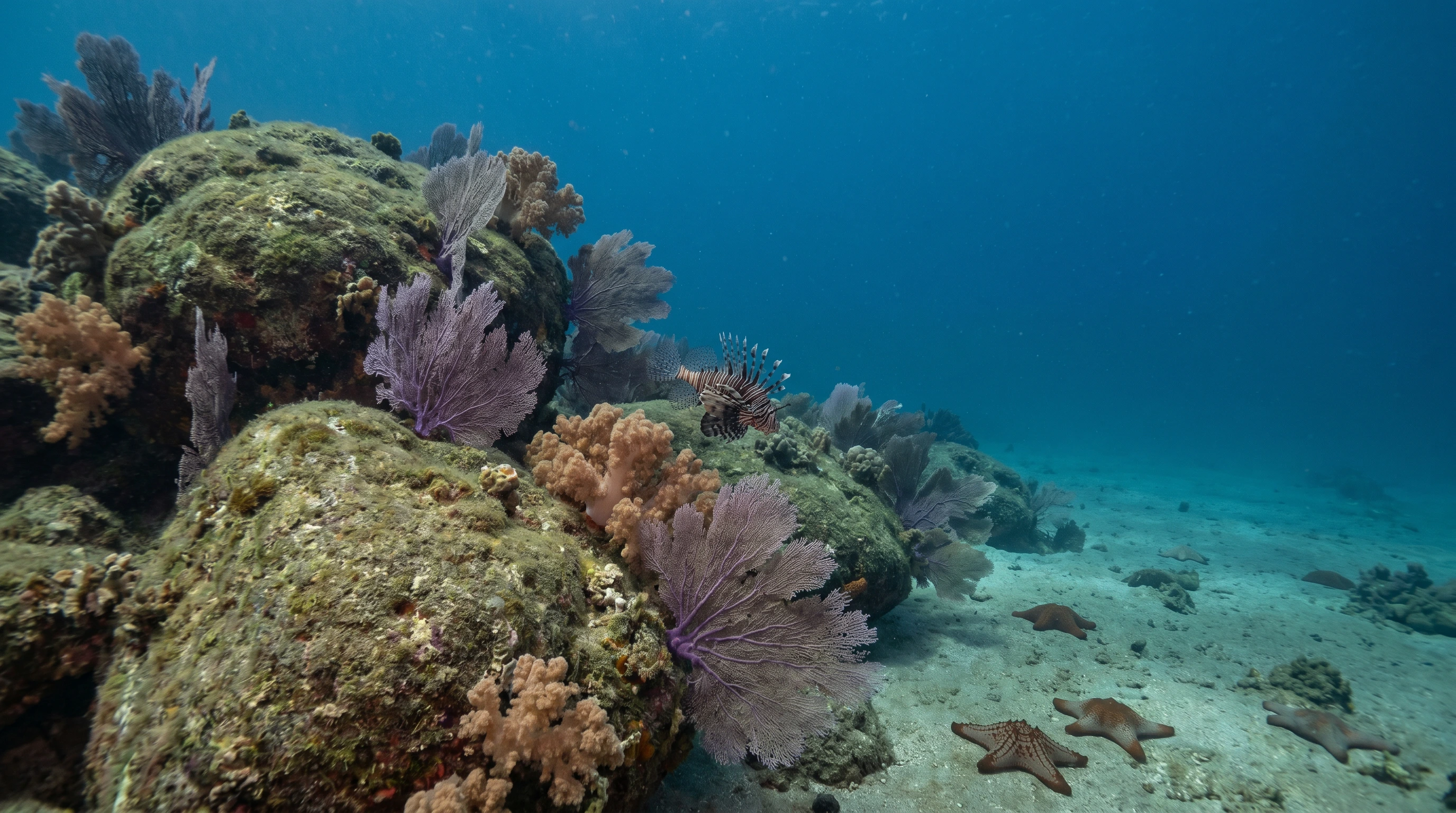
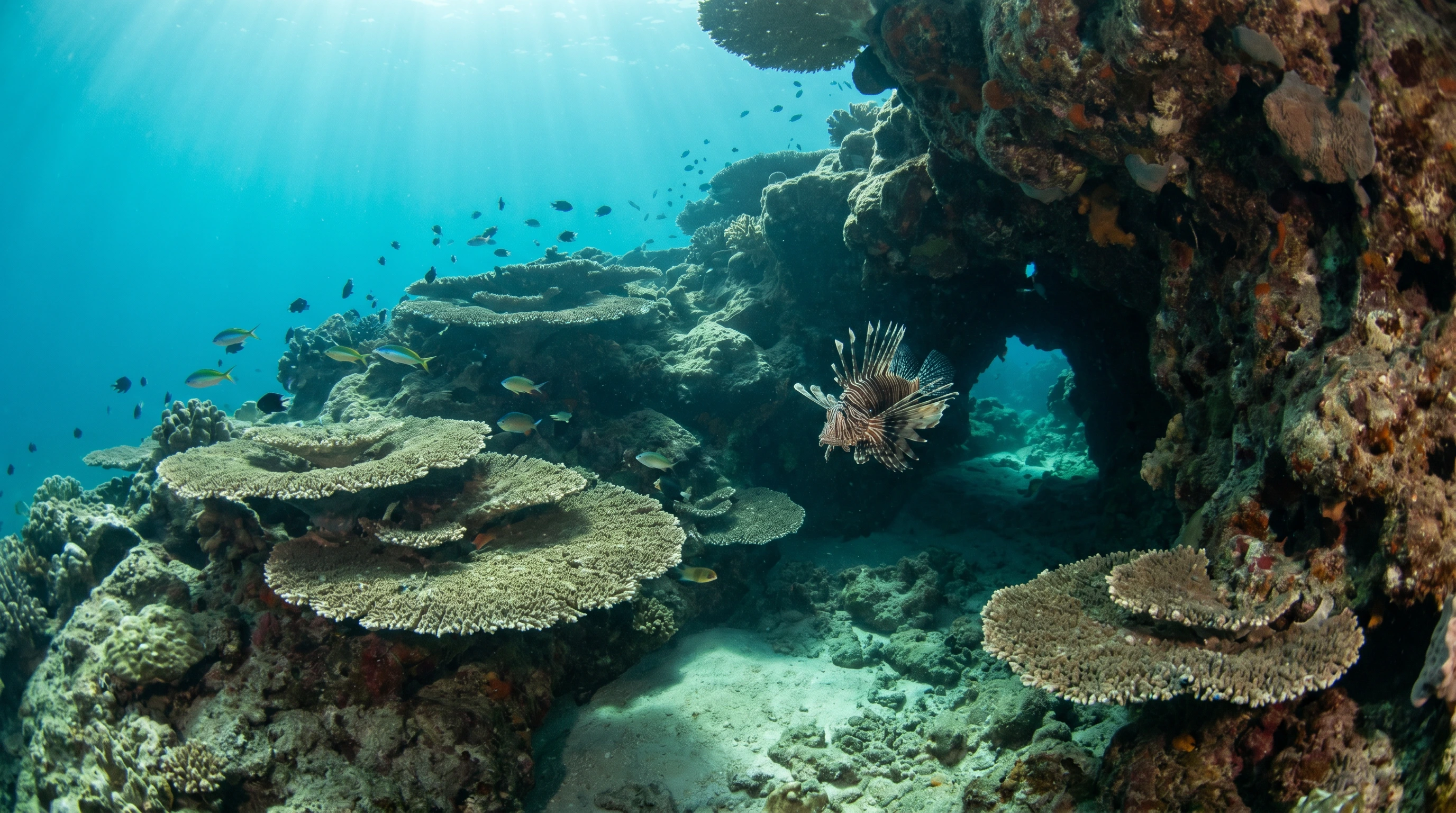
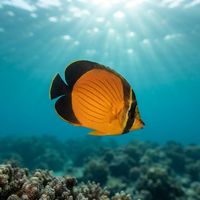
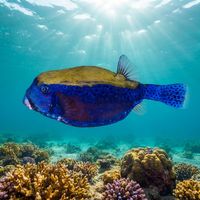
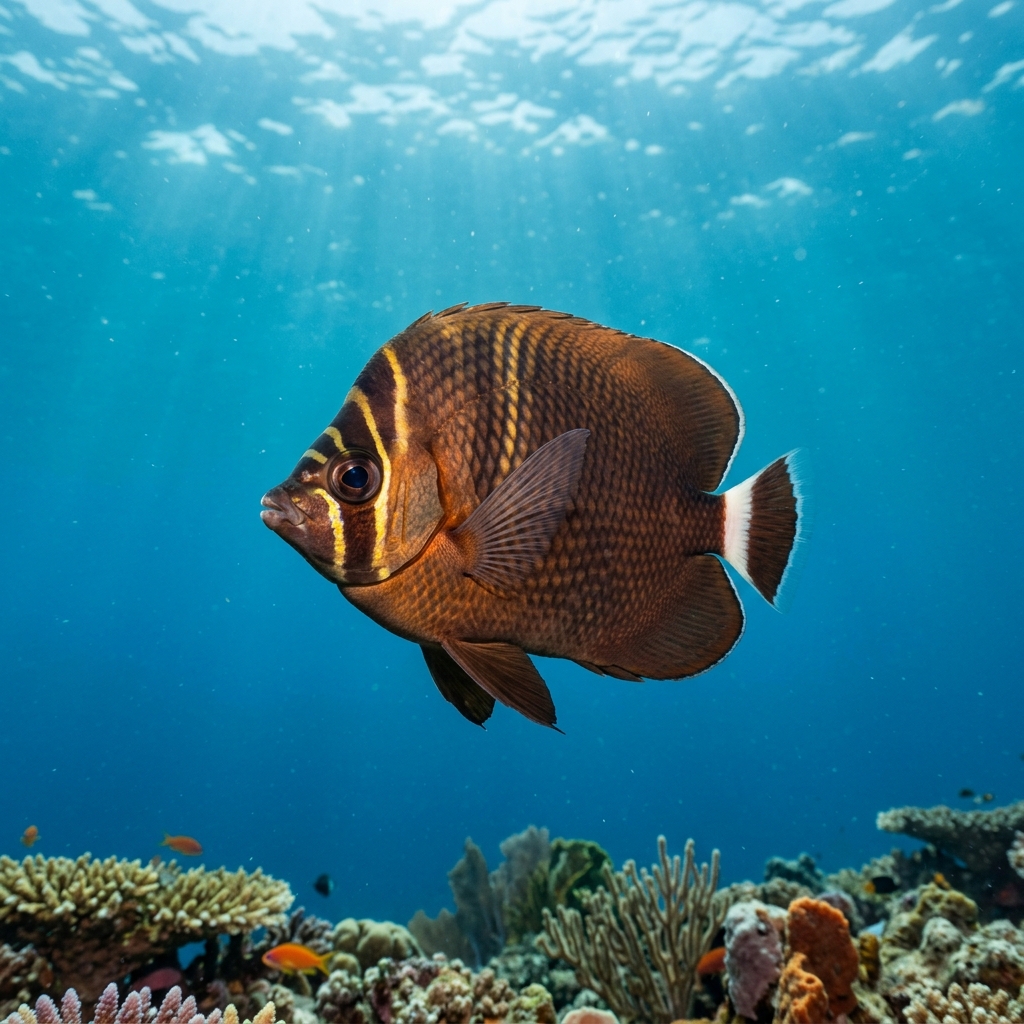
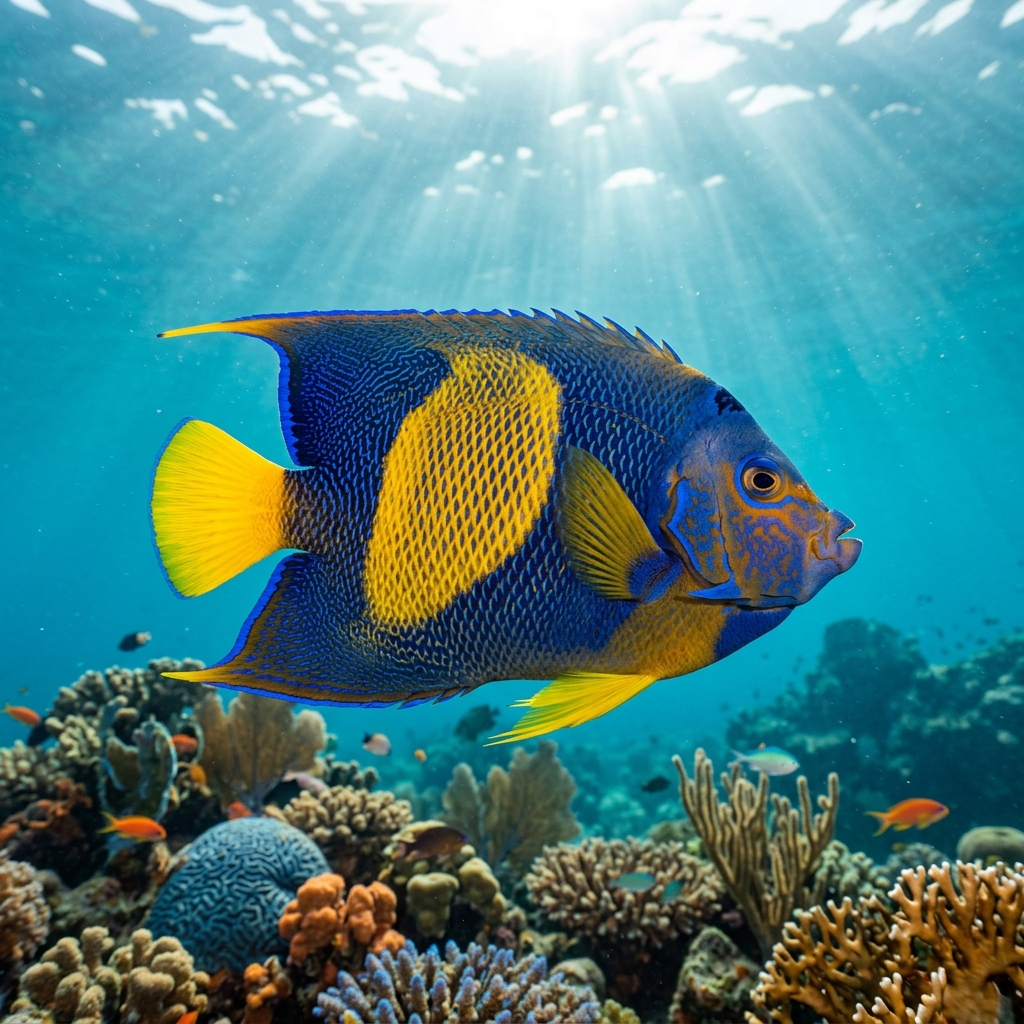
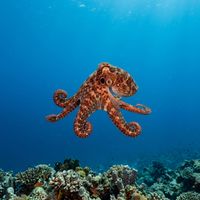
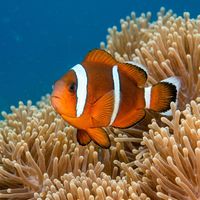
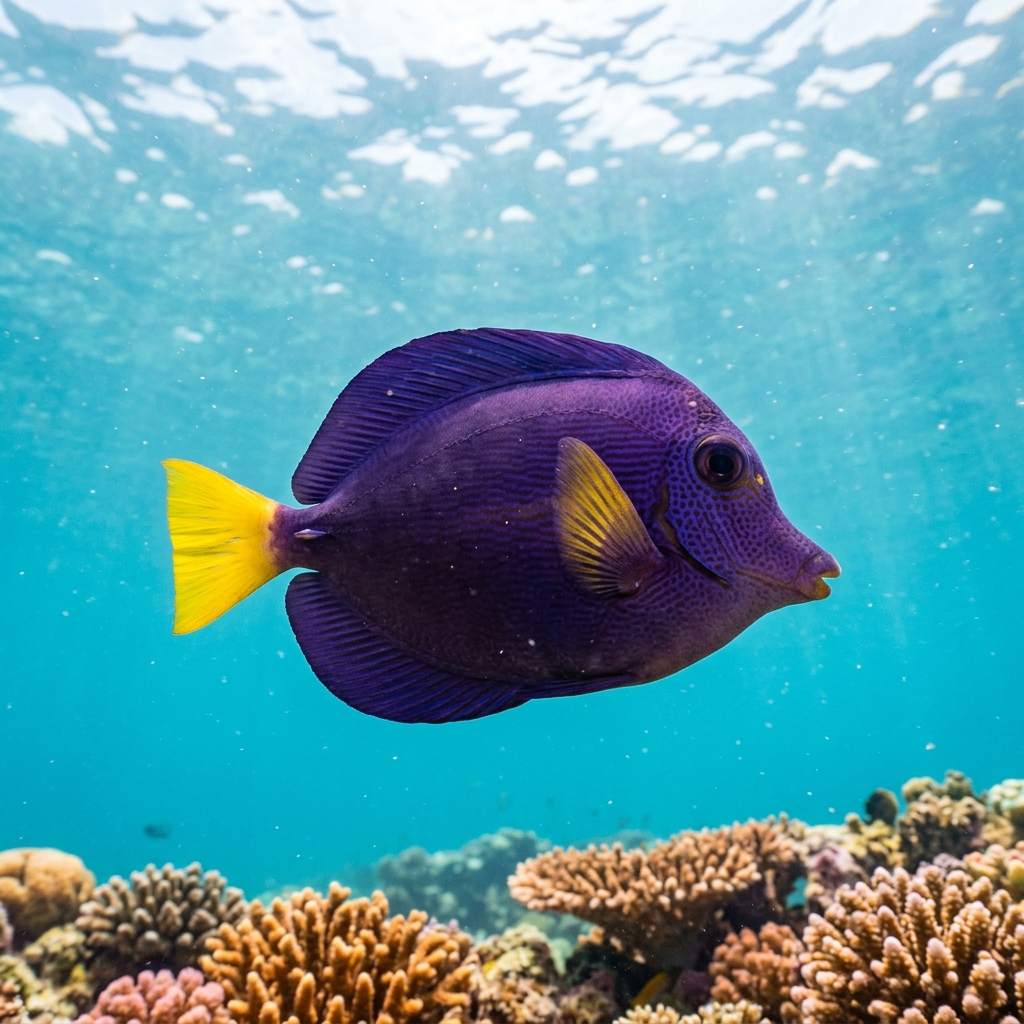
Muscat's reefs support a notably rich cast of residents. The Spotfin Lionfish, Laced Moray, Emperor Angelfish, Yellowbar Angelfish, and Yellowtail Clownfish are observed consistently across sites. Multiple moray species share the reefs, including the Starry Moray, Undulated Moray, and Zebra Moray. The Day Octopus, Pharaoh Cuttlefish, and Torpedo Ray round out the highlights, alongside Purple Tang, Triggerfish, and Wrasses.
A good proportion of sites across Muscat are rated beginner level, including shore-entry reefs such as Shaik Saif and Qantab Reef and sheltered boat dives like Turtle City and Decorator Bay. Intermediate sites, including drift and wall dives at First Entrance and Shark Point at Fahal Island, are also well represented for those building experience. The mix means beginners and more experienced divers can often share the same trip.
Bandar Khayran has the largest number of sites and includes both shore-entry reefs and more adventurous channel dives with drift options. Bandar Jissah offers sheltered, beginner-friendly reefs, some reachable from shore. Fahal Island sits furthest offshore and is boat-access only, with the most varied topography: reefs, walls, pinnacles, caves, and a wreck, tending toward intermediate skill levels and deeper profiles.
Both options exist, though the majority of sites in Muscat require boat access. Shore-entry dives are available at sites including Shaik Saif in Bandar Khayran and Qantab Reef in Bandar Jissah, making self-sufficient diving possible for those with local knowledge. Operators such as Euro-Divers Oman, Omanta Scuba Diving Academy, and MolaMola Diving Center run boat charters to the wider network of sites.