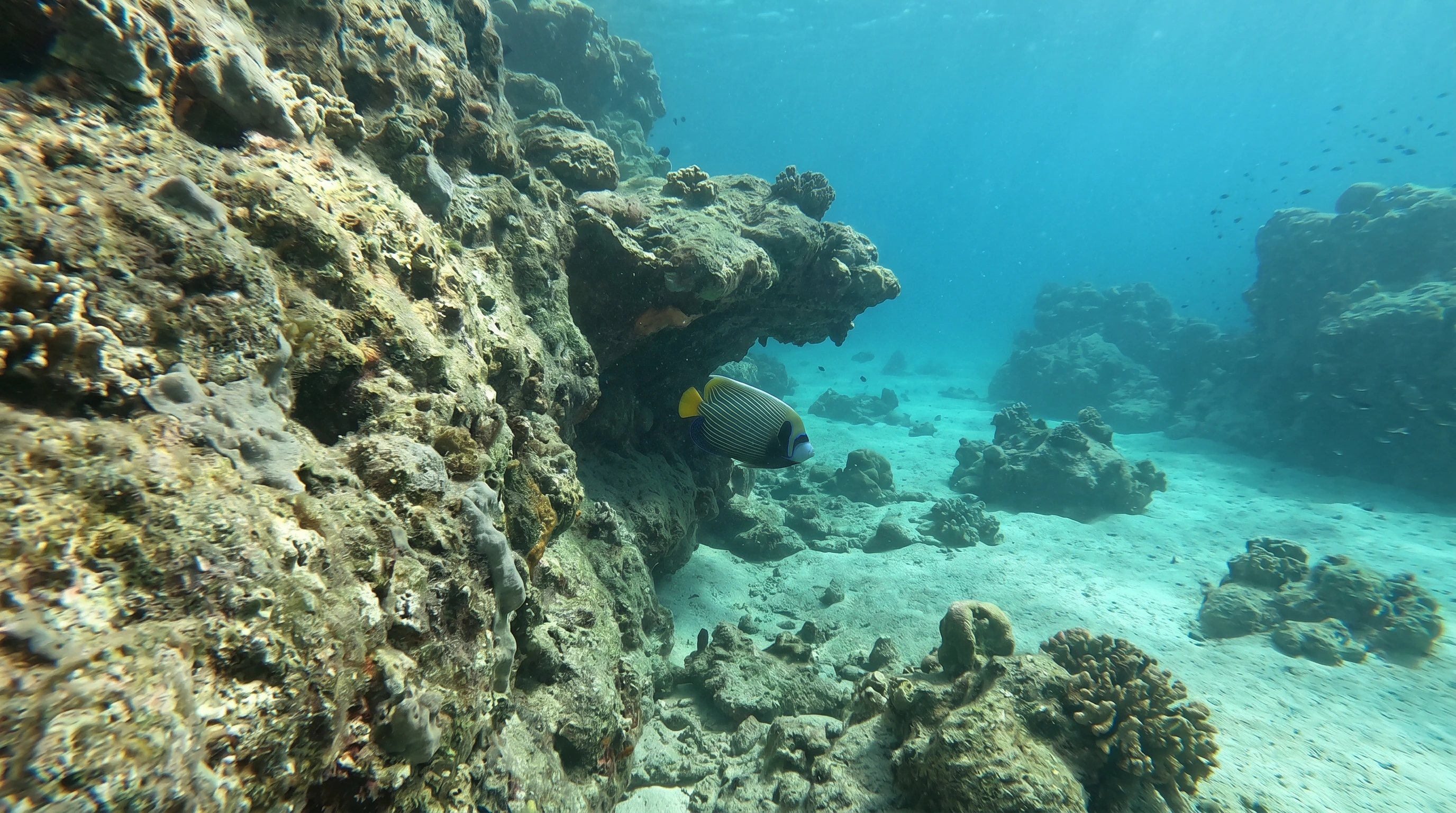
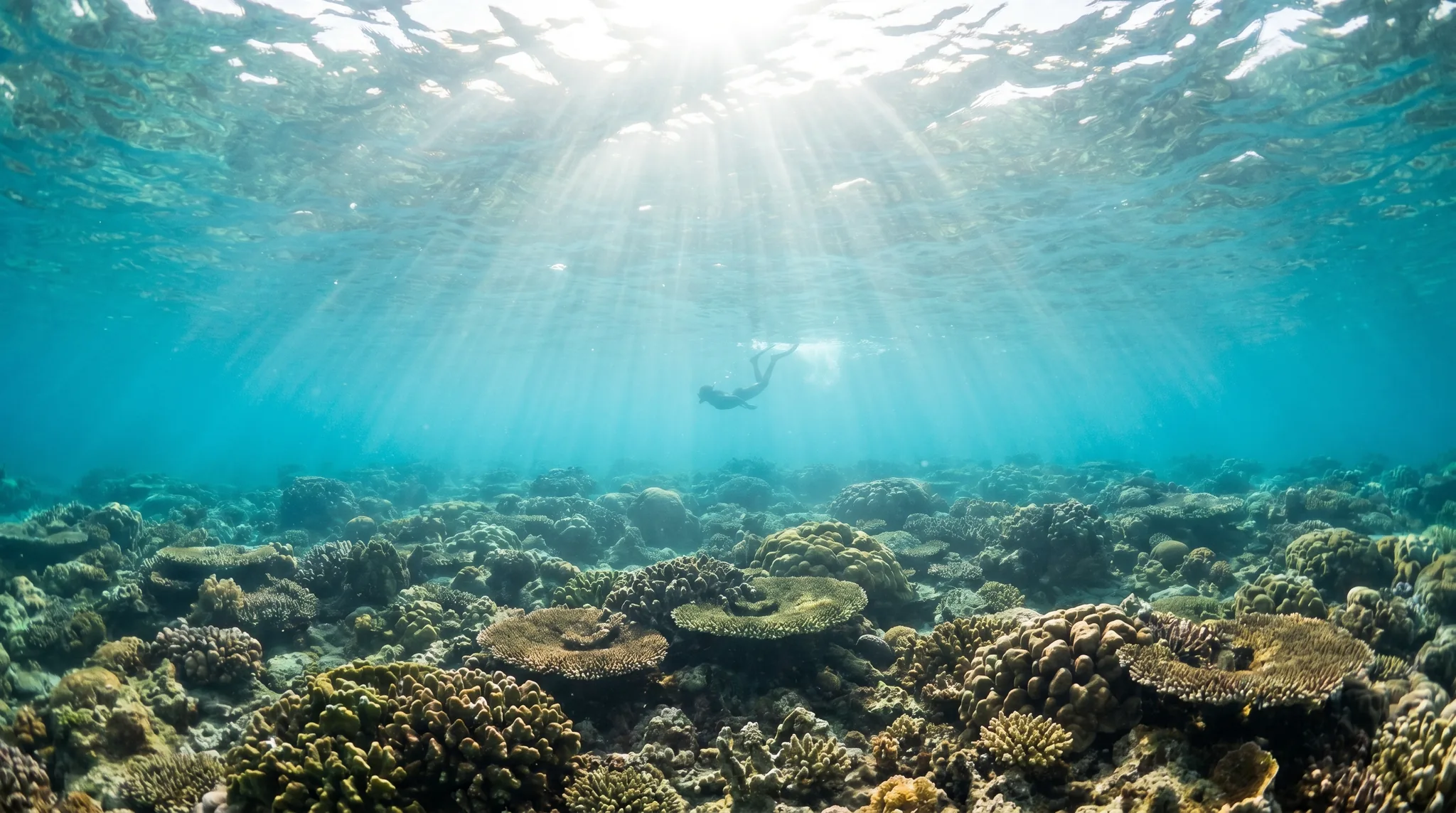
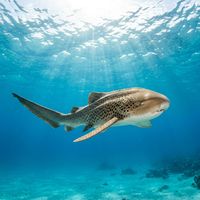
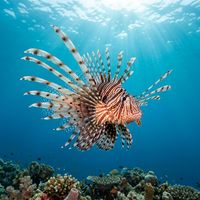
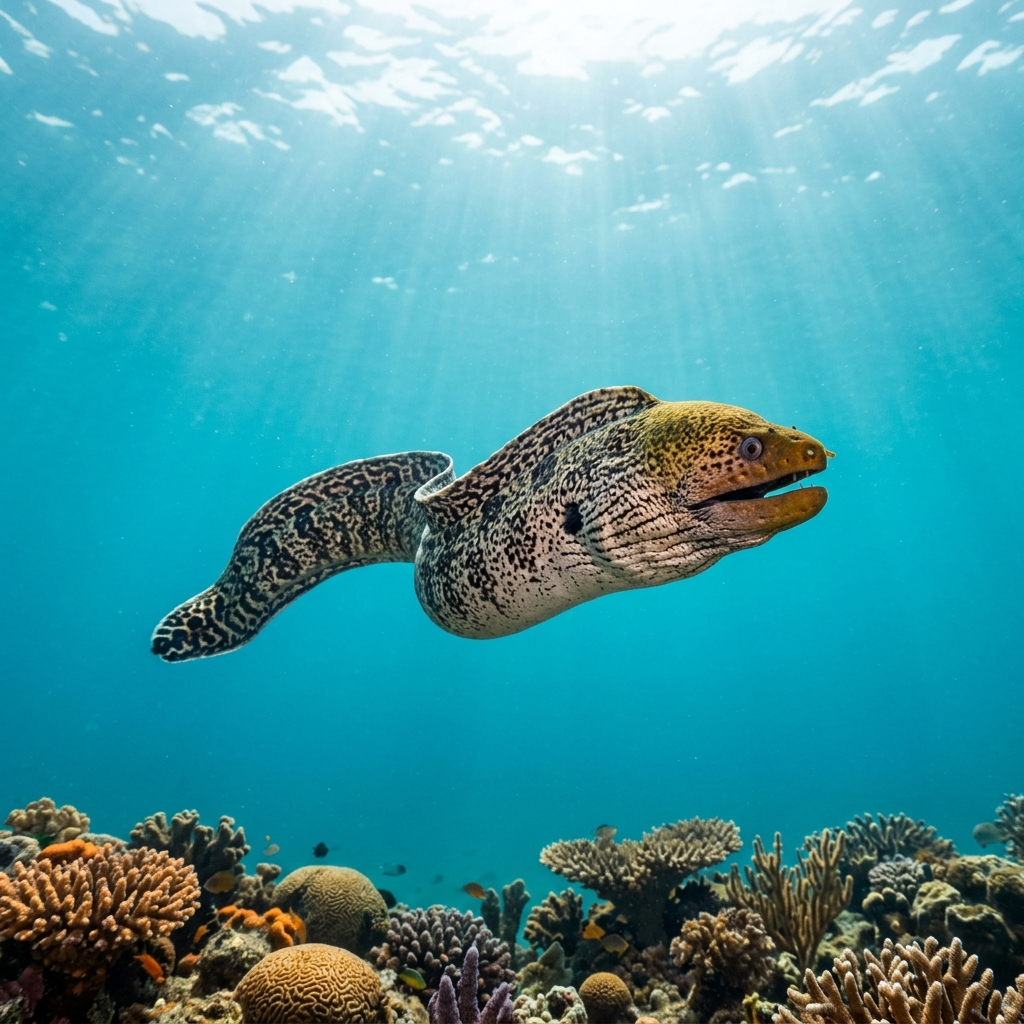
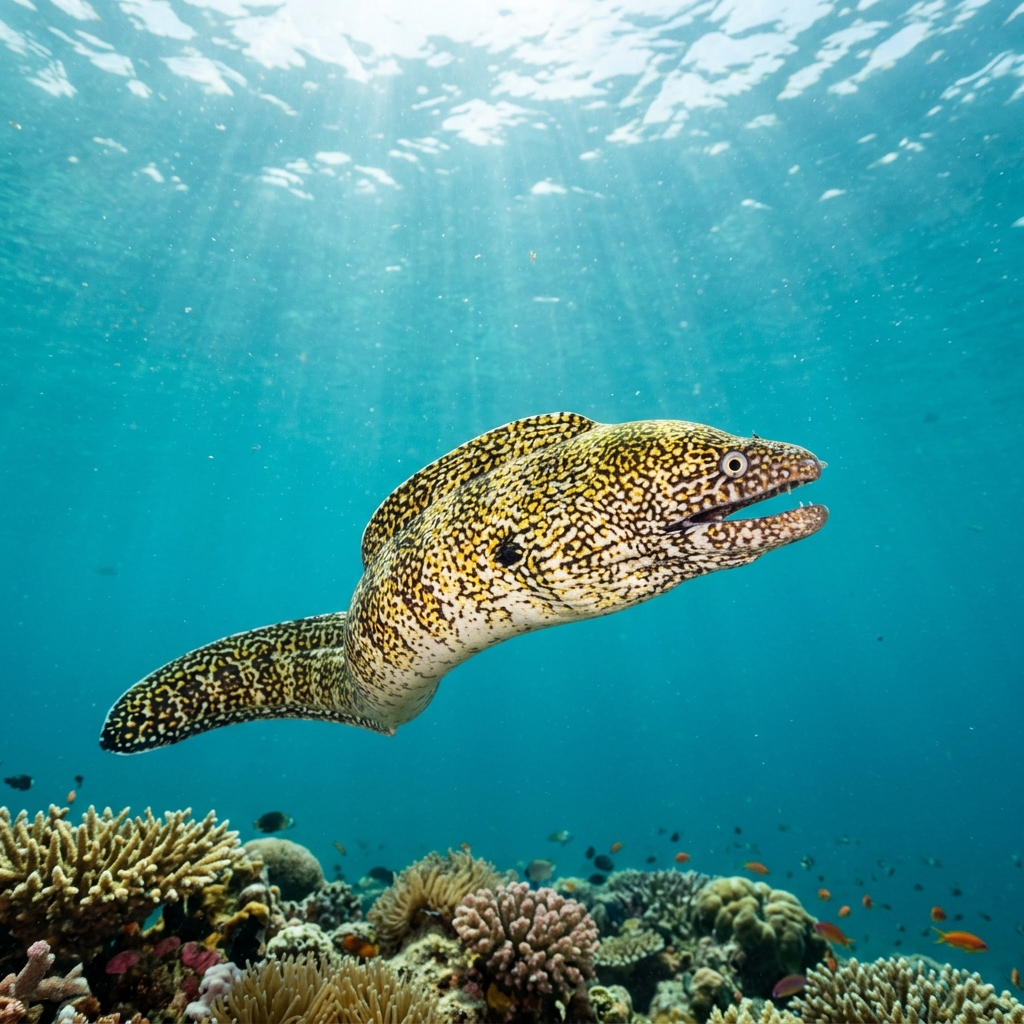
The Daymaniyat Islands deliver a reef-dominated diving experience built on remarkable species density and varied topography. Across the archipelago, sites range from shallow coral gardens suited to beginners, such as Turtle City and Lost Reef, to deeper walls and drop-offs at Clive Rock and Junn West Wall that reward intermediate divers. The signature wildlife is exceptional: Zebra Shark, Emperor Angelfish, Spotfin Lionfish and an unusual concentration of moray species, including Undulated Moray, Starry Moray, Laced Moray and Zebra Moray, are all observed consistently. Green Sea Turtle appearances add to the draw. All access is by boat, and conditions peak in spring and again in autumn.
Monthly water temperature across Daymaniyat Islands's sites, from satellite sea-surface data corrected for depth. The band shows the site-to-site spread.
Water temperatures remain warm throughout the year, rising slightly through late spring and peaking in early summer, before a brief dip at the start of the calendar year. The summer months coincide with reduced diver traffic and can bring variable conditions, while spring and autumn offer the most favourable combination of settled seas and good visibility. Sites exposed to open water, such as Hayut Run and Aquarium, can carry noticeable current, making drift conditions a factor for intermediate divers to plan around.
24 more sites to explore
Water temperature around Daymaniyat Islands ranges from about 24°C in January to 28°C in June, based on satellite sea-temperature data for its dive sites.
In the warm season (about 28°C) a rash guard or 3mm shorty is comfortable in Daymaniyat Islands; in the coldest months (about 24°C) step up to a 3mm full suit.
Fin maps 36 sites in Daymaniyat Islands (35 scuba diving sites and 5 snorkelling spots, with some suited to both).
Across Daymaniyat Islands's dive sites, April, May, September, October and November are most often reported as the best months to visit.
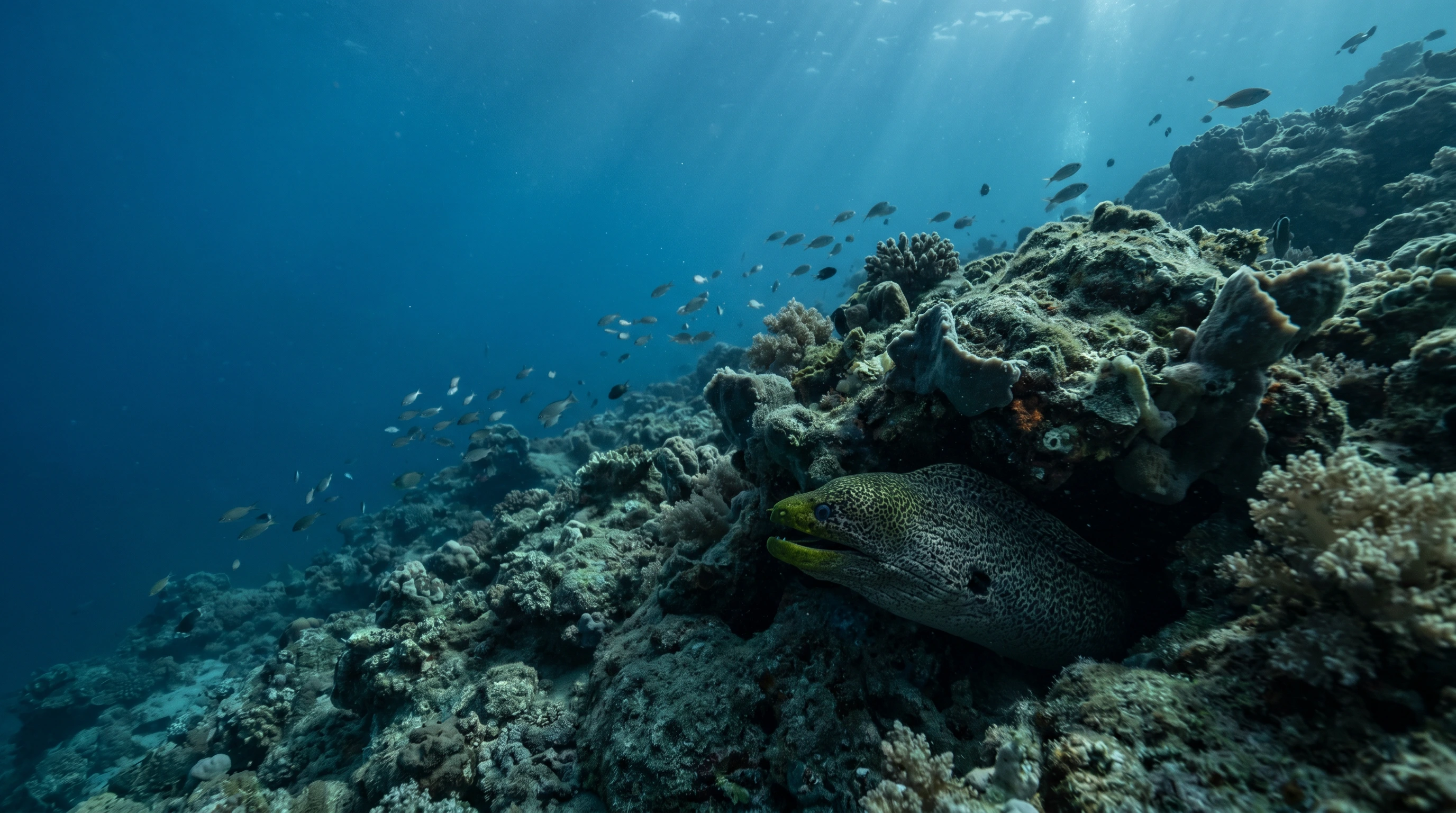
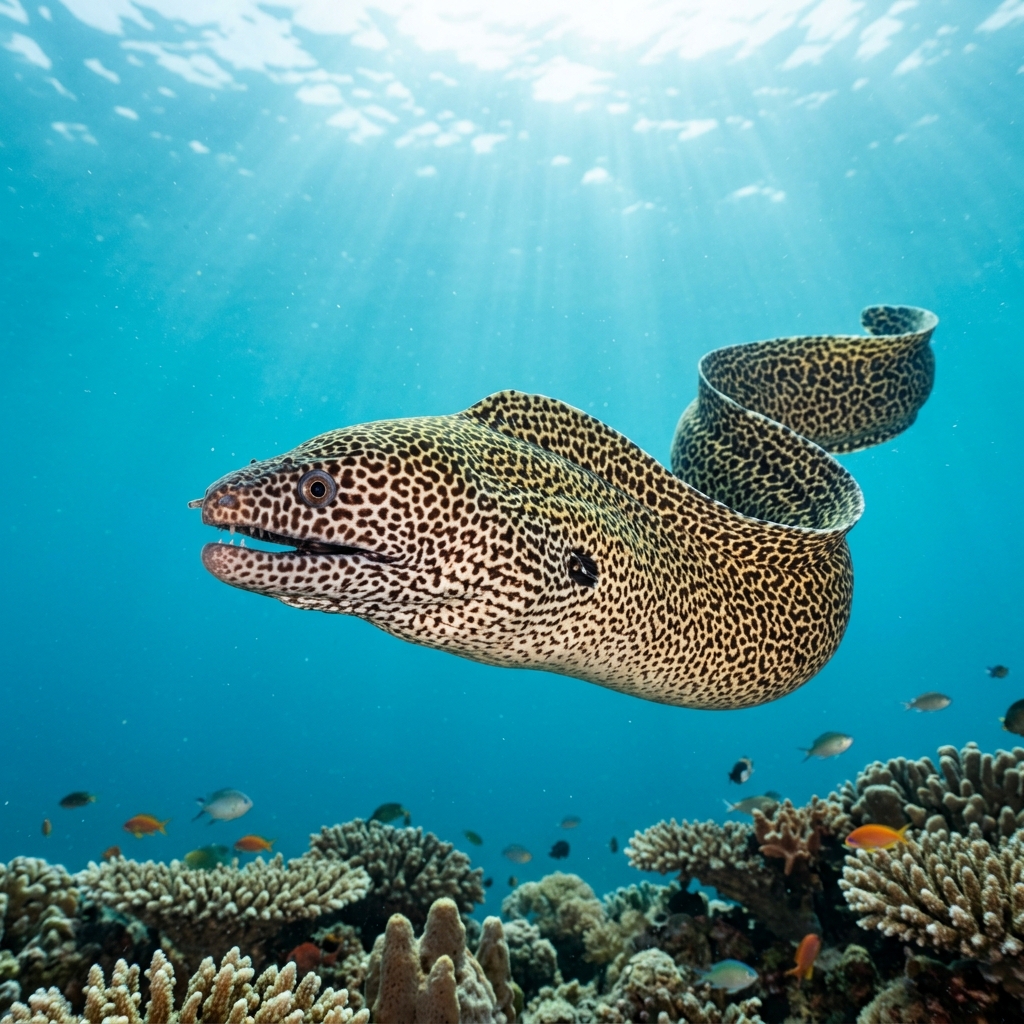
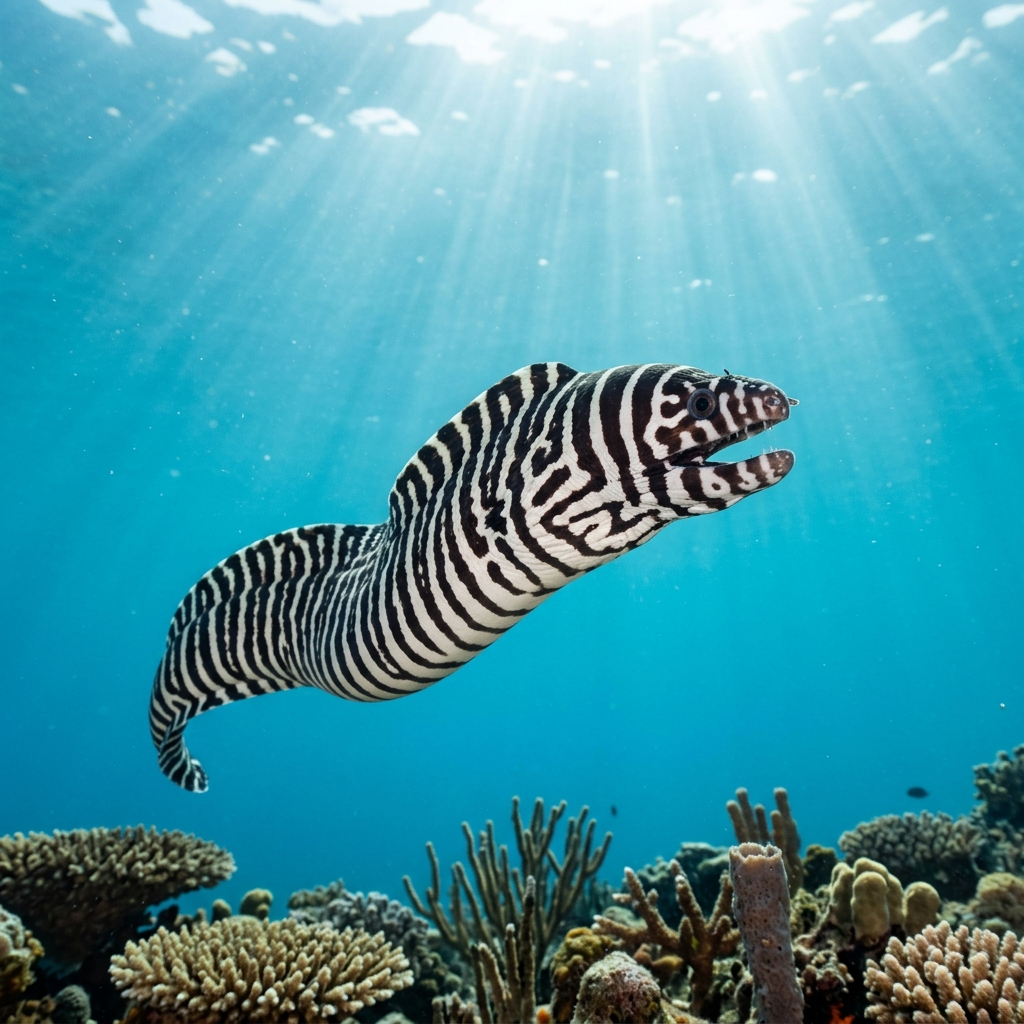
The Daymaniyat Islands are particularly noted for their moray diversity: Undulated Moray, Starry Moray, Laced Moray and Zebra Moray are all observed across the majority of sites. Zebra Shark and Emperor Angelfish are consistent highlights, while Spotfin Lionfish, Yellowbar Angelfish, Yellowtail Clownfish, Pacific Bullethead Parrotfish and Day Octopus round out a rich reef community. Green Sea Turtle appearances are occasional but well documented.
A good portion of the sites are rated for beginner divers, including Turtle City, Lost Reef, Stingray Paradise and Fish Soup Point. These sites feature manageable depths and mild currents. Intermediate-level sites such as Black tip, Clive Rock and Hayut Run introduce walls, drop-offs and drift conditions for those looking to build experience.
Every dive site in the Daymaniyat Islands requires boat access; there are no shore-entry dives in the data. Two operators, Sea Oman Diving Center and Global Scuba LLC, serve the area and handle boat departures to the archipelago.
Reef dives form the backbone of the experience, but the islands also offer wall dives, drop-offs, drift sites and artificial reef structures. Sites like Aquarium combine rock formations with artificial structures and sand chutes, while Clive Rock and Little June South feature pronounced drop-offs. This variety means a multi-day trip can include quite different diving each day.