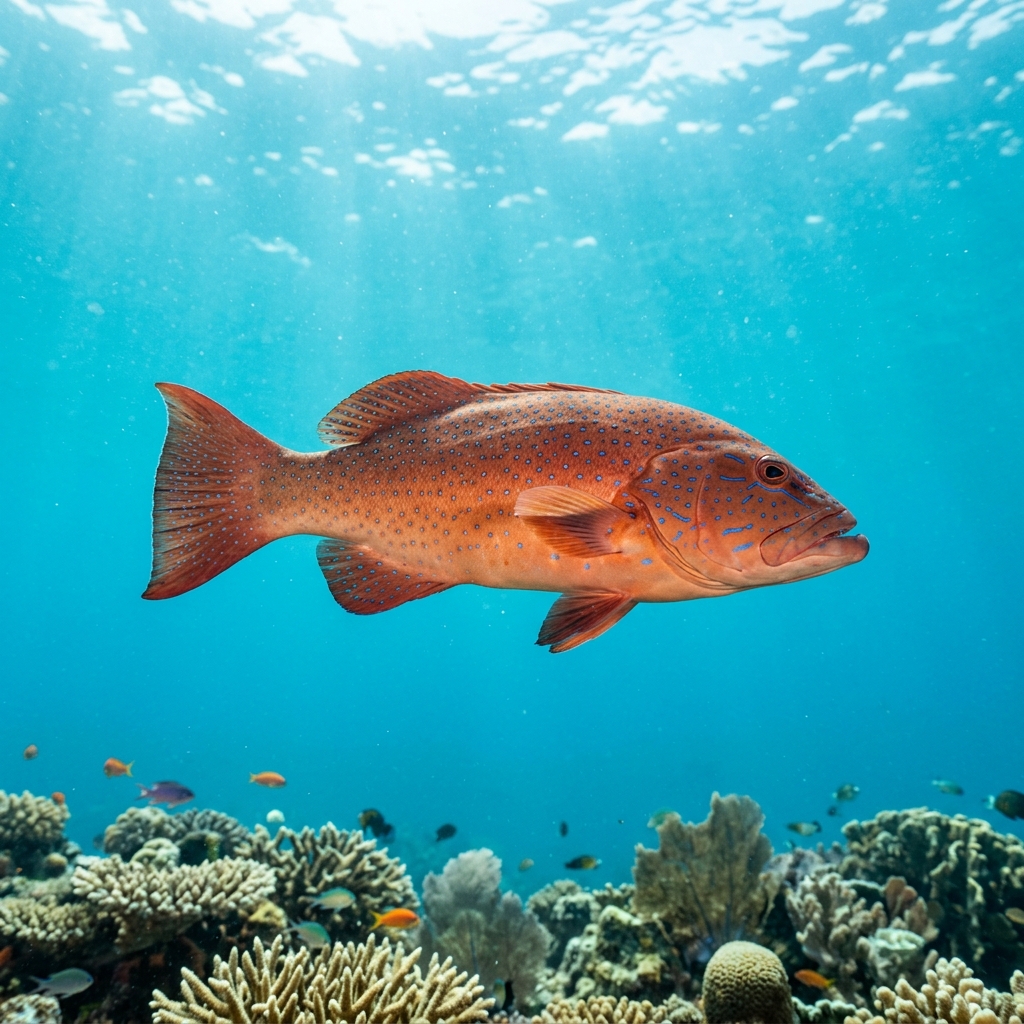
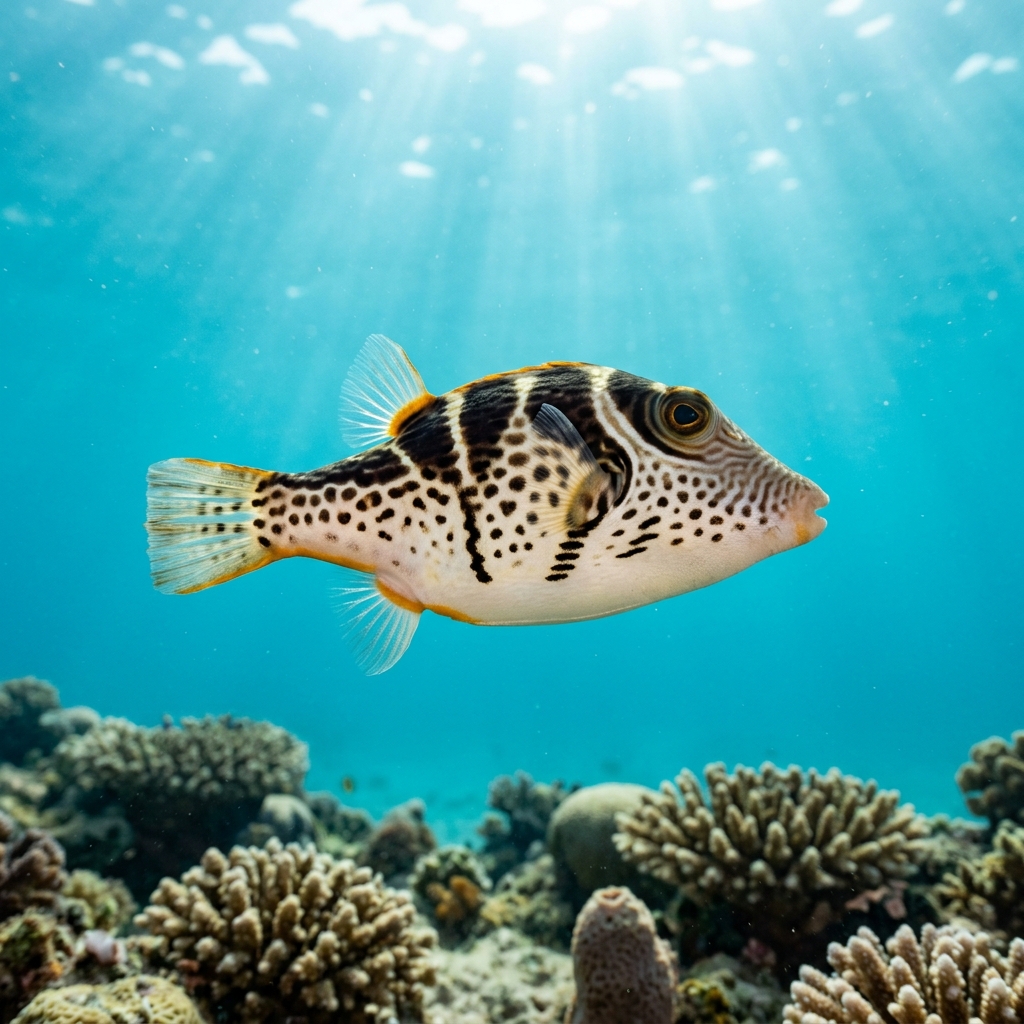
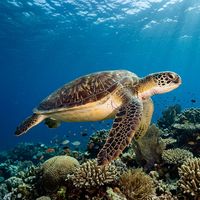
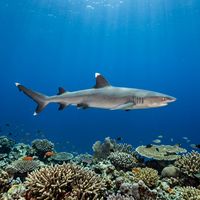
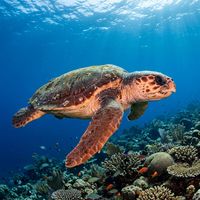
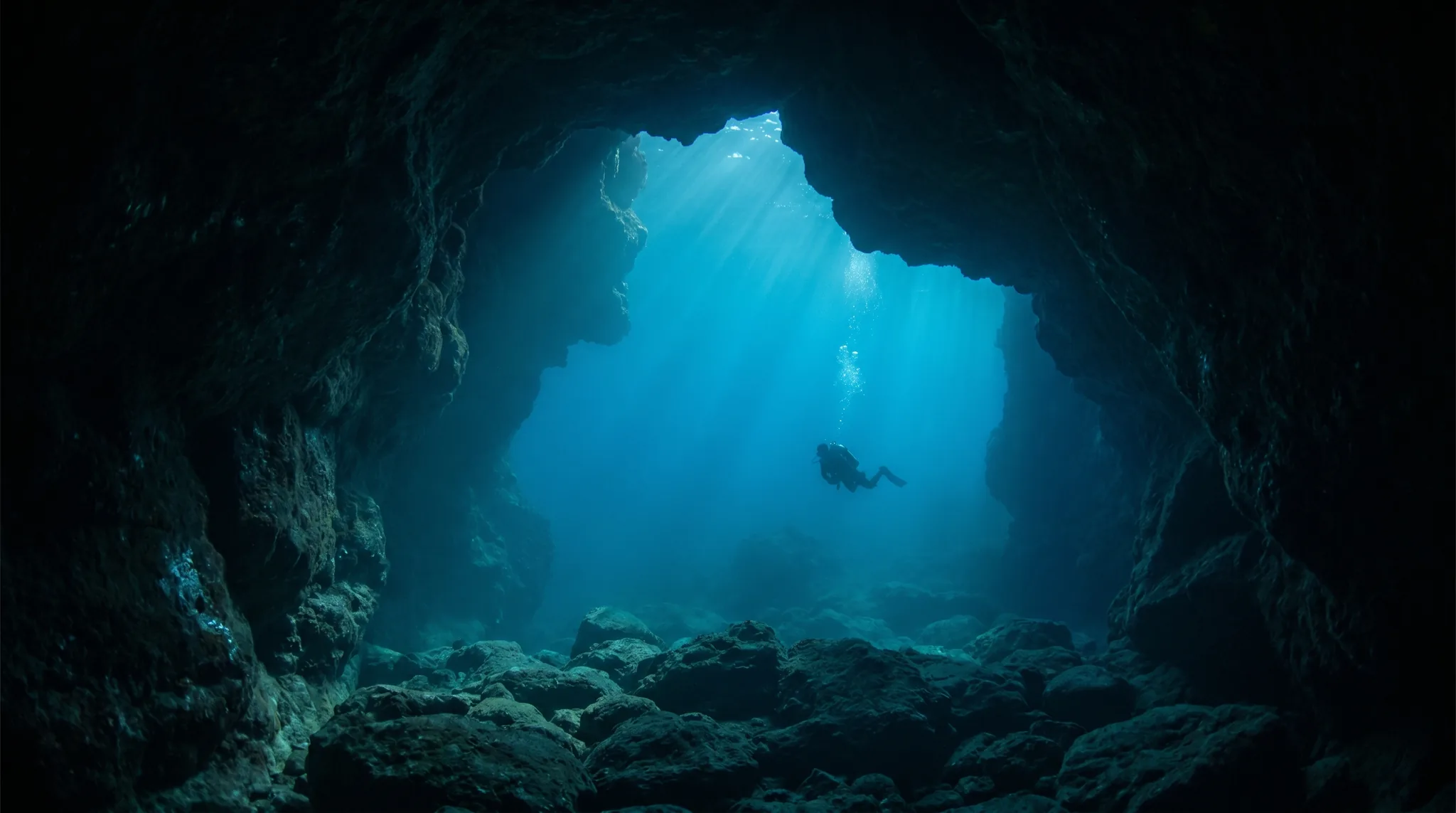
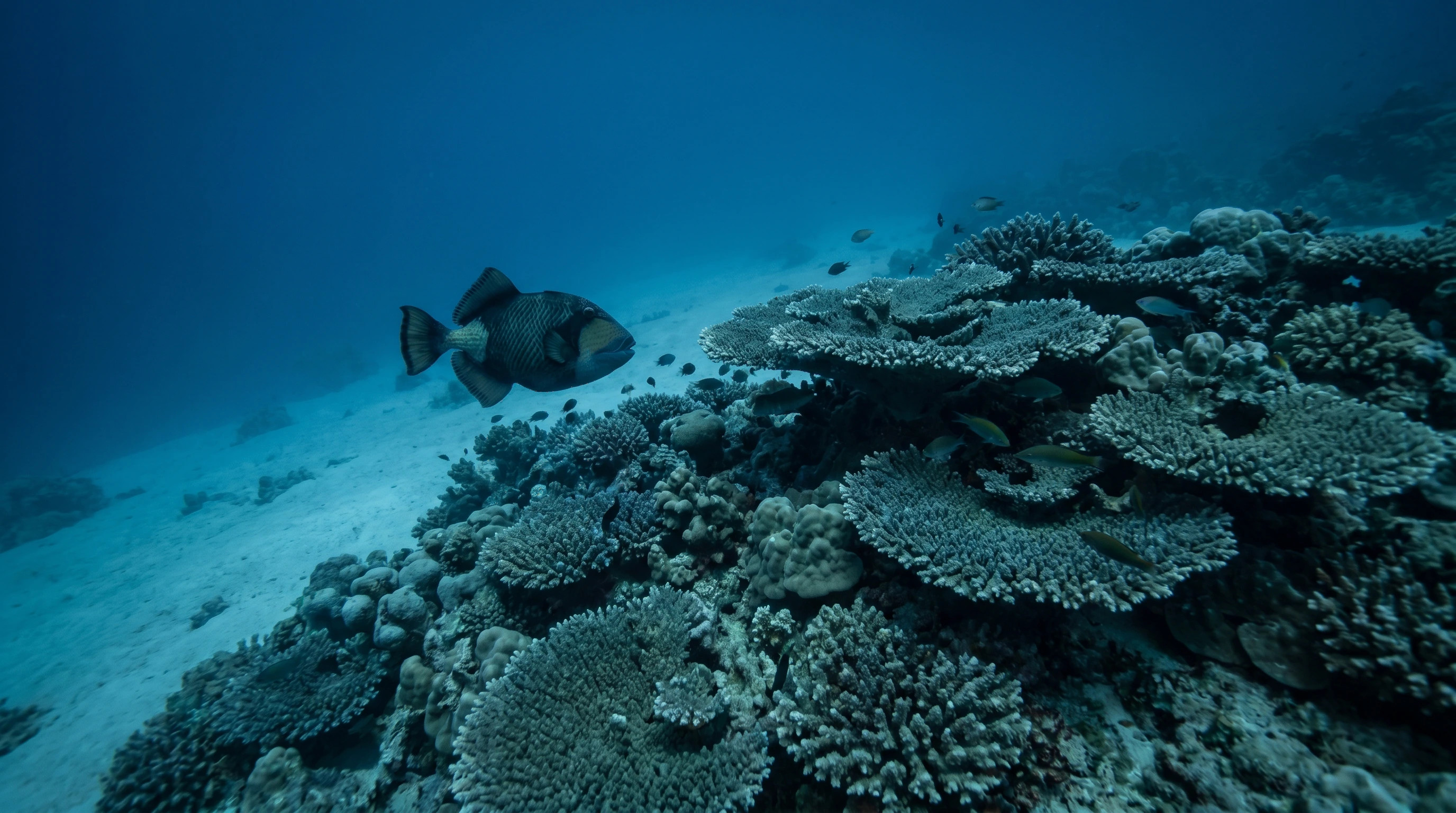
Prony Bay sits within New Caledonia's South Lagoon and draws divers with an unusually wide range of sites, from shallow beginner reefs around the Amédée Marine Reserve islets to deep drift passages descending beyond sixty metres. The standout feature is the Aiguille du Prony, a pyramid-shaped pinnacle formed by a freshwater resurgence that rises from forty metres to within two metres of the surface, creating fluctuating temperatures along its rock face. Drift dives such as Passe de Mato and Passe de Uation demand advanced skills and precise buoyancy control. Species recorded here include whale sharks, mako sharks, whitetip reef sharks, Napoleon wrasse, green sea turtles, and dogtooth tuna. Water is warmest from January to March and at its coolest from July to October.
Monthly water temperature across Prony Bay's sites, from satellite sea-surface data corrected for depth. The band shows the site-to-site spread.
Temperatures in Prony Bay are warmest through the austral summer and fall to their lowest between July and October, when a five-millimetre wetsuit is advisable for longer dives. The bay is diveable year-round, and the research notes that mid-July to mid-September may bring whale or dolphin sightings during boat trips between sites.
40 operators
New Caledonia
Hienghene, New Caledonia
Water temperature around Prony Bay ranges from about 23°C in July to 27°C in February, based on satellite sea-temperature data for its dive sites.
In the warm season (about 27°C) a rash guard or 3mm shorty is comfortable in Prony Bay; in the coldest months (about 23°C) step up to a 3mm full suit.
Fin maps 9 sites in Prony Bay (6 scuba diving sites and 5 snorkelling spots, with some suited to both).
Across Prony Bay's dive sites, July, August and September are most often reported as the best months to visit.
6 more sites to explore