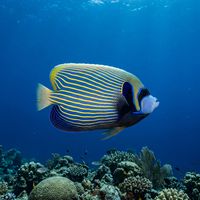
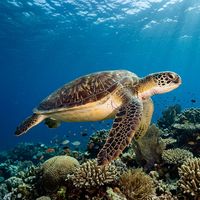
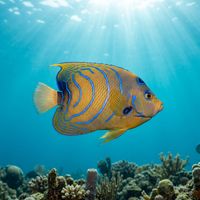
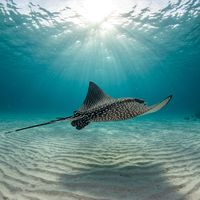
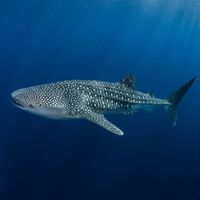
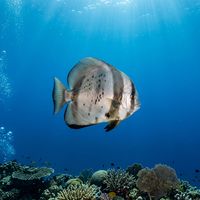
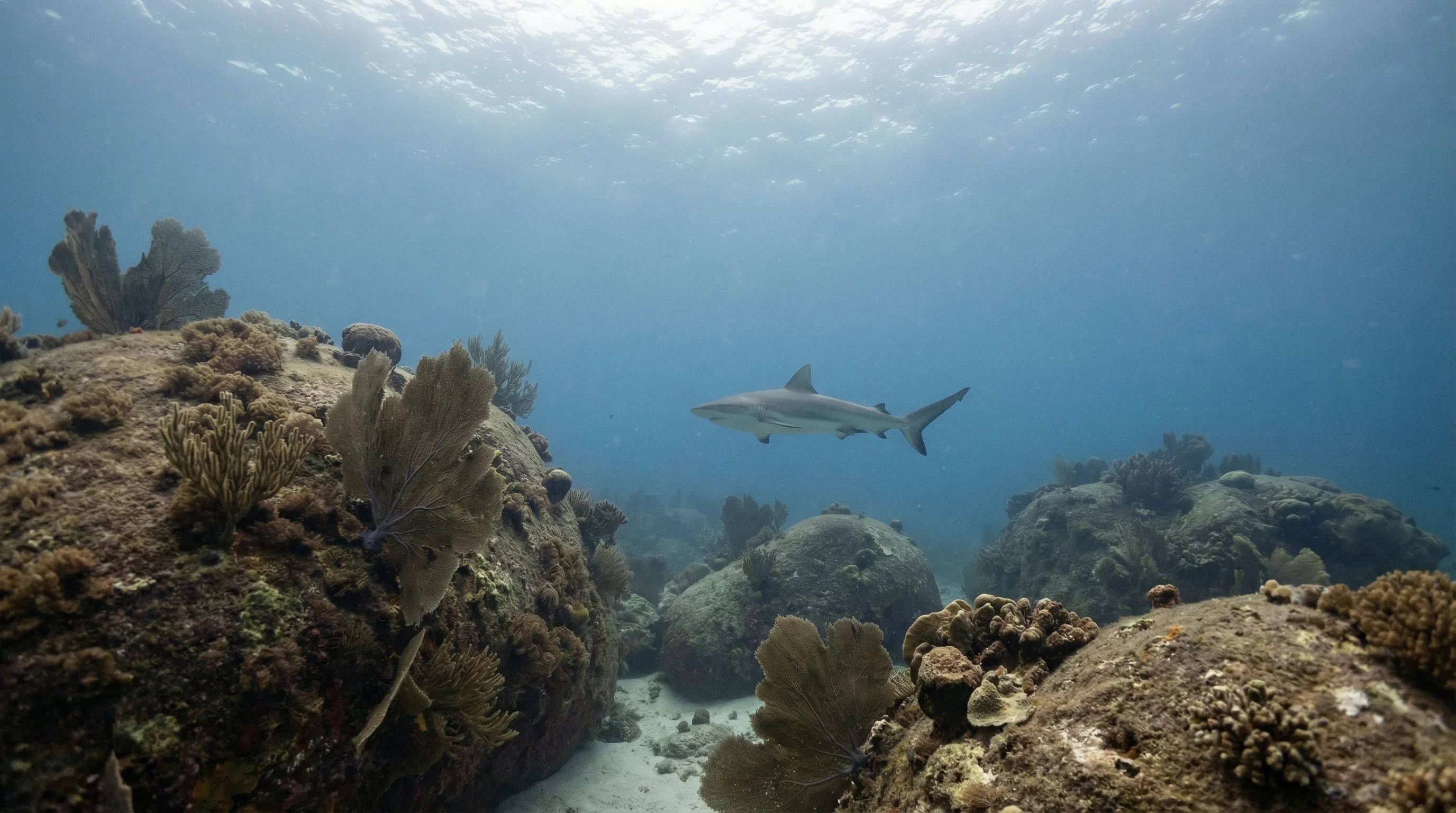
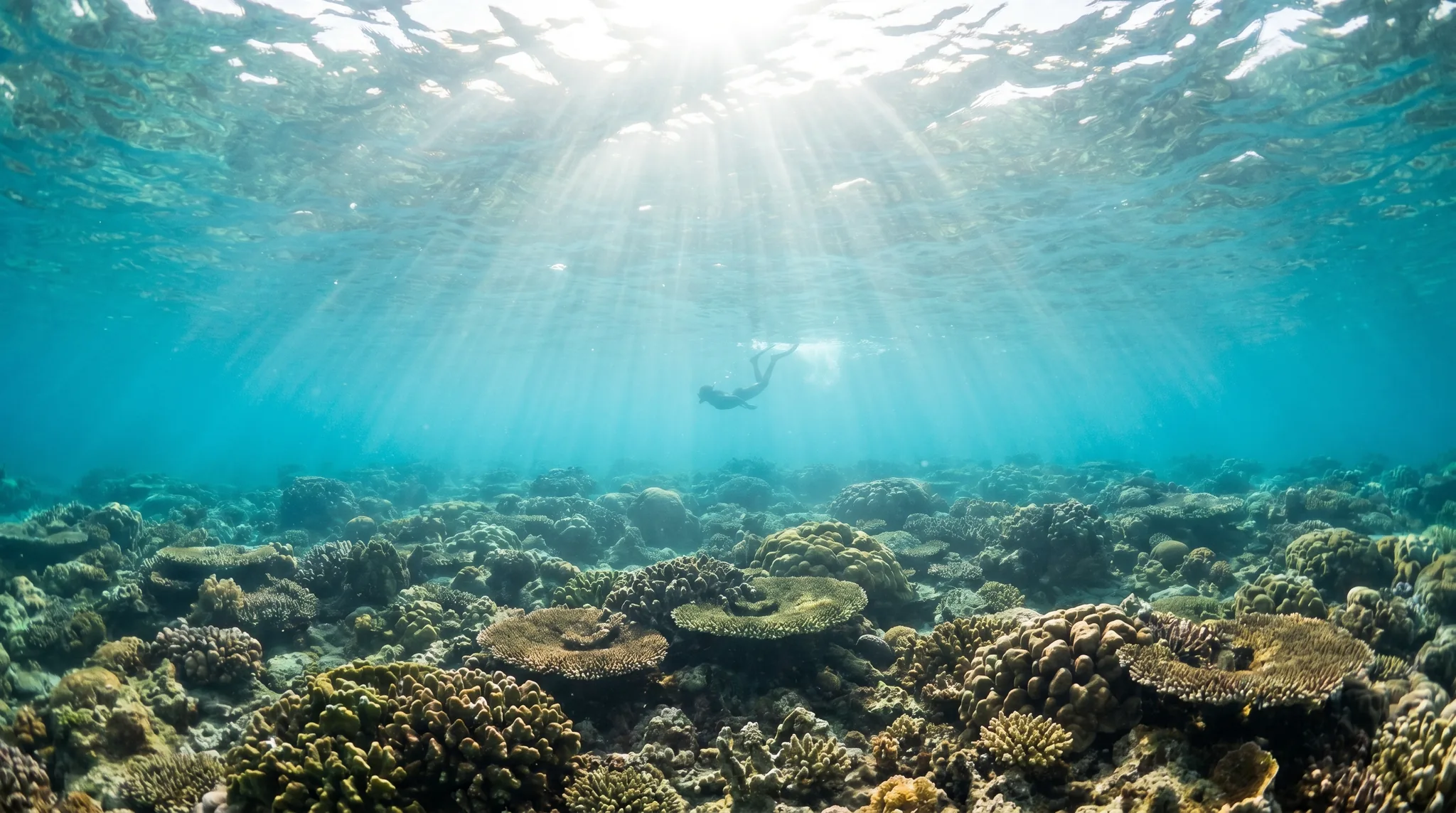
The Mergui Archipelago is a liveaboard destination defined by remote offshore structures and strong drift diving. The site mix leans heavily towards pinnacles, walls and reef systems, most of which demand boat access and suit intermediate to advanced divers. Shallower sites such as East Corner and Coral Bank offer calmer conditions for those building experience. Across the collection, Green Sea Turtle and Emperor Angelfish appear with remarkable consistency, while Whale Shark, Spotted Eagle Ray and Blacktip Reef Shark are regularly encountered at exposed offshore sites. Visibility and conditions vary with the season, peaking from November through April.
Monthly water temperature across Mergui Archipelago's sites, from satellite sea-surface data corrected for depth. The band shows the site-to-site spread.
Water stays warm year-round, rising to its peak through May and June before settling slightly in the cooler months. The best diving window runs from November through April, when conditions are most settled and visibility at its highest. From roughly June to October, the wetter season brings reduced visibility and stronger, less predictable conditions at the more exposed sites.
16 operators

14 more sites to explore
Water temperature around Mergui Archipelago ranges from about 27°C in January to 30°C in May, based on satellite sea-temperature data for its dive sites.
With water around 27–30°C, a rash guard or 3mm shorty works in Mergui Archipelago year-round.
Fin maps 26 sites in Mergui Archipelago (25 scuba diving sites and 1 snorkelling spots, with some suited to both).
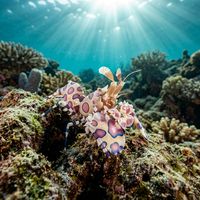
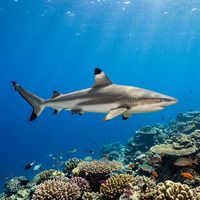
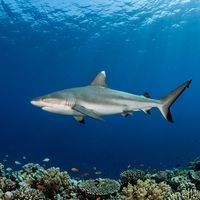
The archipelago has observation-backed records for Whale Shark, Spotted Eagle Ray, Grey Reef Shark and Blacktip Reef Shark, making pelagic encounters a real draw for visiting divers. Green Sea Turtle is recorded as very common across the sites. Macro lovers also find rewards, with Harlequin Shrimp, Ghost Pipefish, Frogfish and Seahorse all observed, though the latter three appear less frequently.
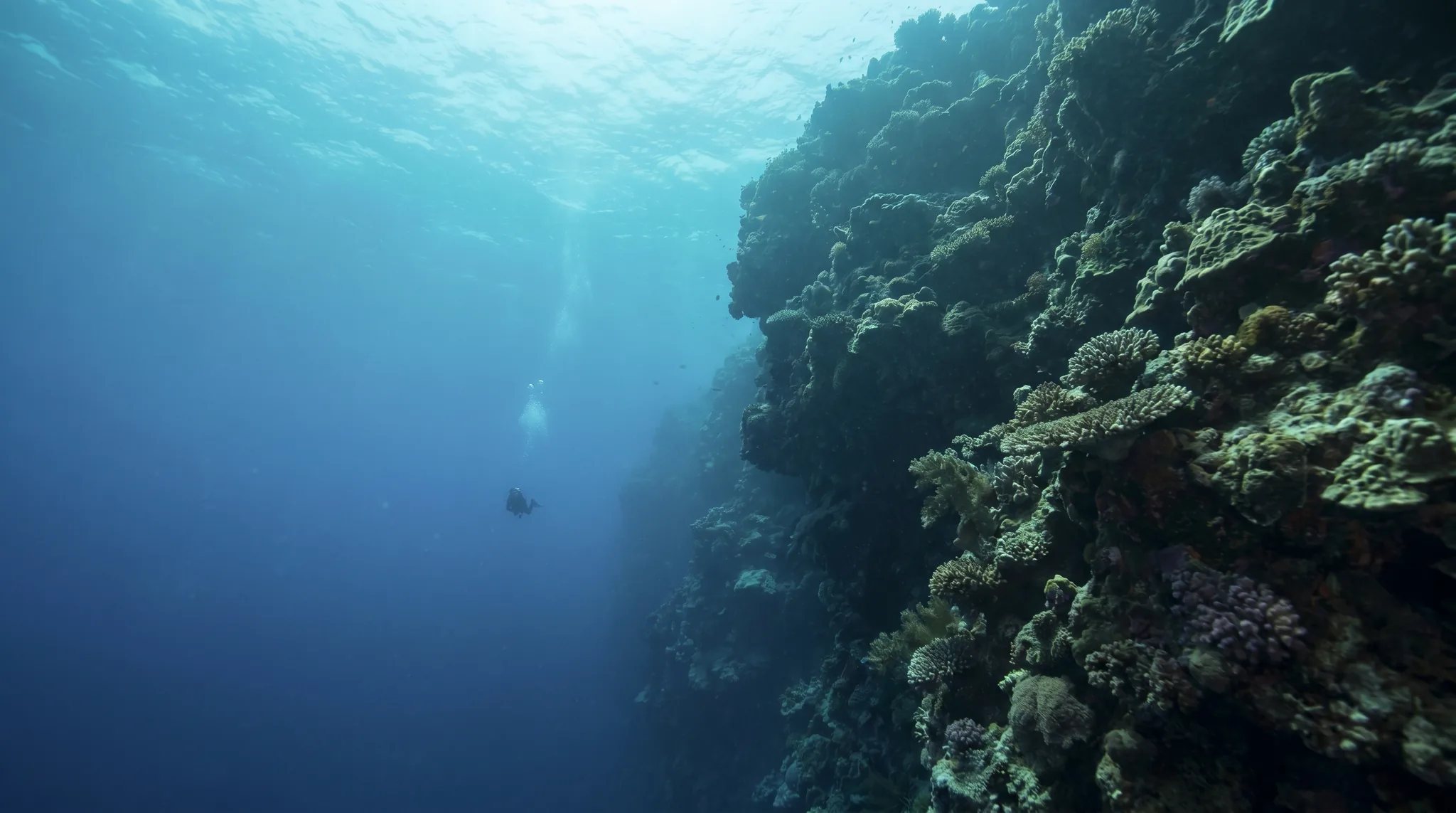
Most sites are rated intermediate or advanced, with strong currents and deeper profiles at offshore structures such as Black Rock, Fan Forest Pinnacle and Silver Tip Bank. However, a handful of sites including East Corner, Coral Bank and Madame Beach are rated suitable for beginners, offering shallower reefs and calmer conditions. Beginners joining a liveaboard should confirm with their operator which sites will be included in the itinerary.
Almost all sites are reached exclusively by boat, and the remote nature of the archipelago means liveaboard or private charter is the standard way to dive here. Operators including Andaman Scuba Diving Centre, The Smiling Seahorse and Deep Andaman Queen run trips into the area. Madame Beach is the one site listed with shore entry, but the vast majority of the diving requires being on a vessel.
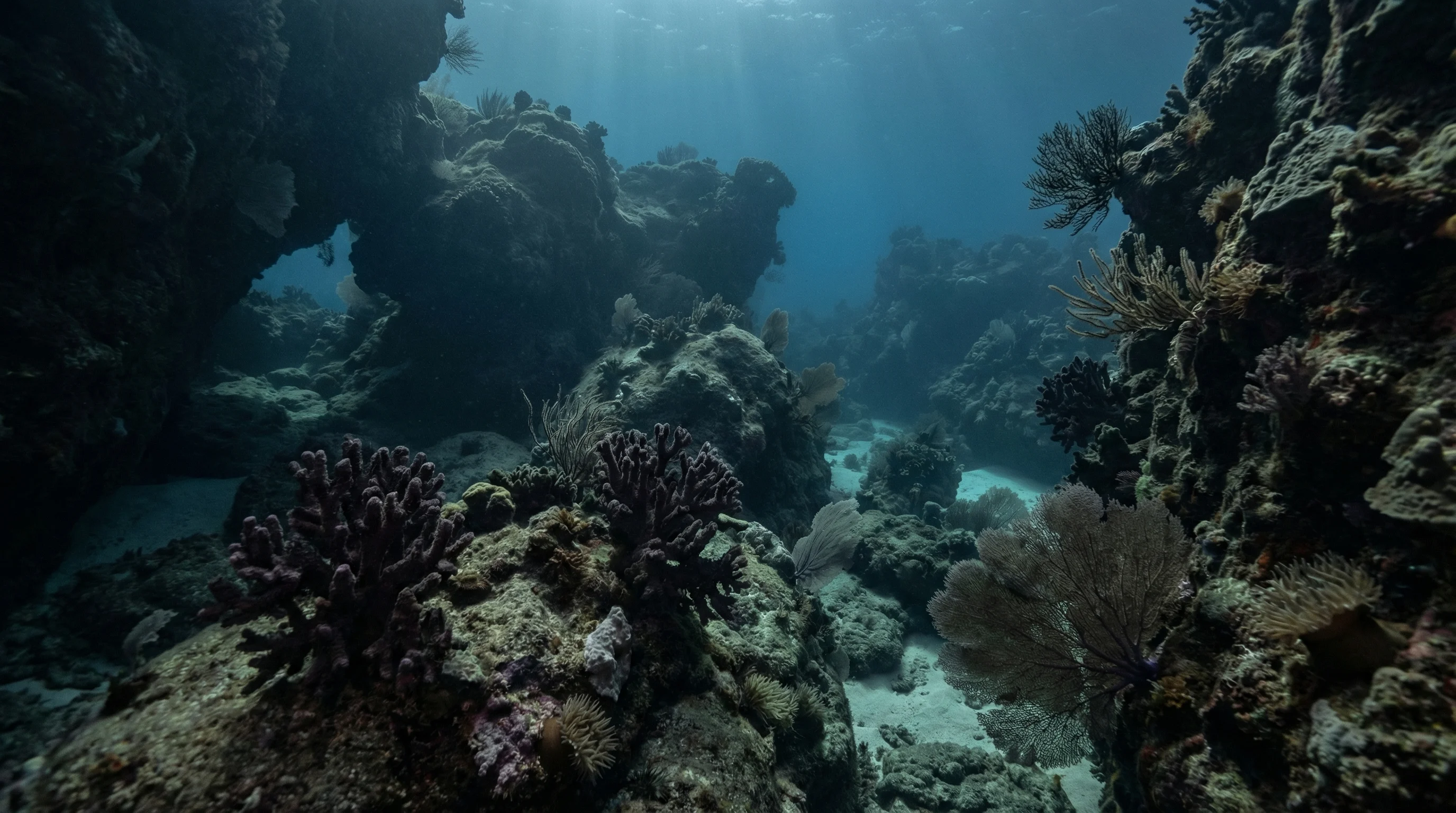
The region offers considerable variety, from drift dives along open reef systems to pinnacle dives, wall dives and cavern or cave structures. Sites such as The Arch combine cavern and drift diving, while Three Islets adds caves and pinnacles to a wall and reef profile. Northern Rocky and North Rock are typical of the wall-and-drift combination found at many exposed outer sites. This range means a liveaboard itinerary can cover truly different diving experiences within a single trip.