
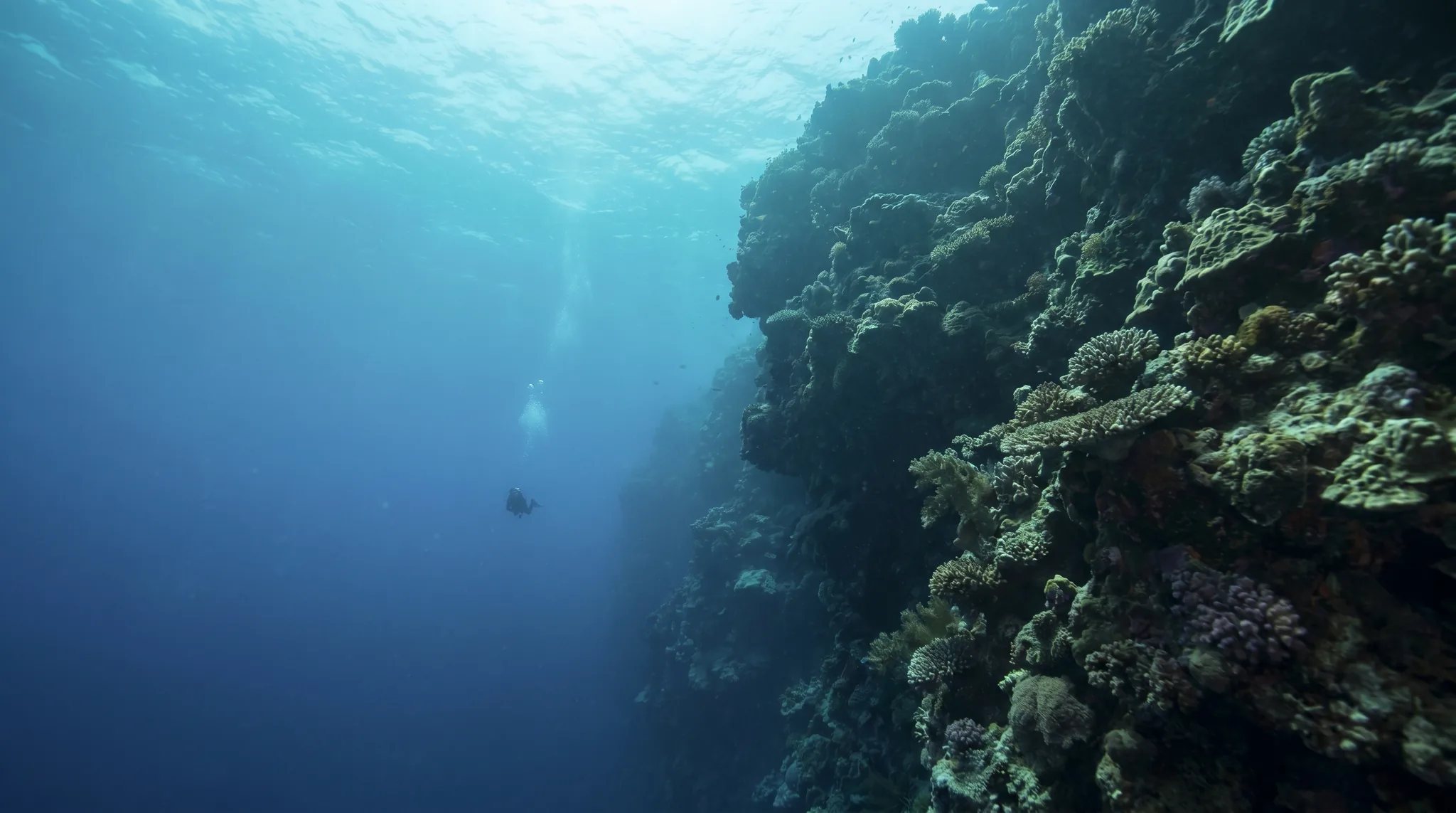
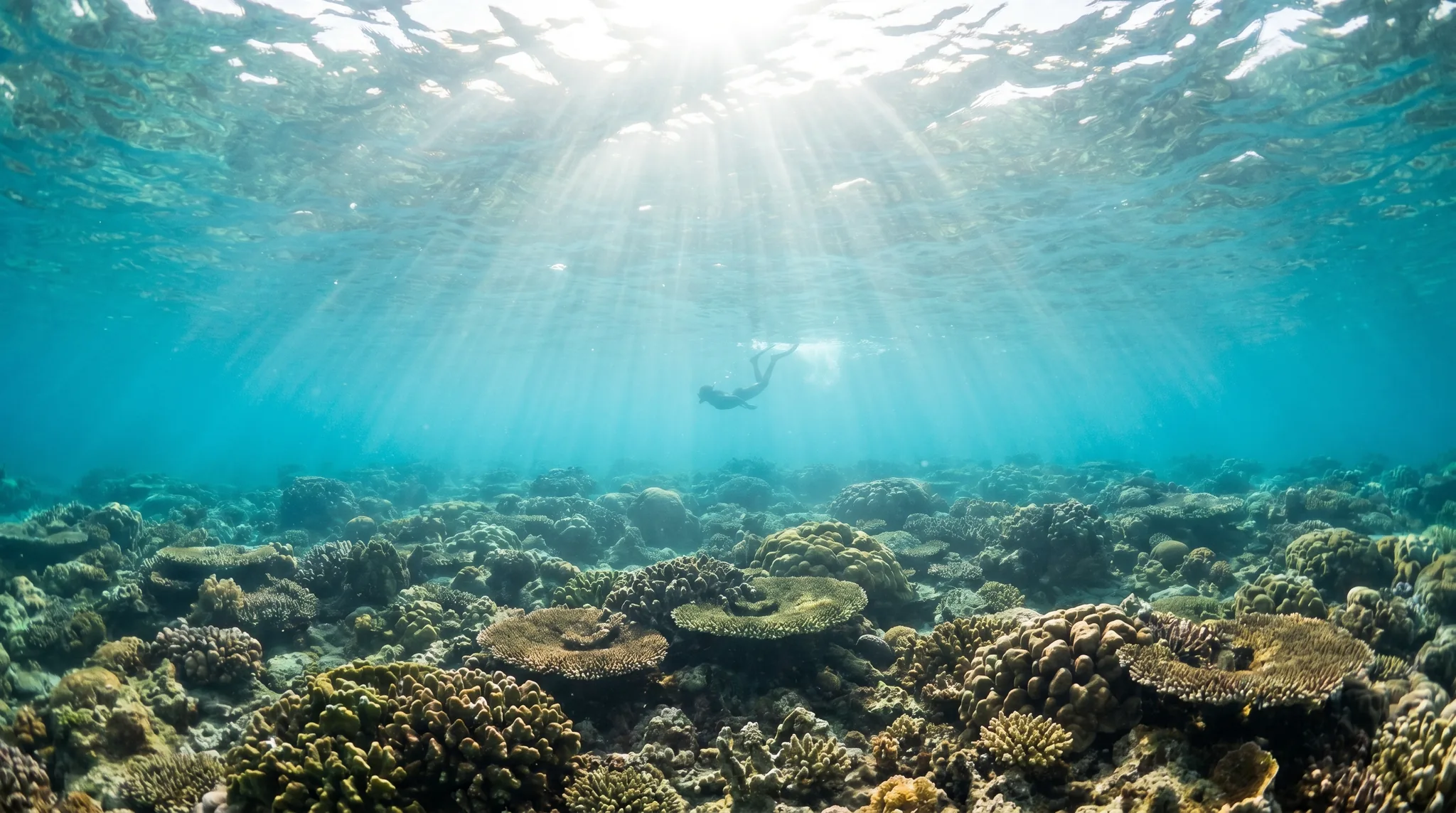
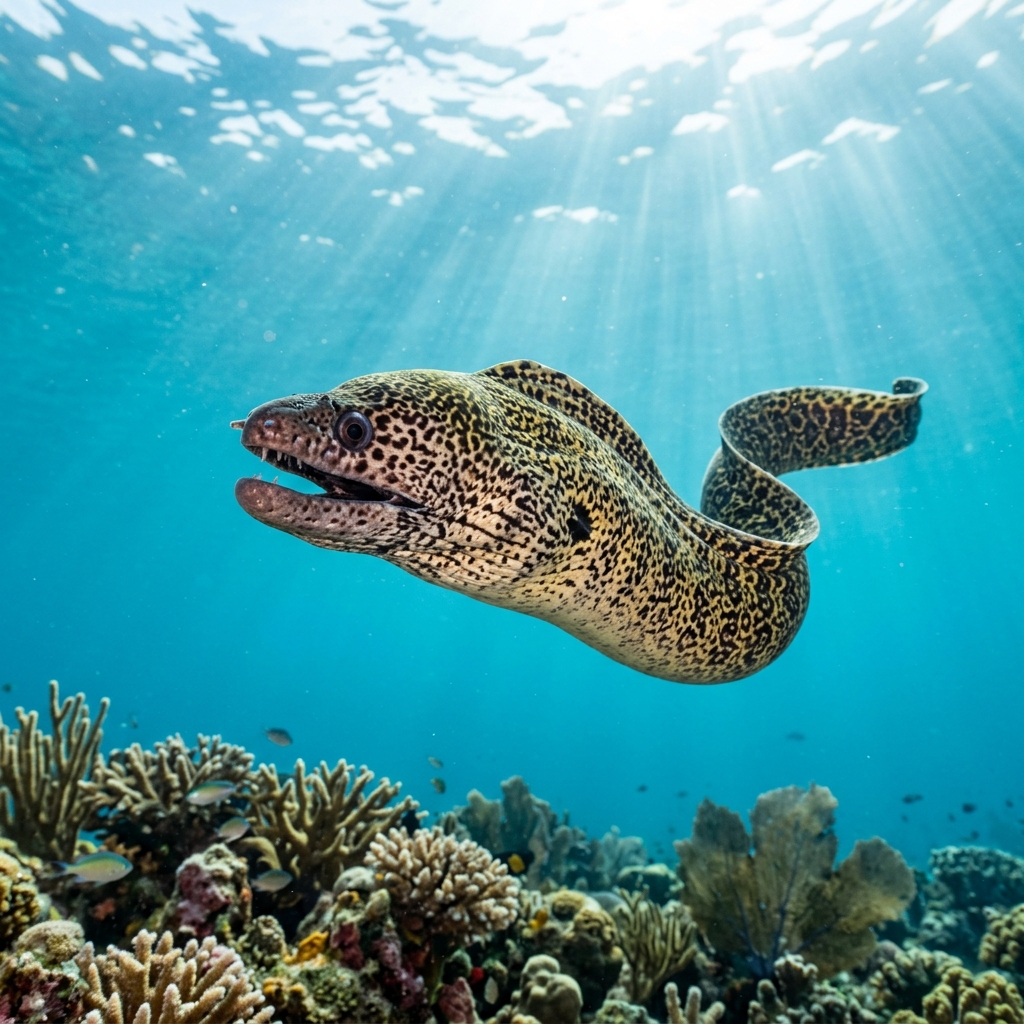
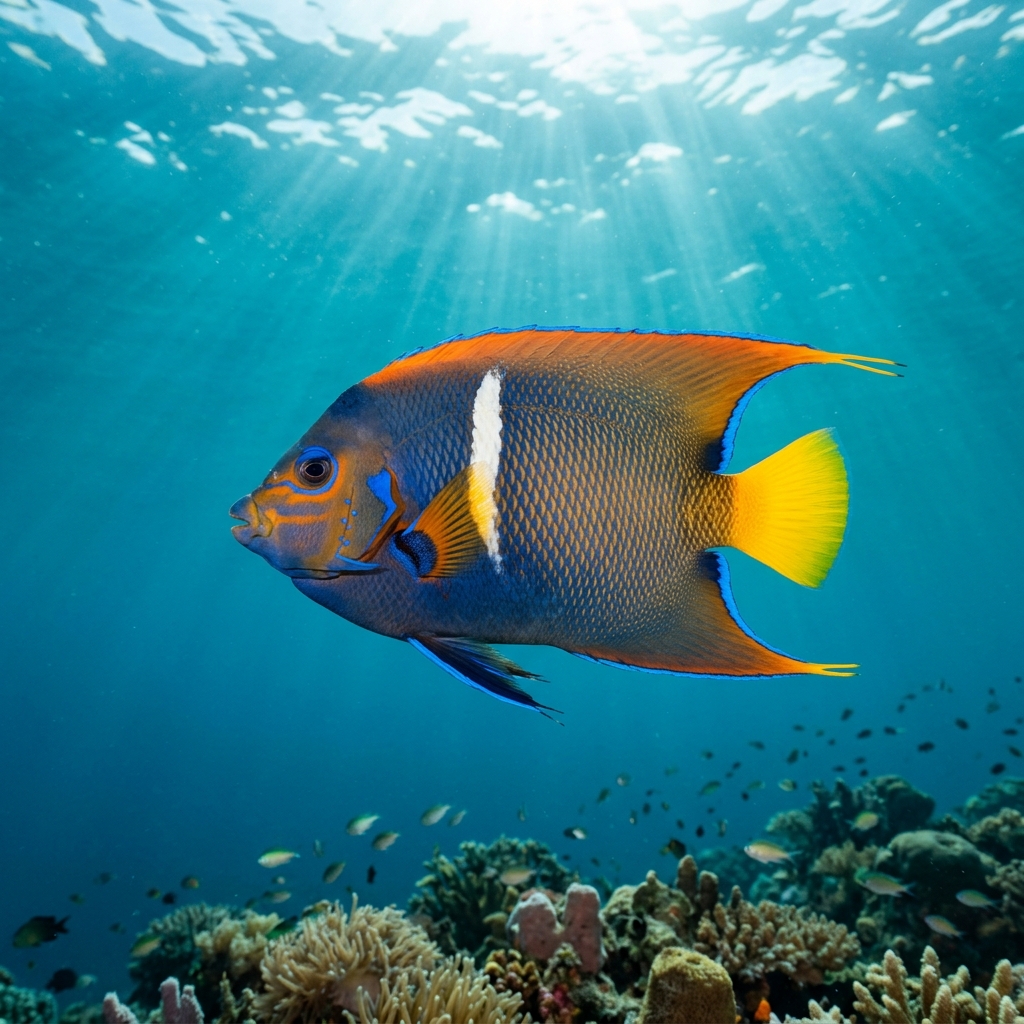
Bahia Cacaluta is defined by its variety of underwater structures: walls, pinnacles, reefs, and caverns spread across sites that suit everyone from beginners to advanced divers. All sites are reached by boat. The marine life is notably rich, with Spotted Eagle Ray, Jewel Moray, Zebra Moray, and King Angelfish among the signature encounters. Water stays warm year-round, with the peak of warmth through the mid-year months. November through March draws the strongest diver recommendations.
Monthly water temperature across Bahia Cacaluta's sites, from satellite sea-surface data corrected for depth. The band shows the site-to-site spread.
Water temperature in Bahia Cacaluta stays warm throughout the year, rising to its highest point in the mid-year months and settling into a slightly cooler but still very warm range through winter. The best-months data points strongly toward November, December, March and May, suggesting that late dry-season and shoulder periods offer the most favourable diving conditions. Some sites, notably La Blanca and Medregal Point, carry strong currents that make conditions demanding regardless of season.
5 operators
Water temperature around Bahia Cacaluta ranges from about 26°C in March to 30°C in July, based on satellite sea-temperature data for its dive sites.
In the warm season (about 30°C) a rash guard or 3mm shorty is comfortable in Bahia Cacaluta; in the coldest months (about 26°C) step up to a 3mm full suit.
Fin maps 12 sites in Bahia Cacaluta (12 scuba diving sites and 1 snorkelling spots, with some suited to both).
Across Bahia Cacaluta's dive sites, March, May, November and December are most often reported as the best months to visit.
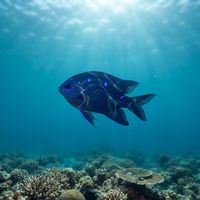
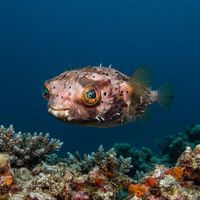
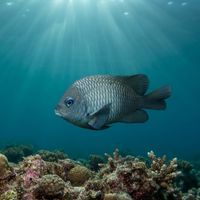
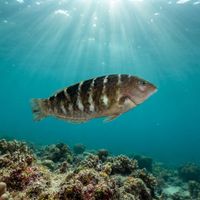
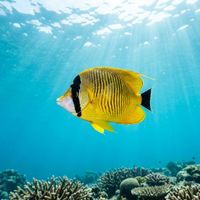
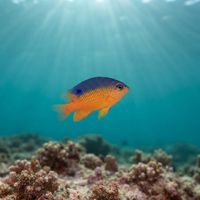
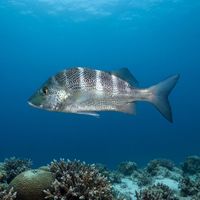
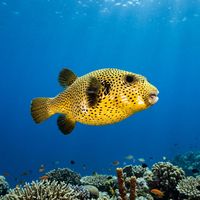
Bahia Cacaluta has an exceptionally consistent roster of reef fish observed across almost every site. Giant Damselfish, Long-spine Porcupinefish, King Angelfish, Barberfish, and Guineafowl Puffer are all very commonly recorded. On the more exciting end, Spotted Eagle Ray, Eagle Ray, Jewel Moray, Zebra Moray, and Seahorse are all listed as signature species.
Most sites in Bahia Cacaluta are rated for beginners, including Vuelta de gato, Punta Tejon, Labirynth, El Violin, and Morros Maguey. Intermediate divers have dedicated options at La Montosa Island and La revancha. La Blanca and Medregal Point are reserved for advanced divers due to strong currents and greater depth.
Every dive site in Bahia Cacaluta requires boat access. There are no shore-entry dive sites listed in the bay. Several operators serve the area, including Hurricane Divers, Rocio del Mar, Quino del Mar, Nautilus Explorer, Nautilus Belle Amie, and My Huatulco Vacation.
The bay offers a wide range of topography. Wall dives appear at multiple sites, including Punta Tejon and La Blanca. Pinnacle and reef combinations are found at Morros Maguey and Morro Tejon. La Montosa Island adds a cavern system, while El Violin includes cave and pinnacle features alongside its reef and wall sections. Labirynth adds canyons to the mix.