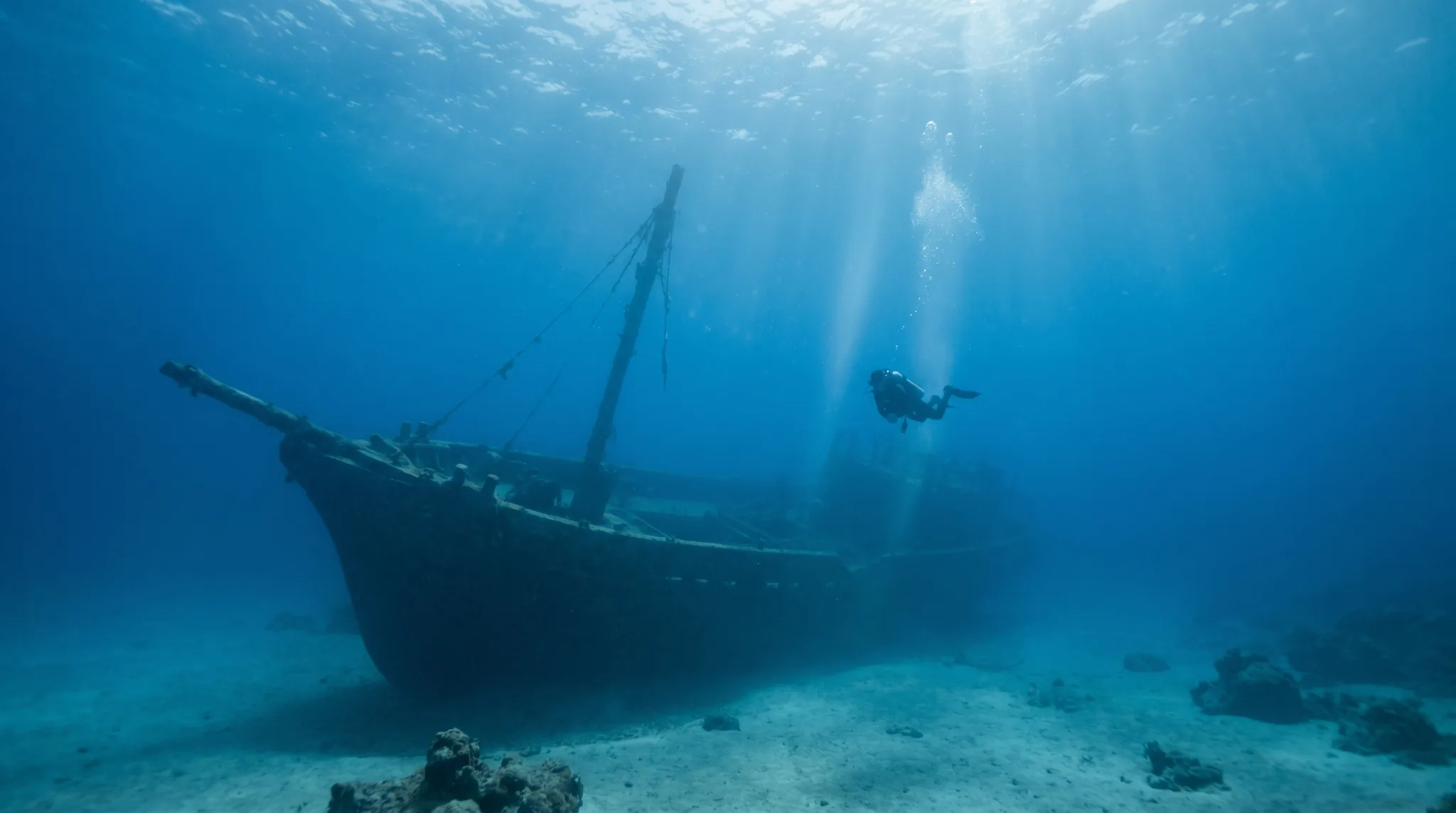
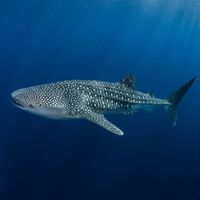
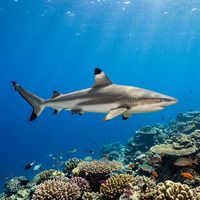
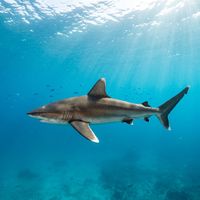
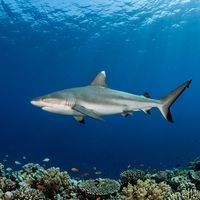
Southern Faadhippolhu is defined by thilas and drift reefs spread across Lhaviyani Atoll, with boat access to every site. The reef pinnacles range from shallow crowns suitable for beginners through to current-swept walls demanding advanced skills. Reef Manta Ray and Whale Shark are observed across nearly every site, alongside multiple shark species including Blacktip Reef Shark, Silvertip Shark and Grey Reef Shark. Thilamaafushi House Reef stands apart as the only shore-accessible site, combining reef, wreck and muck diving in one.
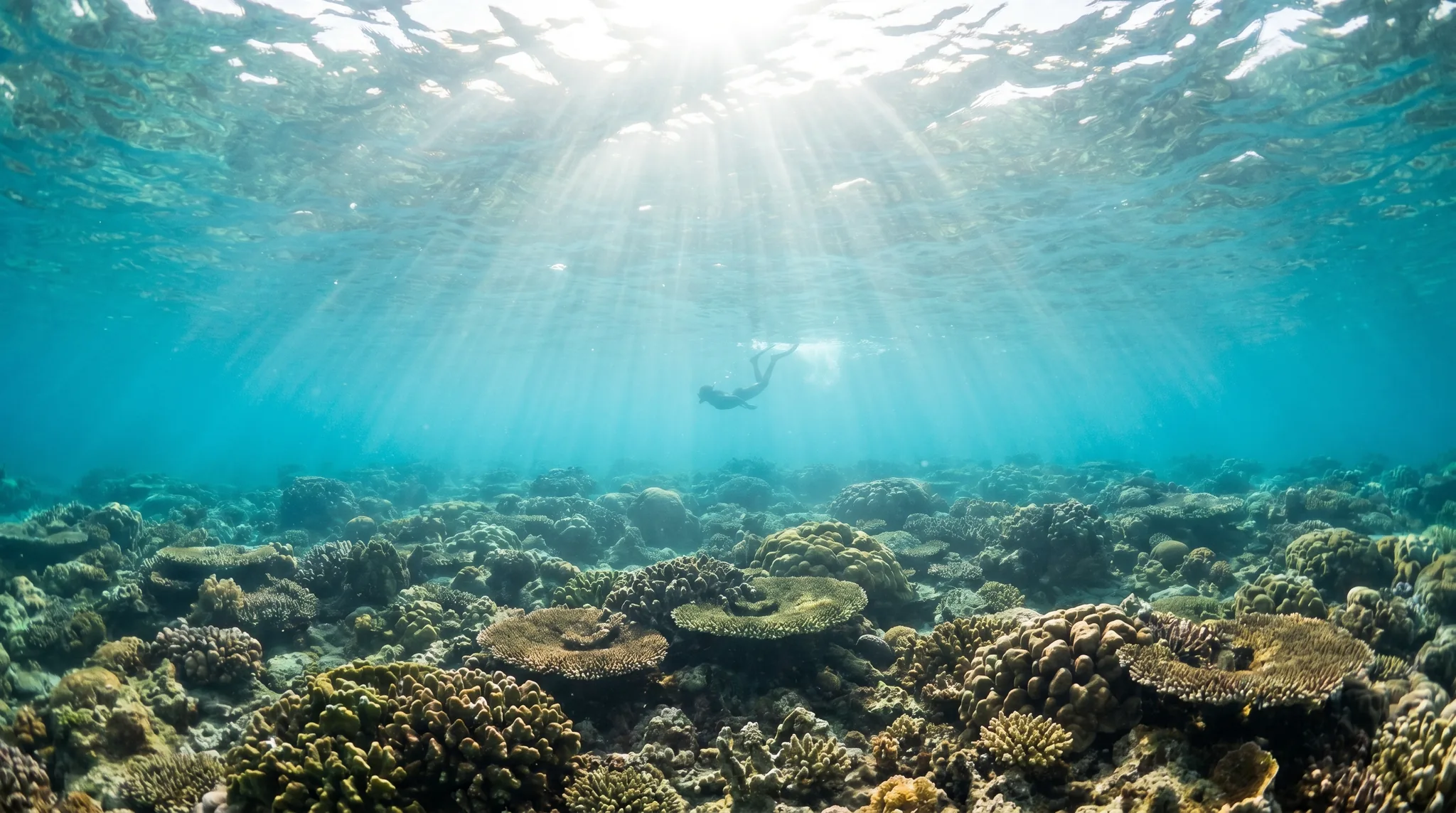
Monthly water temperature across Southern Faadhippolhu's sites, from satellite sea-surface data corrected for depth. The band shows the site-to-site spread.
Water temperature stays consistently warm throughout the year, nudging slightly higher through April and May before settling back through the remaining months. The first months of the year and April draw the strongest diver interest, likely coinciding with calmer seas and better visibility. From mid-year into October, conditions are quieter, suiting those who prefer fewer crowds despite the change in season.
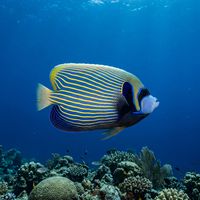
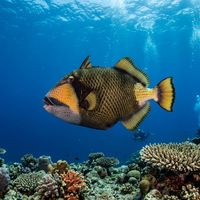
2 operators
Maldives
Maldives
14 more sites to explore
Water temperature around Southern Faadhippolhu ranges from about 28°C in January to 30°C in April, based on satellite sea-temperature data for its dive sites.
With water around 28–30°C, a rash guard or 3mm shorty works in Southern Faadhippolhu year-round.
Fin maps 26 sites in Southern Faadhippolhu (26 scuba diving sites and 7 snorkelling spots, with some suited to both).
Across Southern Faadhippolhu's dive sites, January, February, March and April are most often reported as the best months to visit.
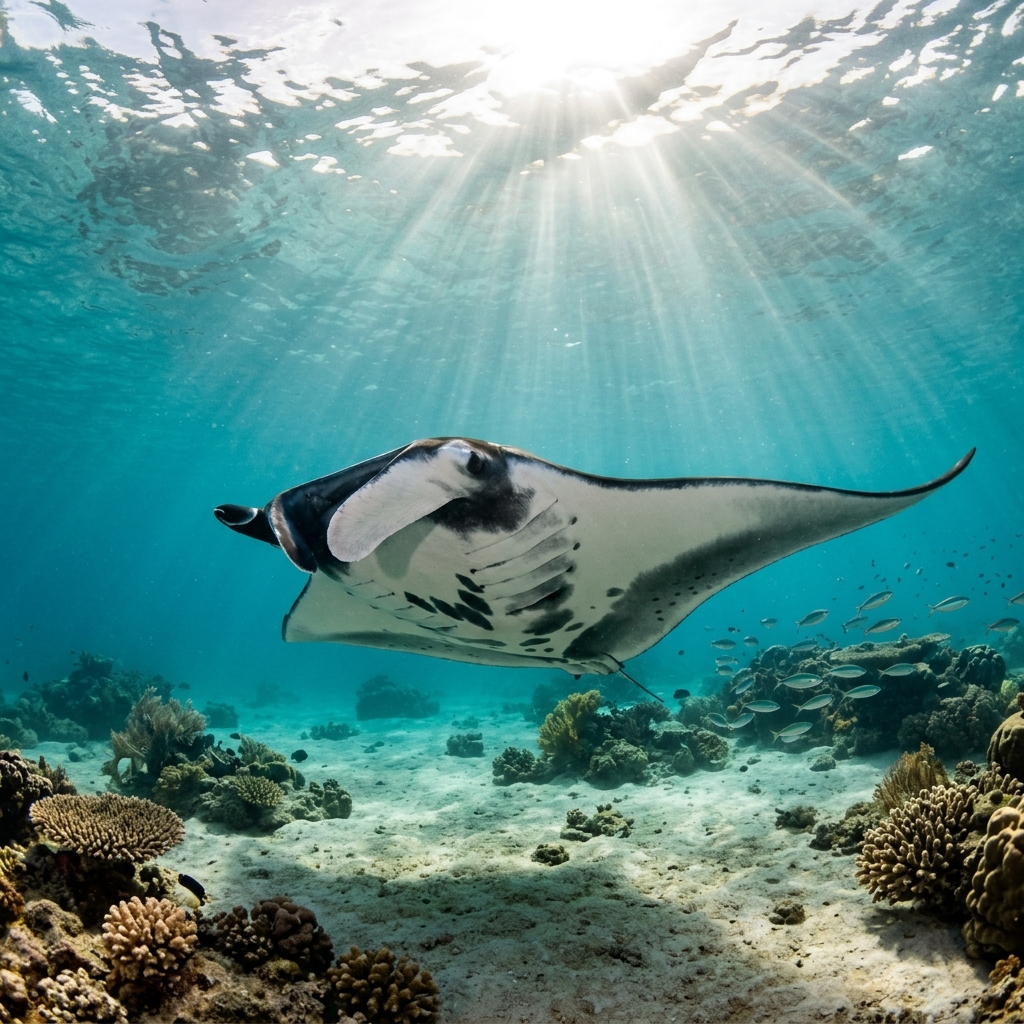
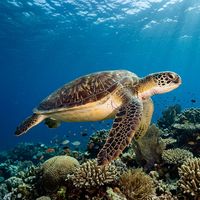
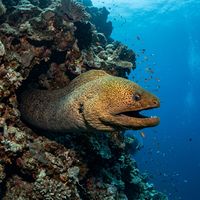
Reef Manta Ray and Whale Shark are observed across the sites here and are considered signature species for the area. Green Sea Turtle is also very commonly recorded, alongside Blacktip Reef Shark, Silvertip Shark and Grey Reef Shark. Giant Moray appears regularly on the reef structures as well.
A good portion of the sites are rated for beginners, including reef pinnacles such as Gaa Vehtunu Thila, Egaara Thila and Ahga Giri, all of which feature mild currents and sheltered conditions. Intermediate and advanced sites are also available, so the area works well for mixed-ability groups. All sites require boat access except Thilamaafushi House Reef, which can be entered from shore.
Almost all sites in Southern Faadhippolhu are reached by boat, with Thilamaafushi House Reef being the sole exception for shore diving. Two operators serve the area: Maldives Boat Club and Blue Force Diving. Boat diving is the norm throughout Lhaviyani Atoll, so plan accordingly when booking.
The area is dominated by thilas, which are submerged pinnacles and reef structures rising through the water column, alongside drift reef sites where currents carry divers along the reef face. Sites such as Maduvvari Dhekunu Kann feature a vertical wall with strong currents suited to advanced divers, while calmer thilas like Thin Sehli Thila offer coral blocks and rock formations for less experienced visitors. Thilamaafushi House Reef adds a different dimension with reef, wreck and muck diving combined.