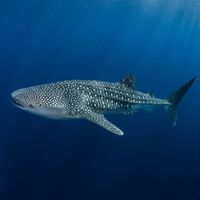
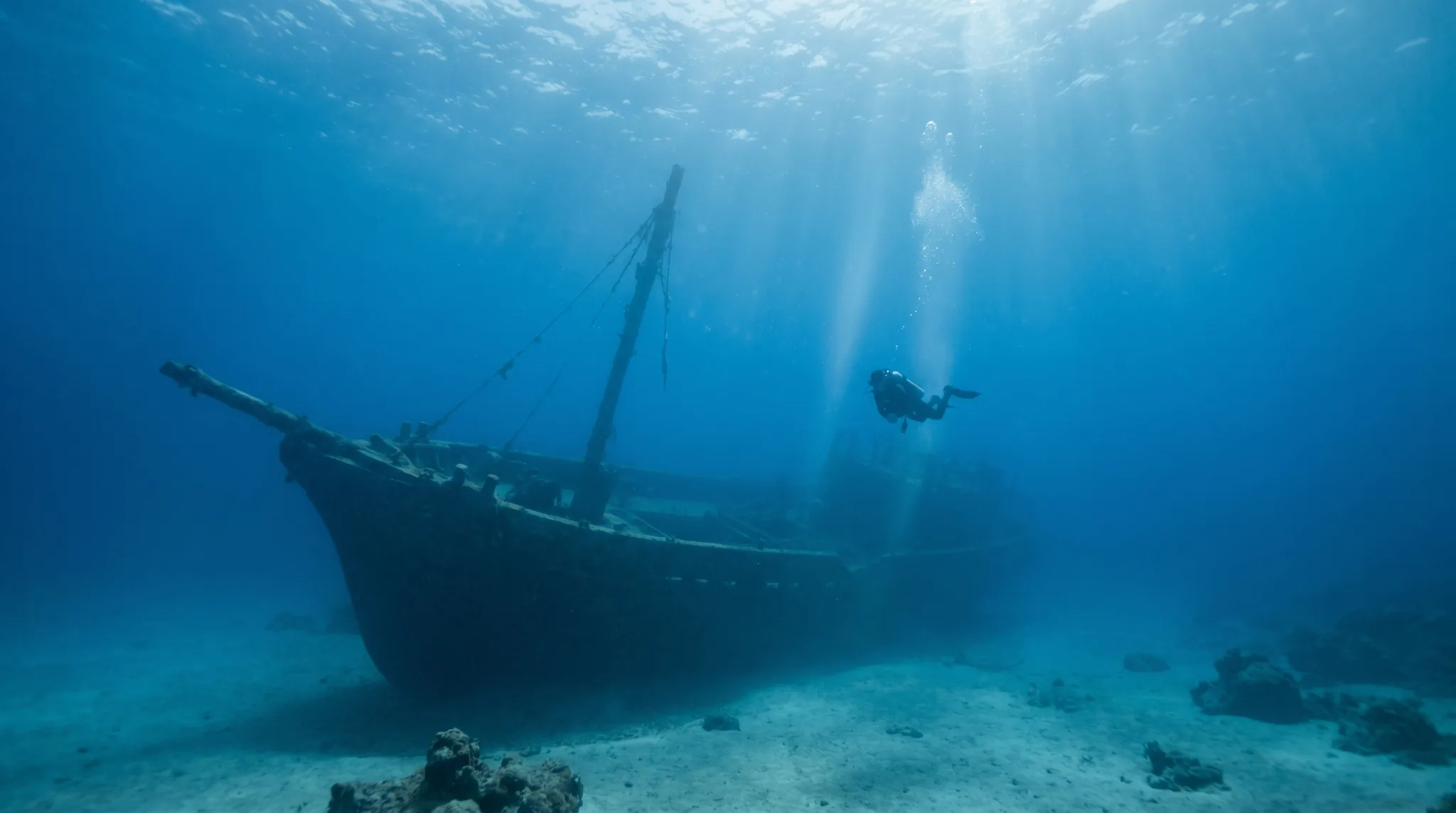
Lhaviyani Atoll divides across five distinct sub-areas, from the broad sweep of Southern Faadhippolhu to the concentrated sites around Anemone Thila. Thilas (submerged pinnacles) and outer reef drift dives define the character here, with currents that draw an exceptional shark count: Grey Reef Shark, Blacktip Reef Shark, Silvertip Shark, and Tiger Shark are all regularly observed. Whale Shark sightings are common across a wide spread of sites. Most access is by boat, and the majority of sites suit beginner to intermediate divers.
5 areas

Monthly water temperature across Lhaviyani Atoll's sites, from satellite sea-surface data corrected for depth. The band shows the site-to-site spread.
Water stays warm throughout the year, nudging its peak in April and May before settling back slightly for the remainder. The best-months data points strongly toward the northeast monsoon season, with December through April drawing the highest diver activity and typically clearer conditions. From May onward the southwest monsoon brings choppier surface conditions, though the atoll's varied site orientations mean sheltered options remain available.
26 operators
Maldives
55 more sites to explore
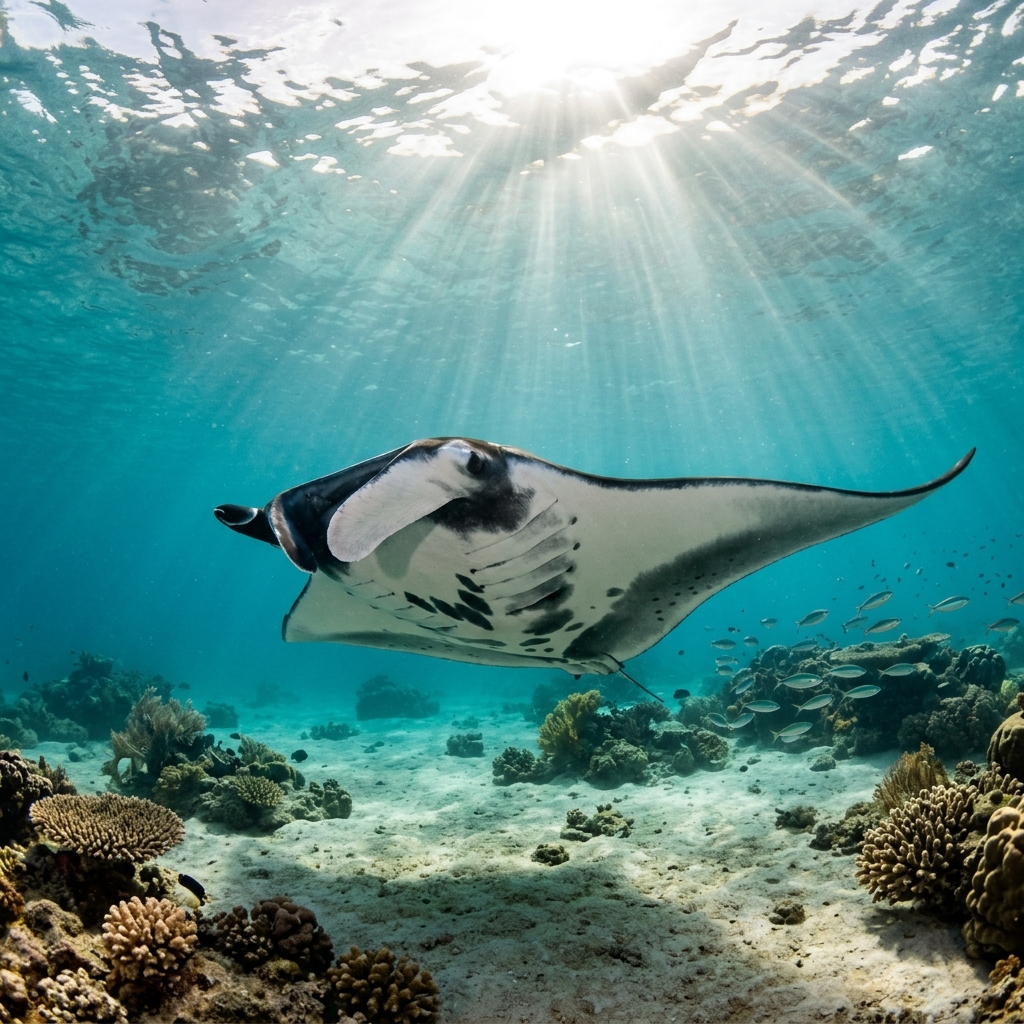
Thilas and drift reefs in Lhaviyani Atoll where Reef Manta Ray and Whale Shark are observed at nearly every site.
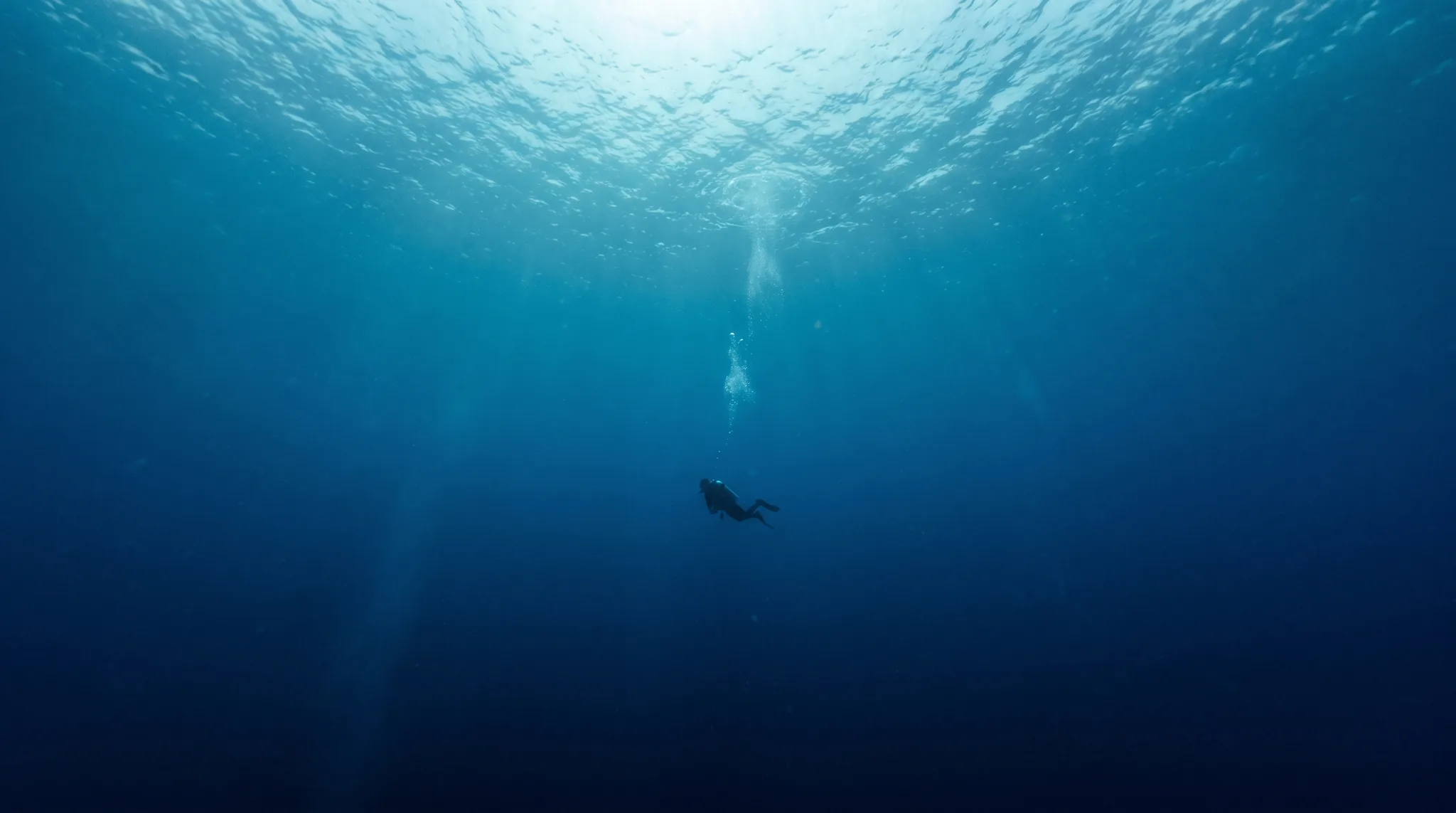
Water temperature around Lhaviyani Atoll ranges from about 28°C in January to 30°C in April, based on satellite sea-temperature data for its dive sites.
With water around 28–30°C, a rash guard or 3mm shorty works in Lhaviyani Atoll year-round.
Fin maps 67 sites in Lhaviyani Atoll (66 scuba diving sites and 13 snorkelling spots, with some suited to both), organised into 5 areas.
Across Lhaviyani Atoll's dive sites, January, February, March, April and December are most often reported as the best months to visit.
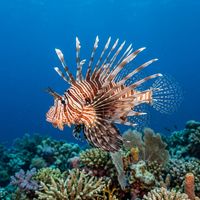
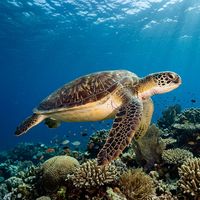
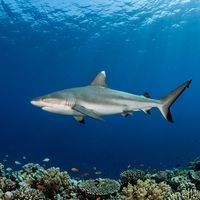
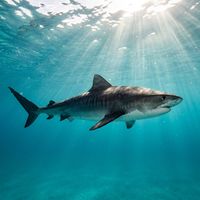
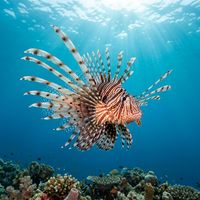
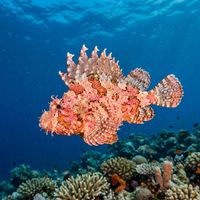
The atoll has a strong record for shark diversity, with Grey Reef Shark, Blacktip Reef Shark, Silvertip Shark, and Tiger Shark all regularly observed. Whale Shark sightings are common across a broad range of sites. Green Sea Turtle and Giant Moray are frequently seen on the reef structures, and the atoll's lionfish, including Indian Lionfish and Spotfin Lionfish, are among the most consistently recorded species.
The majority of listed sites carry a beginner skill rating, including a good number of the popular thilas and reef sites. Drift dives such as Alighaa Beyru Faru are also rated at beginner level when currents are moderate. A smaller number of sites, such as Maduvvari Dhekunu Kann, are graded advanced due to stronger currents, so divers should check conditions site by site.
Southern Faadhippolhu holds the largest concentration of sites in the atoll and offers broad variety in site type. Kuredu and Fushivaru and Kuda Haa cluster around resort areas, providing convenient boat access to nearby reefs. The Shipyard and Felivaru area adds wreck and muck diving to the mix, while Anemone Thila is a compact sub-area built around a specific thila formation.
Shore entry is available at Thilamaafushi House Reef, which combines reef, wreck, and muck diving in a single site. The vast majority of sites across the atoll are accessed by boat, so most diving here is built around day-trip or liveaboard-style boat operations rather than walk-in shore dives.