Best for beginner divers, 5-26m, boat entry, moderate current.
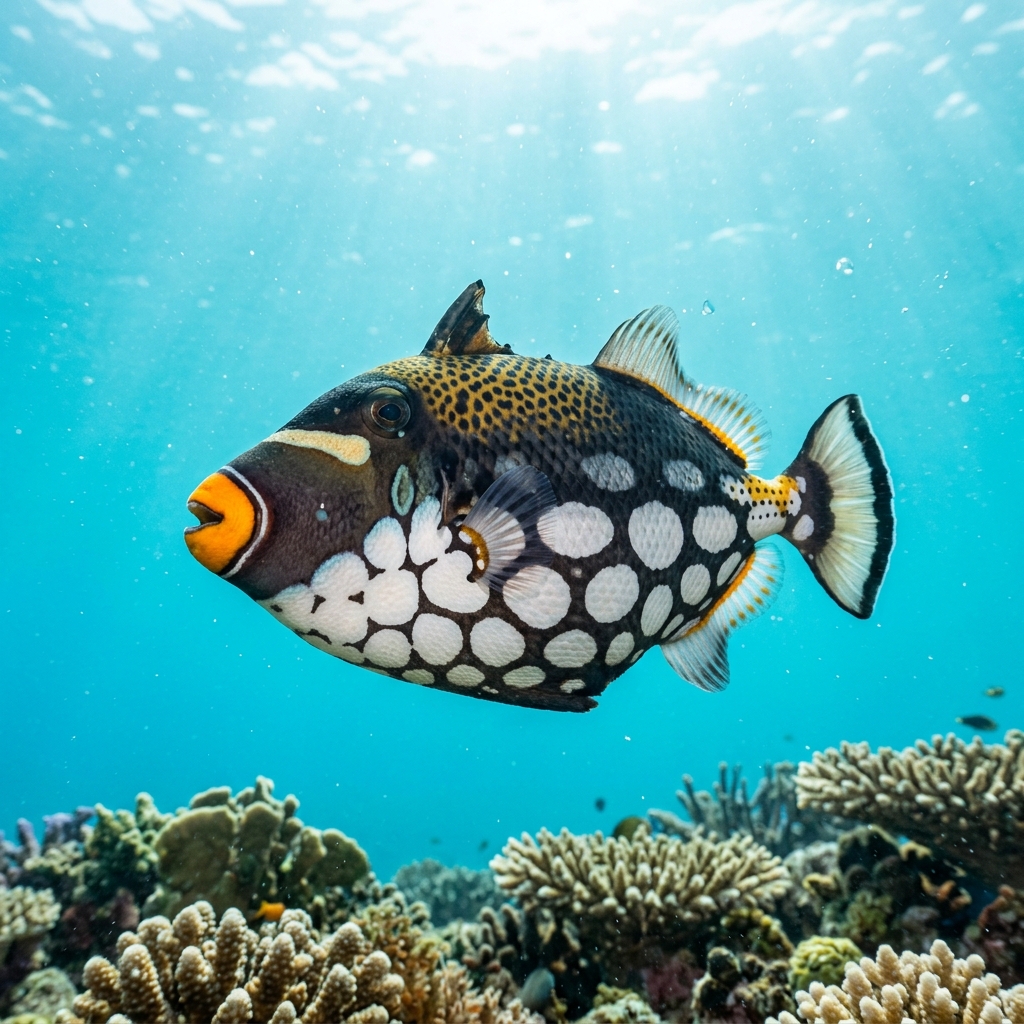
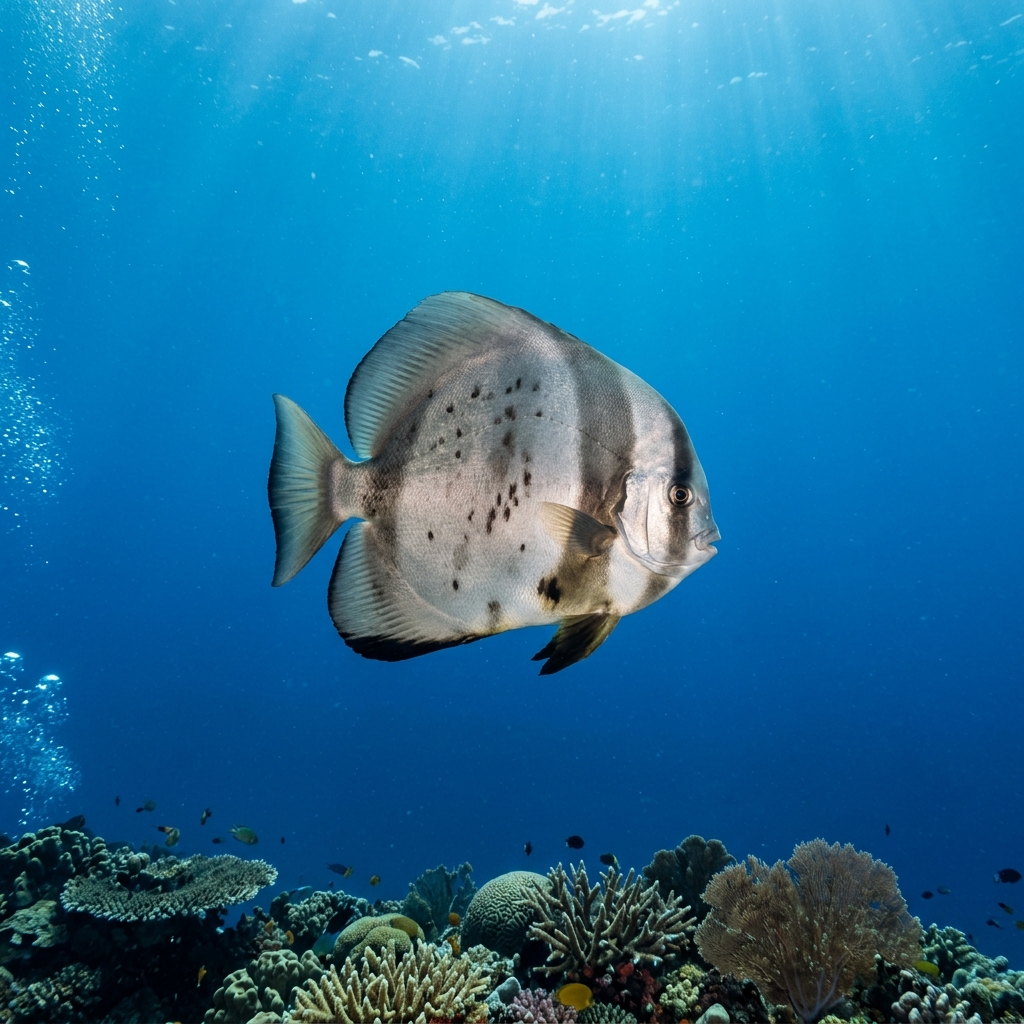
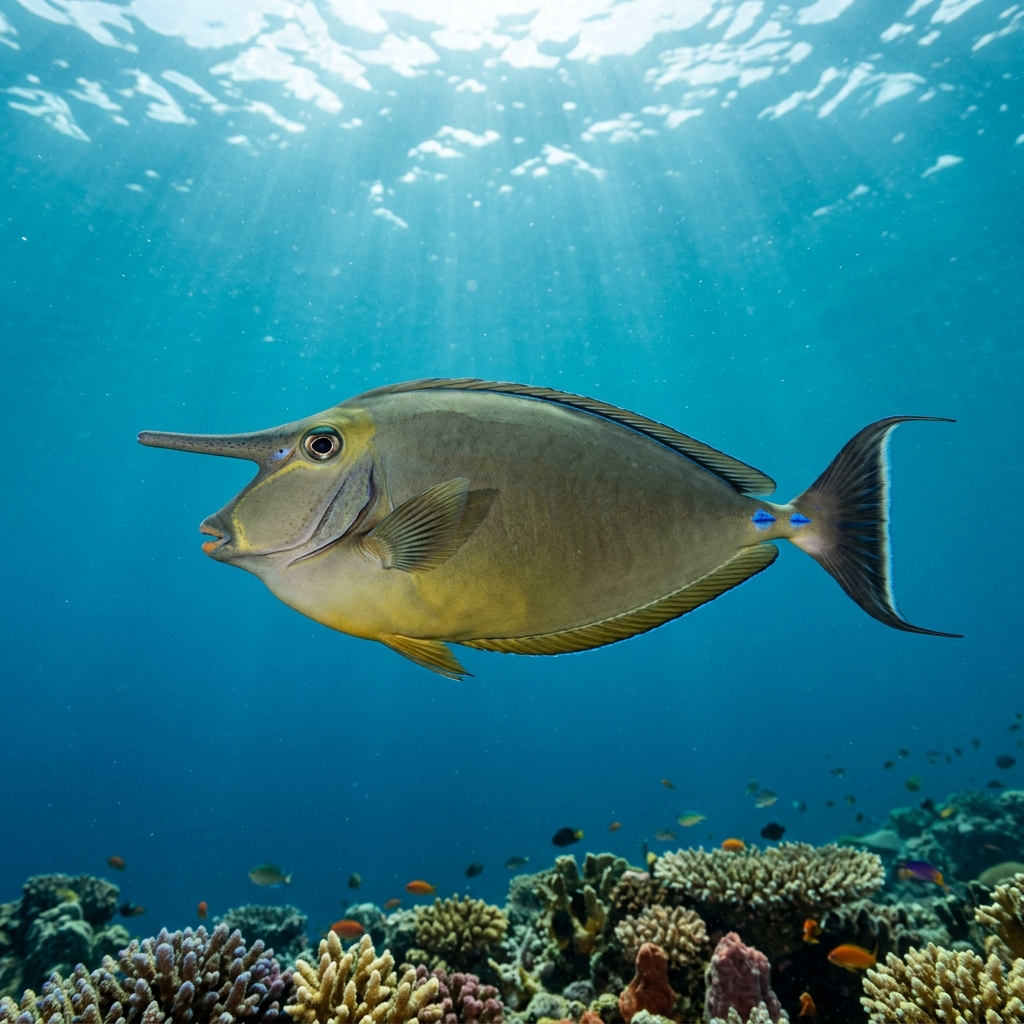
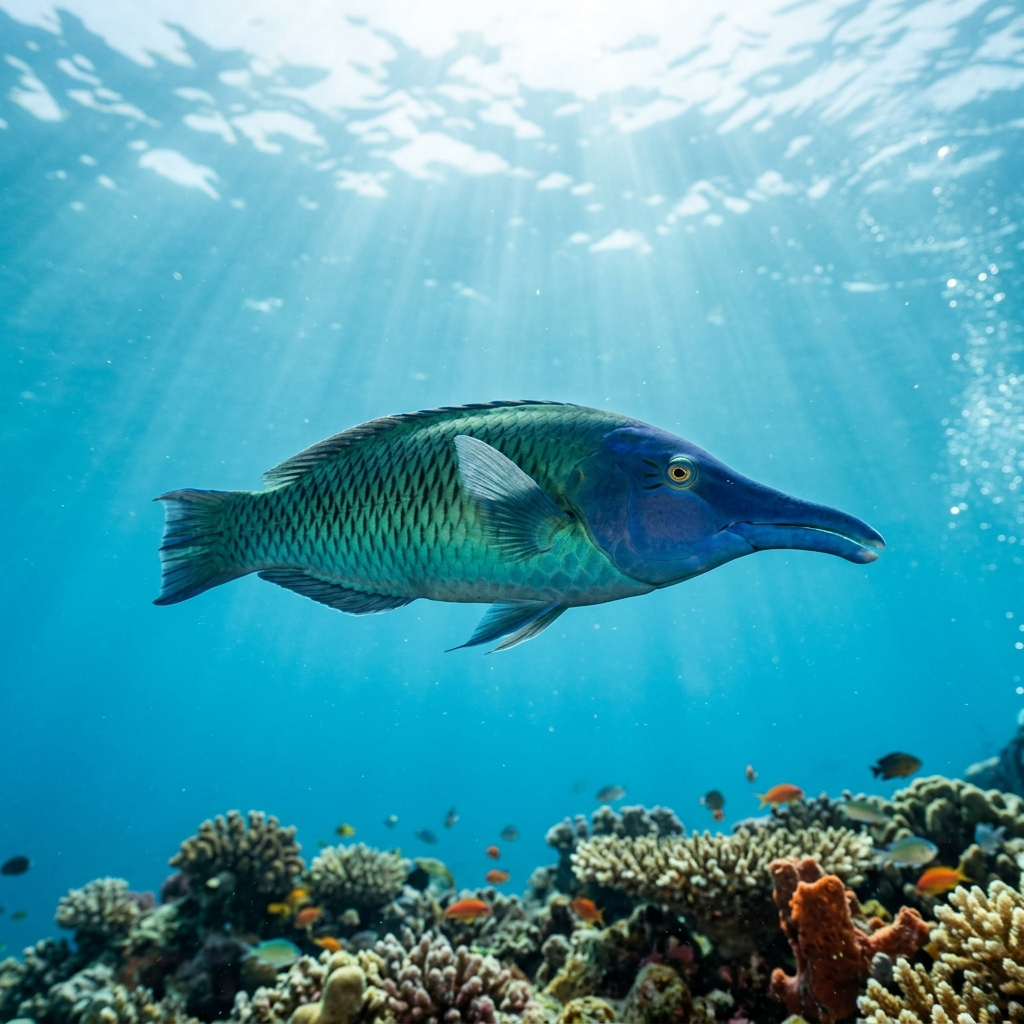
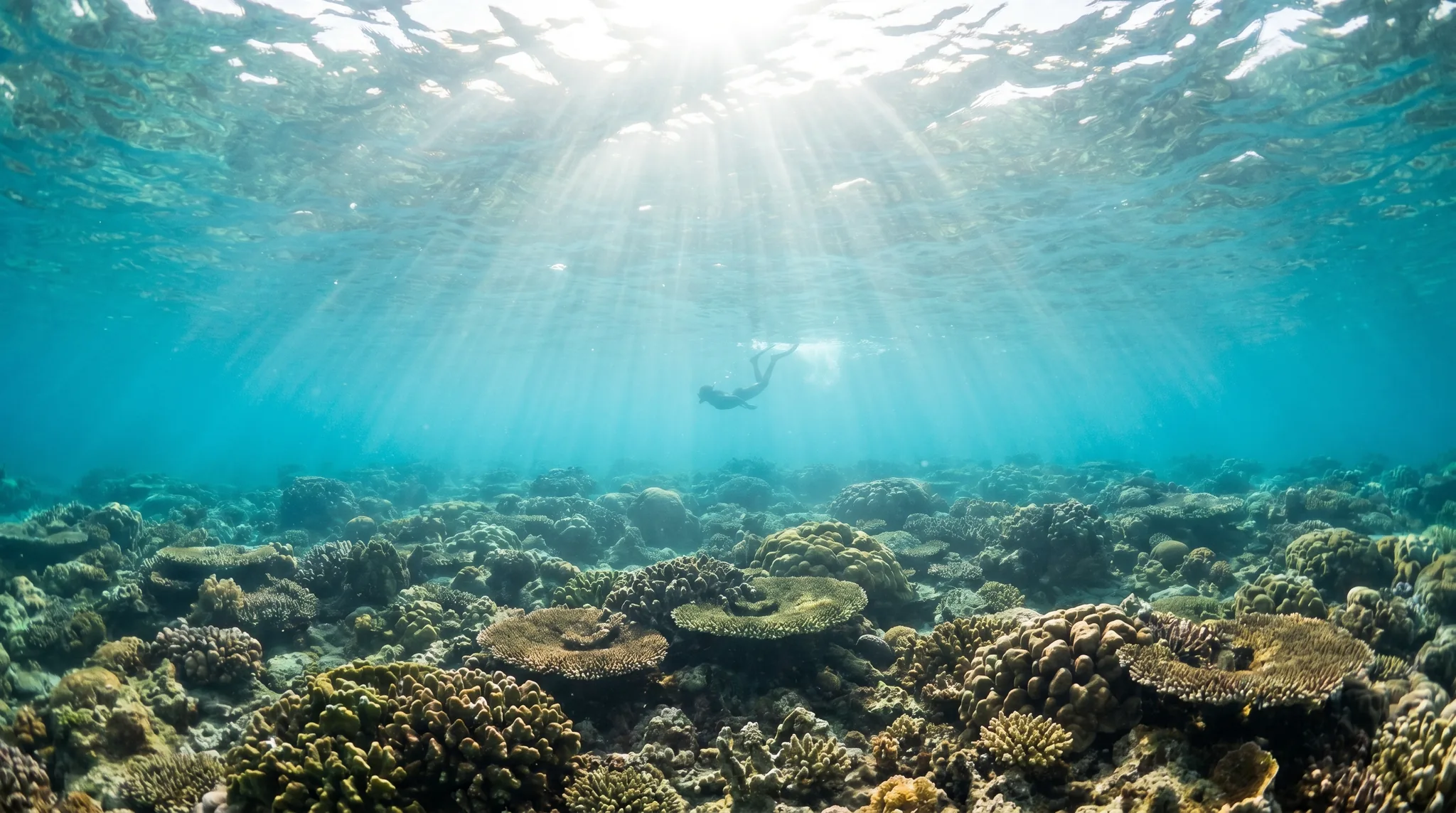
Gaa Vehtunu Thila is a reef pinnacle in the Baa Atoll that rises through the water column. Divers can explore the structure from the shallows at 5 metres down to 26 metres, with an average depth of 18 metres. Access is by boat only. The site features moderate currents that can strengthen in deeper water, particularly below 15 metres. Beginners should remain in the shallower sections of the reef if the flow increases. The site supports a variety of reef fish and invertebrates typical of the region. For the best experience, visit early in the day when conditions are generally calmer and visibility is more reliable.
5.27480, 73.56380
Stick to the upper reef around 5 to 10 metres if the current picks up, as the deeper sections of the pinnacle can push harder water. Go early in the day when conditions tend to be calmer and visibility more reliable.
Access info coming soon
Recorded at this site
Depth
5-26m
Skill Level
Beginner
Entry
Boat
Boat required
Water Temp
28-30°C
Current
Moderate
Best Time
Jan, Feb, Mar, Apr
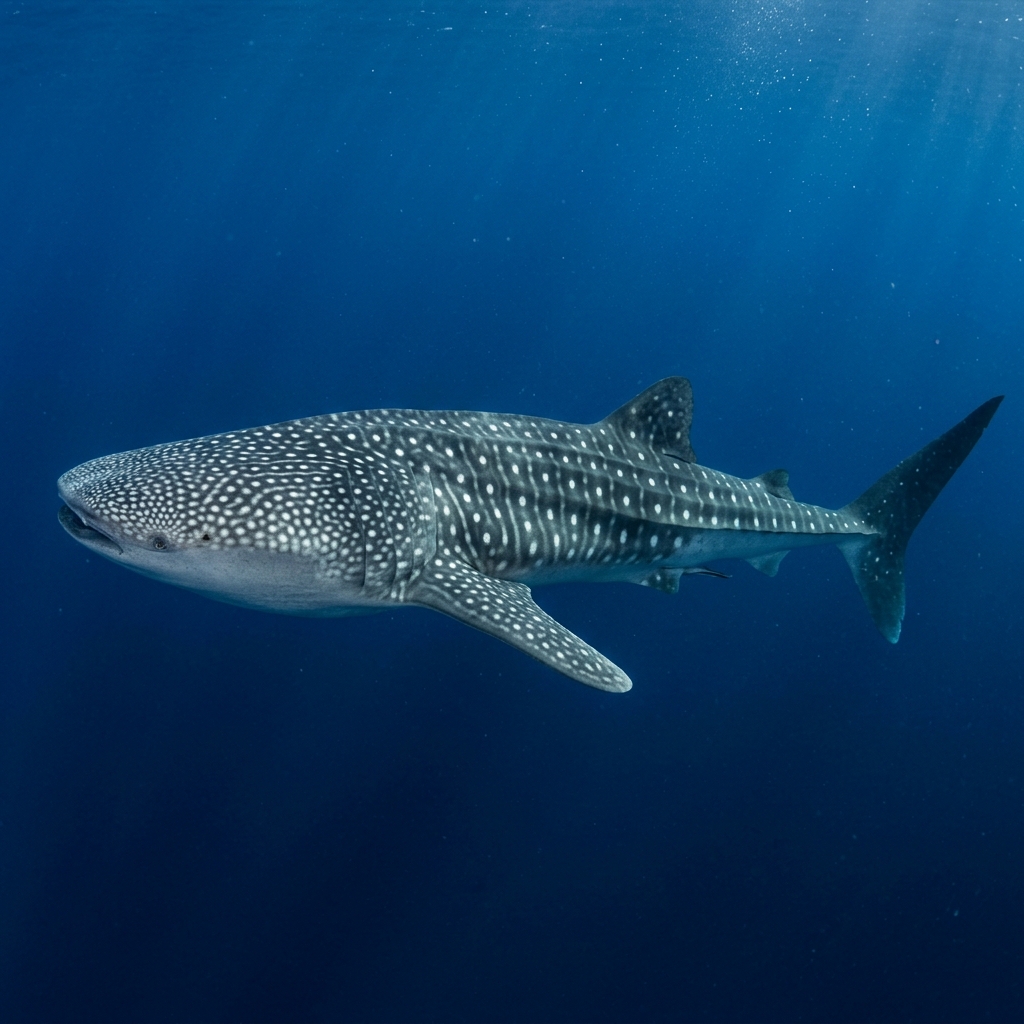
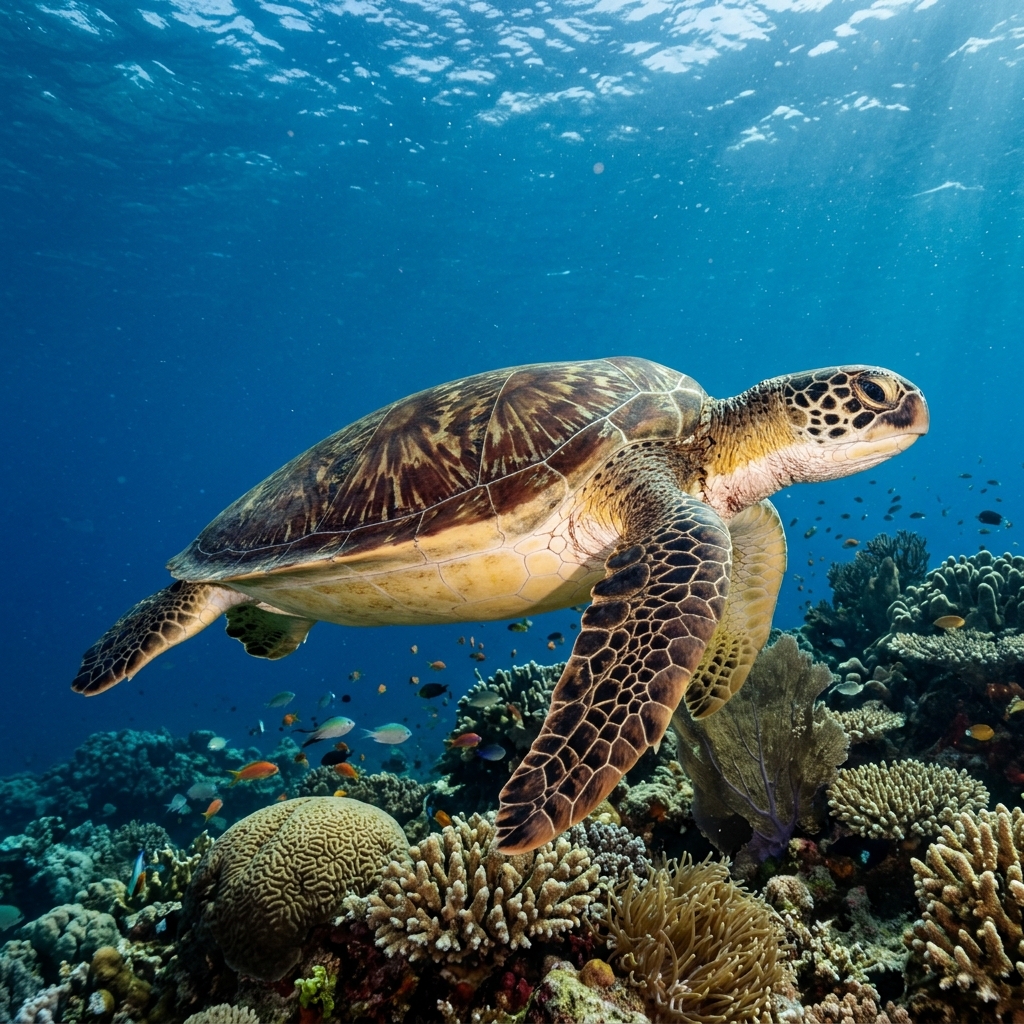
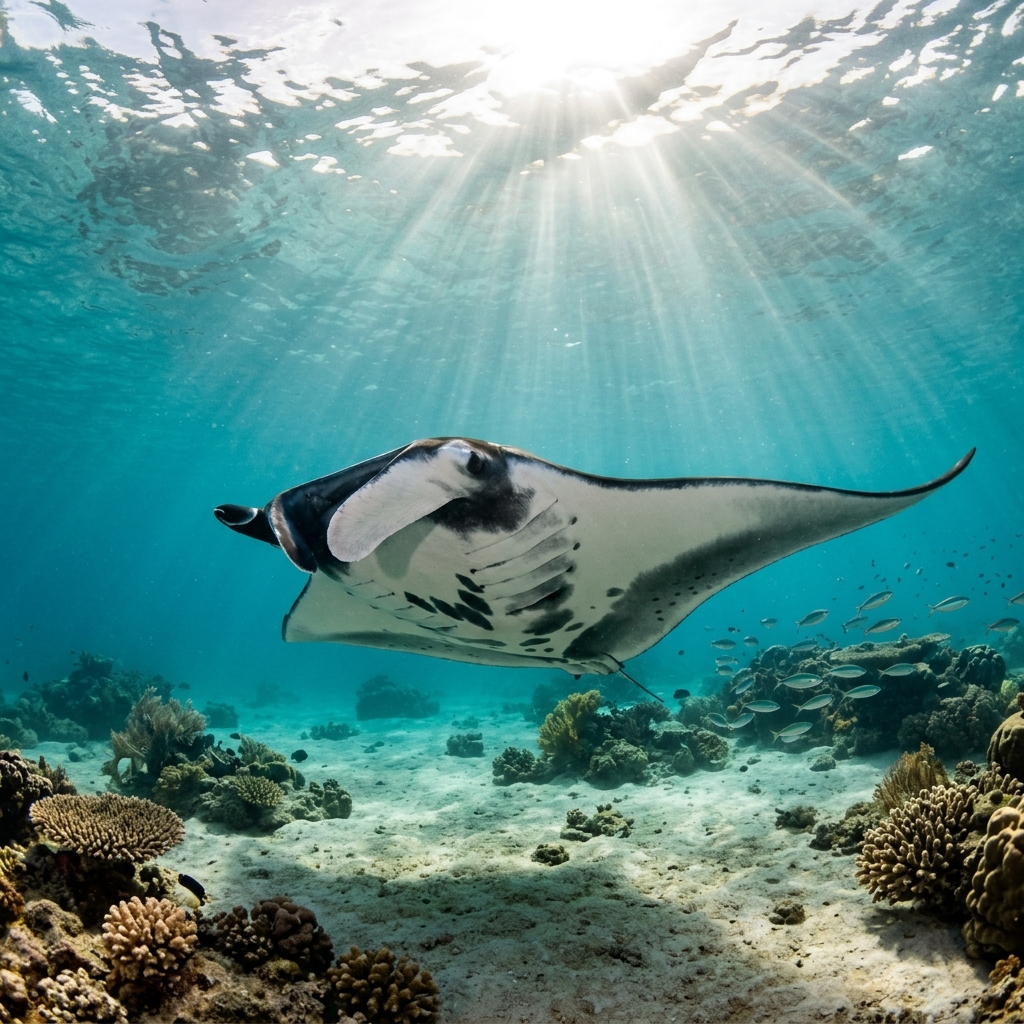
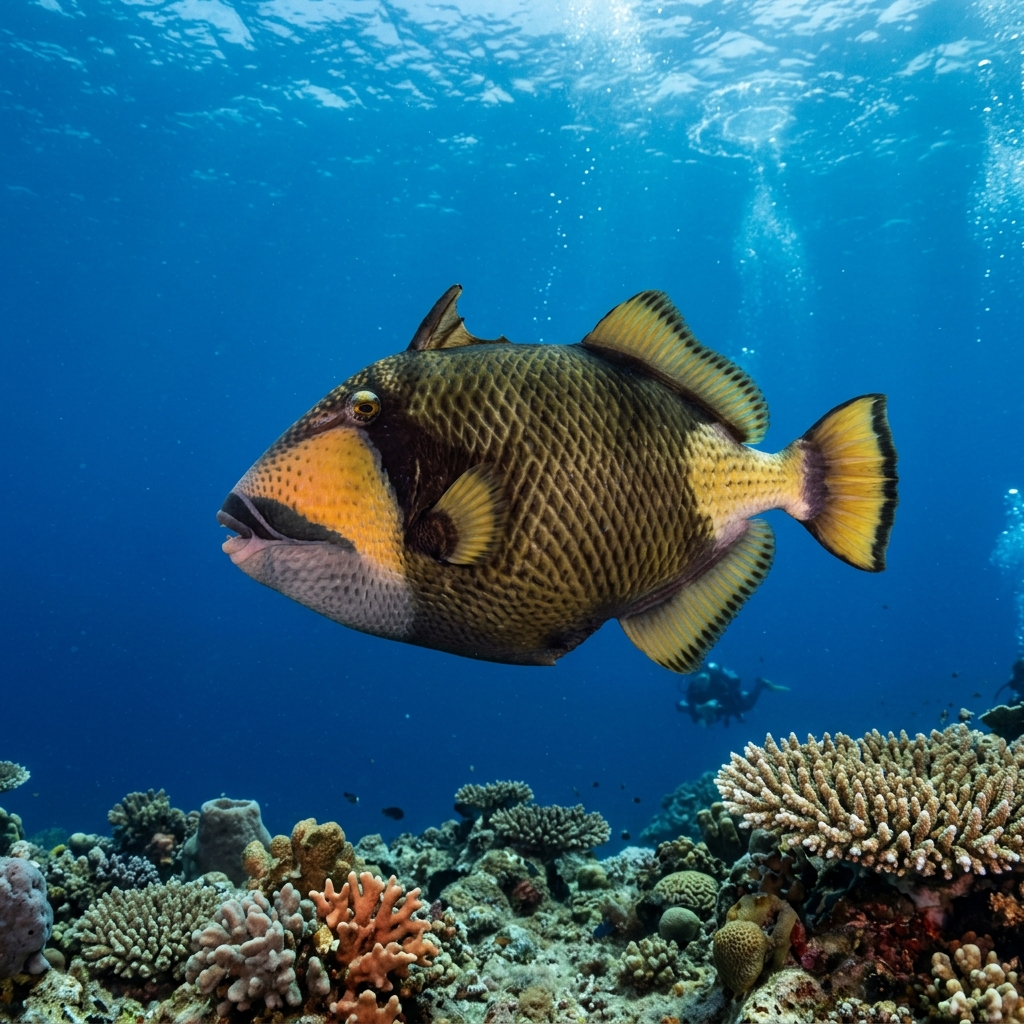
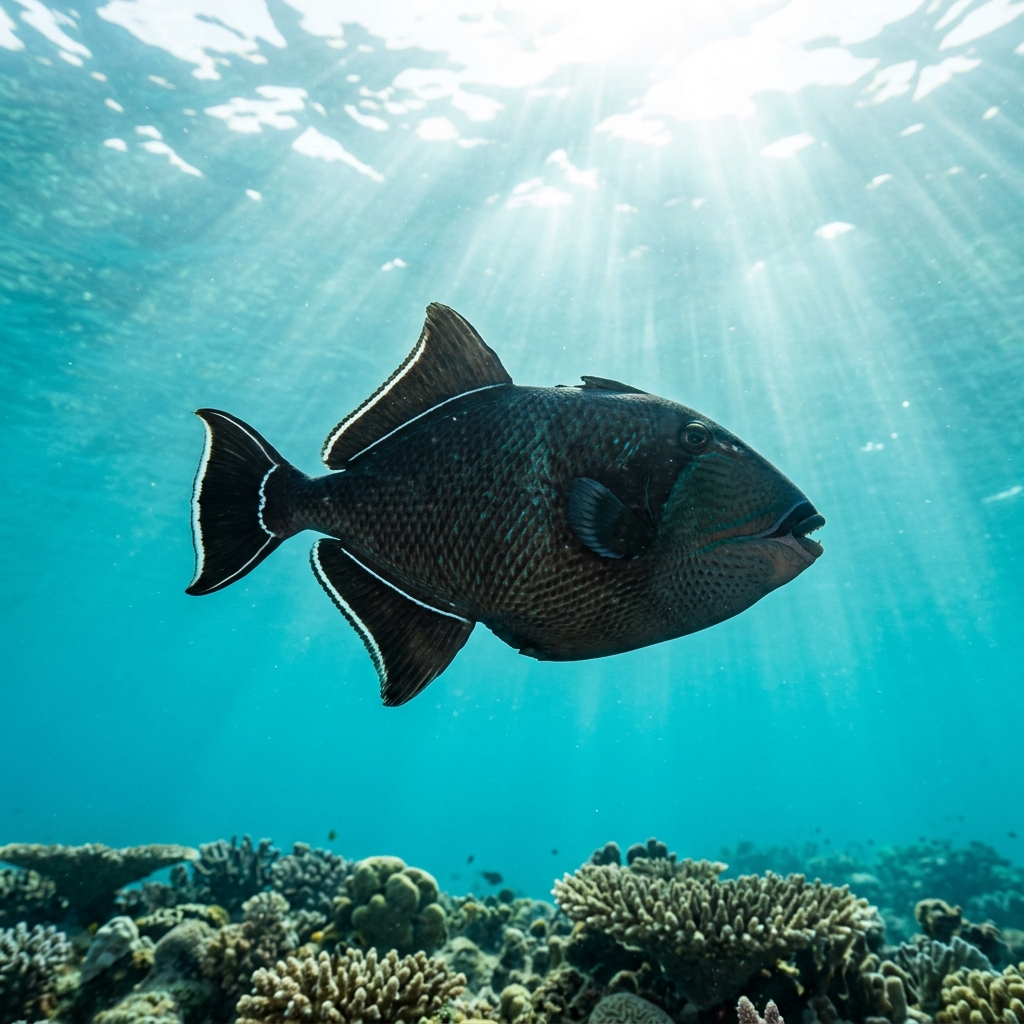
The site supports a variety of reef fish and invertebrates typical of the region, including various species of coral and schooling fish.
Yes, it is suitable for beginners, though they should stay close to the reef and remain in the shallower sections if currents increase.
The site ranges from 5 to 26 metres, with an average depth of 18 metres.
This is a boat dive; a boat is required to reach the pinnacle.
Water temperatures range from 28C to 30C throughout the year.
Diving at Gaa Vehtunu Thila in Malé requires the following certifications: Open Water. Always dive within your training limits.
A rashguard or 2mm shorty is recommended for diving at Gaa Vehtunu Thila in Malé. Water temperatures range from 28°C to 30°C.
The best months to visit Gaa Vehtunu Thila in Malé are January, February, March, and April. Conditions outside these months can still be good but are less predictable.
Divers at Gaa Vehtunu Thila in Malé should be aware of sharks. These encounters are generally rare and avoidable with proper awareness. Follow local safety guidance and maintain a respectful distance from all marine life.