
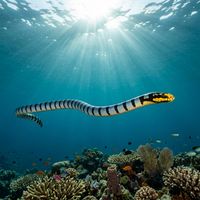
Tioman Island offers an unusually varied underwater terrain: shallow shore-entry reefs, boat-access walls and pinnacles, muck patches, drift runs and a snorkellable wreck at Bus Station. Most sites suit beginners, though Jahat and Berlabuh carry stronger currents for advanced divers. The signature species list is distinctive, led by the Broadclub Cuttlefish, Bluespotted Fantail Ray and Sea Krait. Nudibranchs appear across the board, and Common Clownfish are reliably encountered at the shallower reefs.

Monthly water temperature across Tioman Island's sites, from satellite sea-surface data corrected for depth. The band shows the site-to-site spread.
Water stays warm year-round, with the coolest readings in January, February and December and the warmest from April through June and again in October. The histogram shows a marked dip in activity over November and January, corresponding to rougher seasonal conditions, while March through October represents the most reliable window. Exposed outer sites such as Berlabuh and Jahat are most affected by current swings, so timing matters for those particular dives.
42 operators
Kampung Tekek, Malaysia

45 more sites to explore
Water temperature around Tioman Island ranges from about 28°C in January to 30°C in April, based on satellite sea-temperature data for its dive sites.
With water around 28–30°C, a rash guard or 3mm shorty works in Tioman Island year-round.
Fin maps 57 sites in Tioman Island (51 scuba diving sites and 20 snorkelling spots, with some suited to both).
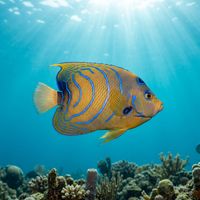
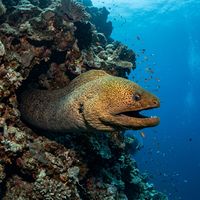
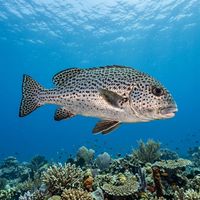
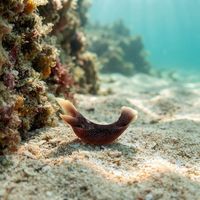
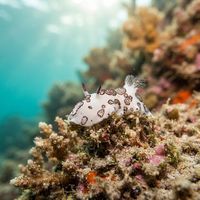
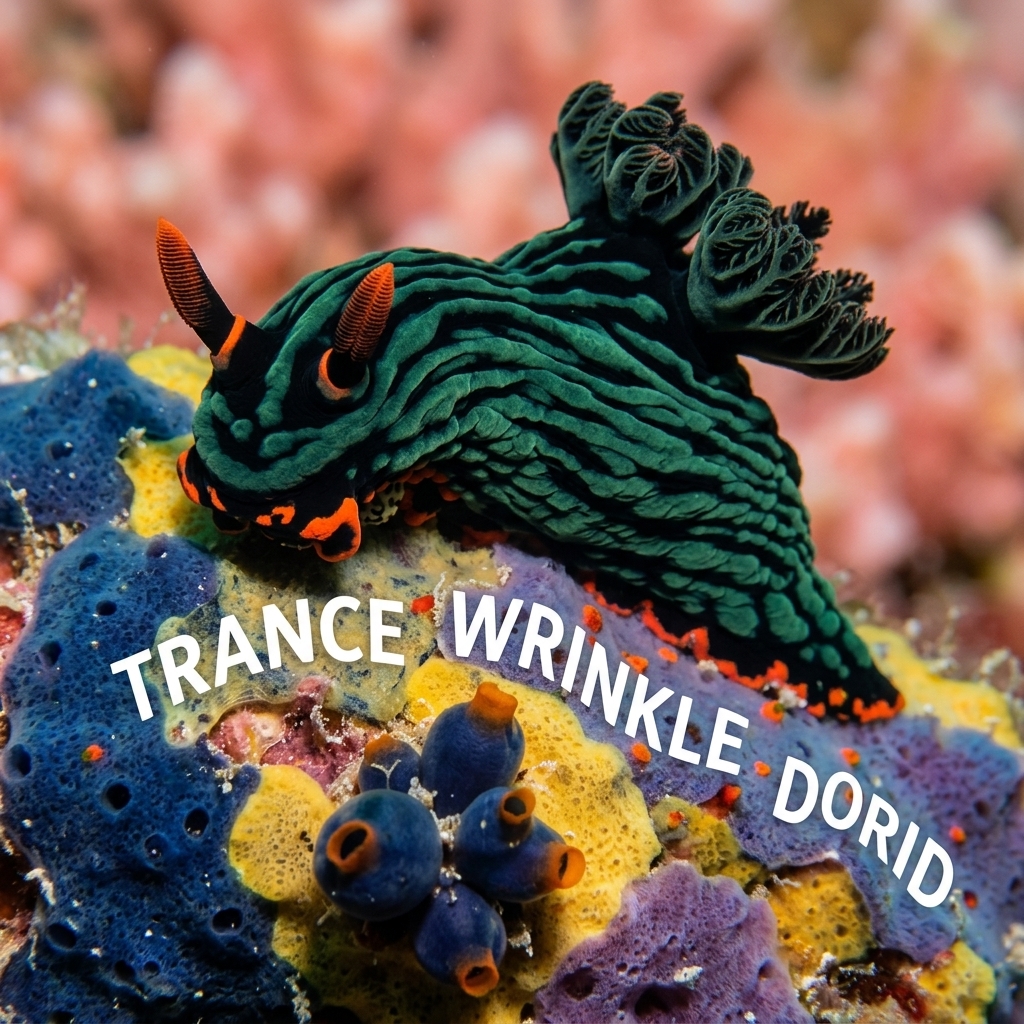
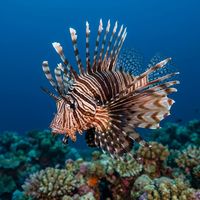
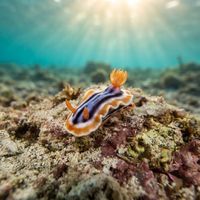
Tioman Island's reefs host a wide cast of species backed by observation records. The Broadclub Cuttlefish and Bluespotted Fantail Ray are among the most frequently encountered, alongside the Sea Krait, Zebra Lionfish and Harlequin Sweetlips. Nudibranch lovers will find the Ringed Velvet Dorid, Magnificent Chromodoris and Headshield Slug appearing across many sites, and the Giant Moray is reliably present on the deeper reef sections.
The large majority of sites are rated beginner level, including popular spots such as Dungun, The Aquarium, Temedor and Bahai Bay. A handful of sites, namely Jahat and Berlabuh, are designated advanced due to stronger or unpredictable currents and, in the case of Jahat, an overhead environment. Beginners have plenty of choice across reef, wall, muck and even artificial reef formats without needing to venture to those more demanding locations.
Both options exist, though most sites require a boat. Shore-entry sites include The Aquarium and Amigo House Sand, which suit those who prefer to avoid boat transfers. Boat-access sites cover the wider range of terrain, including the outer walls, pinnacles and the Bus Station wreck. Several operators listed for the island, including Dive Tioman and Go Deeper Dive Center, run regular boat trips to the full spread of sites.
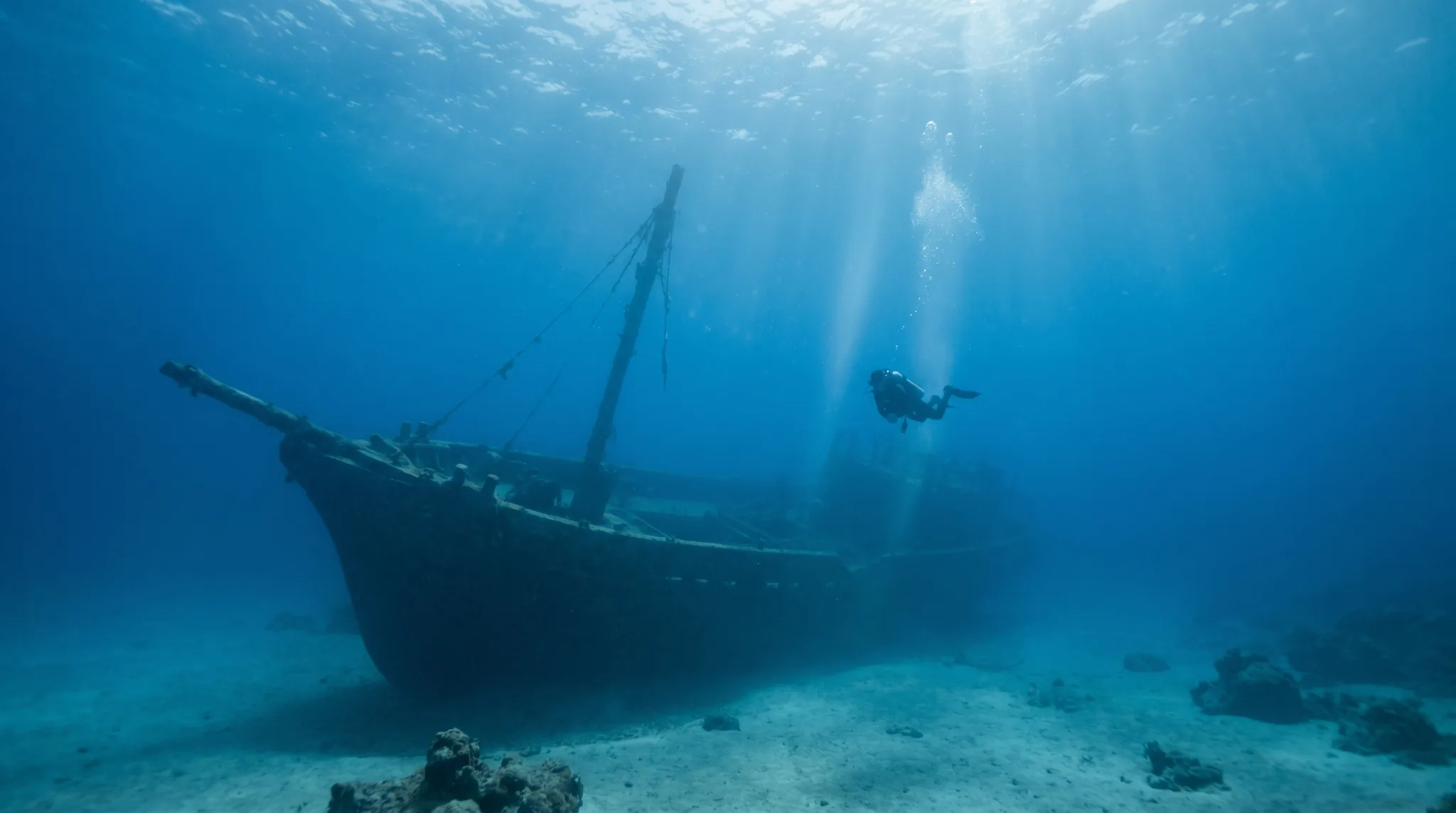
Tioman Island's sites span an unusually broad range for a single island destination. Gentle reef slopes and sandy muck bottoms at sites like Amigo House Sand contrast with the wall and drift topography at Ajoy and the multi-feature layout at Bahai Bay, which combines reef, wall, pinnacle and drift sections. Pirate Reef adds an artificial reef component alongside natural coral. The Bus Station wreck rounds out the mix and is accessible to snorkellers as well as divers.