
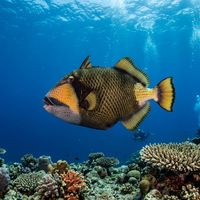
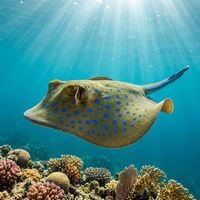
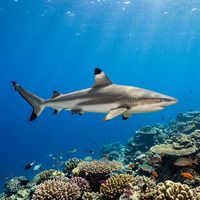
The Perhentian Islands spread across three sub-areas: Perhentian Besar, Perhentian Kecil, and the outer sites around Tokong Laut. Reefs dominate the site mix, with wrecks, pinnacles, walls, and seagrass beds adding variety. The Blacktip Reef Shark, Bluespotted Fantail Ray, and Titan Triggerfish are consistently observed across the islands. Most sites suit beginners, though Tokong Laut draws advanced divers seeking drift and wall diving. The season runs broadly from March through October, with the islands closing to visitors during the monsoon months.
3 areas

Monthly water temperature across Perhentian Islands's sites, from satellite sea-surface data corrected for depth. The band shows the site-to-site spread.
Water stays warm throughout the open season, peaking between May and July and remaining comfortable well into October. The best diving months cluster from March through October, with November, December, January, and February seeing very little activity due to the monsoon. Tokong Laut and the outer sites can carry stronger currents, while the sheltered reefs around Perhentian Besar and Kecil offer calmer conditions ideal for less experienced divers.
29 operators


Jertih, Malaysia
49 more sites to explore
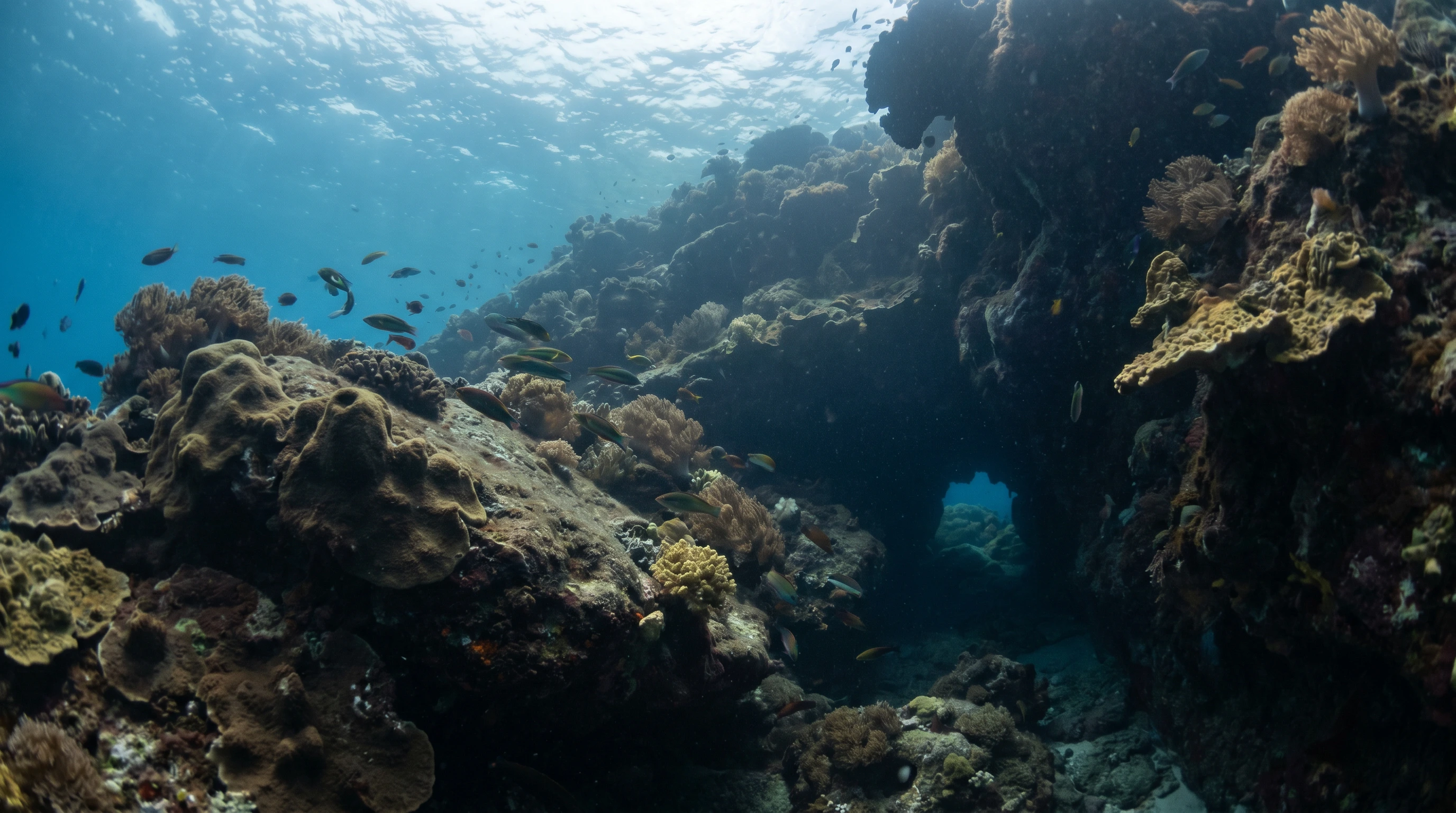
Reef-rich island diving with Blacktip Reef Sharks, rays and a wreck, plus calm snorkel sites suitable for all levels.
Water temperature around Perhentian Islands ranges from about 28°C in January to 31°C in May, based on satellite sea-temperature data for its dive sites.
With water around 28–31°C, a rash guard or 3mm shorty works in Perhentian Islands year-round.
Fin maps 61 sites in Perhentian Islands (57 scuba diving sites and 17 snorkelling spots, with some suited to both), organised into 3 areas.
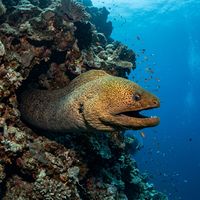
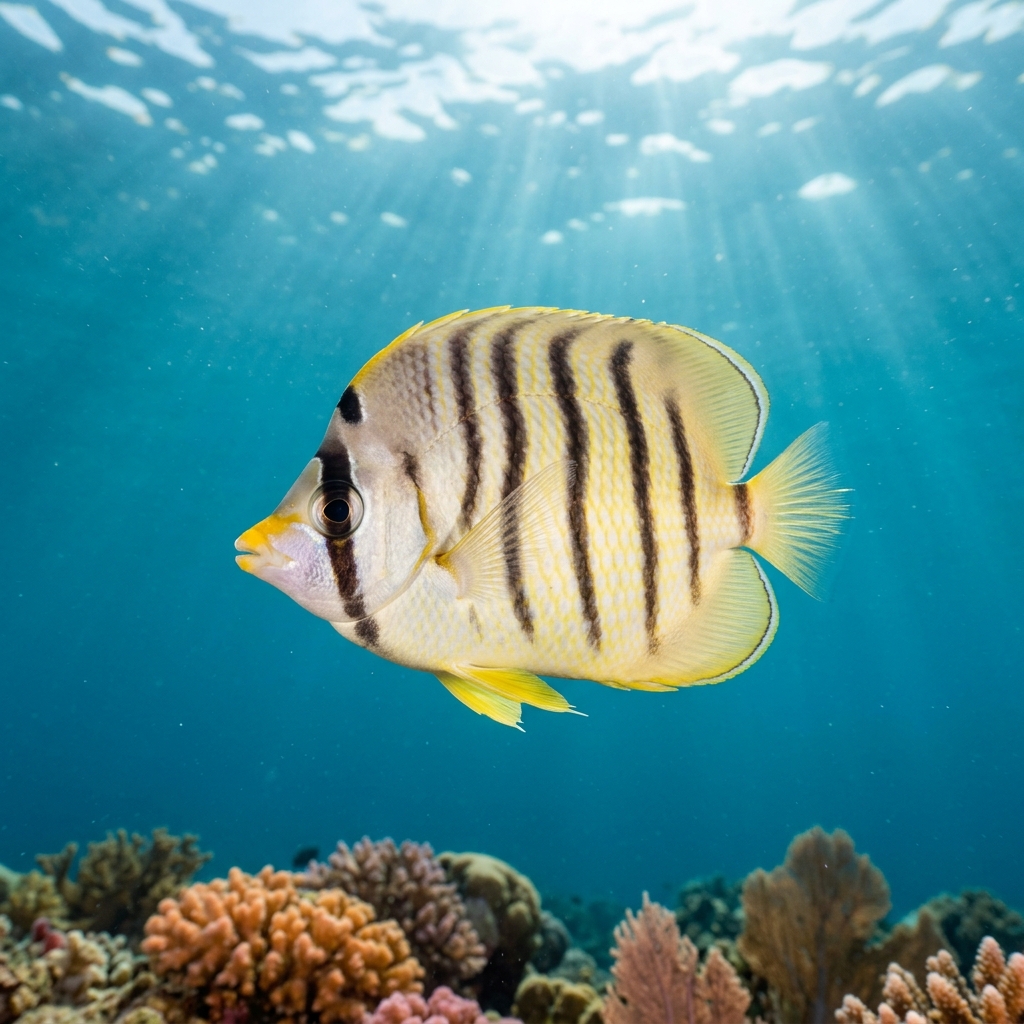
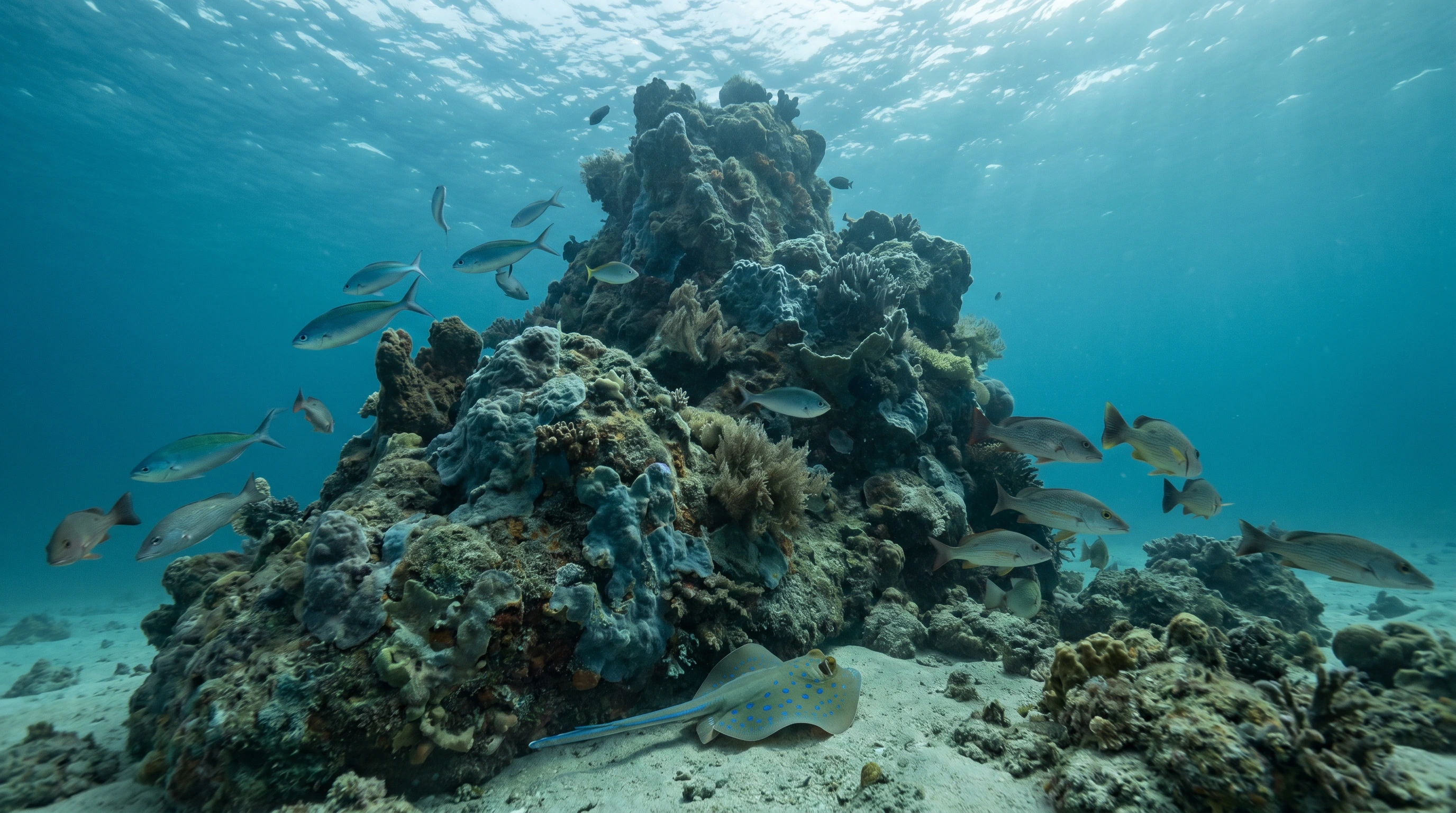
The Blacktip Reef Shark is a very common presence across the islands and is one of the signature species of the region. The Bluespotted Fantail Ray and Giant Moray are also frequently observed on the reefs. Titan Triggerfish appear at nearly every site, so divers should be aware that nesting individuals can be territorial.
The majority of sites across Perhentian Besar and Perhentian Kecil are rated for beginners, with shallow reefs and calm conditions at most locations. Sites like Tiga Ruang, Tukas Darat, and Laluan Naga offer gentle entry points for those new to diving. Advanced divers are catered for at the outer sites, particularly Tokong Laut, which features drift and wall diving.
Perhentian Besar and Perhentian Kecil together account for the bulk of the sites and offer a mix of reef, wreck, and seagrass diving at a range of skill levels. Tokong Laut and the Outer Sites form a smaller cluster further offshore, with more exposed conditions including pinnacle, wall, and drift diving suited to experienced divers. Boat access is standard across all three sub-areas for the deeper and more remote sites.
Both entry types are available depending on the site. Laluan Naga and Teluk Pauh can be reached from shore, making them convenient for independent snorkellers and divers staying nearby. Most diving sites, including the wrecks and outer pinnacles, require boat access, and operators such as Panorama Diver, Turtle Bay Divers, and Matahari Divers run regular boat trips across the islands.