
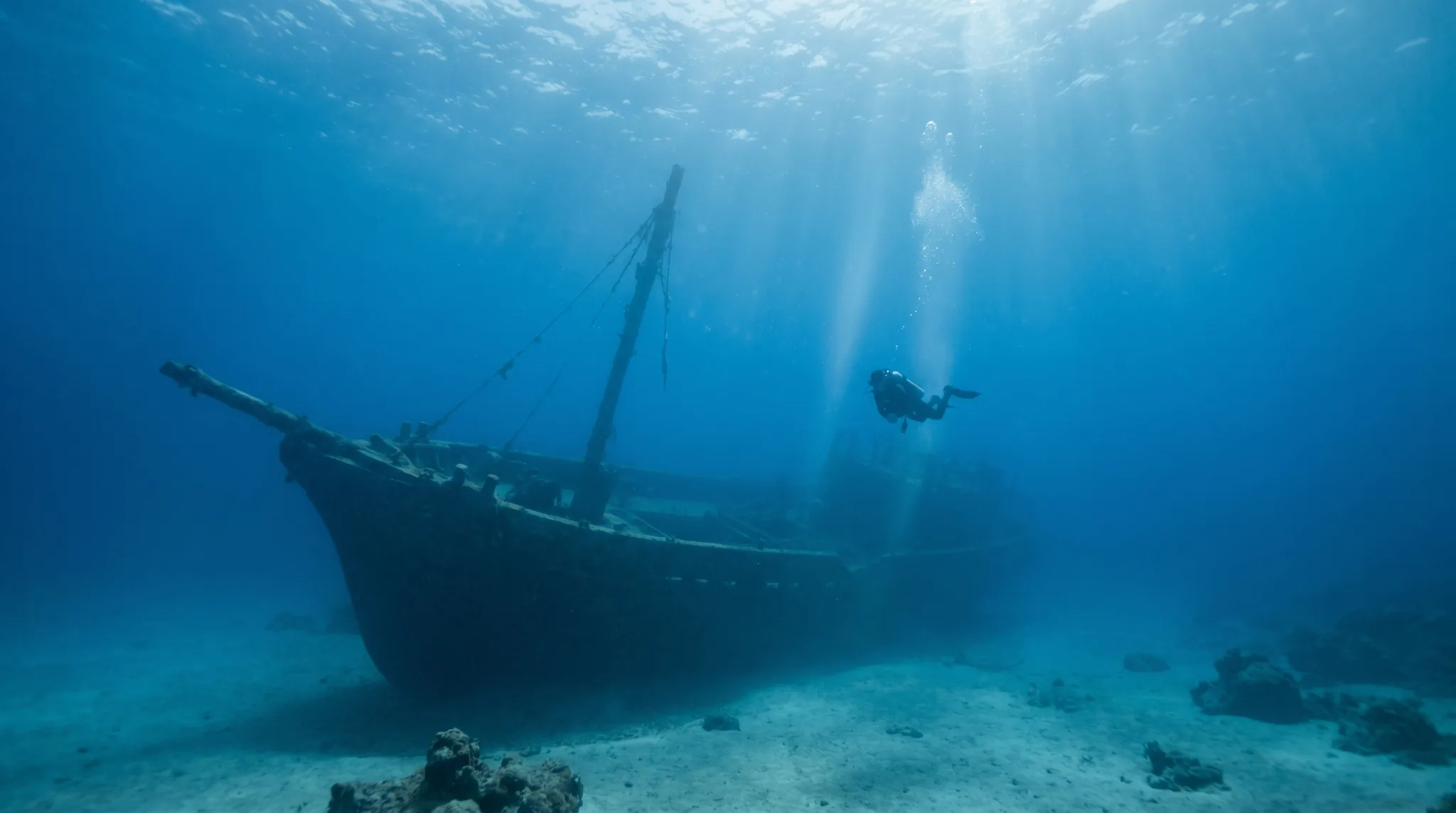
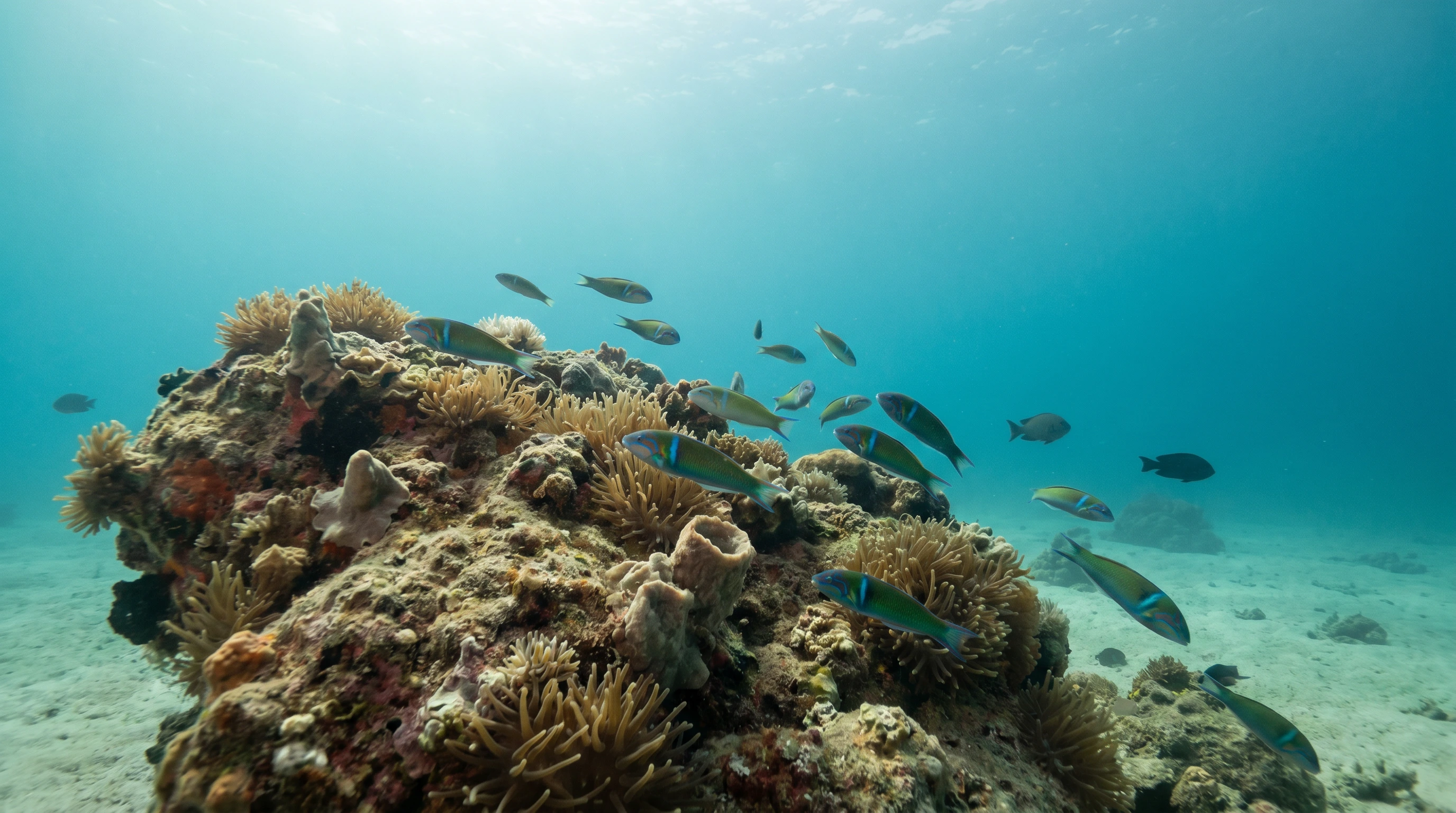
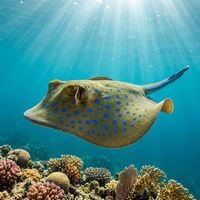
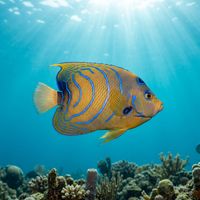
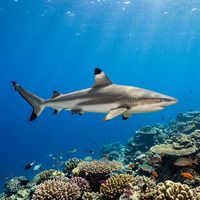
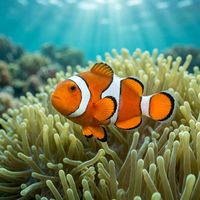
Perhentian Besar offers a well-rounded mix of reef, pinnacle, muck, wreck and seagrass sites, spread across shallow shore entries and deeper boat-access dives. Beginner and intermediate divers are well catered for, though a handful of sites suit more experienced visitors. The Blacktip Reef Shark, Bluespotted Fantail Ray and Titan Triggerfish are frequently observed across the reef network, while the Common Clownfish and Blue Ringed Angelfish appear at sites throughout the island. Conditions are warmest from late spring through to October.

Monthly water temperature across Perhentian Besar's sites, from satellite sea-surface data corrected for depth. The band shows the site-to-site spread.
Water stays warm across the year, peaking from late spring into early autumn, which aligns with the calmest and clearest conditions. March, April and the months through to October see the highest diver activity, with November marking a sharp drop-off as rougher seasonal weather arrives. Divers planning a trip should aim for the dry-season window to make the most of the better visibility the reefs can offer.
7 operators
Jertih, Malaysia
Jertih, Malaysia
Malaysia
Jertih, Malaysia
16 more sites to explore
Water temperature around Perhentian Besar ranges from about 28°C in January to 31°C in May, based on satellite sea-temperature data for its dive sites.
With water around 28–31°C, a rash guard or 3mm shorty works in Perhentian Besar year-round.
Fin maps 28 sites in Perhentian Besar (25 scuba diving sites and 13 snorkelling spots, with some suited to both).
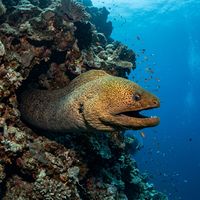
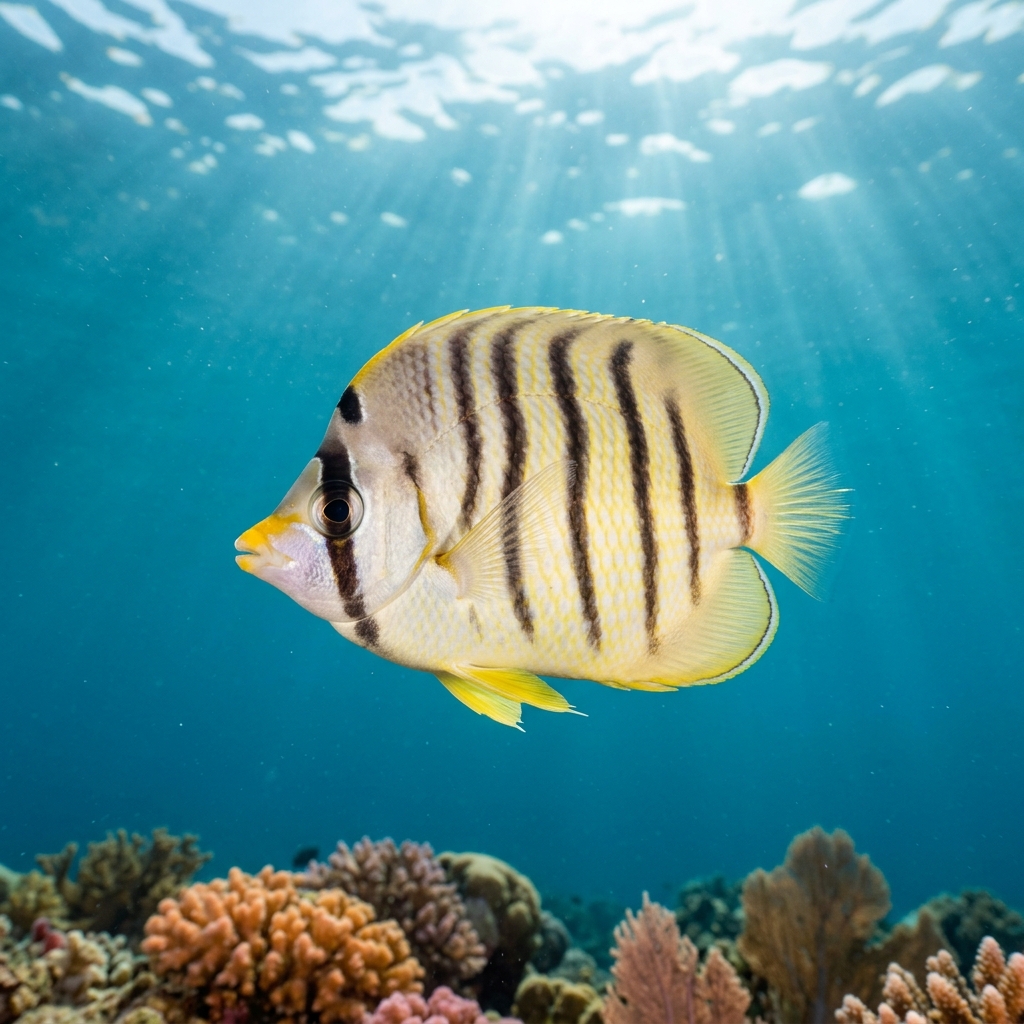
Perhentian Besar has a strong record of Blacktip Reef Shark sightings across a wide range of its sites. The Bluespotted Fantail Ray and Giant Moray are also commonly encountered, and the Titan Triggerfish appears at virtually every reef. The Ringed Velvet Dorid rounds out the signature species list for those who enjoy searching reef surfaces carefully.
A good proportion of the sites here are rated for beginner divers, including shore-entry reefs and shallow bay dives with calm conditions. Sites such as Laluan Naga, Shark Point and Teluk KK offer gentle introductions to reef diving without demanding strong skills. Intermediate sites do exist for those ready to progress, and several operators on the island offer guided dives across the full skill range.
Shore entries give direct access to some of the shallowest reefs and seagrass sites, which are ideal for snorkellers and newly certified divers. Boat-access sites tend to reach deeper terrain, including pinnacles, drop-offs and the Maritime Wreck, where the reef structure becomes more dramatic. Several sites offer both entry options, so divers can choose the approach that suits their plan for the day.
The site mix is varied: natural reefs make up the backbone of the diving, but there are also artificial reefs, a wreck, a muck-and-drop-off combination at Tukas Laut, and a pinnacle at Batu Kapal. Seagrass beds at Teluk Pauh add a quieter, shallower option rarely found at reef-dominated destinations. This variety means repeat visitors can work through quite different environments across multiple days.