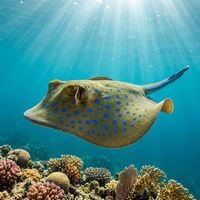
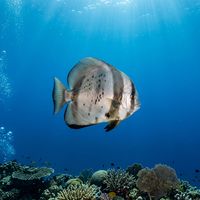
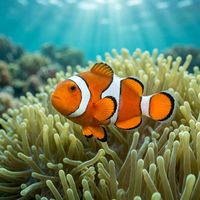
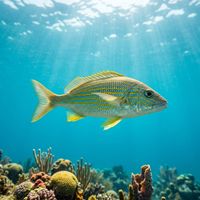
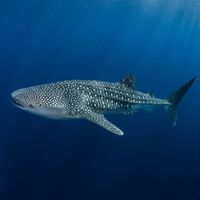
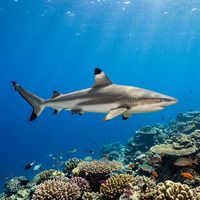
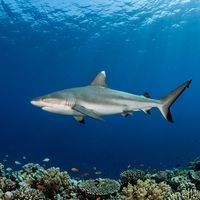
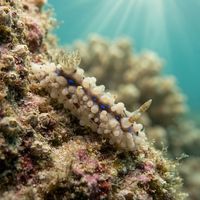
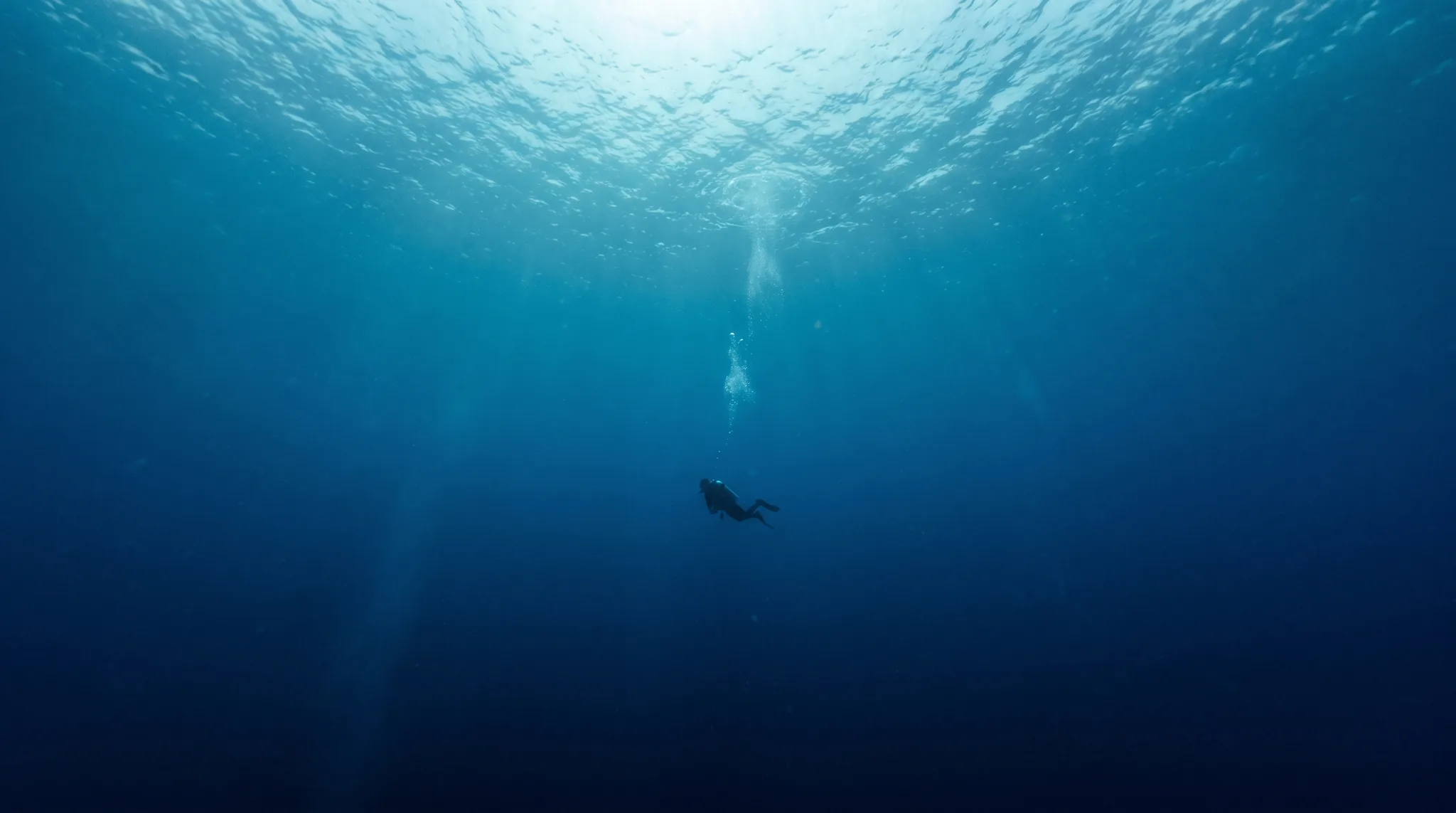
The Mersing Islands offer reef diving and snorkelling across a spread of offshore islands, with sites ranging from shallow artificial reefs suited to first-time snorkellers to deeper reef structures accessible by boat. The Bluespotted Fantail Ray and Blacktip Reef Shark define the underwater character here, while Batfish, Common Clownfish (Nemo), and Grunt appear consistently across sites. Occasional sightings of Whale Shark add an element of surprise. Most sites lean beginner-friendly, though conditions vary by island group.
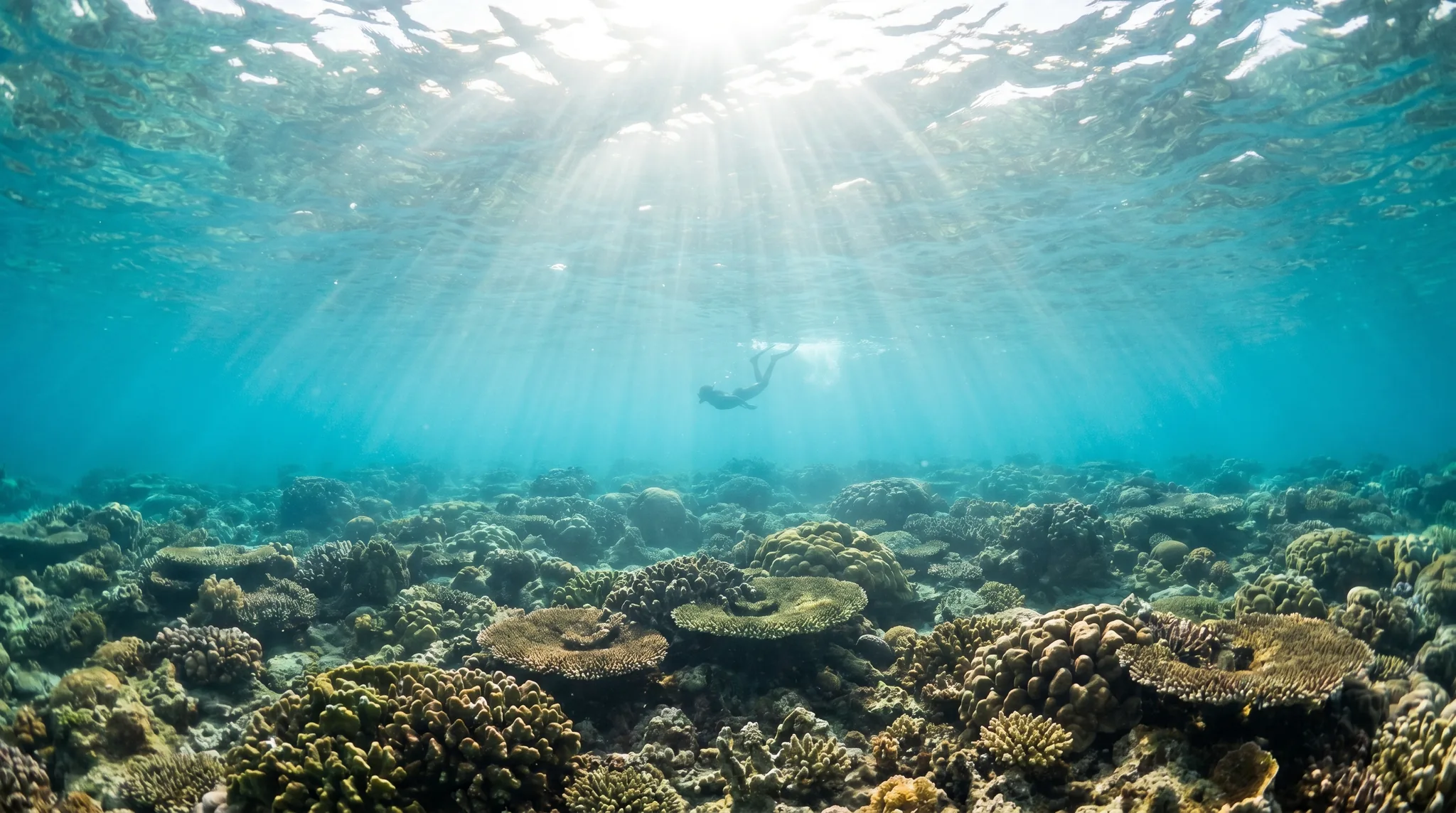
Monthly water temperature across Mersing Islands's sites, from satellite sea-surface data corrected for depth. The band shows the site-to-site spread.
Water temperature stays warm throughout the year, peaking in the warmer months from late spring through autumn. The best diving conditions align broadly with the drier months from March through October, when visibility tends to be more favourable. During the northeast monsoon season, from around November through February, conditions can deteriorate and access to some sites may be limited.
6 operators

10 more sites to explore
Water temperature around Mersing Islands ranges from about 28°C in January to 30°C in April, based on satellite sea-temperature data for its dive sites.
With water around 28–30°C, a rash guard or 3mm shorty works in Mersing Islands year-round.
Fin maps 13 sites in Mersing Islands (12 scuba diving sites and 4 snorkelling spots, with some suited to both).
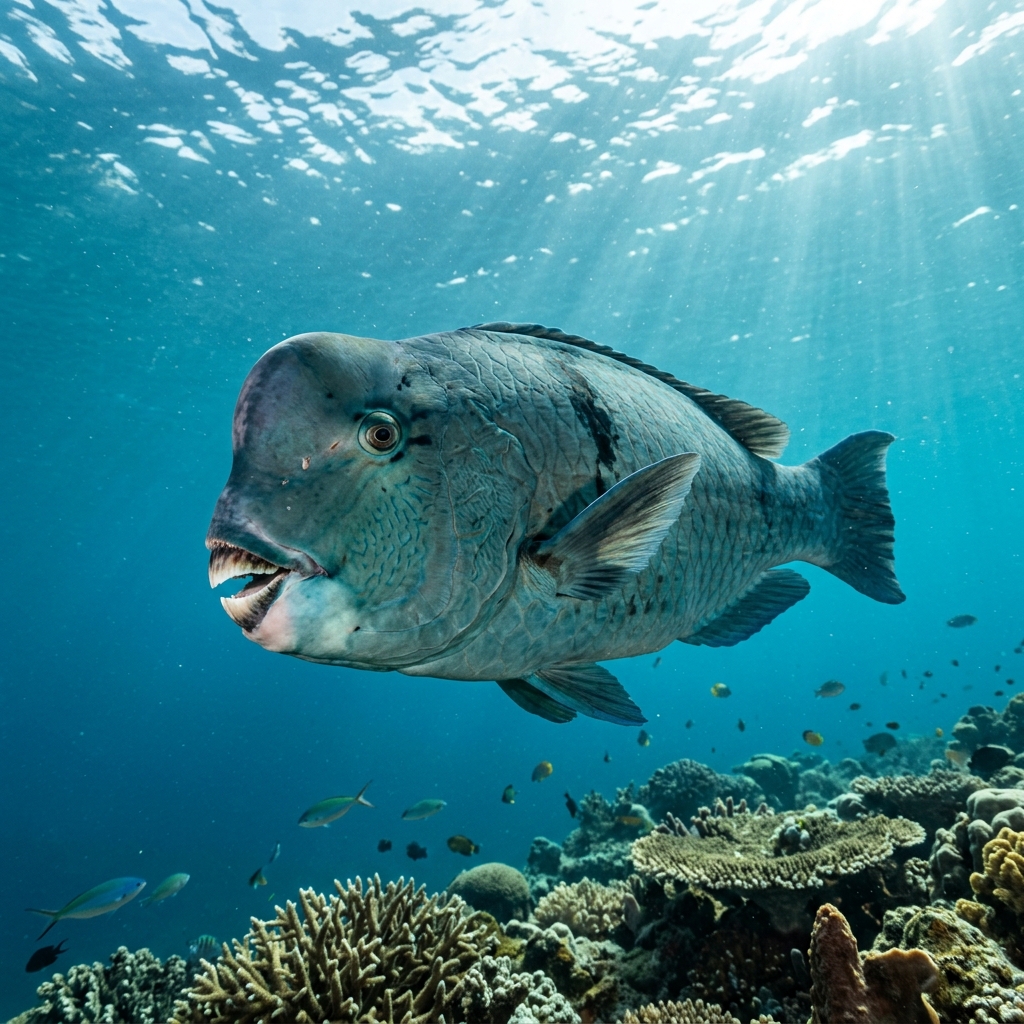
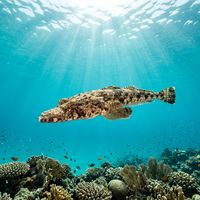
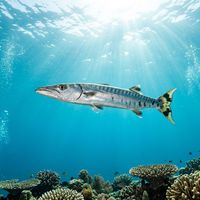
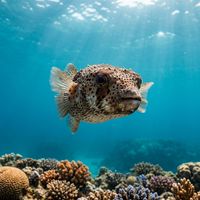
The most consistently observed species include Batfish, Common Clownfish (Nemo), Grunt, and the Bluespotted Fantail Ray, which appears across the vast majority of sites. Blacktip Reef Shark is spotted occasionally, and Whale Shark has been observed at a smaller number of sites. Less frequent but recorded sightings include Barracuda, Pufferfish, Fusilier, Crocodilefish, and Bumphead Parrotfish.
Yes, the region leans strongly toward beginner-friendly diving. Sites such as Takong Sangoe and Takong Rakit are rated for beginners and feature reef structures at accessible depths. Most entry is by boat, so a basic level of comfort in open water is helpful, but no advanced certification is required for the majority of listed sites.
The majority of sites are reached by boat, which is the standard access method for the offshore island groups such as Aur and Dayang. Shore entry is available at some sites, including Batu Batu (Pulau Tengah), which is particularly suited to snorkellers. Several operators based in the region, including Sea Gypsy Village Resort and Dive Base and OrcaNation Rawa, offer guided access to the sites.
The region mixes natural reef with artificial reef structures. Artificial reef sites tend to be shallower and are well suited to snorkellers and new divers building confidence. Natural reef sites, including those around Aur and Dayang Islands, offer more varied terrain and the chance of encountering larger species such as Blacktip Reef Shark. Both site types have produced Bluespotted Fantail Ray sightings.